The best gravel rides around Narcau/Narcao
29
riders
4
rides
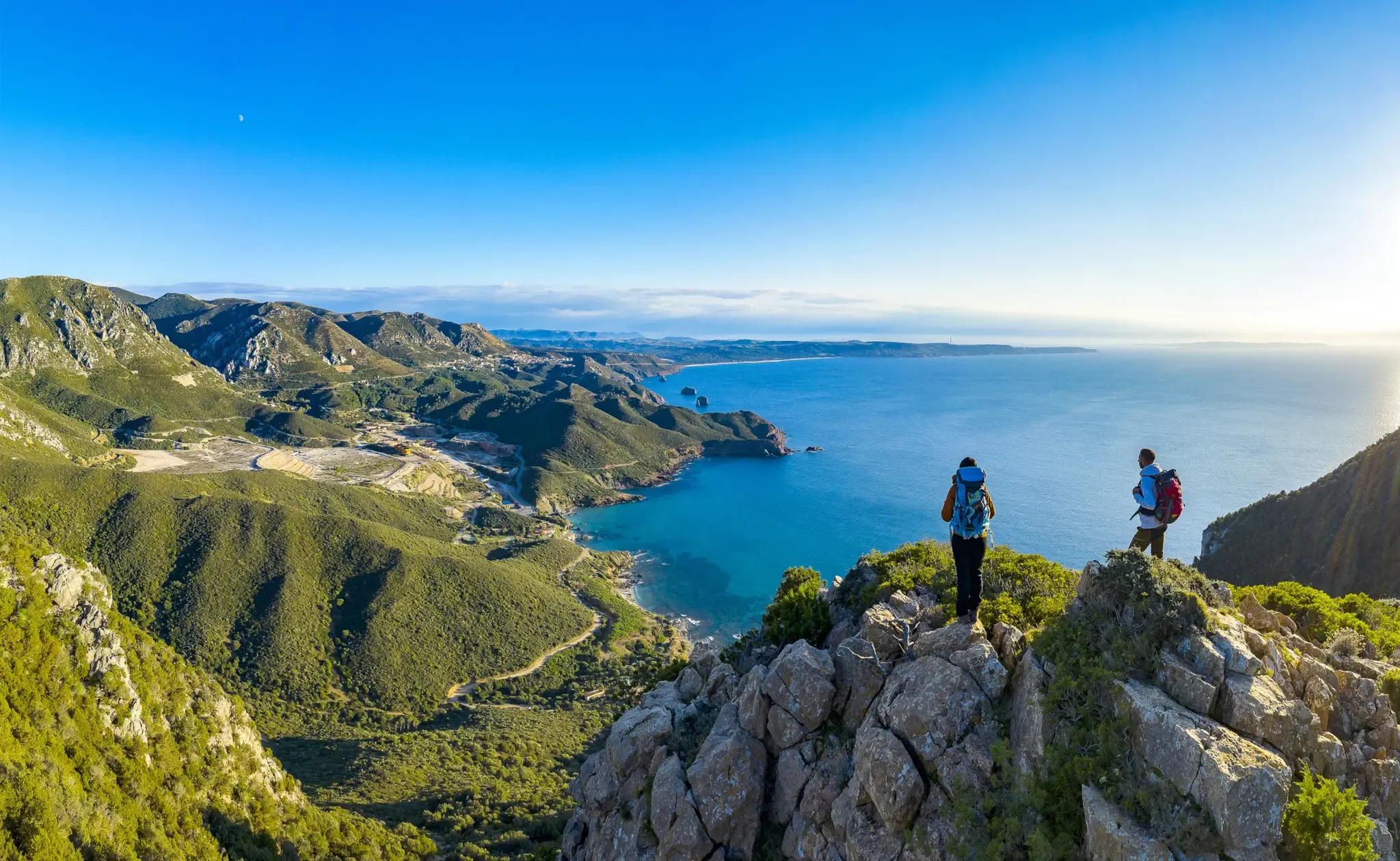
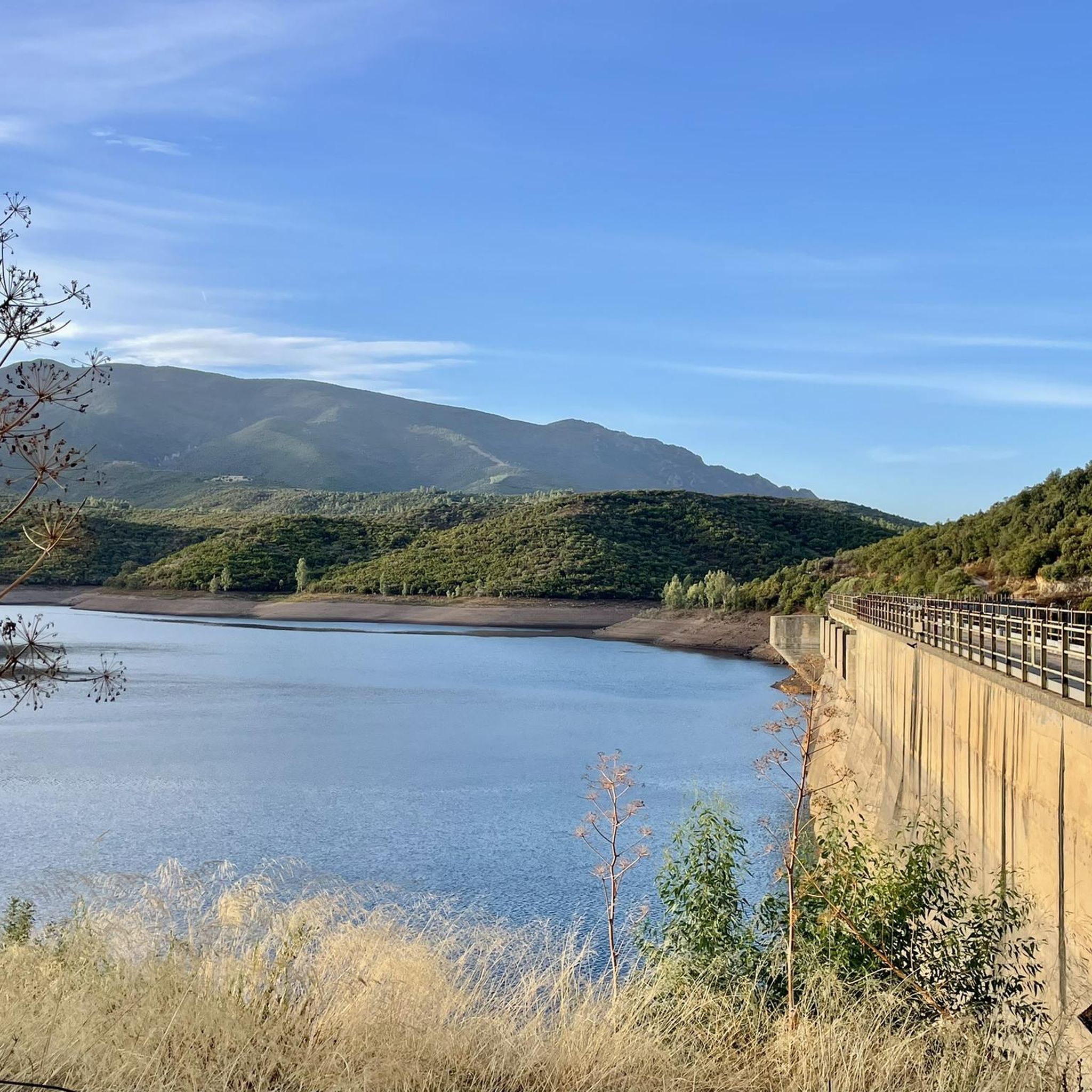
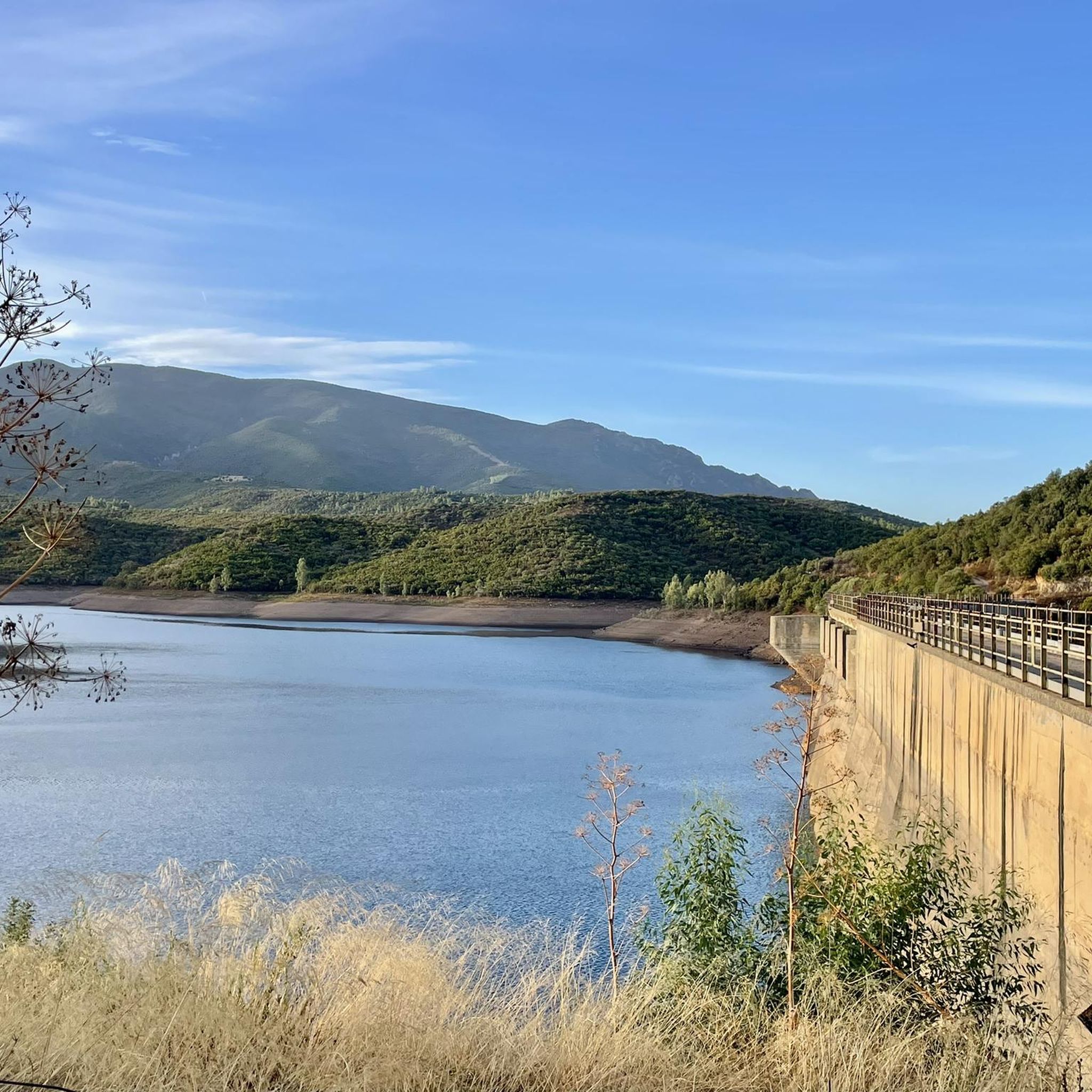
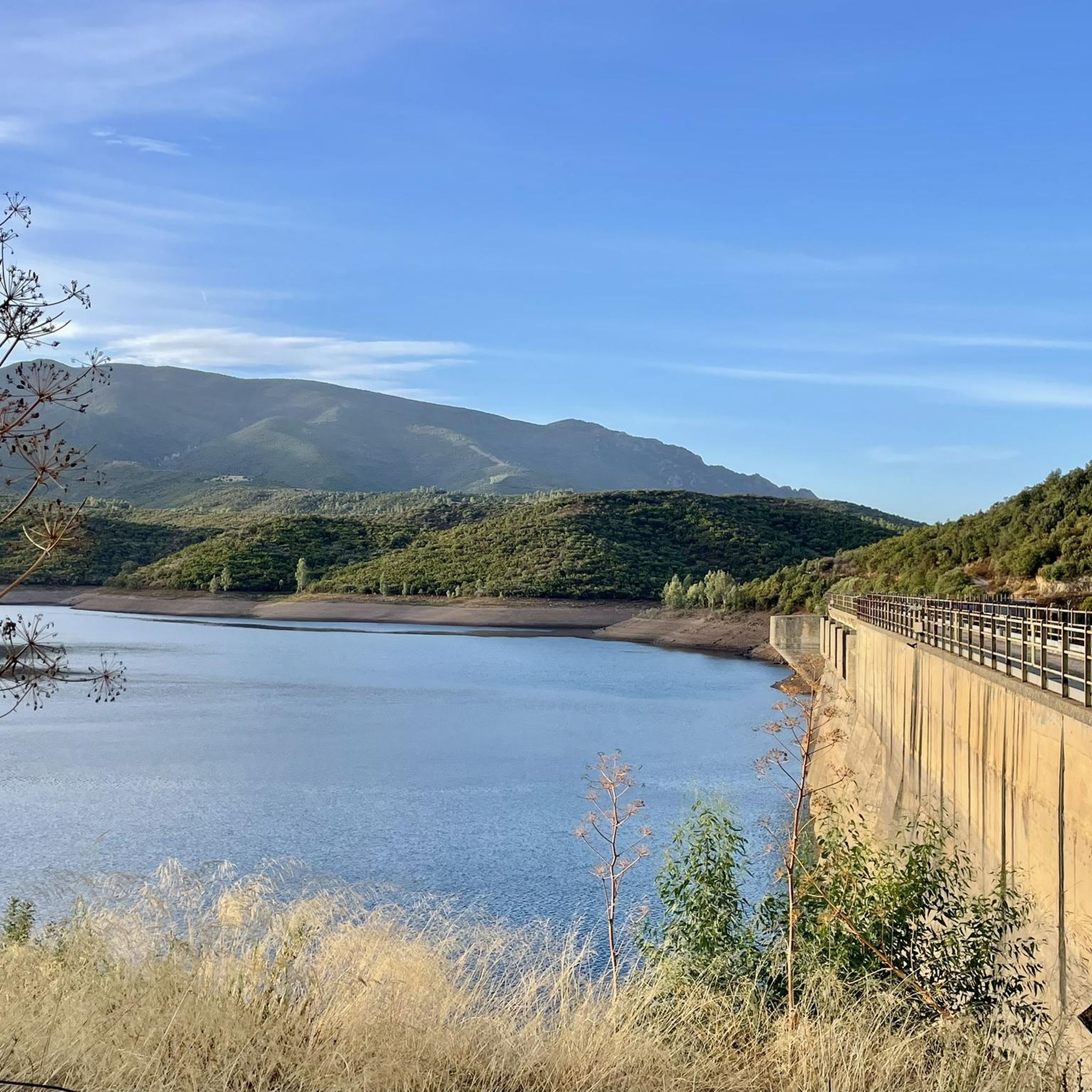
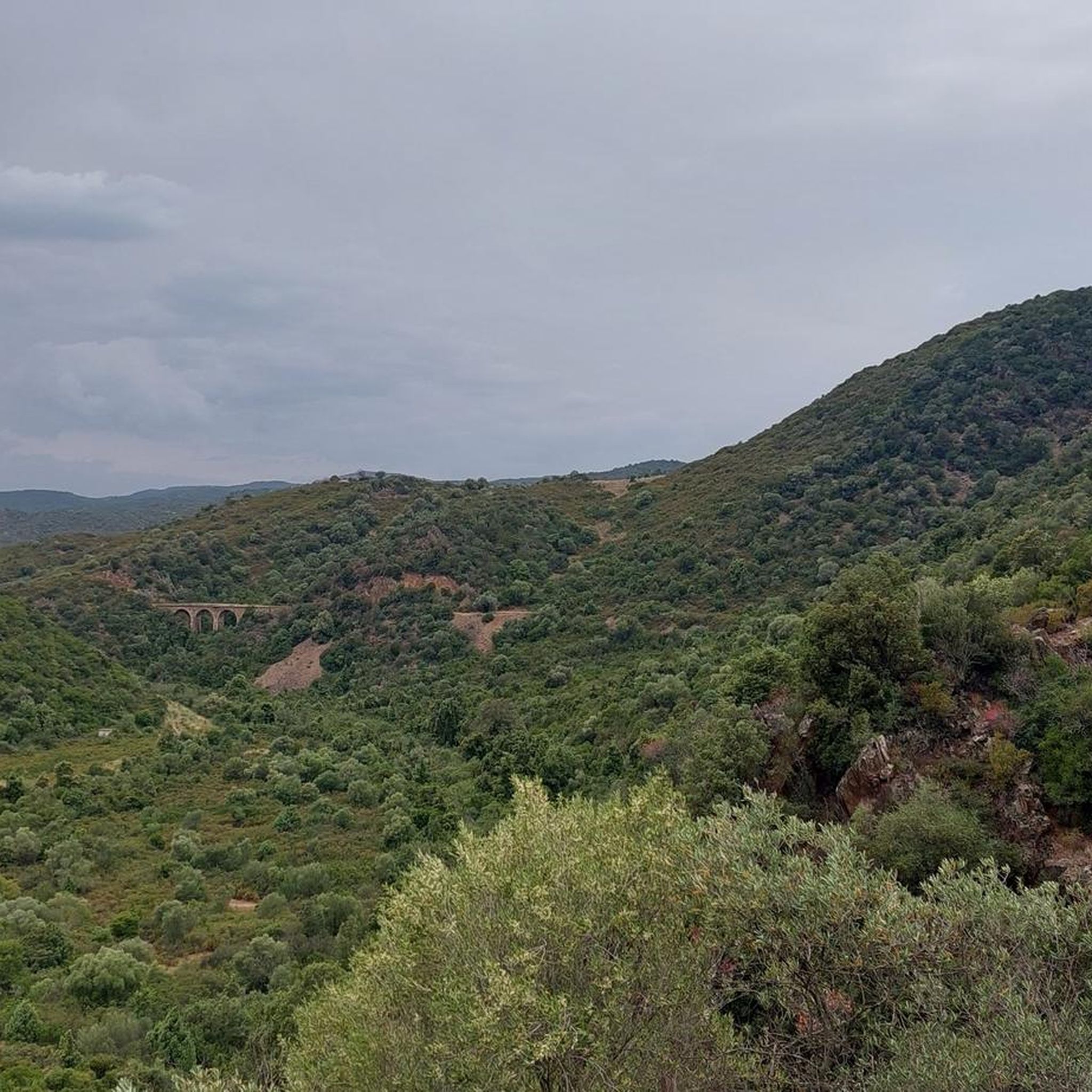
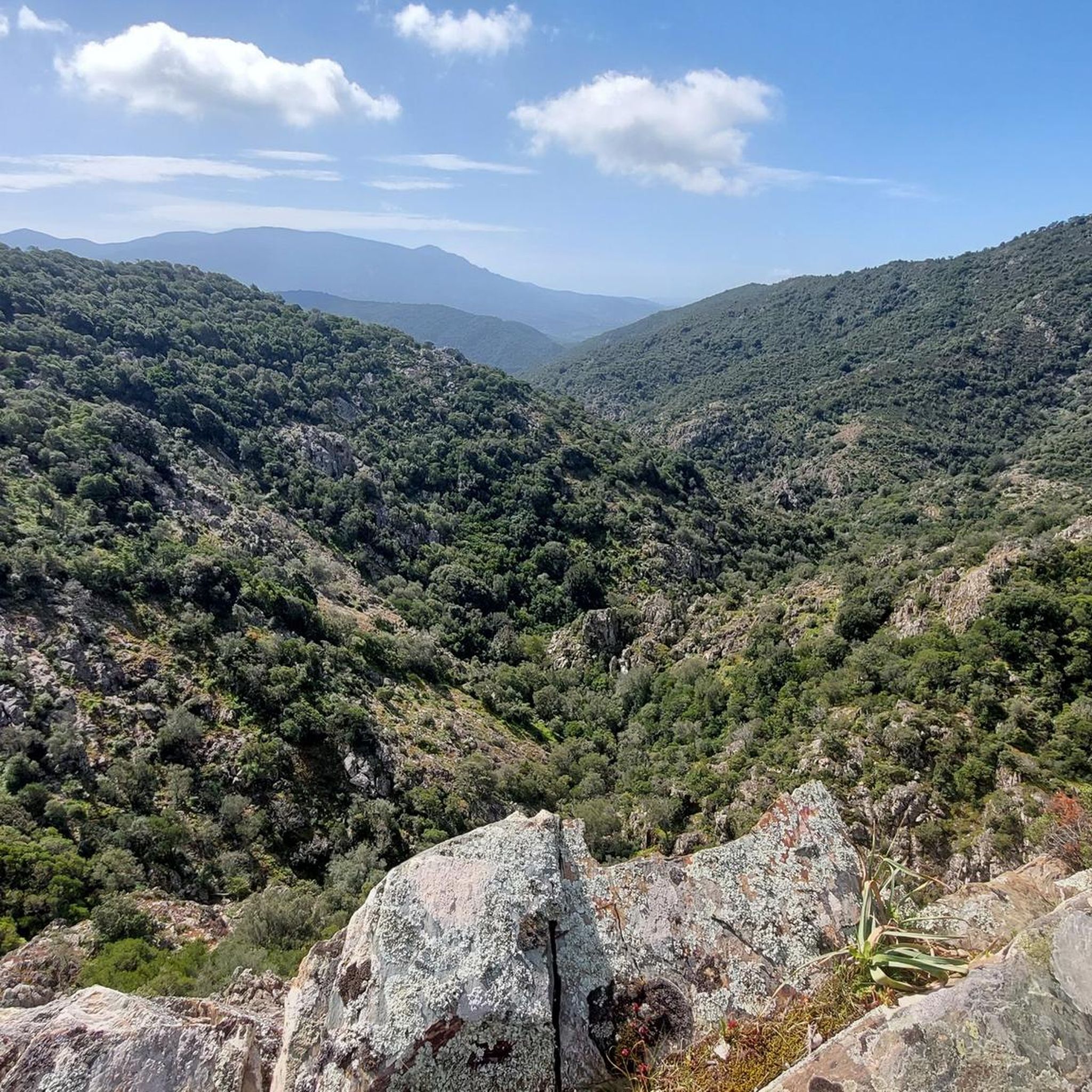
Gravel biking around Narcau/Narcao, located in the lower Sulcis region of Sardinia, offers diverse landscapes for cyclists. The area features mountainous terrain covered in Mediterranean scrub, oak trees, pinewoods, and eucalyptus forests. Winding roads and former railway lines provide varied surfaces for gravel bike trails. This mix of dense vegetation and varied topography creates a network of unpaved routes suitable for exploration.
Best gravel bike trails around Narcau/Narcao
- The most popular gravel bike trail is San Giovanni Cave – Sa…
Last updated: July 15, 2026
8
riders
93.9km
07:01
1,400m
1,400m
Hard gravel ride. Very good fitness required. Mostly paved surfaces. Suitable for all skill levels.
4
riders
109km
08:08
1,780m
1,780m
Hard gravel ride. Very good fitness required. Mostly paved surfaces. Suitable for all skill levels.

Sign up for free
4
riders
111km
07:54
1,490m
1,490m
Hard gravel ride. Very good fitness required. Mostly paved surfaces. Suitable for all skill levels.
2
riders
22.1km
01:23
100m
100m
Easy gravel ride. Great for any fitness level. Mostly paved surfaces. Suitable for all skill levels.
4
riders
57.9km
03:42
390m
390m
Moderate gravel ride. Good fitness required. Mostly paved surfaces. Suitable for all skill levels.
Our route recommendations are based on thousands of hikes, rides, and runs completed by other people on komoot.
Start today with a free account
Your next adventure awaits.
Login or Signup
Other adventures around Narcau/Narcao

Tips from the Community

Entry is only allowed with a guide, every 15-30 min. The last tour before the lunch break is at 12:15, afterwards at 15:00.
0
0

The journey takes a relaxing 45 minutes.
3
0

Nuxis is a small village inhabited since prehistoric times and rich in cultural layers. Among its attractions are the Church of San Pietro, built in 1853, and the Byzantine country church of Sant’Elia di Tattinu. The town of Nuxis is characterized by a vibrant use of mural art: several contemporary murals decorate walls and facades, depicting scenes from local life, portraits of residents, and moments of collective memory. The village has several accommodations, as well as markets and restaurants where you can refresh yourself and stock up on supplies.
1
0
Known as the Sulcis Railway, this narrow-gauge line was built in the 1920s by the Ferrovie Meridionali Sarde (Sardinian Southern Railways) to connect the mining areas of Sulcis with coastal towns and ports of embarkation. The route passed through isolated landscapes and wooded valleys, serving villages and mines that are now partly abandoned. Today, bridges, tunnels, and disused stations remain, testifying to the era when the railway was the main means of communication for miners and goods in the southwest of the island.
1
0
The Rosas Mine, active from 1849 to 1980 for the extraction of silver-bearing galena, lead, and zinc, is now a multi-purpose museum that chronicles the mining history of the Sulcis region. A guided tour allows access to the underground tunnels and a close-up look at the restored structures, while nearby hiking trails allow visitors to explore the natural environment and traces of the mining activity. For updated hours, costs, and reservations: https://museorosasnarcao.it/.
1
0
The evocative Grotta di San Giovanni is a geological and archaeological treasure, as well as the longest vehicle-accessible cave in the world. The cave is accessible from two sides, but the ticket office and information point are located at the main, southern entrance. Entrance is permitted only during cave opening hours. Ticket prices vary depending on the type of visit. You can find all the latest information on the website: https://www.grottasangiovanni.com/.
1
0

Or the Menhir of Terrazzu (the location where it is located). A megalithic monument over 5 meters tall; its current height, however, is not its original height, as its top was damaged by lightning. It is said that it was planted in Terrazzu by the giantess Luxia, who was tasked with building a bridge between the island of Sant'Antioco and the mainland. Upon arriving, however, she saw that the bridge had already been built and, enraged, threw the boulder to the ground, where it can be seen today. In the small park where the menhir is located, there is also a bicycle repair and maintenance station sponsored by the Cammino di Santa Barbara, of which the monument is part.
1
0
Frequently Asked Questions
What kind of terrain can I expect on gravel bike trails around Narcao?
Gravel biking around Narcao offers a diverse landscape. You'll encounter mountainous terrain covered in Mediterranean scrub, oak trees, pinewoods, and eucalyptus forests. Many routes follow scenic, winding roads and even old railway lines, providing a mix of unpaved surfaces ideal for gravel bikes. Expect varied topography and dense vegetation throughout the region.
What are the difficulty levels of gravel bike trails in the Narcao area?
The trails around Narcao cater to various skill levels. You'll find challenging routes with significant elevation gain, such as the San Giovanni Cave – Sa Reina monumental olive tree loop from Narcau/Narcao, which is rated difficult. There are also moderate options like the Portoscuso – Tonnara Su Pranu loop from Parco archeologico di Monte Sirai, and easier coastal loops like the Porto Botte Beach – Porto Botte Pond loop from Giba.
When is the best time of year to go gravel biking in Narcao?
Narcao, located in lower Sulcis, Sardinia, generally offers pleasant conditions for gravel biking during spring (April-May) and autumn (September-October). During these seasons, temperatures are milder, and the Mediterranean landscape is vibrant. Summers can be very hot, making early morning or late afternoon rides preferable, while winters are generally mild but can bring some rain.
Are there any circular gravel bike routes available near Narcao?
Yes, many of the gravel bike routes in the Narcao area are designed as loops, allowing you to start and finish at the same point. For example, the challenging Sa Reina monumental olive tree – Grotte di Is Zuddas loop from Narcau/Narcao is a popular circular option exploring geological formations and ancient trees. The Porto Botte Beach – Porto Botte Pond loop from Giba also offers an easier coastal loop.
What natural features or viewpoints can I expect to see along the gravel trails?
The region is rich in natural beauty. You'll ride through mountains covered in Mediterranean scrub, oak, pine, and eucalyptus forests. Some routes offer extensive views of the diverse landscapes, including coastal areas and wetlands. The San Giovanni Cave – Sa Reina monumental olive tree loop from Narcau/Narcao passes by notable natural points, including the monumental olive tree.
Are there historical sites or landmarks I can visit while gravel biking?
Absolutely. Narcao is set in a historically rich area. You can incorporate stops at significant sites like the Rosas Mining Village Narcao, a fantastic example of industrial archeology. Other historical points of interest include the Montessu Necropolis and Old Tratalias. The San Giovanni Cave – Sa Reina monumental olive tree loop from Narcau/Narcao also features historical points.
Can I explore any caves while gravel biking in the Narcao area?
Yes, the region is known for its geological formations. The Sa Reina monumental olive tree – Grotte di Is Zuddas loop from Narcau/Narcao explores the area's unique geological features, including the Caves of Is Zuddas. While some caves are for speleologists, others like Is Zuddas are accessible for visitors, offering a unique stop during your ride.
Are there family-friendly gravel biking options around Narcao?
While many routes in the immediate mountainous area are more challenging, easier coastal loops like the Porto Botte Beach – Porto Botte Pond loop from Giba offer less elevation and a more relaxed experience suitable for families. When planning with children, look for routes with lower difficulty ratings and shorter distances.
Is it possible to bring my dog on the gravel bike trails in Narcao?
Many natural trails in Sardinia are generally dog-friendly, especially if your dog is well-behaved and kept on a leash. However, always be mindful of local regulations, wildlife, and other trail users. Ensure your dog is fit enough for the distance and terrain, and carry enough water for both of you, especially on longer rides or during warmer months.
Where can I find parking for gravel biking trails in Narcao?
Narcao is a small town, and parking is generally available in and around the village center. For specific trailheads, it's often possible to find roadside parking or designated small parking areas, especially near popular starting points for routes. Always check local signage for any restrictions.
Are there places to eat or stay in Narcao for cyclists?
Narcao and the surrounding villages offer a selection of local restaurants, cafes, and pubs where you can refuel after a ride. Accommodation options range from B&Bs to agriturismos, providing a comfortable base for exploring the region. It's advisable to book in advance, especially during peak season.
What should I bring for a gravel biking trip in Narcao?
Given the varied terrain and potential for longer rides, it's essential to bring plenty of water, snacks, a repair kit (including spare tubes), and appropriate clothing for changing weather conditions. Sun protection is crucial, and a fully charged phone with offline maps is highly recommended, as cell service can be spotty in remote areas. A helmet is mandatory for safety.
Most popular routes around Narcau/Narcao
Most popular attractions around Narcau/Narcao

Get inspired with the komoot mobile app


Explore more
Browse the best Gravel rides in other regions.
