Top 2 Caves around Langenwetzendorf
Best caves around Langenwetzendorf are primarily found in the surrounding region of Thuringia, as no notable caves are located directly within the town. The area is characterized by its rural landscape, offering access to geological formations in nearby locations. For those interested in exploring underground features, the closest significant cave attraction is approximately 15 kilometers away. This region provides opportunities to discover natural and man-made subterranean structures.
Best caves around Langenwetzendorf
- The most popular caves is Drachenhöhle Syrau – Eisenach–Budapest…
Last updated: June 29, 2026
Syrau Cave Park
Highlight • Natural
Translated by Google •
Tip by

Syrau Dragon Cave
Highlight • Cave
Translated by Google •
Tip by

Sign up now to discover places like this
Get recommendations on the best single tracks, peaks, & plenty of other exciting outdoor places.
Sign up for free
Greiz Rock Cellar Complex
Highlight • Cave
Translated by Google •
Tip by

Grotto in Hades
Highlight • Cave
Translated by Google •
Tip by
Air-Raid Shelter at Göltzsch Viaduct
Highlight • Historical Site
It was laid out as a storage cellar and at the time of National Socialism it was …
Translated by Google •
Tip by

Start today with a free account
Your next adventure awaits.
Login or Signup
Popular around Langenwetzendorf
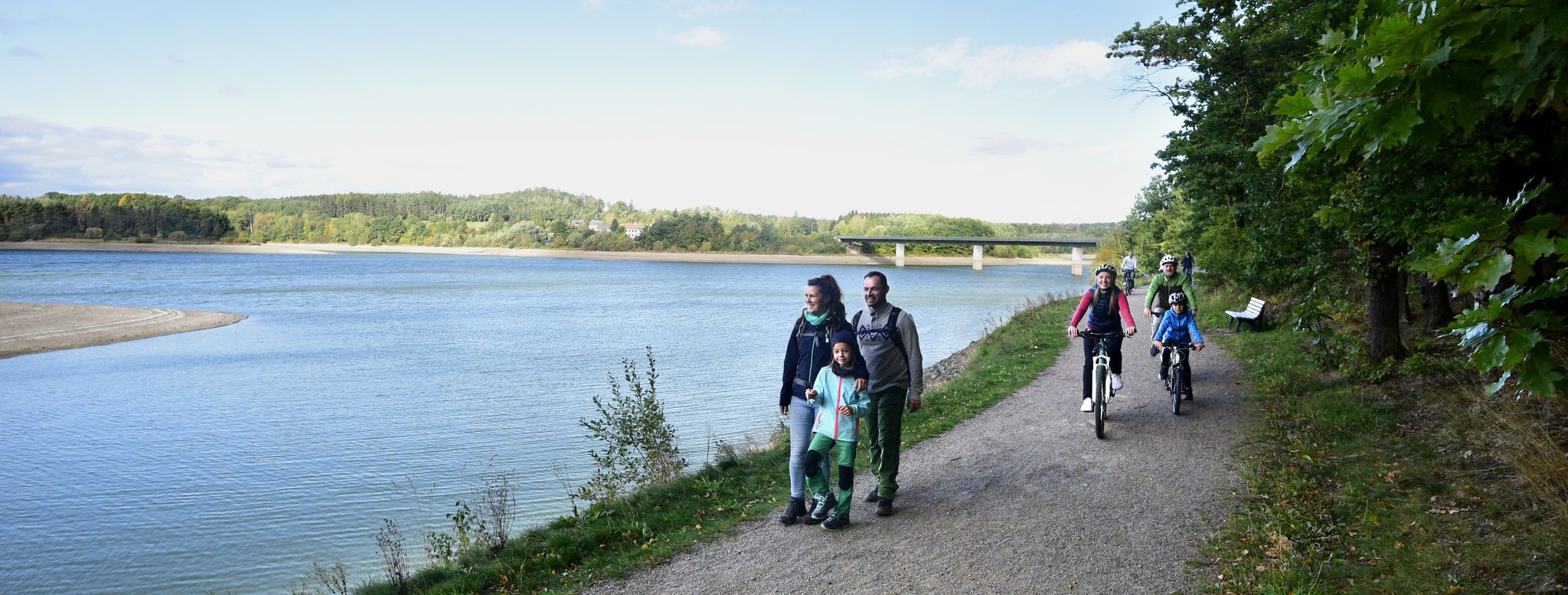
Family fun on foot and bike — explore Germany’s Vogtland
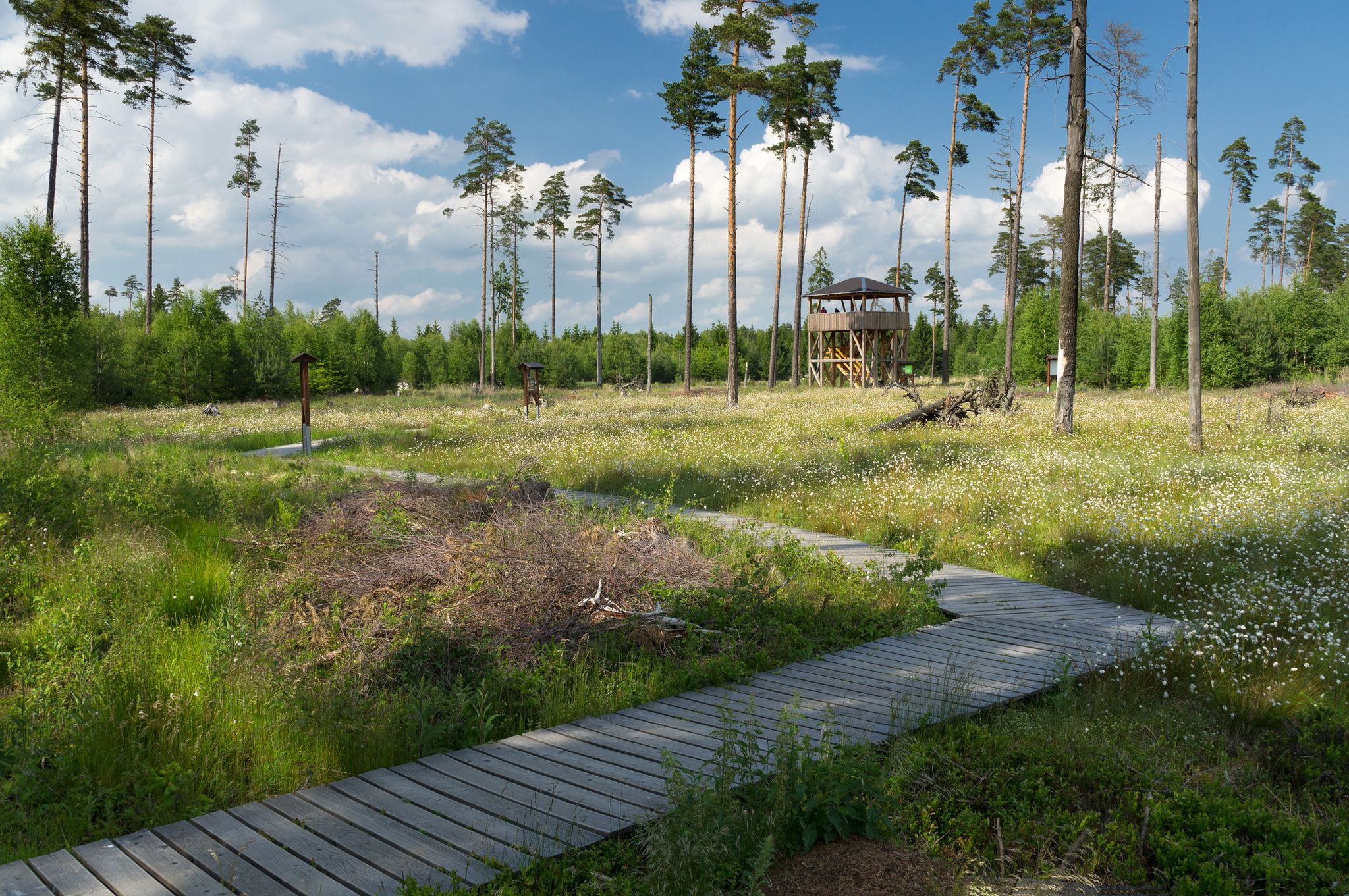
Wanderungen durch das DBU-Naturerbe Pöllwitzer Wald
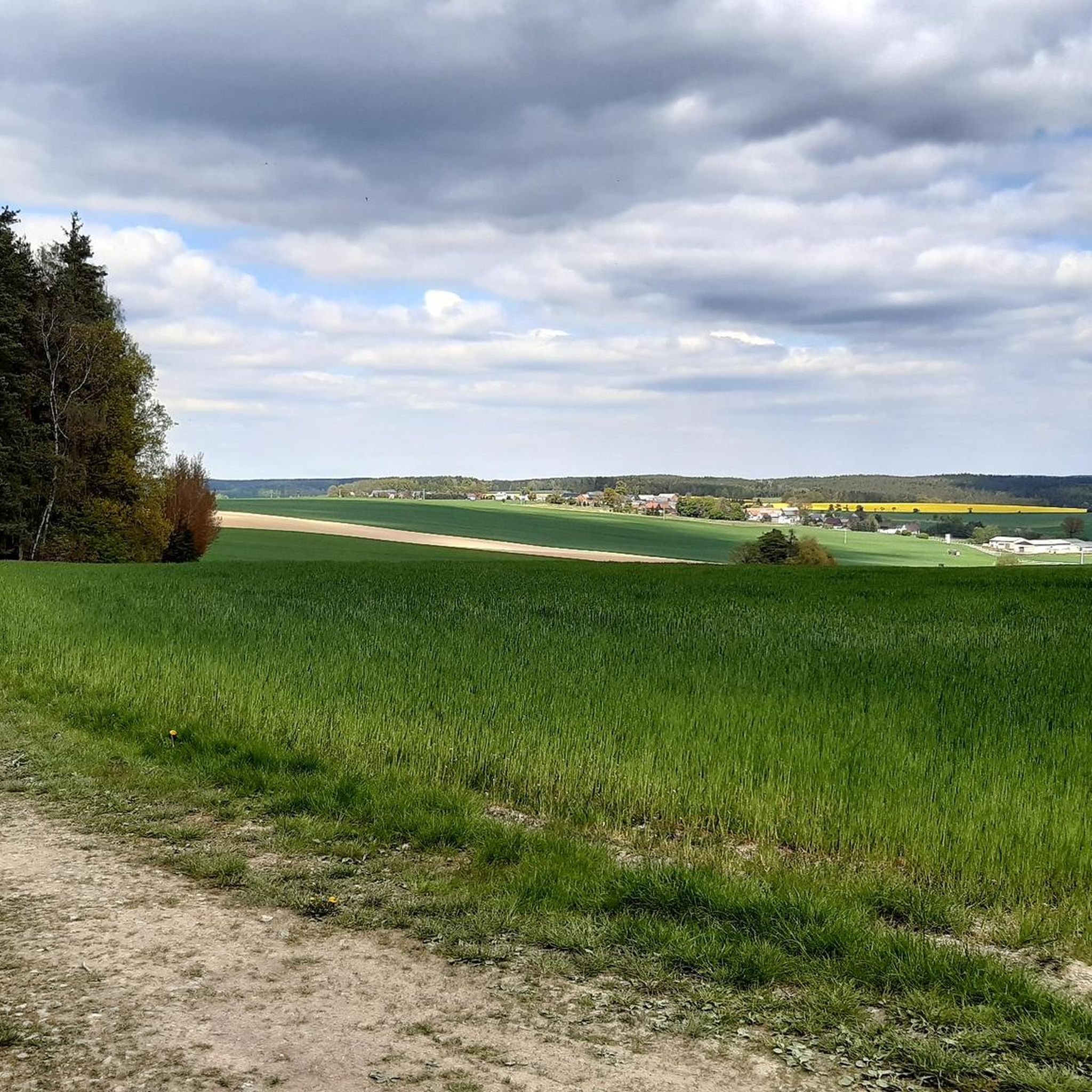
Hiking around Langenwetzendorf
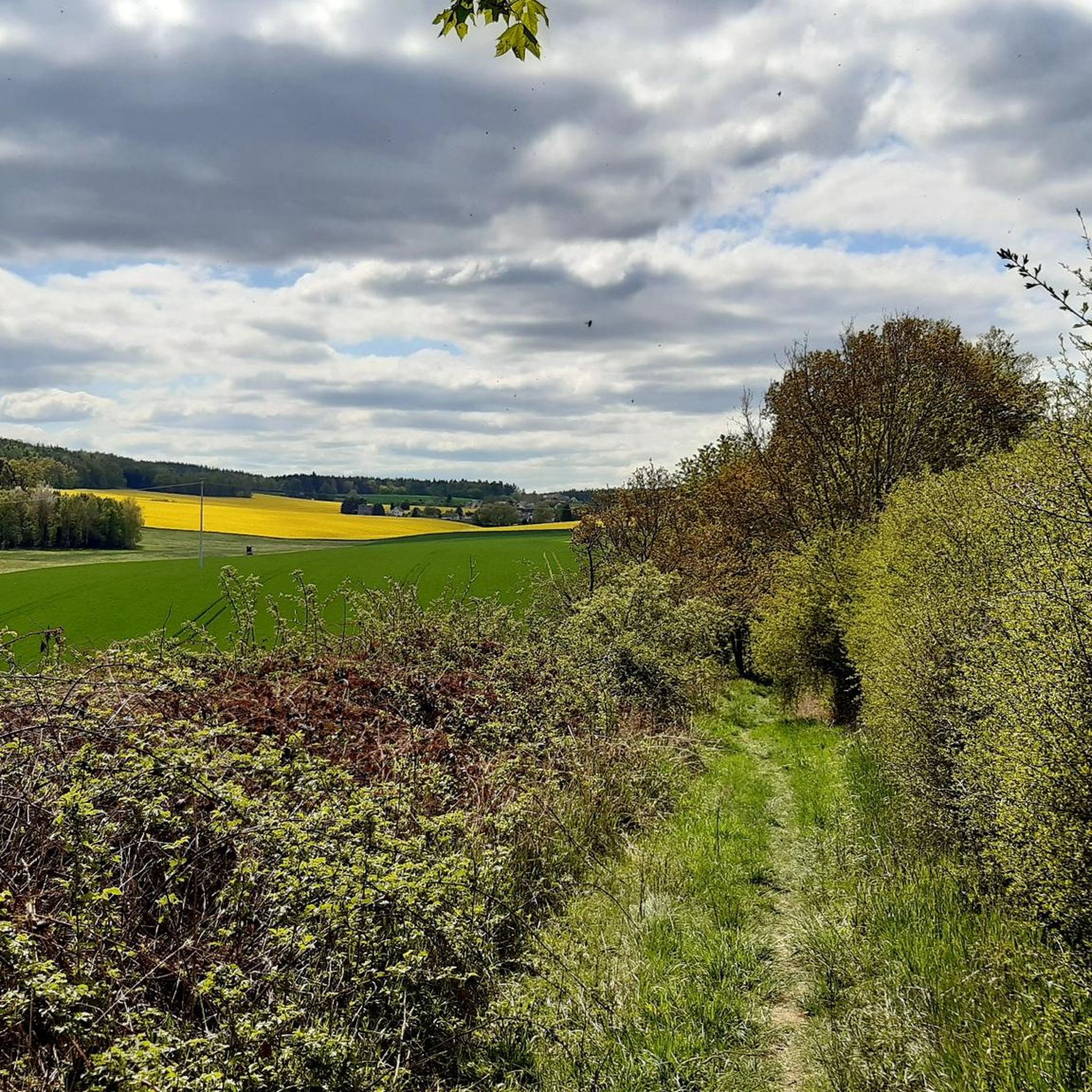
Cycling around Langenwetzendorf
Road Cycling Routes around Langenwetzendorf
Gravel biking around Langenwetzendorf
Running Trails around Langenwetzendorf
MTB Trails around Langenwetzendorf


Tips from the Community

Show cave discovered in 1928 with stalactites, lakes, laser shows, concerts, treasure hunts, weddings and park.
3
0
A wonderful park with winding paths. There's something to discover everywhere. Ever climbed a volcano? There are various snack options nearby. Very clean and well-maintained.
4
0

The Greiz rock cellar complex, built by private individuals or small businesses between the 17th and 18th centuries, is located in the lower part of the Greiz Castle Hill. Letters of request were submitted to the prince for the construction of the cellars, who, through lease agreements, permitted the undermining of the Castle Hill. The cellars were carved into the rock individually, each in different sizes and lengths. The individual chisel marks are still clearly visible in them, testifying to the painstaking work of the builders. A total of 19 cellars were created in the entrance area of the Castle Hill. These were used for storing food, beer, and chemicals. The usable area of the cellars is approximately 900 m² with a usable volume of approximately 2000 m³. Source: https://www.greiz.de/tourismus-kultur/tourismus/sehenswertes/stadtrundgang
2
0

It is the largest rock cellar complex in East Thuringia.
17
0
A shoe factory stood on this site in the 20th century. It was founded by Adolph Zimmer. In 1923, he expanded the factory grounds with a building along Aumaer Straße. Chemicals were stored in this cellar. After shoe production ceased in 1990, the factory building stood empty. It was demolished in 2009 as part of the city center redevelopment. During the demolition, this grotto was discovered beneath Aumaer Straße.
15
0

The artists Wolfgang R. Funk and Frank Lohse created the cave installation "Im Hades" in a cave of unknown origin. Filigree bats made of glass float through "Hades", as the two artists call their installation.
0
0

old cellars below the castle slope
1
0

Are all locked and locked
1
0
Frequently Asked Questions
What are the most popular caves and subterranean sites near Langenwetzendorf?
The region offers a mix of natural caves and historical man-made structures. The most popular natural cave is the Syrau Dragon Cave, known for its stalactite formations and guided tours. For a unique historical experience, visitors often explore the Greiz Rock Cellar Complex, the largest of its kind in East Thuringia, though its entrances are now closed. Another interesting site is the Grotto in Hades, an art installation within a discovered grotto.
Are there family-friendly cave experiences around Langenwetzendorf?
Yes, the Drachenhöhle Syrau (Syrau Dragon Cave) is considered family-friendly, offering guided tours that often include a laser show. Directly above it, the Syrau Cave Park provides recreational spaces, a playground, and an adventure garden, making it a great complement to a cave visit for families.
What kind of geological features can I expect to see in the caves?
The Syrau Dragon Cave is renowned for its impressive stalactite and sintered curtain formations, which are natural mineral deposits formed over thousands of years. Further afield in Thuringia, the Goetz Cave is notable for its unique geological formation as the largest fissure cave in Germany, with fissures and crevices reaching heights of over 50 meters.
What historical subterranean structures can be found in the area?
Beyond natural caves, the region features several historical man-made subterranean structures. The Greiz Rock Cellar Complex consists of tunnels dug into the Schlossberg rock by private individuals in the 18th century. Additionally, the Air-Raid Shelter at Göltzsch Viaduct, originally a storage cellar, was expanded during National Socialism, though it is not accessible to the public.
What is the best time to visit the caves near Langenwetzendorf?
Most show caves, like the Syrau Dragon Cave, operate seasonally, typically from spring through autumn. It's always best to check their official websites for specific opening hours and tour availability before planning your visit. During peak season, booking in advance might be advisable.
How long do cave tours typically last?
Guided tours at the Syrau Dragon Cave usually last around 45 minutes, taking visitors 16 meters underground to explore the formations and enjoy a laser show. For other caves in the broader Thuringia region, tour durations can vary, so it's recommended to check individual cave websites for details.
What should I wear when visiting caves?
Caves maintain a constant cool temperature year-round, regardless of the weather outside. It's advisable to wear warm clothing, even in summer, and sturdy, non-slip shoes as paths can be damp or uneven. Some caves may have dripping water, so a light waterproof jacket can also be useful.
Are there other outdoor activities near the caves around Langenwetzendorf?
Yes, the area offers various outdoor activities. You can find numerous running trails, such as those in the Pöllwitzer Wald, with options like the "Pöllwitzer Wald – Pond Near Neuärgerniß loop." For hiking, there are easy routes like the "Moorerlebnispfad im Pöllwitzer Wald" or more moderate trails around the Hohenleuben Dam. You can explore more options on the Running Trails around Langenwetzendorf and Hiking around Langenwetzendorf guide pages.
What do visitors enjoy most about the Syrau Dragon Cave?
Visitors frequently praise the beauty of the cave's formations and the engaging guided tours. Many highlight the guides as knowledgeable and entertaining, and the laser show at the end of the tour is often mentioned as a fantastic and memorable experience. The presence of playgrounds and a café also adds to the overall positive visitor experience.
Can I bring my dog to the caves?
Generally, dogs are not permitted inside most show caves due to safety and preservation concerns. However, outdoor areas like the Syrau Cave Park, located above the Dragon Cave, might be dog-friendly. It's always best to check the specific visitor information for each cave attraction regarding pet policies before your visit.
Are there any caves in the broader Thuringia region that are particularly unique?
Yes, while not directly in Langenwetzendorf, Thuringia is home to the Goetz Cave near Meiningen. It is recognized as the largest fissure cave of its kind in Germany and the only accessible joint and fissure cave in Europe. Its unique geological formation, with multiple floors and high fissures, makes it a significant natural monument.
Most popular routes around Langenwetzendorf
Most popular attractions around Langenwetzendorf

Get inspired with the komoot mobile app


Explore more
Extend your search for the best caves by checking out these guides of the top ones around Langenwetzendorf:
