Top 5 Caves around Paulhe
Best caves around Paulhe are found in a region defined by its deep river valleys, such as the Tarn and Dourbie, and the surrounding limestone plateaus. This geological landscape has created numerous natural cave formations and historical troglodyte dwellings. The area holds significant historical value, with evidence of human habitation in caves dating back to the Neolithic period. Exploring these sites provides insight into both the natural geology and past human adaptation to the environment.
Best caves around Paulhe
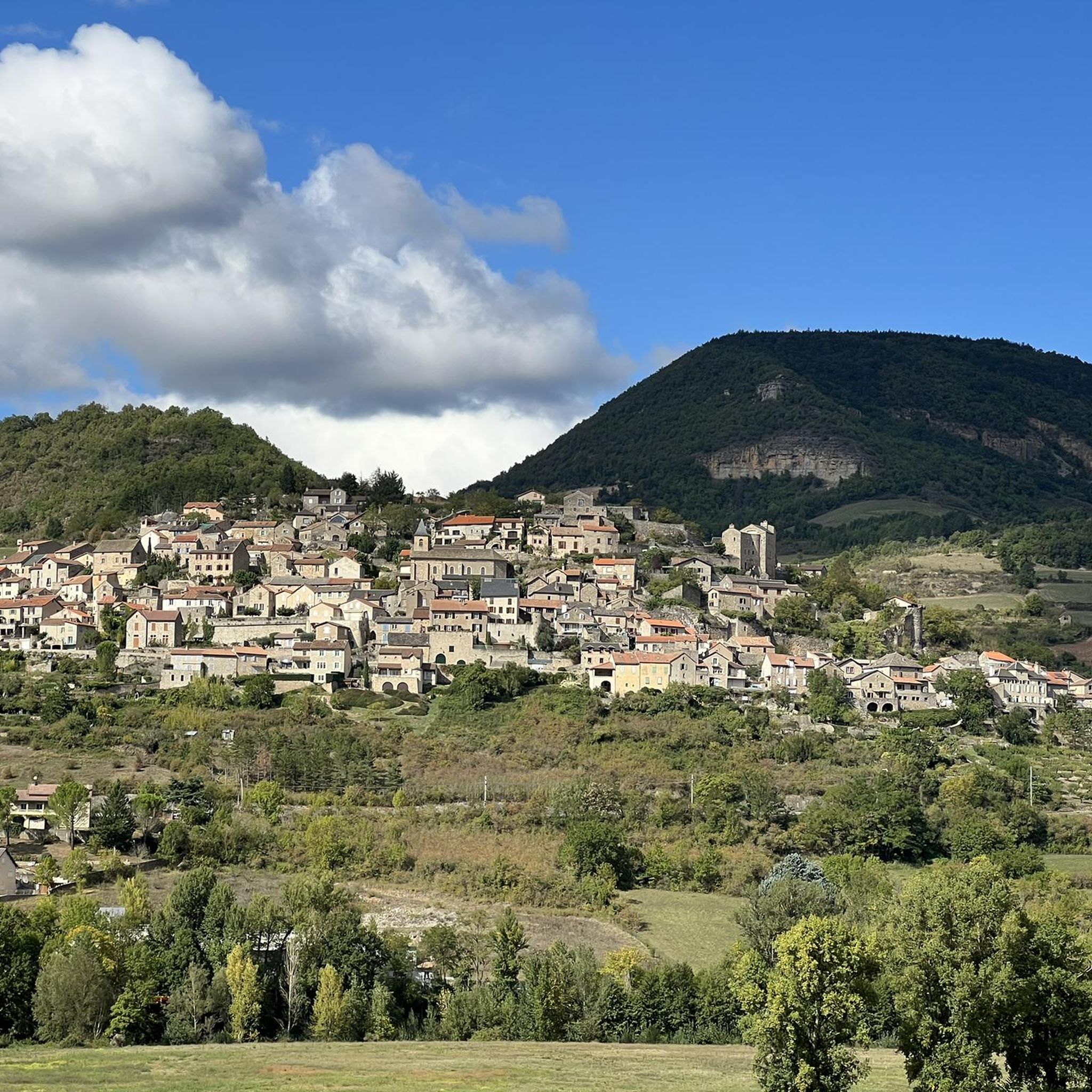
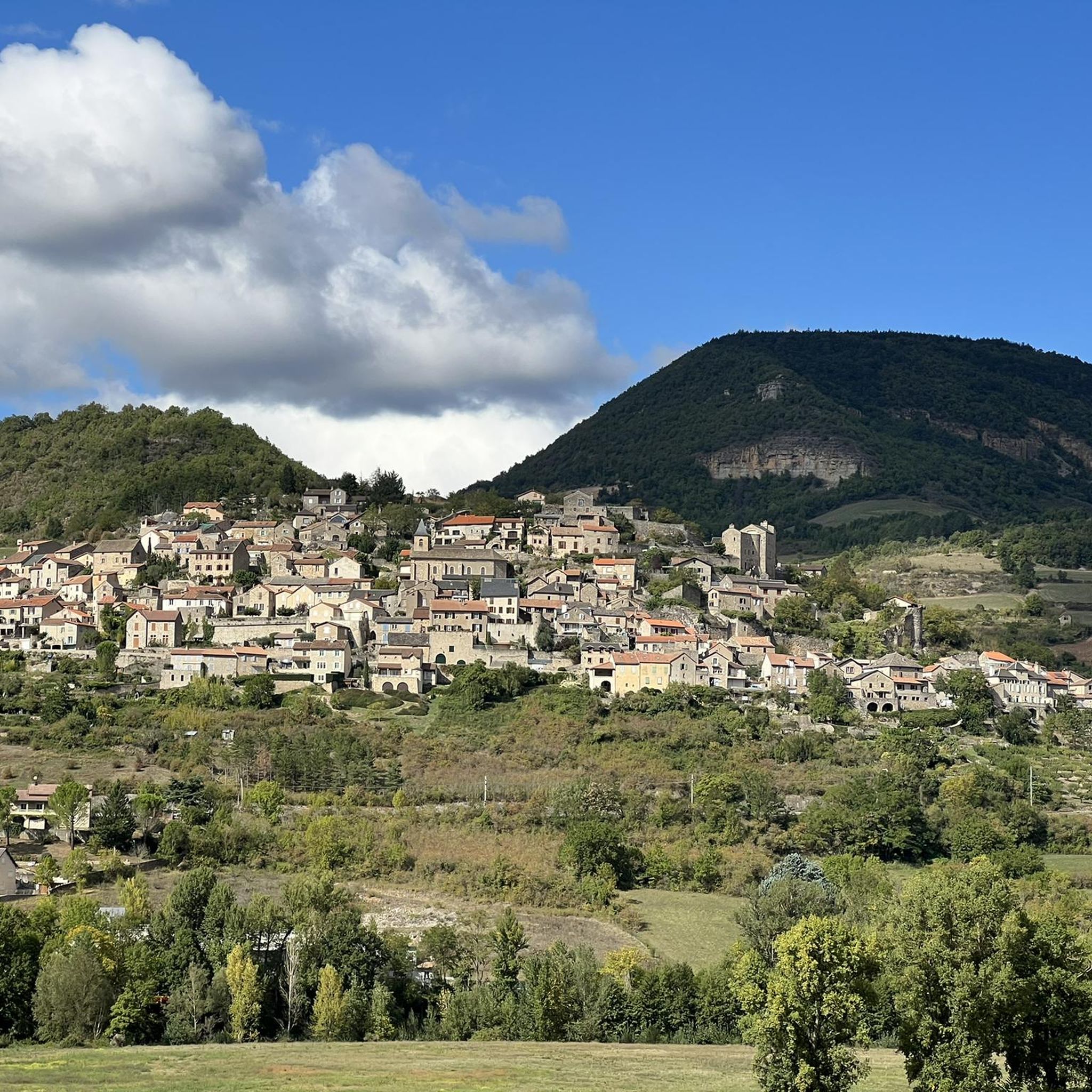
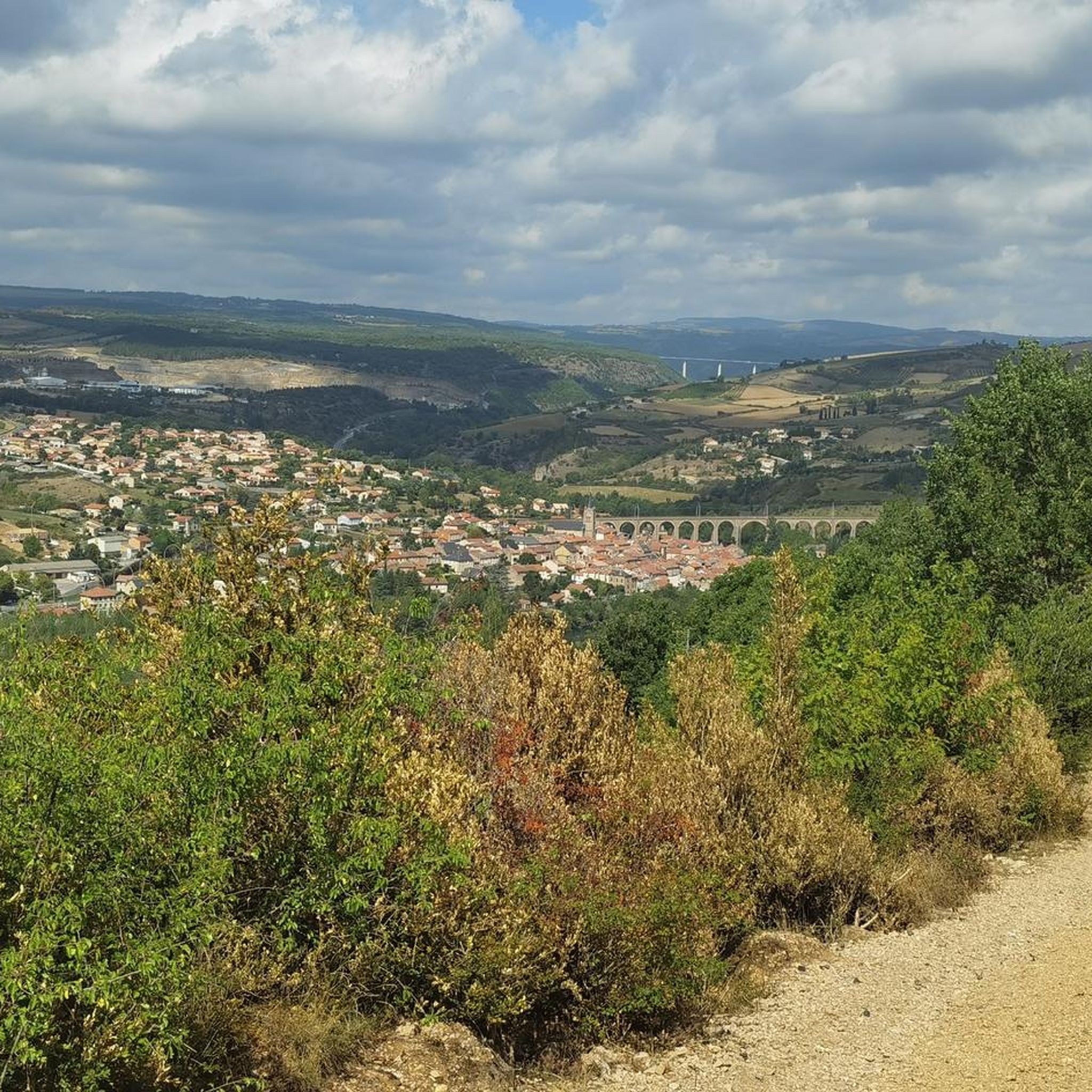
- The most popular caves is Peyre Troglodyte Village, a settlement that features a cave church and offers views of the Millau viaduct. This village is notable for its unique architecture carved into the rock along the Tarn river.
- Another must-see spot is Baume du Boffi, a natural monument. This impressive balm overlooks the Dourbie valley and was historically used as a sheepfold.
- Visitors also love Troglodyte dwelling, an impressive cave extending over three floors. This historical site has yielded tools, pottery, and bones from the Bronze Age, indicating long-term human occupation.
- Paulhe is known for its natural caves, troglodyte dwellings, and balms. The region offers a variety of underground sites to explore, from historical settlements to natural rock shelters.
- The caves around Paulhe are appreciated by the komoot community, with 59 upvotes and 60 photos shared by users.
Last updated: June 22, 2026
Peyre Troglodyte Village
Highlight • Settlement
Translated by Google •
Tip by

Baume du Figuier
Highlight • Cave
Translated by Google •
Tip by

Sign up now to discover places like this
Get recommendations on the best single tracks, peaks, & plenty of other exciting outdoor places.
Sign up for free
Troglodyte dwelling
Highlight • Cave
Translated by Google •
Tip by

Aven de Puech Nègre
Highlight • Cave
Translated by Google •
Tip by

Start today with a free account
Your next adventure awaits.
Login or Signup

Tips from the Community

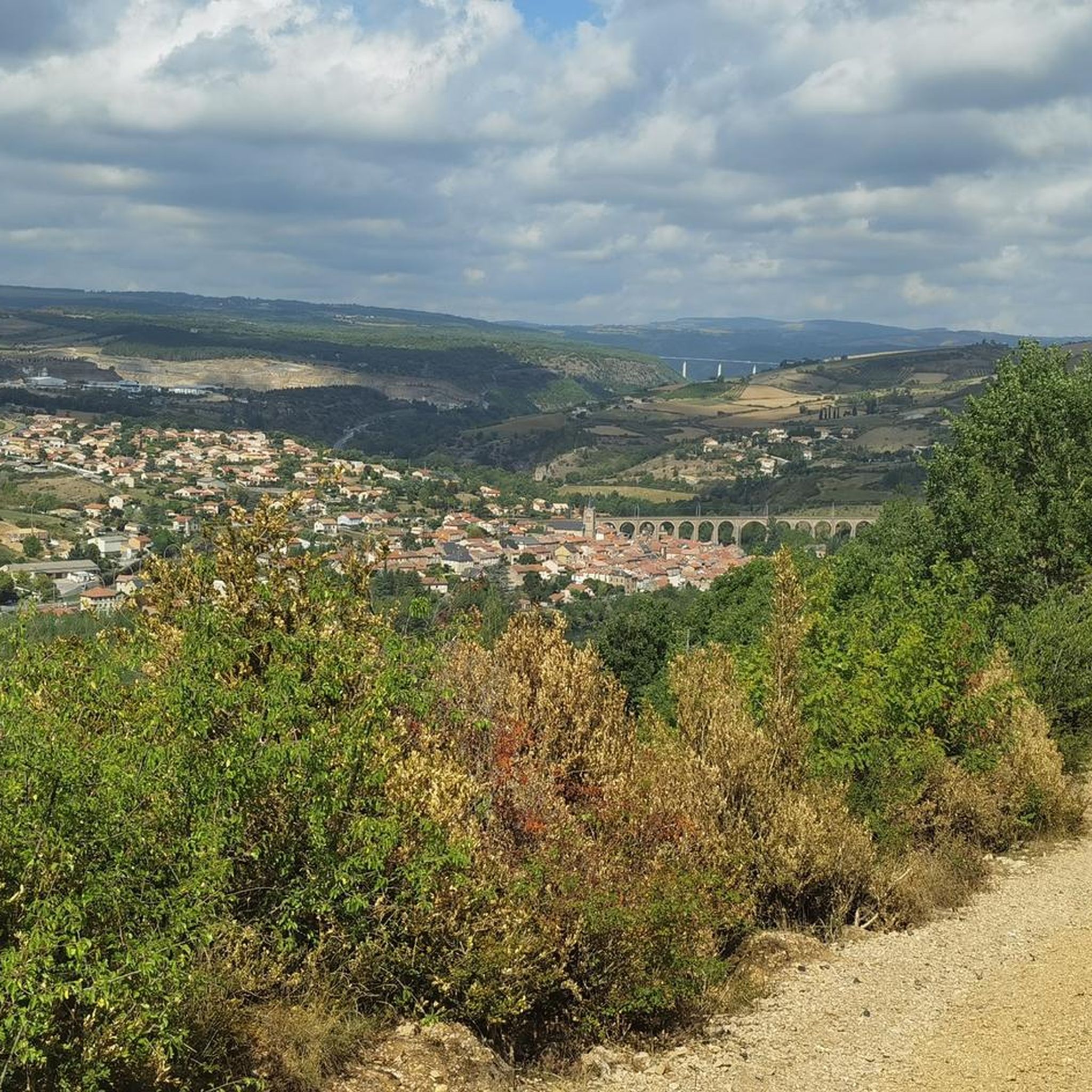
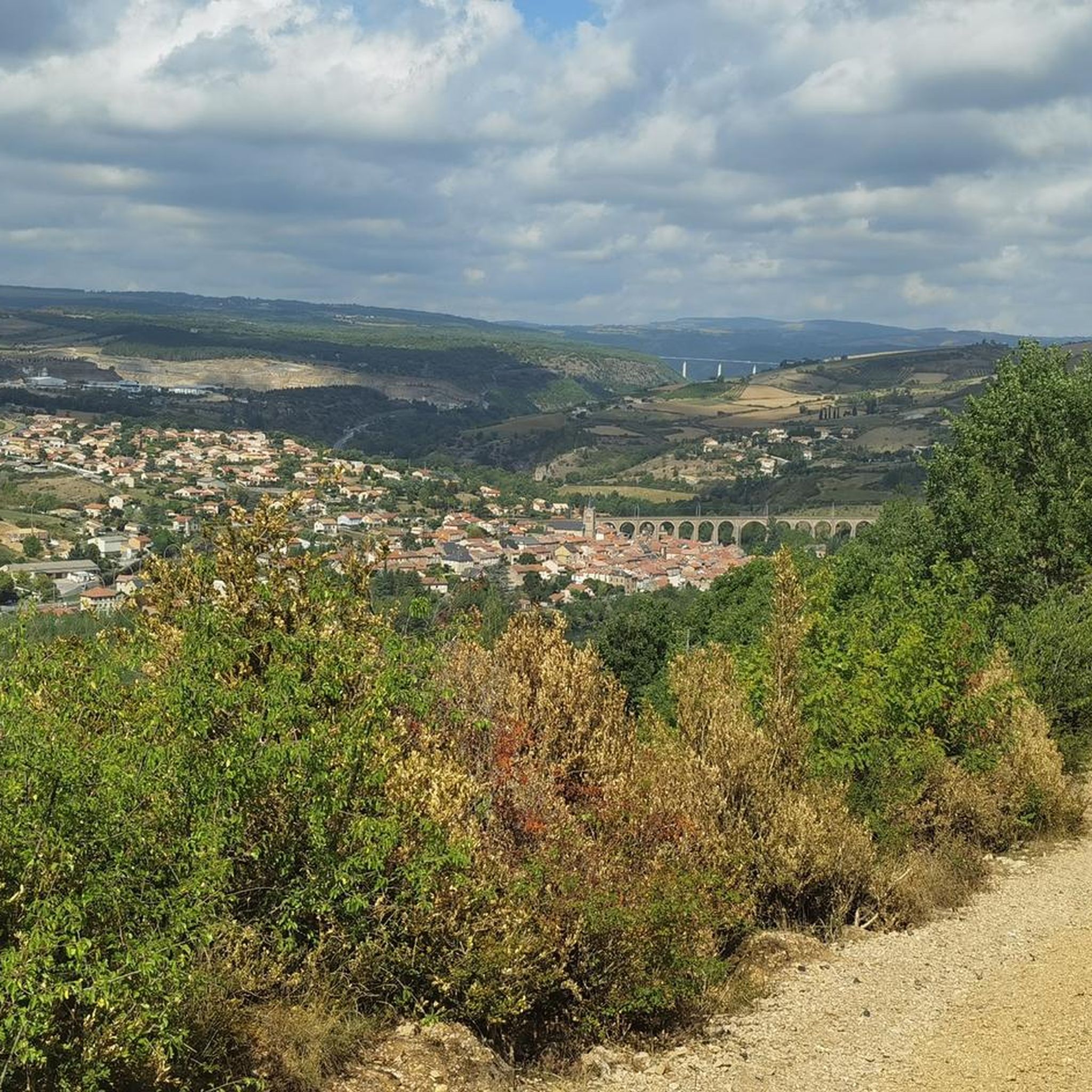
Balsams are natural cavities that open among the rock. Located in the cliffs, they first served as shelter for wild animals, prehistoric men and then shepherds. That of Figuier offers a majestic view of the valley it overlooks.
0
0
Impressive cave which extends over three floors. Populated since the Neolithic period, tools, pottery and bones dating from the Bronze Age have also been found there.
0
0

Unlike caves or balms, a cave is only accessible to speleologists via a well opening in the ground. So be careful.
0
0
Balms are cavities open to the outside and more or less deep. They have been frequented since the dawn of time, first by wild animals then prehistoric men, followed by shepherds... and now by tourists. That of the Fig tree is particularly photogenic.
0
0


Very beautiful troglodyte village along the Tarn with a splendid view of the Millau viaduct
3
0
Frequently Asked Questions
What kind of caves can I explore around Paulhe?
The Paulhe region offers a diverse range of underground sites, including natural cave formations, historical troglodyte dwellings carved into rock, and impressive balms (large rock shelters). This geological landscape, shaped by river valleys like the Tarn and Dourbie, provides unique exploration opportunities.
Are there any family-friendly cave sites near Paulhe?
Yes, Peyre Troglodyte Village is an excellent family-friendly option. This unique settlement features a cave church and offers splendid views of the Millau viaduct, making it an engaging visit for all ages.
What historical significance do the caves around Paulhe hold?
The caves and troglodyte dwellings in the Paulhe area have significant historical value, with evidence of human habitation dating back to the Neolithic period. Sites like the Troglodyte dwelling have yielded tools, pottery, and bones from the Bronze Age, showcasing long-term human occupation and adaptation to the environment.
What are some of the most impressive natural cave features in the region?
The region is known for its impressive natural formations. Baume du Boffi is a notable natural monument, an impressive balm overlooking the Dourbie valley, historically used as a sheepfold. The area's limestone plateaus contribute to these unique geological features.
What should I wear when visiting caves around Paulhe?
Even on warm days, the temperature inside caves can be cool and constant. It's advisable to wear layers, including a light jacket or sweater. Comfortable, sturdy shoes with good grip are essential, as paths can be uneven or damp.
Are there any caves suitable for experienced cavers or speleologists?
Yes, for experienced cavers, the Aven de Puech Nègre is a challenging option. Unlike typical caves or balms, an 'aven' is only accessible to speleologists via a vertical well opening in the ground, requiring specialized equipment and expertise.
What outdoor activities can I do near the caves around Paulhe?
The Paulhe area offers a variety of outdoor activities. You can find numerous cycling routes, including touring and road cycling, as well as mountain hikes. For example, there are routes like the 'Peyre Troglodyte Village – Millau Viaduct loop' for cycling or the 'Cave – Via Ferrata Bridge loop' for mountain hiking. You can explore more options in the Cycling around Paulhe or Mountain Hikes around Paulhe guides.
What do visitors enjoy most about the caves and troglodyte sites in Paulhe?
Visitors frequently appreciate the unique architecture carved into the rock, the historical insights offered by ancient dwellings, and the stunning views, such as those of the Millau viaduct from Peyre Troglodyte Village. The blend of natural geology and human history is a major draw.
How long does it typically take to explore the cave sites?
The time required varies depending on the site. For a village like Peyre Troglodyte Village, you might spend 1-2 hours exploring the settlement and enjoying the views. For a specific dwelling or balm, it could be shorter, around 30 minutes to an hour, allowing time to appreciate the details and surroundings.
Is there a best time of year to visit the caves near Paulhe?
Caves generally maintain a stable temperature year-round, making them a good option in any season. However, for comfortable access and to combine your visit with other outdoor activities in the region, spring and autumn offer pleasant weather. Summer can also be a good time to escape the heat above ground.
Are there any circular walks that include cave sites around Paulhe?
Yes, the region offers various routes that incorporate its natural and historical features. While specific circular walks directly involving every cave aren't detailed here, many hiking and cycling routes in the area pass by or offer views of these unique geological formations and troglodyte sites. You can find routes in the Mountain Hikes around Paulhe guide that might include such points of interest.
Most popular attractions around Paulhe

Get inspired with the komoot mobile app


Explore more
Extend your search for the best caves by checking out these guides of the top ones around Paulhe:
