Top 5 Castles around Saint-Branchs
Best castles around Saint-Branchs offer a glimpse into local history and architecture within the charming commune and its surroundings. While Saint-Branchs itself is a smaller town, it serves as a starting point for exploring the rich heritage of the Loire Valley. The region is known for its historical sites, including medieval fortresses and fortified priories. These structures are often nestled amidst natural landscapes, providing opportunities for exploration.
Best castles around Saint-Branchs
- The most popular castles is Châteaux Trail, a…
Last updated: August 16, 2026
Montbazon
Highlight • Settlement
Translated by Google •
Tip by

Boisbonnard Castle
Highlight • Castle
This private castle is an old fortress of which only:
- the wide medieval moats in their entirety …
Translated by Google •
Tip by

Sign up now to discover places like this
Get recommendations on the best single tracks, peaks, & plenty of other exciting outdoor places.
Sign up for free
Châteaux Trail
Highlight (Segment) • Trail
There are many places to stop along the way, …
Translated by Google •
Tip by

Château du Louroux
Highlight • Castle
Translated by Google •
Tip by

Former abbey farm, Prieuré du Louroux
Highlight • Castle
Translated by Google •
Tip by

Sign up for free to discover even more castles around Saint-Branchs.
Sign up for free
Already have an account?
Start today with a free account
Your next adventure awaits.
Login or Signup

Tips from the Community

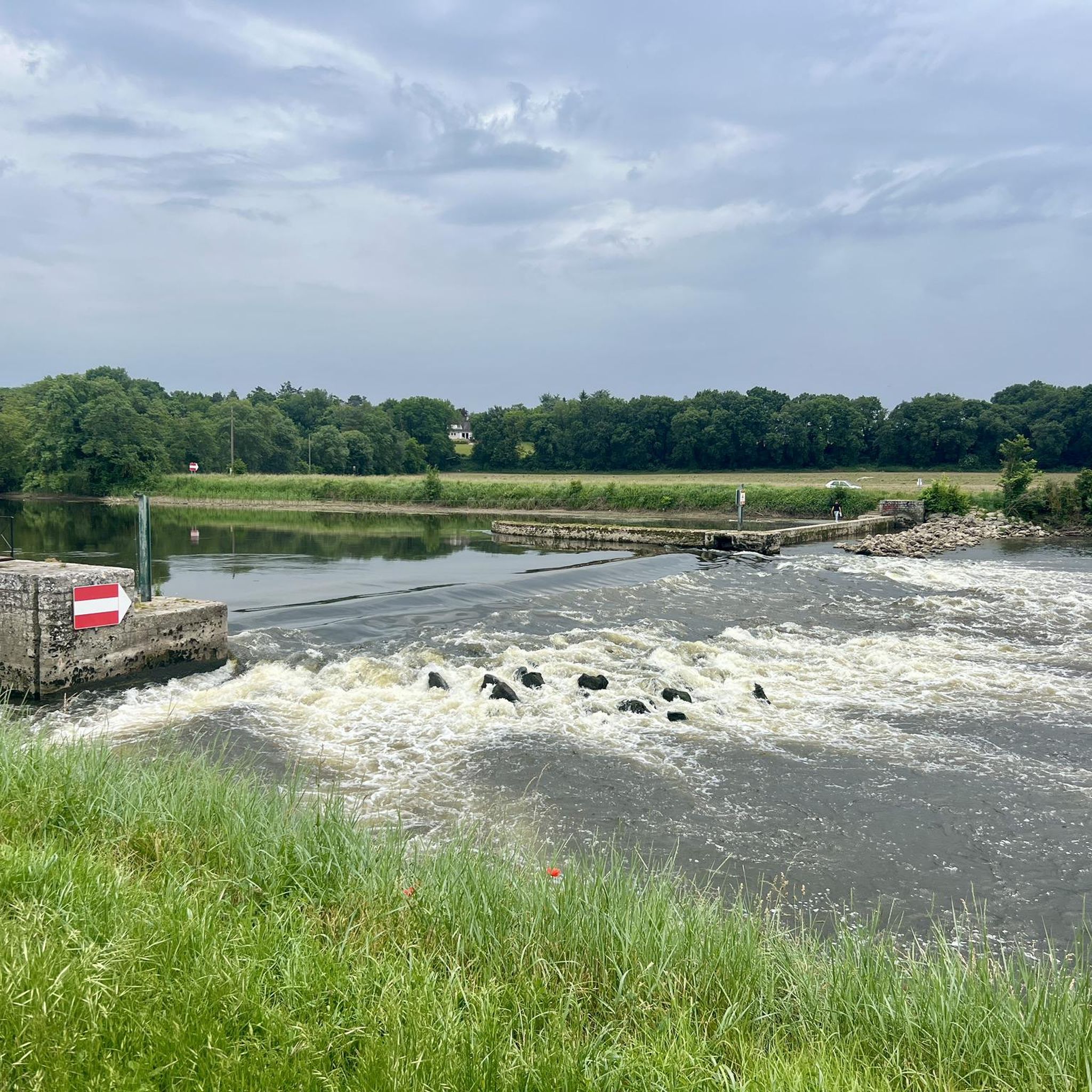
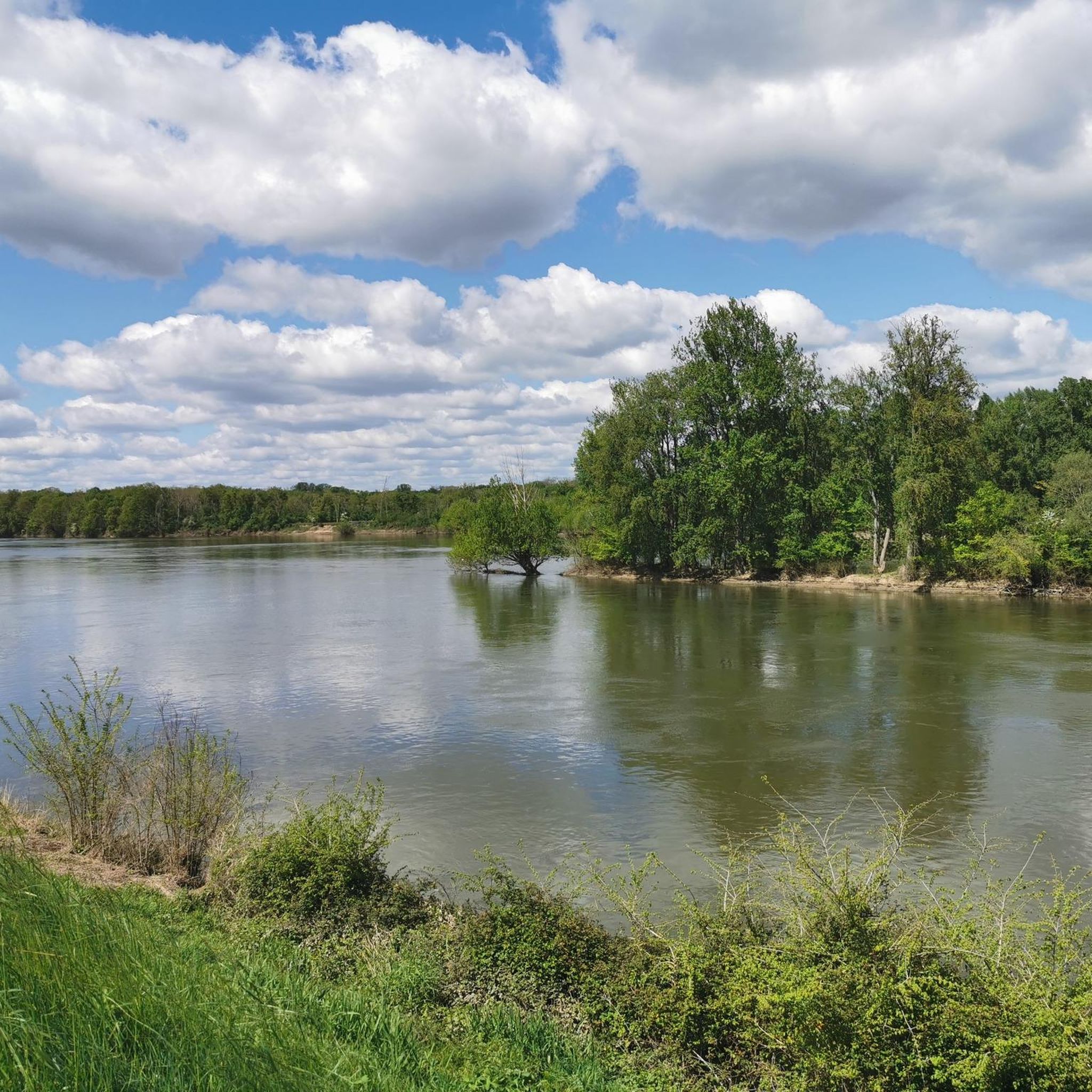
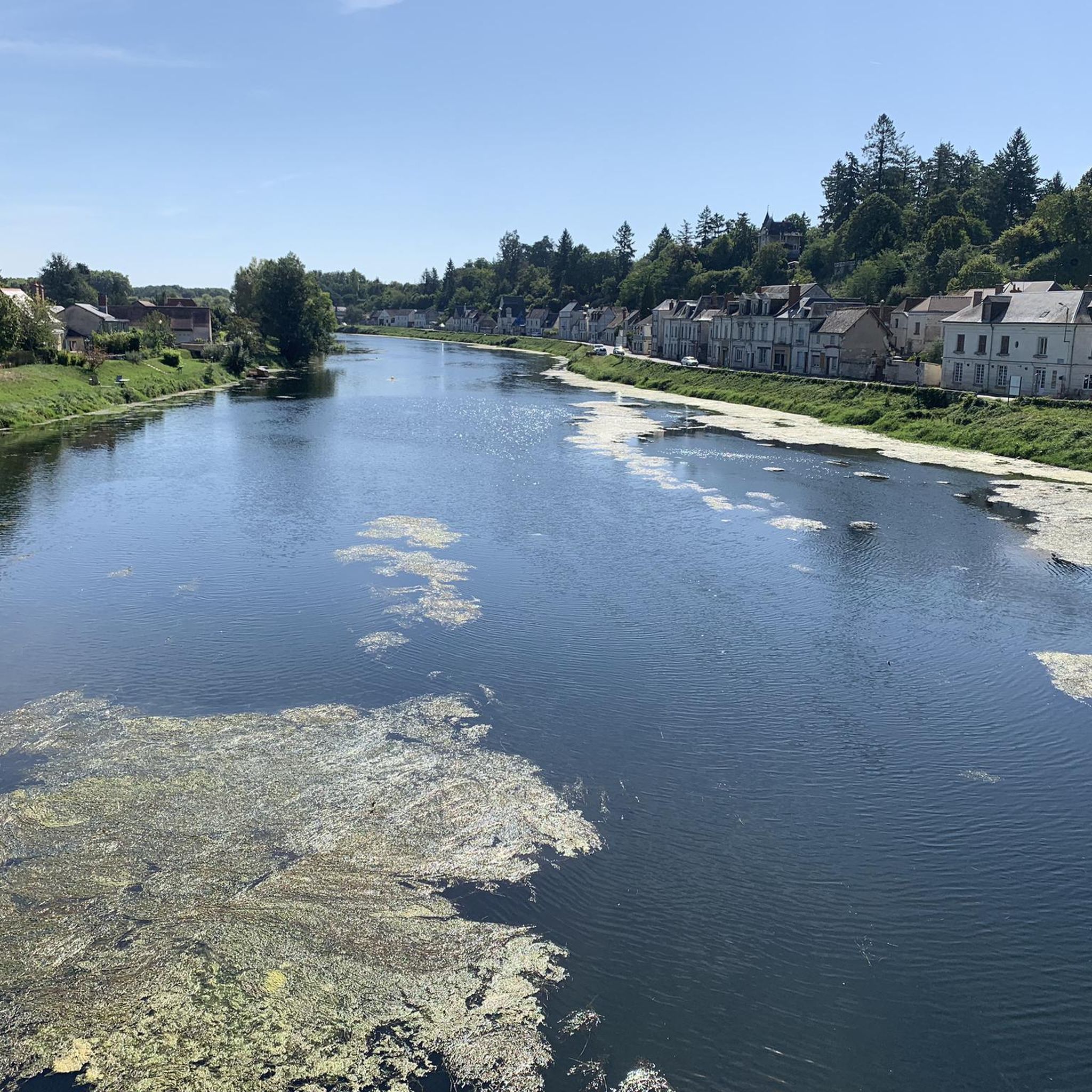
A charming little town nestled on the banks of the Indre, Montbazon stands out with its medieval character. Its small streets lead to shops of all kinds. The most remarkable remains the imposing fortress in the heart of the city, built from 991 and today accessible to the public. For pilgrims who frequent the Via Turonensis, a number of accommodations, including a campsite on the other side of the Indre, are available in Montbazon.
0
0

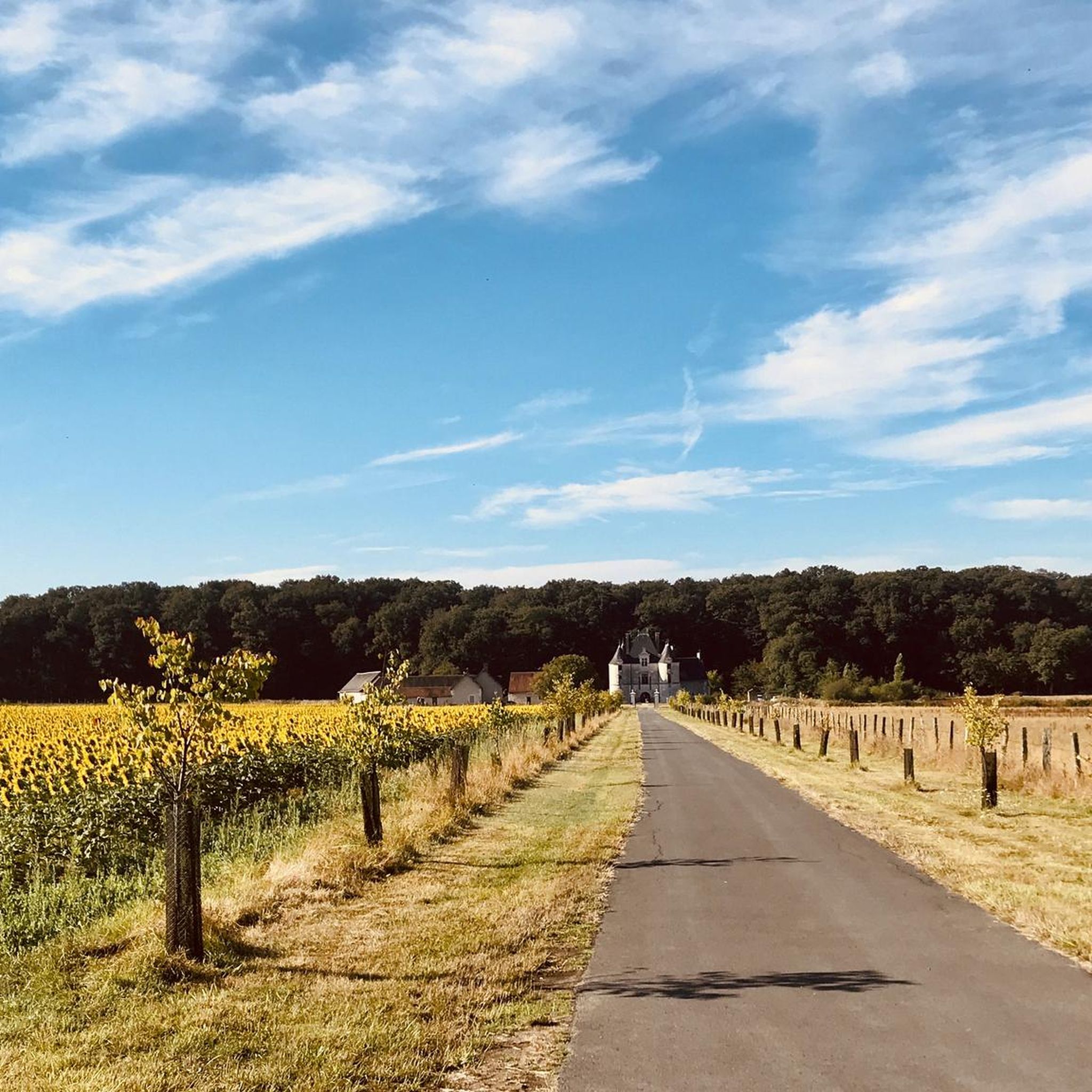
This private castle is an ancient fortress of which only: the large medieval moat in its entirety and which forms 2 quadrilaterals and a 3-sided figure 5 cylindrical towers including the South-East tower pierced with circular loopholes called “couuvrine tower”. The current castle was built in several stages. The residential house which dates from the 16th century had its facades completely remodeled in 1856. Part of it disappeared at the beginning of the 20th century. To the South-West a main building covered with a 4-sloped roof and presenting stone casement windows on the ground floor had been joined by another building in 1731; these buildings were demolished in 1979
0
0
This beautiful path crosses shady woods, the path is generally smooth (it is unpaved however), can be muddy if it rains. There are many places to stop along the way, there are picnic tables available. You will pass by several castles such as the Château de Leugny and the Château de Beauvais.
1
0

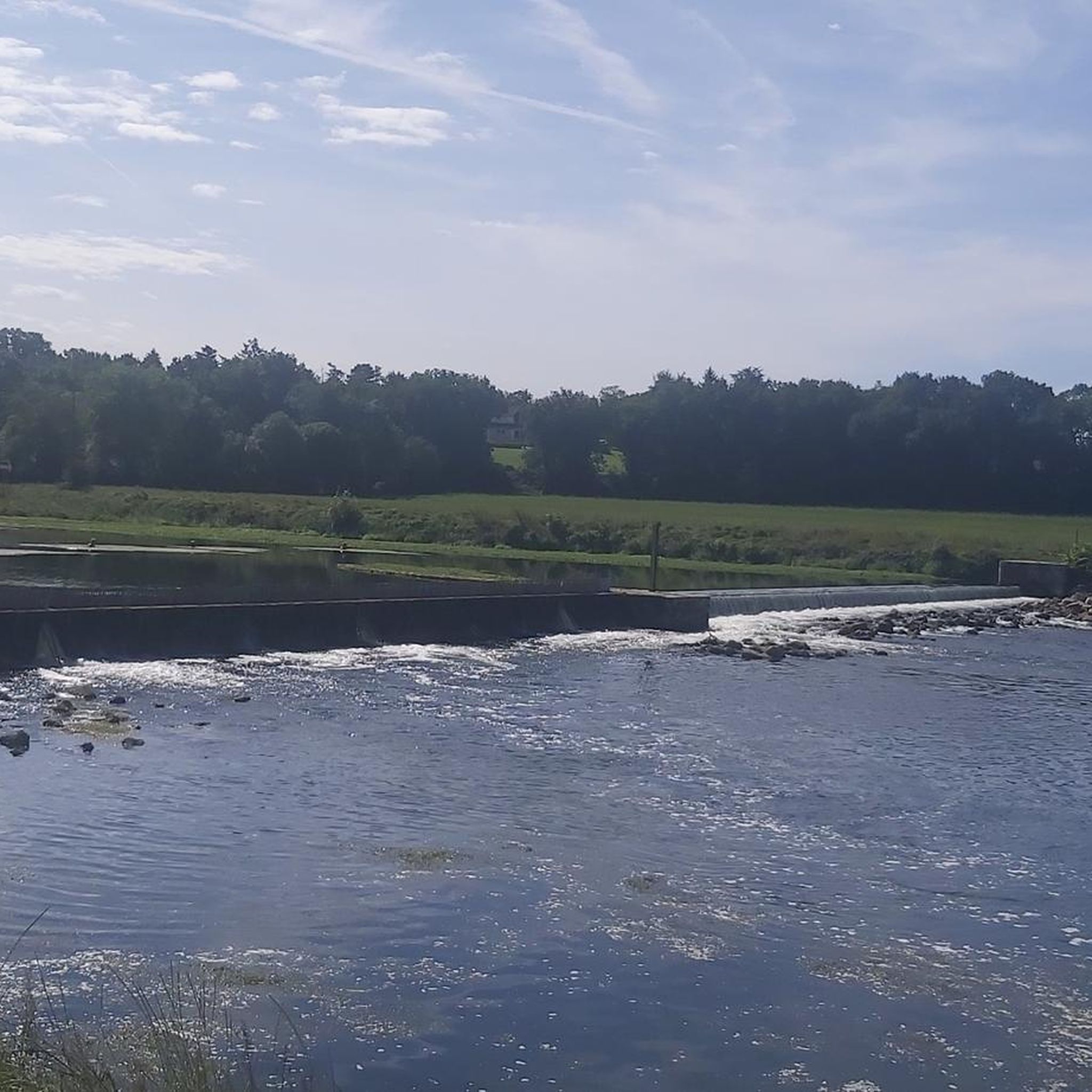
The Chateau de Louroux, or priory of Louroux, is a fortified priory in the 13th century, dependent on the abbey of Marmoutier. The priory housed the Benedictine monks who had the pond dug to provide them with fish and create a water reserve for their mill. The castle can only be visited from the outside.
0
0

Montbazon is a medieval town located on the banks of the Indre River and surrounded by greenery. Its historic center houses an impressive fortress that can be visited both in summer and during the holiday season.
0
0

This fortified priory was built in the 13th century and housed Benedictine monks who had the lake dug to supply fish and build up a water reserve for the nearby mill.
2
0

Boisbonnard is a fairly attractive ensemble and was extensively altered in 1856. This private castle is an old fortress of which only: - the wide medieval moats in their entirety and which form 2 quadrilaterals and a 3-sided figure - 5 cylindrical towers including the South-East tower pierced with circular loopholes called the “couleuvrine tower”. The surrounding walls disappeared, the eastern ones were pulled down in 1856. Access is controlled by 2 entrance towers, capped with pepper shakers, guarding the wooden footbridge which replaced the drawbridge. A portal with a curved pediment connects them. The enclosure demolished in the last century has retained 3 corner towers. The current castle was built in several stages. The residential building, which dates from the 16th century, had its facades completely redesigned in 1856. Part of it disappeared at the beginning of the 20th century. To the south-west, a main building covered with a 4-pitched roof and presenting stone windows on the ground floor had been lined with another building in 1731; these buildings were demolished in 1979. The outbuildings near the front door were built in Renaissance style around 1856 in place of the old farm buildings. Numerous renovation and restoration works have been carried out since 1994. During the cleaning of the moat an oak door was discovered under the water level. We can assume that there was an underground passage between the castle and the village church or to other undergrounds.
2
0

The keep and its "amusement park" at its foot are worth the detour. There is a small bicycle parking lot there, but no locker at the time I went there.
3
0
Frequently Asked Questions
What are some of the most notable castles to visit around Saint-Branchs?
While Saint-Branchs itself offers local historical sites, the region is a gateway to the wider Loire Valley's rich heritage. Locally, you can explore Boisbonnard Castle, known for its extensive medieval moats and 16th-century residential building. Another significant site is Montbazon, a medieval town featuring an impressive fortress that is open for visits during summer and holiday seasons. The Château du Louroux, a 13th-century fortified priory, is also notable, though currently viewable only from the outside.
Are there any family-friendly castles or activities near Saint-Branchs?
Yes, Montbazon is considered family-friendly. Its medieval fortress offers an immersive experience, and visitor tips mention an 'amusement park' at its foot, providing additional entertainment for children. The town itself is set amidst greenery, offering a pleasant environment for families.
Can I combine a castle visit with outdoor activities like hiking?
Absolutely. The Châteaux Trail is a great option, as it crosses shady woods and passes by several castles like Château de Leugny and Château de Beauvais. This path also features picnic tables, perfect for a break. For more extensive hiking, you can explore routes like the 'Cormery loop' or the 'Roman Stone Bridge – Pont Girault loop from Saint-Branchs' which are part of the hiking trails around Saint-Branchs.
What kind of historical insights do the castles around Saint-Branchs offer?
The castles and historical sites in and around Saint-Branchs provide a glimpse into various periods. Boisbonnard Castle showcases medieval fortifications with its moats and cylindrical towers, alongside a 16th-century residential building that was redesigned in the 19th century. The Château du Louroux, a 13th-century fortified priory, highlights the monastic history of the region and its agricultural practices, such as the digging of ponds for fish and mills.
Are there any castles that are particularly easy to visit or have good accessibility?
While specific accessibility details for wheelchairs are not widely available for all sites, the general approach to Montbazon's fortress is described as easy. For those seeking a less strenuous experience, the Châteaux Trail offers a generally smooth path through woods, though it can be muddy after rain. It's always advisable to check directly with private properties like Boisbonnard Castle for visitor access information.
What is the best time of year to visit castles and trails near Saint-Branchs?
The Loire Valley region, including Saint-Branchs, is generally pleasant to visit during spring (April-May) and autumn (September-October) when the weather is mild and the crowds are smaller. Summer (June-August) offers longer daylight hours and many castles, like Montbazon, are fully open, but it can be warmer and more crowded. For hiking, spring and autumn provide comfortable temperatures and beautiful scenery.
Are there opportunities for mountain biking near the castles?
Yes, the area around Saint-Branchs offers several mountain biking trails. You can find routes like the 'Roman bridge – Pont Girault loop from Cormery' or the 'Montbazon – Montbazon Fortress loop from La Déchanderie' in the MTB Trails around Saint-Branchs guide. These routes allow you to explore the natural landscape and potentially pass by historical sites.
What do visitors particularly enjoy about the castles and area around Saint-Branchs?
Visitors appreciate the blend of history and nature. The medieval atmosphere of places like Montbazon and the architectural evolution seen at Boisbonnard Castle are highly valued. The komoot community has shared over 30 photos and given more than 100 upvotes, highlighting the scenic beauty and historical significance of these sites, often nestled within natural landscapes perfect for exploration.
Are there any 'hidden gem' castles or lesser-known historical sites worth exploring?
While not widely publicized as the grand Loire châteaux, Boisbonnard Castle, with its extensive medieval moats and ongoing restoration, offers a unique historical experience away from the main tourist routes. Similarly, the Château du Louroux, a fortified priory, provides a glimpse into local monastic history, even if only viewable from the outside.
Can I find accommodation near the castles in Saint-Branchs?
Yes, there are accommodation options available. For instance, a restored French castle from 1850, located just 500 meters from the center of Saint-Branchs, offers accommodation with a terrace, garden, and outdoor pool. This provides a unique opportunity to stay in a castle-like setting while exploring the region's heritage.
Are there running trails available near the castles?
Yes, the area around Saint-Branchs is suitable for running. You can find various running trails, such as the 'Roman bridge loop from La Maison Brûlée' or the 'Running loop from Saint-Branchs', which are detailed in the Running Trails around Saint-Branchs guide. These routes offer a chance to enjoy the local scenery while getting some exercise.
What are the typical terrains and difficulties for outdoor activities near these castles?
The terrain for hiking and running around Saint-Branchs generally includes shady woods and paths that can be unpaved. While some trails, like parts of the Châteaux Trail, are smooth, they can become muddy after rain. Most routes, such as the 'Cormery loop' for hiking or the 'Roman bridge loop' for running, are rated as moderate difficulty, making them accessible to a range of fitness levels.
Most popular routes around Saint-Branchs
Most popular attractions around Saint-Branchs

Get inspired with the komoot mobile app


Explore more
Looking for the best castles somewhere else? Discover other guides around Saint-Branchs:
