The best walks and hikes around Laberweinting
4.6
(440)
1,737
hikers
28
hikes
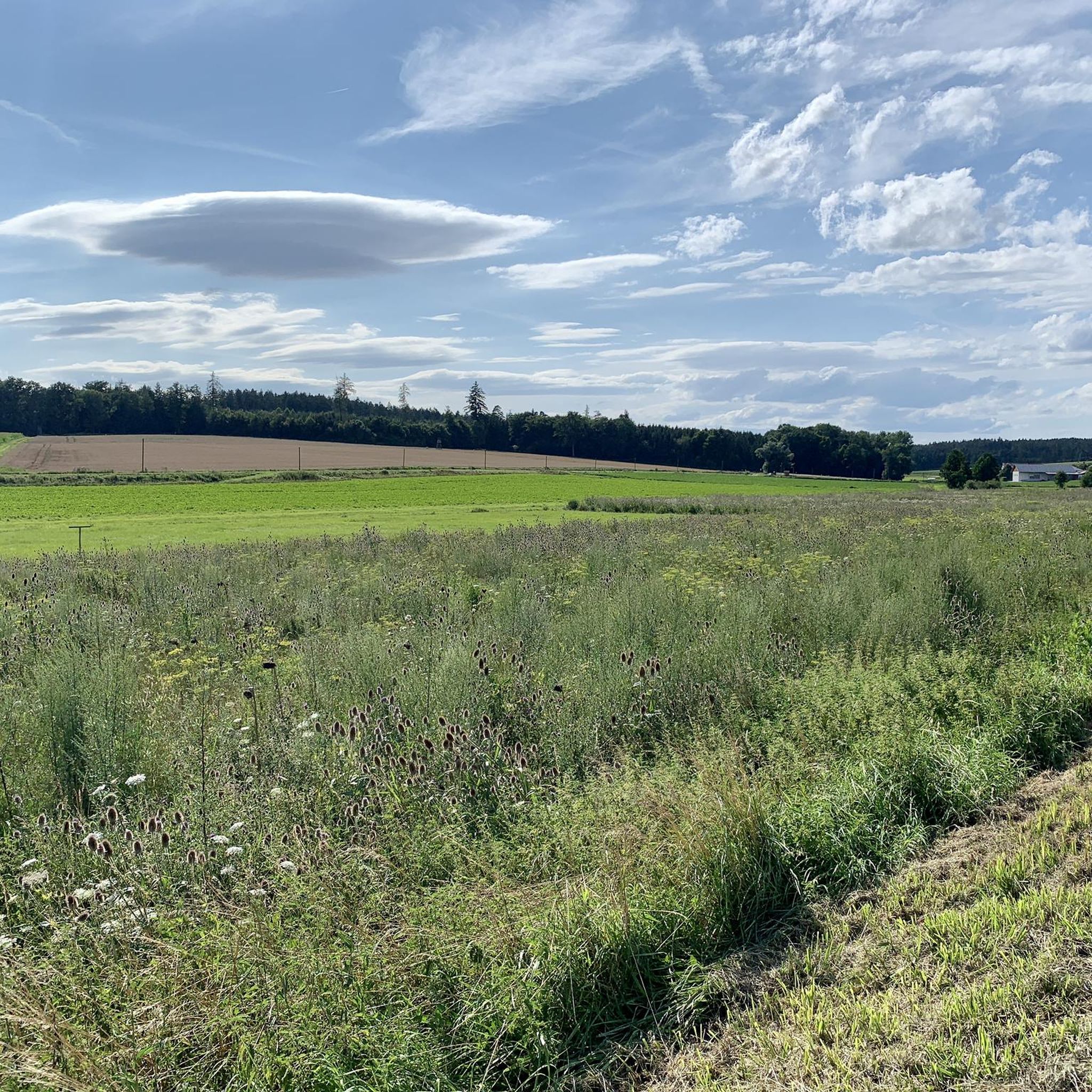
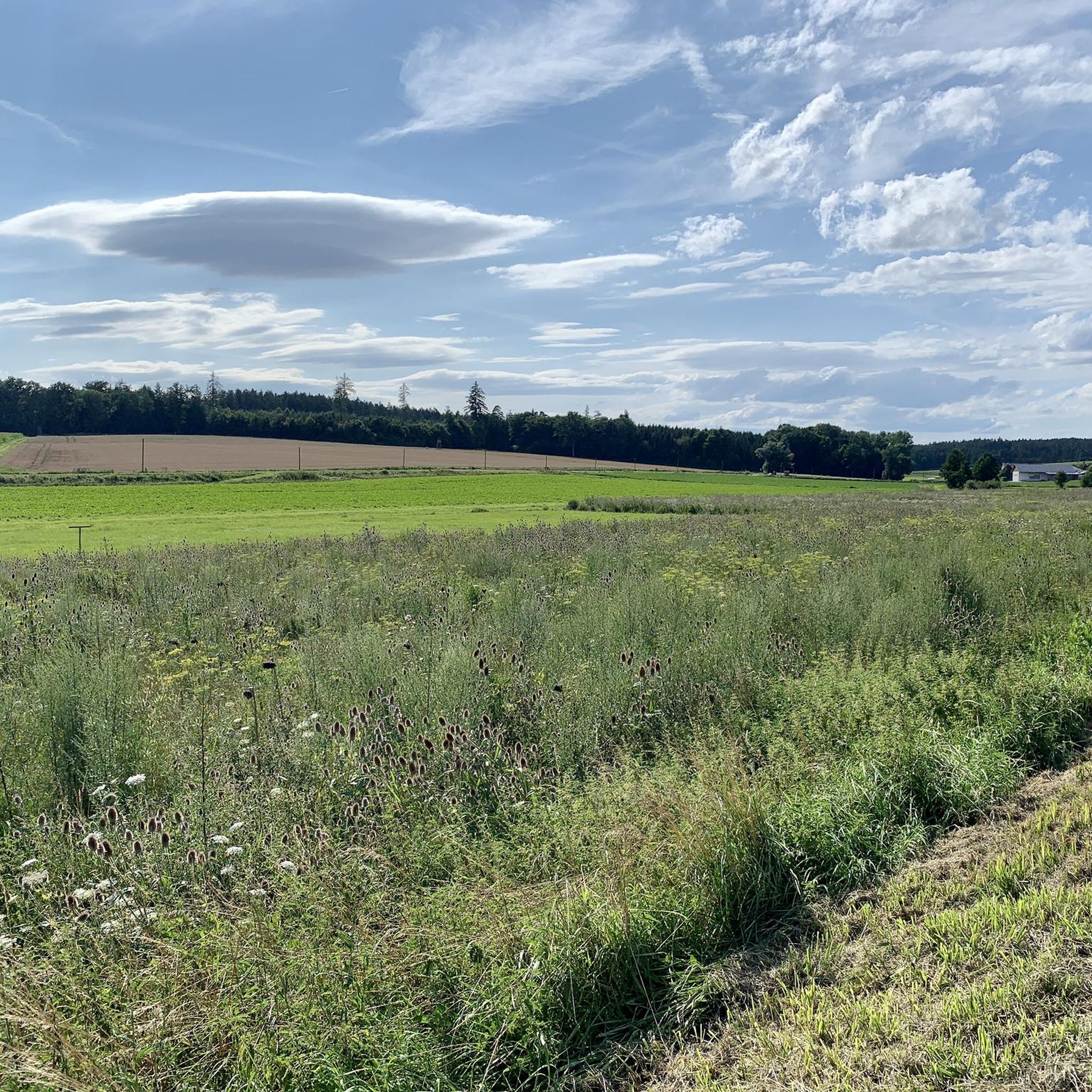
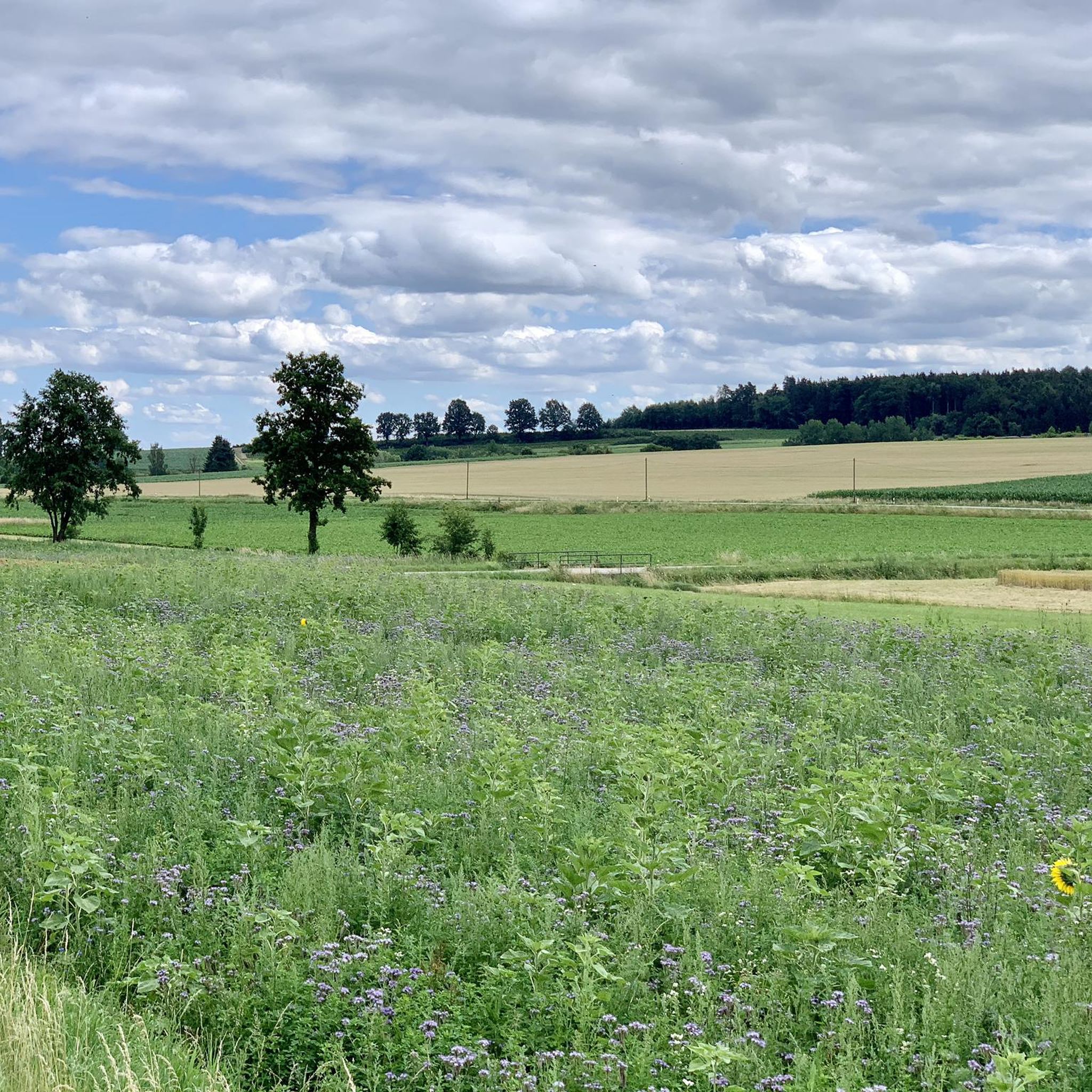
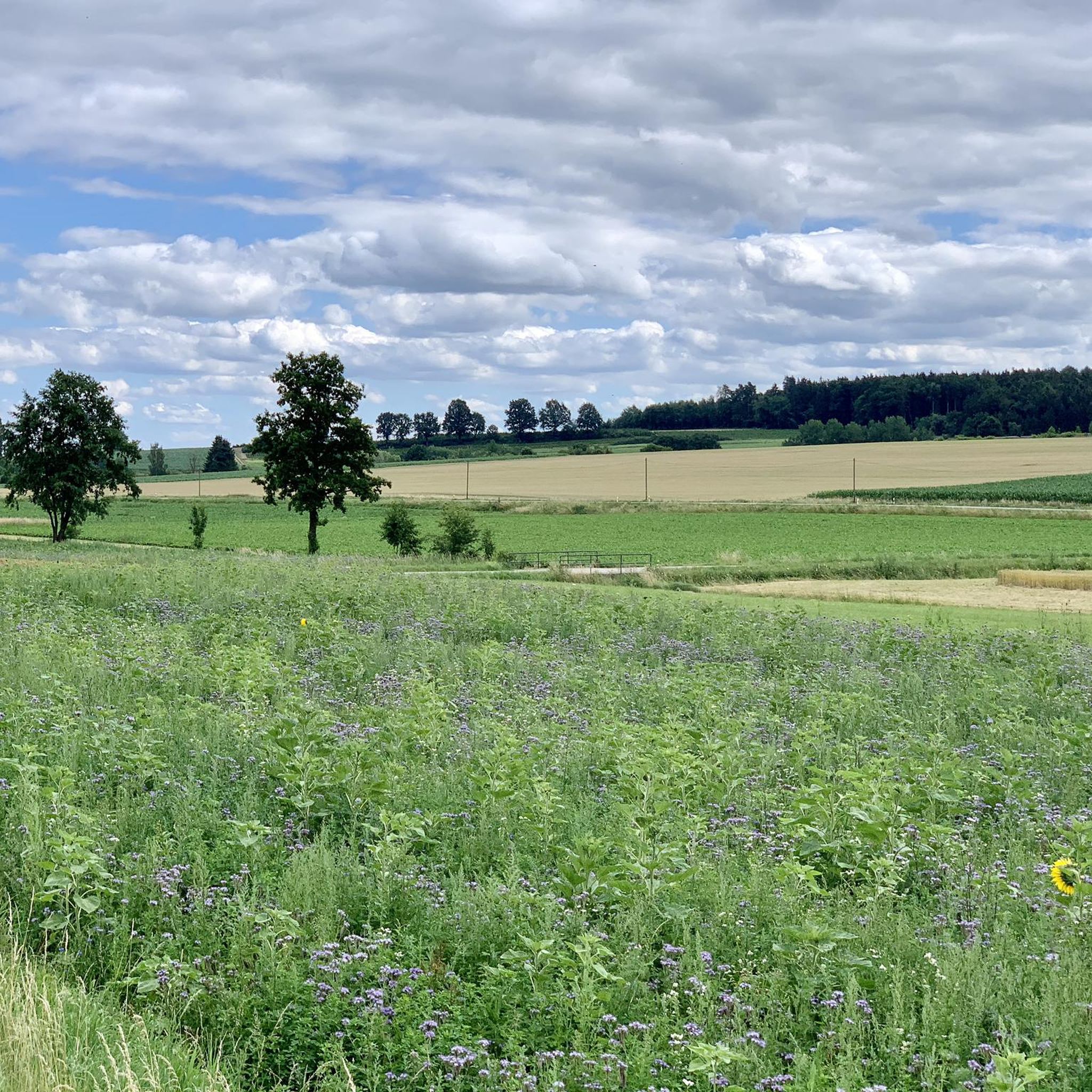
Hiking around Laberweinting offers diverse landscapes, characterized by the rivers Laber and Danube, alongside expansive forests and fields. This combination creates a varied natural environment suitable for exploration. The region provides numerous hiking possibilities, ranging from leisurely walks to more challenging routes through its countryside.
Best hiking trails around Laberweinting
- The most popular hiking route is Keltenschanze – Deer Enclosure loop from Eitting, a 5.5 miles (8.9 km) trail that takes 2 hours 22 minutes to complete. This moderate…
Last updated: July 31, 2026
4.5
(2)
9
hikers
8.88km
02:22
100m
100m
Moderate hike. Good fitness required. Easily-accessible paths. Suitable for all skill levels.
5.0
(1)
11
hikers
Easy hike. Great for any fitness level. Easily-accessible paths. Suitable for all skill levels.

Sign up for free
4.3
(4)
11
hikers
5.52km
01:24
10m
10m
Easy hike. Great for any fitness level. Easily-accessible paths. Suitable for all skill levels.
5.0
(2)
10
hikers
6.65km
01:41
20m
20m
Easy hike. Great for any fitness level. Easily-accessible paths. Suitable for all skill levels.
5.0
(2)
10
hikers
13.1km
03:29
130m
130m
Moderate hike. Good fitness required. Easily-accessible paths. Suitable for all skill levels.
Get access to more routes and recommendations from other explorers.
Sign up for free
Already have an account?
Our route recommendations are based on thousands of hikes, rides, and runs completed by other people on komoot.
Start today with a free account
Your next adventure awaits.
Login or Signup
Tips from the Community

It's worth a visit.
0
0

Monastery Church of St. John the Evangelist - Mallersdorf On the site of the current church, a new building was built in the 12th century and consecrated in 1177. This was significantly rebuilt in the late Romanesque style in the middle of the 13th century and re-consecrated in 1265. It was a three-aisled basilica without a transept. Its double tower front with the west portal is largely preserved, and the core of the nave is also likely to date back to this building. The spacious late Gothic choir was built between 1460 and 1463. From 1613 onwards, it was redesigned to its current form as a wall pillar church. Around 1670, it was refitted in the Baroque style. From 1740 onwards, it was redesigned in the Rococo style. The high altar is considered one of the main works of the Rococo sculptor Ignaz Günther. The vaulted structure with four light grey-reddish marbled columns contains an altarpiece painted in 1749 by Martin Speer, which shows the Evangelist John on Patmos hurling lightning at unbelievers lying on the ground. Flanked: on the left, St. Emperor Henry II and St. Benedict, on the right, St. Scholastica and St. Cunigunde. The altarpiece shows the Apocalypse. In the centre is the Apocalyptic Woman, a symbol of the church fleeing from the seven-headed dragon. Above her is the Archangel Michael with a flaming sword, who is about to wrestle the dragon down. The two four-column altars in the first niche are the cross altar (left) with an altarpiece of the crucifixion of Christ, flanked by figures of St. Clara and Pope Gregory the Great, and an excerpt of the Last Supper, as well as the Annunciation Altar (right) with an altarpiece of the Annunciation scene, and an excerpt of God the Father and the Holy Spirit. In the second chapel there are now only two-column altars, namely the Guardian Angel Altar (right), in the excerpt of which the Apostle James the Elder is depicted, and the Benedict Altar (left) with the only side altarpiece signed by Speer and an excerpt of John the Baptist. In the third niche there is the Sebastian Altar on the left and the Mary Altar on the right. The two rear side altars are the Vitus Altar (left) with a depiction of St. Christopher in the excerpt and the Florian Altar (right) with an altarpiece of the weather saints John and Paul. Source: Excerpt from www.wikipedia.de
0
0
Mallersdorf Monastery The monastery dedicated to St. John the Evangelist was founded in 1107 by Heinrich von Kirchberg, a ministerial of the Imperial Abbey of Niedermünster in Regensburg. In 1109, Bishop Hartwig consecrated the St. John Chapel, which had already been consecrated by Bishop Wolfgang, as Mallersdorf's first monastery church. In 1136, Abbot Eppo dissolved the double monastery (as a community of men and women) that had probably existed in Mallersdorf up to that point, and the women's convent moved to neighboring Eitting. Romanesque church buildings in the 12th century, a religious heyday in the 13th century, and the Kastler Reformation in the 15th century shaped the later Middle Ages. The abbey was on the verge of dissolution in the middle of the 16th century. The monastery's position was consolidated when the monks from the Ebersberg Benedictine Abbey, which had been abolished by Pope Clement VIII in 1595, moved there. Under Abbot Anton Schelshorn (1665–1695), the central training center of the Bavarian Benedictine Congregation was established in Mallersdorf. In the 18th century, the monastery experienced another cultural, scientific and religious heyday. This was expressed in the redesign of the monastery church, which culminated in the construction of the artistically outstanding high altar by the Munich sculptor Ignaz Günther. The Latin school run by monks in the monastery on the Johannisberg enjoyed an excellent reputation. In 1803, the monastery was dissolved as part of the secularization in Bavaria. The goods were auctioned off, and from 1807 onwards the monastery buildings were used as offices for the district authorities and as official residences. Since 1869, sisters from the order of the Poor Franciscan Sisters of the Holy Family have lived in the monastery. Today they run a monastery brewery there, which brews around 60 hectoliters of beer per week. The monastery also runs the "Specialist Academy for Social Pedagogy of the Poor Franciscan Sisters of Mallersdorf". There is also the Nardini Secondary School, named after the founder of the community. In August 2014, it was reported that Sister Doris Engelhard, a nun at the abbey and certified master brewer, is the last beer-brewing nun in Europe. She has been brewing beer in the abbey for over 40 years. Brewing in the abbey was revived in 1881. On brewing days, she is exempt from morning prayers and begins work in the abbey's brewery at 3:30 a.m. Source: www.wikipedia.de
2
0

Hall church with recessed choir, essentially medieval. New building 1896/ 1897. Choir flank tower with onion dome
0
0
On the Nardiniweg towards the monastery
0
0
Frequently Asked Questions
What kind of terrain can I expect on hikes around Laberweinting?
Laberweinting's landscape is characterized by a mix of gentle hills, expansive forests, and open fields, often traversed by the Laber and Danube rivers. This creates varied topography, offering both leisurely strolls through river valleys and moderately challenging routes with some elevation changes.
Are there any easy hiking trails suitable for beginners in Laberweinting?
Yes, Laberweinting offers several easy trails. A popular choice is the Crucifix at the Forest Edge – Mallersdorf Abbey loop from Grafentraubach, an easy 4.6-mile (7.3 km) path that provides views of Mallersdorf Abbey and passes through varied forest and field terrain.
Are there any historical or cultural landmarks to see while hiking?
Absolutely. The region is rich in history. For instance, the Keltenschanze – Deer Enclosure loop from Eitting leads through the valley of the Kleine Laber, featuring historical Celtic rectangular enclosures and a ring wall near Weingarten, offering a glimpse into ancient history.
Can I find circular hiking routes in Laberweinting?
Many of the trails in Laberweinting are designed as circular routes, allowing you to start and end at the same point. An example is the Rest area with crucifix loop from Laberweinting, a 3.4-mile (5.5 km) trail through local fields and forests.
What is the best time of year to go hiking in Laberweinting?
The spring is particularly beautiful for hiking in Laberweinting, as the natural environment is in full bloom, and the river valleys offer breathtaking views. The mild weather of late spring and early autumn also provides ideal conditions for exploring the trails.
Are there any family-friendly hiking options?
Yes, the region's numerous well-marked hiking paths through forests and fields are often suitable for families. The gentle hills and diverse scenery make for an enjoyable outdoor experience for all ages.
Are dogs allowed on the hiking trails in Laberweinting?
Many trails in Laberweinting are dog-friendly, allowing you to enjoy the natural beauty with your canine companion. It's always advisable to keep dogs on a leash, especially in agricultural areas or near wildlife, and to respect local regulations.
Are there any lakes or water features along the hiking routes?
The region is traversed by the Laber and Danube rivers, offering scenic routes along their banks. Additionally, the nearby Steinbergsee (Steinberg Lake) is known for its clear waters and a circular trail with picnic spots. You can also explore highlights like the Nature Experience Area at Goldbach or the Small Pond at the Forest Edge.
Where can I find places to rest or have a meal during my hike?
While hiking, you might come across various spots for a break. For example, the Bergmaier Grotto – Rattenbrunn Spring loop from Hofkirchen offers natural points of interest. For refreshments, you can look for local establishments in Laberweinting or nearby villages. Some routes might also pass by huts like Wackerstall Almhütte or Almschänke.
What do other hikers say about the trails in Laberweinting?
The hiking routes in Laberweinting are highly rated by the komoot community, with an average score of 4.6 stars from nearly 400 reviews. Hikers often praise the diverse landscapes, the tranquility of the forests, and the well-maintained paths that cater to various fitness levels.
Is public transport available to access hiking trailheads in Laberweinting?
While Laberweinting is primarily accessed by car, local bus services connect the municipality with surrounding areas. It's recommended to check local public transport schedules for specific routes and stops that might be convenient for reaching trailheads.
Are there any challenging hikes for experienced hikers?
While most trails are easy to moderate, the longer routes with more significant elevation changes, such as the Bergmaier Grotto – Rattenbrunn Spring loop from Hofkirchen (8.2 miles / 13.1 km), offer a more extended and engaging experience for those seeking a greater challenge.
Most popular routes around Laberweinting
Most popular attractions around Laberweinting

Get inspired with the komoot mobile app


Explore more
Browse the best Hikes in other regions.
