Top 4 Castles around Houdan
Castles around Houdan are centered on the town's significant medieval heritage, primarily featuring fortified structures. The area is characterized by its historical architecture and rural landscape in the Yvelines department. Houdan is known for its 12th-century Donjon, a prominent example of military engineering. Visitors can explore these historical sites, which offer insights into the region's past and provide panoramic views of the surroundings.
Best castles around Houdan
- The most popular castles is The Donjon of Houdan, a castle that…
Last updated: October 9, 2026
The Donjon of Houdan
Highlight • Castle
Translated by Google •
Tip by

Donjon and Fortified Site of Montchauvet
Highlight • Historical Site
Translated by Google •
Tip by

Sign up now to discover places like this
Get recommendations on the best single tracks, peaks, & plenty of other exciting outdoor places.
Château de Tilly
Highlight • Castle
Translated by Google •
Tip by

Behoust Castle
Highlight • Castle
Translated by Google •
Tip by

Chateau de Bourdonné
Highlight • Castle
Translated by Google •
Tip by

Sign up for free to discover even more castles around Houdan.
Already have an account?
Start today with a free account
Your next adventure awaits.


Tips from the Community

Beautiful castle with a beautiful forest nearby 😉
0
0

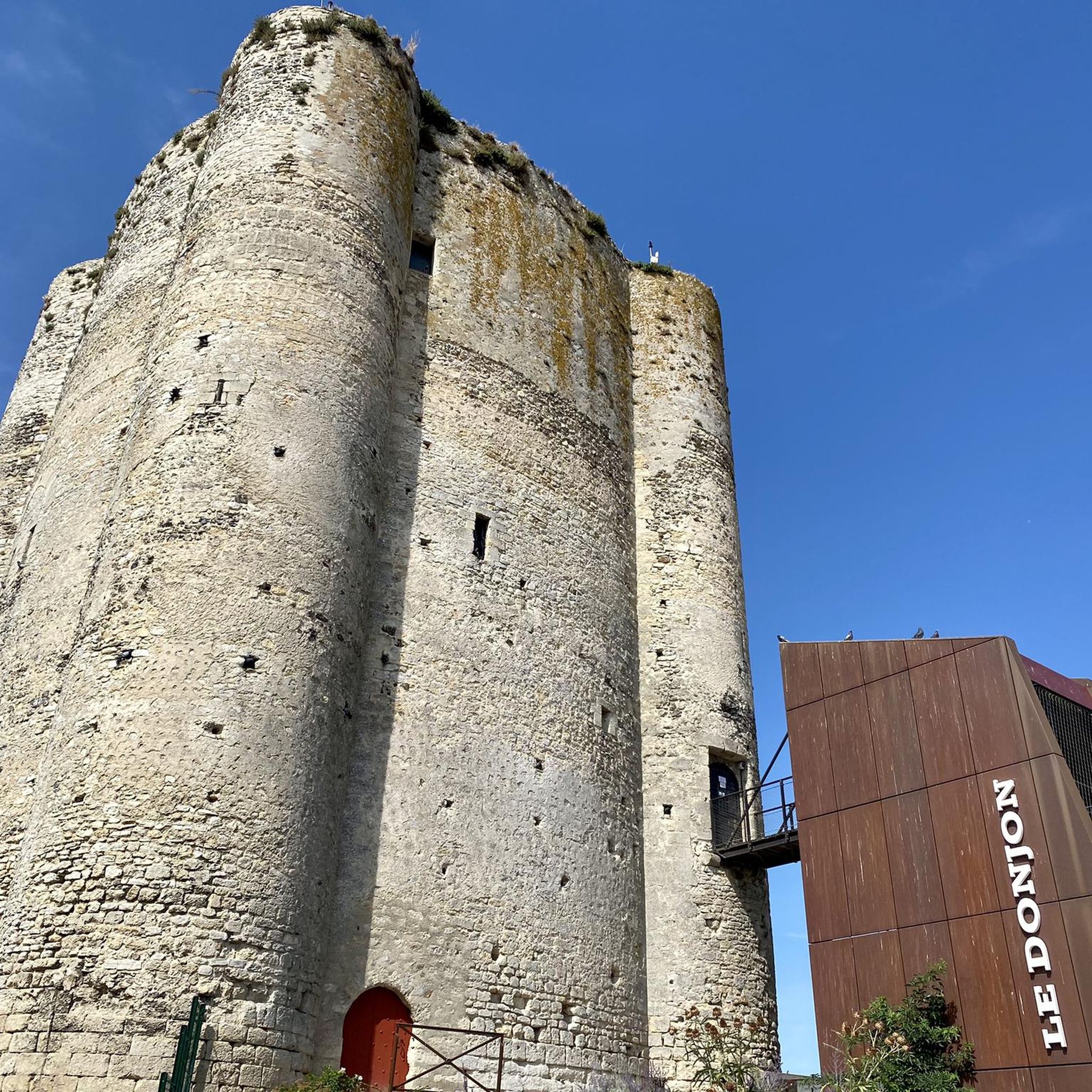
Built at the end of the 12th century by the Counts of Montfort and listed as a Historic Monument since 1889, the Houdan Tower was used to watch for enemies and defend the territory. The Keep consists of a 15 m diameter and 21 m high tower, flanked by four turrets of the same height located at the four cardinal points. From the 16th century until the French Revolution, the Keep served as a prison, and executions took place at the foot of the Tower. The first water reservoir was installed in the tower in 1880. The second, built in 1952, is still visible. Tours are available on certain days.
0
0

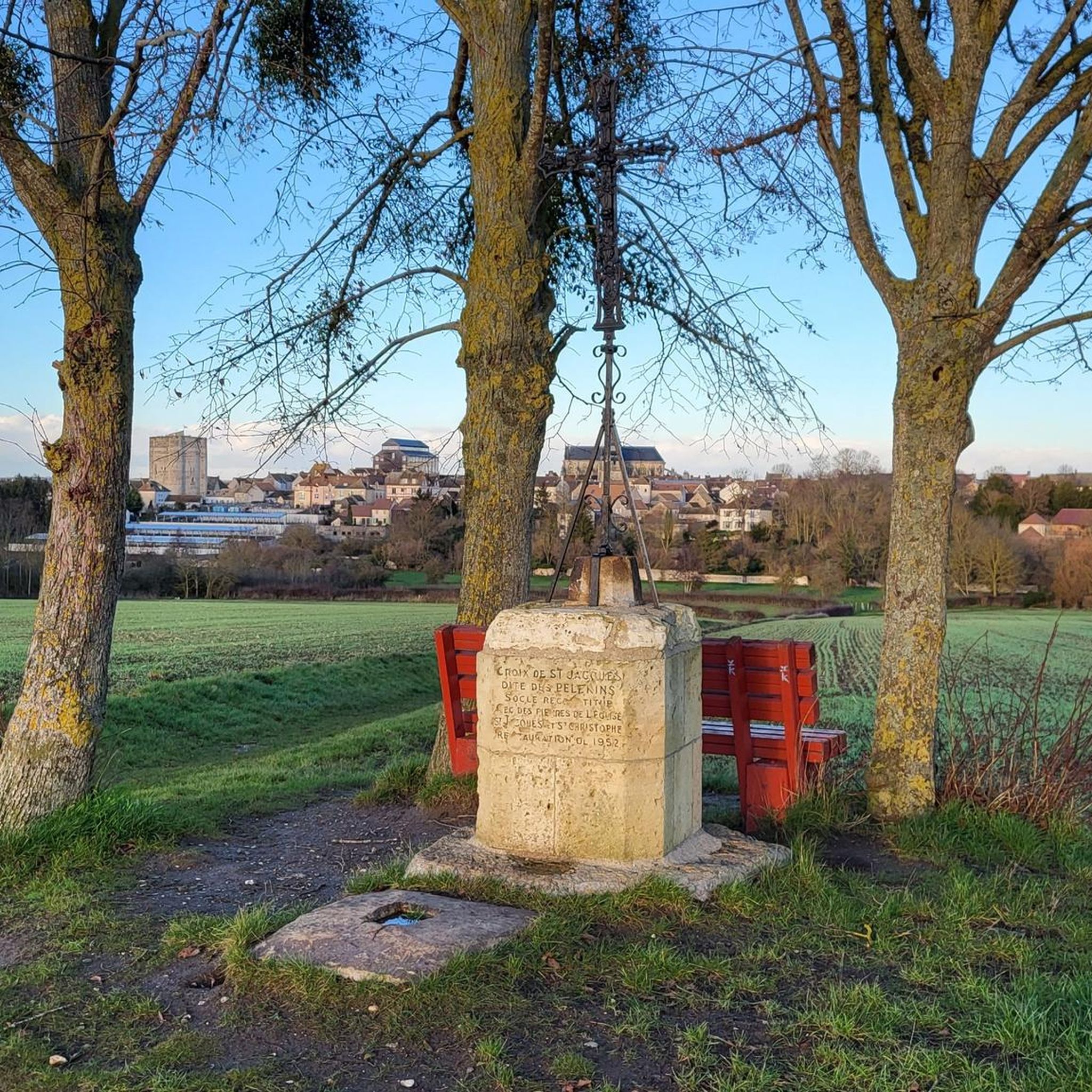
a pretty little village not to be missed in the Yvelines: you wouldn't think you were in the suburbs of Paris!
0
0

Monument dating from the end of the 12th century
1
0

Estate built in the first third of the 17th century, having preserved its park, its outbuildings and its alley of lime trees from the end of the 18th century. The castle stands opposite the church of Tilly, it was bought and saved from ruin in 1936 by François Delalande, his daughter still occupies it today. It is a beautiful Louis XIII-style residence, flanked by its two towers with an original domed roof, in a six-hectare park entirely surrounded by walls.
1
0
The Tower (commonly called "The Dungeon"), built in the 12th century under the reign of the Counts of Montfort, and classified as a Historic Monument since 1840, had the function of watching out for enemies and defending the territory. But in reality, it mainly had a dissuasive role since it was reputed to be impregnable. Built on the site of an old Merovingian necropolis, it originally consisted of an enclosure and a main tower. The enclosure, which has now disappeared, had a circular turret intended for the defense of the gate. The access door, located 4 meters from the ground then raised in the 15th century to 6 meters, was the only access to the large room on the 1st floor reserved for the military chief. It was accessed via a drawbridge.
0
0

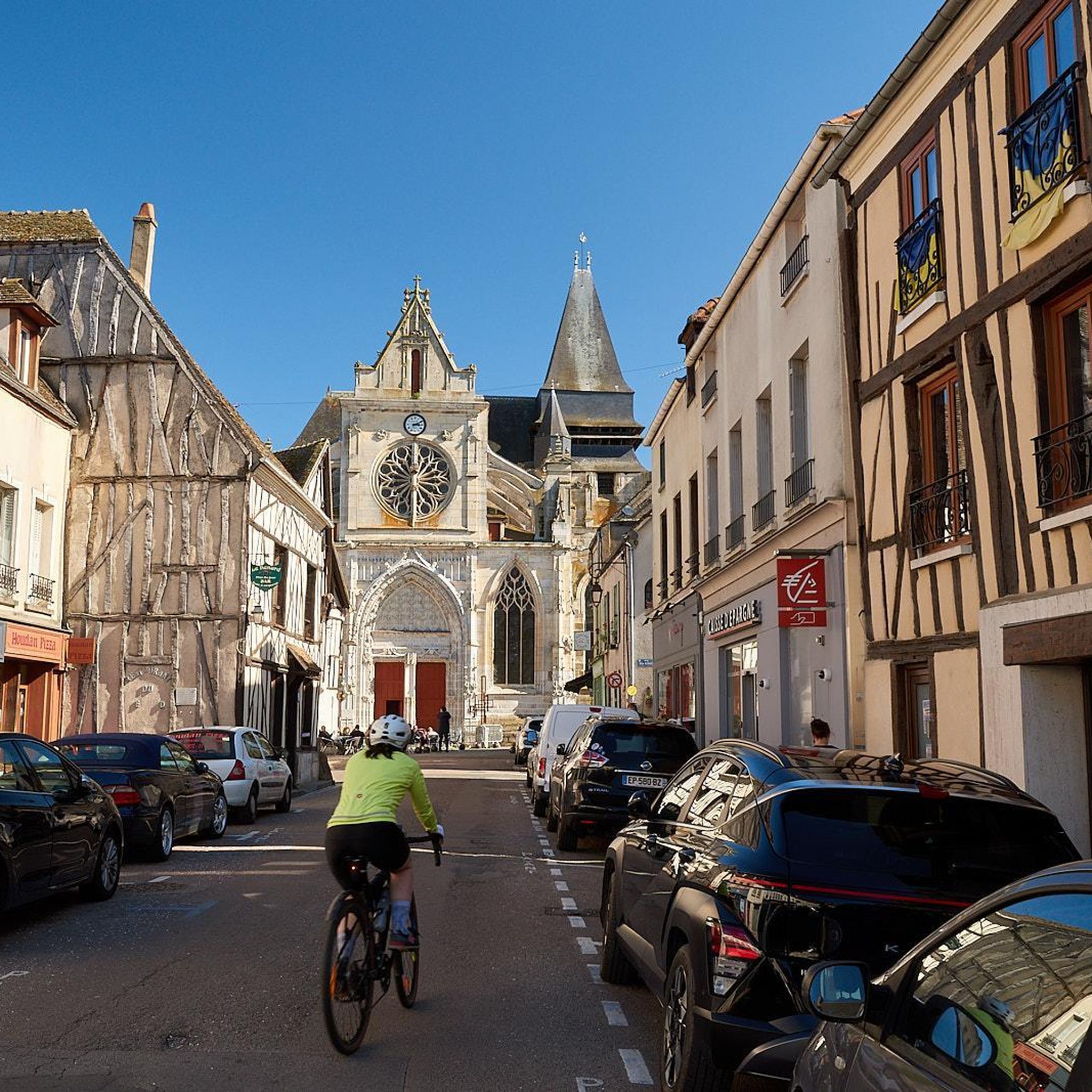
One of the most beautiful Ile de France villages with its many vestiges.
2
0
Frequently Asked Questions
What makes the Donjon de Houdan a significant historical site?
The Donjon de Houdan is a remarkable 12th-century fortified tower, known for its unique cylindrical design flanked by four smaller turrets. This architecture represents an early experiment in military engineering, improving flanking fire from battlements. It served as a watchtower, a prison, and even a municipal water tower, offering a tangible link to centuries of history.
Are there other historical castles or fortified sites to visit near Houdan?
Yes, beyond the main Donjon, you can explore the Donjon and Fortified Site of Montchauvet, which features ruins of a castle involved in the Hundred Years War, alongside a 12th and 13th-century church. Another notable site is the Chateau de Bourdonné, a 17th-century castle enlarged and remodeled over time, with its chapel and park classified as historical monuments.
What kind of views can I expect from the castles around Houdan?
From the summit of the Donjon de Houdan, visitors can enjoy a panoramic view of the town and its surroundings. The area's castles, often situated in picturesque villages or near forests, provide unique perspectives of the rural landscape in the Yvelines department.
What outdoor activities can I do near these castles?
The region around Houdan offers various cycling opportunities. You can find routes for touring bicycles, gravel biking, and road cycling. For example, there are routes like the 'Chateau de Bourdonné – The Donjon of Houdan loop' for touring bicycles or the 'Route des Deux Chateaux – Hollande Pond loop' for gravel biking. You can explore more options on the Cycling around Houdan, Gravel biking around Houdan, and Road Cycling Routes around Houdan guides.
Are there family-friendly activities at the Donjon de Houdan?
Yes, the Donjon de Houdan hosts exhibitions that cater to younger visitors, enhancing the experience for families. Ascending the tower also offers an engaging historical perspective and panoramic views that can be enjoyed by all ages.
What is the best time to visit the Donjon de Houdan?
The Donjon de Houdan is open to visitors on specific days, typically Wednesdays, Fridays, Saturdays, and one Sunday a month. It's advisable to check local schedules for the most current opening hours to plan your visit.
Can I find accommodation or places to eat near the castles in Houdan?
Houdan is a town with local amenities. While specific establishments are not detailed here, you can expect to find cafes, restaurants, and accommodation options within Houdan and the surrounding villages to support your visit to the castles.
Is the Donjon de Houdan accessible for visitors?
After extensive renovation, the Donjon de Houdan is open to visitors. Access to the upper levels involves ascending the tower, which provides unique historical insights and panoramic views.
What are some lesser-known but interesting castles or châteaux near Houdan?
Consider visiting Château de Tilly, a beautiful Louis XIII-style residence from the 17th century with an original domed roof, set within a six-hectare park. Another charming spot is Behoust Castle, located in a picturesque village near a forest, offering a scenic setting for exploration.
How long does it typically take to visit the Donjon de Houdan?
While the exact duration can vary based on individual interest, a visit to the Donjon de Houdan, including exploring its architecture, historical exhibits, and enjoying the panoramic views from the top, can typically take a couple of hours.
What historical role did the Donjon de Houdan play?
Built in the 12th century by Amaury III of Montfort, the Donjon de Houdan was primarily a defensive structure, serving as a watchtower to guard against enemies and protect the territory. It was later repurposed as a prison in the 16th century and even functioned as a municipal water tower from 1880 onwards, showcasing its long and varied history.
Most popular attractions around Houdan

Get inspired with the komoot mobile app


Explore more
Looking for the best castles somewhere else? Discover other guides around Houdan:
