Top 7 Castles around Puy-Saint-André
Castles near Puy-Saint-André Hautes-Alpes are primarily found in the broader region surrounding Briançon, a UNESCO World Heritage site known for its 17th and 18th-century fortifications. Puy-Saint-André, located in the Hautes-Alpes region of France, is recognized for its landscapes and geological richness. The area offers historical insights through its military architecture, strategically positioned at high altitudes in the French Alps. These structures provide expansive views of the surrounding Alpine landscape.
Best castles around Puy-Saint-André
- The most popular castles is Briançon Castle…
Last updated: July 6, 2026
Vauban Fortress
Highlight • Castle
Translated by Google •
Tip by

Fort de l'Infernet
Highlight • Historical Site
Translated by Google •
Tip by

Sign up now to discover places like this
Get recommendations on the best single tracks, peaks, & plenty of other exciting outdoor places.
Sign up for free
Lebrun Castle
Highlight • Castle
Translated by Google •
Tip by
Fort du Randouillet
Highlight • Castle
Translated by Google •
Tip by

View of Fort des Salettes, Fort des Têtes, and Fort du Randouillet
Highlight • Viewpoint
Translated by Google •
Tip by

Start today with a free account
Your next adventure awaits.
Login or Signup
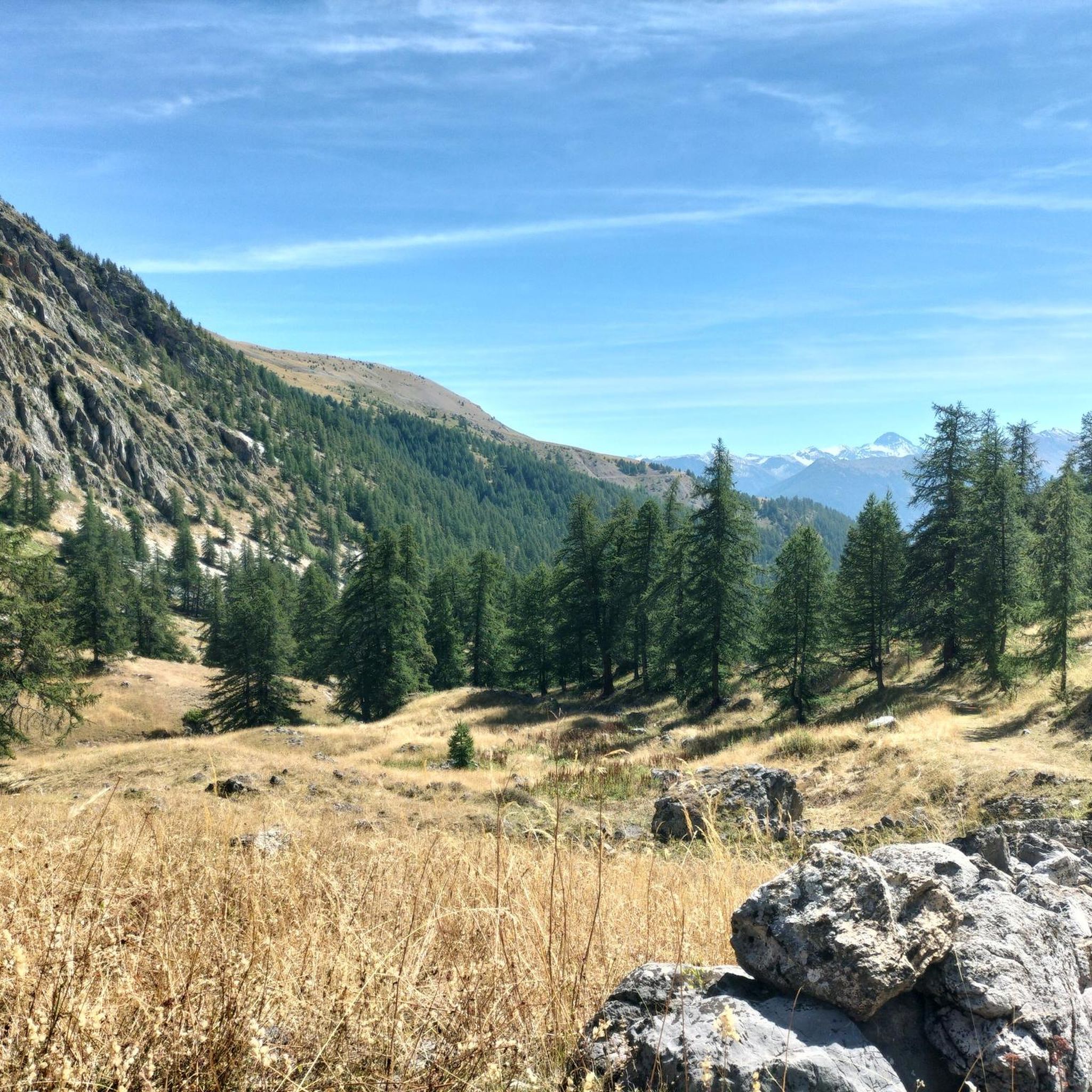
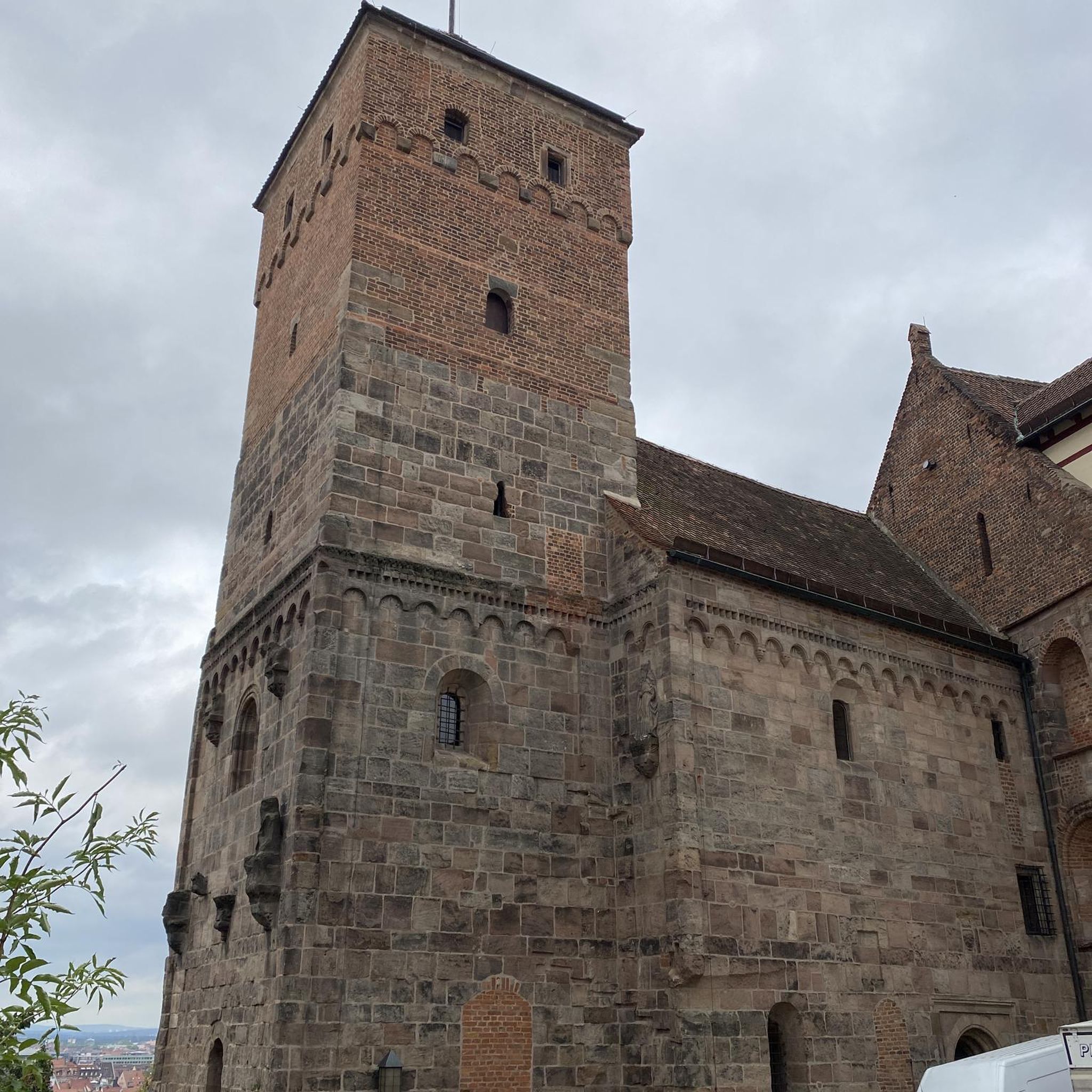
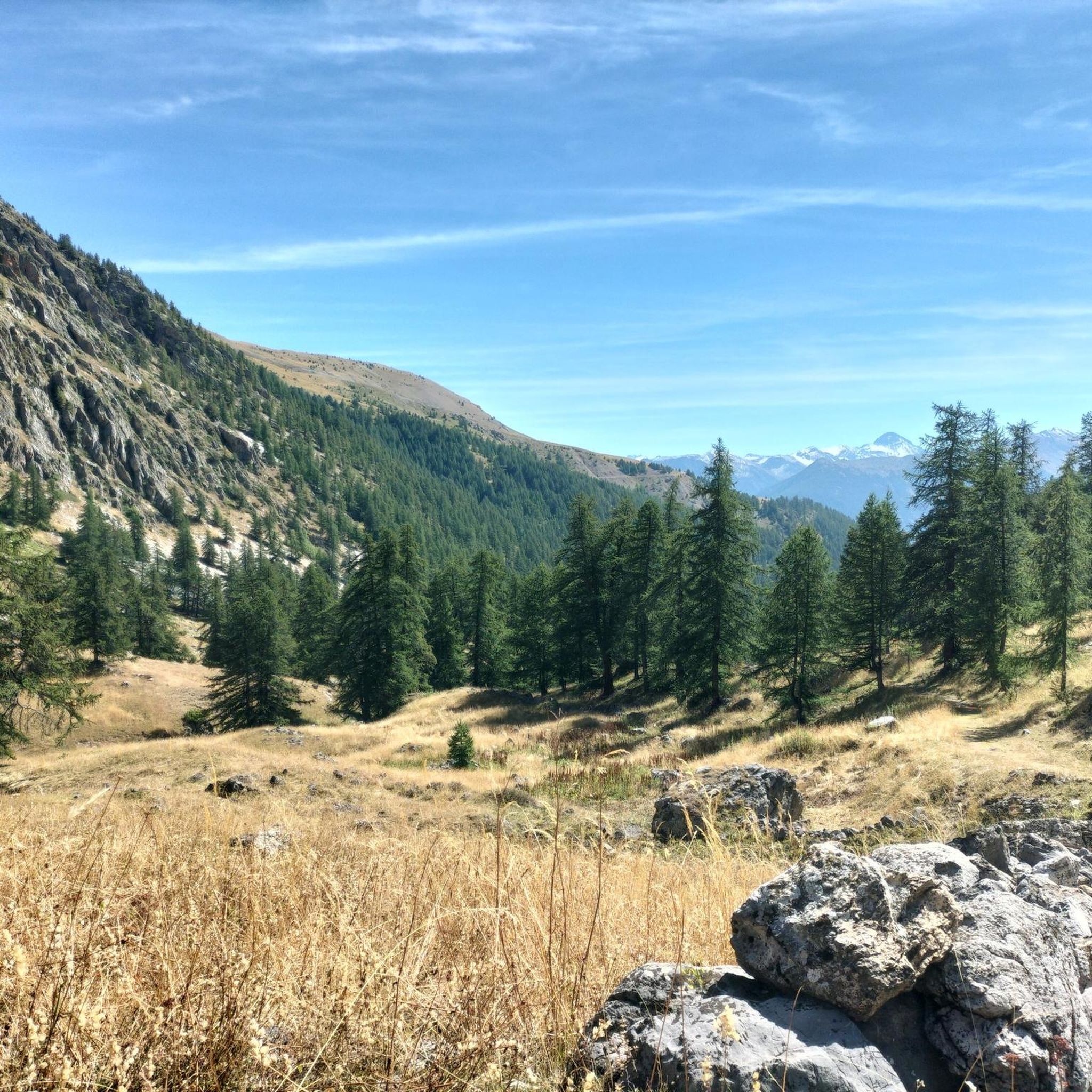
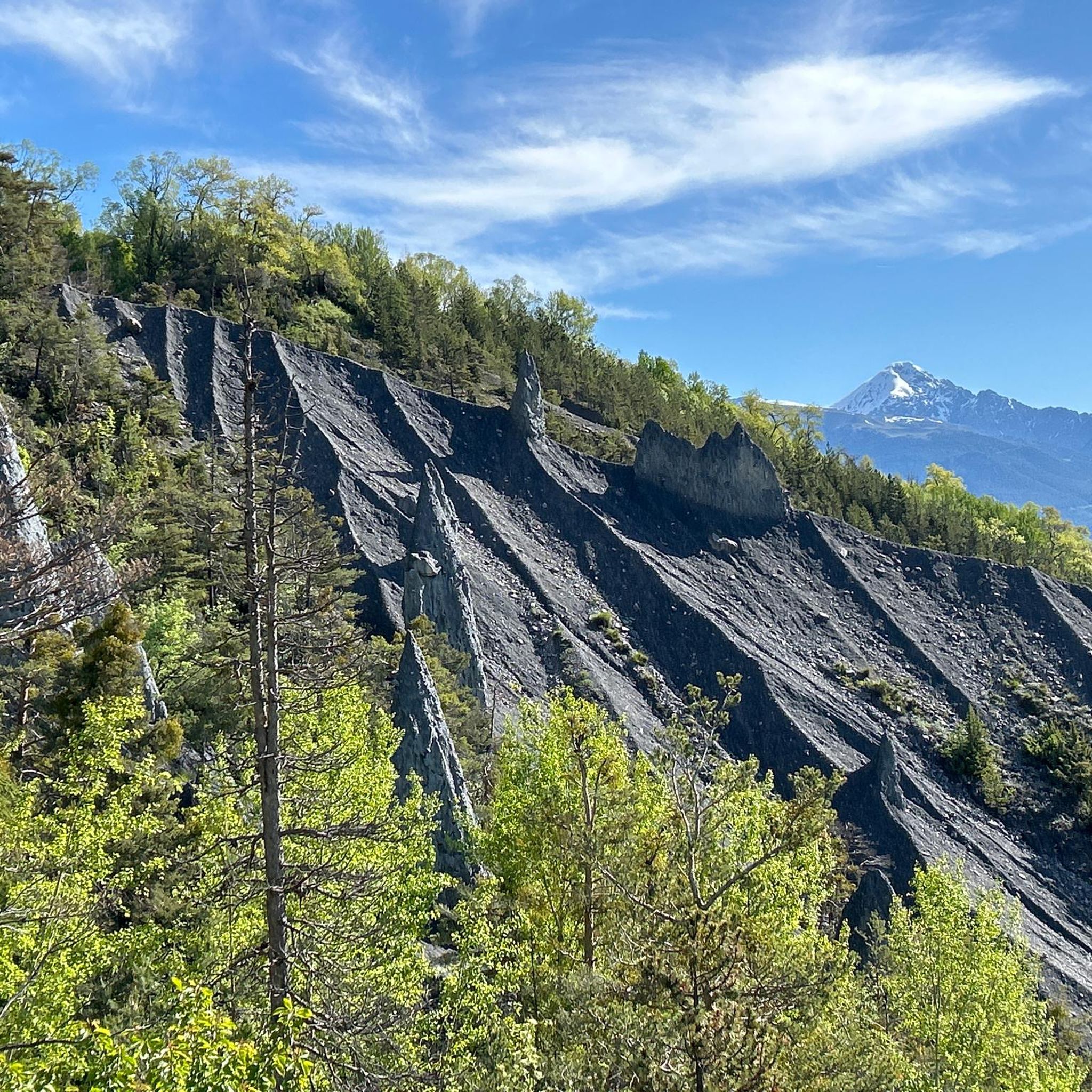
Tips from the Community

And the Vauban fortress. It is not a castle
0
0

And now seriously? A large ancient fortress/ruin on top of a mountain with a beautiful 360-degree panorama. https://www.foremostpayonline.com.co
0
0

Magnificent belvedere of Briançonnais
0
0

The Fort of Infernet, located in the Susa Valley, is one of the fortifications of the region, built between the 19th and early 20th centuries as part of the Italian defensive system against potential French threats. This fort is located at about 2,800 meters above sea level and is strategically positioned to control the surrounding valleys. The Infernet was designed primarily as a high-altitude battery, with a robust structure capable of housing cannons and a limited crew. Its dominant position offered a strategic view of the valley and important control over the connections between Italy and France. Today the site can be visited, although in not perfectly preserved conditions, and is an interesting destination for hikers and military history enthusiasts
1
0

Beautiful view from Briancon on the surrounding forts
0
0

Very beautiful old building.
0
0

The Château de Briançon, located in the Hautes-Alpes, is a remarkable historic site. Perched on a hill, it offers panoramic views of the Alpine region. This medieval castle, dating from the 13th century, bears witness to the architecture and life of the time. Its stone walls, towers and moats tell a fascinating story of the past.
0
0
The Fort de Chàteau is located on the left side coming from Montgenevre
0
1
Frequently Asked Questions
What kind of castles and fortifications can I expect to find near Puy-Saint-André?
Near Puy-Saint-André, you'll primarily discover impressive 17th and 18th-century fortifications, particularly around Briançon. These structures, designed by Vauban, are strategically positioned at high altitudes in the French Alps and offer significant historical insights into military architecture. While Puy-Saint-André itself is known for natural beauty, the surrounding region is rich in these defensive sites.
Which castles near Puy-Saint-André offer the best panoramic views?
For expansive views, consider visiting Fort de l'Infernet, which provides a 360-degree panorama from its mountain top location. Lebrun Castle also offers beautiful views over the valley and nearby mountain peaks from its high-altitude setting. Briançon Castle, built on a rock overlooking the town, provides historical insights and views above the old town.
Are there any UNESCO World Heritage sites among the castles near Puy-Saint-André?
Yes, the broader region around Briançon, near Puy-Saint-André, is renowned for its impressive 17th and 18th-century fortifications designed by Vauban, which are a UNESCO World Heritage site. These include structures like the Briançon Castle and elements of the Fort du Château.
Are there hiking opportunities around the castles near Puy-Saint-André?
Absolutely. Many of the fortifications and castles are situated in mountainous terrain, making them excellent starting points or destinations for hikes. For example, the climb up to Fort de l'Infernet is unpaved and steep, offering a challenging experience. You can find various mountain hikes in the area, including routes like 'The Lake loop from Chambran' or 'Tête d'Amont loop from Puy-Saint-Vincent'. Explore more options in the Mountain Hikes around Puy-Saint-André guide.
Can I find cycling routes near these historical sites?
Yes, the region offers several cycling routes that pass by or near these historical sites. You can enjoy touring bicycle routes such as the 'Grassy path – Briançon loop from Briançon' or the 'Prelles Fountain – Briançon loop from Saint-Martin-de-Queyrières'. For more details, check out the Cycling around Puy-Saint-André guide.
What natural features can I enjoy while visiting the castles?
The castles and fortifications near Puy-Saint-André are set amidst stunning Alpine landscapes. For instance, Lebrun Castle is located near a beautiful flowery Alpine meadow at approximately 2,000 meters altitude, offering picturesque views. The broader region is known for its geological richness, including 300-million-year-old tree trunks and various fossils, though these are not directly at the castle sites.
Are there any family-friendly castles to visit near Puy-Saint-André?
While specific 'family-friendly' designations are not always available for these historical fortifications, many sites like the Briançon Castle and the Fortress of Briançon offer accessible areas and impressive architecture that can be engaging for families. Exploring the old town within the fortifications can also be an interesting experience for all ages.
What do visitors enjoy most about the castles and fortifications in this region?
Visitors frequently appreciate the historical insights provided by these military structures, especially those designed by Vauban. The strategic high-altitude locations offer breathtaking panoramic views of the surrounding Alpine landscape. The blend of history, impressive architecture, and natural beauty makes these sites highly valued by the komoot community, with many photos and upvotes highlighting their appeal.
Is it possible to access these castles using public transport?
While Puy-Saint-André itself is a village, the main fortifications are concentrated around Briançon. Briançon is more accessible by public transport, and from there, some forts like Fort du Randouillet are easily accessible via old military roads. However, for some of the higher-altitude or more remote forts, personal transport or a hike might be necessary.
Are there any less crowded castle attractions around Puy-Saint-André?
While the main Vauban fortifications in Briançon can attract visitors, exploring some of the slightly more remote or ruinous forts might offer a less crowded experience. For example, the climb to Fort de l'Infernet is challenging, which naturally limits visitor numbers, offering a more solitary experience with stunning views.
What is the best time of year to visit the castles and fortifications?
The best time to visit is generally during the warmer months, from late spring to early autumn (May to October), when the weather is favorable for exploring outdoor sites and hiking. During these months, the Alpine meadows are in bloom, and the views are clearer. Winter visits are possible, but some higher-altitude sites might be less accessible due to snow, and specific 'winter castle tours' are not widely advertised for this region.
Can I bring my dog to the castle trails near Puy-Saint-André?
Many of the trails and outdoor areas around the fortifications are dog-friendly, especially if your dog is accustomed to hiking in mountainous terrain. However, specific rules for entry into the interior of historical buildings or protected areas may vary. It's always advisable to keep your dog on a leash and clean up after them. Always check local regulations for specific sites before your visit.
Are there any hidden gem castles or lesser-known fortifications worth exploring?
While the main fortifications around Briançon are well-known, the region has numerous smaller, less prominent defensive structures and ruins. Exploring the old military roads and higher-altitude paths can lead to discoveries of lesser-known forts or remnants that offer a unique sense of history and solitude. These often provide equally impressive views without the crowds.
Most popular routes around Puy-Saint-André
Most popular attractions around Puy-Saint-André

Get inspired with the komoot mobile app


Explore more
Looking for the best castles somewhere else? Discover other guides around Puy-Saint-André:
