Top 5 Castles around Le Vigan
Castles around Le Vigan are situated in the Gard region, nestled within the Cevennes National Park. This area is characterized by its varied terrain, from arid limestone plateaus to the more lush valleys. The region holds historical significance, with ancient Roman roads and medieval structures dotting the landscape. Visitors can explore a mix of well-preserved châteaux, historical sites, and intriguing ruins, often integrated into the natural environment.
Best castles around Le Vigan
- The most popular castles is Saint-Roman-de-Codières Village and…
Last updated: July 5, 2026
Saint-Roman-de-Codières Village and Medieval Tower
Highlight • Historical Site
Translated by Google •
Tip by

Montdardier Castle
Highlight • Castle
Even more precious is the water this village harbors, a true treasure on these arid limestone plateaus. This town …
Translated by Google •
Tip by
Sign up now to discover places like this
Get recommendations on the best single tracks, peaks, & plenty of other exciting outdoor places.
Sign up for free
Saint-Bonnet-de-Salendrinque
Highlight • Settlement
It …
Translated by Google •
Tip by
Roquevaire Castle
Highlight • Castle
The old castle of Roquevaire, seems over time, to be restored.
Well maintained place.
Castle, garden, chapel, a beauty in the middle of nature :)
Translated by Google •
Tip by

Château de Saint-Hippolyte-le-Vieux (Ruins)
Highlight • Castle
A 12th century castle which has several names: - Le Castellas / The old castle / Roquefourcade / The castle of Saint-Hippolyte-le-Vieux.
Translated by Google •
Tip by

Start today with a free account
Your next adventure awaits.
Login or Signup
Popular around Le Vigan
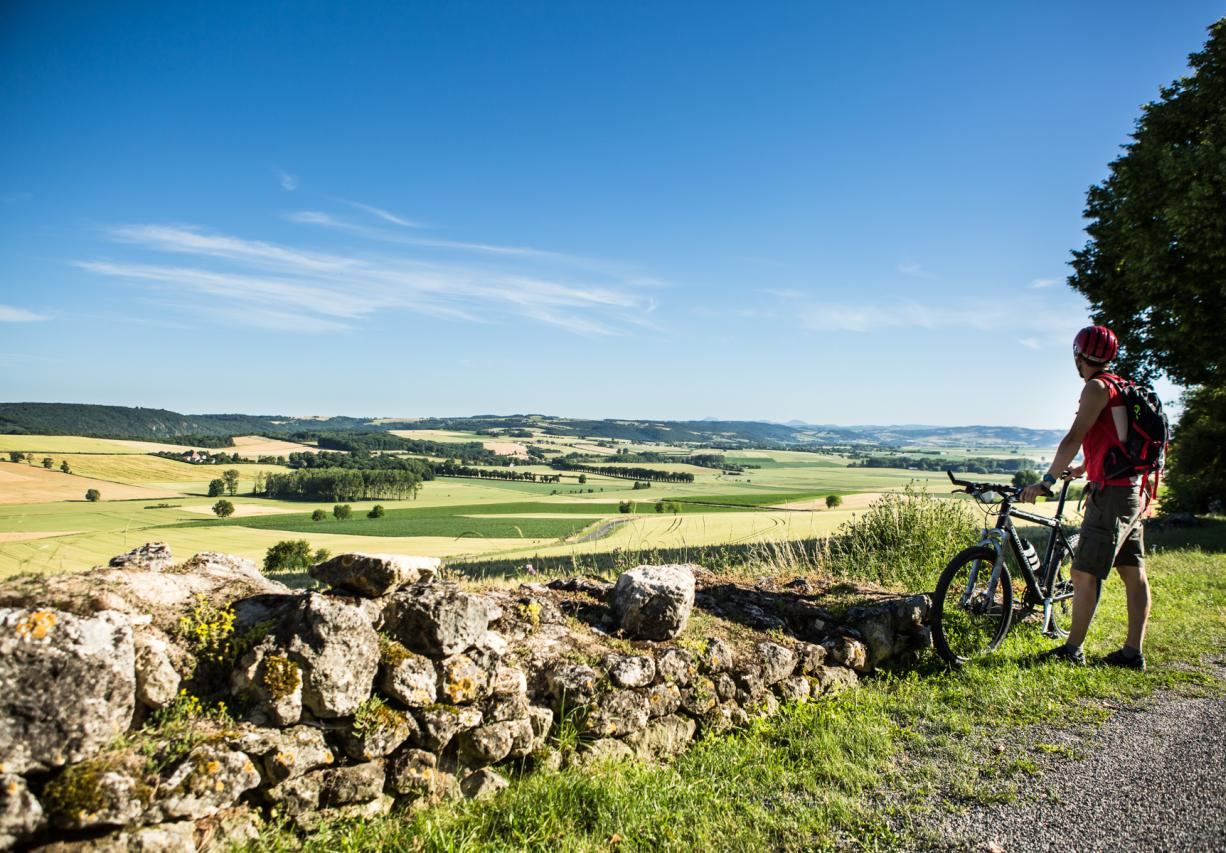
The Grande traversée du Massif Central by gravel bike
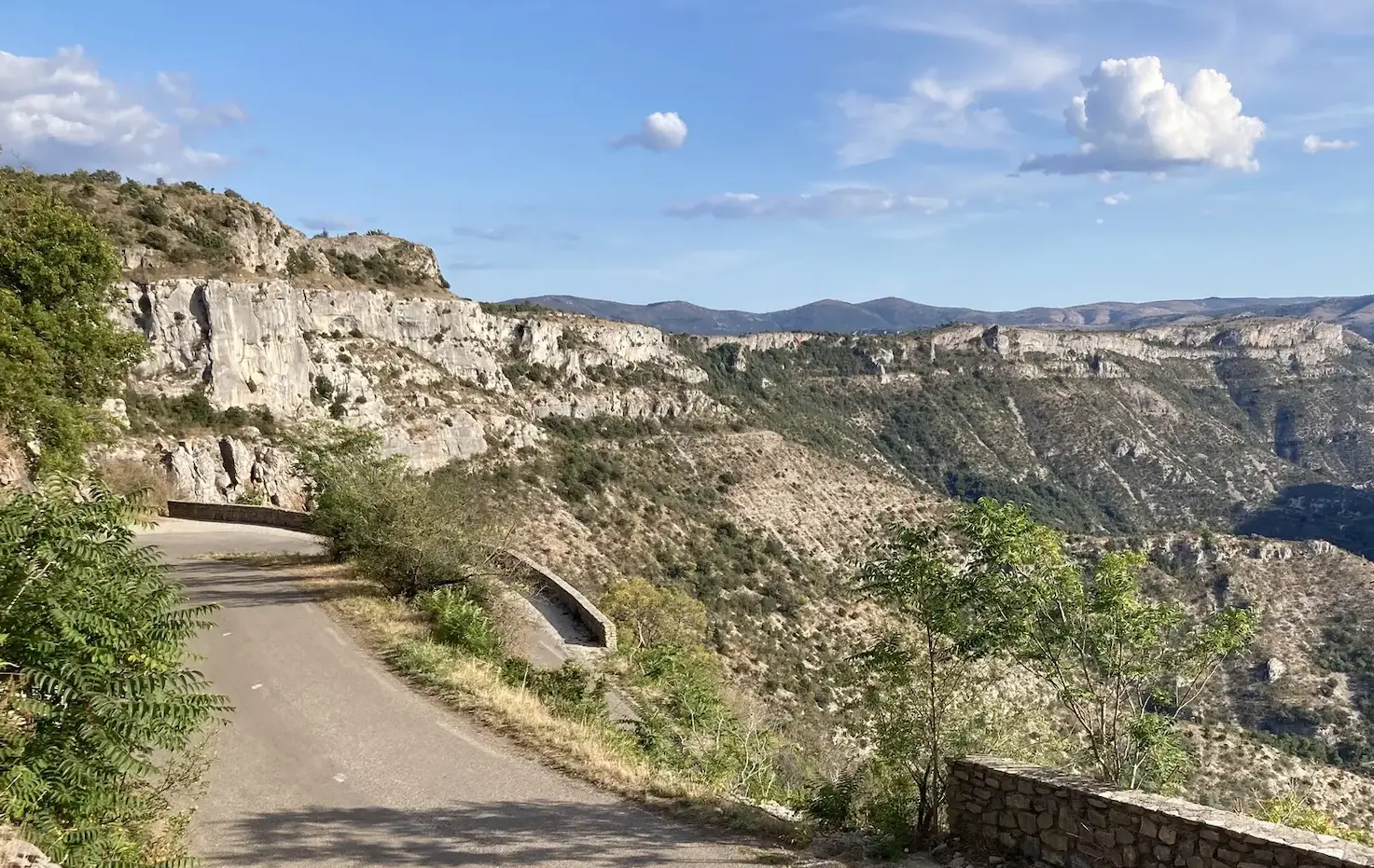
From north to south - On the slopes of the GTMC
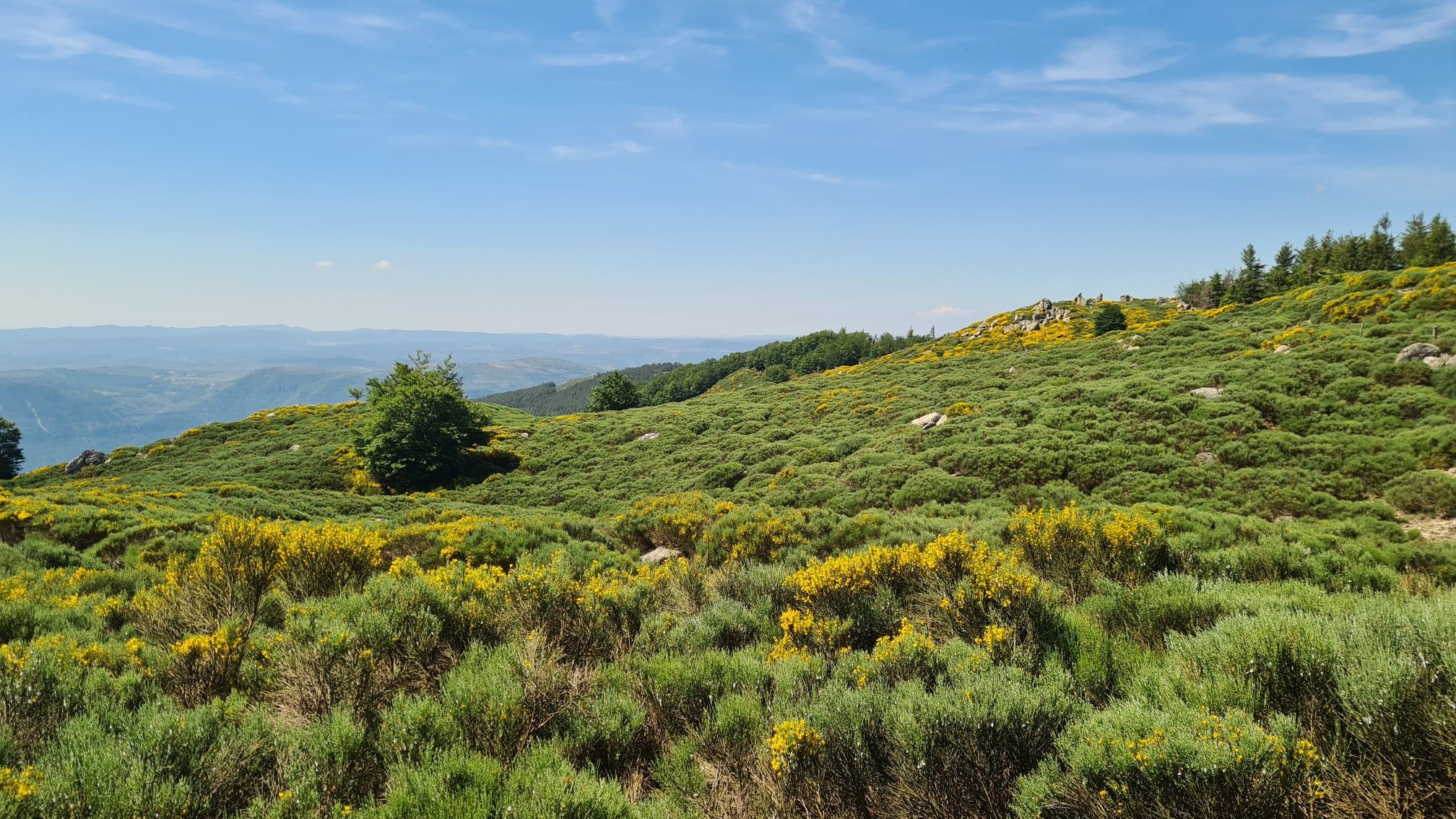
From L'Espérou to Lodève - Explore the Cevennes on the GR 71
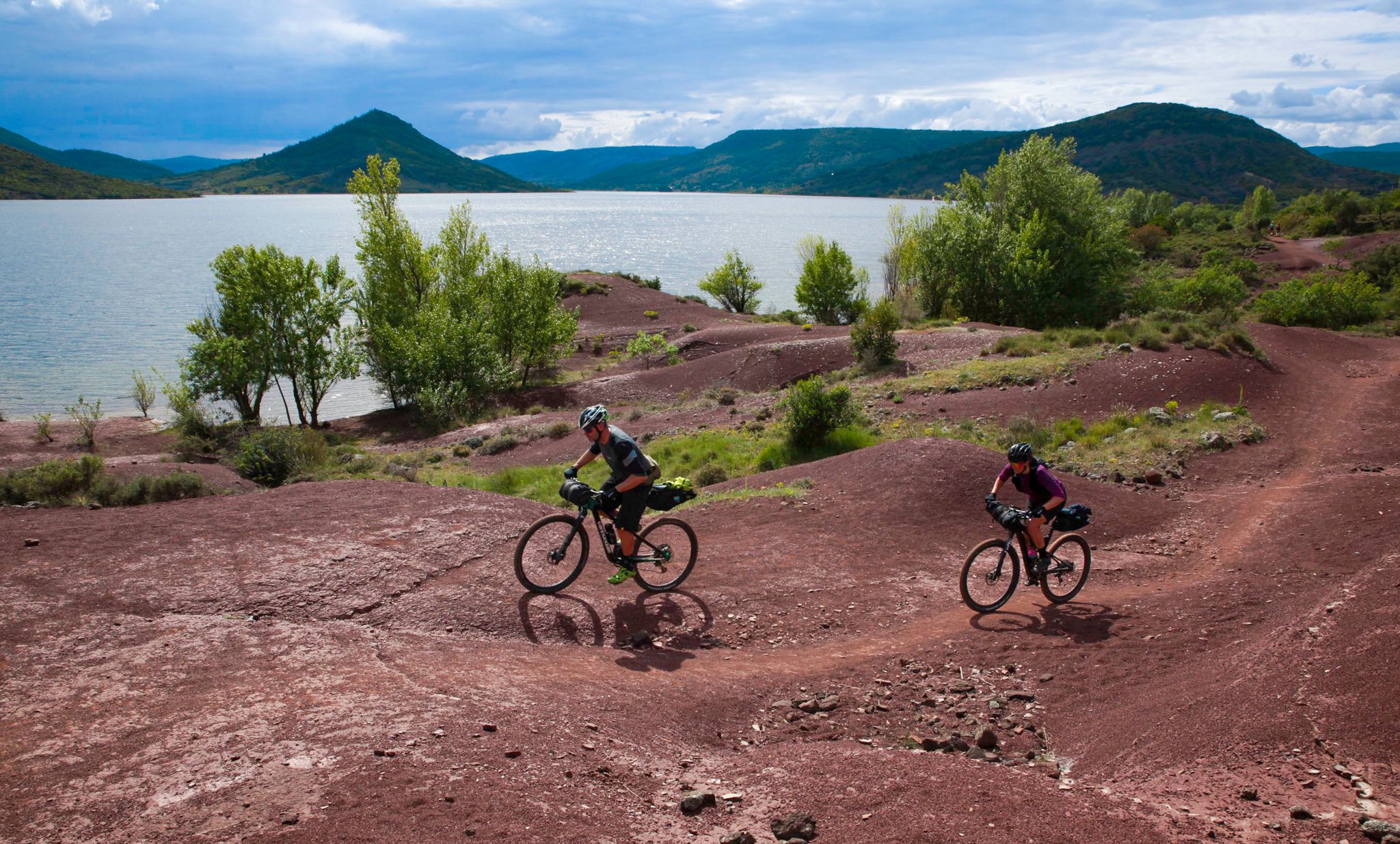
The Great Crossing of France's Massif Central by mountain bike
Hike and wild camp in the Cevennes — a Tour of Mount Aigoual (GR 66)
Hiking around Le Vigan
Cycling around Le Vigan
Road Cycling Routes around Le Vigan
Running Trails around Le Vigan
MTB Trails around Le Vigan
Other adventures around Le Vigan


Tips from the Community

Pretty little village in the Cevennes.
0
0

Private domain! The old castle of Roquevaire, seems over time, to be restored. Well maintained place. Castle, garden, chapel, a beauty in the middle of nature :)
0
0

A very nice place with a great view! A 12th century castle which has several names: - Le Castellas / The old castle / Roquefourcade / The castle of Saint-Hippolyte-le-Vieux.
0
0

Montdardier, whose name means "desired mountain," contains deposits of precious minerals. Even more precious is the water this village harbors, a true treasure on these arid limestone plateaus. This town is also located on an ancient Roman road between Le Vigan and Lodève. It was once an important crossroads for trade between the Cévennes and the Causses. Montdardier Castle is an eye-catcher in this relatively flat landscape, rising above the town. This fortress, built in the 12th century, has been sacked many times and partially destroyed. It was the French architect Eugène Viollet-le-Duc who restored it in 1860.
0
0

The castle of Roquevaire, of which only ruins remain, is relatively recent contrary to what one might think, since it was built in the 17th century (on a site already occupied).
0
1
This village has a listed monument: the castle of Castellas. Its origin goes back a long way because it is located on the site of an ancient Roman oppidum. It was from the year 864 that a Carolingian fortress was erected, which the locals called Castellas in the Occitan language. This castle has been registered as a historical monument since December 26, 1980. It cannot be visited because it is a private residence.
1
0
The historical heritage of this village is very old. Testimony of the Neolithic, of the seven menhirs identified in the town, five are still erected. This town is located on the Saint-Roman pass, which gives it strategic importance. The name of the village comes from a military camp built by the Romans in the 1st century AD. The camp was then called Romanus de Codeyra. Aware of the strategic location of the Col de Saint-Roman, a castle was built in the Middle Ages instead of the Roman oppidum and the tower built by the Saracens.
2
0

Nice café with a lovely terrace with a great view ...
0
0
Frequently Asked Questions
What types of historical sites and castles can I explore around Le Vigan?
The area around Le Vigan offers a diverse range of historical structures. You can find well-preserved châteaux, medieval towers, and intriguing ruins. Examples include the culturally active Saint-Roman-de-Codières Village and Medieval Tower, the prominent Montdardier Castle, and the historic Saint-Bonnet-de-Salendrinque with its Carolingian fortress.
Which castles offer cultural activities or events?
The Château d'Assas in Le Vigan is a vibrant cultural hub. It hosts various cultural events, including live performances, visual arts, and digital arts. It also houses a department for artistic animation and heritage promotion, along with public libraries. Its garden is frequently used for cultural manifestations.
Are there any castles recognized as historical monuments?
Yes, several sites are recognized for their historical significance. The Château de Mareilles in Le Vigan is a historic monument, recognized by the Ministry of Culture. Additionally, the Castellas castle within Saint-Bonnet-de-Salendrinque has been registered as a historical monument since 1980.
Can I visit castle ruins near Le Vigan?
Yes, for those interested in historical remnants, the Château de Saint-Hippolyte-le-Vieux (Ruins) offers a glimpse into the past. This 12th-century castle, also known as Le Castellas, provides a very nice place with a great view.
Are there hiking trails that incorporate castles around Le Vigan?
While specific trails directly linking multiple castles aren't detailed, many castles like Saint-Roman-de-Codières Village and Medieval Tower and Montdardier Castle are situated in areas with existing hiking opportunities. You can explore various hiking routes in the region, such as those found in the Waterfall hikes around Le Vigan guide, which might pass near some historical sites.
What is the best time of year to visit the castles around Le Vigan?
The Gard region, where Le Vigan is located, experiences varied weather. Spring and autumn generally offer pleasant temperatures for exploring historical sites and enjoying outdoor activities. Summer can be warm, but also a popular time for cultural events. Winter visits are possible, though some sites might have reduced hours or be less accessible depending on conditions.
Are there any castles with scenic viewpoints?
Yes, both the Saint-Roman-de-Codières Village and Medieval Tower and the Château de Saint-Hippolyte-le-Vieux (Ruins) are noted for offering great views. Saint-Roman-de-Codières, located on the Saint-Roman pass, provides a lovely terrace with a great view from its café.
Are dogs allowed at the castles or on nearby trails?
Regulations vary by site. The Château d'Assas, being a cultural hub, might have restrictions on pets inside buildings, though its garden is often used for public events. For trails in the Cévennes National Park, it's advisable to check specific regulations regarding dogs, especially concerning protected wildlife areas. Generally, dogs on a leash are often permitted on public trails.
What other outdoor activities can I do near the castles?
The region around Le Vigan, nestled within the Cévennes National Park, is excellent for outdoor enthusiasts. Besides exploring castles, you can enjoy various activities like mountain biking, with routes detailed in the MTB Trails around Le Vigan guide, or gravel biking, as highlighted in the Gravel biking around Le Vigan guide. There are also numerous hiking opportunities, including waterfall hikes.
Are there any castles that are privately owned and not open to the public?
Yes, some historical sites are private residences. For instance, the Castellas castle within Saint-Bonnet-de-Salendrinque is a private residence and cannot be visited. Similarly, Roquevaire Castle is also a private domain.
Where can I find cafes or restaurants near the castles?
In the village of Saint-Roman-de-Codières, there is a nice café with a lovely terrace offering great views. For other castles, especially those in more rural settings, it's advisable to check local amenities in nearby towns like Le Vigan itself, which offers more dining options.
How long does it typically take to visit the castles around Le Vigan?
The time required varies significantly depending on the site. For cultural hubs like Château d'Assas, you might spend an hour or two exploring exhibits or attending an event. For ruins like Château de Saint-Hippolyte-le-Vieux, a visit might be shorter, focusing on the views and historical context. If you plan to combine a castle visit with a hike, allocate more time for the full experience.
Most popular routes around Le Vigan
Most popular attractions around Le Vigan

Get inspired with the komoot mobile app


Didn’t find what you were looking for?
Explore Le Vigan’s best castles region by region:
Explore more
Looking for the best castles somewhere else? Discover other guides around Le Vigan:
