Top 4 Caves around Sesto Fiorentino
Best caves around Sesto Fiorentino are situated in a region characterized by its diverse terrain, ranging from urban centers to surrounding hills. While large natural karst caves are not a primary feature within the immediate municipal area, the landscape includes historical quarries and religious grottoes. The wider Tuscany region, however, is recognized for its extensive natural cave systems and karst phenomena.
Best caves around Sesto Fiorentino
- The most popular caves is Braschi Quarry (Monte Ceceri), a cave that was…
Last updated: August 11, 2026
Braschi Quarry (Monte Ceceri)
Highlight • Cave
Translated by Google •
Tip by

Cave and Spring of San Filippo Benizi
Highlight • Cave
Translated by Google •
Tip by

Sign up now to discover places like this
Get recommendations on the best single tracks, peaks, & plenty of other exciting outdoor places.
Sign up for free
Cave of Blessed Alessio
Highlight • Cave
Translated by Google •
Tip by
Buca di Case Castello
Highlight • Cave
Translated by Google •
Tip by

Start today with a free account
Your next adventure awaits.
Login or Signup
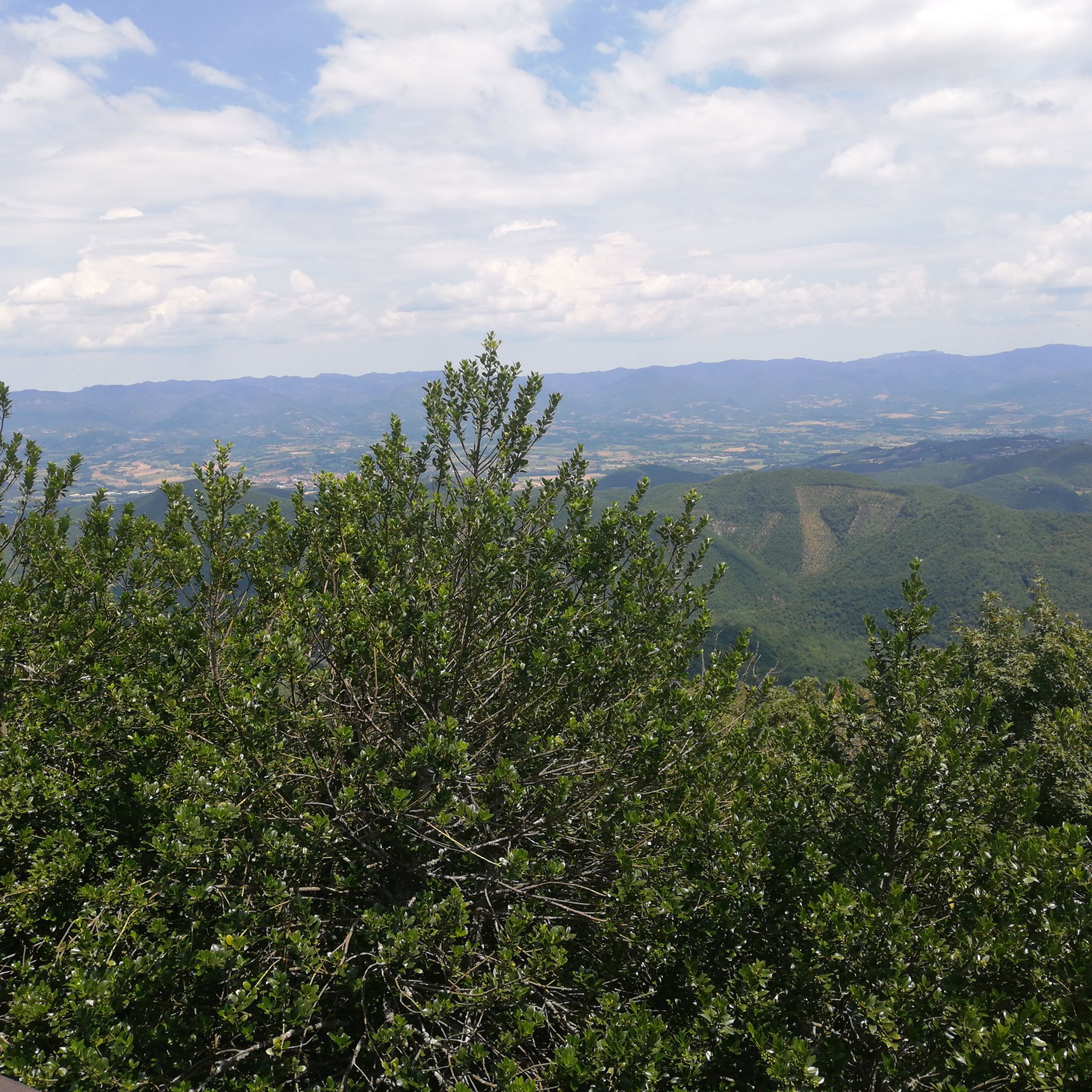
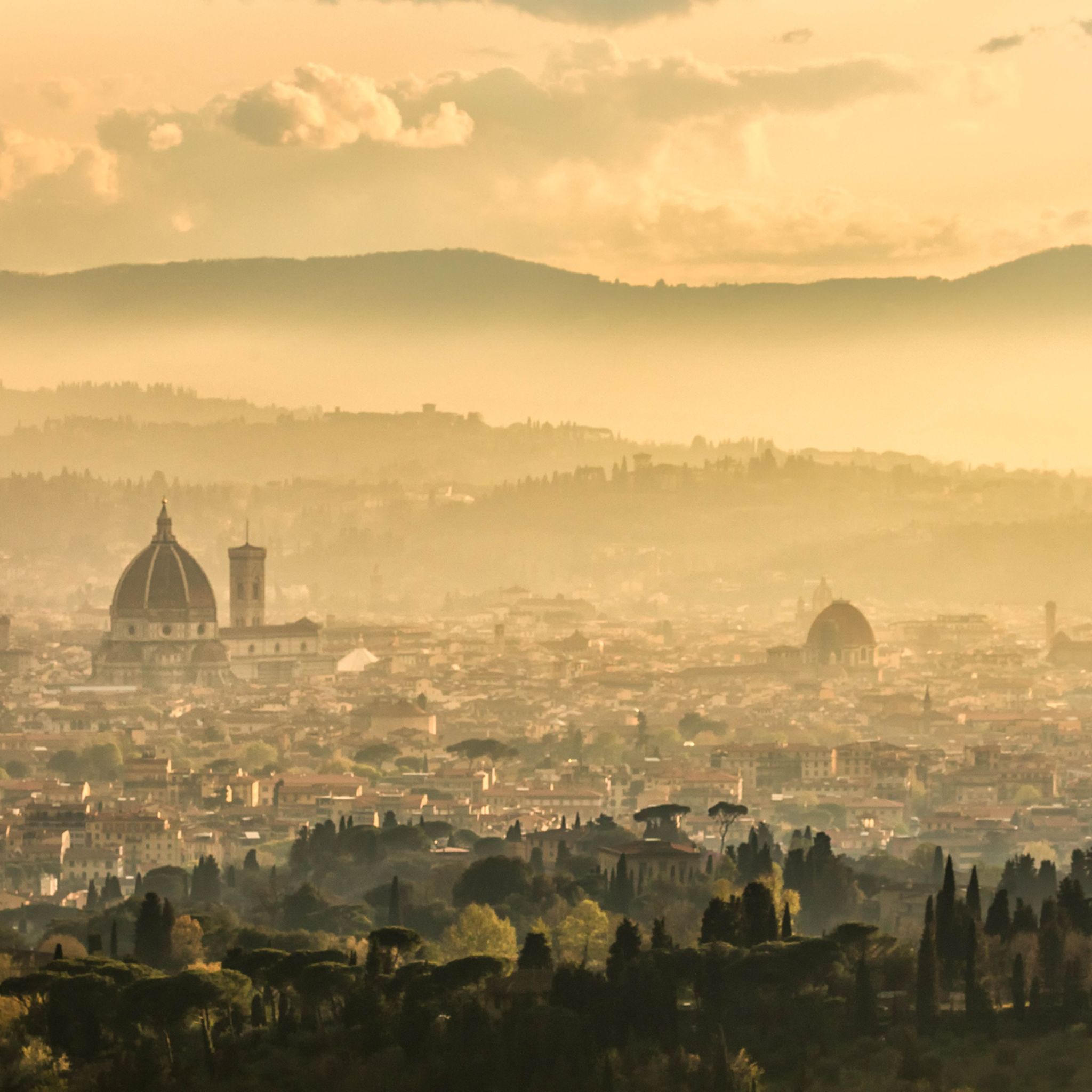
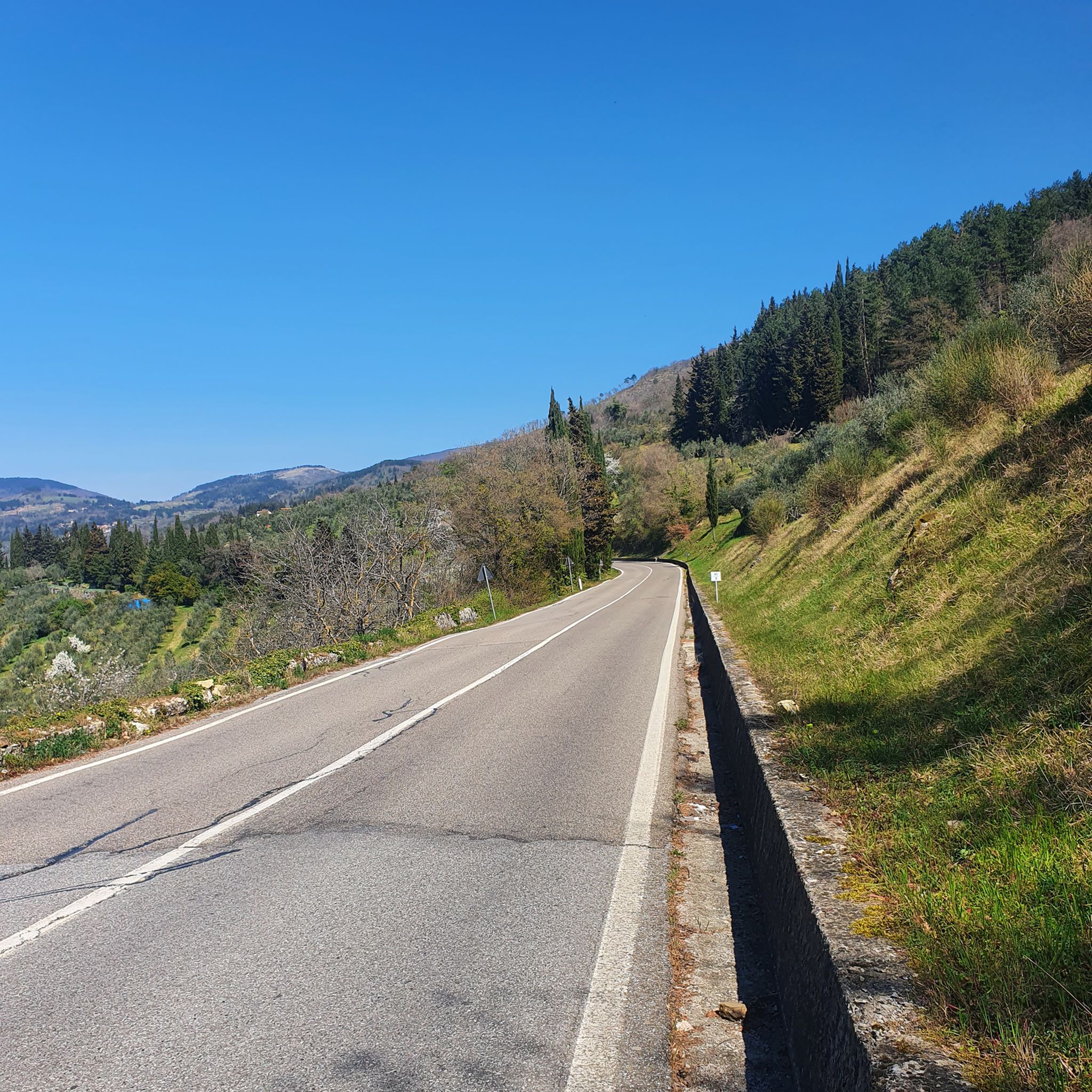
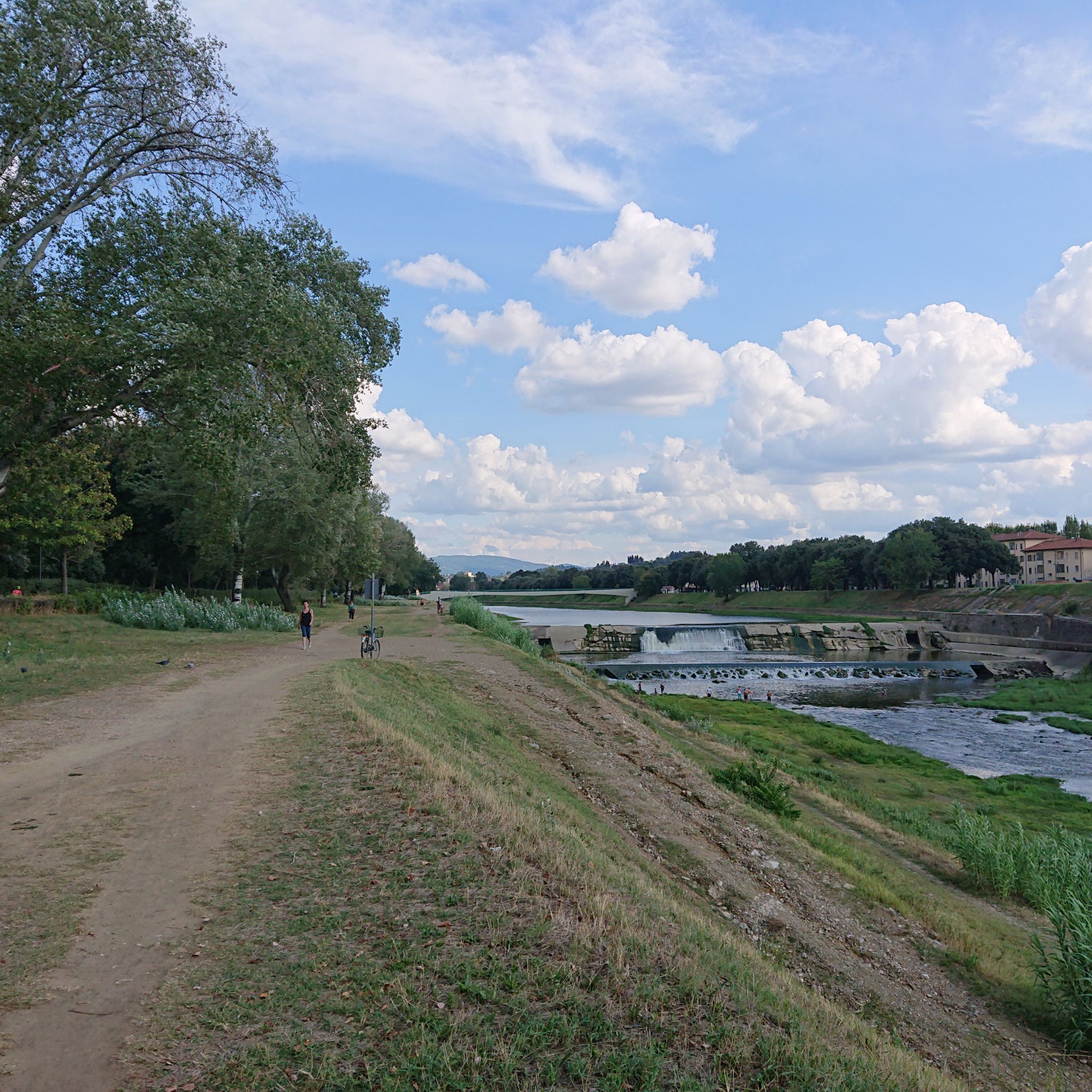

Tips from the Community

On the road that goes up to the Convent of Montesenario, just before arriving, a small road branches off on the left (signs) that leads first to the cave of Blessed Alessio and then to the spring and cave of Sani Filippo Benizi.
3
0
Near the Sanctuary of Montesenario, a small road on the left for those going up, leads quickly to this pleasant and suggestive place where the cave of the blessed Alessio is located. Continuing on the road downhill you arrive at the spring and the cave of San Filippo Benizi.
3
0

Old quarry where the white stone for the ancient buildings in Fiesole and the statues in Florence was extracted. From the outside it looks like a cave. Not open to the public (fenced).
1
0

The Braschi quarry, which is located inside the park of Monte Ceceri, has a particular conformation because, to extract the pietra serena, it was necessary to dig long tunnels to reach the heart of the mountain. The pietra serena was used in Florence for the construction of numerous historic buildings, including the churches of Brunelleschi.
1
1

Speleological equipment is required to access the cave, you can contact the local speleological groups (Pratese Speleological Union or Calenzanese Speleological Union), obviously it's worth it !!!
2
0

The cave and fountain of San Filippo Benizi, with a small temple covering the spring, built in 1629, bears the significant and elegant inscription on the cornice: "SITI NE PEREANT FRATRES / B. PHIL. FONTEM APERIT MCCLIV / SITU NE PEREAT FONS / F HENRY ANTIST G. OP.IT MDCXXIX "(" In order that the friars would not die of thirst, Blessed Philip discovered the fountain in 1254, so that the source could not be lost due to negligence, the general among Henry the 1629 ").
0
0
Frequently Asked Questions
Are there natural caves directly in Sesto Fiorentino?
While Sesto Fiorentino itself doesn't feature prominent natural caves as tourist attractions, the wider Tuscany region is rich in diverse underground landscapes. The sites often referred to as 'caves' within Sesto Fiorentino are typically former quarries, such as the Braschi Quarry, which are not open for public exploration.
What kind of caves can I explore near Sesto Fiorentino?
Near Sesto Fiorentino, you'll find a mix of historical sites and more challenging speleological locations. These include former quarries with historical significance, religious caves, and natural formations requiring specialized equipment. For more extensive natural cave systems, you would need to venture further into Tuscany.
Are there any historical or religious caves to visit?
Yes, you can visit sites with significant historical and religious importance. For example, the Cave and Spring of San Filippo Benizi, located on the road to the Convent of Montesenario, is a historical site with a spring discovered in 1254. Nearby, you'll also find the Cave of Blessed Alessio, another pleasant and suggestive religious spot.
Can I visit the Braschi Quarry (Monte Ceceri)?
The Braschi Quarry (Monte Ceceri) is an old quarry where white stone for ancient buildings in Fiesole and Florence was extracted. While it looks like a cave from the outside, it is fenced and not open to the public for exploration.
What is required to explore the Buca di Case Castello?
The Buca di Case Castello is a challenging cave that requires speleological equipment for access. It is recommended to contact local speleological groups, such as the Pratese Speleological Union or Calenzanese Speleological Union, if you are interested in exploring it.
Are there any family-friendly cave experiences near Sesto Fiorentino?
The caves directly around Sesto Fiorentino, such as the historical religious sites or challenging speleological locations, are not typically marketed as family-friendly tours. For more accessible and commercialized cave experiences suitable for families, you might consider exploring options further afield in Tuscany, like Grotta del Vento.
What are the best times to visit caves in the Sesto Fiorentino area?
The best time to visit caves generally depends on the specific location and whether it's an indoor or outdoor experience. For outdoor cave entrances or historical sites like those near Montesenario, spring and autumn offer pleasant weather for hiking to the locations. For larger, commercialized caves in Tuscany, they often have consistent internal temperatures, making them suitable year-round, but it's always best to check their specific opening hours.
What outdoor activities can I do near these caves?
The area around Sesto Fiorentino offers a variety of outdoor activities. You can find numerous routes for cycling, mountain biking, and running. For example, there are many cycling routes, MTB trails, and running trails that explore the surrounding hills and natural landscapes, often passing near or offering views of some of these cave locations.
Are there larger, more developed cave systems in the wider Tuscany region?
Yes, the wider Tuscany region is home to impressive natural cave systems. Notable examples include Grotta del Vento in Garfagnana, known for its extensive stalactites and stalagmites, and Antro del Corchia in the Apuan Alps, which is part of Italy's largest karst complex. Grotta Giusti in Monsummano Terme also offers a unique experience with its thermal waters within a cave. You can find more information about these and other hidden gems in Tuscany on VisitTuscany.com.
What should I wear for exploring caves in this region?
For visiting accessible cave entrances or historical sites, comfortable hiking attire and sturdy shoes are generally sufficient. However, for challenging speleological caves like the Buca di Case Castello, specialized caving gear, including helmets, headlamps, and appropriate protective clothing, is essential. Always check specific requirements for any cave you plan to enter.
Most popular routes around Sesto Fiorentino
Most popular attractions around Sesto Fiorentino

Get inspired with the komoot mobile app


Explore more
Extend your search for the best caves by checking out these guides of the top ones around Sesto Fiorentino:
