Top 5 Gorges around Argentera
Best canyons around Argentera are found within the Italian Alps, a region characterized by deep, narrow valleys and gorge-like sections. These features are carved by ancient glaciers and rivers, offering dramatic scenery and diverse natural environments. The area encompasses the Monte Argentera massif and picturesque valleys like Valle Gesso and Valle Argentera, known for their geological formations and rich biodiversity. This region provides varied terrain for hiking and exploration.
Best canyons around Argentera
- The most popular canyons is Passage Through…
Last updated: October 5, 2026
Passage Through the Rocks of Vallone dei Morti
Highlight (Segment) • Gorge
Translated by Google •
Tip by

Vallone d'Arma
Highlight (Segment) • Gorge
Translated by Google •
Tip by

Sign up now to discover places like this
Get recommendations on the best single tracks, peaks, & plenty of other exciting outdoor places.
Road to Rifugio Carmagnola
Highlight • Trail
Translated by Google •
Tip by

Landslide Crossing
Highlight • Natural
Translated by Google •
Tip by

Start today with a free account
Your next adventure awaits.
Popular around Argentera
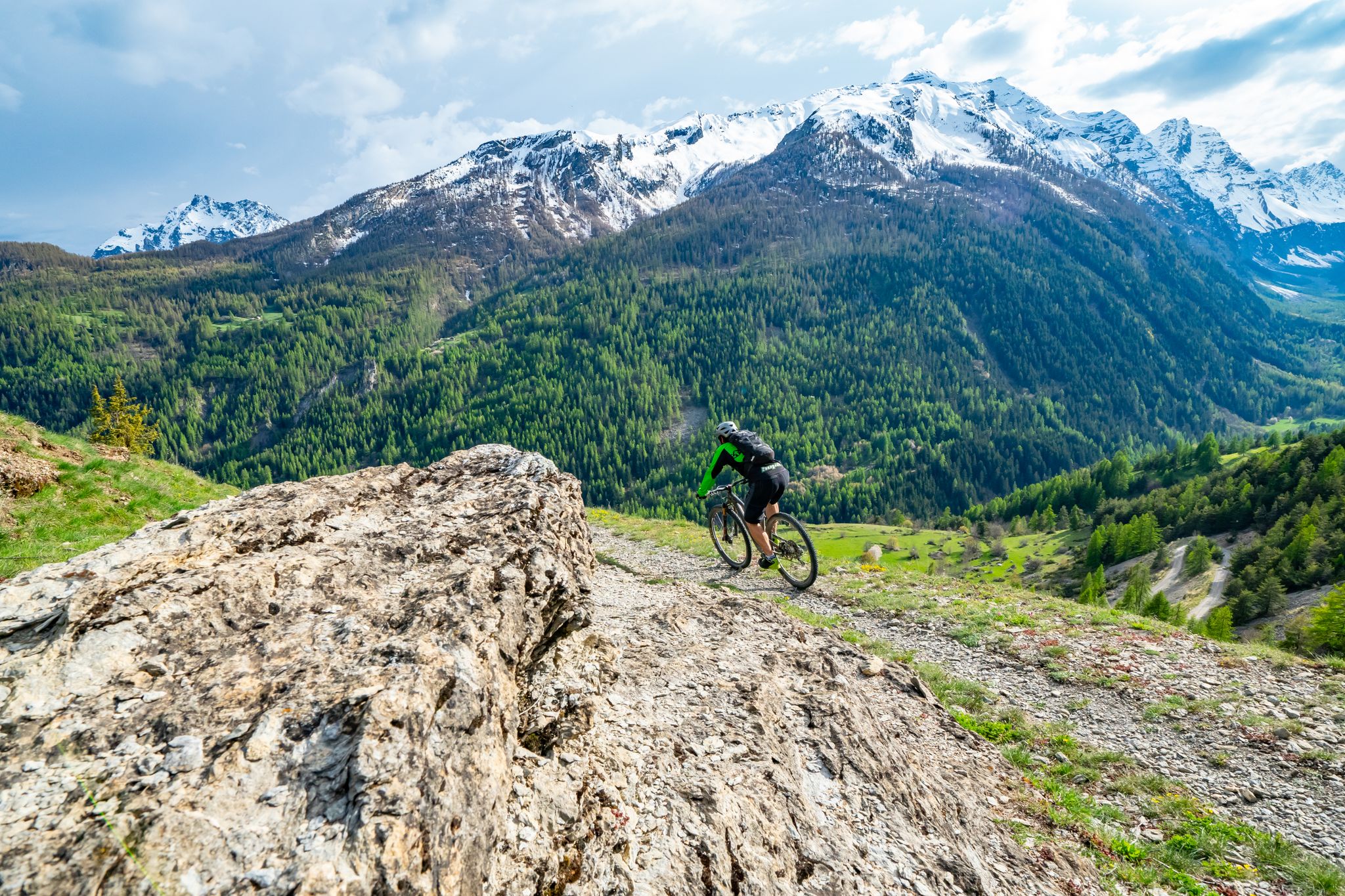
Seven MTB routes in the Southern Alps – nature, passes and valleys
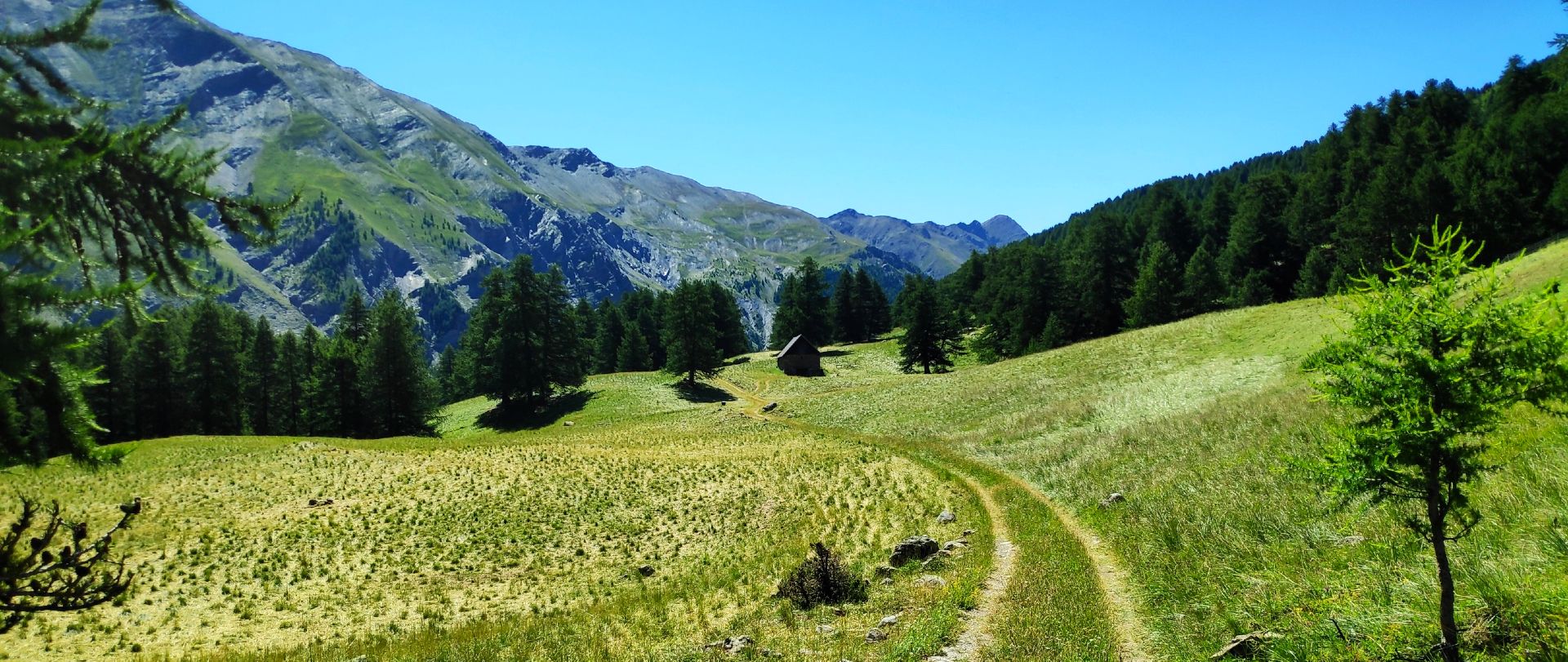
MTB Tour of the Ubaye Valley – La Transubayenne
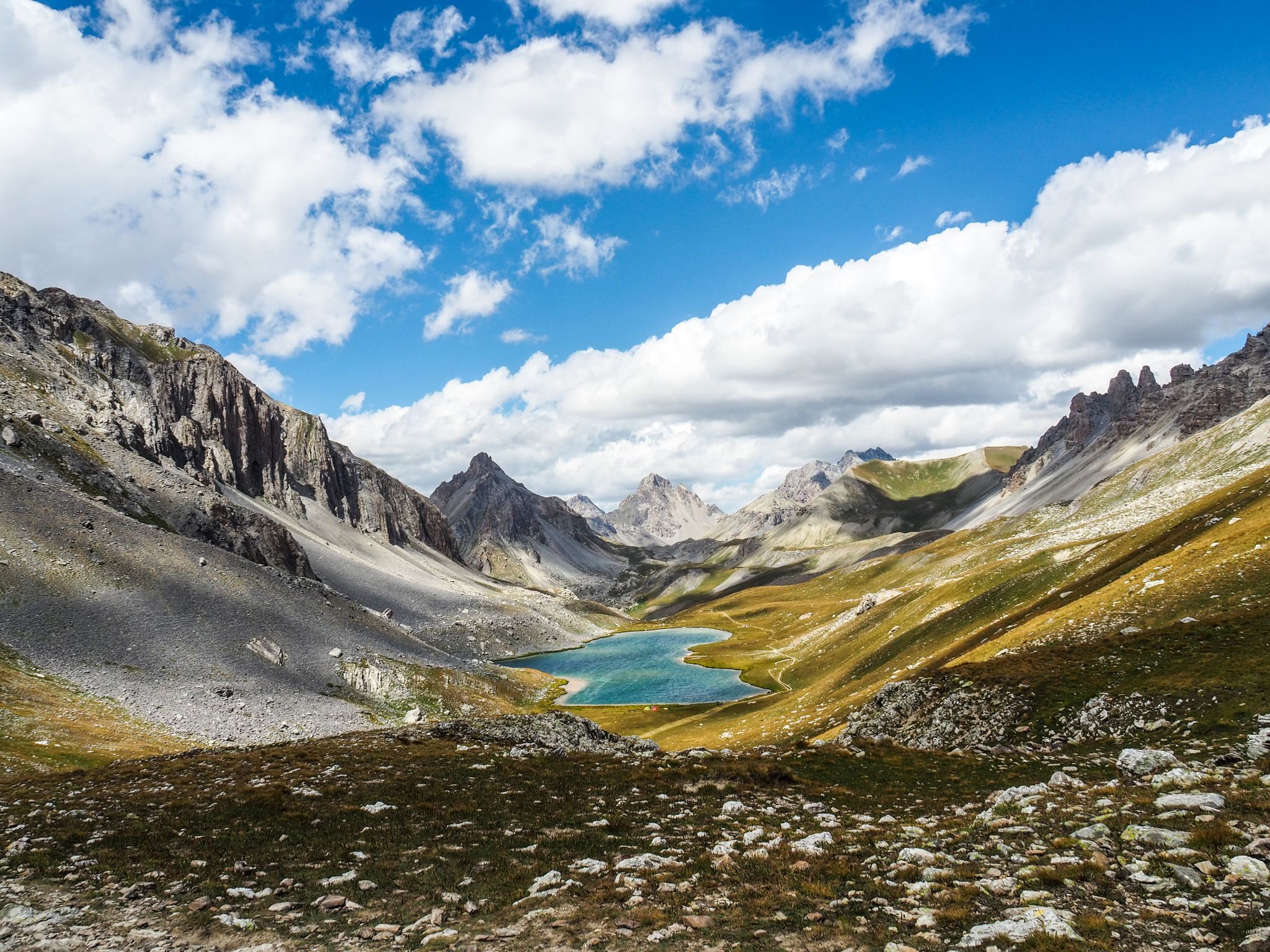
MigrAction – Generations in Motion
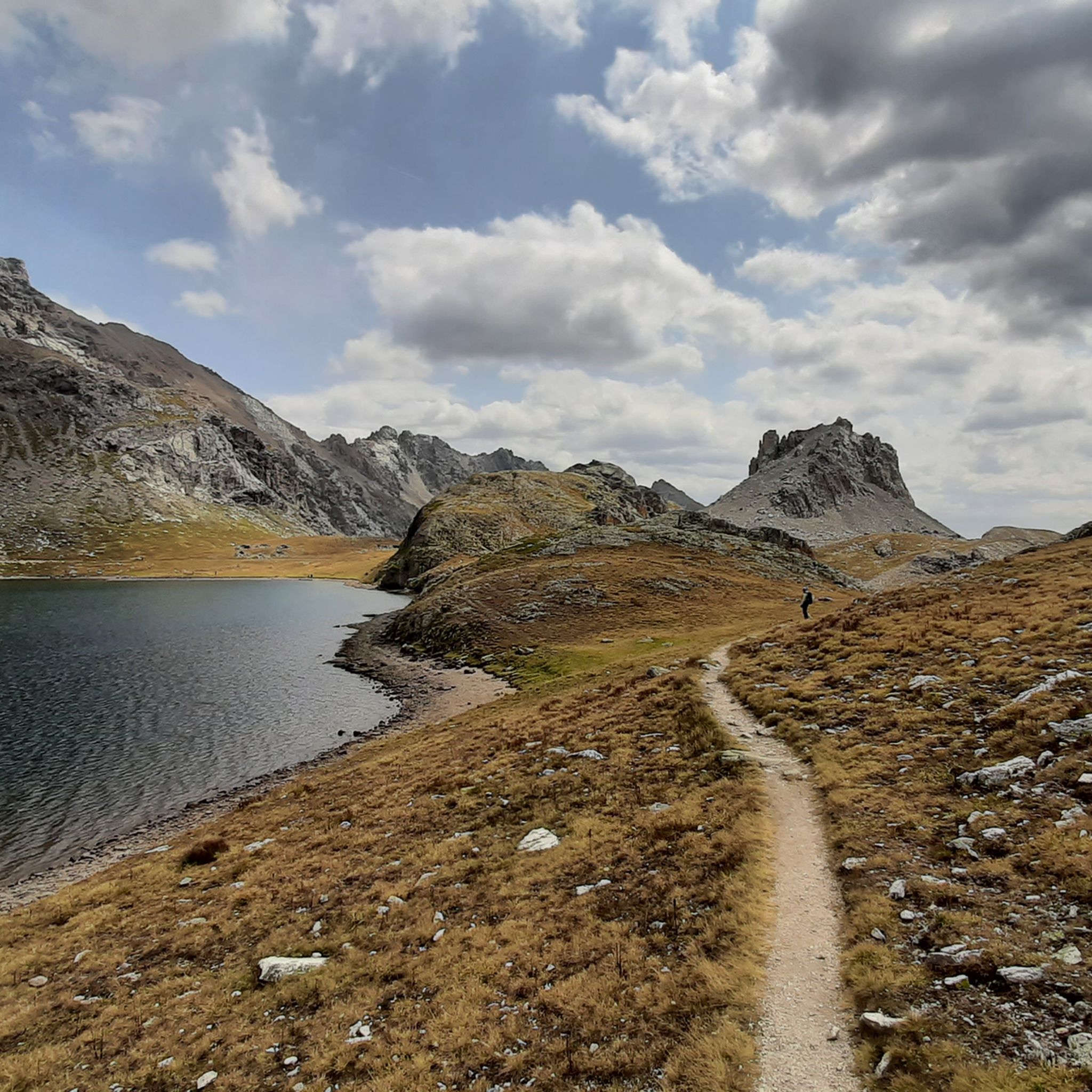
Hiking around Argentera
MTB Trails around Argentera
Road Cycling Routes around Argentera
Cycling around Argentera
Running Trails around Argentera

Gravel biking around Argentera

Mountain Hikes around Argentera


Tips from the Community

Here, edelweiss even grows right by the roadside
0
0

Wonderful valley that climbs from Demonte to the Colle della Fauniera. Green and lush in the lower part, with interesting geological formations, it becomes a beautiful grassy plateau in the upper part, to conclude above the Valcavera pass in a gorge between the rocks that looks like it came out of a fantasy tale. Beautiful segment.
0
0
Impressive passage in a gorge carved between the rocks, which leaves you speechless. It seems to be from a surrealist tale. Upstream and downstream, dreamlike panoramas open up.
0
0

As you walk along this beautiful road, let yourself be embraced by the lush and fresh nature, by the rocks that rise rough and by the incessant flow of the stream in the gorge. The effort of the climb is well repaid by the far from invisible company of nature, while for the descent do not forget a windbreaker as here the air could be really cool even on the hottest days.
3
0

A beautiful valley, which leads to the Colle della Fauniera.
11
0

The climb to Colle della Fauniera from Demonte (Stura valley) goes up the Val d'Arma, a beautiful valley that gains height until reaching Colle Valcavera. This section shows the Val d'Arma in all its splendour, when it finally opens up, leaving the trees behind and the pastures and rocks appearing. Any point is good for taking a spectacular panoramic photo of the valley and its mountains. However, the higher up, the better the photo. So... it's time to climb, suffer and enjoy.
1
0
I have done this stretch uphill and downhill... and the perspective is completely different. The first time I crossed it was on my way up to Fauniera from Demonte. I remember it with great emotion. Going up to Fauniera after having climbed Colle della Lombarda in Italy was very hard. Also the weather was not on my side because during the whole climb it was unbearably hot and just as I reached the top a thunderstorm and very strong hail started. I crossed this stretch of rocks in thick fog but knowing that I was going through a corridor of rocks. I remember being amazed and very excited because I was about to reach the top of Fauniera. The second time I crossed it was downhill on a splendid summer day with blue sky and heat. The views of the road through the rocks are impressive. Now it is only up to you to visit it for the first time... or again. I want to go back... and I hope to do it by bike.
3
0
landslide boulders on the stream further upstream
1
0
Frequently Asked Questions
What natural features can I expect to see in the canyons around Argentera?
The Argentera region, encompassing the Monte Argentera massif and picturesque valleys, features deep, narrow valleys and gorge-like sections carved by ancient glaciers and rivers. You'll find dramatic scenery, rich biodiversity, and diverse environments. Specific highlights include the suggestive rock formations of Passage Through the Rocks of Vallone dei Morti, the open landscapes of Vallone d'Arma with pastures and rock formations, and the lush nature and rough rock formations along the Road to Rifugio Carmagnola, which follows an incessant stream.
What are the geological characteristics of the Argentera region's valleys?
The valleys in the Argentera region are characterized by their glacial origins and ancient rock formations. For instance, the Vallone Argentera features rocks dating back 250-360 million years. The broader Mercantour-Argentera Massif is known for steep valleys that often form impassable gorges in their lower sections, before widening at intermediate altitudes, and rare geological formations like eclogite.
Are there any specific gorges or valleys worth exploring in the Argentera region?
Yes, several valleys and gorges offer unique experiences. The Valle Argentera in Piedmont is a long alpine valley known for diverse habitats and birdwatching. The Vallone Argentera leads to the historic Rifugio Bozano with spectacular mountain views. Valle Gesso, in the Maritime Alps, is a natural paradise with over 80 alpine lakes and peaks exceeding 3,000 meters. Within Valle Gesso, the Valle Gesso della Valletta narrows into a gorge-like character, and the Gorge della Reina at Entracque is a particularly lovely landscape to visit.
What do visitors enjoy most about the canyons and valleys in Argentera?
Visitors appreciate the dramatic scenery and the immersive natural experience. The Passage Through the Rocks of Vallone dei Morti is described as a very suggestive stretch of road, offering impressive views. The Vallone d'Arma is loved for its splendor as it opens up to pastures and rocks, providing spectacular panoramic photo opportunities. Along the Road to Rifugio Carmagnola, the lush and fresh nature, rough rock formations, and the incessant flow of the stream are highly valued.
Are there hiking trails suitable for exploring the canyons and valleys?
Yes, the Argentera region offers exceptional hiking opportunities. The trails through areas like Vallone Argentera are known for steep sections and rocky walls, providing challenging yet rewarding experiences. The Valle Gesso also offers varied terrain for hiking and mountaineering. For more detailed hiking routes, you can explore the Mountain Hikes around Argentera guide.
What kind of outdoor activities can I do near the canyons of Argentera?
Beyond hiking, the Argentera region is excellent for various outdoor sports. You can find numerous routes for road cycling, mountain biking, and mountaineering. For specific routes and guides, check out the Road Cycling Routes around Argentera, MTB Trails around Argentera, and Mountain Hikes around Argentera guides.
What is the best time of year to visit the canyons around Argentera?
The Argentera region is best visited during warmer months, typically from late spring to early autumn, when trails are clear of snow and weather conditions are more stable for hiking and outdoor activities. During these times, the lush nature is vibrant, and the views are most accessible. Be prepared for cooler air in gorges even on hot days, especially during descents.
Are there family-friendly options for exploring the canyons in Argentera?
While some areas feature challenging terrain, the Valle Argentera is accessible by car, bicycle, and on foot, making it suitable for various exploration styles, including families. The publicly accessible part of Valle Argentera, following the Ripa river on a well-maintained gravel road, is particularly good for family outings. Always check specific trail difficulties before heading out with children.
Can I bring my dog on trails in the Argentera region's canyons?
Many outdoor areas in the Argentera region are dog-friendly, especially on well-established trails. However, regulations can vary, particularly within protected areas like the Parco Naturale Alpi Marittime. It's always advisable to keep dogs on a leash and ensure you clean up after them. Check local signage or park regulations for specific rules in the area you plan to visit.
How difficult are the trails in the canyons and valleys of Argentera?
The difficulty of trails in the Argentera region varies significantly. Some paths, like those in Vallone Argentera, can be steep and challenging, suitable for experienced hikers. Other sections, such as the initial parts of Valle Argentera, are more accessible with well-maintained gravel roads. Highlights like Landslide Crossing are noted as challenging sections requiring attention. Always check the difficulty ratings for specific routes before embarking.
Where can I find accommodation or places to eat near the Argentera canyons?
The Argentera region, including its surrounding valleys, offers various accommodation options ranging from mountain refuges to guesthouses and hotels in nearby towns. You can also find cafes and restaurants in villages within or near the valleys, such as those in Valle Gesso or the Stura Valley, providing local cuisine and refreshments after your explorations.
Is public transport available to reach the trailheads in the Argentera region?
Public transport options to reach trailheads in the Argentera region can be limited, especially for more remote areas. While some main valleys might have bus services connecting to larger towns, accessing specific trailheads often requires a car. It's recommended to research local bus schedules or consider carpooling if you plan to rely on public transportation.
Are permits required for hiking or canyoning in the Argentera region?
For general hiking on marked trails, permits are typically not required. However, if you plan to engage in specialized activities like canyoning, or if you intend to access certain protected areas or climb specific peaks, permits or guided tours might be necessary. Always check with local tourist information centers or park authorities, especially for areas within the Parco Naturale Alpi Marittime, to ensure compliance with any regulations.
Where can I find parking for canyon trails in Argentera?
Parking is generally available at the start of popular trailheads and in villages within the valleys. For example, Valle Argentera is accessible by car. However, in more remote or popular areas, parking might be limited, especially during peak season. It's advisable to arrive early or research specific parking areas for your chosen trail to avoid inconvenience.
Most popular routes around Argentera
Most popular attractions around Argentera

Get inspired with the komoot mobile app


Explore more
Already discovered everything in this region? See additional gorges around Argentera for your next adventure:
