Top 4 Caves around Falcade
Caves around Falcade are part of a region renowned for its Dolomite peaks and diverse geological formations. Located in the Val del Biois, Falcade is surrounded by mountains such as Marmolada and Civetta, offering a landscape rich in natural beauty. While extensive natural cave systems are not a primary tourist attraction, the area features historical cave sites and unique geological points of interest. The Giardino Geologico di Falcade provides educational insights into the local rock formations.
Best caves around Falcade
…Last updated: August 11, 2026
World War I Caves
Highlight • Cave
Translated by Google •
Tip by

Italian World War I Position at Lech della Campagnola
Highlight • Historical Site
Translated by Google •
Tip by

Sign up now to discover places like this
Get recommendations on the best single tracks, peaks, & plenty of other exciting outdoor places.
Sign up for free
Troi di La Cave
Highlight • Cave
Translated by Google •
Tip by

Cavallazza Tunnels and World War I Trenches
Highlight • Historical Site
Translated by Google •
Tip by

The Ice Hole (The Icy Breath)
Highlight • Cave
Showing Translation
Tip by

Start today with a free account
Your next adventure awaits.
Login or Signup
Popular around Falcade
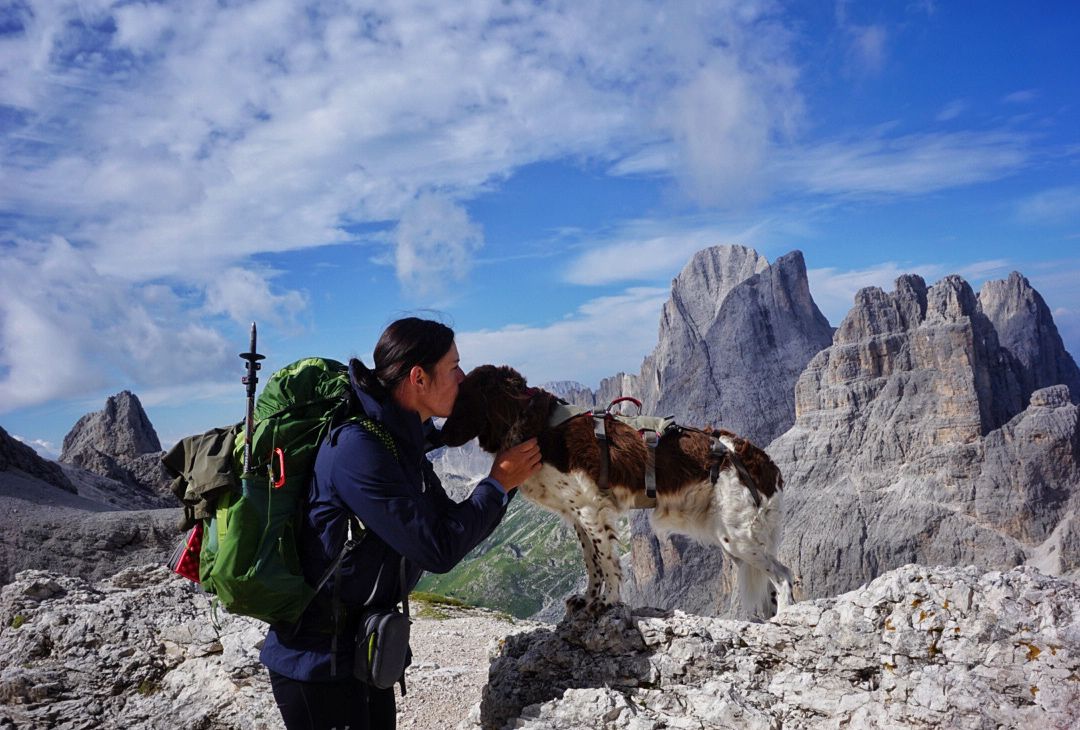
The extra-large Dolomites round – an out-of-this-world hiking adventure
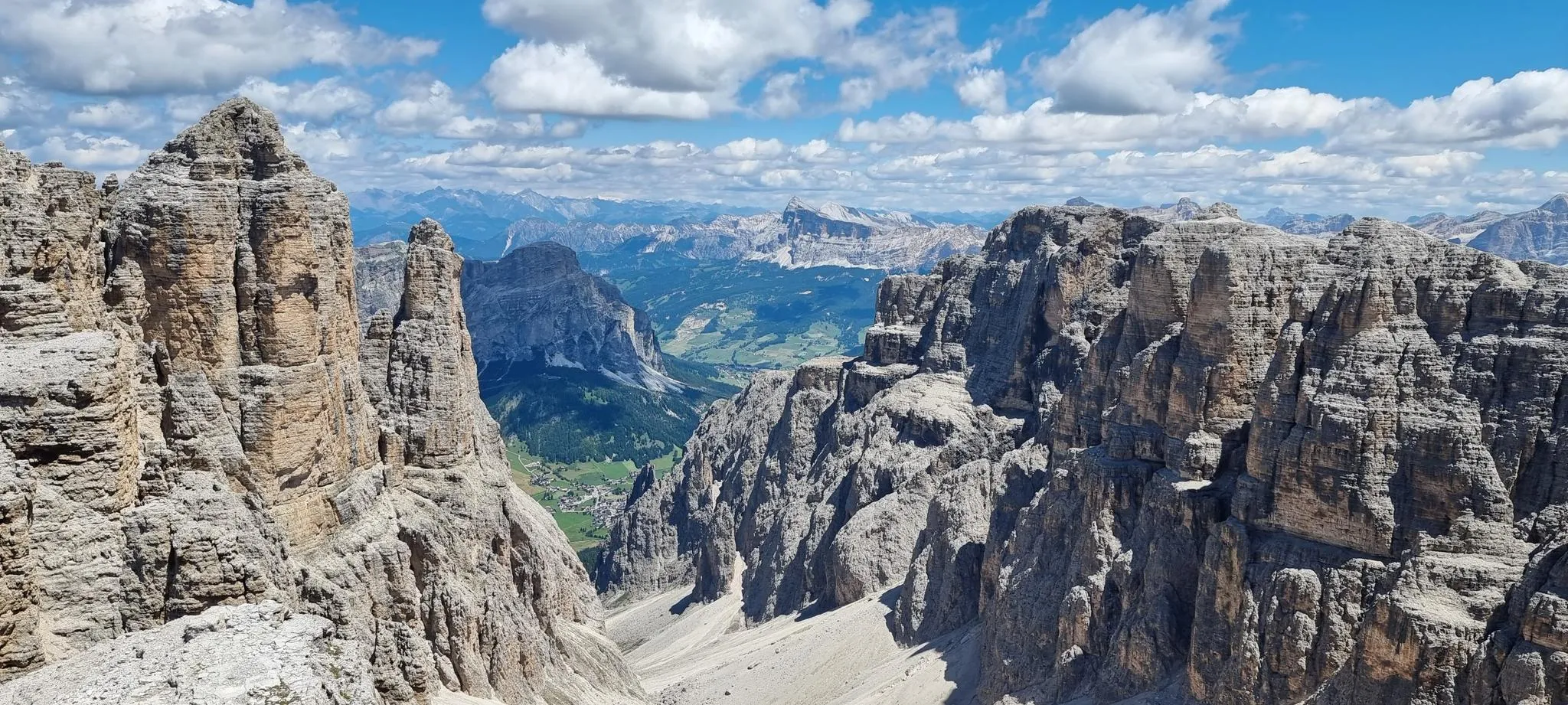
In the wake of legends – the Alta Via 2 of the Dolomites
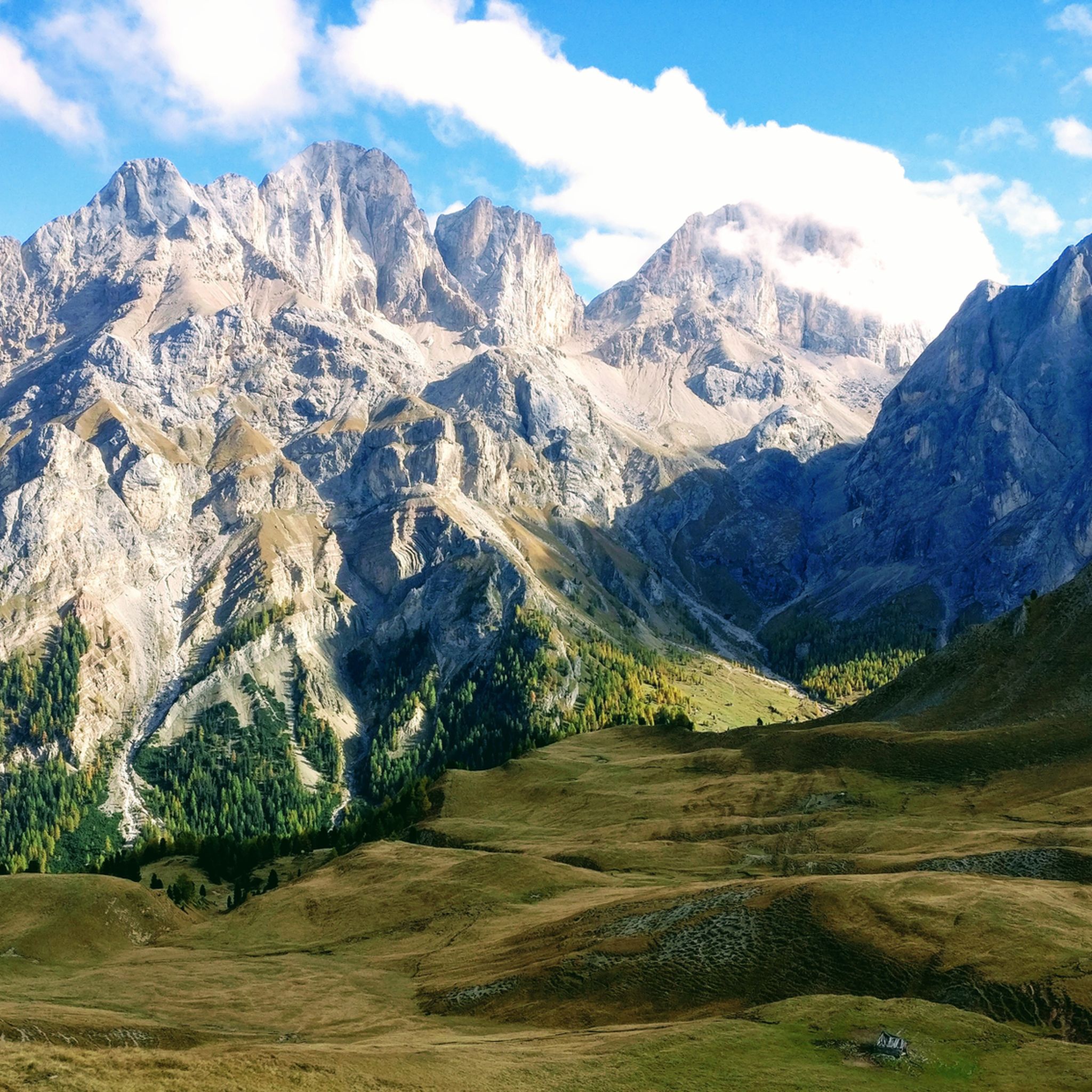
Hiking around Falcade
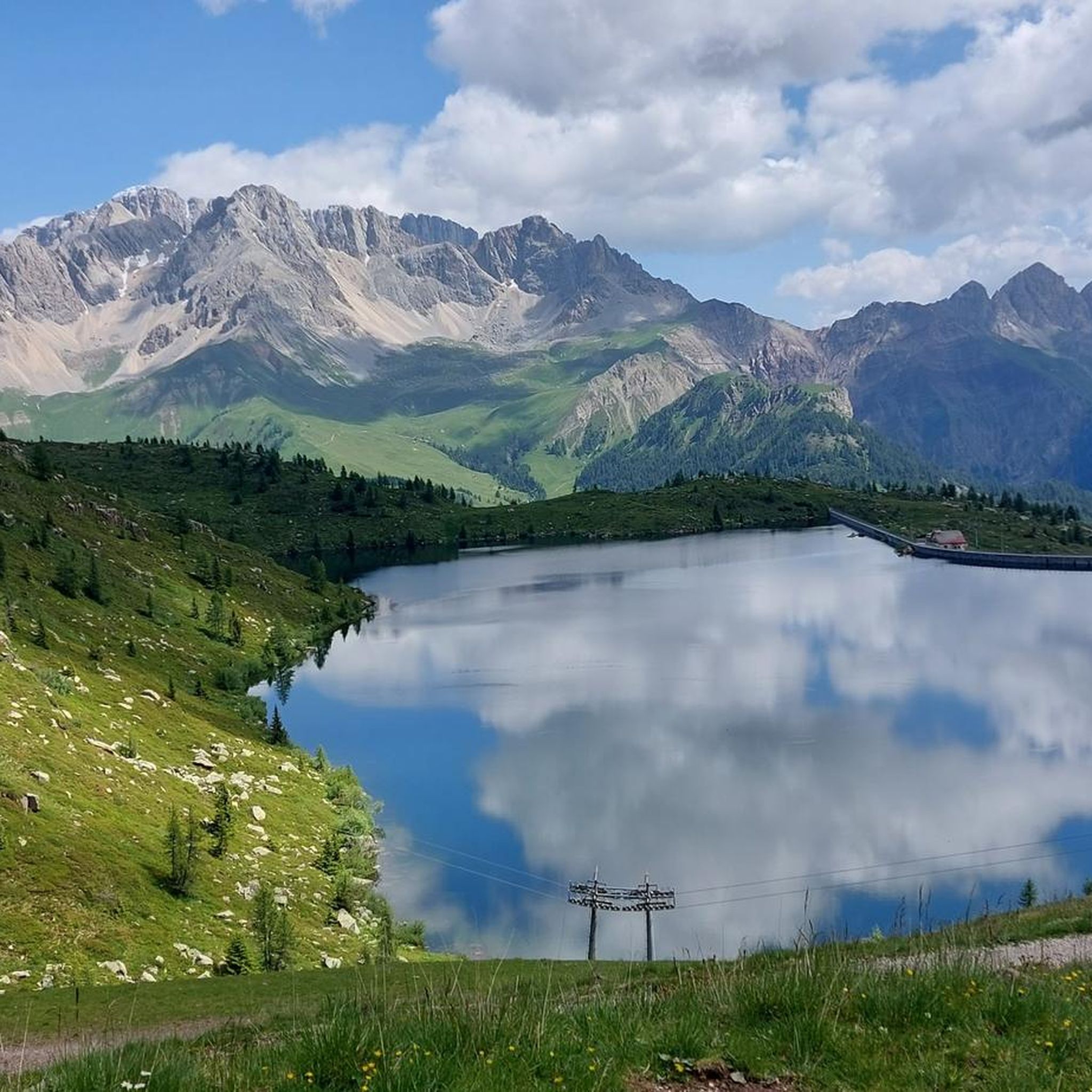
Road Cycling Routes around Falcade
MTB Trails around Falcade
Cycling around Falcade
Running Trails around Falcade

Gravel biking around Falcade
Mountain Hikes around Falcade


Tips from the Community

A true natural air conditioner in the middle of the forest! This hole in the rock spits out a crazy stream of icy air, which cools the surroundings for a radius of 7-8 meters. A fascinating geological phenomenon
0
0

The cave was used as a latrine and is currently blocked off.
0
0

While the Austrian positions from World War I are at the top of the mountain, the Italian positions are here. Caves and trenches. A mountain full of history. The steep descent also starts here🥾
0
0

I was here on the 29th stage of my crossing of the Alps: https://www.komoot.com/de-de/tour/834311432 I was here on a stage of my crossing of the Alps. A crossing of the Alps in two months and 45 stages: The 800-kilometer-long Yellow Via Alpina. You can find the film about the hike here: https://youtu.be/tVTeKg0li54 A book with the many stories and lots of information about the tour is available here: https://viaalpina.soziales4u.de/shop All stages are documented with GPX data and can be downloaded. There are numerous photos for each tour. An overview is available there: https://www.komoot.de/tour/868201126 You can read more about the 800 kilometers through the Alps here: https://soziales4u.de/viaalpina/
0
0

Do not go to point 1 of the route. It's a parking lot.
0
0

The few extra meters are always worthwhile, as they give new great views and an impression of what was impossible to achieve, especially in times of war.
0
0

Path equipped with tunnels-trenches of the Great War, on the top of Cavallazza Piccola, reachable from Passo Rolle.
1
0
Frequently Asked Questions
What kind of 'caves' can I expect to find around Falcade?
Falcade is primarily known for its stunning Dolomite peaks and outdoor activities, rather than extensive natural cave systems. The 'caves' you'll find here are predominantly historical World War I tunnels and positions, or unique geological formations. For example, you can explore the World War I Caves or the Cavallazza Tunnels and World War I Trenches, which offer a glimpse into the region's past. There's also the fascinating natural phenomenon of The Ice Hole (The Icy Breath).
Are there any natural caves or geological formations to visit near Falcade?
While large natural cave systems are not a primary feature of Falcade, you can discover interesting geological formations. The most notable is The Ice Hole (The Icy Breath), a unique rock formation that emits a stream of icy air, creating a natural air conditioner effect in the forest. For a broader understanding of the area's geology, consider visiting the Giardino Geologico di Falcade (Geological Garden of Falcade) near the town hall, which showcases various rock formations of the Val del Biois.
Can I visit historical World War I caves and trenches in the Falcade area?
Yes, the Falcade region offers several historical World War I sites that include caves and trenches. You can explore the World War I Caves, which provide insights into the wartime efforts and offer great views. Another significant site is the Italian World War I Position at Lech della Campagnola, featuring caves and trenches that mark historical Italian positions. The Cavallazza Tunnels and World War I Trenches also offer an equipped path through these historical structures.
Are the caves around Falcade suitable for families with children?
The historical World War I caves and tunnels often involve intermediate to challenging terrain, as they are typically accessed via hiking trails. While older children who are experienced hikers might enjoy the historical aspect, some sections can be steep or require careful navigation. For a more accessible geological experience, the Giardino Geologico di Falcade is a family-friendly educational spot. Always check the specific trail difficulty and conditions before heading out with children.
What outdoor activities can I combine with a visit to the caves near Falcade?
The Falcade area is a paradise for outdoor enthusiasts. You can easily combine cave visits with hiking, road cycling, or traffic-free bike rides. For hiking, explore routes like the Mulaz Loop Trail or the Dolomites World Heritage Geotrail. Cyclists can enjoy scenic routes such as the Passo Valles Climb from Falcade or the Passo San Pellegrino tour. For more options, check out the guides for Hiking around Falcade, Road Cycling Routes around Falcade, and Traffic-free bike rides around Falcade.
Are there any easy-to-access 'caves' or geological sites for beginners?
For beginners or those seeking easier access, the Giardino Geologico di Falcade offers an accessible way to learn about the region's geology without strenuous hiking. While the historical World War I sites often involve intermediate hiking, the experience at The Ice Hole (The Icy Breath) is generally considered intermediate but offers a unique natural phenomenon that is less about spelunking and more about observing a geological wonder.
What should I bring when visiting the historical caves or geological sites?
When visiting historical caves or geological sites around Falcade, especially those requiring hiking, it's essential to be prepared. Bring appropriate hiking footwear, layers of clothing as temperatures can vary, water, and snacks. A headlamp or flashlight is highly recommended for exploring tunnels or darker sections of historical sites. Always check weather conditions before your visit.
Is it possible to visit the Serrai di Sottoguda canyon near Falcade?
The Serrai di Sottoguda, a remarkable natural canyon located about 30 minutes from Falcade, was unfortunately damaged by a storm in 2018. While it is undergoing reconstruction, it's advisable to check the latest information on its accessibility and current status before planning a visit. You can often find updates on local tourism websites like Visit Dolomiti Bellunesi.
Are there any specific tips for exploring the World War I historical sites?
When exploring World War I historical sites like the World War I Caves or the Italian World War I Position at Lech della Campagnola, be aware that these are often located on mountain trails. The terrain can be steep and challenging, so wear sturdy hiking boots. Many sites offer incredible views, so take your time to appreciate both the history and the scenery. Some tunnels may be dark, so a headlamp is useful. Always respect these historical locations.
What is the best time of year to visit the caves and geological sites around Falcade?
The best time to visit the caves and geological sites around Falcade largely depends on the type of experience you're seeking. For hiking to historical WWI sites, late spring through early autumn (May to October) offers the most favorable weather conditions, with trails generally clear of snow. During winter, some higher-altitude sites may be inaccessible due to snow and ice. The Ice Hole (The Icy Breath) can be visited in warmer months to fully appreciate its cooling effect.
Are there any dog-friendly trails leading to these sites?
Many hiking trails in the Falcade region are dog-friendly, allowing you to bring your canine companion along to explore the natural beauty and historical sites. However, specific access to the interior of historical caves or tunnels might be restricted for dogs, or the terrain could be unsuitable. Always keep your dog on a leash and ensure they are comfortable with the trail's difficulty. Check local regulations or signage at trailheads for any specific restrictions.
Most popular attractions around Falcade

Get inspired with the komoot mobile app


Explore more
Extend your search for the best caves by checking out these guides of the top ones around Falcade:
