Top 6 Caves around Agordo
Best caves around Agordo are found within the Italian Dolomites, a region characterized by its mountainous terrain and historical significance. The area offers a mix of natural geological formations and man-made structures. While natural caves exist, many accessible "caves" in the immediate vicinity are World War I bunkers. This provides a unique opportunity to explore both geological features and historical military architecture.
Best caves around Agordo
- The most popular caves is Bunker of the Mandre, a historical site located at 1200 meters above sea level. This World War I bunker is notable for preserving part of its original wooden framework, which made the cave habitable.
- Another must-see spot is Col dei Ciòt Bunker, a man-made monument. Located at the end of a military mule track, this bunker features a shooting range towards Agordo and has been partially converted into a shelter.
- Visitors also love San Martino Bunker, a man-made monument with a large room. It exhibits the classic structure of military bunkers in the area, including an L-curve entrance and a second hidden entrance.
- Agordo is known for its World War I bunkers and artificial caves. These sites offer a historical perspective on the region, showcasing military fortifications dug into the mountains.
- The caves around Agordo are appreciated by the komoot community, with 6 photos shared and 2 upvotes from users.
Last updated: July 1, 2026
Monte Celo World War I Bunker
Highlight • Historical Site
Characteristic is the structure with two entrances.
Translated by Google •
Tip by

Bunker of the Mandre
Highlight • Historical Site
A bunker from the First World War, one of the few, if not the only one, in which part of the wooden framework that served to make the cave habitable is preserved, one of the two entrances is blocked by a large boulder.
Translated by Google •
Tip by
Sign up now to discover places like this
Get recommendations on the best single tracks, peaks, & plenty of other exciting outdoor places.
Sign up for free
Artificial Cave
Highlight • Cave
Maybe from the First World War?
Translated by Google •
Tip by
San Martino Bunker
Highlight • Monument
Translated by Google •
Tip by
Col dei Ciòt Bunker
Highlight • Monument
Translated by Google •
Tip by
Sign up for free to discover even more caves around Agordo.
Sign up for free
Already have an account?
Start today with a free account
Your next adventure awaits.
Login or Signup
Popular around Agordo
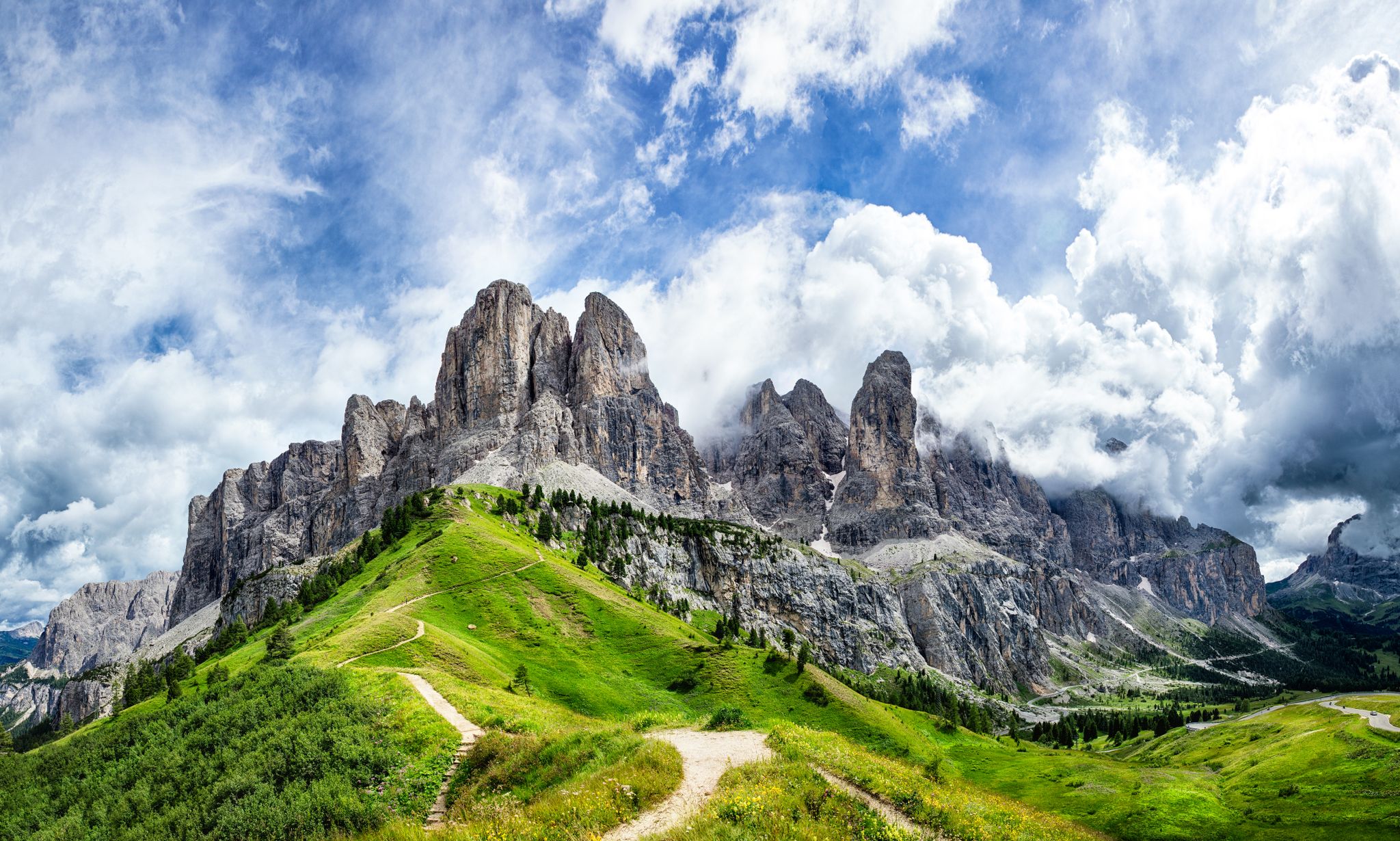
The "Dream Path" hiking trail – From Munich to Venice in 28 stages
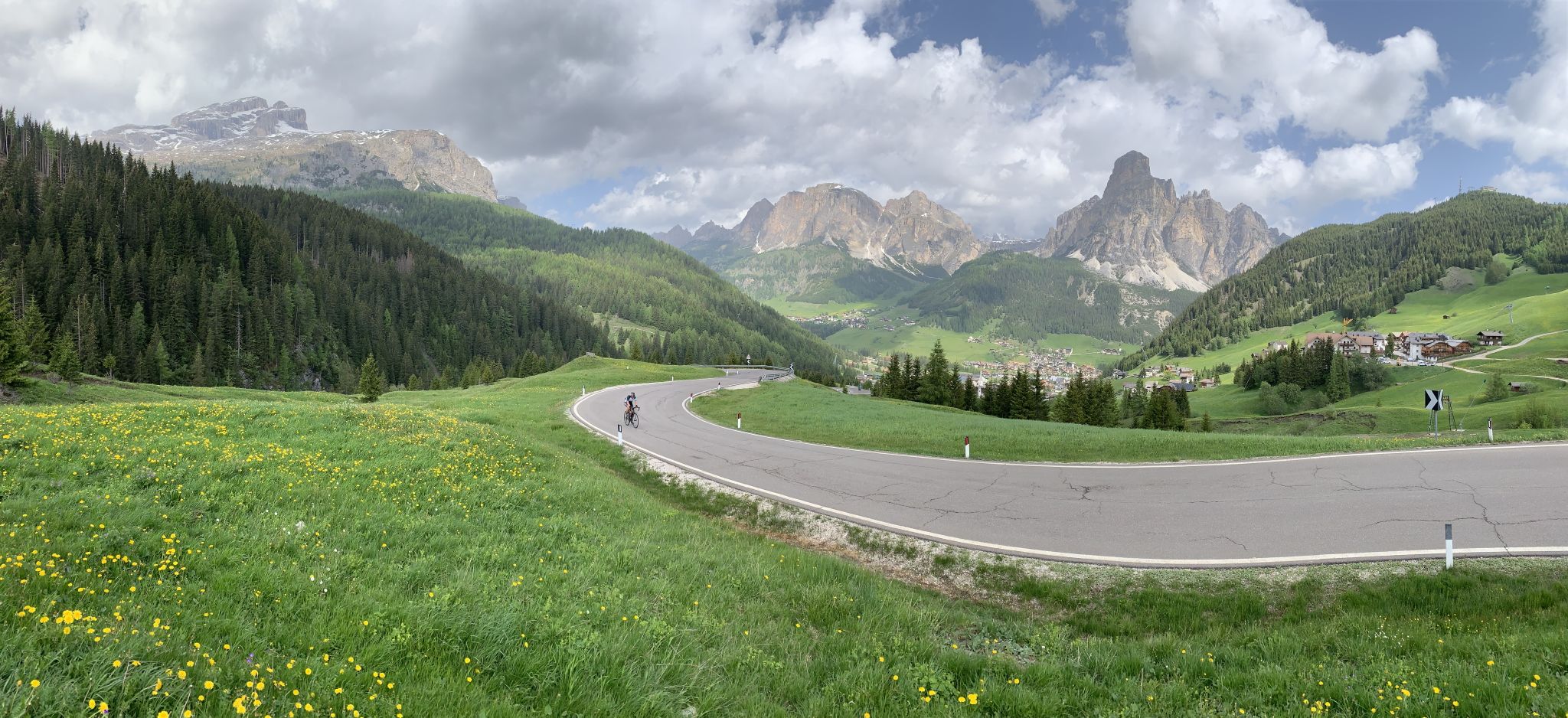
Up and down the Alps – Dolomites by road bike
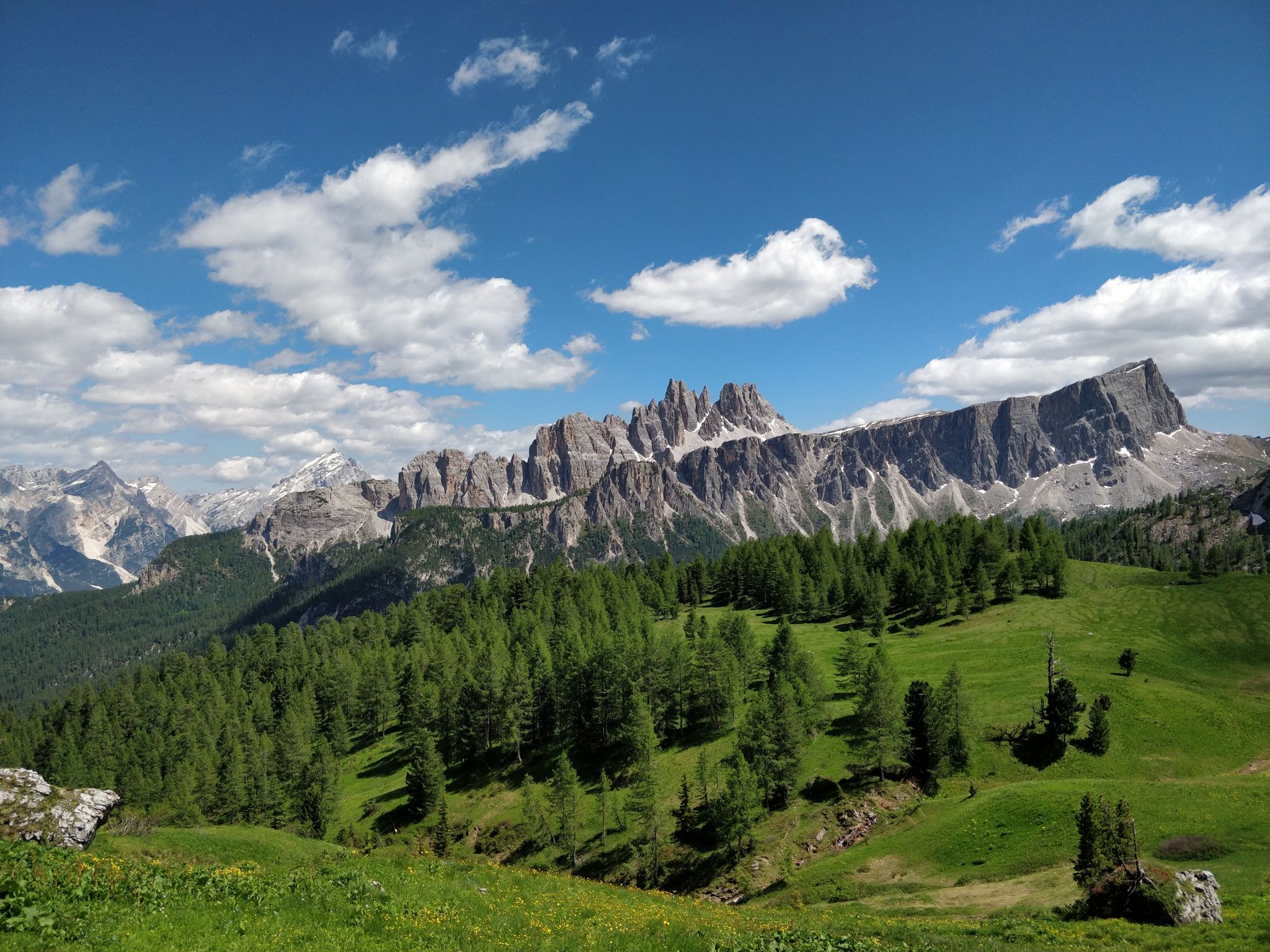
Hiking one step from heaven – Alta Via delle Dolomiti 1
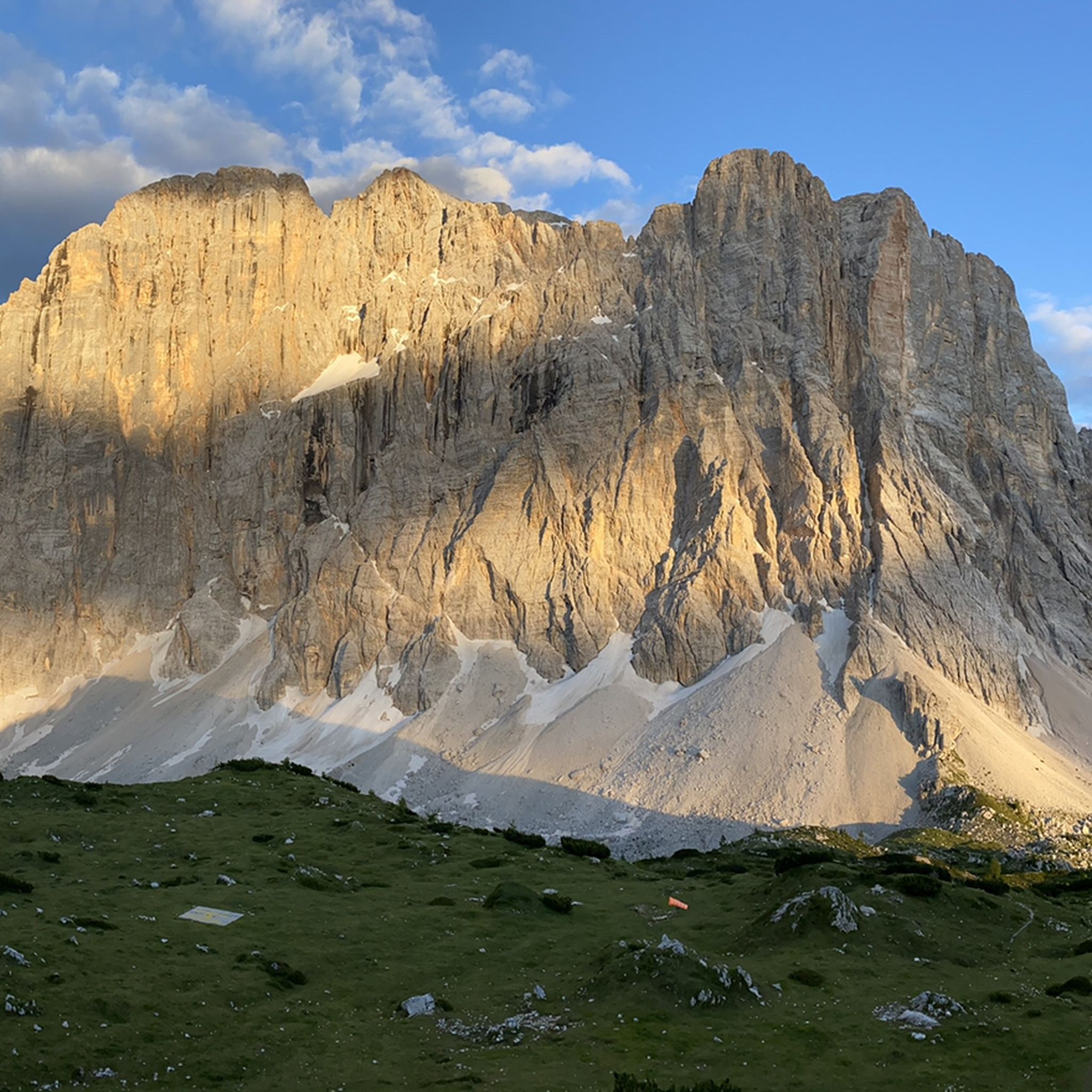
Hiking around Agordo

Road Cycling Routes around Agordo
Cycling around Agordo
MTB Trails around Agordo

Mountain Hikes around Agordo
Running Trails around Agordo

Gravel biking around Agordo
Other adventures around Agordo


Tips from the Community

bunker with large room located to the east of the fort of San Martino, has the classic structure of these structures present in the area (entrance with an L-curve, large room and second hidden entrance
0
0
one of the many World War I Bunkers on Mount Celo, part of the "yellow line", the last line of defense of the Italian army in case of a breakthrough to the north by the Austro-Hungarian army and subsequently expanded during the Second World War by the Todt organization as part of the alpenfestung (alpine redoubt). Characteristic is the structure with two entrances.
0
0
located at 1200 meters above sea level A bunker from the First World War, one of the few, if not the only one, in which part of the wooden framework that served to make the cave habitable is preserved, one of the two entrances is blocked by a large boulder.
0
0
Located at the end of the military mule track, bunker with shooting range towards Agordo, partially converted into a shelter.
0
0
small cave dug by man, damp but useful in case of emergency. Maybe from the First World War?
0
0
Frequently Asked Questions
What types of 'caves' can I explore around Agordo?
The Agordo region offers a mix of natural geological formations and man-made structures. While true natural caves exist, many accessible 'caves' in the immediate vicinity are World War I bunkers. These provide a unique opportunity to explore both geological features and historical military architecture.
Are there any natural caves accessible to general visitors in the Agordo area?
Directly within Agordo, natural caves suitable for general tourism are limited. The Abisso Morrison is a significant natural cave system, but it's primarily for speleologists due to its depth and requires specialized equipment. The Grotta Azzurra near Borgo Valbelluna, known for its turquoise water, is currently inaccessible due to falling debris.
Which historical bunkers can I visit around Agordo?
You can explore several World War I bunkers. The Bunker of the Mandre is notable for preserving part of its original wooden framework. The Col dei Ciòt Bunker, located at the end of a military mule track, features a shooting range towards Agordo. Another option is the San Martino Bunker, which has a large room and classic military bunker structure.
What is the difficulty level for exploring these bunkers?
Many of the historical bunkers, such as the Monte Celo World War I Bunker, the Bunker of the Mandre, and the San Martino Bunker, are rated as challenging. The Col dei Ciòt Bunker and the Artificial Cave are considered intermediate. Always be prepared for uneven terrain and potentially damp conditions.
Are there any family-friendly 'caves' or related activities in the Agordo region?
While the WWI bunkers offer a fascinating historical experience, they are generally rated as intermediate to challenging. For families, exploring the historical bunkers might be suitable for older children interested in history, but direct 'easy caving' options for young children are not widely available for natural caves. Consider nearby hiking trails for family-friendly outdoor activities.
What historical significance do the bunkers around Agordo hold?
The bunkers around Agordo are significant World War I military fortifications. They were dug into the mountains to serve as shelters and defensive positions. For example, the Monte Celo World War I Bunker was part of the 'yellow line,' the last line of defense for the Italian army. They offer a unique glimpse into the region's wartime past.
What outdoor activities can I do near the caves around Agordo?
The Agordo region is excellent for various outdoor activities. You can find numerous hiking trails, including routes like 'From Agordo to Rifugio Bruto Carestiato' or the 'Ancient mule track to Dugon ghost village.' There are also running trails and mountain hikes, such as the 'Monte Civetta Summit' loop.
Are there any religious or cultural 'caves' in the broader Agordino region?
Yes, beyond natural caves and military bunkers, there are sites like the Grotta della Madonna near Borca di Cadore, which is more of a religious landmark. Another Grotta della Madonna on Marmolada is a cave-chapel with a statue consecrated by Pope John Paul II, highlighting its religious and historical significance as a shelter for WWI soldiers.
What should I know about the Abisso Morrison (Grotta di Jim Morrison)?
The Abisso Morrison, located in the Pale di San Lucano mountains, is a significant natural cave system reaching an impressive depth of 173 meters. It's known for ice formations and a section called 'The end my only friends.' While geologically important, it is primarily for expert speleologists and not generally accessible for casual tourism.
Is the Grotta Azzurra (Blue Grotto) near Borgo Valbelluna currently open for visitors?
No, unfortunately, as of March 15, 2024, access to the Grotta Azzurra near Borgo Valbelluna is prohibited due to falling debris. The site and its path are currently unusable until further notice, so it is not recommended for a visit.
What is the best time to visit the caves and bunkers around Agordo?
The best time to visit the historical bunkers and explore the surrounding area is generally during the warmer months, from late spring to early autumn (May to October), when weather conditions are more stable for outdoor activities and access roads are clear. Winter conditions can make some areas challenging or inaccessible due to snow and ice.
Are there any guided tours available for the caves or bunkers?
While the guide data does not specify organized guided tours for the individual bunkers, local tourism offices in Agordo or the Dolomites region may offer information on guided historical tours or specialized caving experiences for natural caves. It's advisable to check with local providers for current offerings.
Most popular attractions around Agordo

Get inspired with the komoot mobile app


Explore more
Extend your search for the best caves by checking out these guides of the top ones around Agordo:
