Top 5 Castles around Pieve del Grappa
Best castles around Pieve del Grappa are found within the surrounding Veneto region, an area known for its historical significance and diverse landscapes. This region features a mix of medieval fortresses, fortified villages, and grand villas, many of which played strategic roles in past centuries. The terrain includes hills, river valleys, and plains, offering varied settings for these historical structures. Visitors can explore these sites to experience centuries of history and architecture.
Best castles around Pieve del Grappa
- The most…
Last updated: July 1, 2026
Asolo
Highlight • Settlement
Translated by Google •
Tip by

Villa Barbaro (Villa di Maser)
Highlight • Historical Site
Translated by Google •
Tip by

Sign up now to discover places like this
Get recommendations on the best single tracks, peaks, & plenty of other exciting outdoor places.
Sign up for free
Castello Pretorio
Highlight • Castle
Asolo's old town is characterized by the fortress (Rocca) from the 12th century. In addition to her, the Cathedral of Santa Maria Assunta, the Villa Scotti-Pasini and the Castello …
Translated by Google •
Tip by

Start today with a free account
Your next adventure awaits.
Login or Signup
Popular around Pieve del Grappa
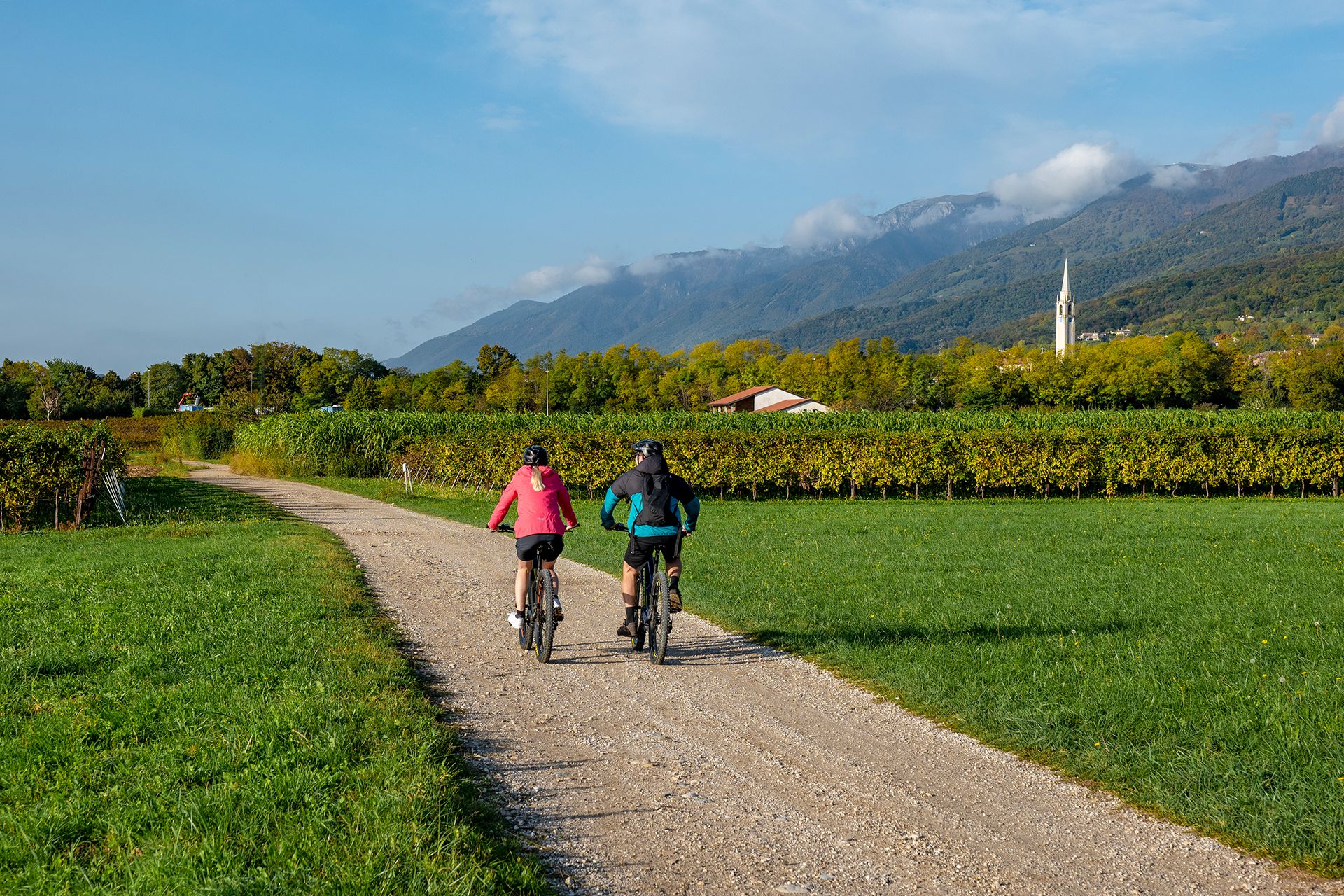
Cycling in the presence of Grappa – where nature and culture meet
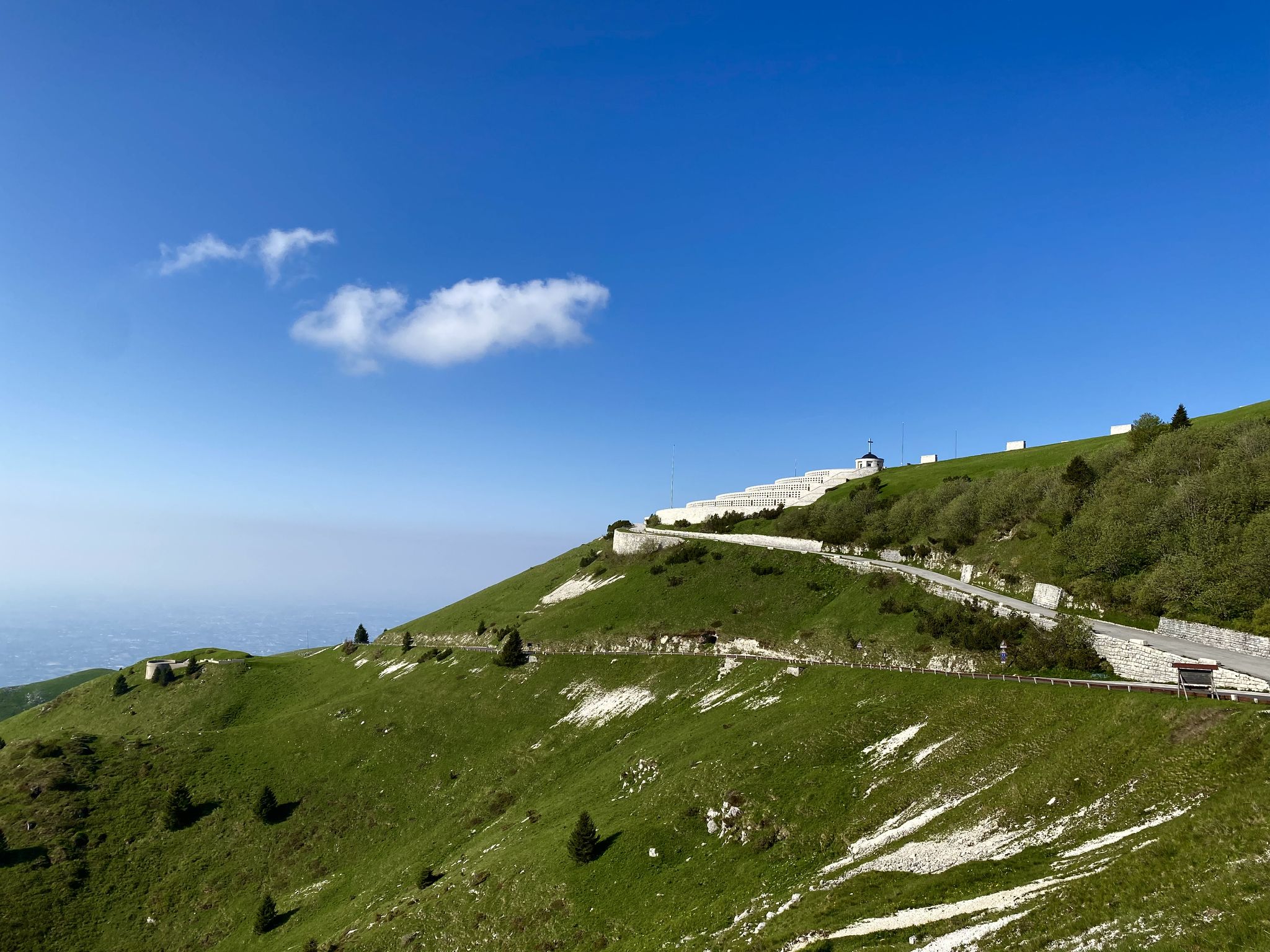
Alpine meadows and mountain pastures – 10 ascents of Mount Grappa
Hiking around Pieve del Grappa
Cycling around Pieve del Grappa
Running Trails around Pieve del Grappa
Road Cycling Routes around Pieve del Grappa

MTB Trails around Pieve del Grappa

Gravel biking around Pieve del Grappa
Mountain Hikes around Pieve del Grappa


Tips from the Community

The Castle of Asolo, also known as the Queen's Castle or Pretorio Castle, is an ancient fortress located in the heart of the village, which for centuries represented the center of civil and military power. The structure is inextricably linked to the figure of Caterina Cornaro, former queen of Cyprus, who established her sumptuous Renaissance court here during her exile in Asolo. The building is characterized by the massive Civic Tower, which still marks the time of the city today, and the Royal Tower. Although over the centuries it has undergone profound transformations, housing administrative offices and even a theater named after Eleonora Duse, the complex retains the charm of a royal residence. From its walls and garden, enchanting views can be enjoyed over the rooftops of the historic center, confirming it as one of the pillars of Asolo's monumental identity.
0
0

Castello Pretorio is a hidden gem in the idyllic town. Free access gives you the opportunity to delve into the long, special history of the fort. It is an early medieval fortress that has had different inhabitants and interpretations over the centuries. Take your time to press your pause button and enjoy a beautiful panoramic view from the Belevedere della Specola.
2
0

Villa Barbaro di Maser The Villa di Maser was conceived around 1550 by the architect Andrea Palladio as a prestigious location for the agricultural estate of the Venetian noble brothers Daniele and Marcantonio Barbaro, who commissioned the painter Paolo Veronese and the sculptor Alessandro Vittoria to decorate the building. Text / Source: VILLA DI MASER (Villa Barbaro) - Patrimonio dell'Umanità UNESCO https://www.villadimaser.it/visit-the-villa/?lang=en
13
0
The Villa di Maser was conceived around 1550 by the architect Andrea Palladio as a prestigious location for the agricultural estate of the Venetian noble brothers Daniele and Marcantonio Barbaro, who commissioned the painter Paolo Veronese and the sculptor Alessandro Vittoria to decorate the building.
14
0
Asolo Asolo's old town is characterized by the fortress (Rocca) from the 12th century. In addition to it, the Cathedral of Santa Maria Assunta, the Villa Scotti-Pasini and the Castello della Regina Cornaro are among the city's main attractions. The remains of an amphitheater and an aqueduct date from Roman times. Text / Source: italien.de GmbH https://www.italien.de/staedte/asolo
19
0
Asolo Asolo's old town is characterized by the fortress (Rocca) from the 12th century. In addition to her, the Cathedral of Santa Maria Assunta, the Villa Scotti-Pasini and the Castello della Regina Cornaro are among the main sights of the city. The remains of an amphitheater and an aqueduct date from Roman times. Text / source: italien.de GmbH https://www.italien.de/staedte/asolo
14
0

Asolo is part of the circuit Borghi più Belli d’Italia. Here you can visit the castle of Queen Cornaro, the Cathedral, the Rocca, the Civic Museum. Finally, in the historic center you can taste the local food and wine delicacies.
8
4

Asolo's old town is characterized by the fortress (Rocca) from the 12th century. In addition to it, the Cathedral of Santa Maria Assunta, the Villa Scotti-Pasini and the Castello della Regina Cornaro are among the city's main attractions. The remains of an amphitheater and an aqueduct date from Roman times. The mighty Rocca is 15 meters high and between 2.5 and 3.5 meters wide. The defensive structure was built towards the end of the 12th century. A previous building to the cathedral already existed in 969. The church took on its current shape in the middle of the 18th century. Inside you will find Lorenzo Lotto's famous painting “The Assumption of Mary”. The castle, with the clock tower visible from afar, was the seat of the city bailiffs of Venice from the middle of the 14th century. In 1489 it became the residence of Caterina Cornaro, wife of the King of Cyprus, whose name it still bears today. In 1798 the large Pretoria auditorium was converted into a theater.
8
0
Frequently Asked Questions
Which castles near Pieve del Grappa offer the best historical insights?
The Veneto region surrounding Pieve del Grappa is rich in history. The Castello di Castelfranco Veneto, built between 1195 and 1199, offers a journey back to medieval times with its intact red brick walls and a moat. Inside, you can find the Duomo with Giorgione's altarpiece. Another significant site is the Castello degli Ezzelini in Bassano del Grappa, a medieval fortress dating back to the 12th century, which played a vital role in the region's defense. For a broader historical experience, Castello San Salvatore in Susegana is a vast fortified complex with a thousand years of history, from Longobard settlement to an elegant residence.
Are there any family-friendly castles to visit near Pieve del Grappa?
Yes, several castles and historical sites are suitable for families. The settlement of Asolo, with its fortress and castle, is considered family-friendly. Villa Barbaro (Villa di Maser), a UNESCO World Heritage site, also offers an engaging experience for families interested in architecture and art.
Which castles offer the best panoramic views of the surrounding area?
For breathtaking views, the Rocca di Asolo is an excellent choice. From its battlements, you can enjoy panoramic views stretching from the Dolomites all the way to Venice. Similarly, the Castello degli Ezzelini in Bassano del Grappa offers captivating views of Bassano, the Brenta River, and the surrounding hills from its patrol walkway. The Castello Pretorio in Asolo also provides a beautiful panoramic view from the Belvedere della Specola.
What kind of outdoor activities can I do near the castles around Pieve del Grappa?
The area around Pieve del Grappa offers various outdoor activities. You can find numerous hiking trails, such as the challenging Sentiero del Monte Meatte loop, or explore mountain biking routes like the Ascent to Madonna del Covolo loop. For more adventurous visitors, there are mountaineering options, including the Via Ferrata Sass Brusai. You can find detailed routes and guides for these activities on komoot: Hiking around Pieve del Grappa, MTB Trails around Pieve del Grappa, and Mountain Hikes around Pieve del Grappa.
Are there any hidden gem castles or less-known historical sites worth visiting?
Yes, the Castello Pretorio in Asolo is considered a hidden gem. This early medieval fortress offers free access and a chance to delve into its long history, culminating in a beautiful panoramic view from the Belvedere della Specola. Another less-known but historically significant site is Castelnuovo di Quero.
What is the best season to visit the castles near Pieve del Grappa?
The spring and autumn months generally offer the most pleasant weather for exploring the castles and their surroundings. During these seasons, the temperatures are mild, and the natural landscapes are particularly beautiful, whether with blooming flowers or vibrant fall foliage. Summer can be warm, but still enjoyable, while winter visits might offer a unique, quieter experience, though some sites may have reduced opening hours.
Can I find food and drink options near these castles?
Yes, especially in the towns where these castles are located. For instance, in Asolo, you can taste local food and wine delicacies in the historic center. Bassano del Grappa, home to the Castello degli Ezzelini, also offers various cafes and restaurants. Larger fortified complexes like Castello San Salvatore may also have facilities or be near local eateries.
What makes the Castello di Castelfranco Veneto unique?
The Castello di Castelfranco Veneto is unique for its remarkably intact medieval structure. It forms a well-preserved walled city with robust red brick walls, six imposing towers, and a moat where water still flows. Inside, it houses the Academic Theatre and the Duomo, which features the renowned 'Pala di Giorgione' altarpiece by the painter Giorgione, who was born there. Visitors can walk along the ancient rampart walls and enjoy panoramic views from the Civic Tower.
What is the historical significance of Castello San Salvatore?
Castello San Salvatore is one of the largest castles in northern Italy, embodying a thousand years of history. It began as a Longobard settlement and evolved into a formidable defensive stronghold, then an elegant residence, and now a cultural center. Its strategic location on a hill allowed control over communication routes and Piave River traffic. Despite severe damage during World War I, it underwent extensive restoration, standing as a striking icon in the Treviso landscape.
Are there any castles near Pieve del Grappa that are UNESCO World Heritage sites?
Yes, Villa Barbaro (Villa di Maser), designed by Andrea Palladio and featuring frescoes by Paolo Veronese, is recognized as a UNESCO World Heritage site. While not a traditional castle, it is a significant historical and architectural marvel in the region.
What are the main architectural styles seen in the castles around Pieve del Grappa?
The castles and historical sites around Pieve del Grappa showcase a range of architectural styles, primarily medieval and Renaissance. You'll find robust medieval fortifications like the red brick walls of Castello di Castelfranco Veneto and the stone structures of Castello degli Ezzelini. Renaissance influences are evident in sites like Villa Barbaro (Villa di Maser), designed by Andrea Palladio, which blends classical elements with functional design for an agricultural estate.
Most popular routes around Pieve del Grappa
Most popular attractions around Pieve del Grappa

Get inspired with the komoot mobile app


Explore more
Looking for the best castles somewhere else? Discover other guides around Pieve del Grappa:
