Top 5 Caves around Cossoine
Best caves around Cossoine, a municipality in Sardinia, Italy, are notable for a rich underground landscape. The region features a significant number of caves, offering insights into its geological history and hosting unique natural wonders. These sites include extensive underground systems, geological formations, and unique ecological niches. The area's caves represent a valuable natural heritage, with some sites studied for potential guided visits.
Best caves around Cossoine
- The most popular caves is Rock Formations and Caves of the Sardinian Highlands, a natural monument featuring plains with imposing rock formations. These formations contain caves dug by nature and inhabited by humans over millennia.
- Another must-see spot is Domus de Janas di S’Ena de Cannuja, an archaeological site with ancient pre-Nuragic tombs carved into the rock. This necropolis includes six tombs dating back to the 3rd millennium BC.
- Visitors also love Domus de Janas of Sant'Andrea Priu, a historical site with 15 preserved rock tombs. These structures are located in a 10-meter-high trachyte wall and date from the Ozieri culture around 3000 BC.
- Cossoine is known for extensive underground systems, vertical cavities, and ancient rock-cut tombs. The variety of caves includes sites with significant karst erosion, unique ecological habitats, and well-preserved concretions.
- The caves around Cossoine are appreciated by the komoot community, with 7 upvotes and 14 photos shared by visitors.
Last updated: July 1, 2026
Domus de Janas di S’Ena de Cannuja
Highlight • Cave
The tombs were presumably reached using carvings dug into the rock face similar to those still preserved in the Domus de Janas Sos Furrighesos necropolis in Anela.
Translated by Google •
Tip by

Rock Formations and Caves of the Sardinian Highlands
Highlight (Segment) • Cave
Translated by Google •
Tip by

Sign up now to discover places like this
Get recommendations on the best single tracks, peaks, & plenty of other exciting outdoor places.
Sign up for free
Puttu Codinu Necropolis
Highlight • Historical Site
A necropolis with nine hypogeal tombs was found on the site, in an area with rocks emerging from the surrounding land. The tombs were found by chance during recent excavation work. It is believed that the site began to be used in the recent Neolithic (3500 BC). Source: Wikipedia
it.wikipedia.org/wiki/Necropoli_di_Puttu_Codinu
Translated by Google •
Tip by

Domus de Janas of Sant'Andrea Priu
Highlight • Historical Site
The once 20 Domus de Janas (rock tombs) of Sant' Andria Priu (Italian: Ipogeo S. Andrea Priu) are located in a 10-meter-high trachyte wall on the southern edge of the Campeda plateau near Bonorva in the metropolitan city of Sassari on Sardinia. The 15 preserved structures date from the Ozieri culture (around 3000 BC).
Translated by Google •
Tip by

Sa Ucca de su Tintirriolu Cave
Highlight • Cave
Translated by Google •
Tip by

Start today with a free account
Your next adventure awaits.
Login or Signup
Tips from the Community

An adventurous approach, barking dogs, thorny undergrowth. The dolmens were great, but unfortunately the hiking trail was not well maintained, so we turned back with our son.
0
0

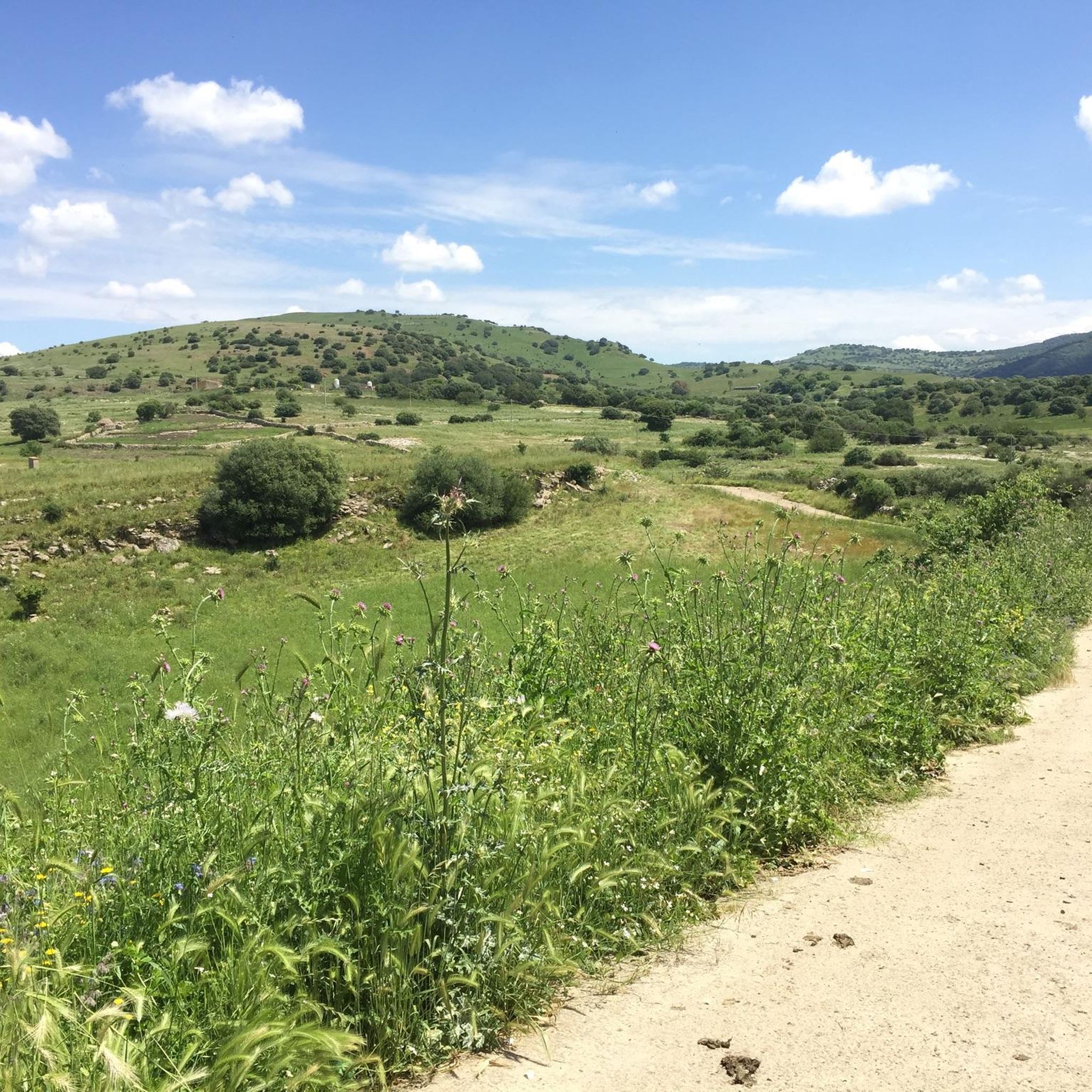
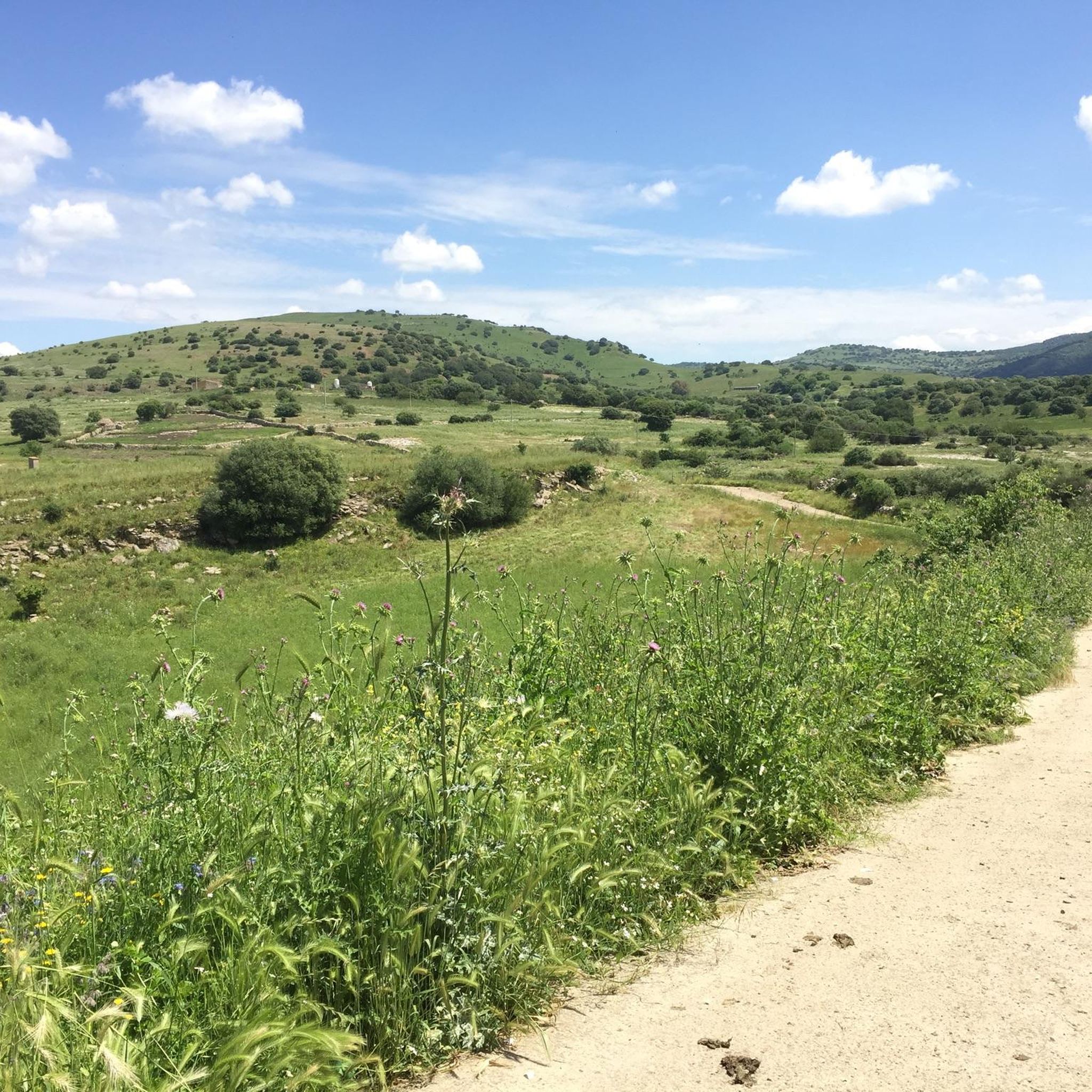
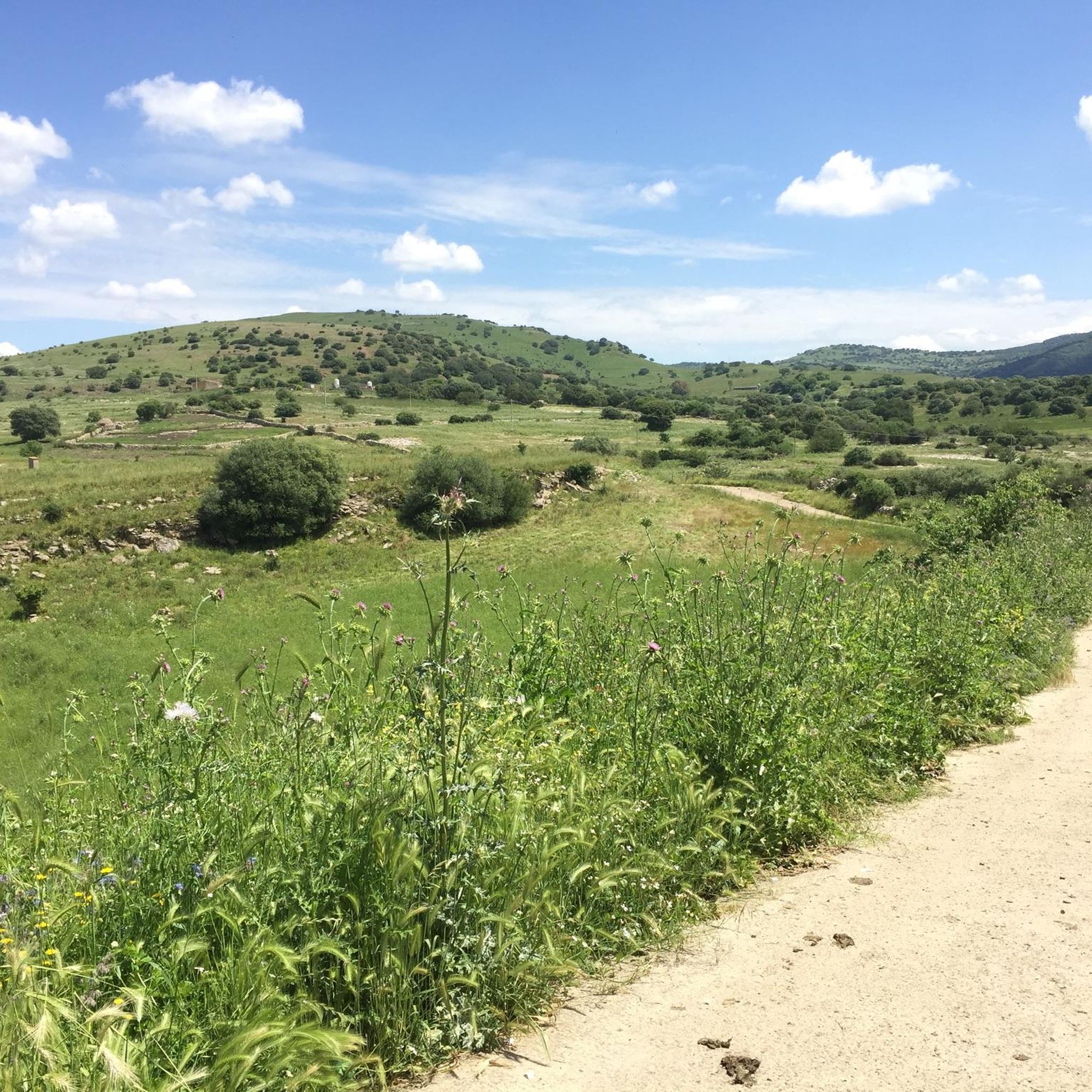
Plains with a primordial appearance, large green spaces bordered by imposing rock formations, isolated or in rows, with caves dug by nature and inhabited by man over the millennia
0
0

The caves are accessible from the road across a meadow. However, there are no paths, despite other claims to the contrary. We didn't find one, and the thistles and thorns make hiking less enjoyable. The area and the view are, of course, wonderful.
0
0

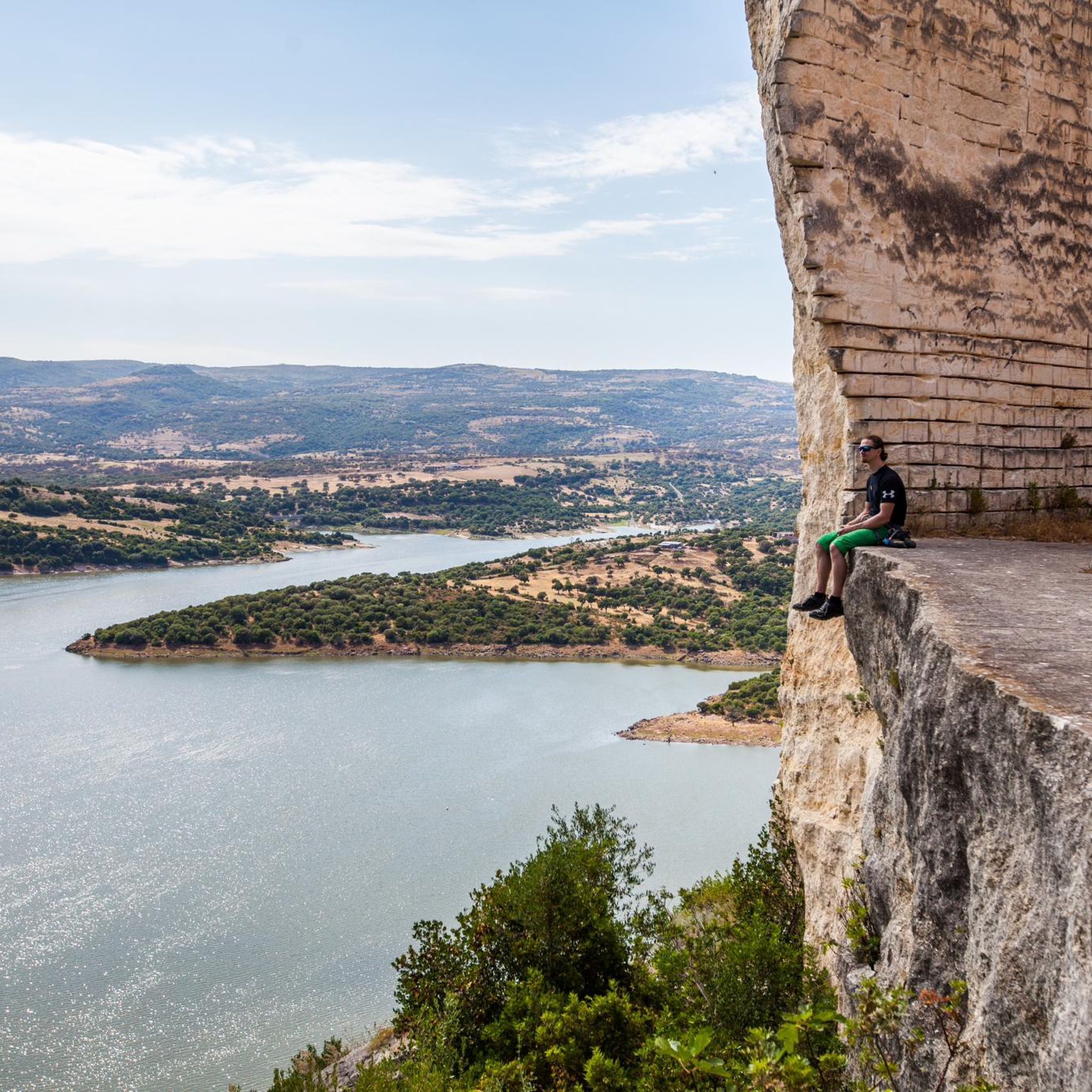
from Wikipedia: The once 20 Domus de Janas (rock tombs) of Sant' Andria Priu (Italian: Ipogeo S. Andrea Priu) are located in a 10-meter-high trachyte wall on the southern edge of the Campeda plateau near Bonorva in the metropolitan city of Sassari on Sardinia. The 15 preserved structures date from the Ozieri culture (around 3000 BC).
0
0

The necropolis of Puttu Codinu ("rock well") is an archaeological site located in the municipality of Villanova Monteleone, province of Sassari, near the state road 292 that leads to Monteleone Rocca Doria. A necropolis with nine hypogeal tombs was found on the site, in an area with rocks emerging from the surrounding land. The tombs were found by chance during recent excavation work. It is believed that the site began to be used in the recent Neolithic (3500 BC). Source: Wikipedia https://it.wikipedia.org/wiki/Necropoli_di_Puttu_Codinu
0
0

The path passes through the Domus de Janas of S'Ena de Cannuja, ancient pre-Nuragic tombs carved into the rock, dating back to the 3rd millennium BC. This necropolis includes six tombs dug into a trachytic ridge. The tombs were presumably reached using carvings dug into the rock face similar to those still preserved in the Domus de Janas Sos Furrighesos necropolis in Anela.
1
0

The archaeological finds in this cave were fundamental in giving the name to the pre-Nuragic culture of Bonu Ighinu (the name of this area), which developed in Sardinia during the 4th millennium BC. (4000-3400 BC). It is considered the first culture in Sardinia to have used natural cavities as sepulchres, which then formed small necropolises.
0
0
Frequently Asked Questions
What types of caves can I explore around Cossoine?
Cossoine offers a diverse range of underground sites. You can find extensive natural cave systems, vertical cavities, and ancient rock-cut tombs. Some caves feature significant karst erosion, unique ecological habitats, and well-preserved concretions, while others are archaeological sites with pre-Nuragic tombs.
Are there any historically significant caves or archaeological sites in Cossoine?
Yes, the region is rich in historical sites. You can visit the Domus de Janas di S’Ena de Cannuja, an archaeological site with ancient pre-Nuragic tombs carved into the rock, dating back to the 3rd millennium BC. Another notable site is the Domus de Janas of Sant'Andrea Priu, featuring 15 preserved rock tombs from the Ozieri culture around 3000 BC. The Puttu Codinu Necropolis also contains nine hypogeal tombs from the Neolithic period.
What unique natural features can be found in Cossoine's caves?
Cossoine's caves are known for remarkable natural features. For instance, Sa Ucca è su Peltusu, the largest cave in the province of Sassari, showcases significant karst erosion, an underground stream, and unique Miocene fossilized oyster deposits. Grotta di Suiles is celebrated for its exquisitely preserved and abundant concretions.
Are there any caves around Cossoine with unique wildlife?
Yes, Sa Ucca è Mammuscone, a deep vertical cavity, is particularly important as it is the exclusive habitat of Patriziella nuragica, a rare endemic troglobite beetle. This highlights its significance for cavernicolous fauna.
What is the difficulty level for exploring caves in the Cossoine area?
The difficulty varies. Some sites like the Domus de Janas di S’Ena de Cannuja are categorized as challenging, while others like the Rock Formations and Caves of the Sardinian Highlands are intermediate. Some archaeological sites may involve adventurous approaches or unmaintained paths, so it's advisable to check specific site conditions.
What outdoor activities can I do near the caves around Cossoine?
Beyond cave exploration, the Cossoine area offers various outdoor activities. You can find numerous routes for cycling, hiking, and mountain biking. Hiking trails include options like 'The extinct volcanoes of the Meilogu' and routes around Lake Omodeo.
Are there any family-friendly options for visiting caves or historical sites?
While some sites may have challenging access, many of the ancient rock-cut tombs, like the Domus de Janas, offer a fascinating historical experience. It's recommended to research specific site accessibility and conditions, as some paths might be unmaintained or thorny, which could be less enjoyable for families with young children.
What do visitors appreciate most about the caves and rock formations in Cossoine?
Visitors often highlight the primordial appearance of the plains with large green spaces bordered by imposing rock formations. They appreciate the natural caves dug by nature and inhabited by humans over millennia, offering a glimpse into both geological history and ancient human presence.
Is it possible to visit the larger natural cave systems like Sa Ucca è su Peltusu?
While sites like Sa Ucca è su Peltusu are significant for their geological and paleontological value, full-scale tourist exploitation is not the primary goal. There is an ongoing effort to study these sites and potentially create guided visits to the most interesting ones. Access may be restricted or require special permits.
What is the significance of Sa Ucca de su Tintirriolu Cave?
The Sa Ucca de su Tintirriolu Cave is historically significant because archaeological finds within it were fundamental in naming the pre-Nuragic culture of Bonu Ighinu (4000-3400 BC). This culture is considered the first in Sardinia to use natural cavities as sepulchres, forming small necropolises.
Are there any specific geological landmarks to look out for?
Yes, the Rock Formations and Caves of the Sardinian Highlands are a natural monument featuring plains with imposing rock formations that contain caves. These formations themselves are a significant geological landmark, showcasing the region's unique landscape.
Most popular attractions around Cossoine

Get inspired with the komoot mobile app


Explore more
Extend your search for the best caves by checking out these guides of the top ones around Cossoine:
