Top 6 Castles around Corridonia
Best castles around Corridonia are rooted in the region's medieval past, with the modern town established around 1150 from the unification of three castles. Corridonia's historic center, perched on a hill between the Chienti and Potenza rivers, preserves remnants of these ancient fortifications. The urban layout reflects its defensive origins, with architectural elements from medieval lines to Renaissance facades. These historical traces offer insight into the defensive architecture of medieval Italian towns.
Best castles around Corridonia
- The most popular castles…
Last updated: July 1, 2026
La Rancia Castle
Highlight • Castle
Translated by Google •
Tip by

Montecosaro
Highlight • Settlement
Translated by Google •
Tip by

Sign up now to discover places like this
Get recommendations on the best single tracks, peaks, & plenty of other exciting outdoor places.
Sign up for free
Rocca di Urbisaglia
Highlight • Castle
Translated by Google •
Tip by

Historic Towers of Rapagnano
Highlight • Historical Site
The toponym derives from the …
Translated by Google •
Tip by

Historic Center of Montegiorgio
Highlight • Historical Site
Translated by Google •
Tip by
Sign up for free to discover even more castles around Corridonia.
Sign up for free
Already have an account?
Start today with a free account
Your next adventure awaits.
Login or Signup
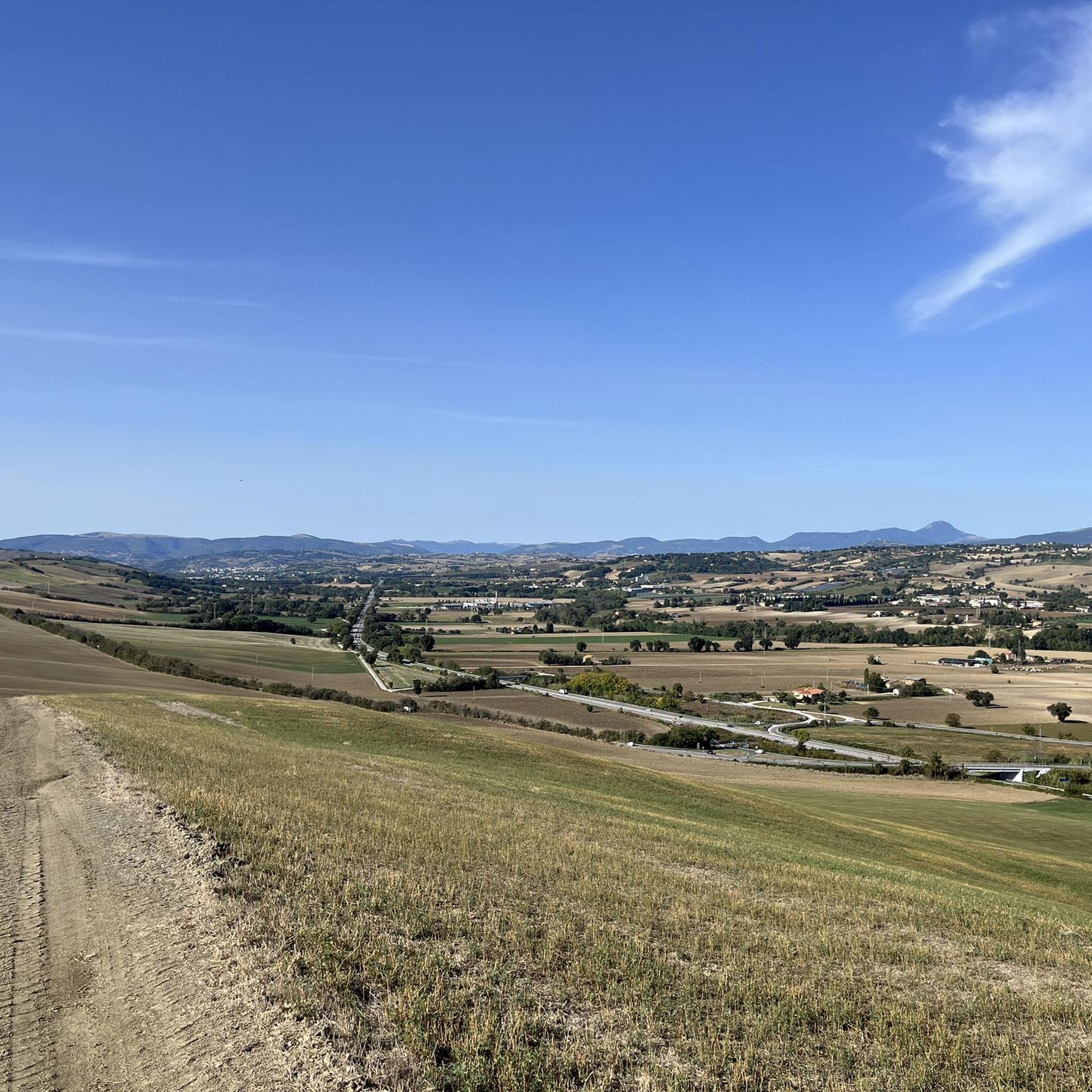
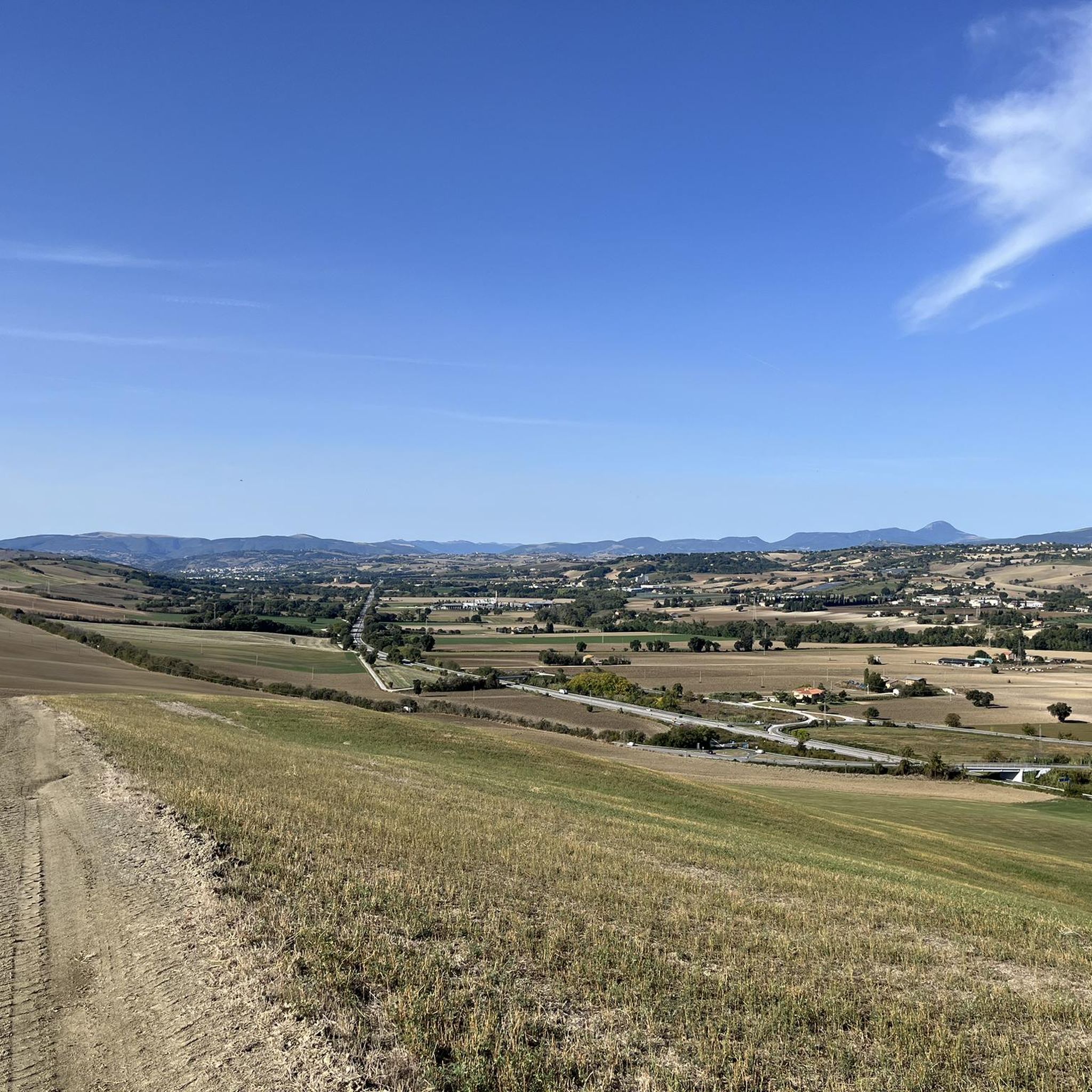
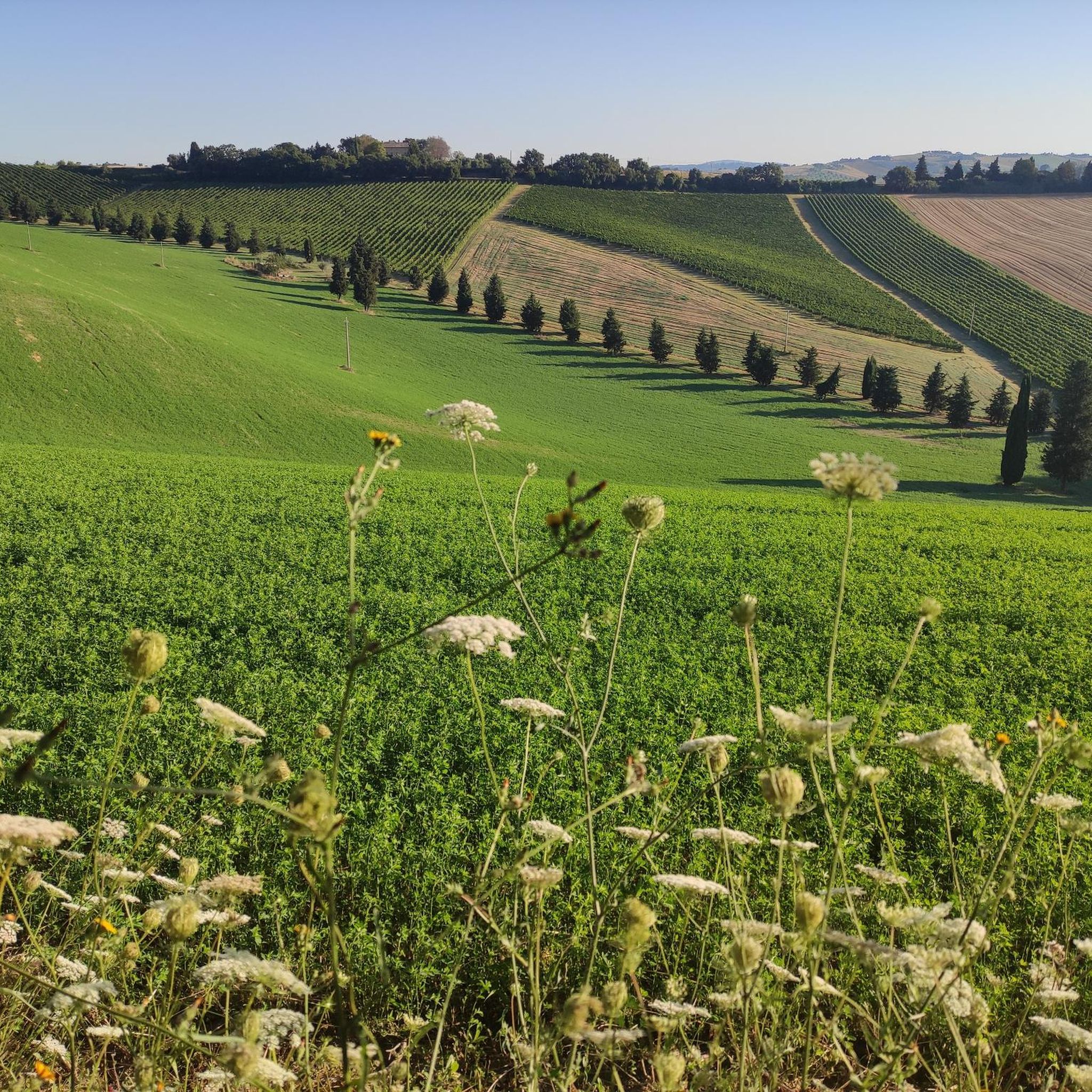
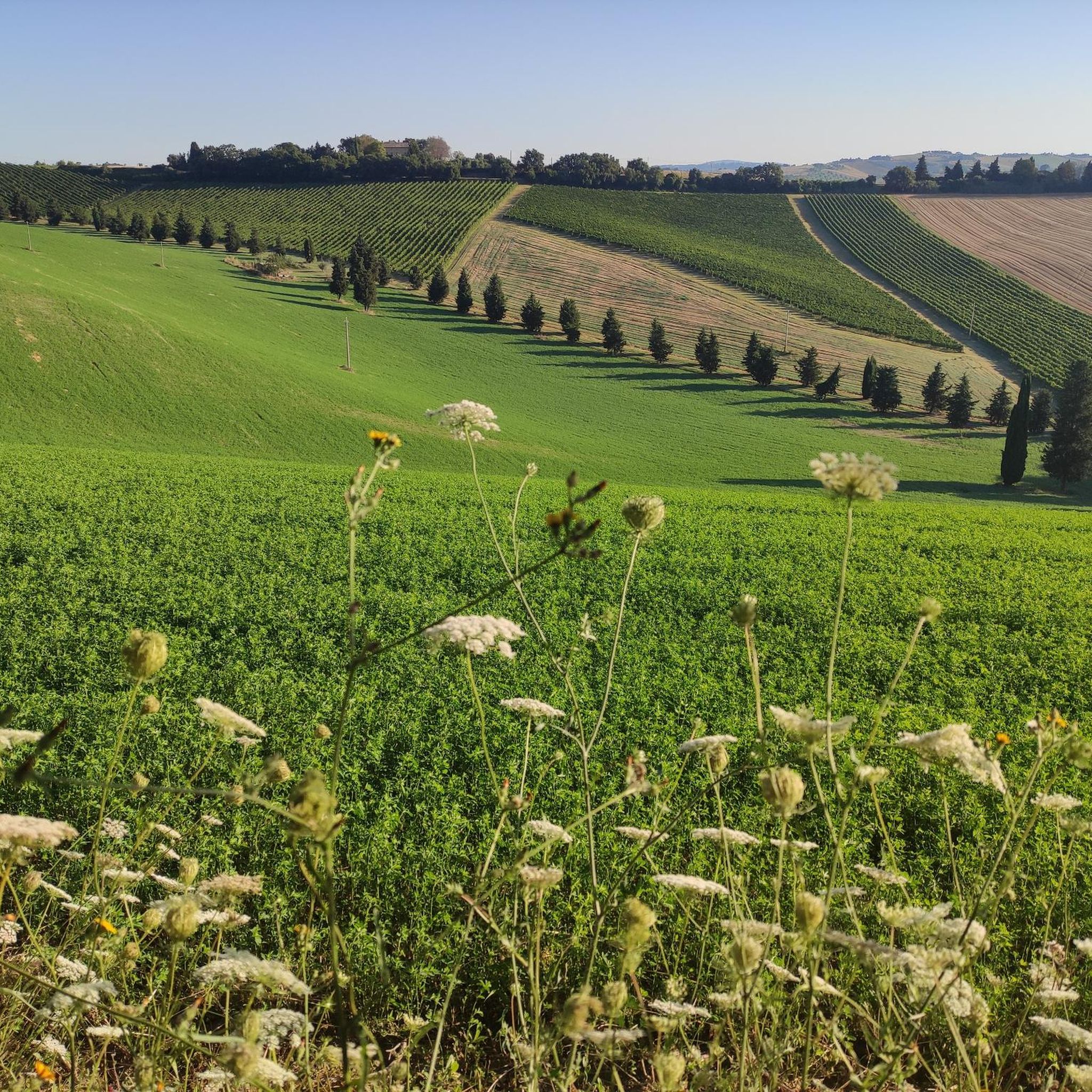

Tips from the Community

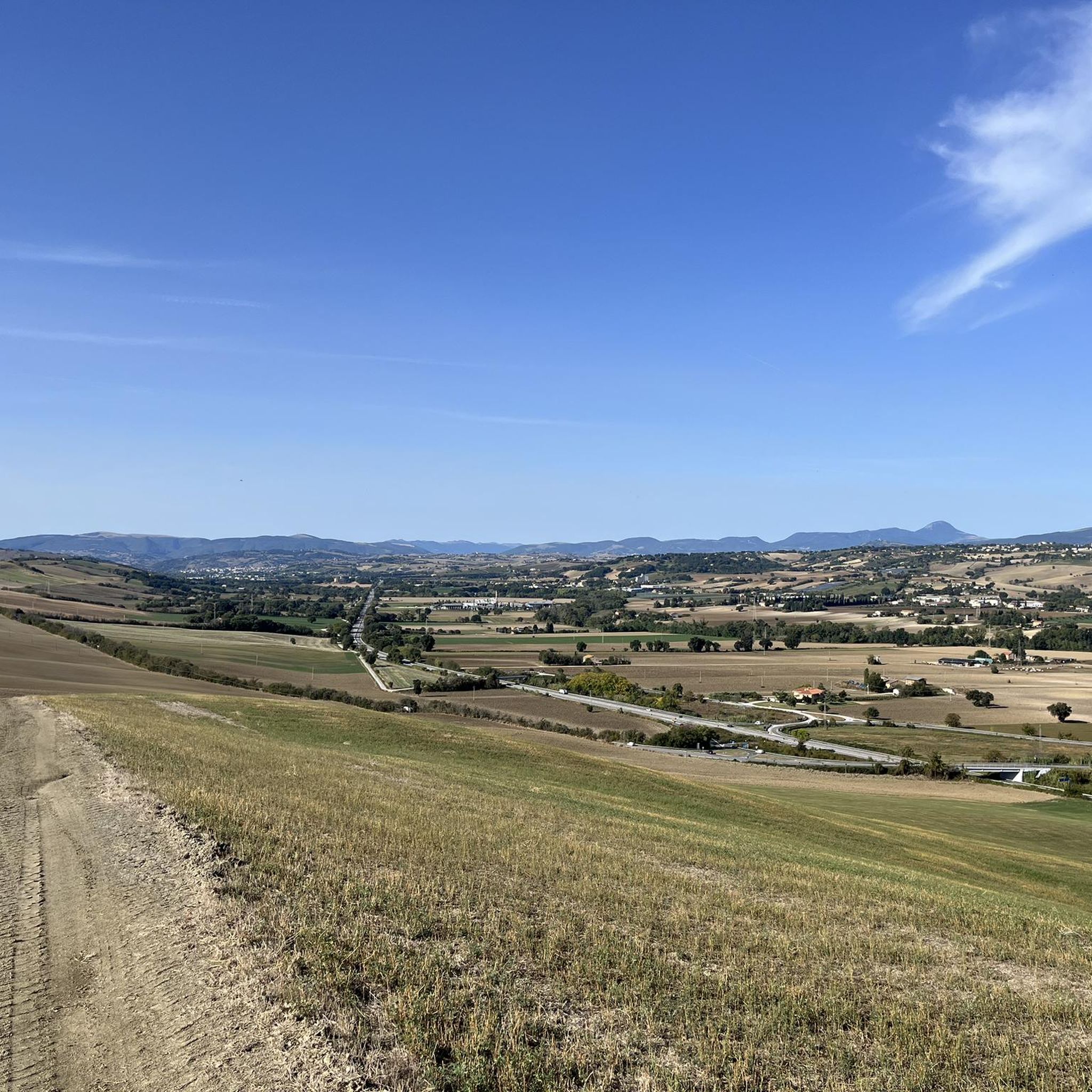
There is a very large car park, and a cycle/pedestrian path starts here.
0
0

The term “ Rancia ” is probably a corruption of the word grancia , or granary , from the French grange, borrowed from the Latin granica. Built as a fortified farm in the mid-11th century, in the Rancia district, on the plain located to the left of the Chienti river, the Castello della Rancia was initially a sort of tower house with autonomous structures for the defense of agricultural products. Important dates to remember are May 2 and 3, 1815, days of the furious battle called “ della Rancia ” or “ Tolentino ” when the entire area became a battlefield between the French army of Gioacchino Murat, king of Naples and brother-in-law of Napoleon, and the Austrian troops of General Federico Bianchi. The importance of this event in the history of Italy is said to be considered the beginning of the Italian Risorgimento. It is currently owned by the Municipality of Tolentino and houses the Civic Archaeological Museum “Aristide Gentiloni Silverj”.
0
0

It is a hilly municipality of very ancient origins, located in the sub-Apennines of the Marche region, in the lower valley of the Tenna river. The toponym derives from the god Janus, to whom a temple was dedicated on the top of the town's hill, where Roman and pre-Roman finds were found. During the Middle Ages it was a castle that depended on Fermo. The historic centre, with its elliptical shape, has the characteristics of a medieval castle, of which the remains of the fortified walls, three towers and Porta Marina are still visible, once the only access to the castle, dating back to the fourteenth century but which was rebuilt in the form current in 1707
0
0
Also known as the "City of the Mediterranean diet", located on a hill at 411 m. above sea level, in an area of ancient Piceno and Roman settlement, as demonstrated by numerous and significant archaeological finds. The urban structure of Montegiorgio dates back to the Middle Ages, when the Benedictine monks settled there in the 9th century, welcoming the first inhabitants of Montegiorgio around the Church of Santa Maria Grande (the current San Francesco with Farfense Chapel) and the Convent. The center of Montegiorgio is positioned on a hilly relief. The city walls encompass the entire historic center which maintains some of the characteristic medieval streets; you can admire the remains of castle walls, with an access portal still equipped with a wooden door, and some narrow alleys on a human scale. There is currently a lot of post-earthquake consolidation work underway.
0
0

It is the seat of the homonymous theater company
0
0

Montecosaro is considered one of the most beautiful villages in Italy and it is an ancient medieval castle that stands on a hill overlooking the valley of the Chienti river. The historic center is well preserved, with the walls, gates, towers and noble palaces.
1
0

Beautiful medieval town with a well-preserved fortress in the walls and a beautiful view of the Sibillini mountain range, do not miss a visit to the archaeological area of Urbs Salvia the ancient Urbisaglia
1
0
Frequently Asked Questions
What kind of castles can I expect to see around Corridonia?
The Corridonia area is rich in medieval history, featuring not just traditional castles but also fortified towns and historic centers that evolved from ancient defensive structures. You'll find well-preserved fortresses like Rocca di Urbisaglia, former fortified farms like La Rancia Castle, and medieval castle towns such as Montecosaro, which still boast their original walls, gates, and towers.
Are there any castles or historical sites within Corridonia itself?
While Corridonia doesn't have standalone castles in the traditional sense, its historic center was formed from the unification of three medieval castles around 1150. You can explore the town's layout, which still preserves remnants of these ancient fortifications. The Church of San Francesco, originally known as Santa Maria in Castello, is a notable site that suggests its origin as a chapel within one of these early castles.
What historical significance do the castles in this region hold?
The castles and fortified towns around Corridonia are deeply rooted in the region's medieval past. For example, La Rancia Castle was the site of the Battle of Tolentino in 1815, an event considered by some to be the beginning of the Italian Risorgimento. Many sites, like the Historic Towers of Rapagnano and the Historic Center of Montegiorgio, showcase medieval urban structures and defensive architecture that reflect their strategic importance through centuries.
What are the best times to visit the castles around Corridonia?
The best time to visit the castles and historic towns around Corridonia is generally during the spring (April-June) and autumn (September-October) months. The weather is typically mild and pleasant for exploring, and the natural scenery is beautiful. Summer can be warm, but still enjoyable, while winter visits offer a quieter experience, though some attractions might have reduced hours.
Are there family-friendly activities at these castles?
Many of the castle towns and sites offer engaging experiences for families. Exploring the well-preserved historic centers of places like Montecosaro or Rocca di Urbisaglia can feel like stepping back in time. La Rancia Castle houses the Civic Archaeological Museum, which can be an educational experience for children interested in history.
Can I bring my dog to the castles and historic sites?
Policies regarding dogs vary by specific site. Generally, outdoor areas of historic towns and castle grounds, like those at Montecosaro or Rocca di Urbisaglia, are often dog-friendly, especially if dogs are kept on a leash. However, access to indoor museums or specific historical buildings might be restricted. It's always best to check with individual sites beforehand.
Are there hiking or walking routes near these castles?
Yes, the region offers various outdoor activities. For instance, near La Rancia Castle, you can find walking and cycling paths. The wider Corridonia area has numerous hiking opportunities, including routes around the Abbadia Integral Reserve. You can find detailed hiking routes and their difficulty levels in the Hiking around Corridonia guide.
What kind of views can I expect from these castle locations?
Many of the castles and fortified towns are strategically perched on hills, offering panoramic views of the surrounding landscape. From Rocca di Urbisaglia, you can enjoy a beautiful vista of the Sibillini mountain range. Montecosaro, situated on a hill, overlooks the Chienti river valley, providing picturesque scenery.
How long should I plan for a visit to these castles?
The time needed for a visit varies. For a single site like La Rancia Castle, including its museum, you might spend 1-2 hours. Exploring a medieval castle town like Montecosaro or Rocca di Urbisaglia, including strolling through its streets and enjoying the views, could take half a day. To visit multiple sites, consider dedicating a full day or more.
Are there cycling routes that pass by these castles?
Yes, the area around Corridonia is popular for cycling. There are road cycling and gravel biking routes that incorporate these historical sites. For example, you can find routes like the 'L'Angolo del Gusto – La Rancia Castle loop' for road cycling or the 'La Rancia Castle – Cantina Il Pollenza loop' for gravel biking. More details can be found in the Road Cycling Routes around Corridonia and Gravel biking around Corridonia guides.
What do visitors enjoy most about the castles and fortified towns in the Corridonia area?
Visitors frequently appreciate the well-preserved medieval architecture and the sense of history that permeates these sites. The strategic locations often provide stunning panoramic views of the Marche countryside and the Sibillini mountains. The blend of historical exploration with opportunities for outdoor activities like walking and cycling also makes the region highly enjoyable for many.
Most popular attractions around Corridonia

Get inspired with the komoot mobile app


Explore more
Looking for the best castles somewhere else? Discover other guides around Corridonia:
