Top 6 Castles around Garbagna
Castles around Garbagna offer a glimpse into the region's rich history, centered around the charming village in the province of Alessandria, Italy. The area is known for its medieval fortifications, including the impressive remains of the Castello di Garbagna, which provides panoramic views over the surrounding countryside. Garbagna itself is recognized as one of "I Borghi più belli d'Italia" due to its medieval charm and Ligurian influence. Visitors can explore the historic center with its narrow lanes and stone houses,…
Last updated: July 1, 2026
Sorli Castle
Highlight • Castle
Translated by Google •
Tip by

Adorno Castle and Village
Highlight • Castle
Translated by Google •
Tip by

Sign up now to discover places like this
Get recommendations on the best single tracks, peaks, & plenty of other exciting outdoor places.
Sign up for free
Vargo Castle and Tower
Highlight • Castle
Translated by Google •
Tip by
Castello di Torre Ratti
Highlight • Castle
Translated by Google •
Tip by

MONTEGIOCO PALACE
Highlight • Castle
Showing Translation
Tip by
Sign up for free to discover even more castles around Garbagna.
Sign up for free
Already have an account?
Start today with a free account
Your next adventure awaits.
Login or Signup
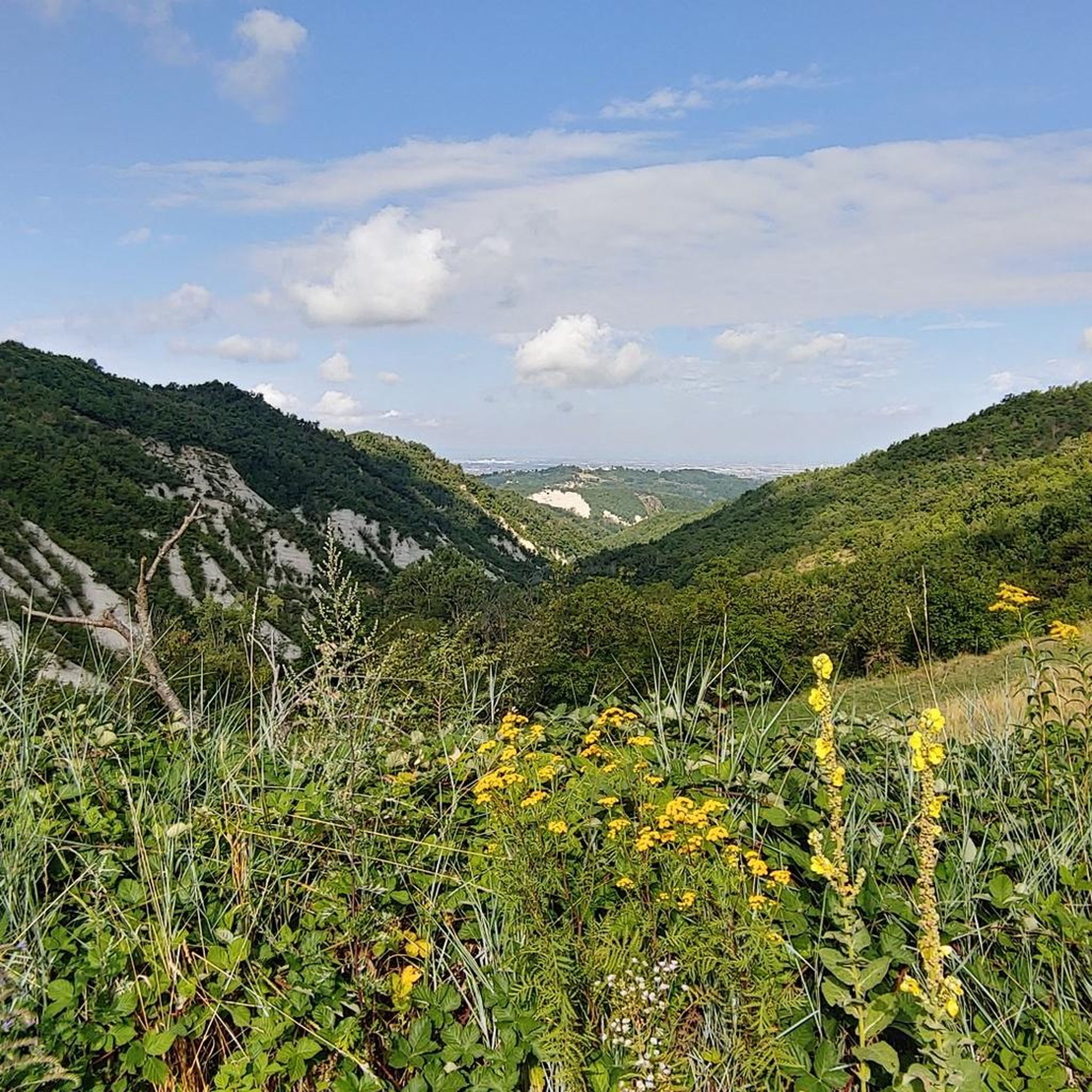
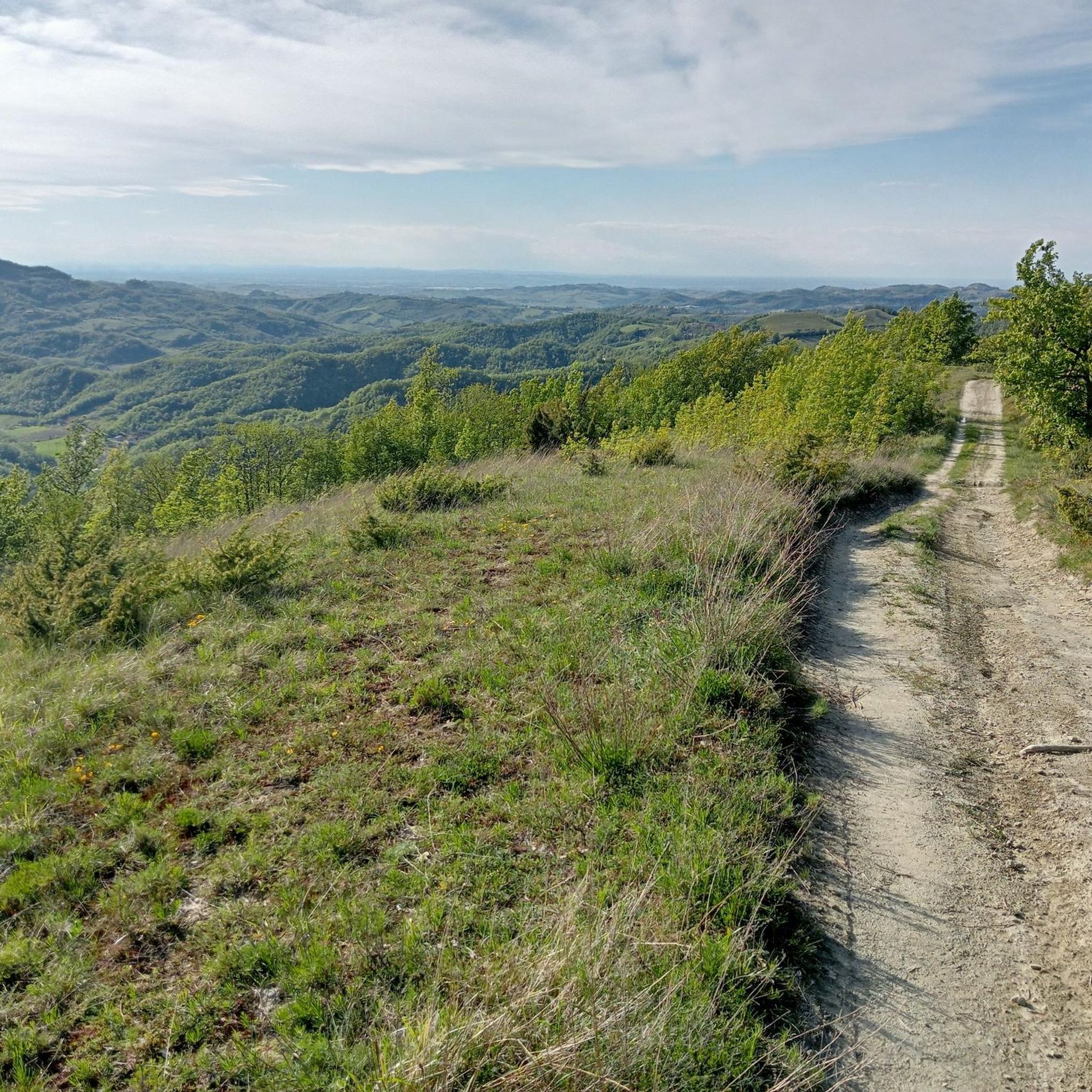
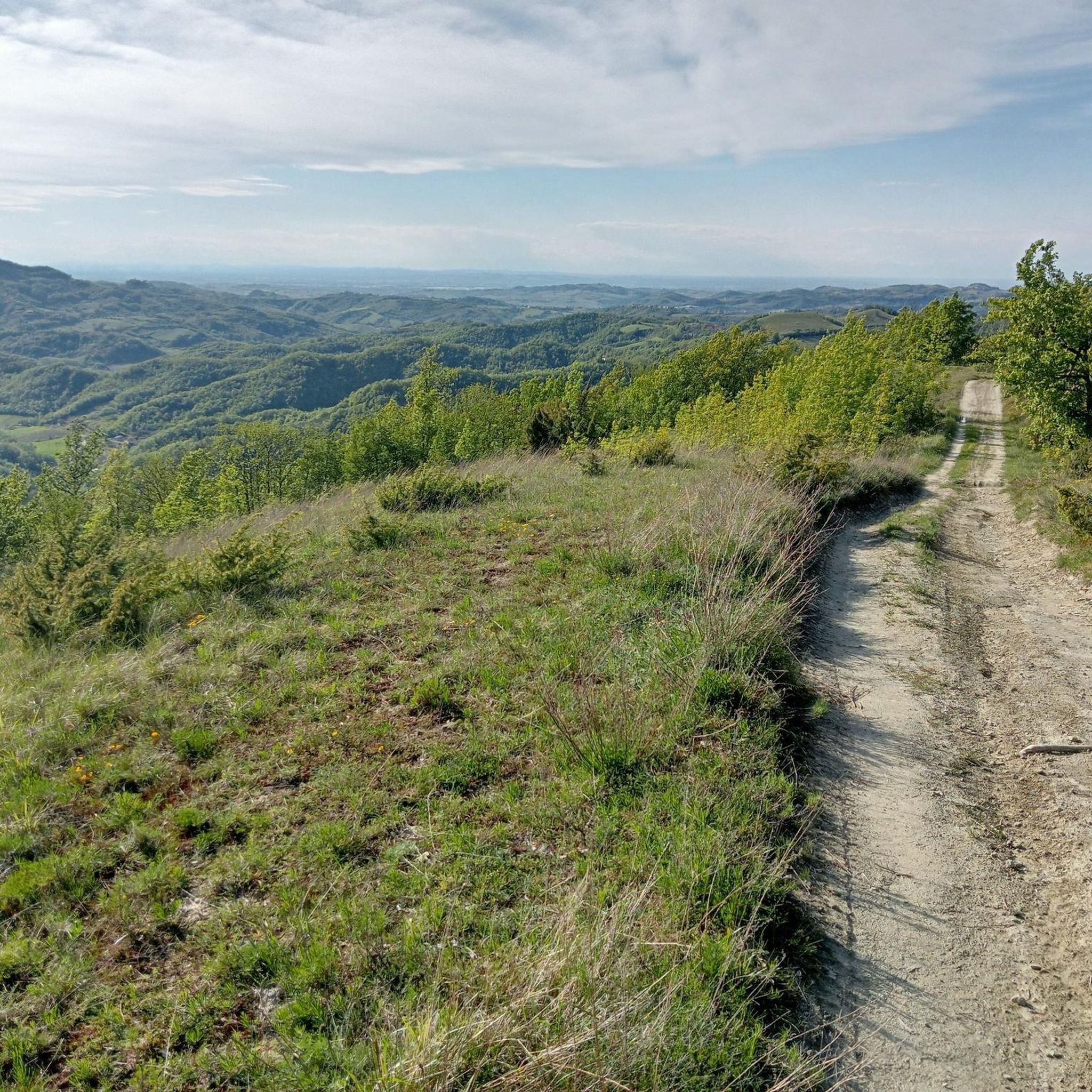
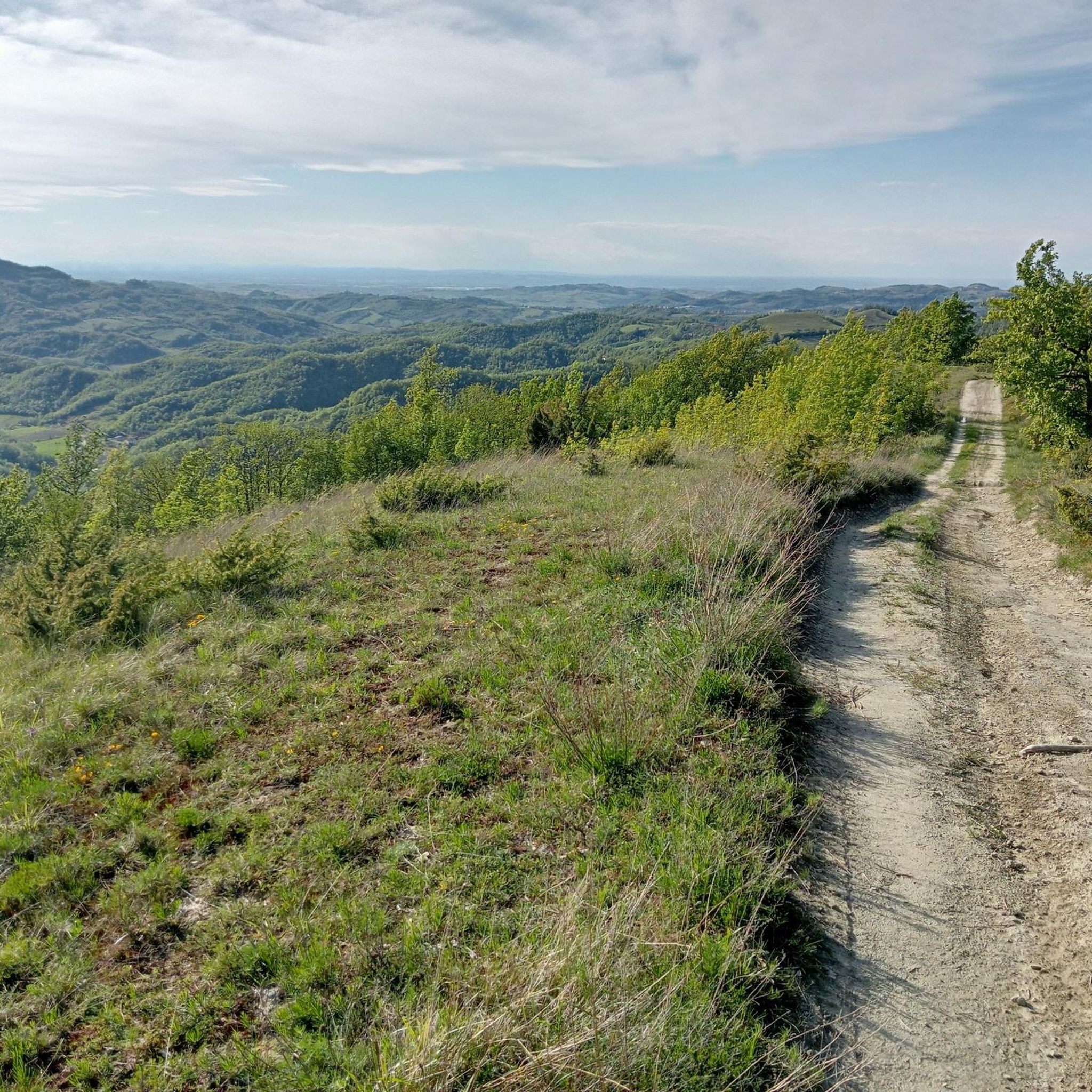

Tips from the Community

In Torre degli Alberi, a small panoramic hamlet of the municipality of Colli Verdi in Oltrepò Pavese, the main church is the Chiesa del Santissimo Nome di Maria.
2
0
Montegioco is a small municipality in Piedmont, in the province of Alessandria, in the Val Grue. The hamlet of Palazzo is the municipal seat and is located in the valley floor, in a flatter area compared to the historic village of Montegioco.
20
0
Vargo has had a castle known since 1157, the year of the invasions of Barbarossa's troops, but this construction was actually built as a signal tower in the Lombard era and is part of the so-called line of castles documented by Pertica.
14
0
The castle of Borgo Adorno was a fiefdom of the Genoese Spinola family until 1518, the year in which Tolomeo Spinola remained without legitimate children and appointed the children of his friend Agostino Adorno as his heirs.
15
0

Vargo is a hamlet of the municipality of Stazzano (AL) at about 410 m above sea level. During the Middle Ages it was an imperial fiefdom under the Genoese families of Fieschi and then Doria. In 1797 it was annexed to the Ligurian Republic and after the fall of Napoleon it followed the fate of the province of Novi, becoming part of Piedmont in 1859 with the Rattazzi Decree. It was an independent municipality until 1928. Vargo has a castle known since 1157, the year of the invasions of the troops following Barbarossa, but this construction was actually born as a signal tower in the Lombard era and is part of the so-called line of castles. The town developed concentrically around the “castle”, rebuilt by the Fieschi family of Genoa, lords of Vargo since 1413: after the conspiracy against the said feudal lords, it was dismantled in 1442, and later passed to the Doria family in 1547. Next to what must have been the south-east walls, there is still an oratory dedicated to the Virgin of the Annunciation, while today the once fortified structure is partly used as a residence, and the very visible main tower, inside which are the living quarters of the last owner, has not been altered.
2
0

it deserves a stop perhaps to refresh yourself; The castle is certainly interesting but also the parish church with the naïve images of saints in the lunettes of the three portals; in the center the Baptism of Christ
2
0

The Torre Ratti castle is located in the hamlet of Torre Ratti in the municipality of Borghetto di Borbera, in the lower part of the Borbera valley, in the province of Alessandria. The lower Borbera valley was part of the Duchy of Milan for centuries and was enfeoffed by the Rati-Opizzoni family from Tortona.
0
0
In the late Middle Ages, the village was a fiefdom of the Genoese Spinola family until 1518, who built the castle in 1100. In 1518 Tolomeo Spinola was left without heirs and passed as an inheritance to his friend Agostino Adorno, of the Genoese Adorno family. In the 17th century the castle suffered serious damage following a landslide and shortly afterwards the current Botta Adorno castle and stately palace was built in its elegant style, still privately owned. The castle has an elegant Baroque style portal and a chapel dedicated to Saint Caterina Fieschi Adorno, great-granddaughter of Pope Innocent IV and wife of Giuliano Adorno, who lived between the 15th and 16th centuries.
6
0
Frequently Asked Questions
What is the most historically significant castle in the Garbagna area?
The most historically significant fortification is the Castello di Garbagna itself. While largely in ruins, its origins trace back to the 9th century, possibly even earlier, and it played a crucial role in overseeing the Val di Grue. Its remnants offer a compelling glimpse into the region's past.
Which castles around Garbagna offer the best panoramic views?
For breathtaking panoramic views, consider visiting Sorli Castle, a ruined 12th-century fortification that overlooks the plains of Alessandria and Tortona. The Tower of the Malaspina Castle of Fabbrica Curone also provides a beautiful view of the Curone Valley from its top.
Are there family-friendly castles to visit near Garbagna?
Yes, Castello di Torre Ratti is noted as family-friendly. This rich fortified residence, with its late Renaissance and Baroque features, is surrounded by an interesting Italian garden, making it a pleasant visit for all ages.
What kind of outdoor activities can I do near the castles around Garbagna?
The area around Garbagna offers various outdoor activities. You can find numerous hiking, cycling, and mountain biking routes. For example, there's a 'Castello di Garbagna – Trail from Vargo to Tragetta' loop for mountain biking, and several hiking trails like the 'Medieval Tower Trail from Garbagna'. You can explore more options on the Hiking around Garbagna, Cycling around Garbagna, and MTB Trails around Garbagna guide pages.
Are there specific hiking trails that incorporate castle visits?
Yes, the 'Medieval Tower Trail from Garbagna' is a moderate 13 km hiking route that allows you to explore the historical landscape. For mountain biking, the 'Castello di Garbagna – Trail from Vargo to Tragetta' loop is a moderate 44 km route that passes by the castle. Find more details on the Hiking around Garbagna and MTB Trails around Garbagna guide pages.
What is the best time of year to visit the castles in Garbagna?
The best time to visit is generally during the spring (April-June) and autumn (September-October) months. The weather is typically mild and pleasant for exploring the ruins and enjoying the surrounding countryside. Summer can be warm, while winter might be chilly, especially at higher elevations.
What should I wear when visiting the castles and surrounding areas?
Comfortable walking shoes are highly recommended, as many castles involve uneven terrain, ruins, and walks from the village. Layered clothing is advisable, especially during spring and autumn, to adapt to changing temperatures. A hat and sunscreen are useful during sunnier months.
Can I explore the villages associated with these castles?
Absolutely. Garbagna itself is recognized as one of "I Borghi più belli d'Italia" (Italy's Most Beautiful Villages) with its medieval charm. You can also explore the village of Adorno Castle and Village, which was historically a fiefdom of the Genoese Spinola family, offering a deeper cultural exploration alongside the castle.
What makes Vargo Castle and Tower unique?
Vargo Castle and Tower originated as a signal tower in the Lombard era, making it part of an ancient network of defensive structures. Its main tower remains remarkably well-preserved, and you can still see the oratory dedicated to the Virgin of the Annunciation next to what were once its south-east walls.
What do visitors appreciate most about the castles around Garbagna?
Visitors frequently appreciate the rich history and the stunning panoramic views offered by these medieval sites. The komoot community has shared over 13 photos and given more than 10 upvotes, highlighting the beauty and historical significance of these castles and their surroundings.
Are there any lesser-known castles worth discovering in the area?
While not as widely known as the main Garbagna castle, the Tower of the Malaspina Castle of Fabbrica Curone offers a unique experience. It's a remnant of an ancient, well-fortified manor, with a massive quadrangular tower that provides a suggestive visit and beautiful views of the Curone Valley.
How can I reach the castles near Garbagna?
Most castles are accessible by car, often requiring a short walk from a nearby parking area to the ruins or historical sites. Garbagna itself is a charming village, and many castles are within a reasonable driving distance, allowing for exploration of the surrounding countryside.
Most popular routes around Garbagna
Most popular attractions around Garbagna

Get inspired with the komoot mobile app


Explore more
Looking for the best castles somewhere else? Discover other guides around Garbagna:
