Top 6 Caves around Positano
Best caves around Positano are found along the rugged Amalfi Coast, a region characterized by its dramatic cliffs, clear waters, and unique geological formations. Positano, a coastal town, serves as a base for exploring these natural wonders, many of which are sea caves accessible by boat. The area's landscape features a mix of coastal and inland caves, offering diverse exploration opportunities. These caves often showcase impressive stalactites, stalagmites, and distinctive light effects created by sunlight filtering through water.
Best caves…
Last updated: June 17, 2026
Grotta degli Dei from Gino
Highlight • Cave
Translated by Google •
Tip by

Biscuit Cave
Highlight • Cave
Tip by

Sign up now to discover places like this
Get recommendations on the best single tracks, peaks, & plenty of other exciting outdoor places.
Sign up for free
Grotta Bar
Highlight • Cafe
Very affordable, considering how difficult it is to get the drinks up here.
Showing Translation
Tip by

Cave of Saint Benedict
Highlight • Cave
Translated by Google •
Tip by

Grotta dello Zoccolaro (Heart Cave)
Highlight • Cave
Translated by Google •
Tip by

Sign up for free to discover even more caves around Positano.
Sign up for free
Already have an account?
Start today with a free account
Your next adventure awaits.
Login or Signup
Tips from the Community

The little detour is worth it for a small refreshment. Very affordable, considering how difficult it is to get the drinks up here.
0
0

A short distance from the Chiosse house, a little higher up the slope you can glimpse this beautiful Grotta dello Zoccolaro, so called in the past centuries, when it served as a shelter for pigs or sheep, also thanks to its considerable size, roughly 5 meters by 5 meters by 15 deep. We got there thanks to Francesco who created two paths, not very easy at the moment, to get there in ten minutes from the main path. Given the considerable spaciousness of the cave, it is also an excellent refuge in the case of sudden storms in that area which is quite devoid of shelter. The second name, that is Grotta del Cuore, comes from the shape of the entrance to the cave, remarkably similar to the shape of a large heart.
1
0

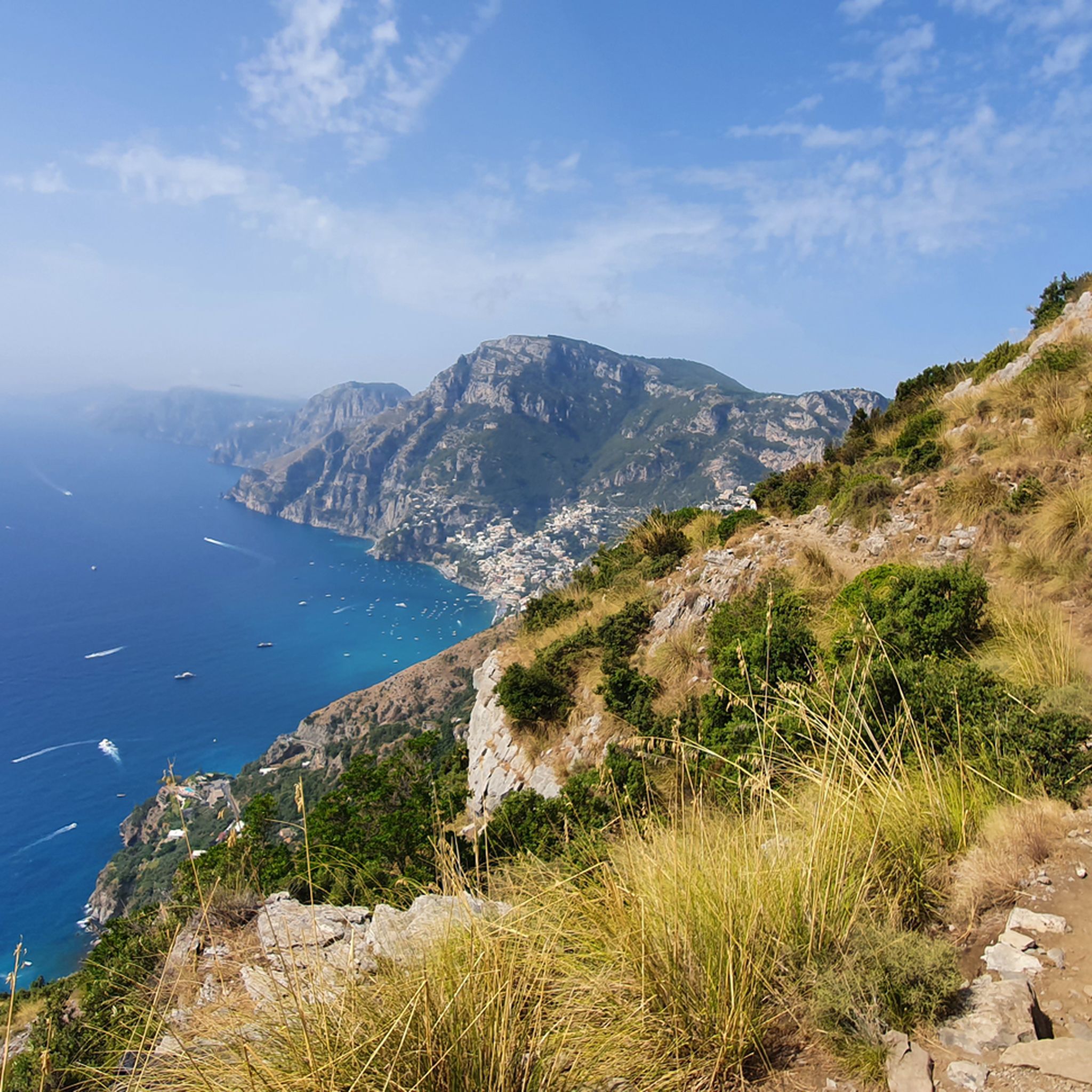
The hike on the Sentiero degli Dei from Bomerano to Positano is a highlight on the Amalfi Coast. Breathtaking views accompany the path, which does not require a guide, but does require good shoes and plenty of water. After about 30 minutes, the path splits into a higher and a lower route, which later merge again. The destination is Nocelle, where you can fortify yourself with a refreshing lemon slush. From there, two paths lead down to Positano, either via Montepertuso or directly over hundreds of steps. Setting off early in the morning is recommended.
0
0

Stop by Gino and tell him that Corrado sent you, he will give you a smile, an incredible guy
2
0

This cave is located right at the beginning of the Gods' Path.
0
0

In Lettere there is the Benedictine hermitage, or the place where the Benedictine hermit monks retired to pray, a place also known as the veins of San Benedetto. The hermitage offers visitors an incomparable panorama of the Sarno Valley and Vesuvius, as well as allowing them to enjoy an unusual view of the historic Castello di Lettere. Around the hermitage a series of small natural cavities were probably used by Benedictine hermit monks to pray, and a completely frescoed chapel was built in one of these. Unfortunately these frescoes have not withstood the neglect of time and acts of vandalism, but what remains of them shows that they dated back to around 1,000 years ago.
23
0

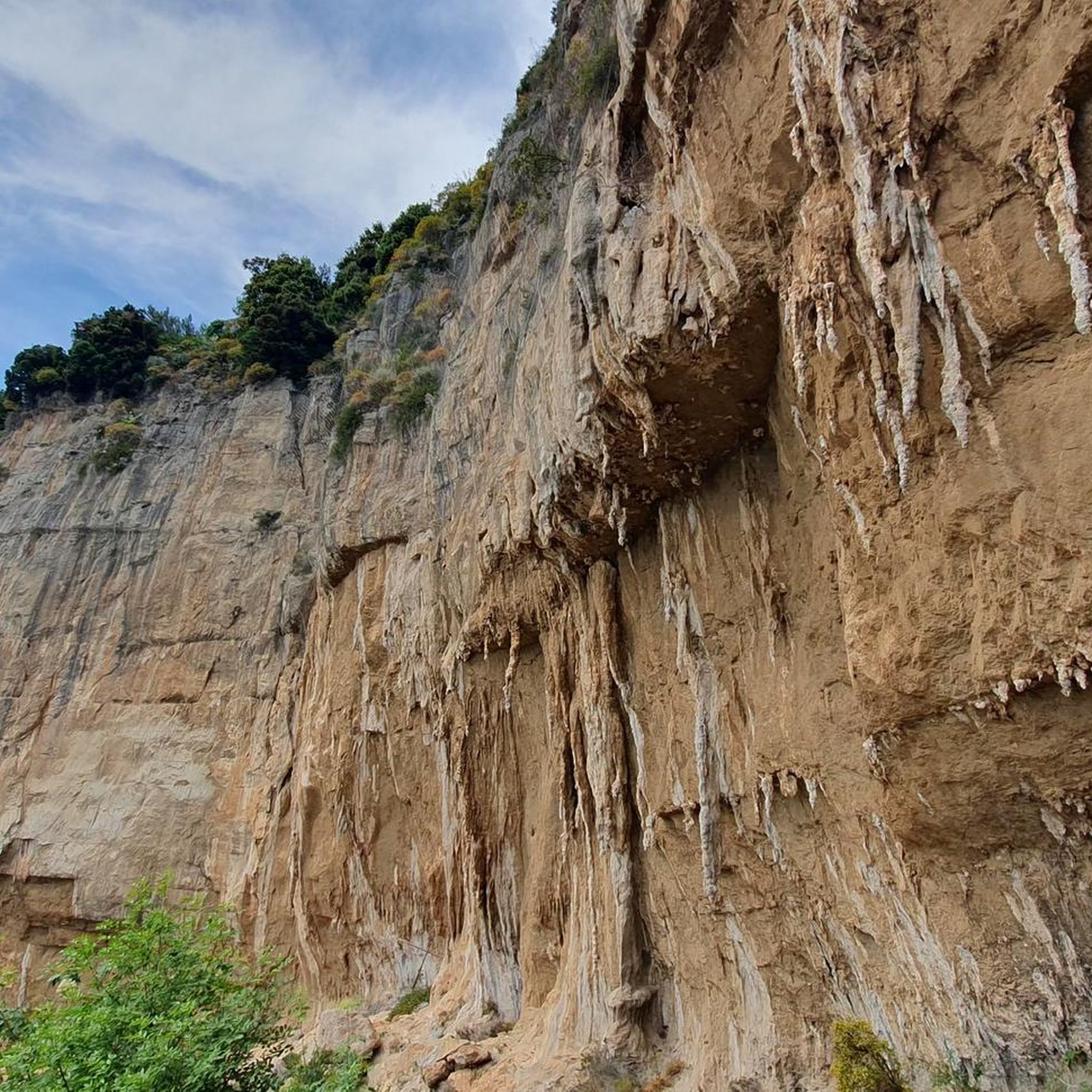
Named after its geologic formation, similar to the shape of a biscuit bread (typical product of Agerola): Cool cave and rock buildings clinging to the cliff hanging over the edge of the mountain when leaving Bomerano on the Path of Gods: great start.
5
0
Frequently Asked Questions
What types of caves can I explore near Positano?
The Positano area offers a mix of sea caves, historical caves, and natural rock shelters. You can find unique geological formations like the Biscuit Cave, historical sites such as the Hermit's Cave and Sculpted Holy Family, and sea caves accessible by boat tours, including the famous Emerald Grotto.
Are there any sea caves near Positano known for their unique colors?
Yes, the region is famous for its colorful sea caves. The Emerald Grotto (Grotta dello Smeraldo), located in Conca dei Marini, is renowned for its mesmerizing emerald green waters, created by sunlight filtering through an underwater opening. Another notable one is the Green Grotto (Grotta Verde) near Capri, also known for its vibrant green hues.
Which caves near Positano have historical or religious significance?
The Hermit's Cave and Sculpted Holy Family is a historical site where a hermit once spent nights, leaving behind a 'Holy Family' carved into the rock. Additionally, the Cave of Saint Benedict in Lettere was a Benedictine hermitage, with small natural cavities used by monks for prayer and a chapel that once featured frescoes dating back around 1,000 years.
Can I visit caves with unique geological formations near Positano?
Absolutely. The Biscuit Cave is named for its geological formation resembling a biscuit bread. The Grotta dello Zoccolaro (Heart Cave) is another example, known for its entrance remarkably similar to the shape of a large heart.
What is the best way to explore the sea caves around Positano?
Many of the sea caves, such as the Emerald Grotto, San Pietro Cave, and Santa Barbara Cave, are best explored as part of a boat tour departing from Positano. These tours often provide access to hidden coves and offer opportunities for swimming and snorkeling in the crystal-clear waters.
Are there any caves near Positano that are good for swimming?
Yes, several caves offer excellent swimming opportunities. The San Pietro Cave and Santa Barbara Cave, both a short distance from Positano, are scenic spots for swimming. The Conca dei Marini Cave, with its beach accessible only by sea, is also ideal for a swim, as is the Green Grotto near Capri.
Are there hiking trails that lead to or pass by caves near Positano?
Yes, some caves are integrated into popular hiking routes. The Grotta degli Dei from Gino is located along the famous Sentiero degli Dei (Path of the Gods), offering stunning views of the Amalfi Coast. The Biscuit Cave is also found at the beginning of the Path of the Gods.
What other outdoor activities can I do near the caves around Positano?
Beyond exploring caves, the region offers various outdoor activities. You can find numerous cycling routes, such as those detailed in the Cycling around Positano guide, or enjoy running trails like those in the Running Trails around Positano guide. There are also challenging MTB trails available, as highlighted in the MTB Trails around Positano guide.
What is special about the Emerald Grotto (Grotta dello Smeraldo)?
The Emerald Grotto is unique for its vibrant emerald green water, caused by sunlight filtering through an underwater opening. Inside, you can see impressive stalactites and stalagmites, some reaching up to 10 meters, and an underwater nativity scene made of ceramic statues. Small rowing boat tours are available inside for a closer look.
Can I visit caves near Positano in winter?
While boat tours to sea caves might be less frequent or weather-dependent during winter months, many land-based caves or those accessible via hiking trails can still be visited. It's advisable to check local tour operator schedules and weather conditions if planning a winter visit to sea caves.
Are there any caves near Positano that offer panoramic views?
Yes, the Cave of Saint Benedict, part of a Benedictine hermitage in Lettere, offers an incomparable panorama of the Sarno Valley and Vesuvius, along with an unusual view of the historic Castello di Lettere.
What should I wear for cave tours in the Positano area?
For land-based cave explorations, especially those involving hiking, wear comfortable walking shoes with good grip. If you're taking a boat tour to sea caves, swimwear and a towel are essential, along with sun protection. A light jacket might be useful for cooler cave interiors or boat rides.
Most popular attractions around Positano

Get inspired with the komoot mobile app


Explore more
Extend your search for the best caves by checking out these guides of the top ones around Positano:
