Top 5 Castles around Borgo Pace
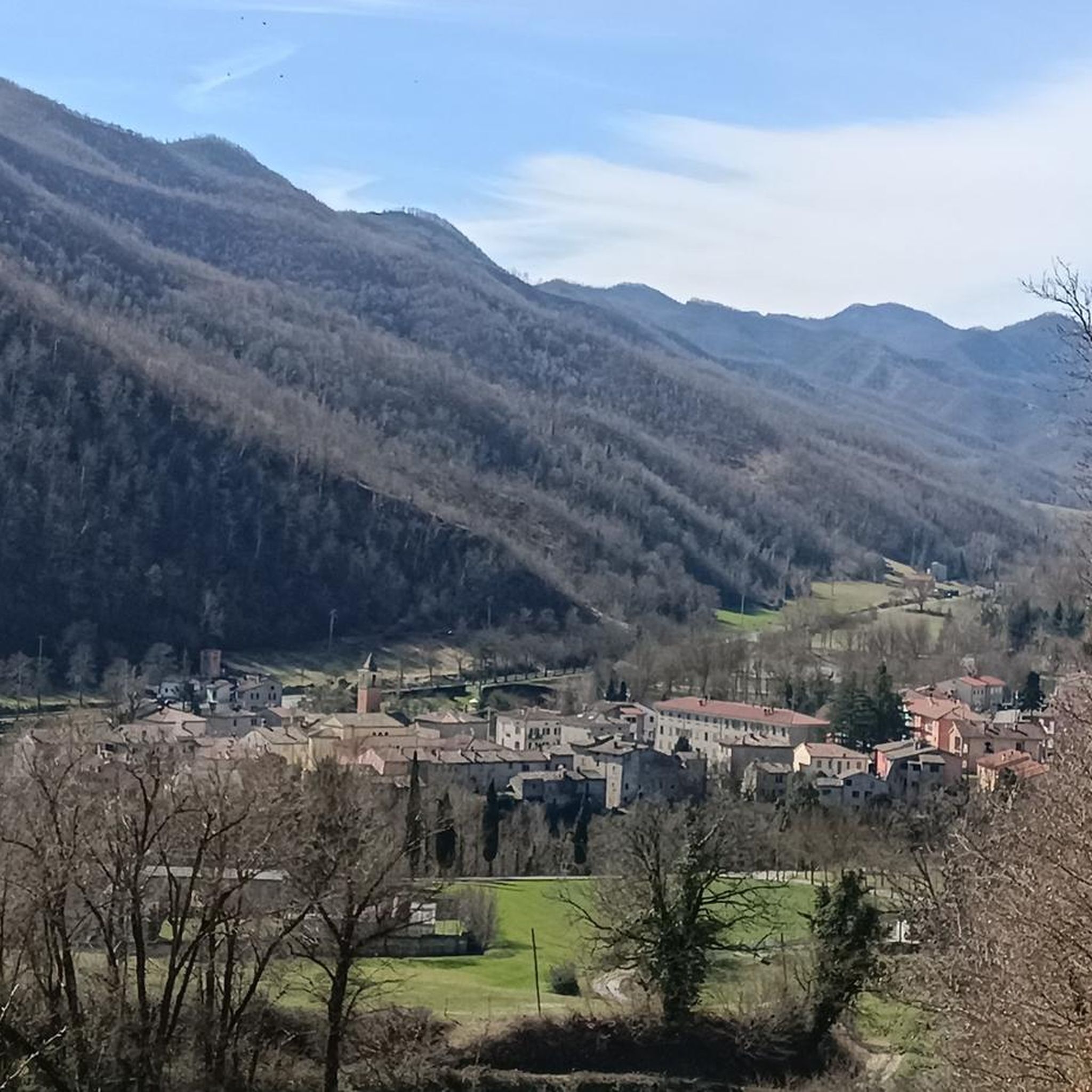
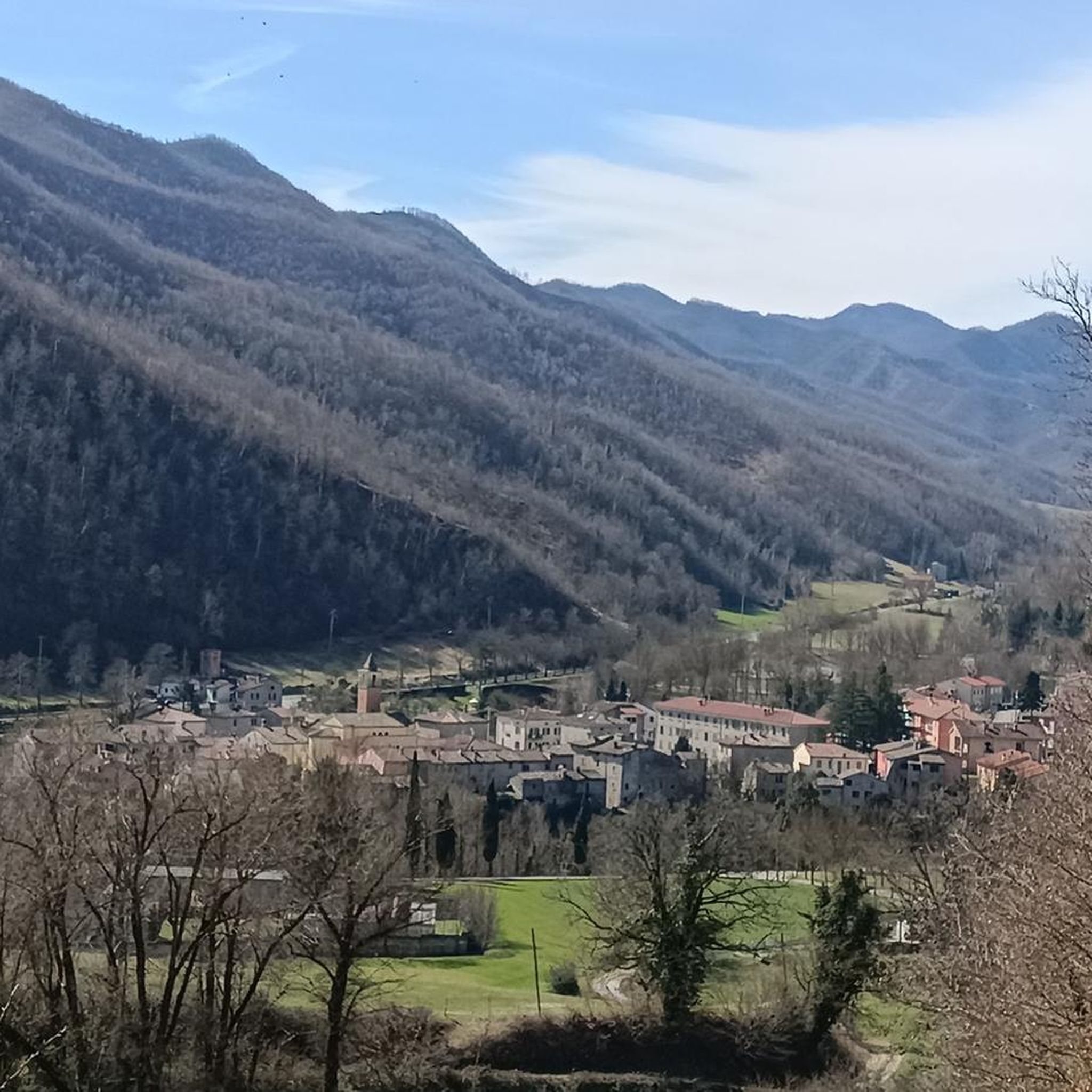
Best castles around Borgo Pace are found in this charming mountain village in the Marche region of Italy, which boasts a rich history deeply intertwined with its medieval past. Numerous hamlets originated from fortified castles that served as refuges for the local populace. The area offers a glimpse into historical significance through its remnants of medieval architecture and the natural beauty of the Apennine setting.
Best castles around Borgo Pace
- The most popular castles is Entrance to Castello Bufalini,…
Last updated: October 4, 2026
Entrance to Castello Bufalini
Highlight • Castle
The garden is beautiful and the rooms are very beautiful with …
Translated by Google •
Tip by

Castello della Pieve
Highlight • Castle
The Castle was built after the disintegration of …
Translated by Google •
Tip by

Sign up now to discover places like this
Get recommendations on the best single tracks, peaks, & plenty of other exciting outdoor places.
Campo di Belforte
Highlight • Settlement
Translated by Google •
Tip by

Monterone Medieval Village
Highlight • Settlement
Translated by Google •
Tip by
Palazzo Mucci
Highlight • Castle
Translated by Google •
Tip by
Start today with a free account
Your next adventure awaits.
Tips from the Community

The history of Palazzo Mucci, a castle fortified since the 12th century, is closely linked to that of the eight nearby medieval castles (first of all Castel dei Fabbri) which had a tormented fate: first united under the vicariate of Lamoli, they were then disputed by the Duke of Urbino, under the constant threat of the Brancaleoni family, and finally reconquered by the Church.
0
0
Monterone, located in the municipality of Sestino, in the province of Arezzo, is a place steeped in history and charm. This small medieval village, located on a hill and surrounded by fortified walls, still seems to retain the magic of the past. The old stone facades overlook the alleys that wind downwards like a spiral staircase. The view extends over the Foglia valley and reaches as far as Alpe della Luna, which acts as the border. It is no wonder that Monterone has acquired the nickname of Castello del Luto. The small square in front of the church is the scene of some musical events. Every year, in the first week after Easter, the lutenist Sigrun Richter holds a Masterclass for lute and Early Music Ensembles. During the summer, Ancient Music weekends are also planned for lutenists and singers with teachers Patrizia Vaccari (singing) and Sigrun Richter (lute) If you are passionate about history and culture, Monterone is definitely a place to visit. And if you have the opportunity to participate in one of the concerts or ancient music courses, you will be able to immerse yourself even more in the atmosphere of this enchanting village.
0
0
This ancient agglomeration is located 471 meters above sea level, surrounded by slightly higher mountains, immersed in a landscape of dense woodlands that make the air fresh and crisp... In this place, intoxicated by the inconstancy of the borders between Marche and Tuscany, disoriented, you can find a point of complete peace: Campo. As you approach the hamlet your gaze is captured by a particular building, which rises high above the roofs. Compact and yellowish (made of sandstone), it watches the approach of curious and unknown people from its vertical slits... The small castle, according to local tradition and a certain historiography, was the scene of an important historical event. In the second half of the 15th century, Campo, right in the Montefeltro area, found itself on the side of the Malatesta family of Rimini who, it should be remembered, still owned many castles in the Feretrano area. The ancient chronicles say that in the year 1439, the seventeen-year-old Federico di Montefeltro was seriously injured during the assault on a castle called 'Campli' and defined as an 'ignoble castle'. This castle, according to historical tradition, would be none other than today's hamlet of Campo di Belforte. It is certainly suggestive, today, to imagine the village still surrounded by walls with, at its feet, the Urbino troops (and the young Federico) lined up in siege against the occupiers who did not want to bend their insignia to the dukes of Urbino. Wandering around the small podium that supports the houses, you can still notice the remains of this city wall, heavily damaged and missing in most of its perimeter. Following what remains of the walls you arrive at a church. Its facade is gaunt, gray. At first glance it would seem like a church like many others, without any particular elements of value. However, approaching the wall on the right it is possible to notice some particular stones in the texture of the facing.
1
0

The Castello della Pieve was built near an ancient pagan temple dedicated, according to tradition, to the God of the river Metauro. The Castle was built after the disintegration of the Roman Empire in the 12th century, it was fortified to defend the ancient Pieve d'Ico, current Mercatello sul Metauro. With its high towers in large stone ashlars, the armigers defended this noble land from the intrigues of errant knights and from the conspiracies of the powerful. The Medieval Castle thus played an important role in the military geography of Massa Trabaria, Guelph stronghold and Vassalla of the Holy See.
0
0

It can be visited on weekends, thanks to a group of volunteers who accompany you on the guided tour. The garden is beautiful and the rooms are very beautiful with well-preserved furnishings. Worth a visit (but call to find out the times).
0
0
Frequently Asked Questions
What kind of historical sites can I expect to find among the castles in Borgo Pace?
The Borgo Pace area is rich in medieval history, featuring a mix of well-preserved castles, significant ruins, and fortified settlements. You'll find structures like Palazzo Mucci, which was a fortified castle from the 12th century, and the remnants of Castel Bavia, the foundational castle from which Borgo Pace itself originated. Many sites offer a glimpse into the region's turbulent past and defensive architecture.
Are there any well-preserved castles or just ruins in the Borgo Pace region?
You'll find a mix. While some castles like Castel Bavia are largely in ruins, offering historical insight into the region's origins, others are better preserved. For instance, Entrance to Castello Bufalini is a castle that can be visited on weekends, boasting well-preserved furnishings in its rooms and a beautiful garden. Castello della Pieve also features high towers in large stone ashlars, showcasing its historical military importance.
Which castles are particularly suitable for families visiting Borgo Pace?
For families, Entrance to Castello Bufalini is a great option. It's listed as family-friendly and offers guided tours, making history engaging for all ages. The well-preserved furnishings and garden add to the experience.
Can I find castles that offer panoramic views in the Borgo Pace area?
Yes, several historical sites in the region offer excellent viewpoints. For example, the Monterone Medieval Village, situated on a hill and surrounded by fortified walls, provides expansive views over the Foglia valley and as far as Alpe della Luna. The remnants of Castel Bavia also offer a panoramic view of the Auro valley.
Are there opportunities for hiking or other outdoor activities near the castles?
Absolutely. The Borgo Pace area is ideal for combining castle visits with outdoor activities. You can find numerous hiking trails, running routes, and mountain biking paths. For detailed routes and guides, explore the Running Trails around Borgo Pace or the MTB Trails around Borgo Pace guides.
What about cycling routes near the castles in Borgo Pace?
The region offers various cycling opportunities. You can find several routes for touring bicycles that pass through the scenic landscapes surrounding the historical sites. Check out the Cycling around Borgo Pace guide for routes like the 'Urbania Historic Center – Church of the Dead of Urbania loop' or the 'Sant'Angelo in Vado – Dal Boscaiolo Refreshment Point loop'.
Are there any castles with unique architectural features or historical connections?
Yes, Palazzo Mucci is notable not only for its 12th-century fortification but also for its 17th-century mansion that once hosted Luciano Bonaparte, Napoleon's brother. The complex includes a small church with a distinctive semi-cylindrical apse. Castello della Pieve was built near an ancient pagan temple and played a significant role in the military geography of Massa Trabaria.
What is the best time of year to visit the castles in Borgo Pace?
The Borgo Pace area, with its Apennine setting, offers natural beauty throughout the year. While specific castle opening hours may vary by season, the region is generally pleasant for exploration from spring through autumn. The summer months provide lush landscapes, while spring and fall offer milder temperatures and vibrant foliage. Always check individual castle schedules, especially for guided tours.
Are there any medieval villages or settlements worth exploring alongside the castles?
Definitely. The region is dotted with historical settlements that originated from fortified castles. The Monterone Medieval Village is a charming example, retaining the magic of the past with its old stone facades and alleys. Another significant site is Campo di Belforte, an ancient agglomeration with remnants of city walls and a small castle historically linked to Federico di Montefeltro.
How long should I plan for a visit to the castles in the Borgo Pace area?
The time needed depends on how many sites you wish to visit and whether you plan to combine it with other activities like hiking. For a single well-preserved castle like Castello Bufalini with a guided tour, allow 1-2 hours. If you plan to explore multiple sites, including ruins and medieval villages, and perhaps enjoy a short walk, a full day or even a weekend would allow for a more comprehensive experience.
What kind of facilities, like cafes, are available near the castles?
Borgo Pace is a charming mountain village, and while specific cafes directly adjacent to every castle ruin might be limited, the village itself and nearby towns offer amenities. The Monterone Medieval Village, for instance, hosts musical events in its small square, suggesting local activity. For more options, it's best to plan your visits to coincide with stops in Borgo Pace or other nearby settlements.
Is it possible to visit castles in Borgo Pace during the winter months?
Visiting during winter is possible, but access and opening hours might be more restricted, especially for sites that rely on volunteer guides like Castello Bufalini. Some ruins and outdoor sites remain accessible, but weather conditions in the Apennines can be challenging. It's advisable to check specific opening times and road conditions before planning a winter visit.
What are the parking options when visiting these castles?
Parking availability varies by location. For castles within or near villages like Borgo Pace or the Monterone Medieval Village, you can typically find parking in the village centers. For more remote ruins or sites, parking might be limited to roadside pull-offs or designated areas for trailheads. Always look for local signage or inquire locally upon arrival.
Most popular routes around Borgo Pace
Most popular attractions around Borgo Pace

Get inspired with the komoot mobile app


Explore more
Looking for the best castles somewhere else? Discover other guides around Borgo Pace:
