Top 5 Caves in Chartreuse
Caves in Chartreuse are found within the Chartreuse Mountains, a prealpine massif in southeastern France. This region is characterized by a rich karstic landscape, featuring limestone formations, gorges, and deep canyons sculpted by water erosion. The area offers a network of underground caves, providing diverse opportunities for exploration. These geological formations are distinct from the historic cellars where Chartreuse liqueur is aged.
Best caves in Chartreuse
- The most popular caves is La Balme Cave in Collomb, a cave that…
Last updated: August 11, 2026
La Balme Cave in Collomb
Highlight • Cave
Translated by Google •
Tip by

Grottes de Mandrin
Highlight • Cave
Translated by Google •
Tip by

Sign up now to discover places like this
Get recommendations on the best single tracks, peaks, & plenty of other exciting outdoor places.
Sign up for free
Échelles Tunnel and St. Christophe la Grotte Guesthouse
Highlight • Structure
Translated by Google •
Tip by

Guiers Mort Spring
Highlight • Cave
Translated by Google •
Tip by
Trou de la Rousse
Highlight • Cave
Translated by Google •
Tip by

Sign up for free to discover even more caves in Chartreuse.
Sign up for free
Already have an account?
Start today with a free account
Your next adventure awaits.
Login or Signup
Popular around Chartreuse
Crossing the Chartreuse – History in the making
P'tites Routes du Soleil (Little Routes of the Sun)
Cycling around La Belle Via — Bike rides in Isère
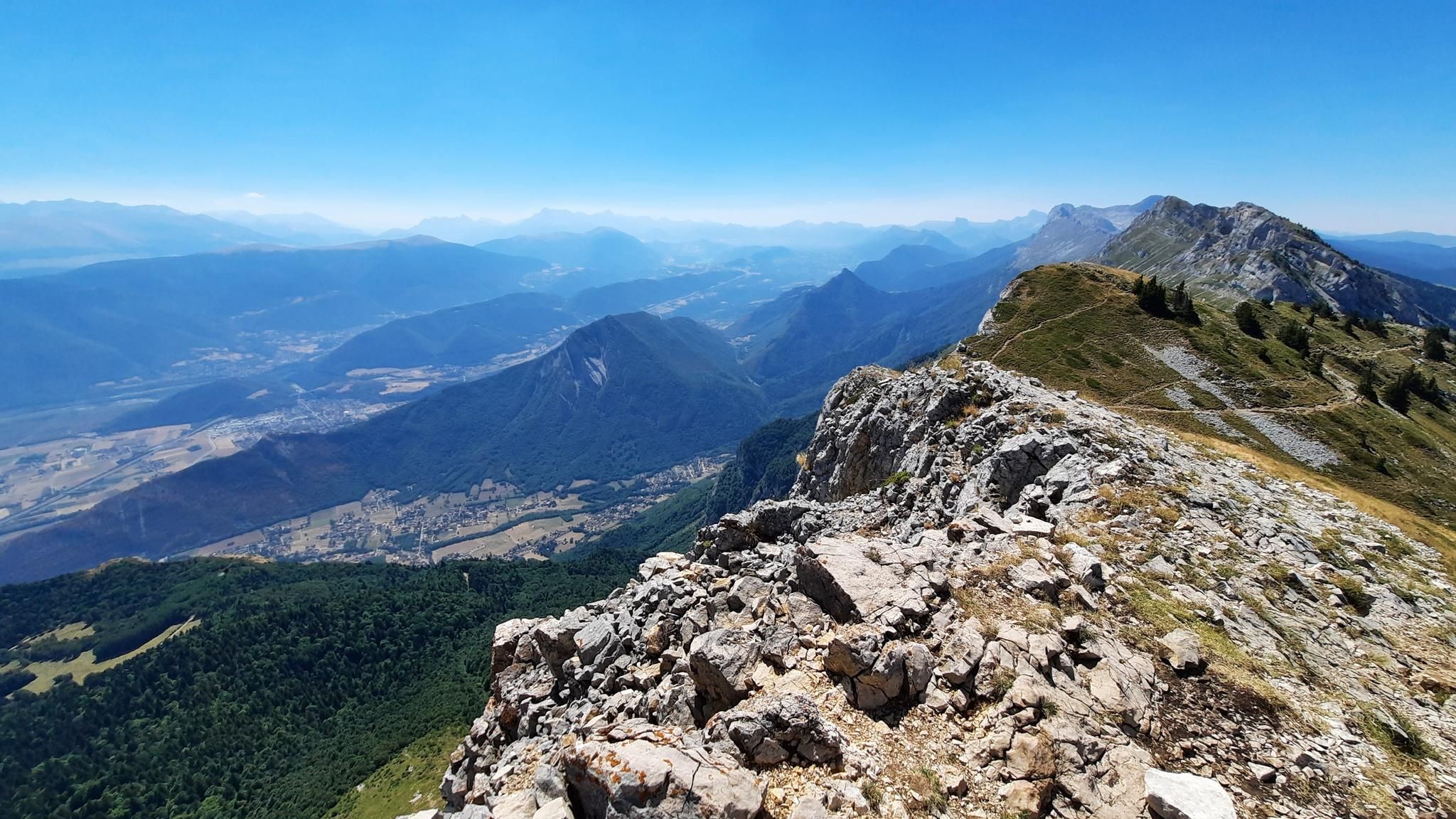
Summits, plateaus and panoramas — 20 trail outings in Chartreuse
The Alps trail – UT4M off
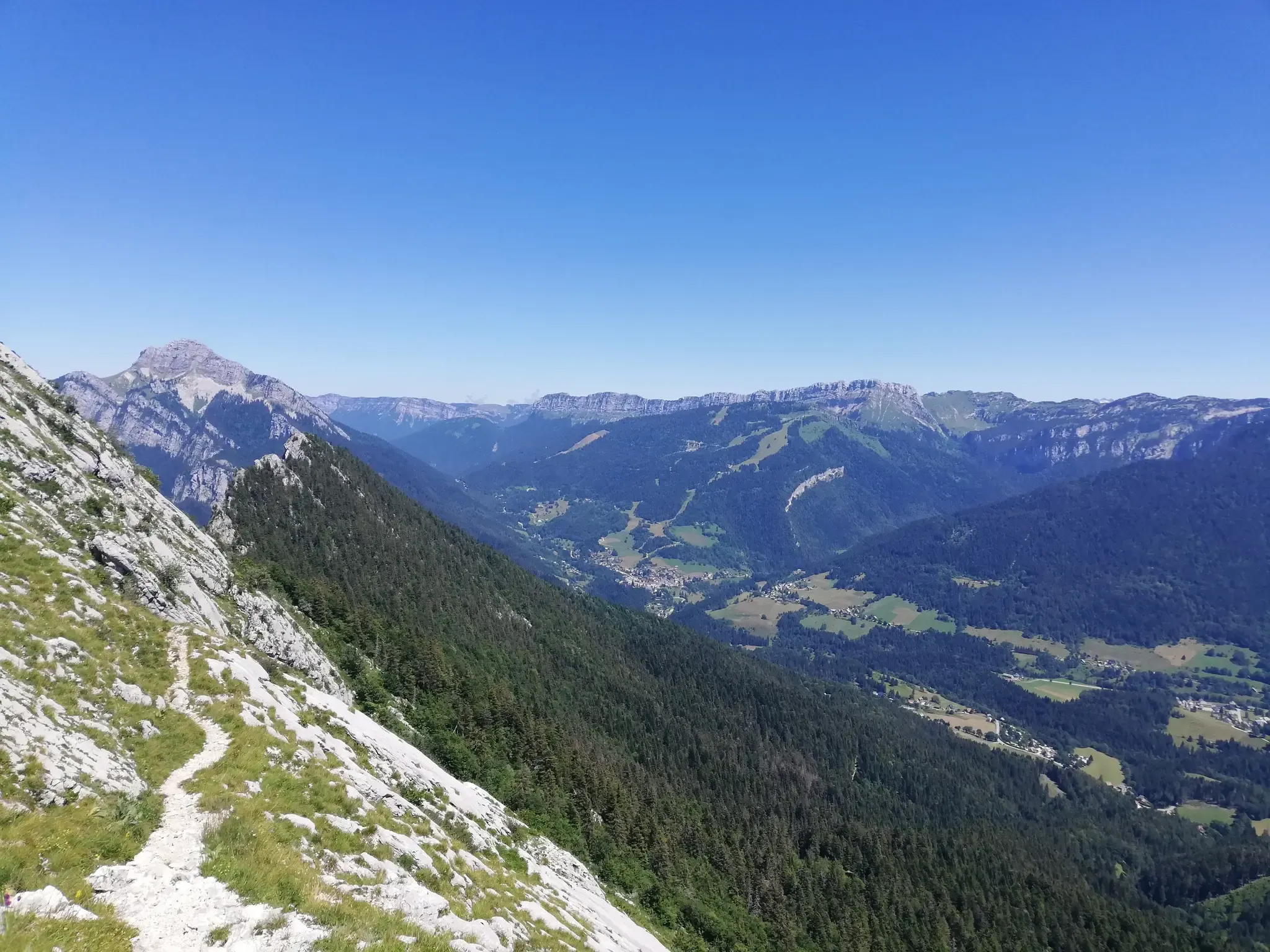
At the gates of Chartreuse in France – Grenoble to Voiron
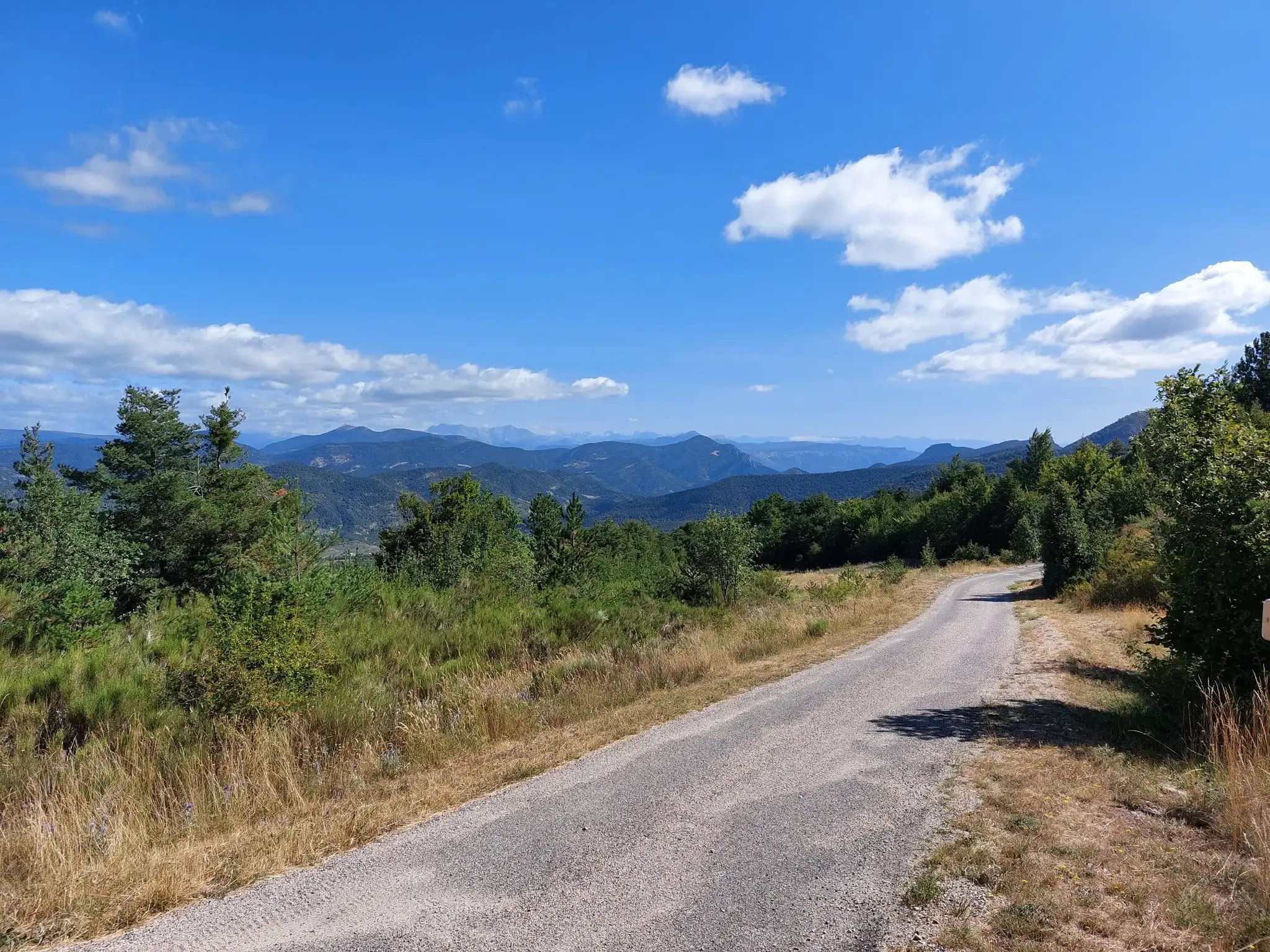
P'tites Routes du Soleil – crossing the pre-Alps from Lake Geneva to Nice
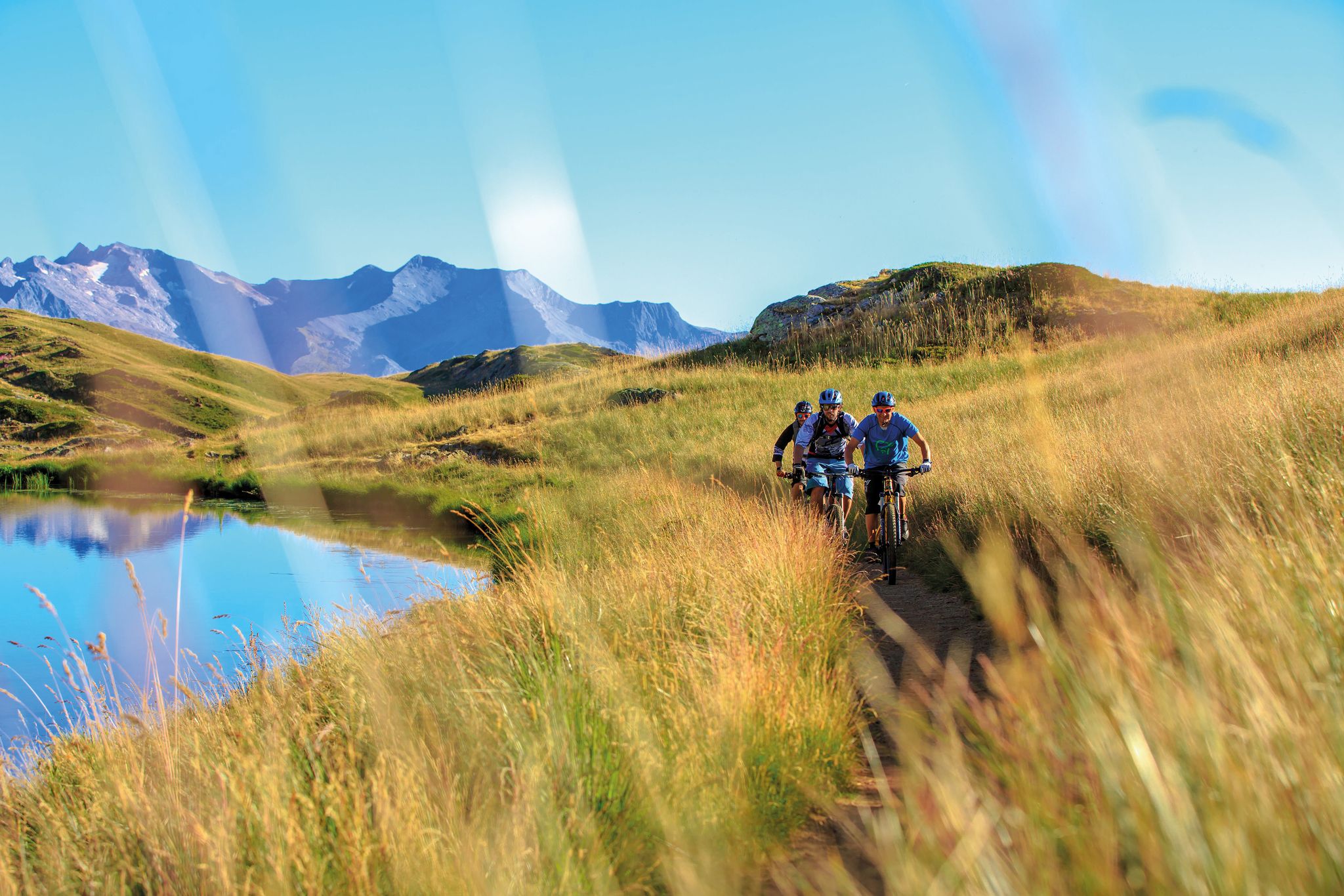
Great e-bike routes in Isère, France
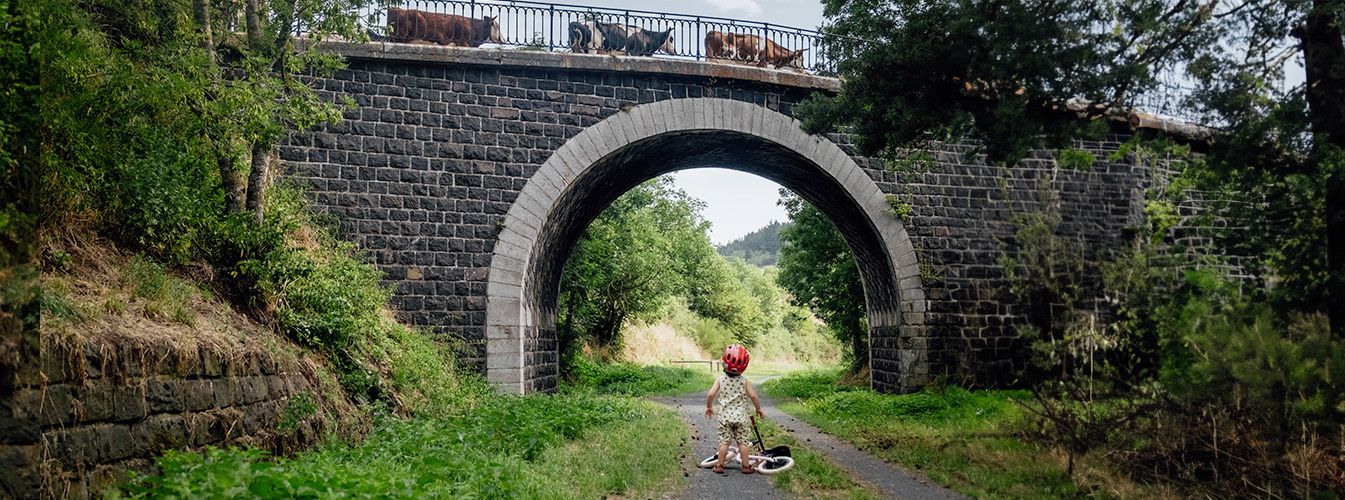
‘La Joyeuse Vadrouille’ – two months cycling with the family
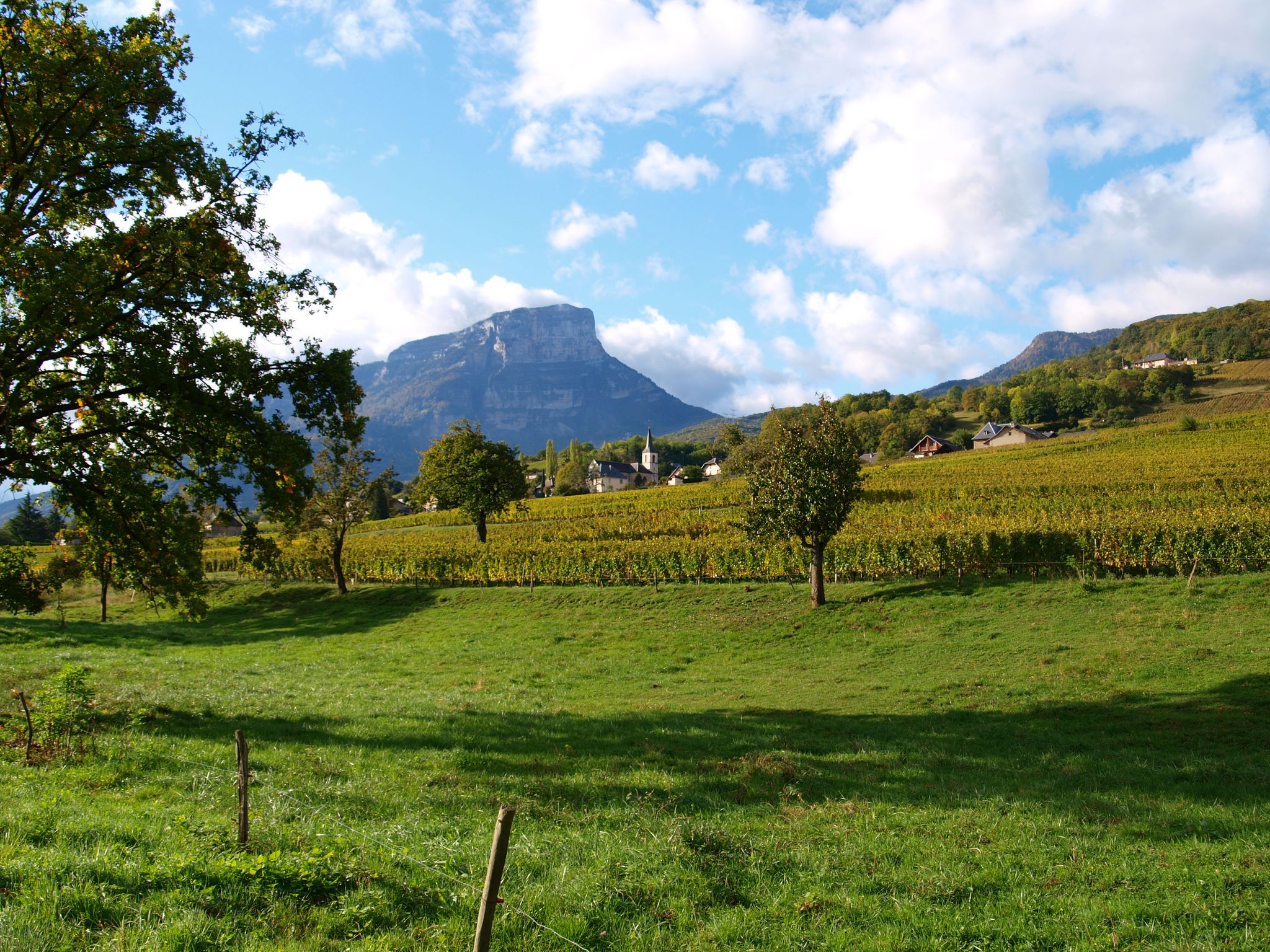
Follow the Huguenots — from Grenoble to Geneva on the GR 965
Other adventures in Chartreuse


Tips from the Community

Since there is lighting and only a short tunnel, it works quite well. Before that, the entrance or information about the grotto.
2
0

Anyone visiting the fortress should also walk through the caves.
1
0

Take the time to climb a little higher than at the Bastille, because it's impressive.
1
0

Be careful if komoot tells you 27% slope... it's actually just 5% (no GPS in the tunnel, komoot imagines that we go through the summit...)
3
0

Magnificent viewpoint, both at the top and at the bottom. Some technical sections favor hiking rather than trail running. You'll find ibexes (and their babies), chamois, and marmots at the summit. This is one of the trails worthy of a Windows wallpaper! 👌 If you do a full tour, there are some sections that are close to climbing, so be warned. However, it's possible to turn around everywhere, with plenty of side sections, so there are always solutions! 😁
0
0
short visit to the arch at the pas de montbrun
0
0
route by bus (T40) 8:40 a.m. Grenoble bus station for St Pierre de Chartreuse and return by bus T 85) to St Hilaire du Touvet 5:40 p.m.
0
0

A bit scary but a fun experience; amazing views as you exit!
1
0
Frequently Asked Questions
What types of caving experiences are available in the Chartreuse Mountains?
The Chartreuse Mountains offer a diverse range of caving experiences. You can find easy, family-friendly explorations like the Grotte Saint-Aupre, which is suitable for children. For those new to speleology, the Grotte Curée provides an excellent learning ground. More experienced adventurers can tackle challenging routes such as the extensive Réseau de la Dent de Crolles, known for its significant length and depth.
Are there any family-friendly caves to explore in Chartreuse?
Yes, there are family-friendly options. The Grotte Saint-Aupre, less than 45 minutes from Grenoble, is highlighted as a beautiful and very easy route, perfect for families and children looking for a gentle introduction to caving. Additionally, the Guiers Mort Spring offers a short visit to an arch at the Pas de Montbrun, accessible via public transport.
Which caves offer unique geological formations or viewpoints?
The Chartreuse region is rich in geological wonders. La Balme Cave in Collomb offers magnificent viewpoints both at the top and bottom. Grottes de Mandrin provides a succession of small caves and superb views of Grenoble. The Trou de la Rousse is also noted for its beauty, though it involves a challenging path.
Can I combine caving with other outdoor activities in Chartreuse?
Absolutely. The Grotte Curée offers 'acro-caving,' which combines caving with elements of climbing, abseiling, ziplining, and monkey bridges. The Caves of St Christophe also provide opportunities for acro-caving. For those interested in other sports, the Chartreuse region has numerous road cycling routes, running trails, and easy hikes.
What is the best time of year to visit the caves in Chartreuse?
While specific conditions can vary, many caves in Chartreuse are accessible during warmer months. However, the region's karstic landscape means some underground systems might be affected by seasonal water levels. For the most comfortable experience and to avoid winter conditions, late spring to early autumn is generally ideal. Always check local conditions and opening hours before planning your visit.
Are there any historical or cultural sites related to caves in Chartreuse?
Yes, beyond natural caves, the Chartreuse region is famous for the historic cellars where the Chartreuse liqueur is aged. These 'Caves de la Chartreuse' in Voiron offer tours and tastings, providing a unique cultural and historical experience distinct from the natural cave explorations. You can find more information on their official site: grenoble-tourisme.com.
What should I wear for caving in Chartreuse?
When caving in Chartreuse, it's essential to wear appropriate gear. This typically includes sturdy, waterproof footwear with good grip, comfortable clothing that you don't mind getting dirty, and layers to adapt to varying underground temperatures. Helmets with headlamps are crucial for safety and visibility. For more adventurous routes, specialized caving equipment may be required.
Are there any challenging caving routes for experienced speleologists?
Yes, the Chartreuse Mountains are home to several extensive and challenging cave systems. The Réseau de la Dent de Crolles is particularly renowned for its significant length (around 60 kilometers) and depth (690 meters), with routes like the Glaz-Annette crossing reserved for experienced speleologists. Other notable systems include Réseau de l'Alpe, Système du Granier, Réseau de Malissard, and Système Pinet-Brouillard.
How can I reach the caves in Chartreuse using public transport?
Some caves and related sites in Chartreuse are accessible via public transport. For example, the Guiers Mort Spring can be reached by bus (T40) from Grenoble bus station. For other locations, public transport options may vary, so it's advisable to check local bus schedules and routes in advance, especially when planning to visit specific cave entrances.
What do visitors enjoy most about exploring the caves in Chartreuse?
Visitors frequently highlight the stunning natural beauty and the sense of adventure. Many appreciate the magnificent viewpoints offered by caves like La Balme Cave in Collomb and the impressive geological formations. The opportunity to see wildlife like ibexes and chamois, as well as the unique experience of crossing mountains through caves, are also highly valued.
Are there guided tours available for the caves in Chartreuse?
Yes, guided tours are available for several caves, especially for those offering beginner or acro-caving experiences. The Caves of St Christophe, for instance, often provide guided tours that share the fascinating history of the area. For specific caves like Grotte Saint-Aupre or Grotte Curée, it's recommended to check with local tourism offices or caving organizations for guided tour availability and booking information.
What is the significance of the Échelles Tunnel and St. Christophe la Grotte Guesthouse in relation to the caves?
The Échelles Tunnel and St. Christophe la Grotte Guesthouse is a notable site. The eastern entrance to the tunnel also serves as an entrance to the Grotte Supérieure des Échelles, connecting man-made infrastructure with natural cave systems. This area offers an interesting blend of historical engineering and natural exploration, with visitors often noting the amazing views upon exiting the tunnel.
Most popular routes in Chartreuse
Most popular attractions in Chartreuse

Get inspired with the komoot mobile app


Explore more
Extend your search for the best caves by checking out these guides of the top ones in Chartreuse:
