Top 6 Caves in Meurthe-et-Moselle
Best caves in Meurthe-et-Moselle are found within a region characterized by its rich karst landscape, particularly around the commune of Pierre-la-Treiche. This area features numerous caves formed in Bajocian limestone, a result of the Moselle River carving its path and dissolving the rock. These geological formations offer insights into the region's natural history and unique underground environments. The caves developed during the Middle and Lower Pleistocene periods, approximately 1.5 million to 300,000 years ago.
Best caves in Meurthe-et-Moselle
- The most…
Last updated: July 13, 2026
Sainte-Agathe Chapel
Highlight • Religious Site
Translated by Google •
Tip by

Sainte-Reine Cave
Highlight • Gorge
Translated by Google •
Tip by

Sign up now to discover places like this
Get recommendations on the best single tracks, peaks, & plenty of other exciting outdoor places.
Sign up for free
Mine Entrance with Stream
Highlight • Structure
Tip by

Poilus' Cave
Highlight • Historical Site
Translated by Google •
Tip by

Pierre-la-Treiche Caves
Highlight (Segment) • Cave
Translated by Google •
Tip by

Grand Rougimont
Highlight • Viewpoint
Nice point of view, caves to explore below and a point of high energy to recharge the batteries...
Translated by Google •
Tip by

Minette Mine Entrance
Highlight • Structure
Tip by
Le Trou du Gros Bois
Highlight • Cave
Tip by

Start today with a free account
Your next adventure awaits.
Login or Signup
Popular around Meurthe-et-Moselle
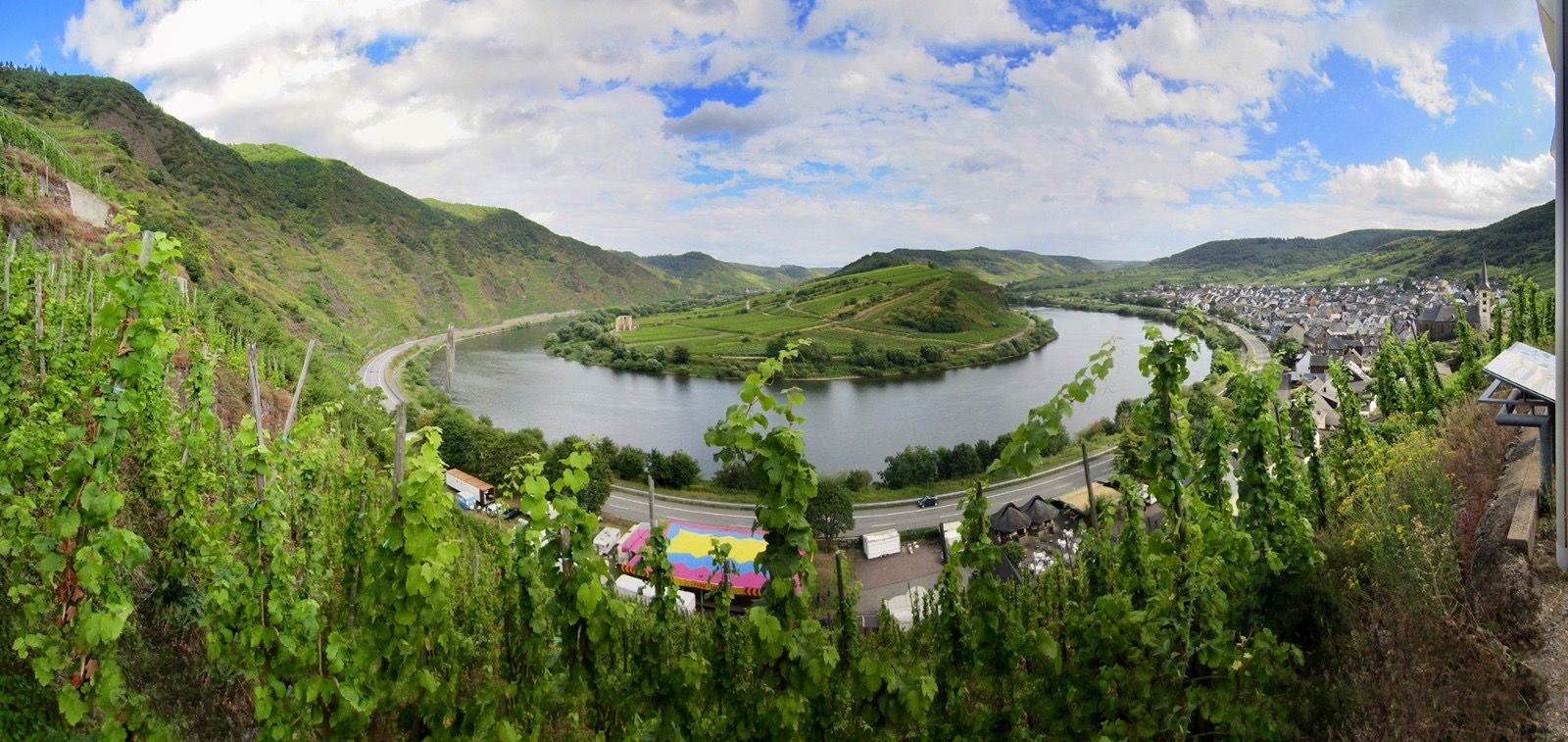
The Moselle cycle path — from the Vosges to the Rhine in 18 stages
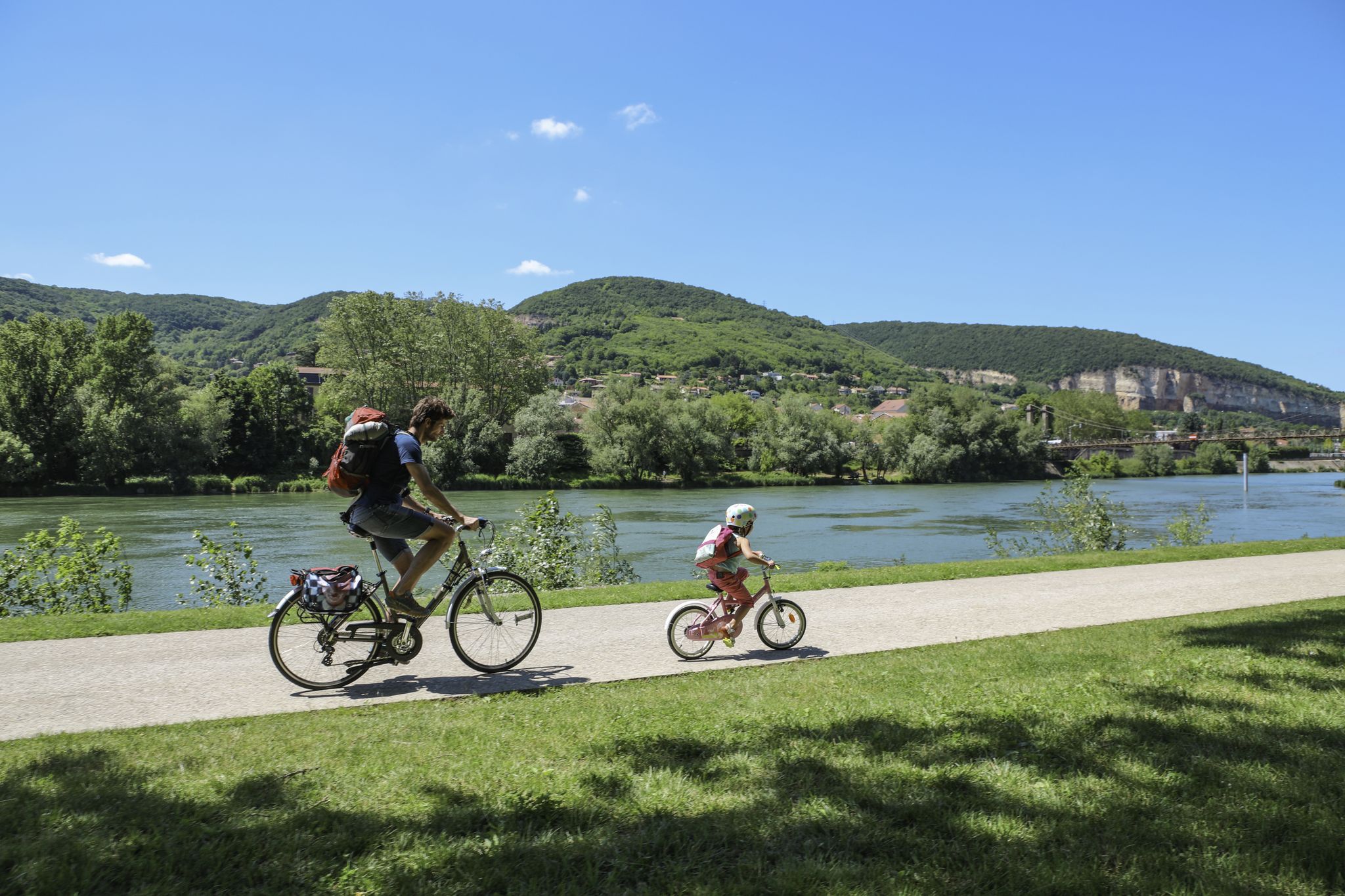
The Voie Bleue – Moselle-Saône by bike
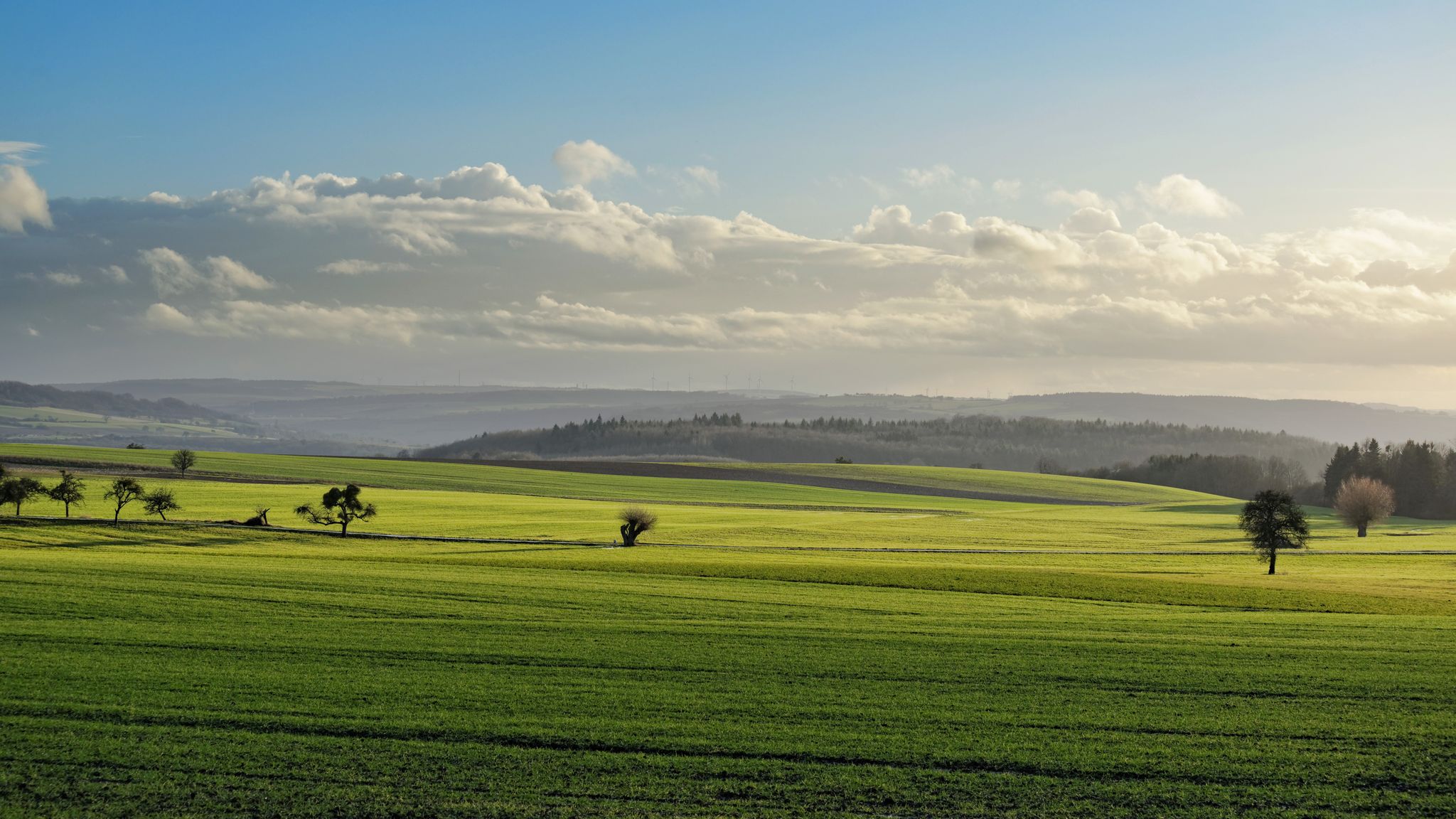
GR5 — The Europe Trail from Abreschviller to Apach
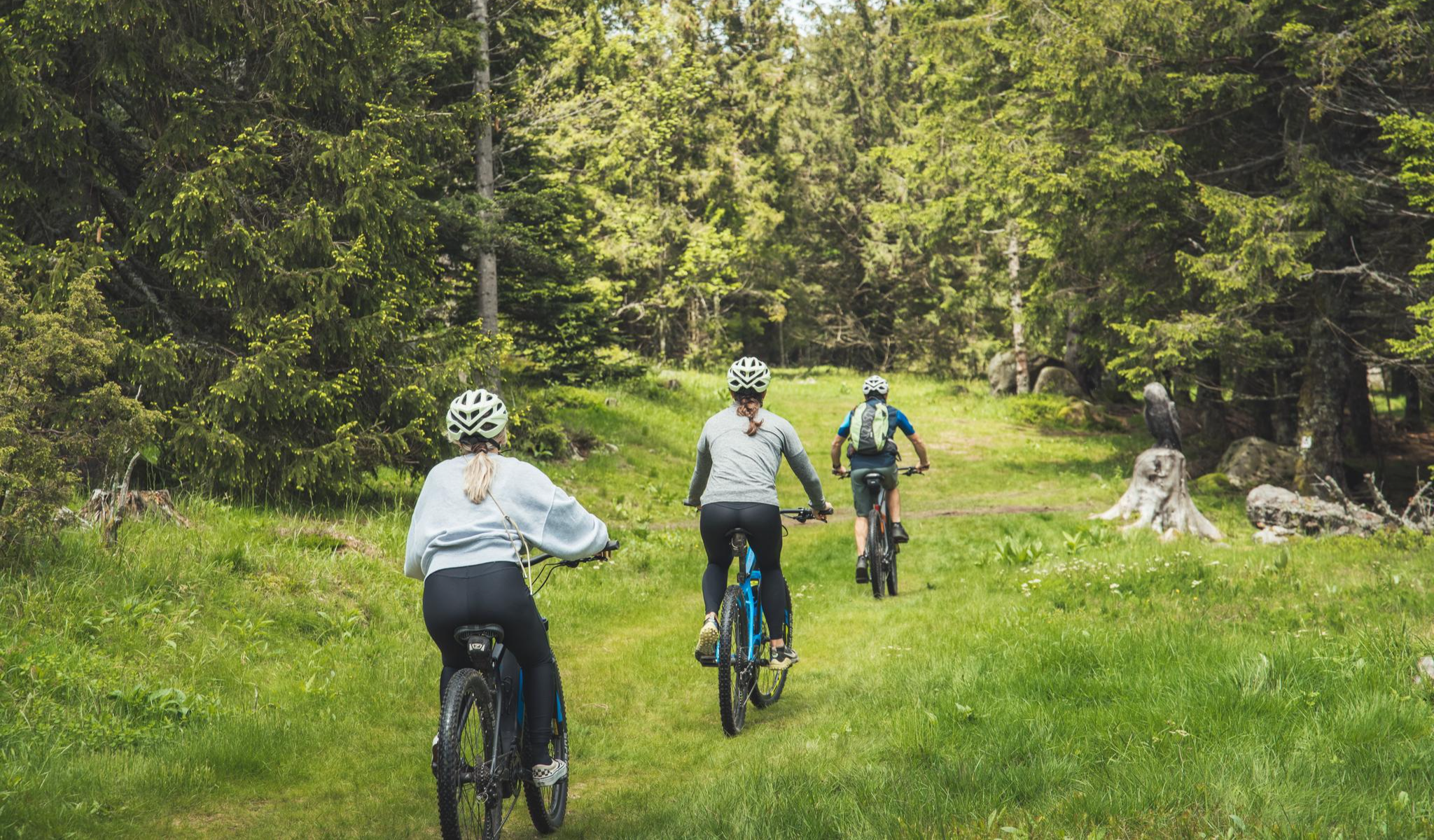
MTB and gravel in the Grand Est – the joy of the low mountains

The Grand Est without a car – cycling from station to station
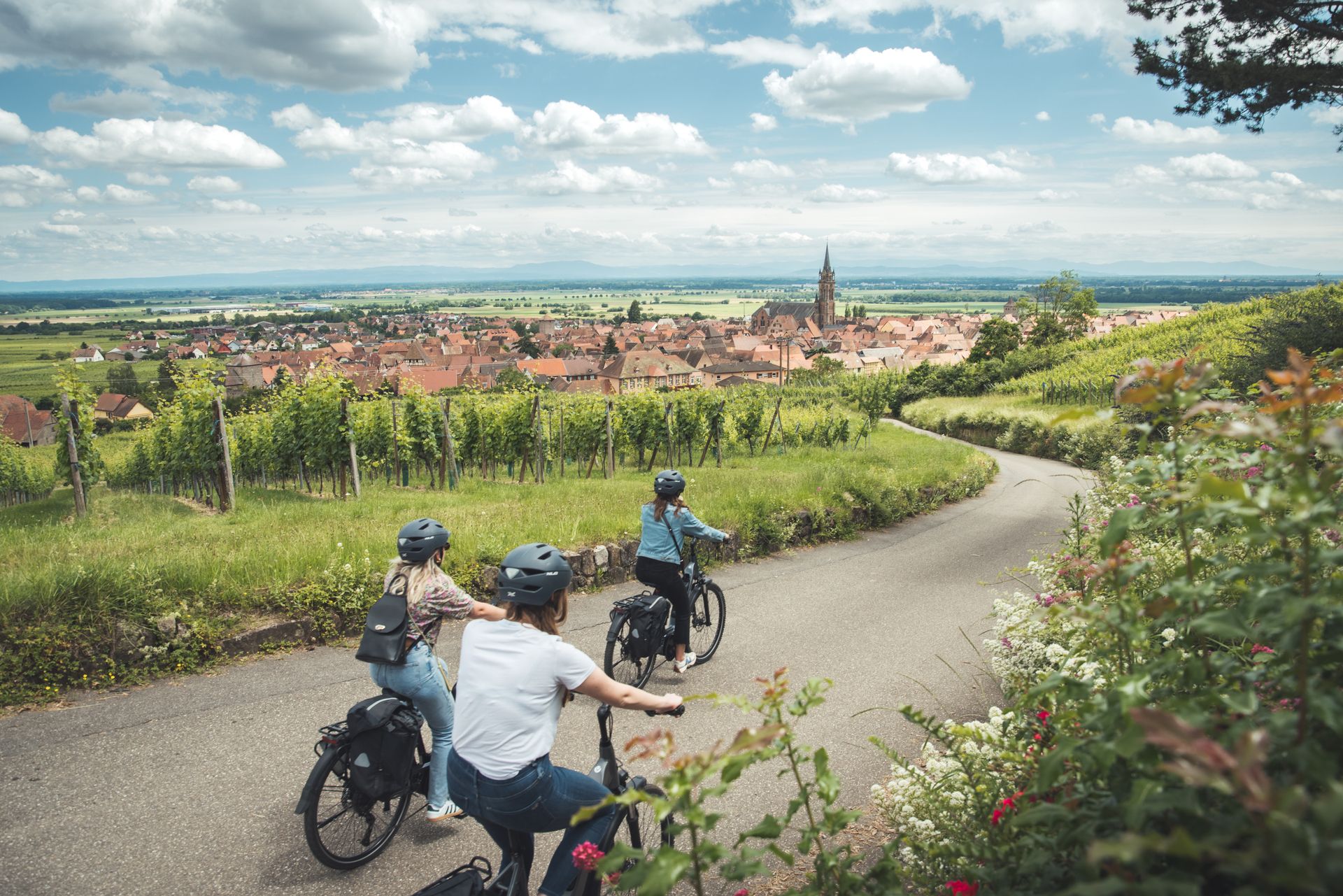
Wine getaways in the Grand Est — cycling between hillsides and traditions
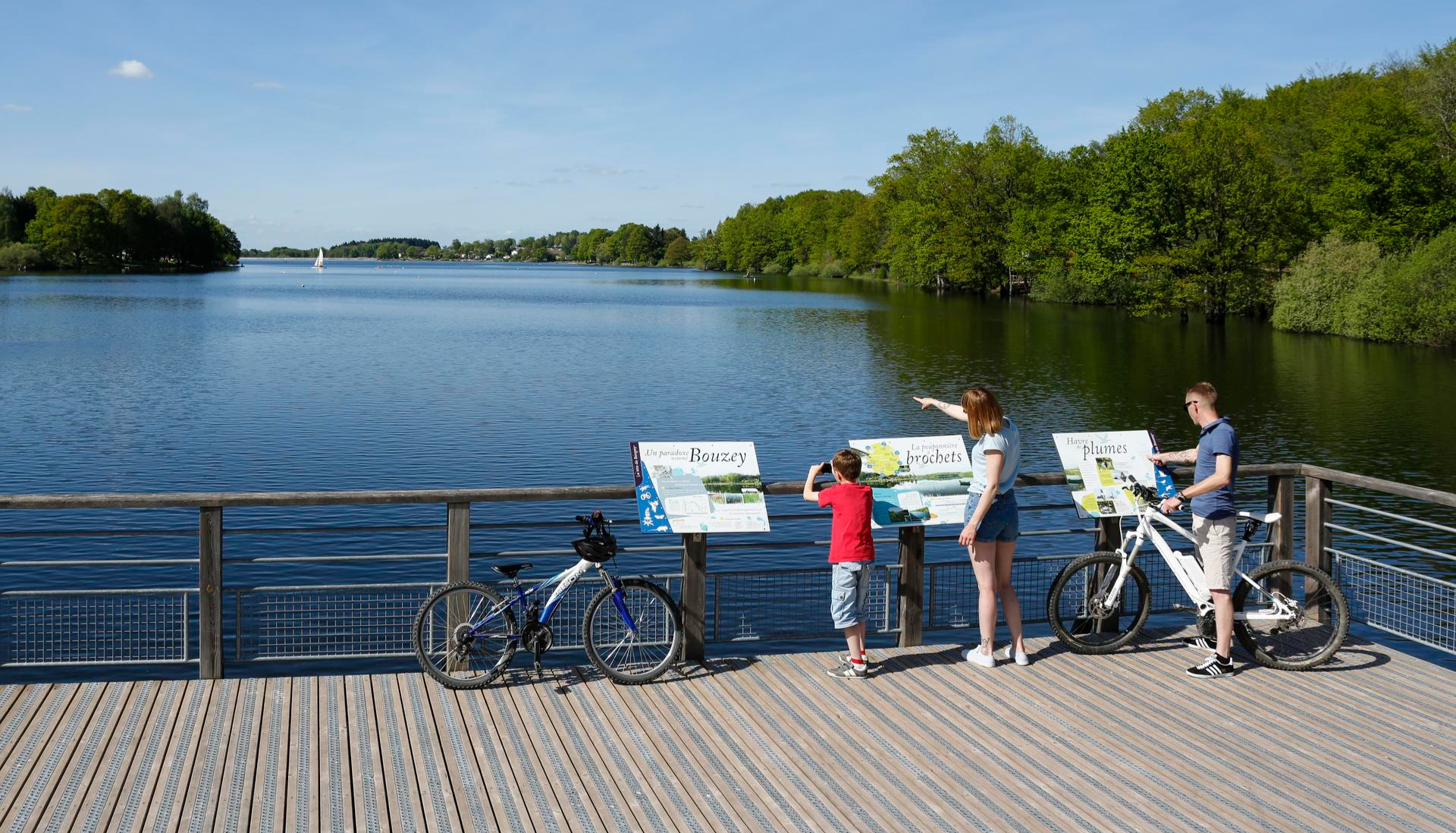
Family getaways – cycling in the Grand Est
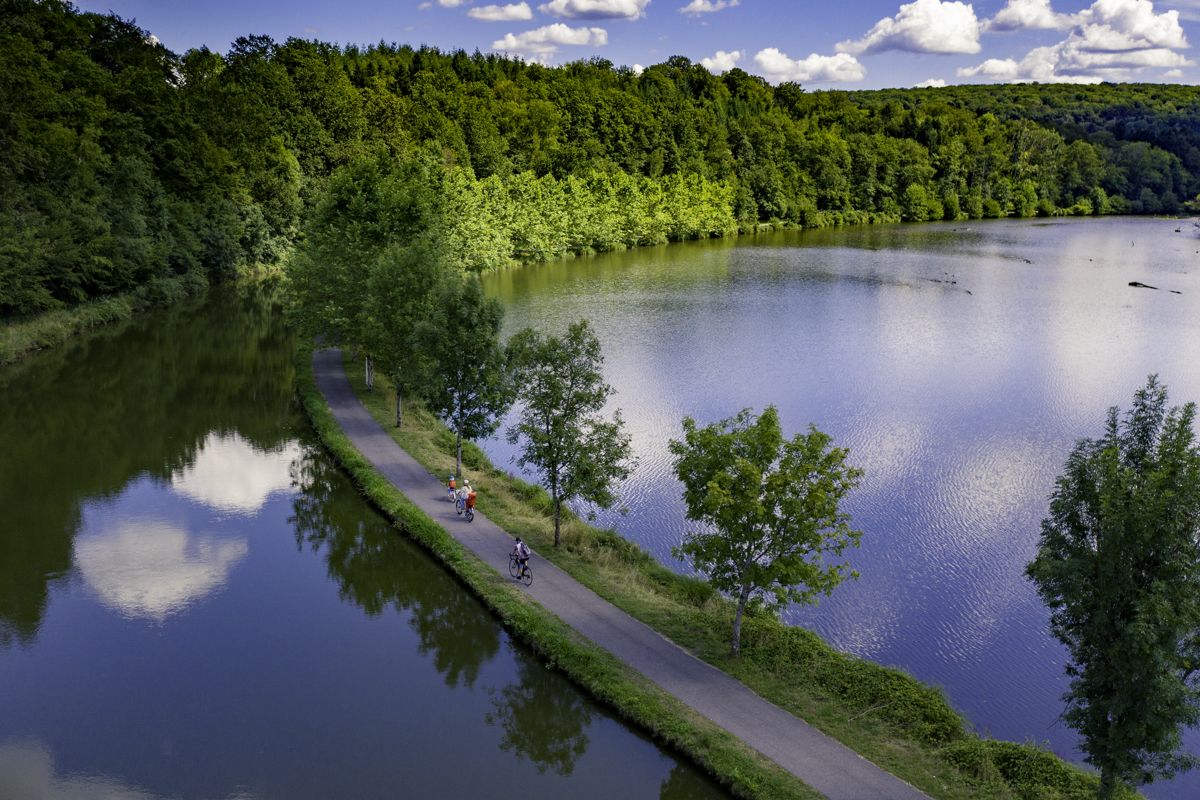
La Voie Bleue — “Cycle Route of the Year 2026”
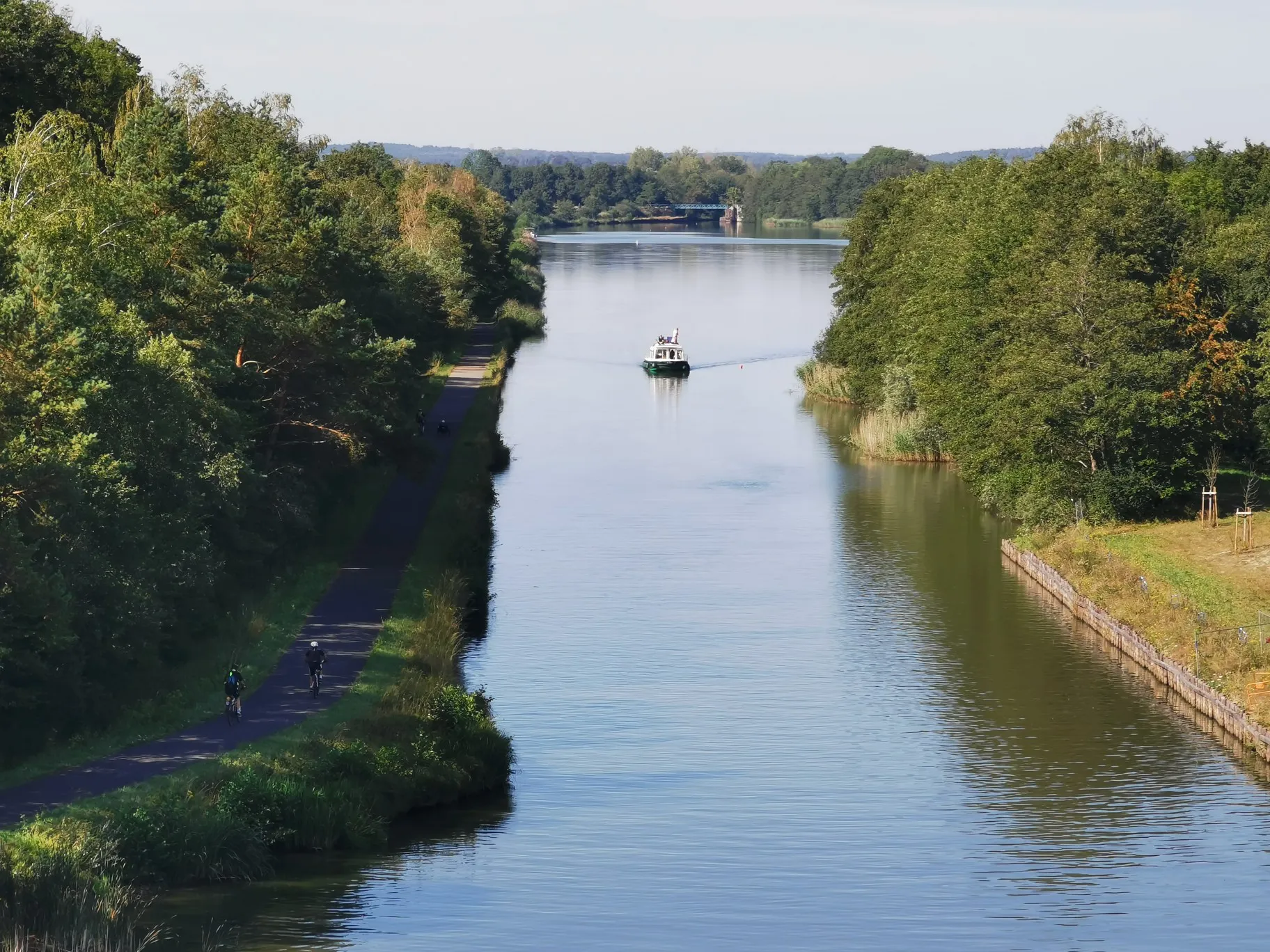
A river getaway – along the Marne-Rhine Canal
Linking Lorraine and Alsace – Stanislas-Kléber Path (GR 534)
Other adventures in Meurthe-et-Moselle


Tips from the Community

Historical reminder of life in the valley
0
0

Earth fissure formed naturally at the bottom of an earth funnel several meters deep. An underground passage leads to two galleries to a depth of approximately 37m. However, access to the cave is no longer possible and is blocked by a protective grille - it serves as a refuge for bats.
1
0
The Sainte-Reine cave or Sainte-Reine hole is the second natural cavity in the department of Meurthe-et-Moselle in terms of known development and has been classified as a historic monument since 1910. It has several entrances classified under the general name of "Caves known as Trou de Sainte-Reine" and was originally part of an endokarst under the bottom of the Moselle valley.
3
0

In these caves you are supposed to have strong knees because the passages in the caves are very low.
1
0

Magnificent almost 360 degree panorama. There is a very appreciable calm as the area is not very busy and the roads are far away. (you can even squeeze into some cavities in the rock!)
0
0

There are a number of mine entrances in the forest around Lasauvage where mining stopped in 1978. Minette is a type of mineral deposit, consisting of iron ore of sedimentary origin, found in the south of Luxembourg and in Lorraine.
2
0
I presume this must be an old mine entrance to the Hussingny-Godbrange iron mines.
1
0

This large cave served as an aid station for 4 years during the First World War.
4
0
Frequently Asked Questions
What types of caves can I explore in Meurthe-et-Moselle?
Meurthe-et-Moselle is known for its rich karst landscape, particularly around Pierre-la-Treiche, offering a variety of natural caves formed in Bajocian limestone. These include geological formations, historical sites, and deep underground cavities. You can find caves with unique features like the "Galerie des Géodes" in the Grotte des Sept Salles, or those with archaeological significance.
Are there any historical caves in the region?
Yes, Meurthe-et-Moselle features caves with significant historical importance. For example, Poilus' Cave served as an aid station for four years during the First World War. Another notable site is Sainte-Reine Cave, which is classified as a historic monument since 1910 and shows evidence of human occupation dating back to the 18th century.
What are the geological characteristics of the caves in Meurthe-et-Moselle?
The natural caves in Meurthe-et-Moselle primarily formed in Bajocian limestone, approximately 170 million years ago. This karst system developed as the Moselle River carved its path, dissolving the limestone. The formation of these caves is estimated to have occurred during the Middle and Lower Pleistocene periods, between 1.5 million and 300,000 years ago. The limestone is often rich in various fossils, and some caves feature speleothems like stalagmites and stalactites.
Are there any caves suitable for beginners or families?
While many natural caves in the region can be challenging, some areas offer more accessible experiences. The Pierre-la-Treiche Caves are a complex of many small and larger caves. Be aware that some passages in these caves can be very low, requiring visitors to navigate on all fours or with strong knees. Always check specific access regulations and difficulty levels before visiting.
What are the access regulations for caves like Grotte Sainte-Reine or those in Pierre-la-Treiche?
Access to many natural cavities in Meurthe-et-Moselle, especially around Pierre-la-Treiche, is regulated by the commune and the ONF (National Forests Office) due to conservation efforts and safety concerns. For specific details on Sainte-Reine Cave and others in Pierre-la-Treiche, it's advisable to consult local authorities or the ONF for current authorization requirements.
What should I wear when exploring caves in Meurthe-et-Moselle?
Given that many caves in the region, such as Sainte-Reine Cave and the Pierre-la-Treiche Caves, can have low aisles and passages requiring you to crawl or navigate on all fours, it's essential to wear sturdy clothing that you don't mind getting dirty. Helmets and headlamps are also highly recommended for safety and visibility in dark, confined spaces.
What is the deepest known cave in Meurthe-et-Moselle?
The deepest known natural underground cavity in Meurthe-et-Moselle is the Gouffre de Rouge Brûlé, located in Viviers-sur-Chiers. For more detailed information on the deepest cavities, you can refer to the list on Wikipedia.
Are there any other interesting underground sites besides natural caves?
Yes, beyond natural karst caves, the region also features historical underground sites. For instance, you can find old mine entrances like the Mine Entrance with Stream, which is believed to be an old entrance to the Hussingny-Godbrange iron mines, or the Minette Mine Entrance near Lasauvage.
What outdoor activities can I do near the caves in Meurthe-et-Moselle?
The region around the caves offers various outdoor activities. You can find numerous cycling routes, including road cycling and touring bicycle options, with guides like Road Cycling Routes in Meurthe-et-Moselle and Cycling in Meurthe-et-Moselle. There are also running trails available, detailed in guides such as Running Trails in Meurthe-et-Moselle.
What do visitors enjoy most about the caves in Meurthe-et-Moselle?
Visitors appreciate the unique geological formations and the historical significance of the caves. Many find the experience of navigating the low passages, such as those in Sainte-Reine Cave, to be very interesting and impressive. The historical context of sites like Poilus' Cave also adds a significant layer to the exploration.
Is there parking available near the main cave sites?
While specific parking information for every cave is not always readily available, for popular areas like Pierre-la-Treiche, it is generally possible to find parking in or near the commune. It is recommended to check local signage or inquire with the commune for the most convenient parking options when planning your visit to sites like Sainte-Reine Cave or the Pierre-la-Treiche Caves.
Can I visit the caves in Meurthe-et-Moselle during winter?
Access to natural caves can be seasonal or subject to weather conditions, especially during winter. While some caves might remain accessible, others may have restricted access due to safety concerns related to ice, water levels, or conservation. It's best to check with local authorities or the ONF for current access status during the winter months.
Most popular routes in Meurthe-et-Moselle
Most popular attractions in Meurthe-et-Moselle

Get inspired with the komoot mobile app


Explore more
Extend your search for the best caves by checking out these guides of the top ones in Meurthe-et-Moselle:
