Top 10 Caves in Vaucluse
Best caves in Vaucluse are found within a department in the Provence-Alpes-Côte d'Azur region of southeastern France. This area features a diverse range of underground formations, including deep karstic systems and ancient man-made mines. The region's porous rocks have allowed rainwater to carve out extensive underground rivers and sinkholes. These sites showcase varied geological features and historical significance.
Best caves in Vaucluse
- The most popular caves is Troglodyte Village of Barry, a historical site that was continuously inhabited from the Early Stone Age until after the Second World War. This impressive village features a complete layout entirely dug into the rock, including kitchens, stables, and cellars.
- Another must-see spot is Régalon spring cave, a challenging cave and gorge. Visitors can expect an exciting path with bottlenecks and climbing passages, often with water flowing through it after winter.
- Visitors also love Bruoux Mines, ancient ocher mines. These underground marvels form a labyrinth of tunnels stretching over 40 kilometers, adorned with vibrant colors, offering a unique experience of subterranean beauty and history.
- Vaucluse is known for natural karstic systems, ancient ocher mines, and historical troglodyte dwellings. The region offers a variety of caves to see and explore, from vast underground rivers to intricate man-made tunnels.
- The caves in Vaucluse are appreciated by the komoot community, with 120 upvotes and 137 photos shared.
Last updated: October 16, 2026
Troglodyte Village of Barry
Highlight • Historical Site
Translated by Google •
Tip by

Bruoux Mines
Highlight • Cave
Translated by Google •
Tip by

Sign up now to discover places like this
Get recommendations on the best single tracks, peaks, & plenty of other exciting outdoor places.
Thouzon Caves
Highlight • Gorge
Translated by Google •
Tip by

The Americans' Hole
Highlight • Cave
A short detour is highly recommended for those interested in nature.
Translated by Google •
Tip by

Régalon spring cave
Highlight • Cave
Translated by Google •
Tip by

Saint-Firmin Palace Cellars
Highlight • Historical Site
Translated by Google •
Tip by

Troglodyte Dwellings of Font de l'Orme
Highlight • Historical Site
Tip by

Old Ochre Mine Entrance
Highlight • Cave
Translated by Google •
Tip by

Caves of Combe de Malaval
Highlight (Segment) • Cave
Translated by Google •
Tip by

Le Monde Souterrain Museum
Highlight • Structure
Adults pay €8 and children aged 7 to 14 pay €6.50. A visit takes about forty minutes.
Translated by Google •
Tip by

Sign up for free to discover even more caves in Vaucluse.
Already have an account?
Start today with a free account
Your next adventure awaits.
Popular around Vaucluse

Triathlon 360 – my journey around the world
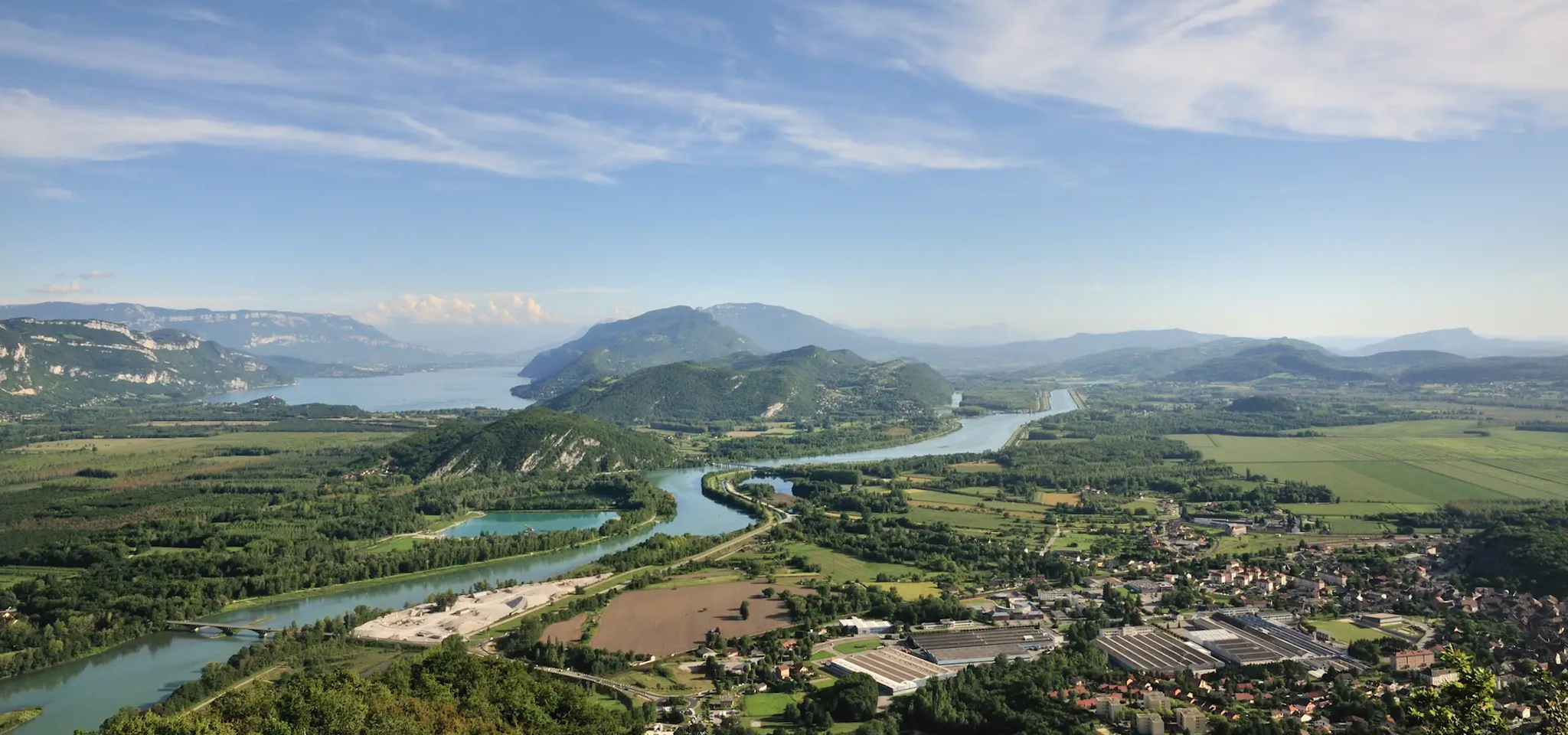
GR 9 from the Jura to the Mediterranean – Crossing contrasts
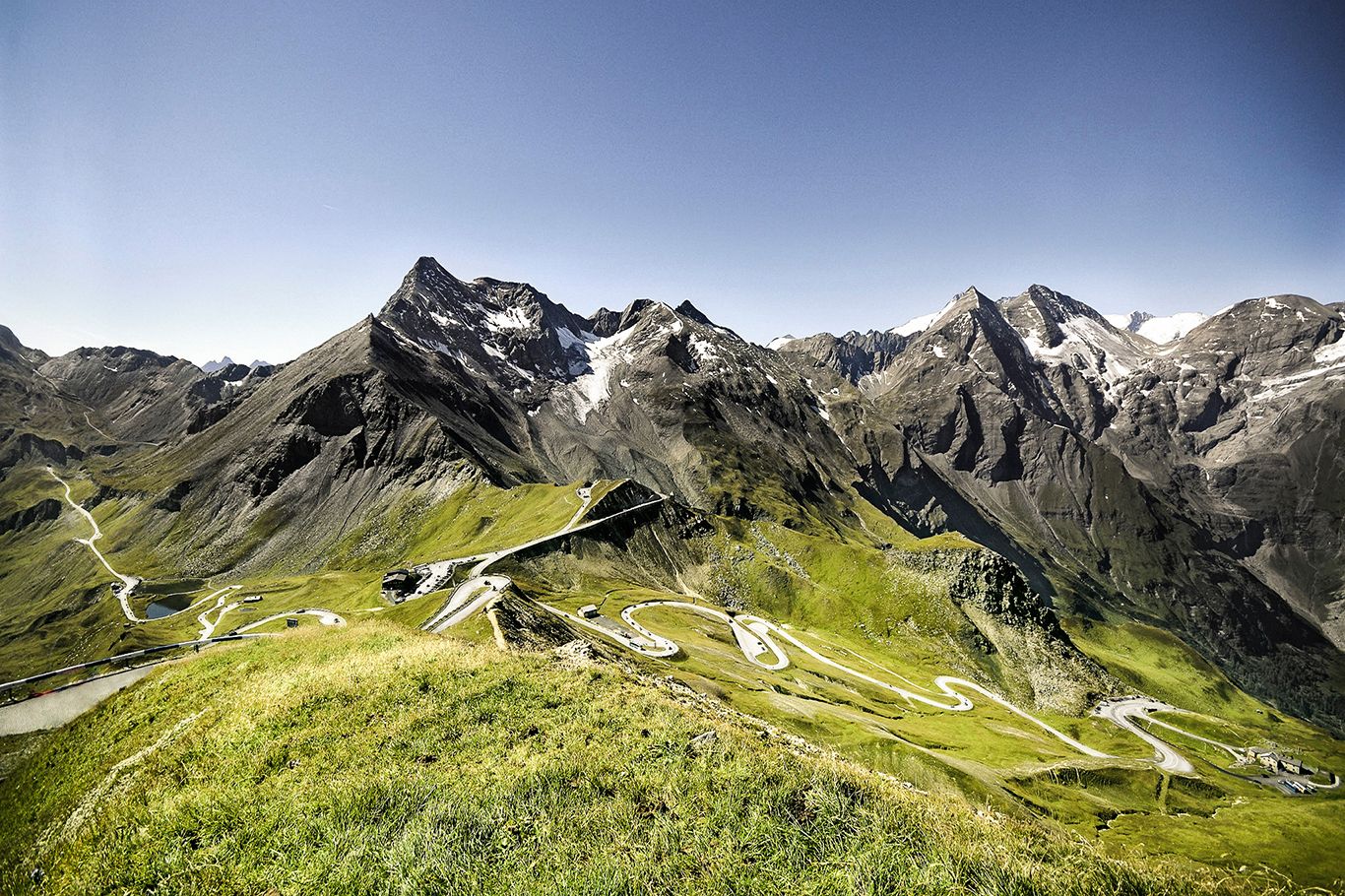
Three Peaks Bike Race — Vienna to Nice
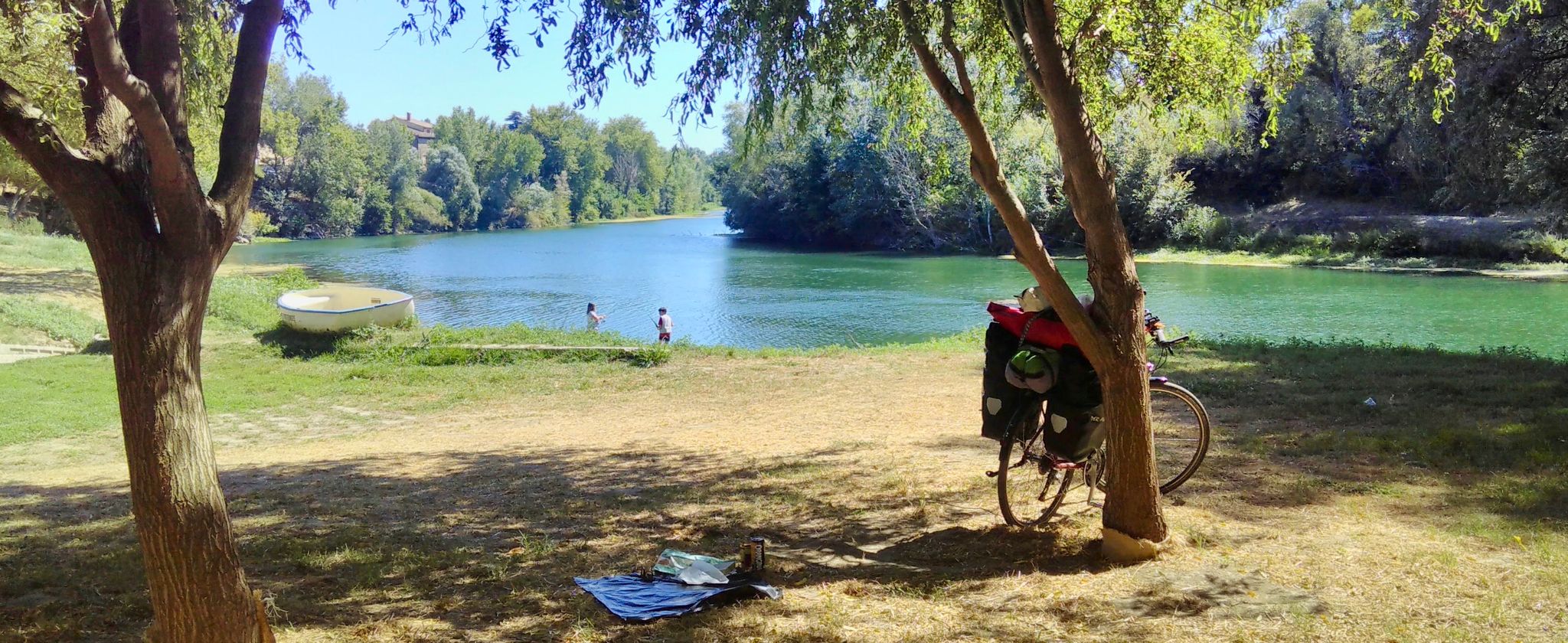
Via Rhôna — cycling the Rhone Valley Way from Lyon to the Mediterranean
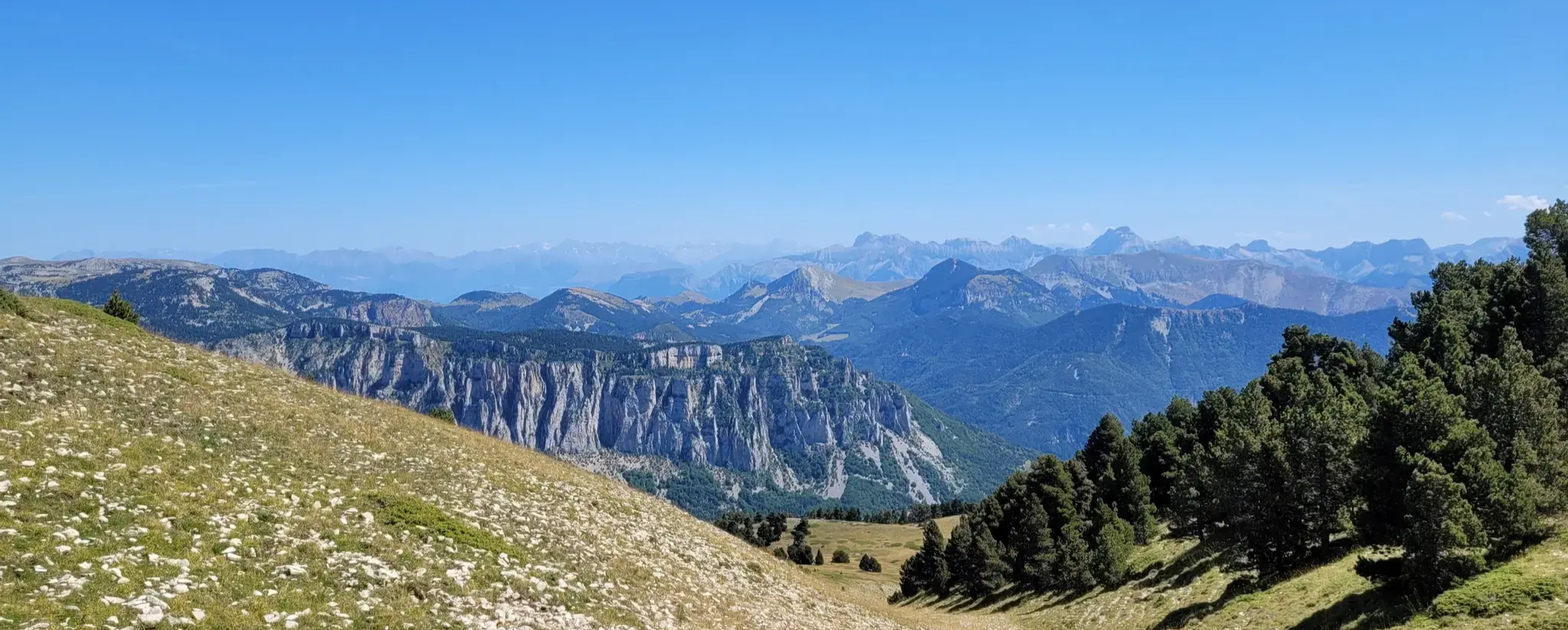
GR 91 - From the Vercors High Plateaux to Provence
France’s Best Sunrise & Sunset Hikes
Exceptional natural landscapes — La Grande Traversée de Vaucluse à VTT
Hiking in the Luberon – Biosphere Reserve and UNESCO Geopark
The four massifs — Gravel Tour de la Provence

Exploring France’s Luberon Regional Natural Park by bike
Other adventures in Vaucluse


Tips from the Community

A pleasant detour from the hiking trail for a short drink break
1
0

Fortunately, it is now a listed building
2
0
Absolutely worth seeing cave village
5
0

Beautiful gorge in the Luberon region
0
0

Prehistory and caving Adults pay €8 and children aged 7 to 14 pay €6.50. A visit takes about forty minutes.
7
0

It would be nice to live here!
1
0

Old abandoned mines, very dangerous, frequent vault collapses.
0
0

After the winter it goes through the water
0
0
Frequently Asked Questions
What are some unique natural caves to explore in Vaucluse?
Vaucluse offers several remarkable natural underground sites. The Thouzon Caves, also known as the Fairy Cave, are the only natural, subterranean site adapted for tourism in the region, featuring delicate stalactites and stalagmites. Another unique natural phenomenon is the Fontaine de Vaucluse, the resurgence of a vast underground river and France's largest spring, offering stunning natural beauty and a mysterious origin.
Are there historical or man-made caves worth visiting in Vaucluse?
Yes, Vaucluse has several fascinating historical and man-made underground sites. The Bruoux Mines are ancient ochre mines forming a labyrinth of tunnels adorned with vibrant colors, showcasing the region's industrial history. Additionally, the Saint-Firmin Palace Cellars in Gordes offer a glimpse into medieval life with vaults, cisterns, and an olive mill beneath the village.
What kind of geological formations can I expect to see in Vaucluse's caves?
Vaucluse's caves showcase diverse geological features. In natural caves like the Thouzon Caves, you can admire intricate stalactites, stalagmites, draperies, rimstone pools, and cave pearls. The region is also known for its extensive karstic systems, particularly on the Albion Plateau, which features deep sinkholes (avens) and underground rivers that feed the powerful Fontaine de Vaucluse spring.
Are there family-friendly caves in Vaucluse?
The Thouzon Caves are particularly suitable for families with young children. They offer an easy and accessible experience with a modest size and intimate atmosphere, providing a calm visit away from larger crowds. The consistently cool temperature also makes it a refreshing escape during hot summer months.
Which caves in Vaucluse offer an accessible experience for visitors?
For an accessible underground experience, the Thouzon Caves are recommended. They are adapted for tourism and provide an easy visit without long waiting times, making them suitable for a wide range of visitors. The Bruoux Mines also offer accessible sections of their vast tunnel network.
What is the best time of year to visit caves in Vaucluse?
Caves in Vaucluse can be visited year-round, as their internal temperatures remain relatively constant. However, visiting during the hot summer months offers a refreshing escape from the heat. The Fontaine de Vaucluse is particularly impressive in spring when the underground river's flow is at its peak due to snowmelt and rainfall.
What should I wear when visiting caves in Vaucluse?
Even in summer, caves maintain a cool and often damp environment. It's advisable to wear comfortable walking shoes with good grip, as surfaces can be uneven or wet. A light jacket or sweater is also recommended to stay comfortable inside the caves.
Are there caving experiences for beginners in Vaucluse?
Yes, the Albion Plateau is a hub for caving, and organizations like Accueil Spéléologique du Plateau d'Albion (ASPA) offer guided outings for both novices and experts. These experiences can range from leisurely discovery walks to more challenging explorations, always guided by certified instructors.
What outdoor activities can I do near the caves in Vaucluse?
The Vaucluse region offers a variety of outdoor activities. You can find numerous hiking trails, including moderate and difficult options, as detailed in the Hiking in Vaucluse guide. There are also mountain hiking opportunities, with routes around Mont Ventoux and the Dentelles de Montmirail, as well as running trails for various difficulty levels. The area is perfect for exploring the natural landscapes surrounding the caves.
Where can I see ancient troglodyte dwellings in Vaucluse?
You can visit the Troglodyte Village of Barry, a historical site continuously inhabited from the Early Stone Age until after the Second World War. This impressive village features a complete layout entirely dug into the rock, including kitchens, stables, and cellars. Another site is the Troglodyte Dwellings of Font de l'Orme.
Are there any caves in Vaucluse with significant ecological features?
Yes, The Americans' Hole is a natural monument and cave notable for its ecological significance. It harbors a rare biotope that temporarily becomes a wetland during certain seasons, making it interesting for nature enthusiasts.
Can I explore deep karstic systems in Vaucluse?
The Albion Plateau is renowned for its significant karstic systems, boasting 450 cataloged caves and sinkholes. While many are for experienced speleologists, guided tours can introduce visitors to these extensive underground networks, which include deep sinkholes like Aven Julien, reaching depths of -980 meters.
What makes the Fontaine de Vaucluse unique among the region's underground sites?
The Fontaine de Vaucluse is unique because it's not a traditional cave but the resurgence of a massive underground river, making it France's largest spring and one of the most powerful globally. It's a huge limestone pit, long considered bottomless, and is the outlet for an extensive underground river system collecting water from a vast watershed.
Most popular routes in Vaucluse
Most popular attractions in Vaucluse

Get inspired with the komoot mobile app


Didn’t find what you were looking for?
Discover more caves in Vaucluse region by region:
Explore more
Extend your search for the best caves by checking out these guides of the top ones in Vaucluse:
