Top 6 Caves in Maine-et-Loire
Best caves in Maine-et-Loire are predominantly troglodyte sites carved into the region's soft tuffeau limestone. This area in France's Loire Valley features underground spaces that have historically served as dwellings, quarries, and cellars. The unique geological formations provide naturally insulated environments. Visitors can explore a range of sites showcasing local heritage and ingenuity.
Best caves in Maine-et-Loire
- The most popular caves is Souzay-Champigny troglodyte site, a man-made monument and cave featuring an underground labyrinth. More than 1 km of…
Last updated: June 29, 2026
Souzay-Champigny troglodyte site
Highlight • Monument
But watch out for the ribs, short but intense!
Translated by Google •
Tip by

Turquant Arts and Crafts Village
Highlight • Structure
Several designers open their workshops to the public and passionately share their expertise.
Translated by Google •
Tip by

Sign up now to discover places like this
Get recommendations on the best single tracks, peaks, & plenty of other exciting outdoor places.
Sign up for free
La Mine Bleue
Highlight • Historical Site
The Mine Bleue, the “blue mine” is an old slate mine in which several hundred miners worked at the beginning …
Translated by Google •
Tip by

Montreuil-sur-Maine cave
Highlight • Cave
Translated by Google •
Tip by

Normandeau Mill and Cave
Highlight • Structure
Translated by Google •
Tip by

Domaine des Amandiers Cave Dwellings
Highlight • Cave
Translated by Google •
Tip by
La Remaudière sacred cave
Highlight • Religious Site
Translated by Google •
Tip by

Replica of the Grotto of Lourdes
Highlight • Religious Site
Translated by Google •
Tip by

Start today with a free account
Your next adventure awaits.
Login or Signup
Popular around Maine-et-Loire
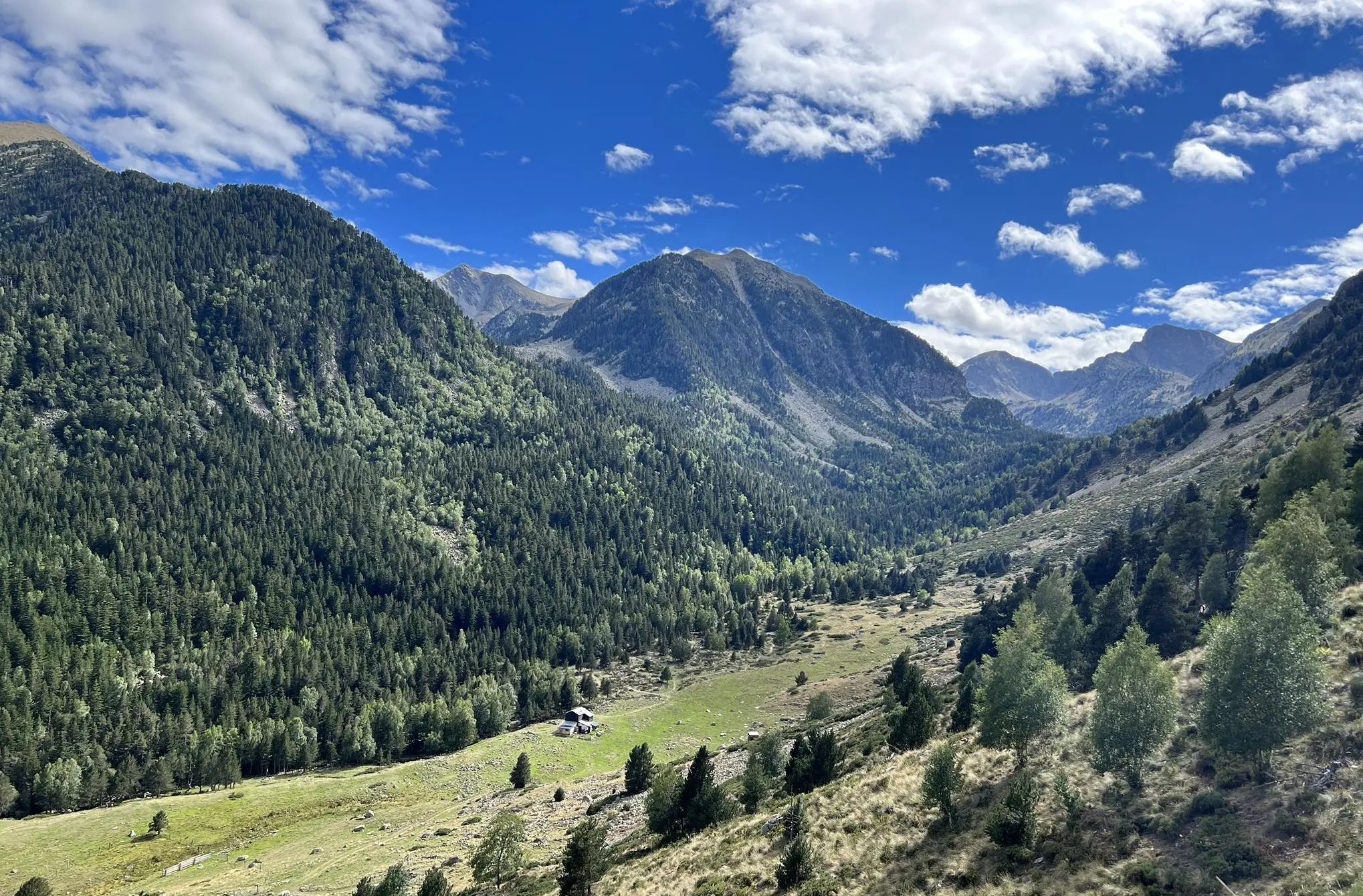
GR 36 long-distance footpath – Cross France from the Channel to the Pyrenees
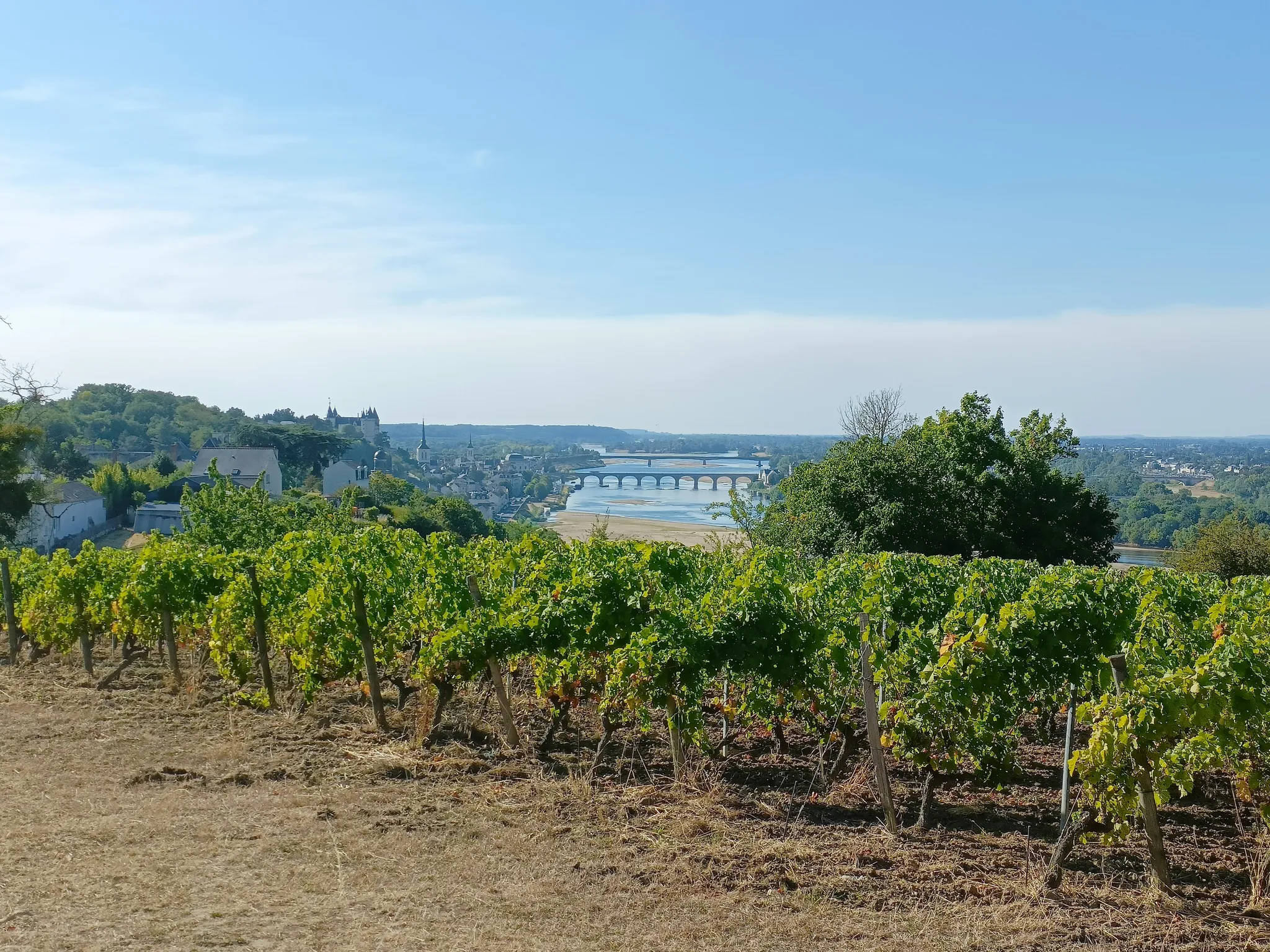
GR3 from the ocean to its source – The Loire, a wild European river
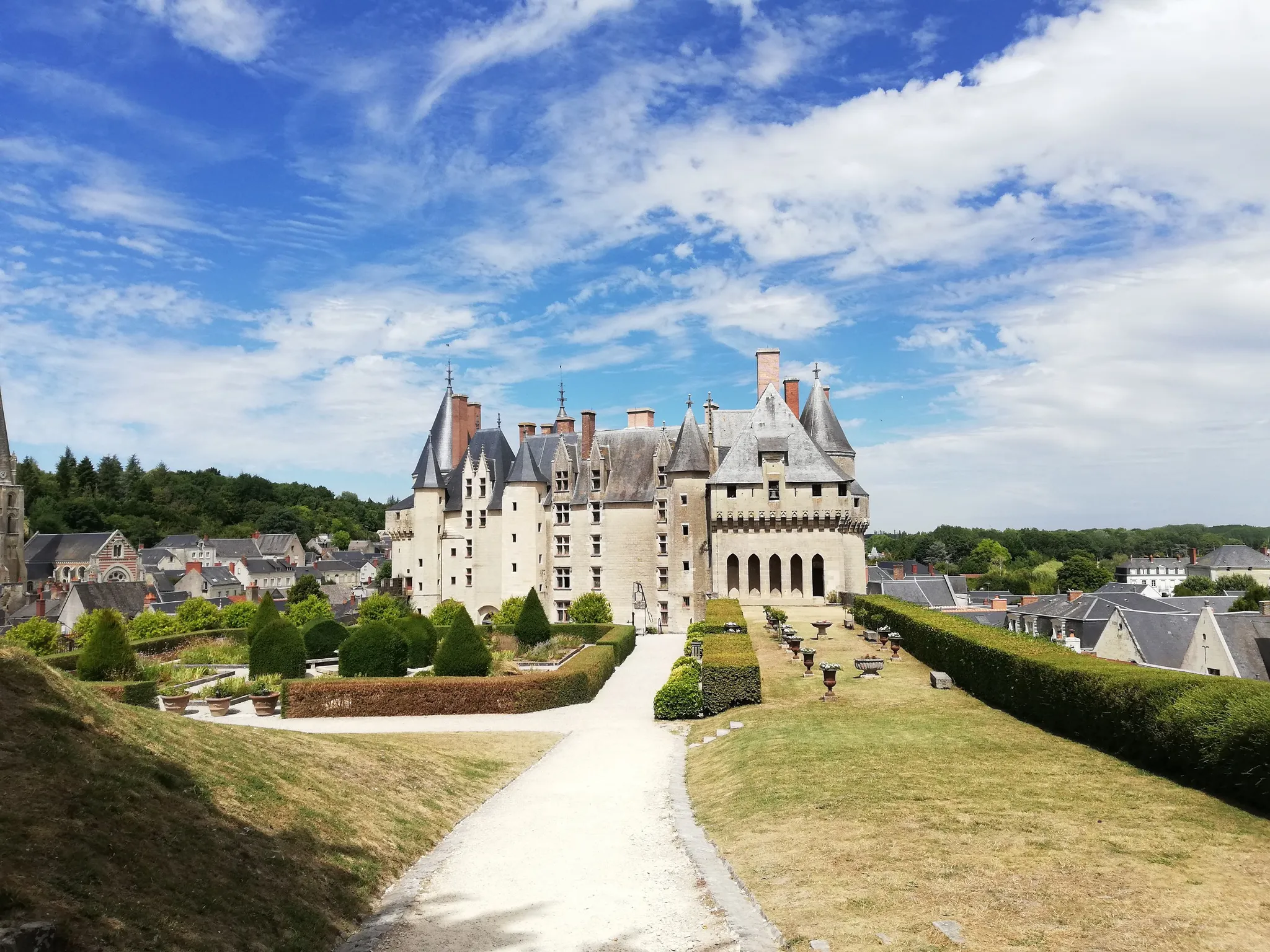
From one Châteaux to another – a long hike in the Loire Valley
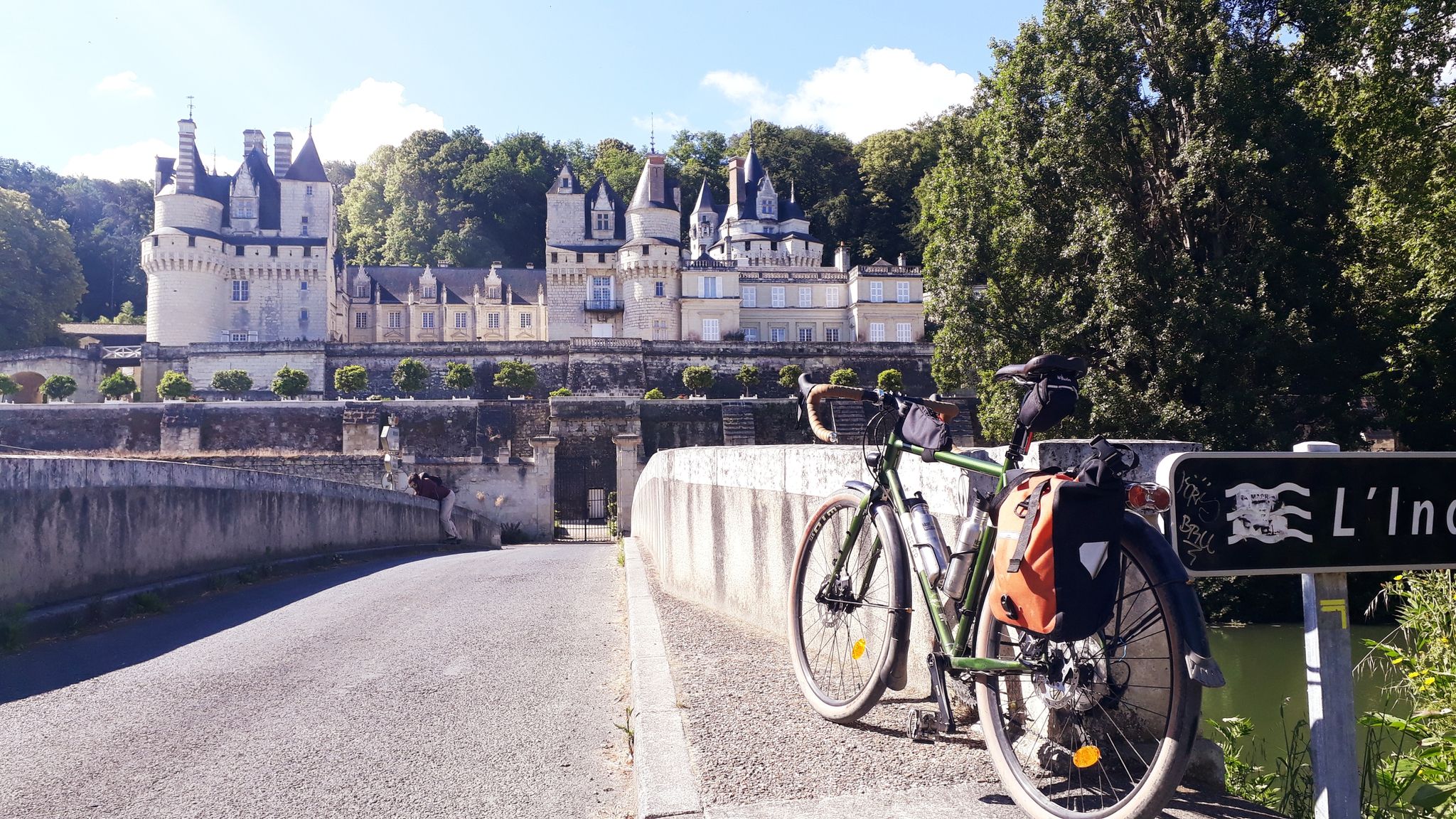
La Loire à vélo – Between nature and castles
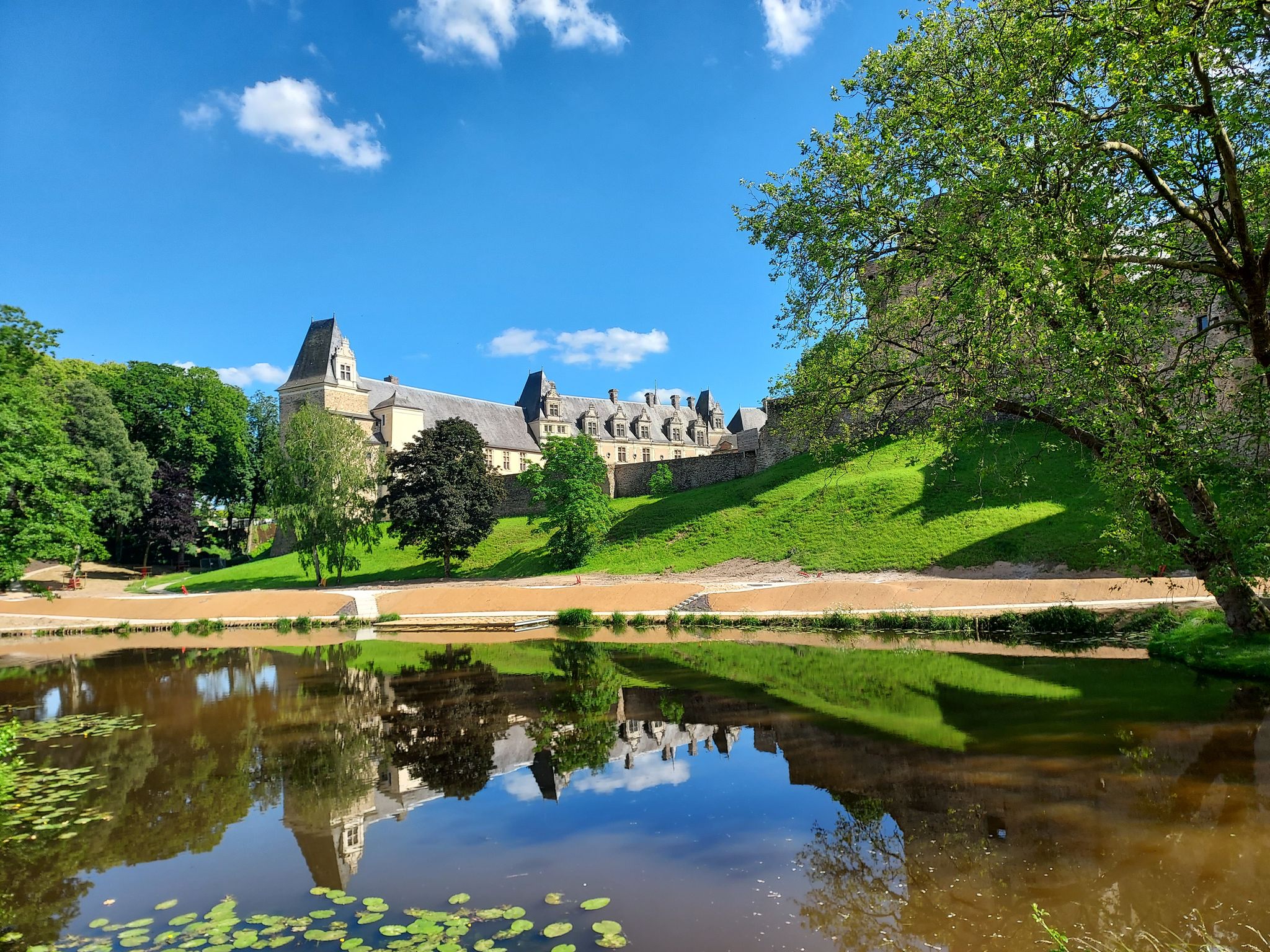
Cycle on old railway lines through north-western France
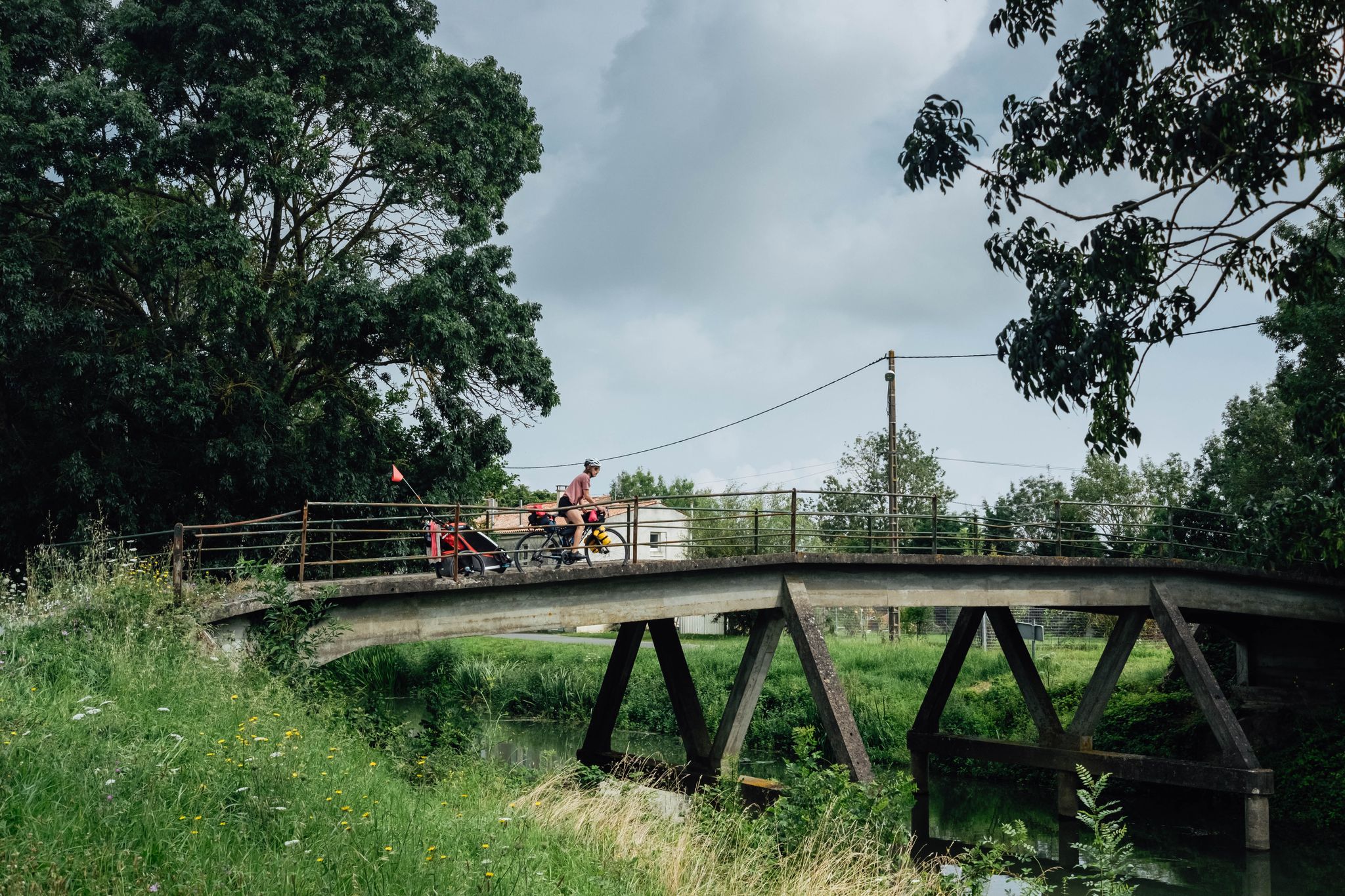
Our first family bike adventure in Western France
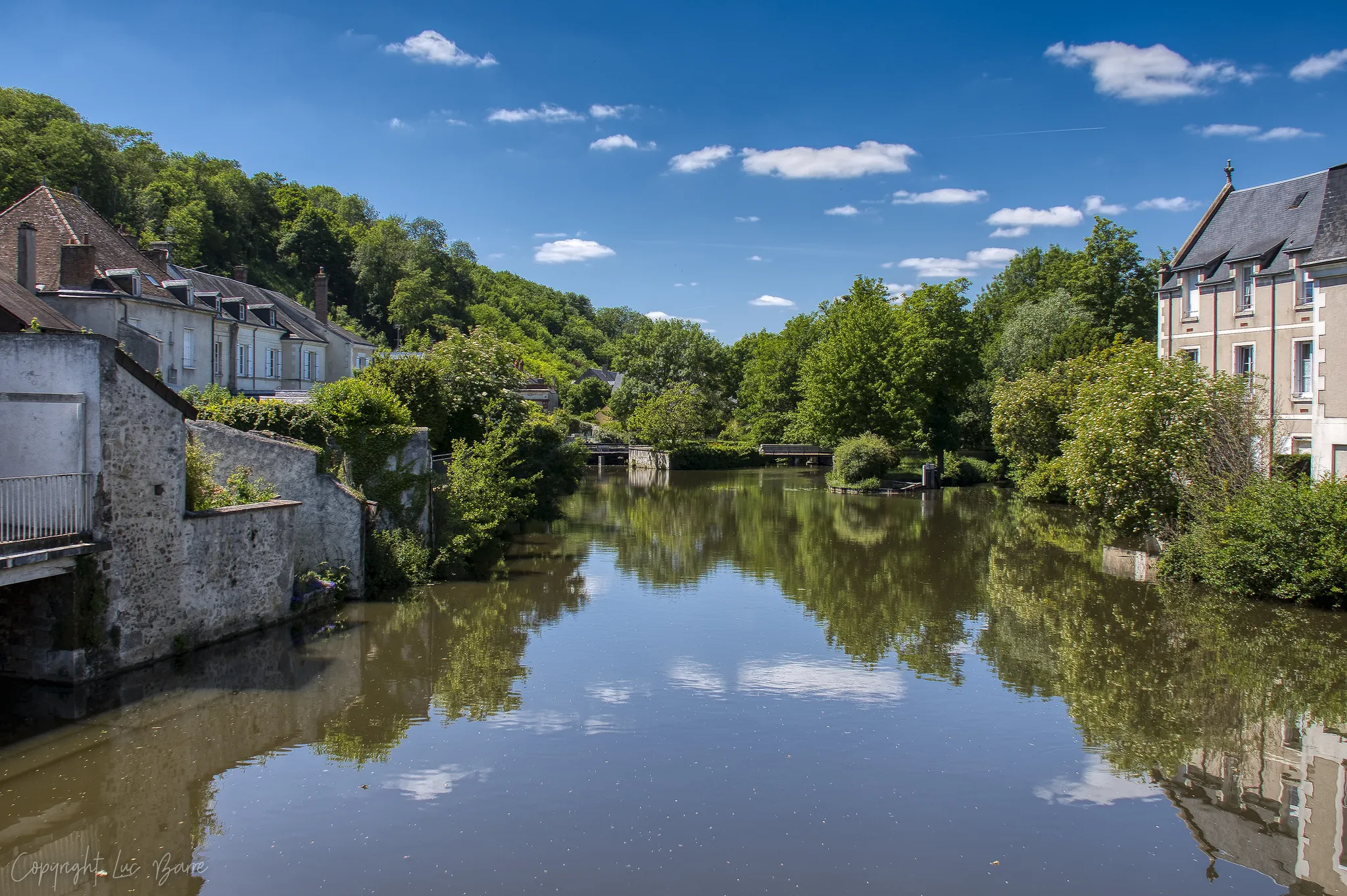
Castles, mills and masterpieces – Loire Valley by bike
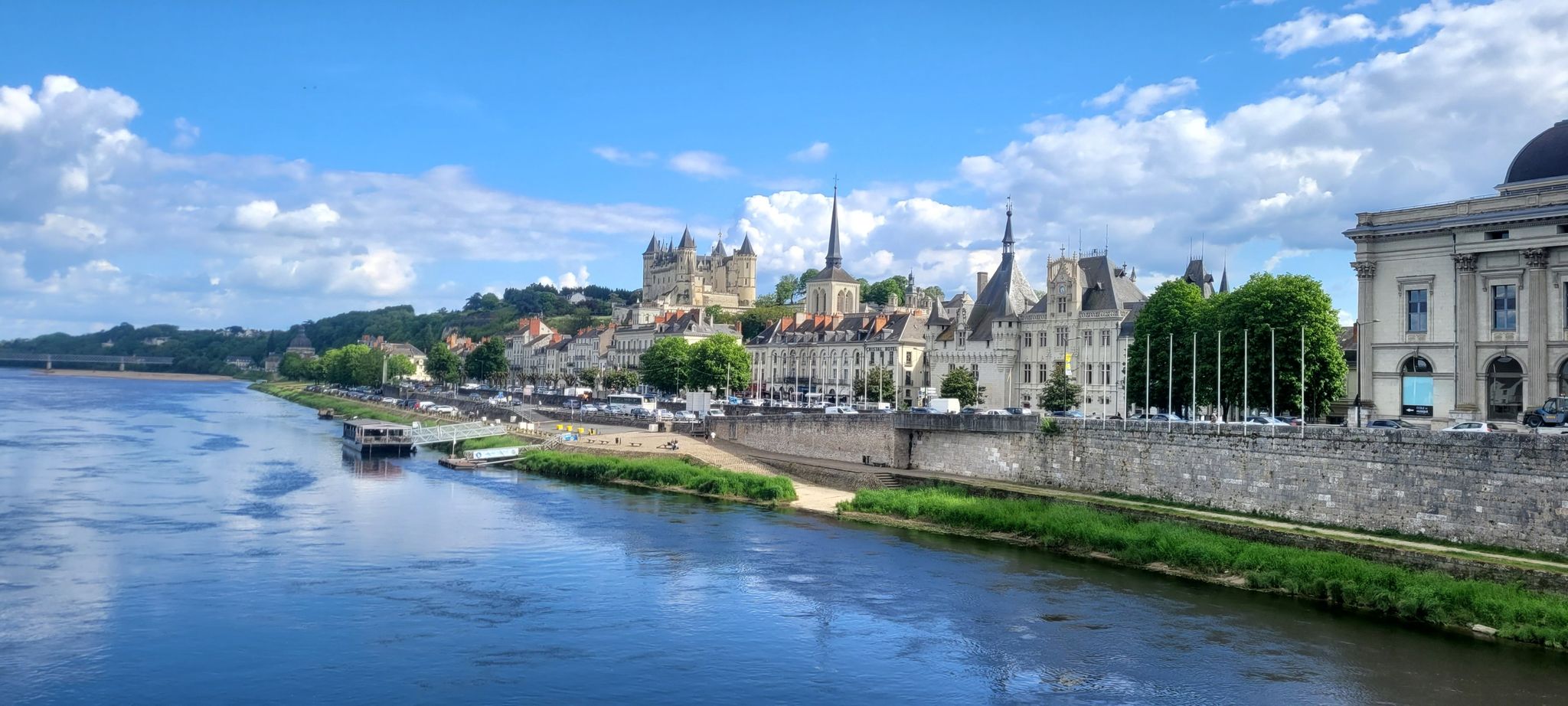
The Loire from ocean to the source – GR 3 from Angers to Tours
The Loire from ocean to source – GR 3 between Nantes and Angers
Ride from Normandy to the Loire – La Vélobuissonnière (V44)
Other adventures in Maine-et-Loire


Tips from the Community

Developed in 1956 at Roche Lima in an old quarry on the edge of the Divatte, this "Sacred Grotto" (or Grotto of Lourdes) is a verdant, peaceful place of worship and pilgrimage, ideally located on the Haute Divatte hiking circuit.
0
0


Between the Loire and the hills, Turquant welcomes, in season, craftsmen and a Métiers d'Art boutique in a remarkably restored troglodyte site. Several designers open their workshops to the public and passionately share their expertise. Today, you can wander around the troglodytes between tradition and modernity to discover all their originality.
4
0
Between Montsoreau and Saumur, the tuffeau rock dominates the Loire and is cut from one end to the other by a series of caves, sometimes troglodyte dwellings, sometimes quarries... Villages spring up in the valleys that crisscross the hills, while vineyards and mills mark the ridge. In Turquant, more than anywhere else, you can discover this Loire landscape, so characteristic of the Côte Saumuroise. Today, between tradition and modernity, the troglodytes can be discovered in all their originality, particularly in the Village des Métiers d'Art.
2
0
Taste, look around and enjoy...
2
0
At this location you are in the middle of an underground labyrinth of Souzay-Champigny. Explanation: underground, in the cliffs and hills, the troglodytes of Saumurois form an enormous underground network. These are unique in France. More than 1 km of tunnels have been dug by man over the centuries to live, shelter and work. Here you can literally dive into a cool past.
2
0

This place of worship, also known as the Grotte de Lourdes, in homage of course to the famous Pyrenean cave, overlooks the Divatte, in a particularly pleasant, green and shaded site, equipped with picnic tables. The single track that runs along the river is passable by mountain bike or gravel, but it seems very popular with hikers.
2
0

Delicious and very reasonably priced sparkling wine, tasted with Marc the owner and vintner- in French!
1
0
Frequently Asked Questions
What makes the caves in Maine-et-Loire unique?
The caves in Maine-et-Loire are predominantly troglodyte sites, meaning they are carved into the region's soft tuffeau limestone. These unique underground spaces have historically served various purposes, including dwellings, quarries, wine cellars, museums, art galleries, and even a zoo, offering a distinctive glimpse into local heritage and ingenuity.
Which caves offer a deep dive into the region's history and daily life?
For a rich historical experience, visit the Souzay-Champigny troglodyte site, an extensive underground labyrinth with over 1 km of tunnels dug for living and working. Another excellent choice is the Rochemenier Troglodyte Village and Museum, which provides an immersive look into daily life from the Middle Ages until the 1930s, featuring ancient farms, houses, and an underground chapel.
Are there family-friendly cave attractions in Maine-et-Loire?
Yes, several sites are great for families. The Turquant Arts and Crafts Village allows families to explore artisan workshops in a troglodyte setting. La Mine Bleue offers an exciting tour 126m underground into a former slate mine, complete with helmets and cable car rides. The Bioparc de Doué-la-Fontaine is also a unique troglodytic zoo, where animal habitats are landscaped into the rock.
What kind of geological formations can be found in these caves?
The primary geological feature is the soft tuffeau limestone, which allowed for the extensive carving of these troglodyte sites. While not traditional natural caves with stalactites and stalagmites, the sites like Caves Cathédrales des Perrières showcase immense hollow spaces resulting from falun quarrying, revealing the striking commune popular for exploring French history.
What should I wear when visiting the caves?
Many underground sites, such as La Mine Bleue, maintain a constant cool temperature, often around 13°C (55°F), regardless of the outside weather. It is advisable to wear warm layers and comfortable shoes suitable for walking on uneven surfaces.
What are some unique cultural or artistic experiences available in the caves?
You can find several unique cultural and artistic experiences. The Turquant Arts and Crafts Village hosts artisans in their troglodyte workshops. Pierre et Lumière features miniature sculptures of regional sites with artistic illumination. Maison Ackerman Cellars offers tours of its vast wine cellars, often including spectacular artistic installations and temporary art exhibitions. The Cave aux Sculptures in Dénezé-sous-Doué boasts a fresco of 300 characters carved into the walls.
Can I find food and drink experiences within the troglodyte sites?
Yes, the region offers unique culinary experiences in its troglodyte settings. Village Métiers d'Art in Turquant includes rock restaurants. The Musée du Champignon (Mushroom Museum) is located in ancient troglodytic cellars and allows visitors to taste mushroom-based products. Additionally, Maison Ackerman Cellars and Domaine des Amandiers Cave Dwellings offer wine tastings in their historic cellars.
What outdoor activities can I do near the caves in Maine-et-Loire?
Maine-et-Loire offers various outdoor activities. You can find numerous running trails, such as those around Angers or Lac de Maine, by exploring Running Trails in Maine-et-Loire. For cycling enthusiasts, routes like 'La côte saumuroise' or 'Around Angers' are available; check Cycling in Maine-et-Loire. There are also easy hiking options, including the Lac de Maine Loop, detailed in Easy hikes in Maine-et-Loire.
How much time should I allocate to explore the caves?
The time needed varies by site. Smaller sites or specific sections might take 1-2 hours. Larger attractions like Rochemenier Troglodyte Village or La Mine Bleue, which offer guided tours or extensive exhibits, could easily fill 2-3 hours or more. Consider a full day if you plan to visit multiple sites in one area, such as those around Saumur.
What is the best time of year to visit the caves in Maine-et-Loire?
The caves, being underground, offer a consistent temperature year-round, making them suitable for visiting in any season. However, to enjoy the surrounding region and outdoor activities, spring (April-June) and autumn (September-October) provide pleasant weather. Summer (July-August) is also popular, with the caves offering a cool escape from the heat.
Are there any religious or spiritual cave sites in the region?
Yes, the region features some religious cave sites. Rochemenier Troglodyte Village includes an underground chapel carved out of the rock. Additionally, you can find La Remaudière sacred cave and a Replica of the Grotto of Lourdes, offering unique spiritual experiences within the troglodyte landscape.
What kind of historical industrial sites can be explored?
The region's history includes significant industrial activity within its underground spaces. La Mine Bleue is a former slate mine offering tours 126m underground, providing insight into the region's industrial past. The Normandeau Mill and Cave also highlight historical industrial uses, having served as a flour mill and for electricity production.
Most popular routes in Maine-et-Loire
Most popular attractions in Maine-et-Loire

Get inspired with the komoot mobile app


