Top 6 Caves in Puy-de-Dôme
Best caves in Puy-de-Dôme are found within a region characterized by its volcanic landscape and rich geological history. This area in Auvergne, France, features a variety of subterranean formations, from ancient troglodyte dwellings to natural caves and historical cellars. The unique geology, including volcanic tufa and lava flows, has shaped these underground spaces over centuries. Exploring these sites offers insight into both natural processes and human adaptation to the environment.
Best caves in Puy-de-Dôme
- The most popular caves is Clierzou…
Last updated: October 16, 2026
Châteaugay Cellars
Highlight • Cave
The process is clever: they are stone constructions pierced with large wooden gates that …
Translated by Google •
Tip by

Clierzou Caves
Highlight • Cave
Translated by Google •
Tip by

Sign up now to discover places like this
Get recommendations on the best single tracks, peaks, & plenty of other exciting outdoor places.
Site du Goulet
Highlight • Structure
Translated by Google •
Tip by

Jonas Caves
Highlight • Cave
You can observe the caves below during a hike, but the place can also be visited if you …
Translated by Google •
Tip by

Chalencon Caves
Highlight • Cave
Some troglodyte caves, and a nice panorama.
Translated by Google •
Tip by

Jussat Caves
Highlight • Cave
Translated by Google •
Tip by

Grottes de Perrier
Highlight • Cave
Showing Translation
Tip by

Start today with a free account
Your next adventure awaits.
Popular around Puy-de-Dôme
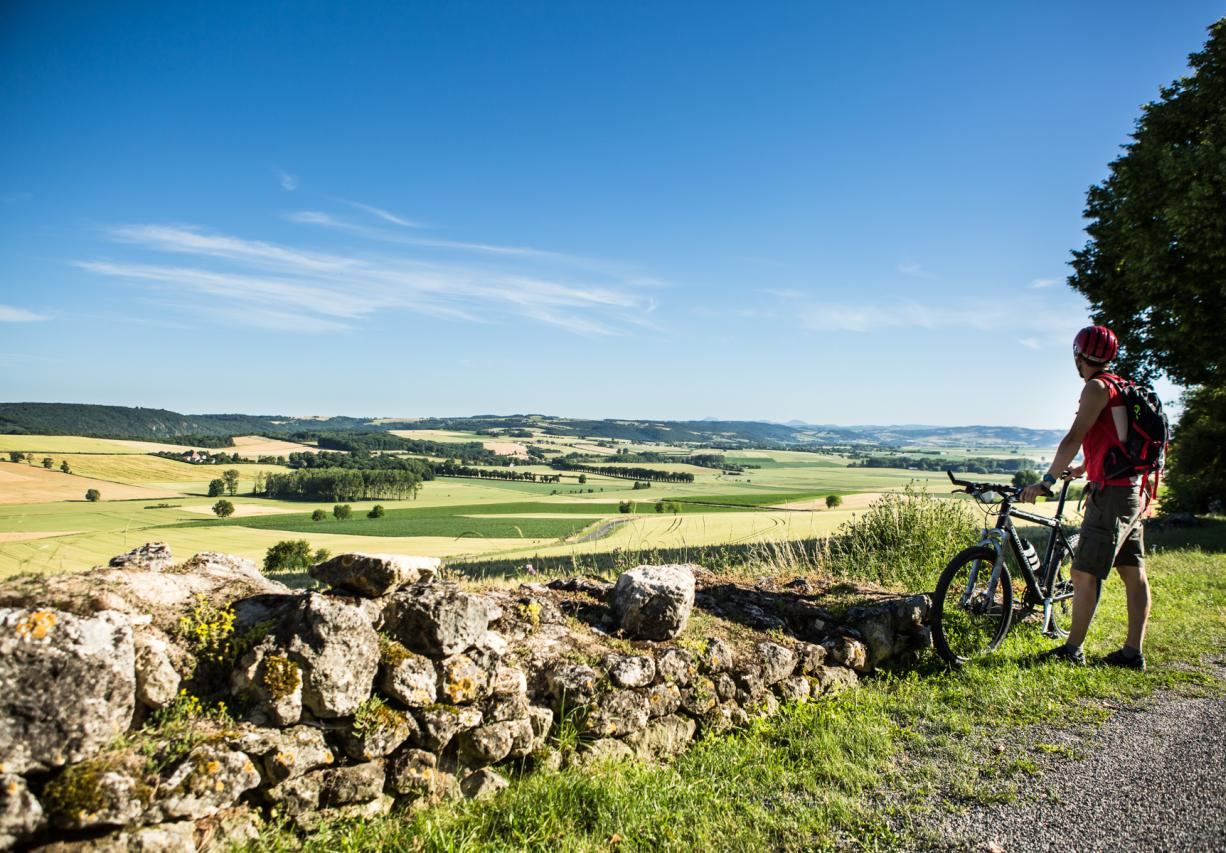
The Grande traversée du Massif Central by gravel bike
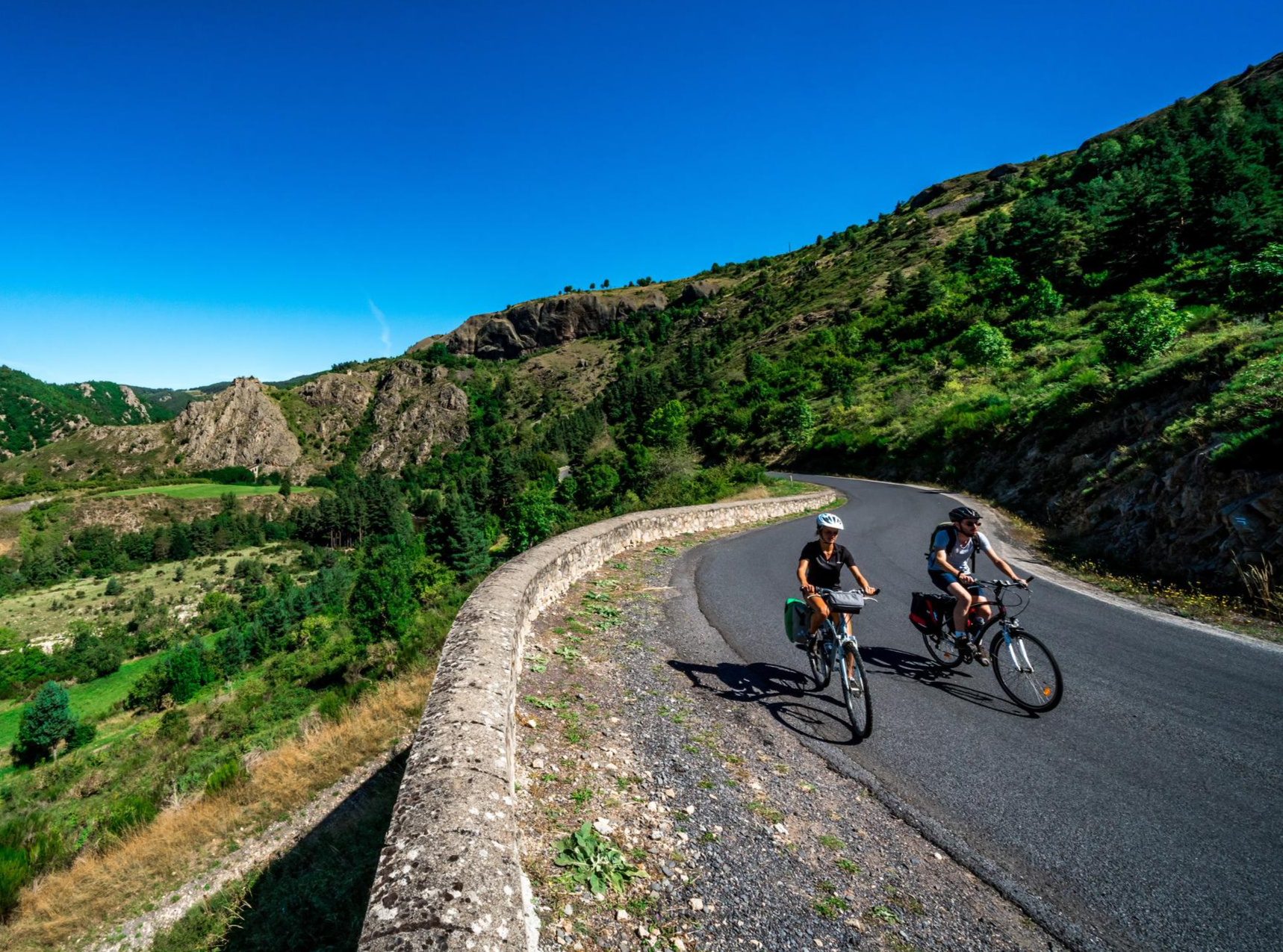
Via Allier – The Auvergne cycle route
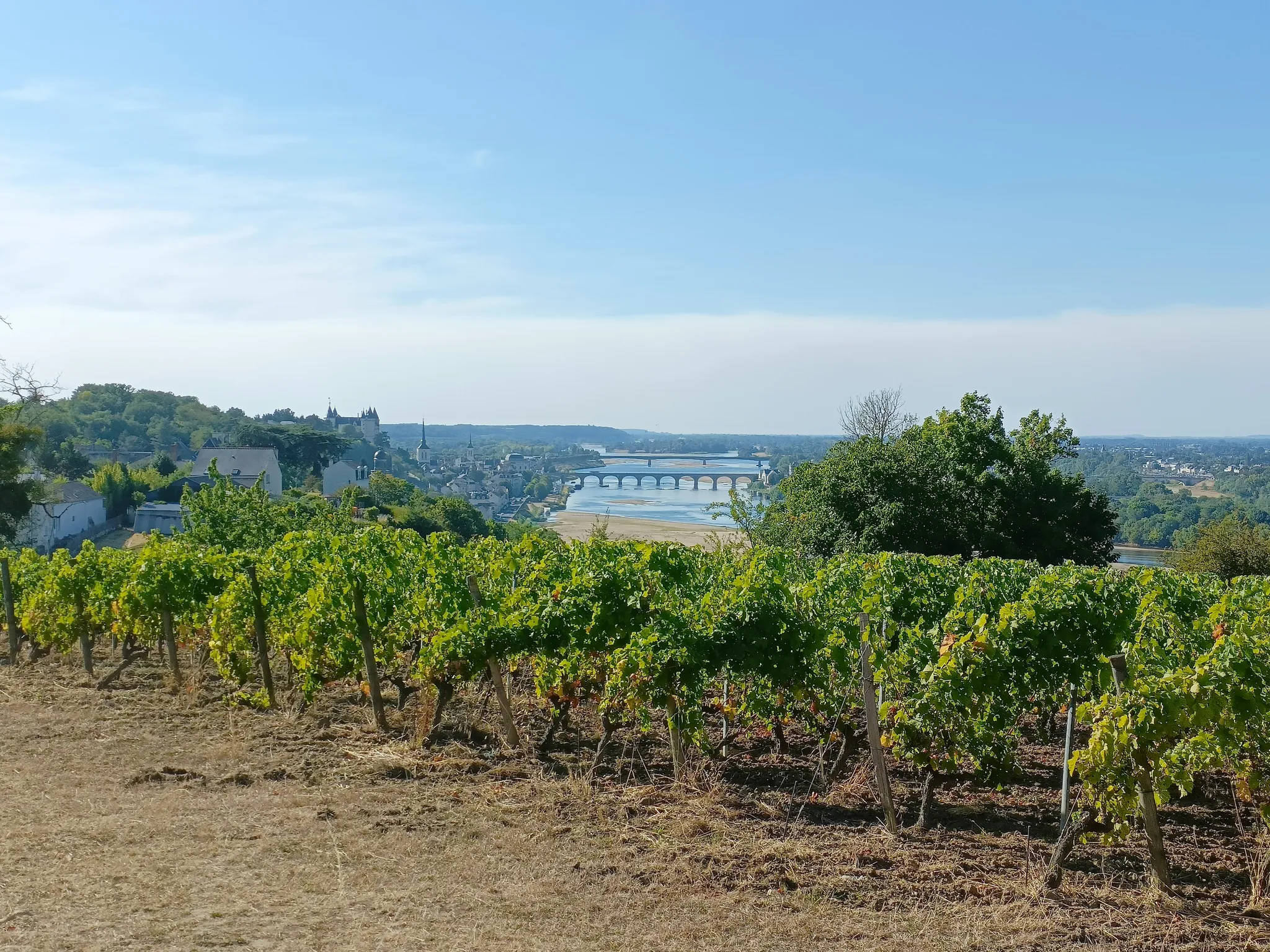
GR3 from the ocean to its source – The Loire, a wild European river
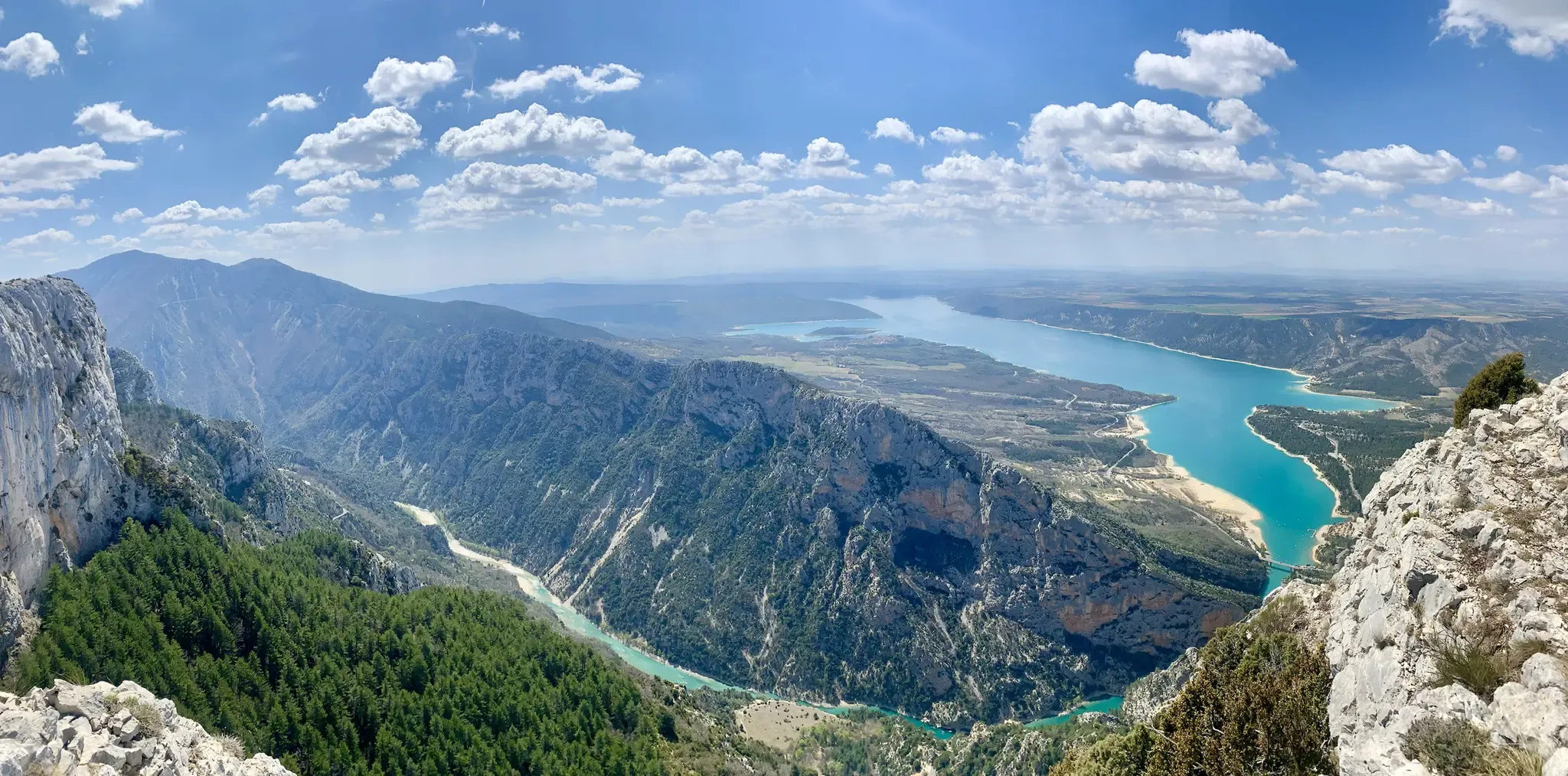
GR 4 – Crossing the south of France from Atlantic Coast to Provence
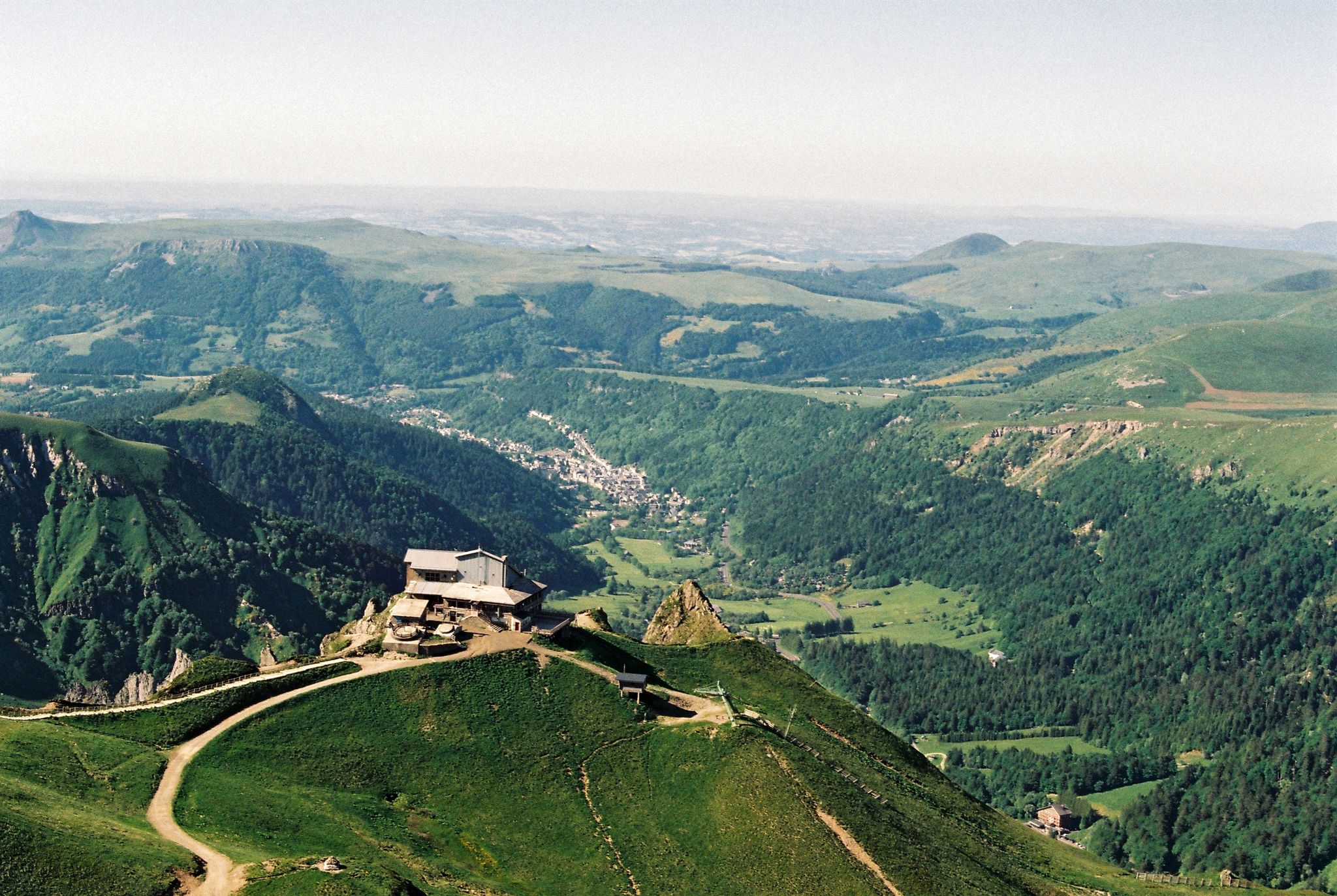
Crossing the volcanoes of Auvergne – Stromboliens, peléens and maars
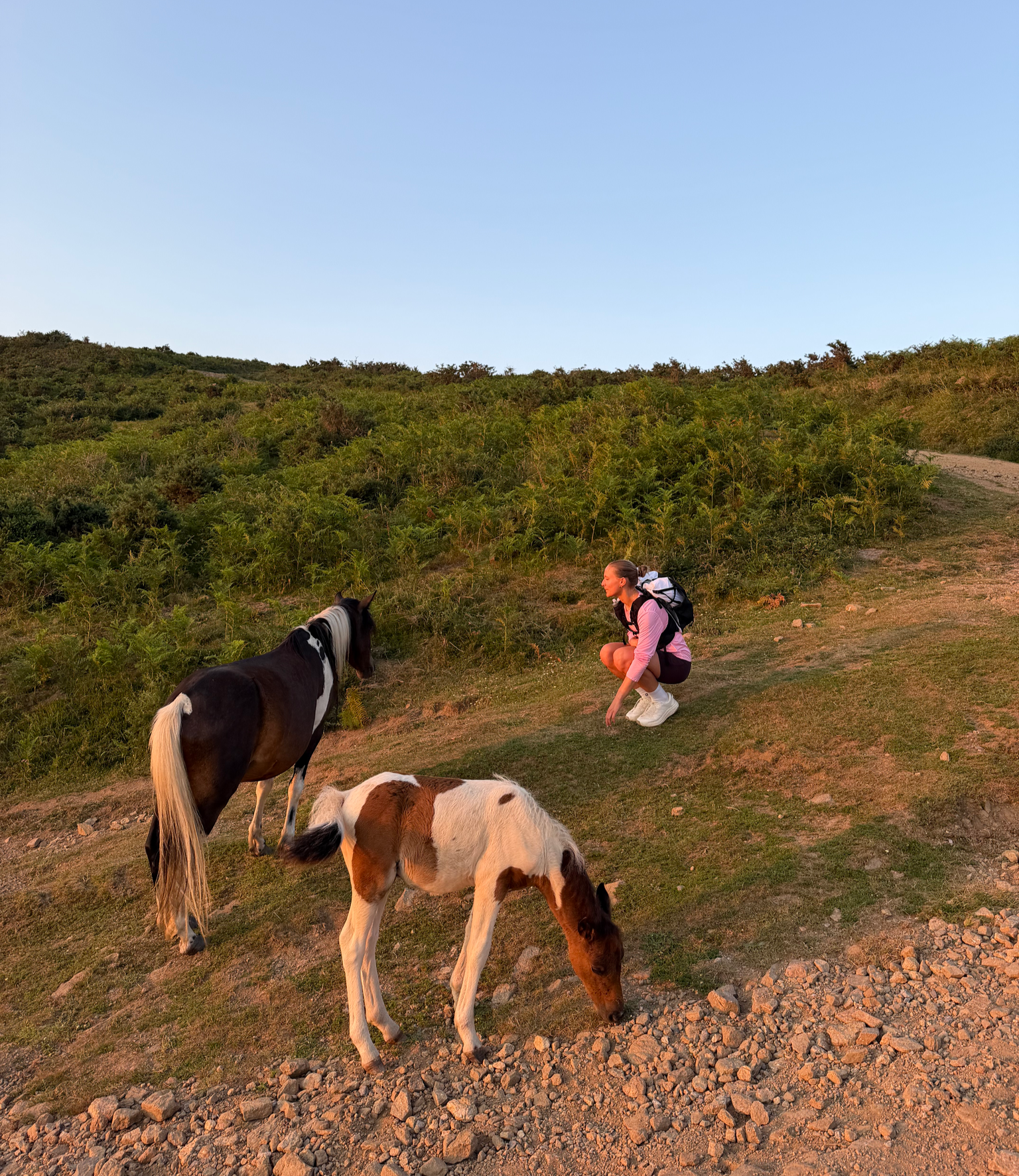
France’s Best Sunrise & Sunset Hikes
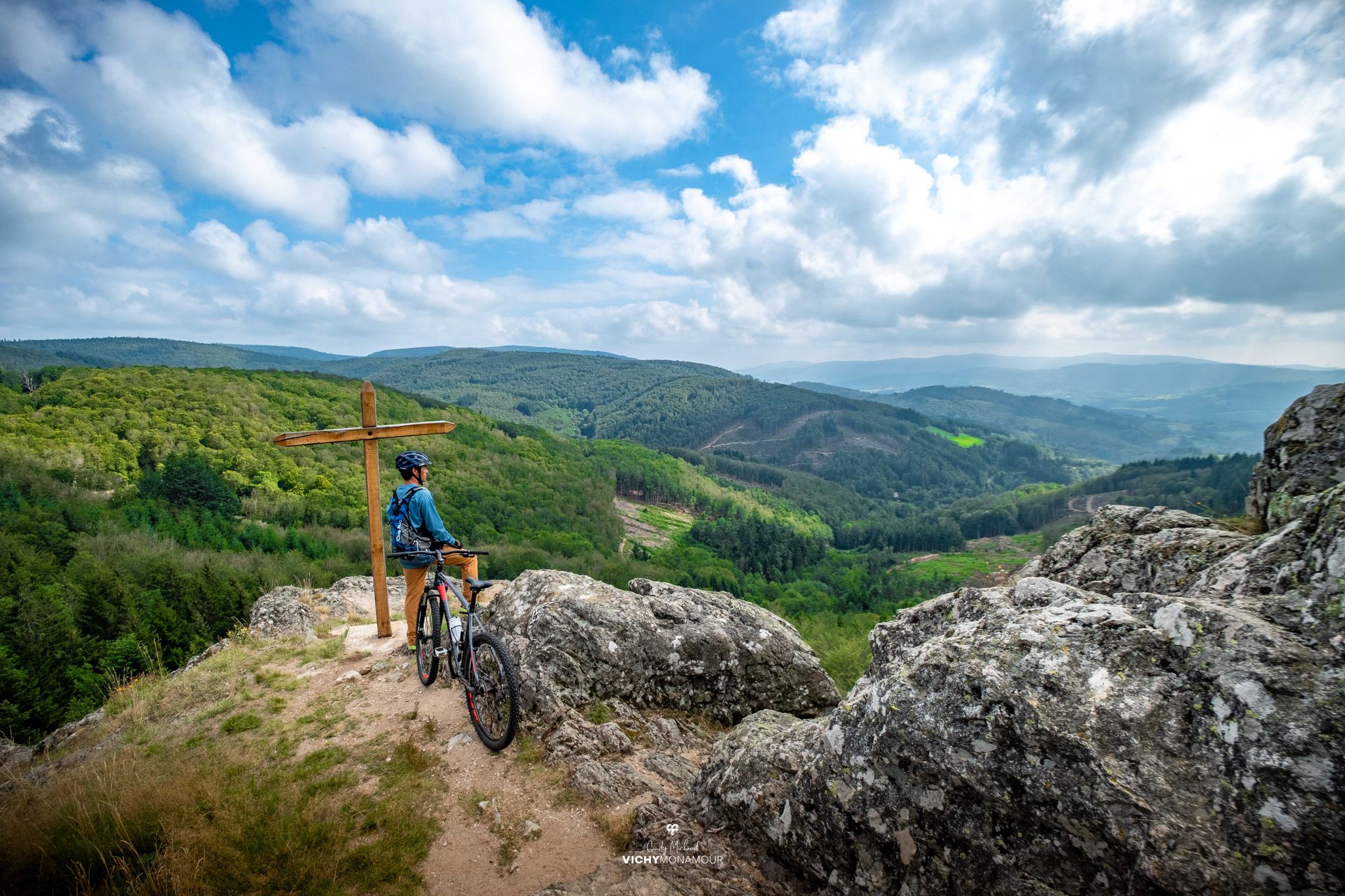
Destination Grand'R — the largest FFC-MTB area in France

Puy-de-Dôme – the Volcanoes of Auvergne by MTB
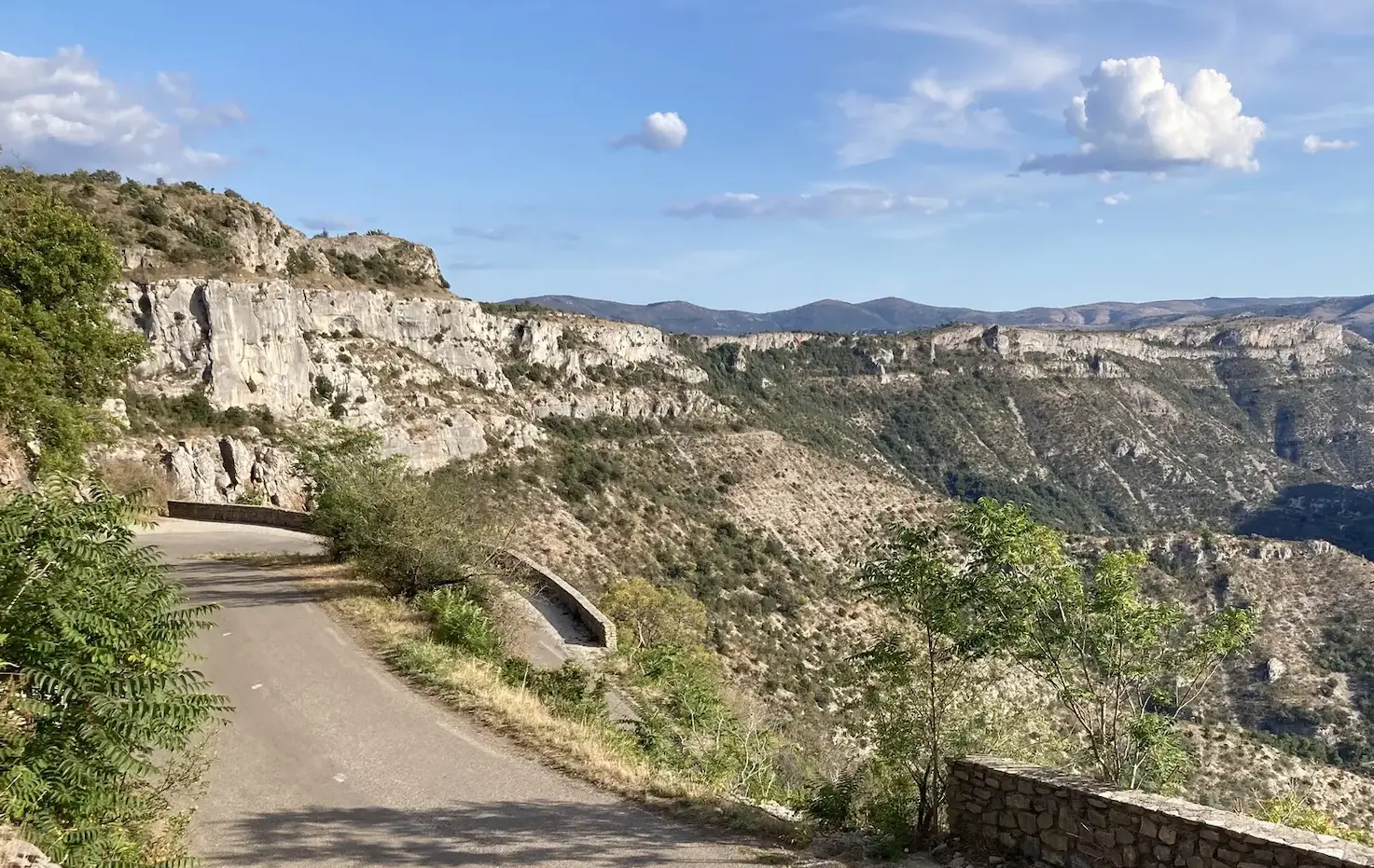
From north to south - On the slopes of the GTMC

Via Allier – discovering the Auvergne by bike
Other adventures in Puy-de-Dôme


Tips from the Community

Constructions to protect against possible attacks
0
0


Carved into the limestone, these caves are located on the mountainside, along the cliff. In addition to offering a beautiful view of the Auzon Valley, they also serve as a wintering habitat for bats.
0
0

Please note that Châteaugay is one of the five crus in the AOC Cotes d’Auvergne. The other crus are Boudes, Corent, Chanturgue and Madargue. The authorized grape varieties are; Gamay, Pinot Noir and Chardonnay. To be consumed in moderation
0
0

The cellars of Châteaugay can measure 10 meters deep, thus guaranteeing the preservation of the wine. The process is clever: they are stone constructions pierced with large wooden gates that hug the sides of the hill. Aeration is done by small ventilation chimneys that come out of the ground.
0
0

The troglodyte site of Jonas is a real fortress steeped in history. You can observe the caves below during a hike, but the place can also be visited if you want to spend more time discovering the place. Medieval tours are even organized to immerse yourself even more.
1
0

a beautiful loop beyond the caves, follow the blue marked path in the direction indicated 😜
0
0
Stone constructions pierced with large wooden gates follow the sides of the hill. Small ventilation chimneys come out of the ground. The temperature of 10 to 12° C is conducive to the conservation of wine in all seasons.
0
0
Frequently Asked Questions
What types of caves can I explore in Puy-de-Dôme?
Puy-de-Dôme offers a diverse range of underground experiences. You can explore ancient troglodyte dwellings, natural caves formed by volcanic activity, and historical cellars used for wine preservation. The region's unique geology, including volcanic tufa and lava flows, has shaped these varied subterranean spaces.
Are there any caves with historical significance in the region?
Yes, several caves in Puy-de-Dôme are rich in history. The Jonas Caves are a remarkable medieval fortified underground city carved into a volcanic tufa cliff, featuring a Romanesque chapel with 10th and 11th-century frescoes. The Châteaugay Cellars are historical sites designed for wine preservation, some dating back centuries. Additionally, the Grottes du Cornadore in Saint-Nectaire are ancient Roman natural thermal baths, showcasing archaeological and geological significance.
Which caves are suitable for families with children?
The Site du Goulet is considered family-friendly and offers an exploration tour in a park where caves serve as wintering quarters for bats. The Grotte de la Pierre de Volvic also provides engaging and educational experiences for all ages, including a 'Cave of Lights' with aquatic and vegetal light and sound projections designed for younger audiences.
Can I see unique geological formations in Puy-de-Dôme caves?
Absolutely. The Grottes du Cornadore in Saint-Nectaire are known for rare geological phenomena like aragonite and cave pearls, formed by mineral-rich thermal springs. The Grotte de la Pierre de Volvic is carved into the heart of the Nugère Volcano's lava flow, offering insight into the region's volcanic geology and the origins of Volvic stone.
Are there caves that offer scenic views or viewpoints?
Yes, some caves provide excellent viewpoints. The Clierzou Caves offer a viewpoint with views of the Puy de Dôme after a climb. The Chalencon Caves also feature a beautiful panorama, and the Jussat Caves, carved into limestone, provide a scenic view of the Auzon Valley.
What outdoor activities can I do near the caves in Puy-de-Dôme?
The region around the caves offers numerous outdoor activities. You can find excellent mountain hiking trails, including routes around Puy de Dôme and Puy de Sancy. For cyclists, there are diverse road cycling routes, such as tours of the Sancy Massif. Additionally, you can explore waterfall hikes, like those in the gorges of la Monne or to the Vernière waterfall.
Are there any caves in Puy-de-Dôme that are known for wildlife, particularly bats?
Yes, some caves serve as important habitats for wildlife. The Site du Goulet, located near the "Cheires et Grottes de Volvic" nature reserve, has caves used as wintering quarters for various rare bat species. Similarly, the Jussat Caves are known as a wintering habitat for bats.
What is the Grotte de la Pierre de Volvic and what can I expect there?
The Grotte de la Pierre de Volvic is a unique site carved into the lava flow of the Nugère Volcano, which has been a source of Volvic stone since the 13th century. Visitors can choose from three distinct tours: a historical tour with a documentary about stone quarry operators, a 'Cave of Lights' with light and sound projections, and a 'Father Christmas Cave' during the festive season. It offers an engaging way to learn about the region's geology and quarrying history.
What are the Grottes du Cornadore and what makes them special?
The Grottes du Cornadore in Saint-Nectaire are ancient Roman natural thermal baths carved into granite, fed by warm ferrous and saline springs. They are special because they blend geology, archaeology, and thermalism, allowing visitors to explore Roman thermal vestiges and witness rare geological formations like aragonite and cave pearls. The mineral-rich waters were historically used for therapeutic purposes.
What do visitors enjoy most about the caves in Puy-de-Dôme?
Visitors frequently appreciate the unique blend of natural beauty and historical depth found in the region's caves. The immersive journey into medieval history at sites like the Jonas Caves, the geological wonders of the thermal springs, and the educational insights into volcanic stone quarrying are often highlighted. The scenic viewpoints and the opportunity to explore diverse underground environments also receive positive feedback.
Are there any troglodyte sites in Puy-de-Dôme?
Yes, Puy-de-Dôme is known for its troglodyte sites. The Jonas Caves are a prime example, being a medieval fortified underground city carved into a cliff. The Chalencon Caves also feature troglodyte dwellings, offering a glimpse into past human habitation within these natural formations.
Most popular routes in Puy-de-Dôme
Most popular attractions in Puy-de-Dôme

Get inspired with the komoot mobile app


Explore more
Extend your search for the best caves by checking out these guides of the top ones in Puy-de-Dôme:
