Top 14 Caves in Haut-Rhin
Best caves in Haut-Rhin are found within a region characterized by its diverse geology, including karstic limestone formations. This department in Alsace, France, offers a range of underground experiences. Visitors can explore natural grottoes, historical mines, and fortified tunnels. The area provides opportunities to discover both natural geological features and human-made subterranean structures.
Best caves in Haut-Rhin
- The most popular caves is Dwarves' Grotto, a cave nestled within an impressive gorge. This site is known for its narrow passage…
Last updated: June 29, 2026
Galtz Monument
Highlight • Monument
"Situé à 730m …
Translated by Google •
Tip by

Dwarves' Grotto
Highlight • Cave
Translated by Google •
Tip by

Sign up now to discover places like this
Get recommendations on the best single tracks, peaks, & plenty of other exciting outdoor places.
Sign up for free
Lourdes Grotto
Highlight • Cave
Translated by Google •
Tip by

Adlerhorst Command Post – World War I
Highlight • Historical Site
Translated by Google •
Tip by

Veilchenstein German WW1 Bunker
Highlight • Historical Site
Translated by Google •
Tip by
Lower Rehfelsen Tunnels
Highlight • Cave
even the hiking trail leads through one of the rooms.
Translated by Google •
Tip by

Schletzenbourg medieval mine
Highlight • Historical Site
Translated by Google •
Tip by

Dr. Herrings' Cave
Highlight • Gorge
Translated by Google •
Tip by

Roche Fendue (Hartmannswillerkopf)
Highlight • Historical Site
Translated by Google •
Tip by
Mannlefelsen Cave
Highlight • Cave
Translated by Google •
Tip by

Sign up for free to discover even more caves in Haut-Rhin.
Sign up for free
Already have an account?
Start today with a free account
Your next adventure awaits.
Login or Signup
Popular around Haut-Rhin
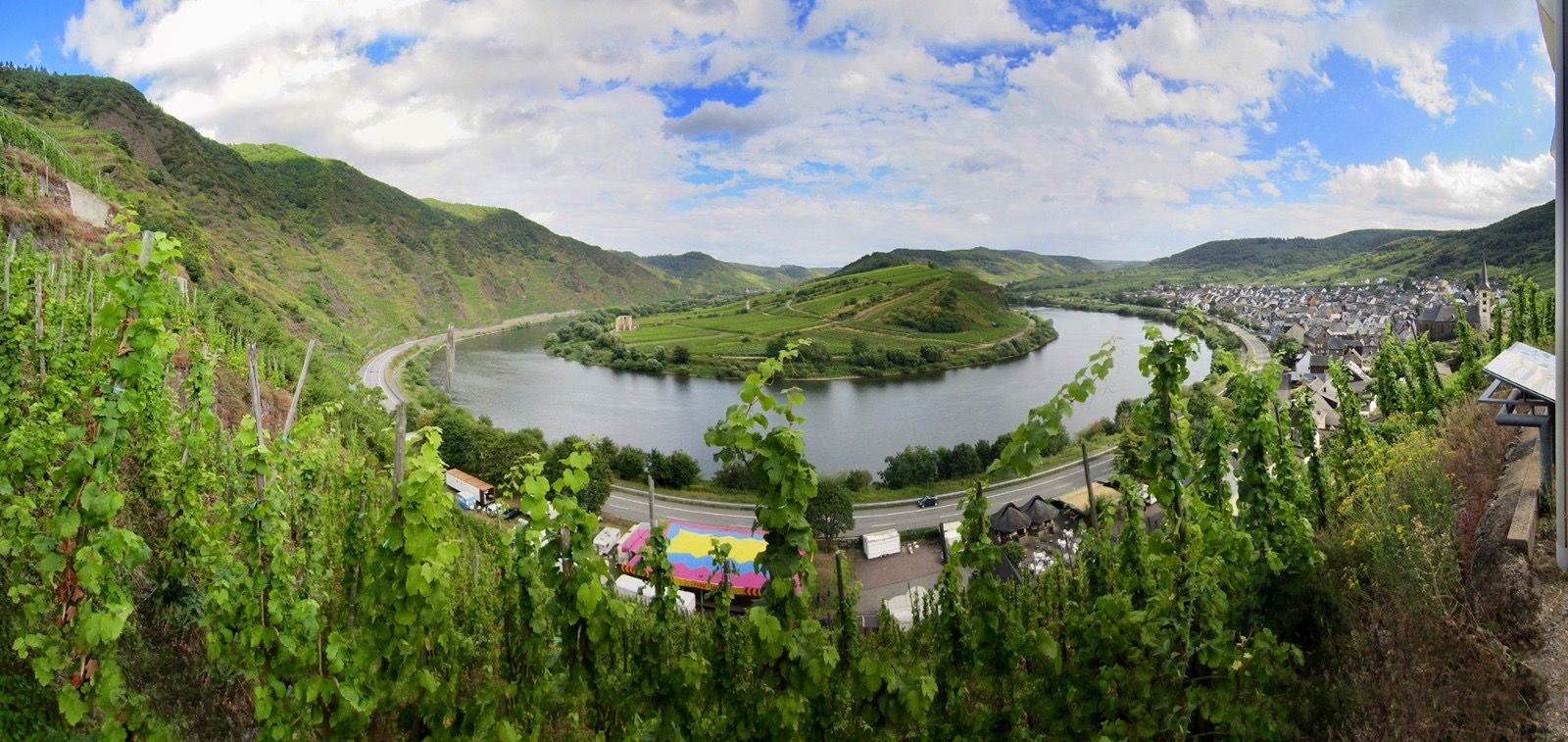
The Moselle cycle path — from the Vosges to the Rhine in 18 stages
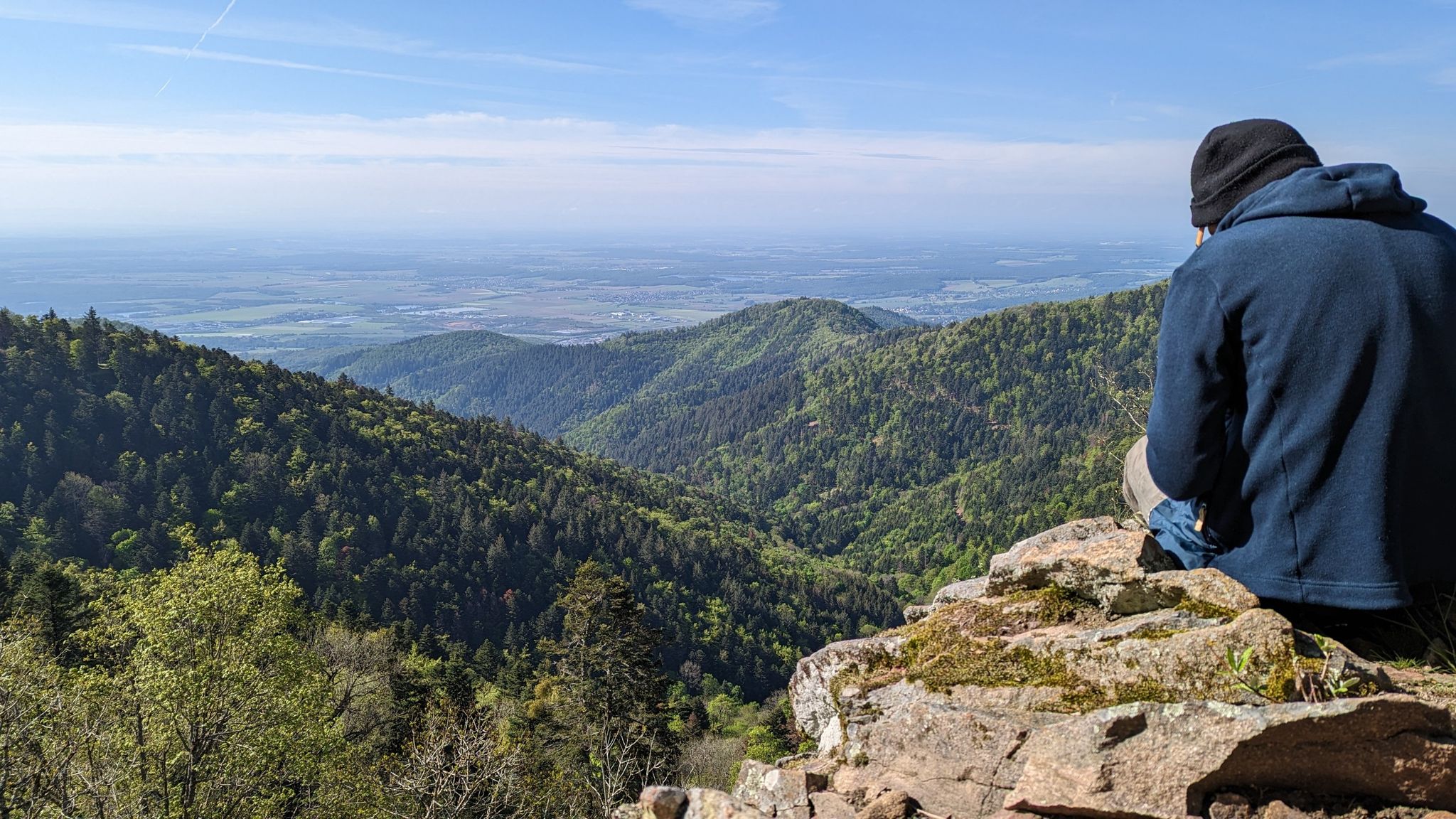
Sentier de l'Europe (GR 5) – Montbéliard to Abreschviller
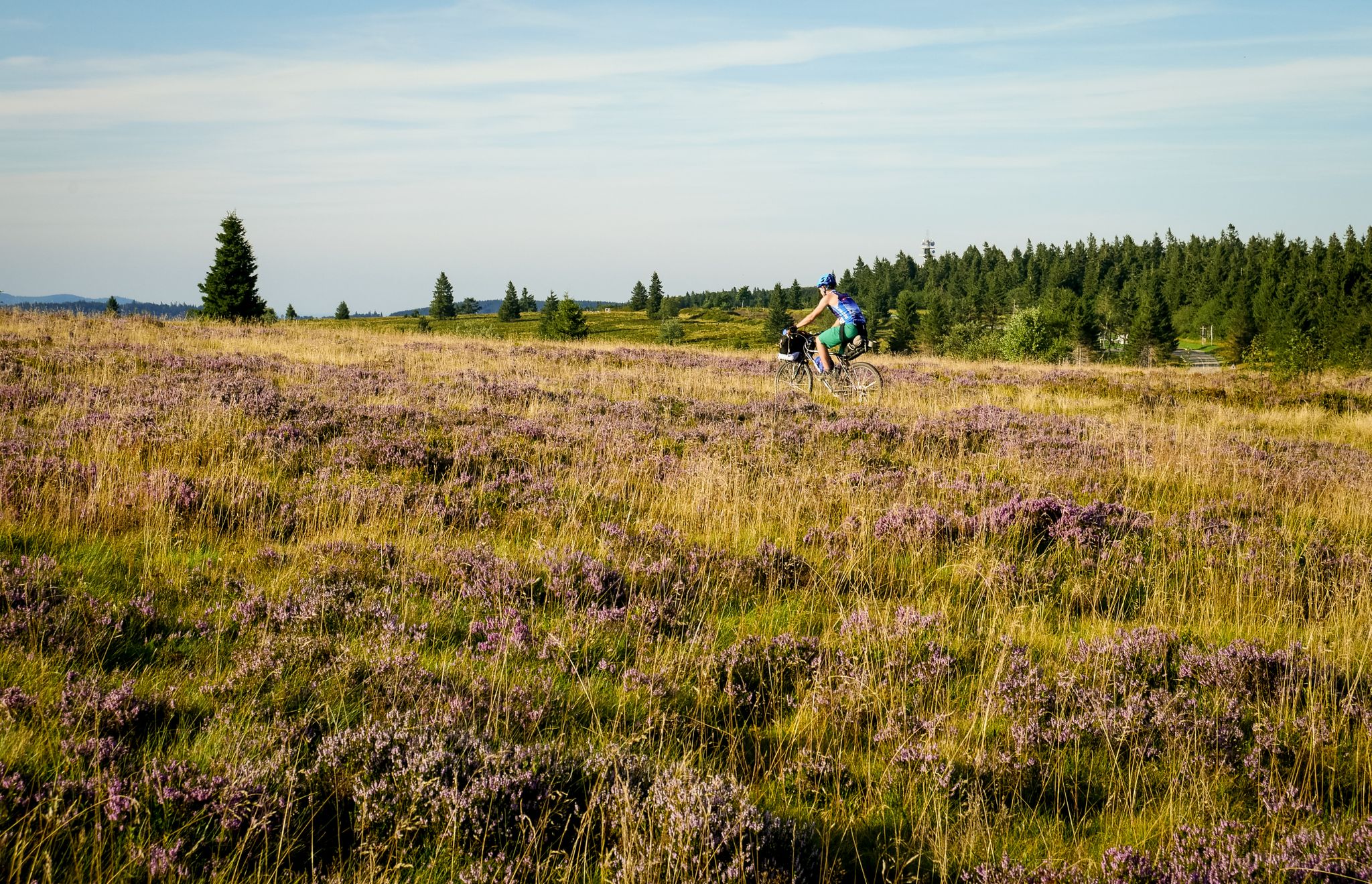
Traversée du Massif Vosgien — Alsace bikepacking
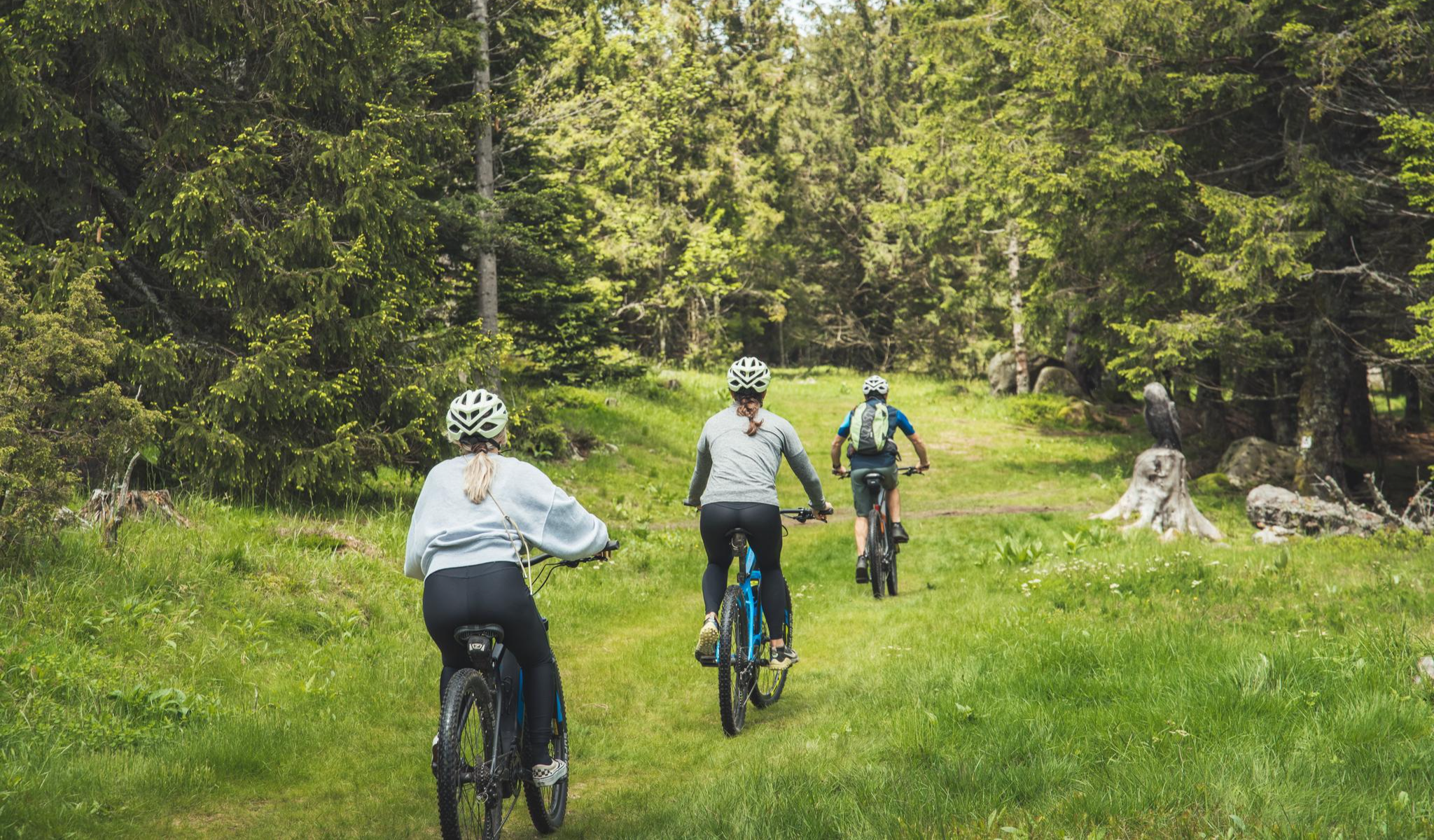
MTB and gravel in the Grand Est – the joy of the low mountains

Trail running in the Grand Est – the region's most beautiful hilly trails
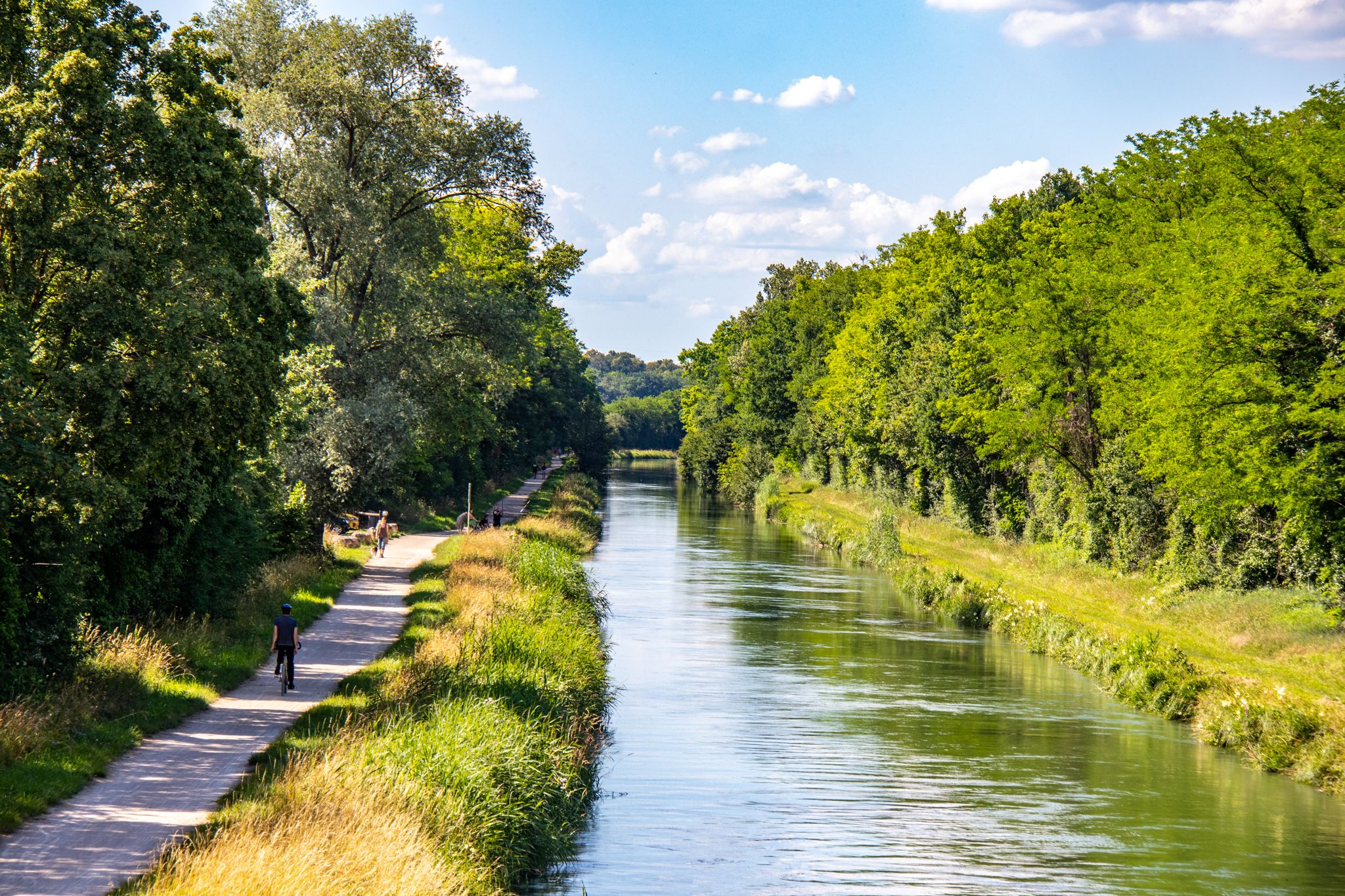
EuroVelo 6 – between the Rhine and the Loire by bike

The Grand Est without a car – cycling from station to station
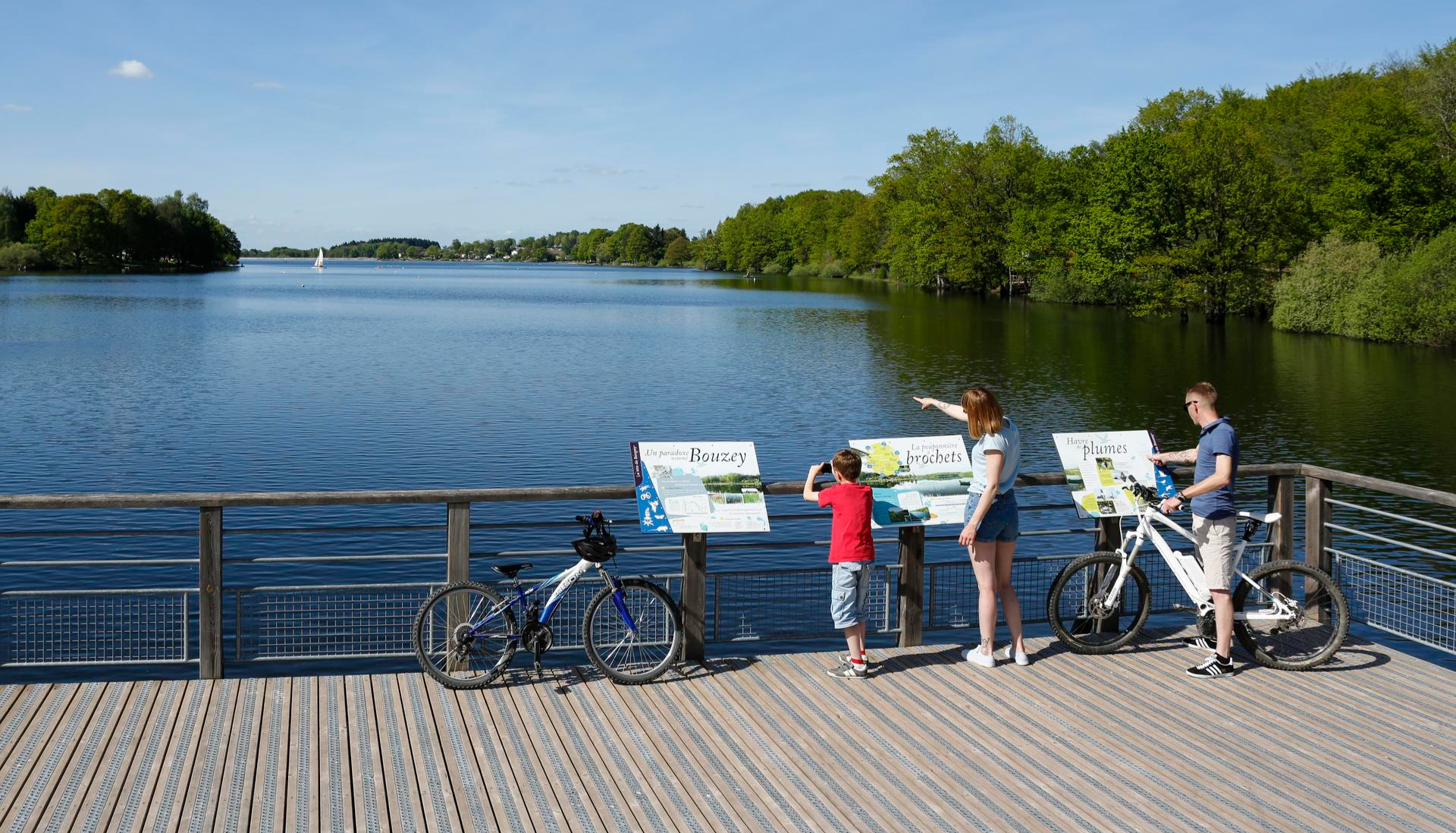
Family getaways – cycling in the Grand Est
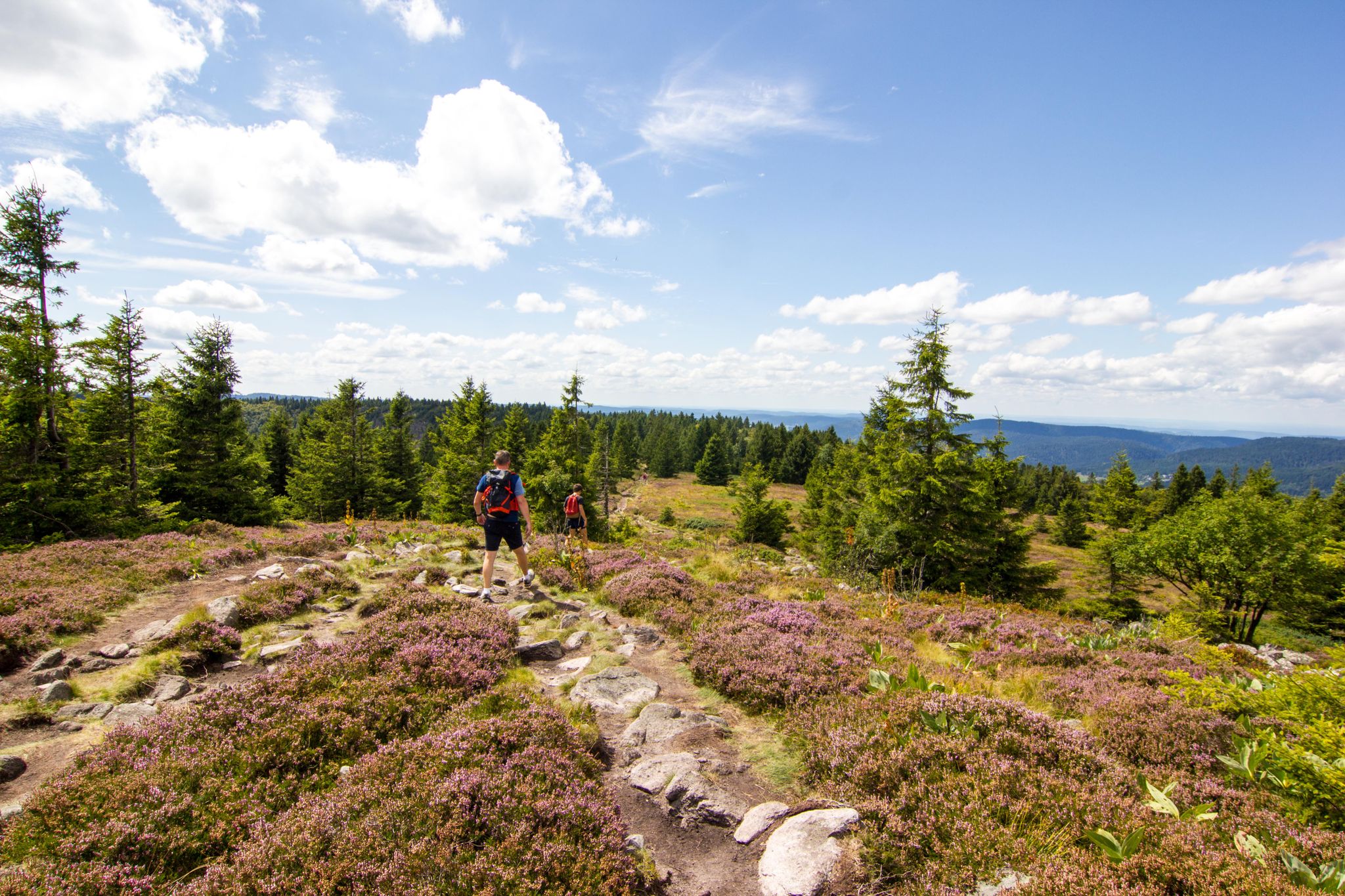
Hiking and relaxation – wellbeing on the Traversée des Vosges
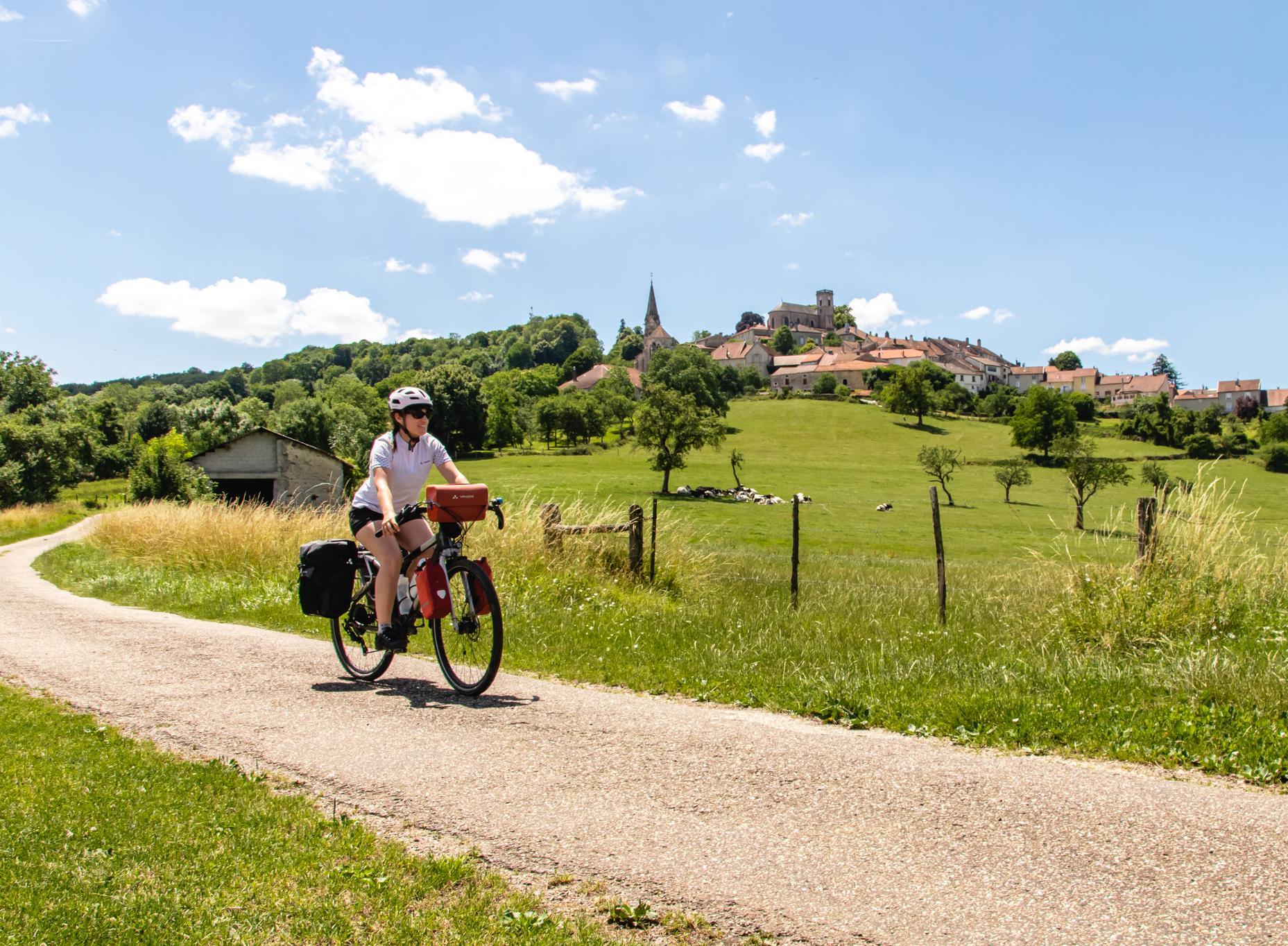
Bikepacking in Grand Est – the must-see routes
Other adventures in Haut-Rhin


Tips from the Community

A lovingly furnished grotto for the little dwarves
0
0

In 1912, Bishop François-Xavier Schoepfer of Tarbes and Lourdes had a full-scale replica of the Lourdes grotto built on the site of his birthplace, which had been destroyed by fire. Alsace has no fewer than 130 replicas of the Lourdes grotto, built between the end of the 19th century and the beginning of the 20th century.
5
0

Silent witnesses of the war past
2
0

The "Veilchenstein" is a German shelter located on the Hartmannswillerkopf¹ battlefield. This shelter, built into a rock, is equipped with a machine gun post and observatories¹. Hartmannswillerkopf, also known as Vieil Armand, is a pyramidal rocky spur in the Vosges massif, overlooking the Alsace plain from its 957 meters¹. During the First World War, it was a strategic summit hotly contested by the French and German armies¹. Today, the Hartmannswillerkopf is a place of memory, bearing witness to the suffering of the soldiers who fought in the name of their country¹. The German remains encountered on the ground, sometimes quite spaced apart from each other, are witnesses to this historical period¹. (1). https://bing.com/search?q=veilchenstein+harmannswillerkopf. (2) The Hartmannswillerkopf - Official website. https://www.memorial-hwk.eu/. (3) Hartmannswillerkopf - Wikipedia. https://fr.wikipedia.org/wiki/Hartmannswillerkopf.
0
0
The Adlerhorst is a German shelter located on the Hartmannswillerkopf³ battlefield. This two-story shelter is built into a rock³. It is equipped with a machine gun post, observatories and a fountain³. Hartmannswillerkopf, also known as Vieil Armand, is a pyramidal rocky spur in the Vosges massif, overlooking the Alsace plain from its 956 meters². During the First World War, it was a strategic summit hotly contested by the French and German armies². Today, the Hartmannswillerkopf is a place of memory, bearing witness to the suffering of the soldiers who fought in the name of their country³. The German remains encountered on the ground, sometimes quite spaced apart from each other, are witnesses to this historical period³. (1) The Hartmannswillerkopf – German positions – By hills and by forts. https://parmontsetparforts.fr/2024/03/17/hwk-positions-allemandes/. (2) The Hartmannswillerkopf - Official website. https://www.memorial-hwk.eu/. (3). https://bing.com/search?q=adlerhorst+810+hartmannswillerkopf.
0
0
The “Roche Fendue” is a rock formation located on the Hartmannswillerkopf battlefield¹. It is located to the north of the HWK, below the Silberloch Pass, at around 750 meters above sea level³. The French fortified this rock during the First World War by digging an underground gallery approximately 20 meters long³. Above the Roche Fendue, a trench leads to an observation post offering a view of the Freundstein, the Grand-Ballon, the Hartfelsen, the Südelkopf and the Thierenbachkopf¹. These fortifications are among the many vestiges of the trench warfare which lasted from the end of 1914 to July 1918 on the Hartmannswillerkopf¹. Today, these sites are places of memory, witnesses to the suffering of soldiers who fought in the name of their country¹. (1) The Hartmannswillerkopf – French positions – By Mountains and by Forts. https://parmontsetparforts.fr/2024/03/24/hwk-positions-francaises/. (2) HWK: Observatories - e-monsite. https://hartmannswillerkopf.e-monsite.com/pages/hwk-les-observatoires.html. (3) To do: The northern trenches of Hartmannswillerkopf - Hiking. https://www.visorando.com/randonnee-les-tranchees-nord-du-hartmannswillerkop/.
0
0

A small entrance gives access to this fairly deep cave. It owes its name to Doctor Herrings, a village doctor with a passion for caving who died here following a landslide in 1914.
0
0
Enormous cellar whose entrance is 4 m high. It is currently filled. It is one of the rare caves known in Alsace.
0
0
Frequently Asked Questions
What types of underground experiences can I find in Haut-Rhin?
Haut-Rhin offers a diverse range of underground experiences, including natural caves, historical mines, and fortified tunnels. You can explore natural geological features like the Dwarves' Grotto, delve into the past at sites like the Schletzenbourg medieval mine, or discover military history in places such as the Lower Rehfelsen Tunnels.
Are there natural caves to explore in Haut-Rhin?
Yes, the region features natural caves like the Dwarves' Grotto in Ferrette, nestled within an impressive gorge formed by water eroding karstic limestone. Another notable natural cavity is the Grotte du Hohlenstein in Lauw, which is listed as the longest natural cavity in the department.
What historical underground sites can I visit in Haut-Rhin?
Haut-Rhin has several historical underground sites. The Schletzenbourg medieval mine offers a glimpse into past lead extraction. Tellure Park in Sainte-Marie-aux-Mines, though not a natural cave, is a significant former silver mine with nearly 400 years of history, offering guided tours through its extensive galleries. Additionally, the Lower Rehfelsen Tunnels are a fortified natural rock formation with historical significance.
Are there family-friendly caves or underground attractions in Haut-Rhin?
Yes, the Dwarves' Grotto is considered an ideal spot for families, with walks that can be adapted for young children, combining natural beauty with local folklore. The Lourdes Grotto is also listed as family-friendly. Tellure Park, with its guided tours and museum area, can also be an engaging experience for families interested in industrial heritage.
What is the best time to visit the caves in Haut-Rhin?
For sites like the Dwarves' Grotto, the surrounding area is popular for climbing, especially in summer and autumn. Generally, warmer and drier months might be more comfortable for exploring outdoor cave entrances and associated hiking trails. For indoor attractions like Tellure Park, seasonal considerations are less critical, but it's always advisable to check specific opening hours.
What geological features are prominent in Haut-Rhin's caves?
The Dwarves' Grotto is a prime example of karstic limestone formations, with its gorge approximately 25 meters high, formed by water erosion. The region's geology includes diverse formations that have created these natural underground spaces.
Can I find hiking trails near the caves in Haut-Rhin?
Yes, many caves in Haut-Rhin are integrated into hiking routes. For instance, the area around the Dwarves' Grotto offers beautiful hiking trails, including paths that lead to the Plateau des Nains with views of the Ill valley. You can find various hiking options in the region, from easy hikes to more challenging routes.
What are some unique or lesser-known underground sites in Haut-Rhin?
Beyond the more prominent sites, the Mannlefelsen Cave is noted as one of the rare known caves in Alsace. The Underground Galleries of Pfastatt, originally dug for clay extraction and later used as military shelters and champagne cellars, offer a fascinating glimpse into local history, though public access is currently limited.
Are there any caves associated with local legends or folklore?
Absolutely. The Dwarves' Grotto is steeped in local legend. Folklore suggests that 'little women of the earth' (Erdwibalaschlucht) and 'little men of the earth' (Erdmanala) once inhabited the grotto, assisting villagers until they were mocked and retreated into their subterranean world.
What kind of views can I expect near the caves?
Many cave sites offer impressive views of the surrounding landscape. From the Plateau des Nains near the Dwarves' Grotto, you can enjoy beautiful vistas of the Ill valley and nearby villages. The Lower Rehfelsen Tunnels also provide great views over the Rhine plain.
Can I combine a cave visit with other outdoor activities?
Yes, the areas around many caves are excellent for outdoor activities. The gorge surrounding the Dwarves' Grotto is a popular spot for rock climbing, with routes ranging from 6b to 8a. The region also offers numerous hiking and mountain hiking opportunities.
What is the Galtz Monument and how is it related to caves?
The Galtz Monument is a historical site and viewpoint at 730 meters, featuring a statue of Christ. While primarily a monument, it is categorized as also having cave features, and offers impressive panoramic views, including as far as the Swiss Alps on clear days. It can be reached via beautiful hiking trails.
Are there any WWI historical sites among the caves?
Yes, Haut-Rhin has several WWI historical sites that incorporate underground structures. The Adlerhorst Command Post – World War I and the Veilchenstein German WW1 Bunker are examples of such sites, often featuring fortified positions and underground elements.
Most popular routes in Haut-Rhin
Most popular attractions in Haut-Rhin

Get inspired with the komoot mobile app


Explore more
Extend your search for the best caves by checking out these guides of the top ones in Haut-Rhin:
