Top 8 Castles in Asturias
Castles in Asturias are prominent historic fortresses and palaces located in northern Spain, a region characterized by its diverse landscapes and rich history. This area features a variety of architectural styles, from medieval fortifications to Baroque palaces. Many of these structures are situated in strategic locations, offering insights into the region's past. Asturias provides opportunities to explore these historical sites, often integrated into the natural environment.
Best castles in Asturias
- The most popular castles is Castillo de San Martín, a castle located on a promontory overlooking the Nalón River estuary. Its strategic location provided an excellent visual domain over the river's mouth and justified its long history as a fortification.
- Another must-see spot is Revillagigedo Palace and Statue of Don Pelayo, an 18th-century palace in Gijón. This notable example of Asturian palatial architecture forms a complex with the collegiate church of San Juan.
- Visitors also love Quinta de Selgas, a 19th-century palace and estate. It houses an important collection of artistic pieces, including works by Goya and El Greco, and features a landscaped garden.
- Asturias is known for its medieval towers, fortified castles, and elegant palaces. These structures showcase diverse architectural styles and historical significance.
- The castles in Asturias are appreciated by the komoot community, with more than 120 upvotes and over 50 photos shared across these historical sites.
Last updated: October 16, 2026
Castillo de San Martín
Highlight • Castle
The current castle was built by Alfonso III on the remains of a previous settlement, in order to protect the coast and the estuary from Norman incursions.
Translated by Google •
Tip by

Quinta de Selgas
Highlight • Historical Site
Translated by Google •
Tip by

Sign up now to discover places like this
Get recommendations on the best single tracks, peaks, & plenty of other exciting outdoor places.
Castillo de Valdés-Salas
Highlight • Castle
It is a 16th century building, of a sober character, which is linked to the Torre de los Valdés, from the 15th century and with which it forms a set, by means of a lowered semicircular arch bridge where the family coats of arms are exhibited. Valdes-Salas.
The construction is made of masonry and stonework, a sample of the civil architecture of its time.
It was the home of the noble Valdés Salas family, whose best-known member is Fernando Valdés Salas, religious, inquisitor, politician and founder of the University of Oviedo, buried in the collegiate church of Santa María La Mayor and who was born in this palace.
The arrangement is a two-story house that revolves around an interior patio in the shape of a rectangular trapezoid. The patio is porticoed, and is crossed by a corridor with a railing of turned balusters, supported by wooden columns. The central body of the palace houses a hall that serves as a distributor. The North bay is arranged diagonally, and the main façade is located there, flanked by two protruding towers and the annexed chapel. The main door has a semicircular arch and small windows.
The chapel, called "Nuestra Señora de la Calle", is currently used as an exhibition hall. It is rectangular in plan, with the semicircular header covered with a barrel vault, and the space of the nave is also divided into two floors. On the upper floor there are two openings, which the Valdés Salas surely used at the time to attend the celebrations without being seen. Its only independent façade is oriented to the East.
The palace has been declared an Asset of Cultural Interest, with the category of Monument
Translated by Google •
Tip by

Palace of the Dukes of Estrada
Highlight • Historical Site
It is a Baroque palace, with an area of 1,351 m2, built at the end of the 17th century by Fernán Duque de Estrada, Count of La Vega de Sella. It has a tower on each side of the sober main façade.
listaroja.hispanianostra.org/ficha/palacio-de-los-duques-de-estrada
Translated by Google •
Tip by

Revillagigedo Palace and Statue of Don Pelayo
Highlight • Historical Site
Translated by Google •
Tip by

Medieval Tower of Proaza
Highlight • Castle
Translated by Google •
Tip by

City wall
Highlight • Historical Site
Translated by Google •
Tip by

Salas Historic Town Center
Highlight • Historical Site
Translated by Google •
Tip by

Donlebún Castle Palace
Highlight • Castle
Translated by Google •
Tip by

Start today with a free account
Your next adventure awaits.
Popular around Asturias
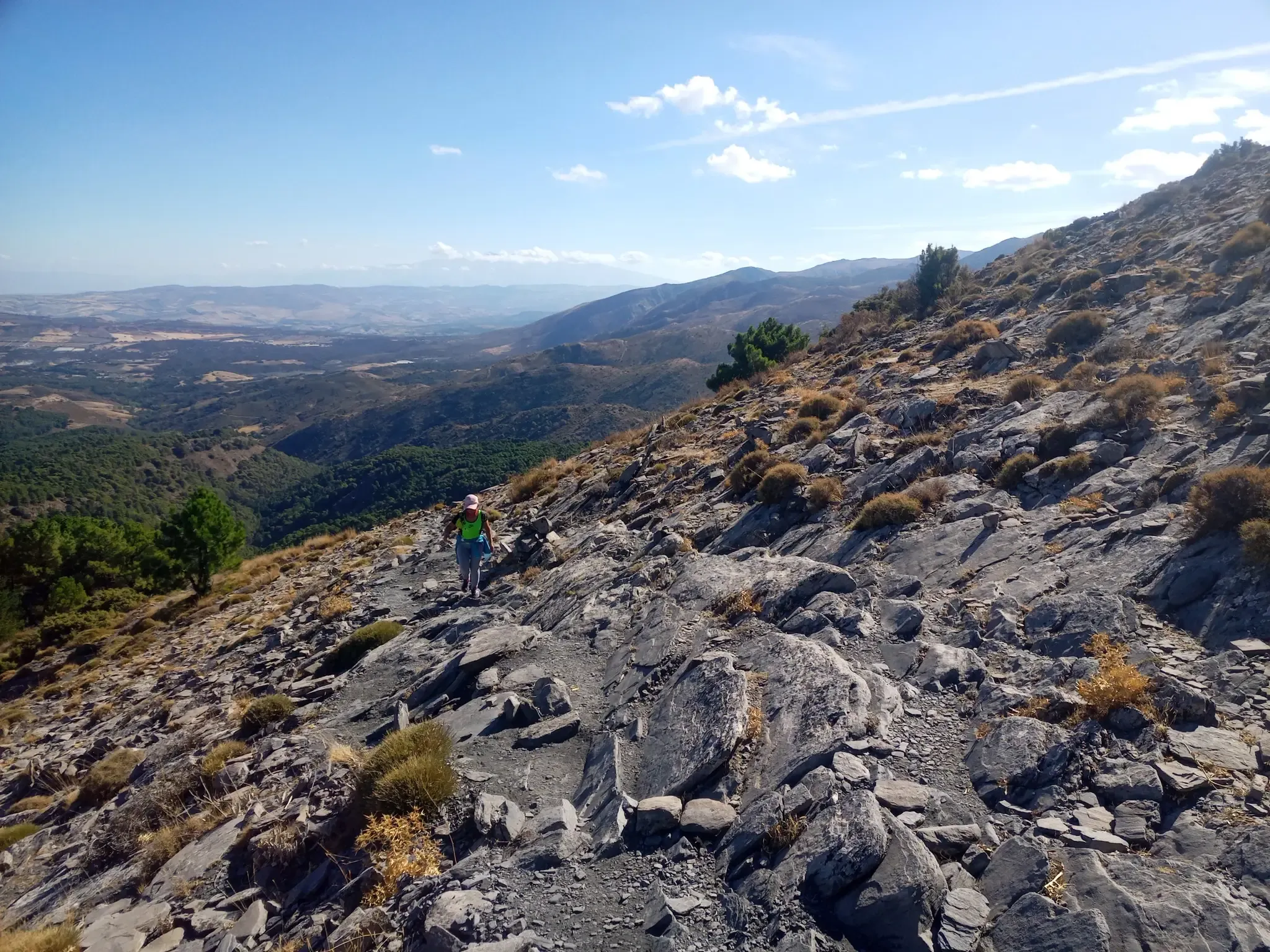
12 hiking gems throughout Spain
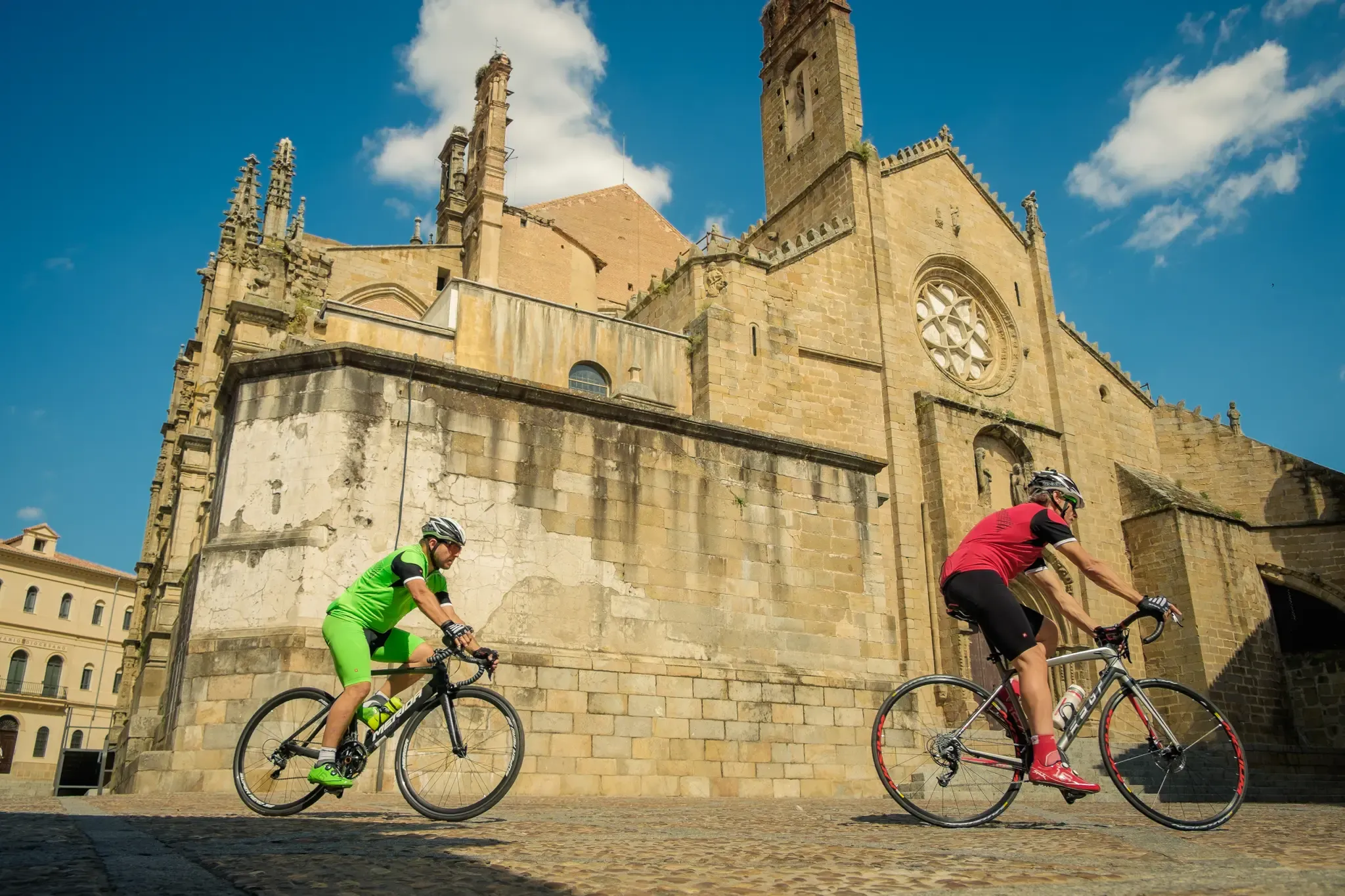
Vía de la Plata – from Seville to Gijón by bike
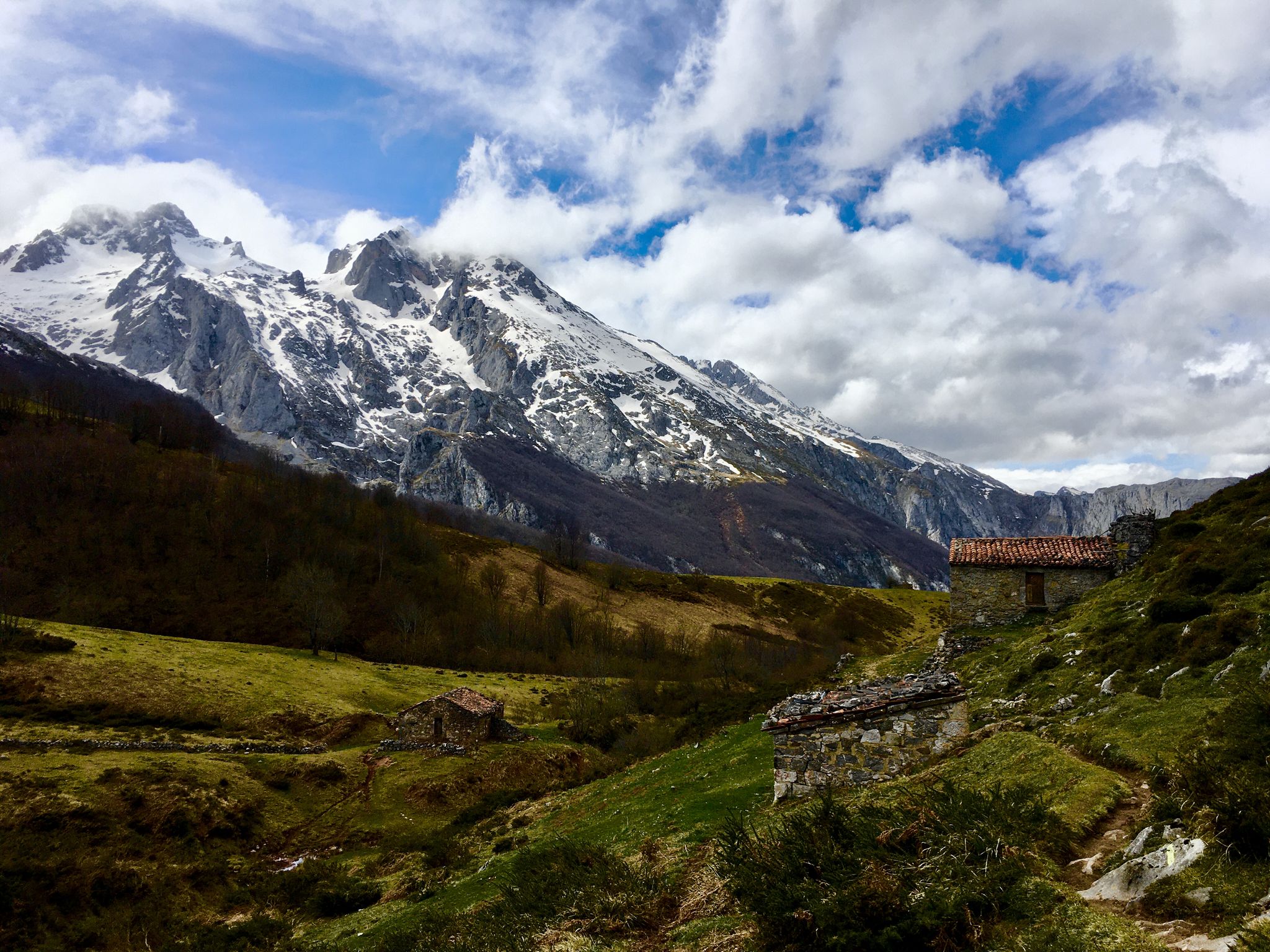
Route of the Reconquest (GR 202) – In the footsteps of an army
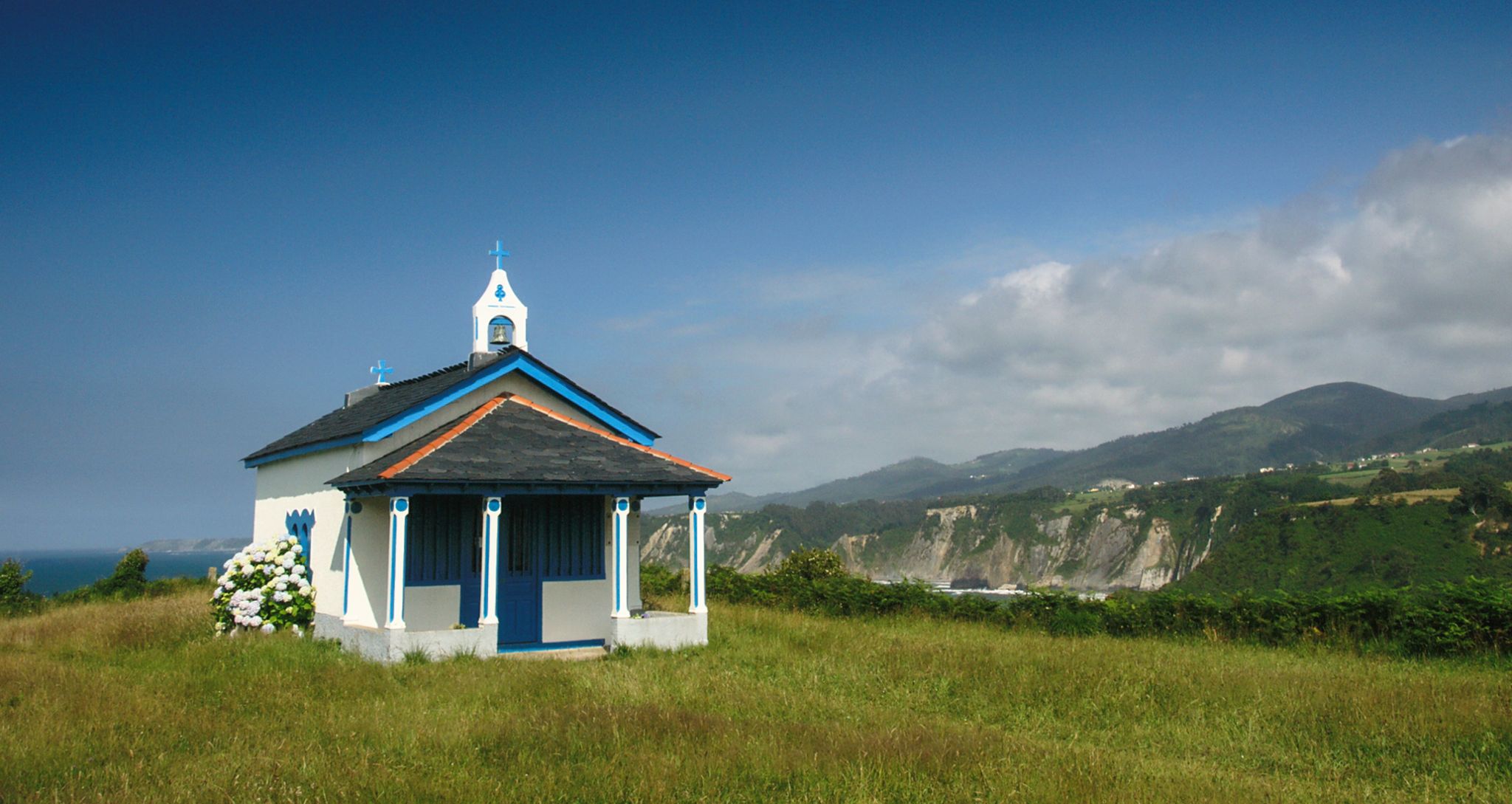
Camino del Norte – 15 stages
Camino del Norte (in reverse) – Discovering northern Spain's stunning coastline
Mythical Passes and Sections of La Vuelta
Central Mountain Cycling Ring GR 208 - Tour of the Asturian Mountains
Senda del Arcediano (GR 210) - A historical hike through the Picos del Picos
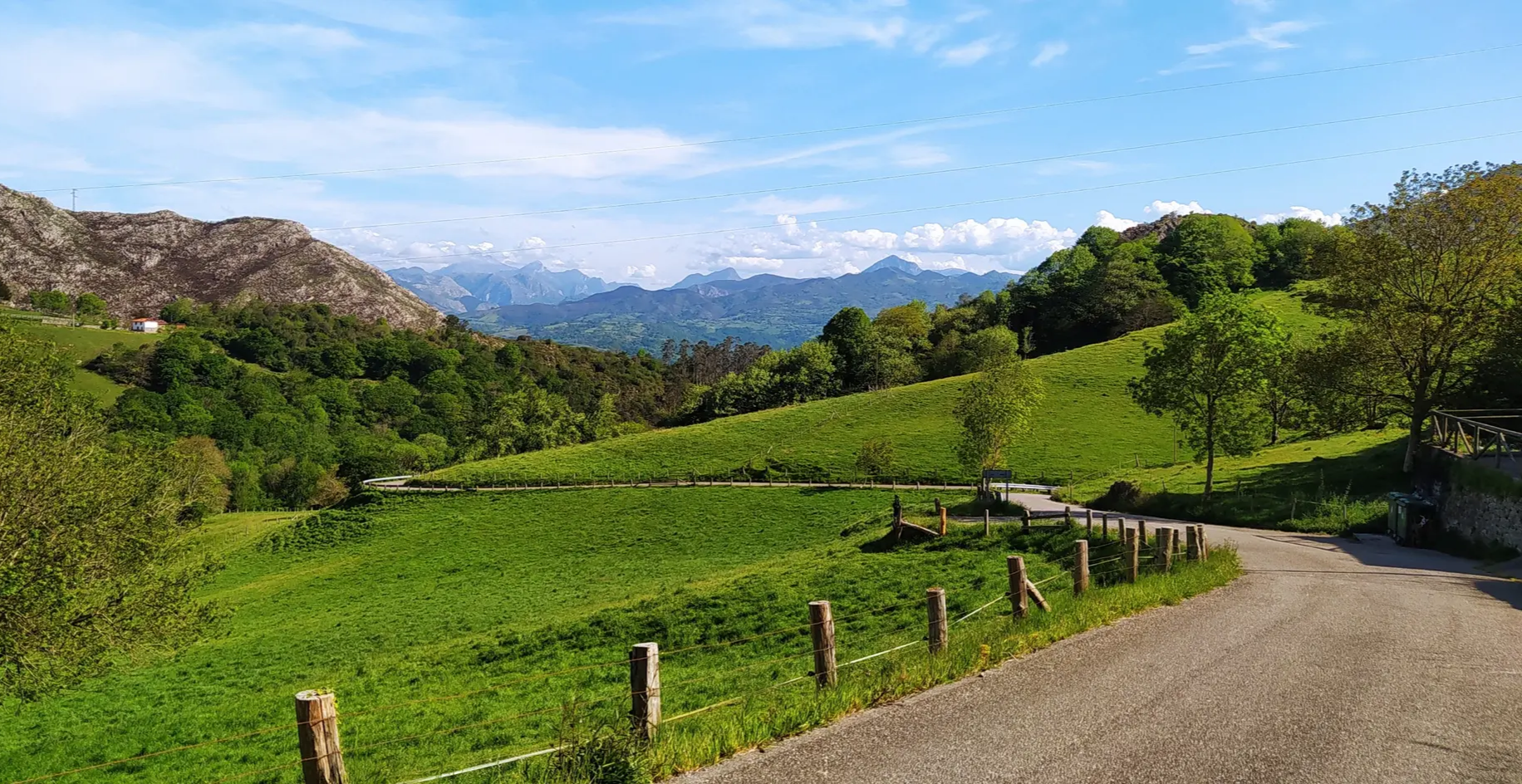
Great mountain passes of Picos de Europa on road bikes
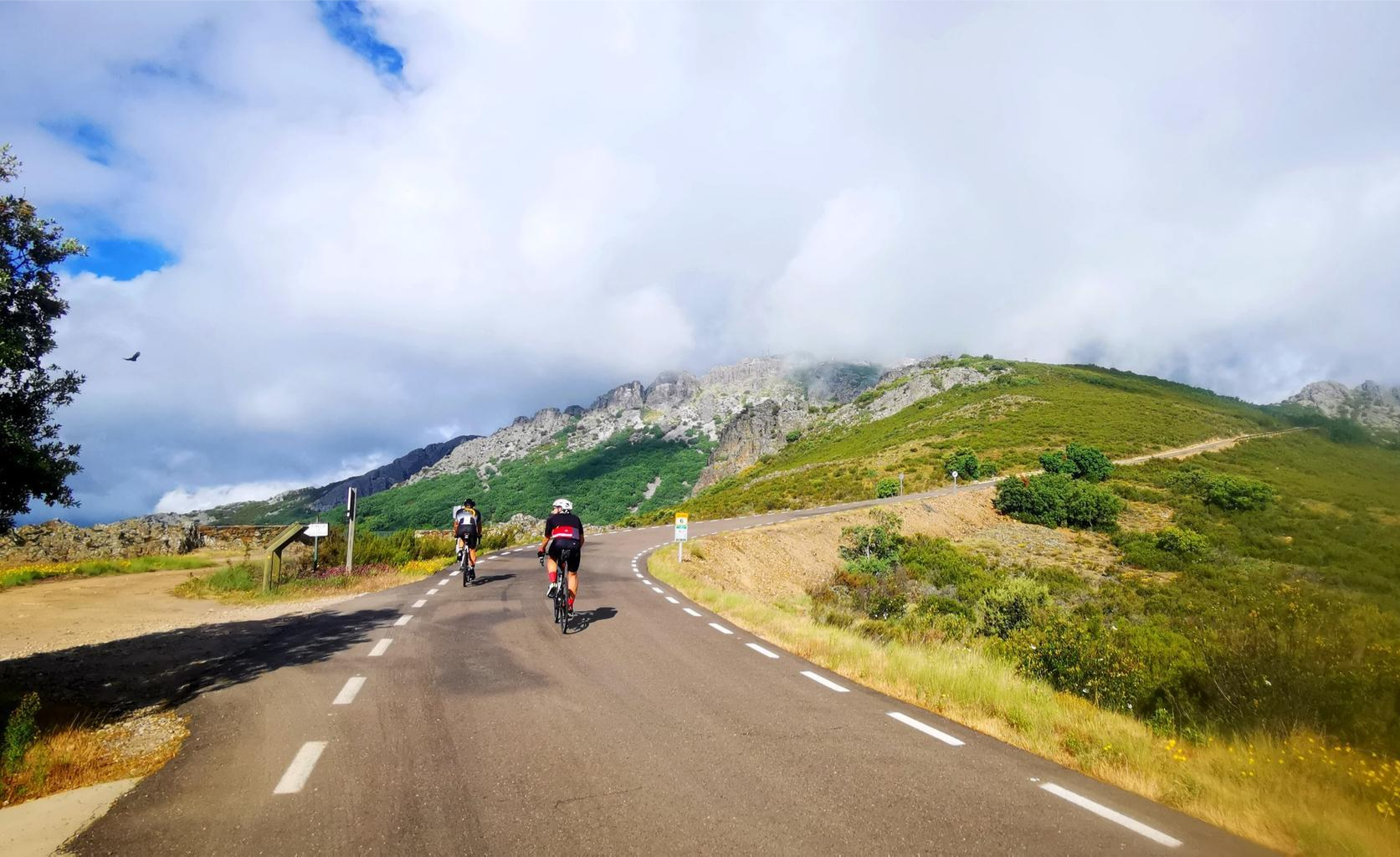
Legendary climbs - Ports of La Vuelta a España
Other adventures in Asturias


Tips from the Community

A well-preserved section of the medieval city wall of Llanes between Playa del Sablón and the old town. Unfortunately, many cars are parked along the wall (they have to go somewhere), which significantly spoils the view.
0
0
From the outside, you don't see much of the old palace in ruins. From the Mirador de San Pedro above Playa Sablon, you can see how large the building and the surrounding complex are.
0
0

It's very interesting to take a look at
0
0
Very interesting to visit
0
0

It's an ideal starting point for tours in the region. Hotels and restaurants are available. However, the bears have retreated.
2
0

Pompous and in the middle the stature.
2
1

The palace, located in front of the marina of Gijón/Xixón and next to the statue of Don Pelayo, is an 18th-century building, although one of its two towers originally dates from the 15th century.
5
1
Frequently Asked Questions
Which castles in Asturias are particularly rich in history?
Asturias is home to many historically significant castles and palaces. The Castillo de San Martín, built by Alfonso III, has a long history as a fortification overlooking the Nalón River estuary. The Medieval Tower of Proaza was a key point for communication in the Middle Ages. The Castillo de Valdés-Salas, a 16th-century building, features defensive elements and houses a museum of Pre-Romanesque art. The Palacio de Ferrera in Avilés is an iconic 17th-18th century Baroque palace that hosted Spanish royalty.
Are there family-friendly castles to visit in Asturias?
Yes, several castles and palaces in Asturias are suitable for families. The Castillo de San Martín offers historical interest and scenic views. The Quinta de Selgas, with its beautiful landscaped gardens and art collection, is also a great option for families. The Revillagigedo Palace in Gijón is centrally located and easy to access.
What kind of outdoor activities can I do near the castles in Asturias?
Many castles in Asturias are situated in areas perfect for outdoor activities. For instance, the Medieval Tower of Proaza is a popular starting point for hikers and cyclists exploring the Senda del Oso. You can find various mountain hikes, MTB trails, and easy hikes throughout the region, often near these historical sites.
Which castles offer notable architectural styles?
Asturias showcases diverse architectural styles. The Palacio de Ferrera in Avilés is a prime example of Asturian Baroque architecture, known for its sober yet imposing design and unique corner façade. The Castillo de Valdés-Salas is a significant 16th-century civil construction with a large square tower and defensive features. The Revillagigedo Palace in Gijón is an 18th-century example of palatial architecture.
Are there castles in Asturias that have been converted into hotels or event venues?
Yes, some historical buildings in Asturias have found new life. The Castillo de Valdés-Salas has been transformed into a hotel, allowing visitors to stay within its historic walls. The Palacio de Ferrera in Avilés also operates as a five-star hotel. The Castillo de San Cucao is a popular venue for events like weddings, blending medieval and modern styles within its gardens.
What are some lesser-known or 'hidden gem' castles in Asturias?
Beyond the most popular sites, Asturias offers several intriguing historical structures. The Palacio de Moutas in Pravia, with its austere exterior and opulent Baroque interiors, is a notable example of careful limestone ashlar construction. The Palacio de Inclán, also in Pravia, built upon a medieval tower, retains some defensive characteristics and features a central cobbled courtyard. The Donlebún Castle Palace, with its three towers, is conveniently located near the port of Figueras.
Can I find art collections or museums within these castles?
Yes, some castles and palaces in Asturias house significant art collections. The Quinta de Selgas is renowned for its important collection of artistic pieces, including works by Goya and El Greco, as well as tapestries, porcelain, and glassware. The Castillo de Valdés-Salas features a museum dedicated to Pre-Romanesque art, showcasing valuable pieces and tombstones.
Which castles offer the best viewpoints or strategic locations?
The Castillo de San Martín is strategically located on a promontory overlooking the Nalón River estuary, providing excellent visual command over the river's mouth. The Medieval Tower of Proaza also held a strategic position, key for communication between Asturias and the Meseta in the Middle Ages.
What is the best time of year to visit castles in Asturias?
The summer season, typically from June to September, is a popular time to visit, as some sites like the Quinta de Selgas have limited opening hours during this period. Generally, spring and autumn offer pleasant weather for exploring, with fewer crowds than peak summer.
Are there any castles or palaces with notable gardens?
Yes, several palaces in Asturias are known for their beautiful gardens. The Quinta de Selgas features a magnificently landscaped garden, often referred to as the 'Versailles of Asturias.' The Palacio de Ferrera in Avilés also boasts a notable 'French garden,' adding to its historical charm. The Castillo de San Cucao is surrounded by spectacular gardens, making it a picturesque setting.
What historical context do the castles of Asturias provide?
The castles and palaces of Asturias offer a deep dive into the region's past, from medieval fortifications built to protect against Norman incursions, like the Castillo de San Martín, to elegant Baroque residences such as the Palacio de Ferrera and the Revillagigedo Palace. They reflect the strategic importance of the region, the power of noble families, and the evolution of architectural styles over centuries.
Most popular routes in Asturias
Most popular attractions in Asturias

Get inspired with the komoot mobile app


Explore more
Looking for the best castles somewhere else? Discover other guides in Asturias:
