Top 3 Caves in Lugo
Caves in Lugo, a province in Spain's Galicia region, are characterized by diverse geological formations and historical significance. The region features an array of natural caves, sea caves, and historical mining sites. These underground environments offer insights into both natural processes and ancient human activity. Lugo's landscape provides varied caving experiences, from extensive natural networks to coastal formations.
Best caves in Lugo
- The most popular caves is Beach of the Cathedrals, a beach that features huge stone arches and…
Last updated: October 2, 2026
Beach of the Cathedrals
Highlight • Beach
Translated by Google •
Tip by

A Fillobal
Highlight • Trail
Tip by

Sign up now to discover places like this
Get recommendations on the best single tracks, peaks, & plenty of other exciting outdoor places.
Maiden's Cave
Highlight • Cave
Translated by Google •
Tip by

Consuelo Mine
Highlight • Cave
Translated by Google •
Tip by

Start today with a free account
Your next adventure awaits.
Popular around Lugo
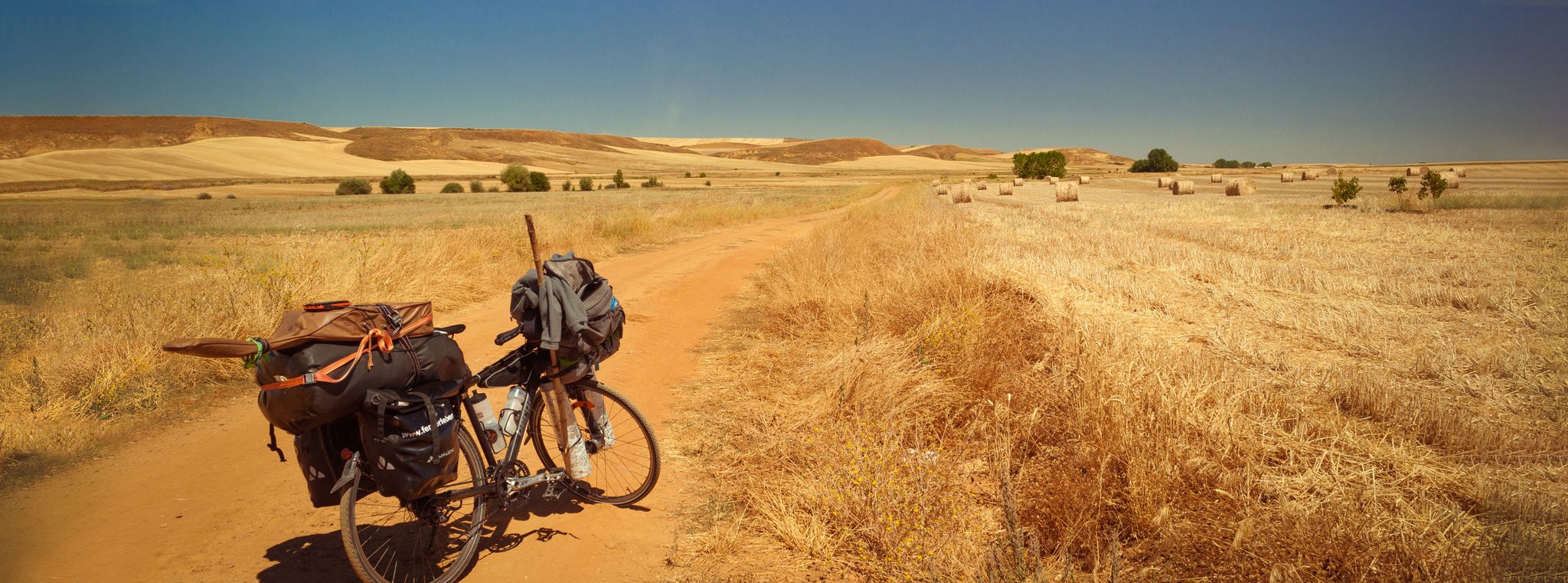
Camino Francés and Camino Finisterre – Cycling pilgrimages in Spain
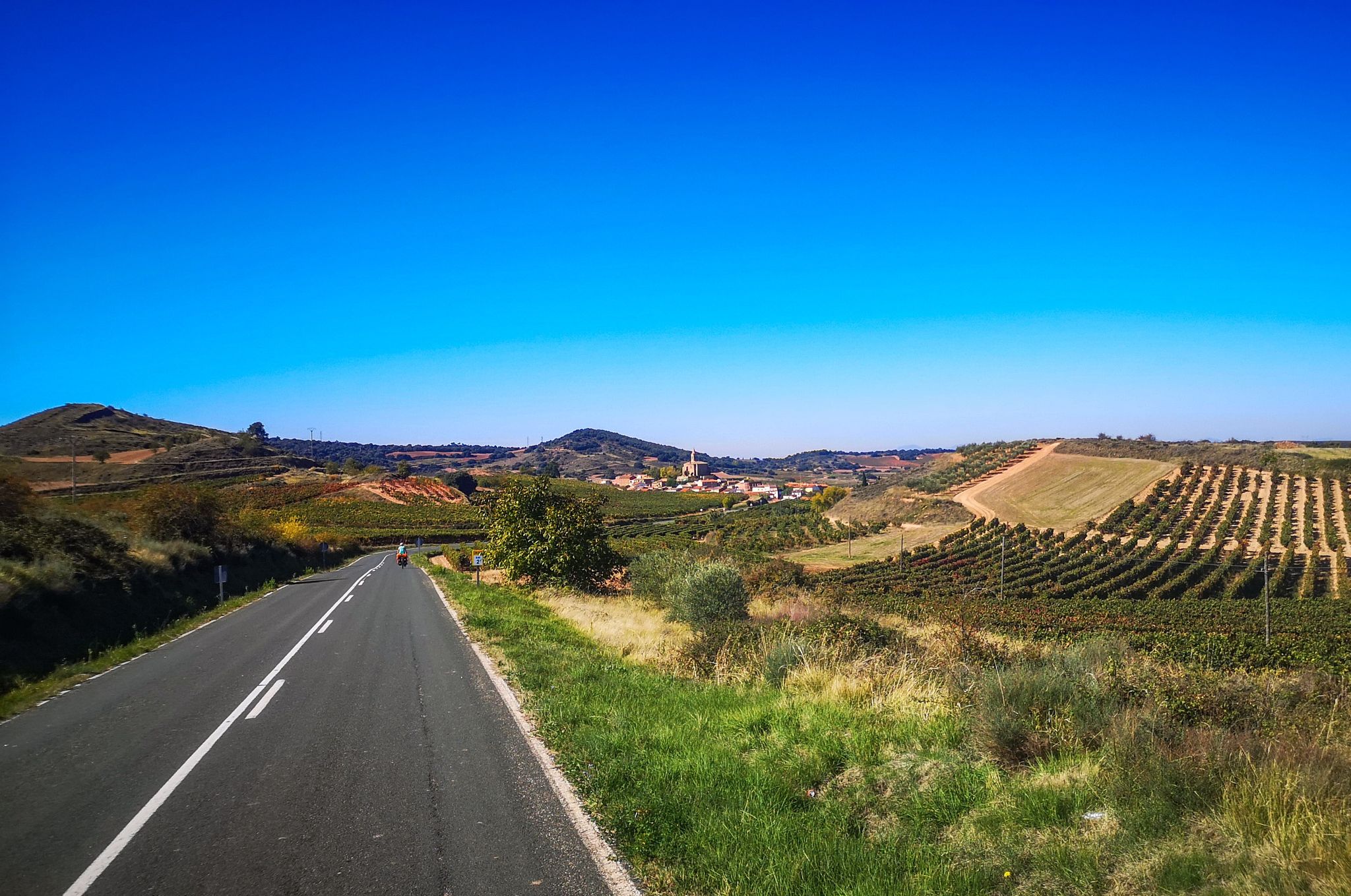
Santiago de Compostela – A journey through northern Spain (10 days)
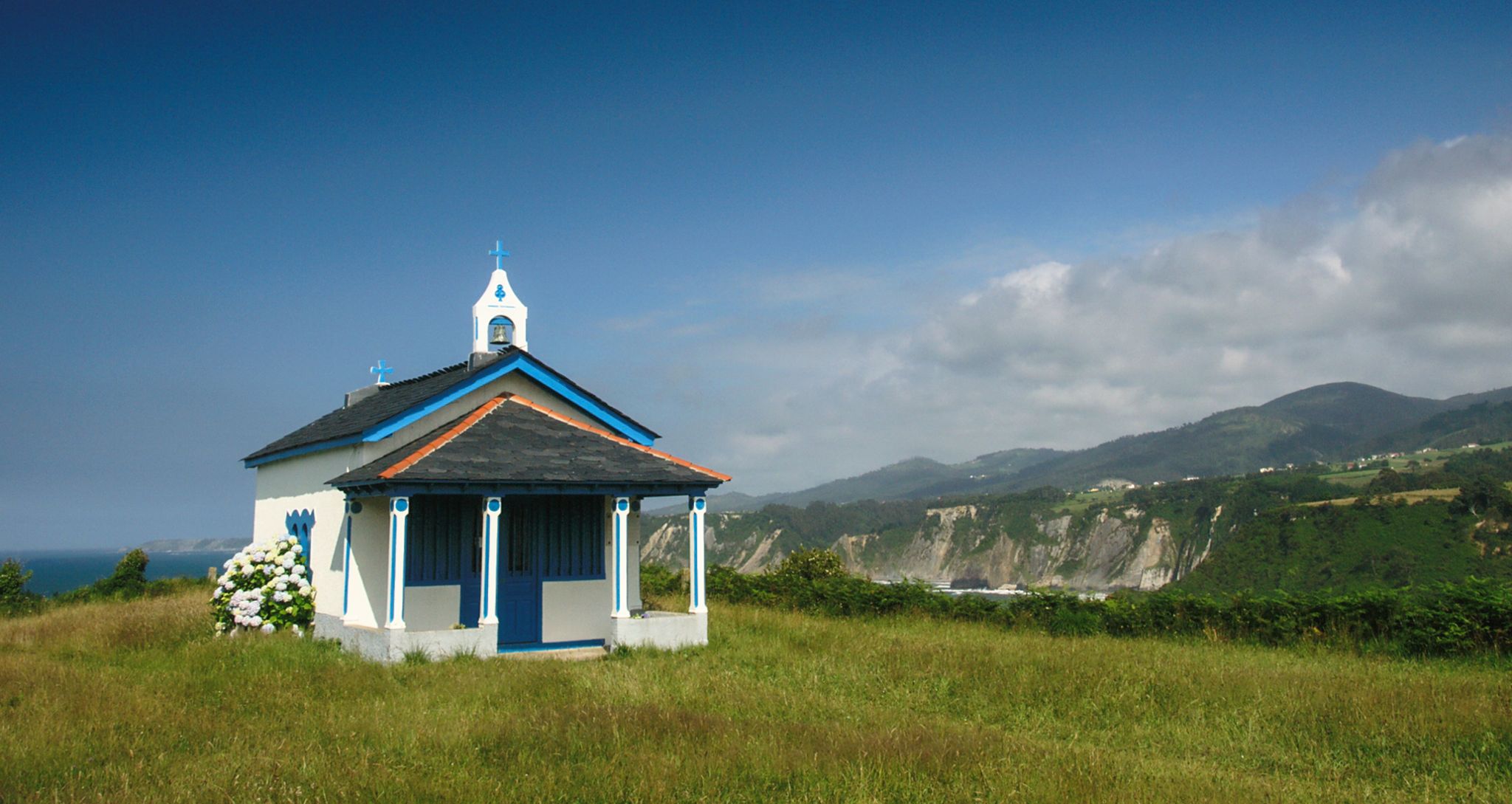
Camino del Norte – 15 stages
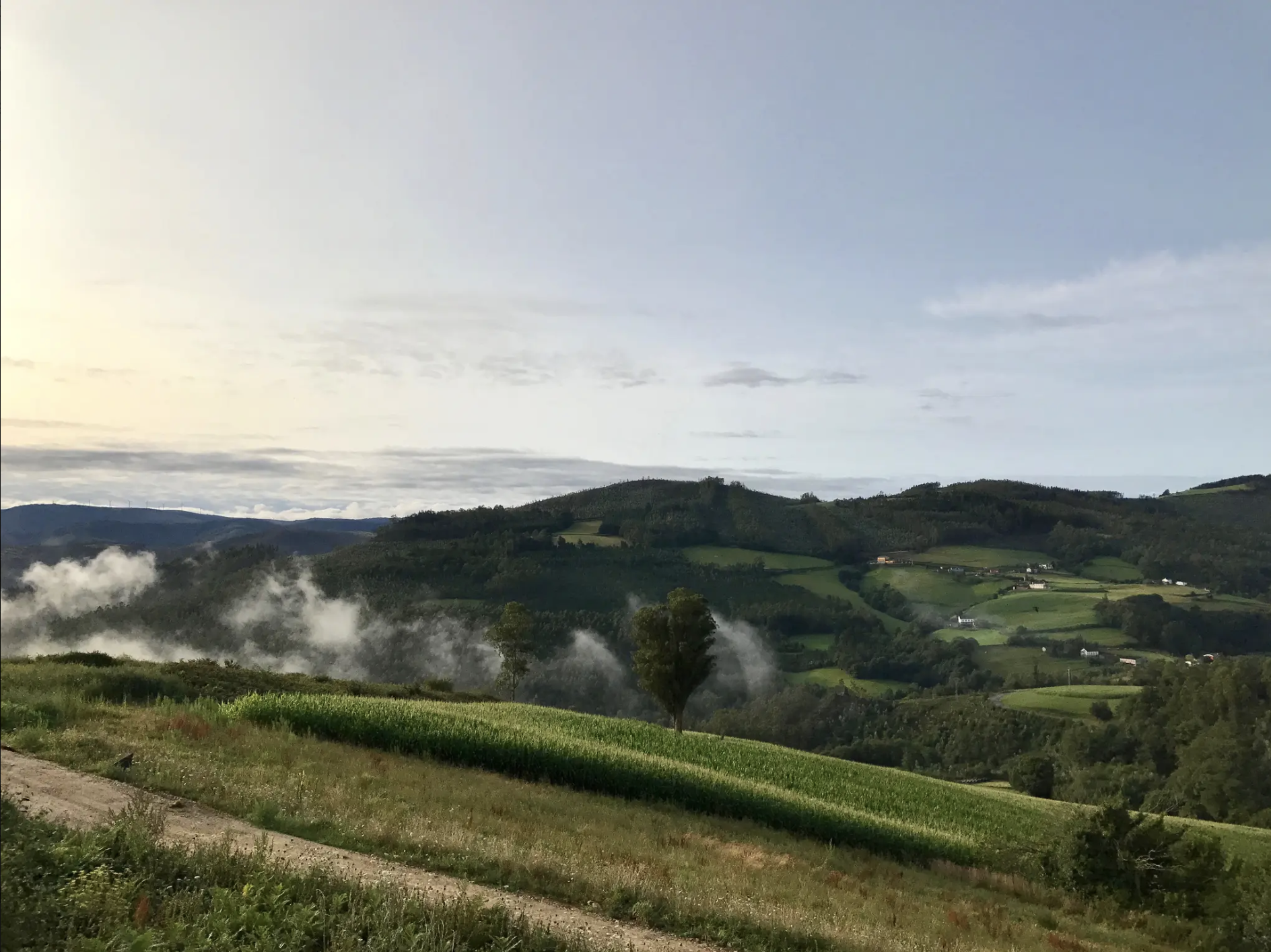
Camino del Norte (in reverse) – Discovering northern Spain's stunning coastline
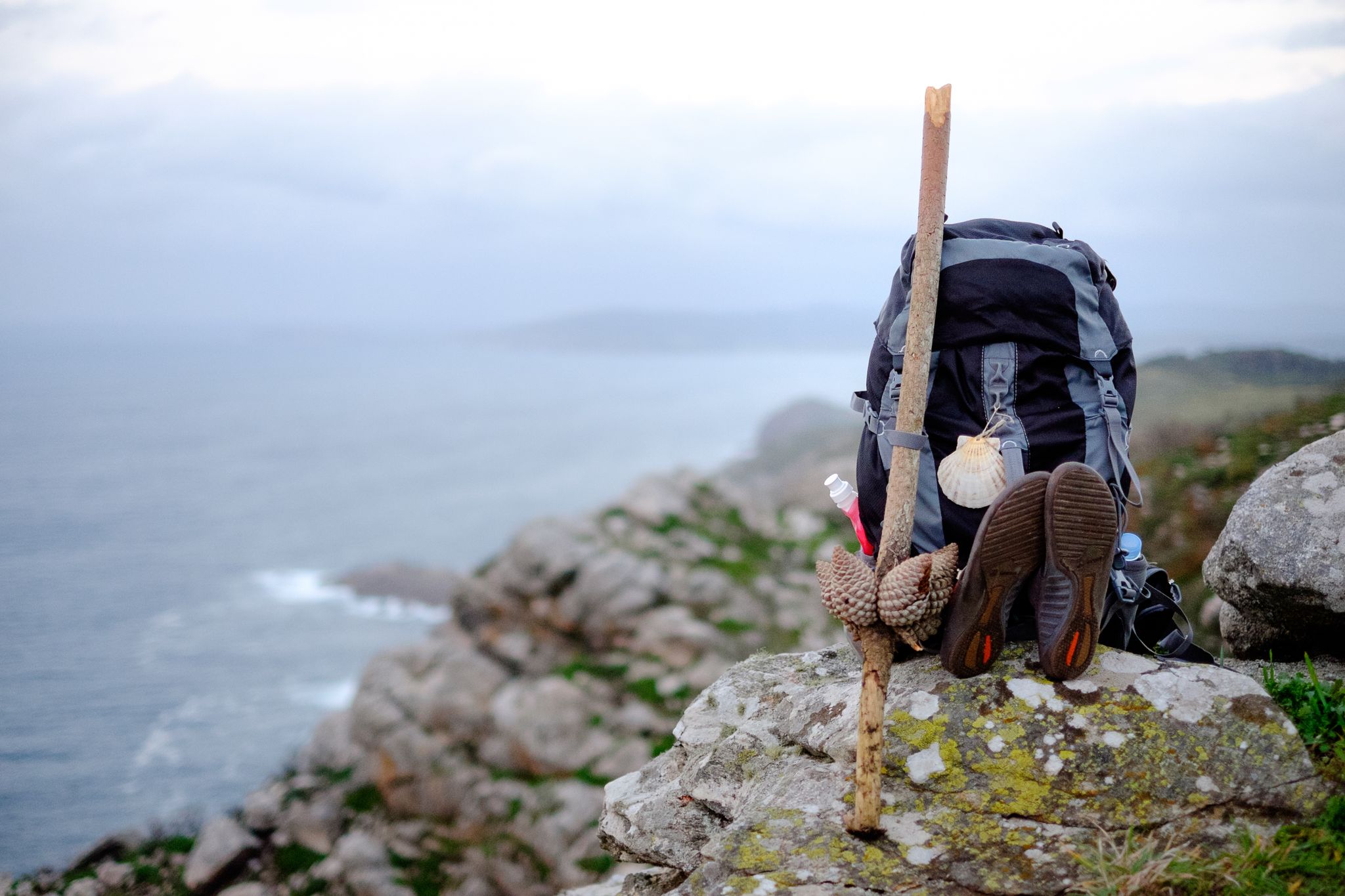
Way of St. James – 60 miles
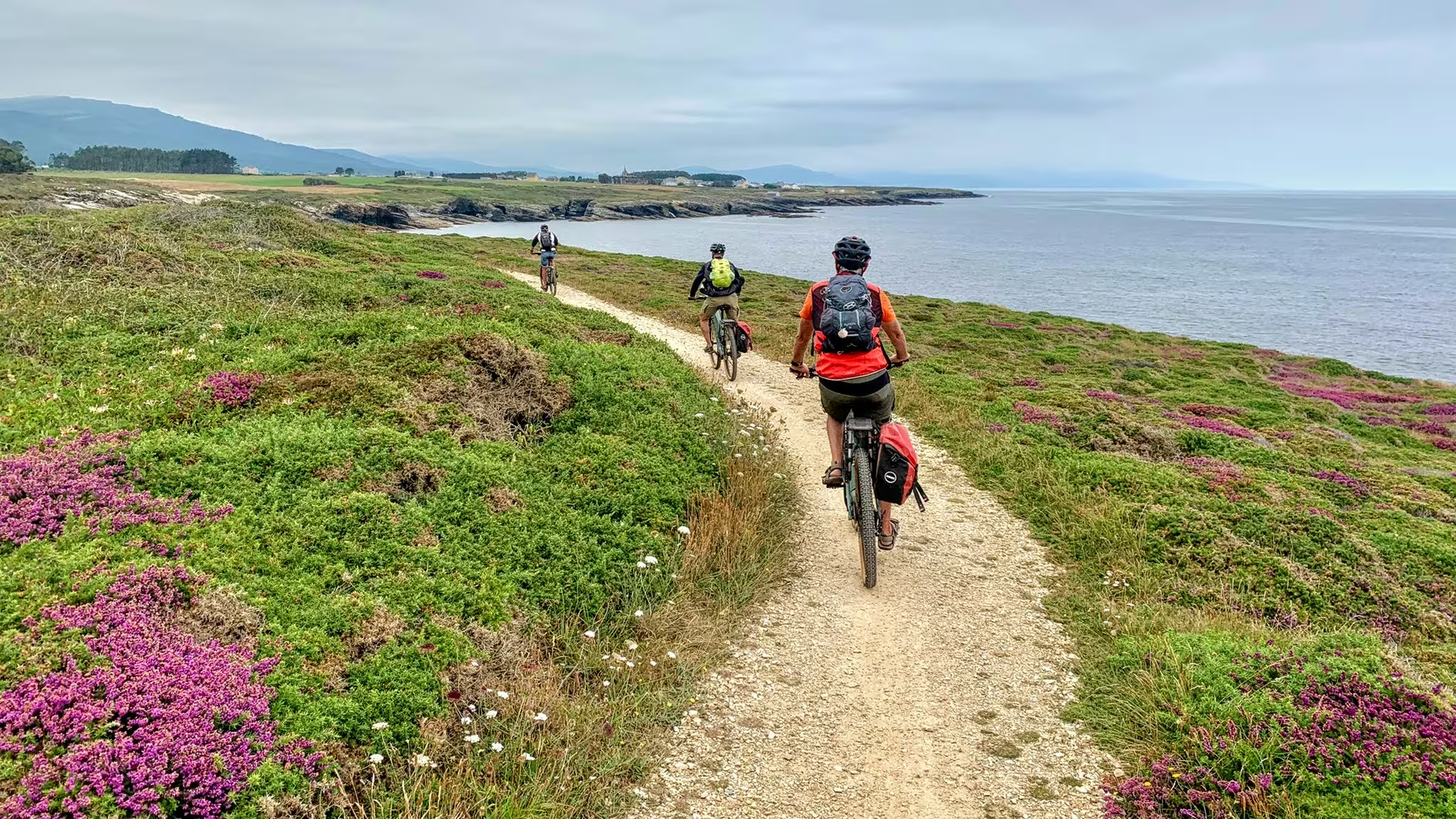
Galician coast by bike – Cantabrian Route nature trail
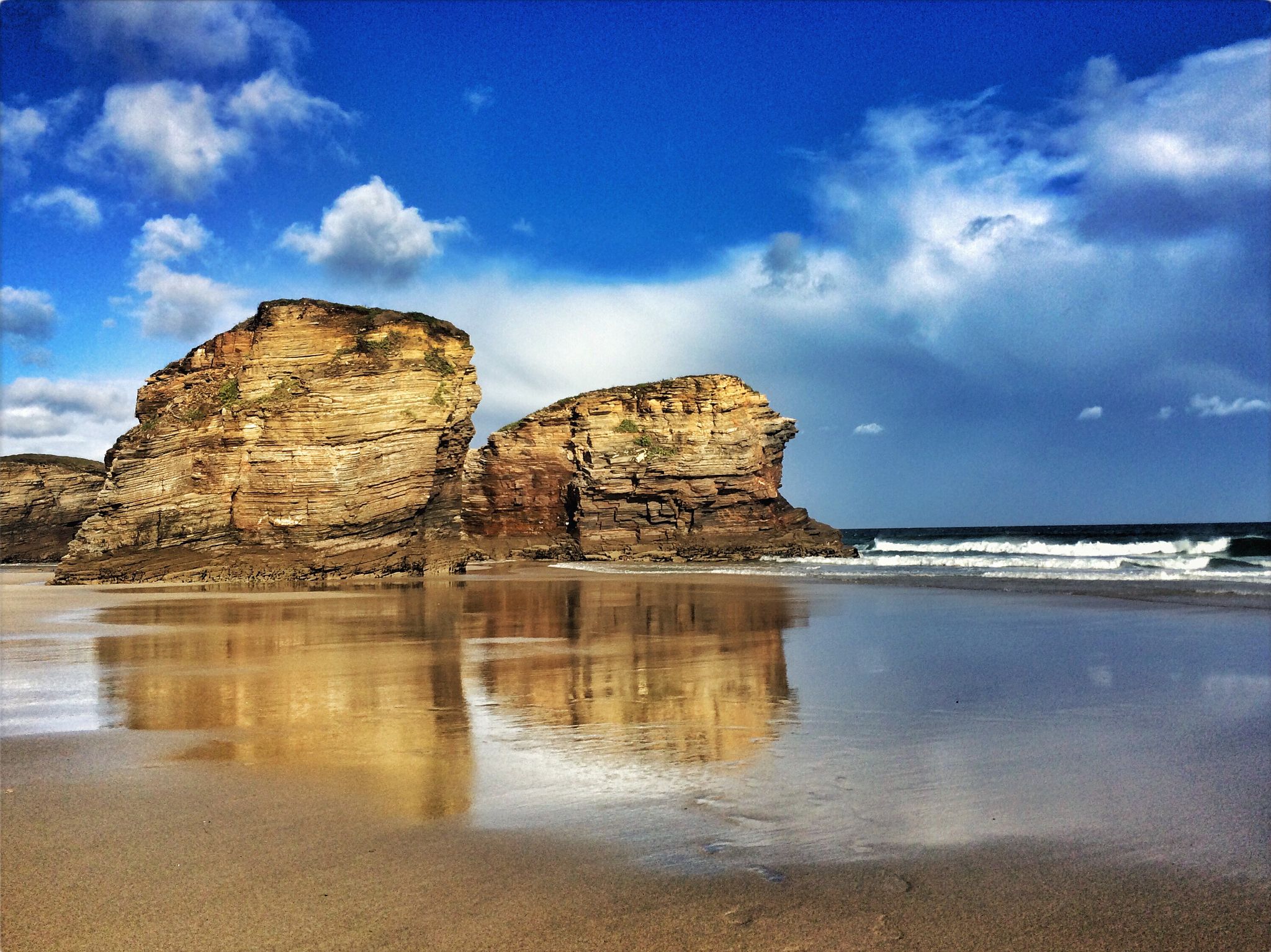
Along the Galician Coast - Camino Natural de la Ruta del Cantábrico
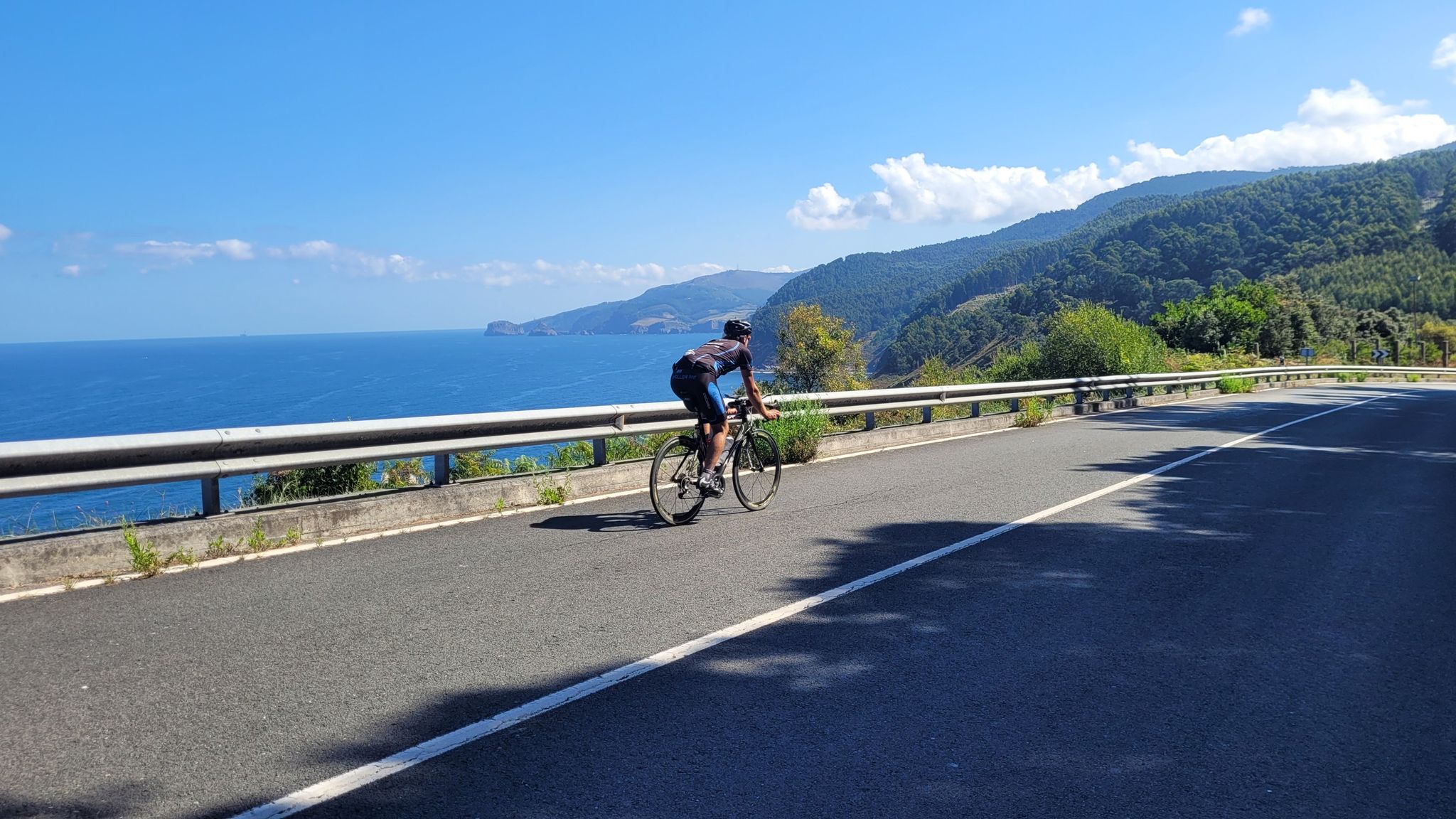
Cycling along the Cantabrian coast – the Northern Way
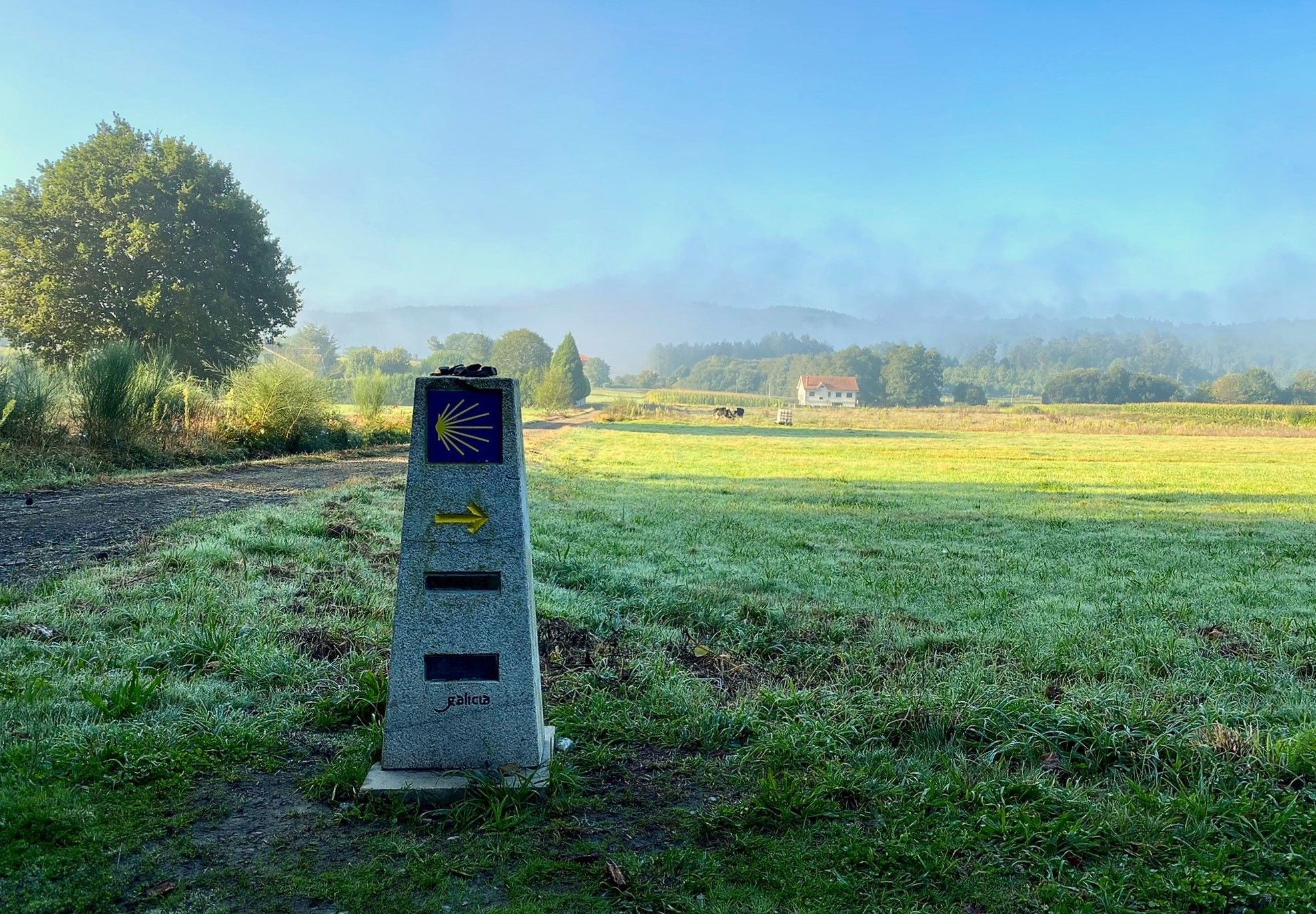
A pilgrimage on foot – Spain’s Primitive Way
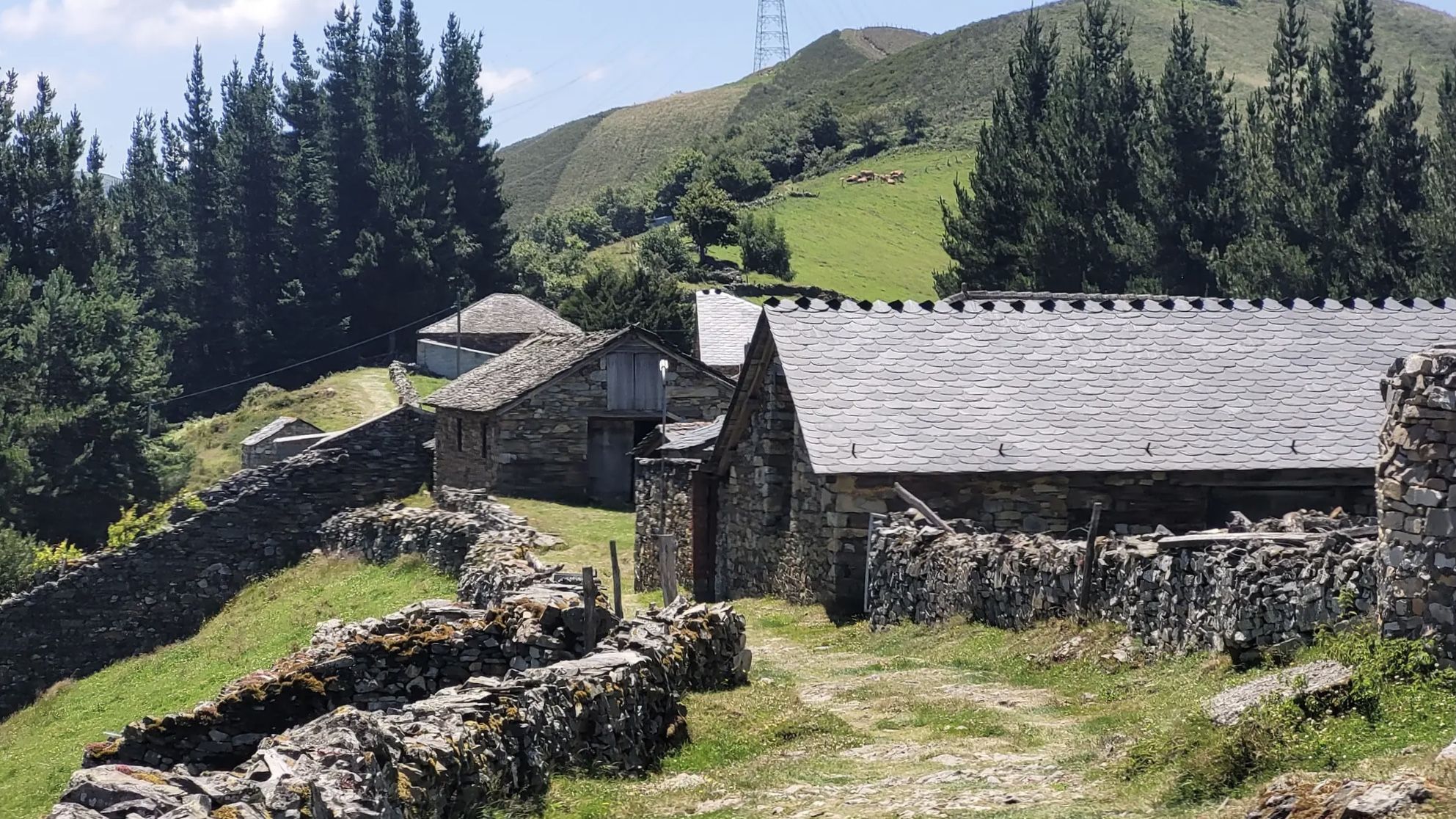
The Camino Primitivo — From Oviedo to Santiago through history
Other adventures in Lugo


Tips from the Community

A Galician village in the municipality of Triacastela, surrounded by meadows and forests, typical of the rural landscape of Lugo. It lies on the French Way of the Camino de Santiago, between O Biduedo and Pasantes. Although small, it offers a well-maintained environment, with restored stone houses and a few places to stop for refreshments. It's one of those stretches where the Camino gains tranquility and authenticity. Ideal for a leisurely ride and enjoying the surroundings. The terrain here is gentler, but with uneven surfaces in some areas. If you're on an e-bike, you can reduce the assistance and let yourself go. A great area for taking photos without traffic or crowds.
0
0

The Playa de las Catedrales, known in Galician as Praia das Catedrais, is an impressive natural monument located on the coast of the province of Lugo, in Galicia, Spain. Its official name is Playa de Aguas Santas, but it is popularly known as Playa de las Catedrales due to the appearance of its cliffs, which are reminiscent of the arches and vaults of a cathedral.
8
0

It's truly worth a One-Day-Off from the Camino del Norte 😍
4
0
Las Catedrales beach is a natural monument of extraordinary dimensions. All you have to do is wait for low tide, take off your shoes, start walking... and you'll feel like you're in heaven. There's nothing like enjoying the view of the 30-metre-high flying buttresses, discovering unusual perspectives of arches within other arches. Or simply, letting yourself be carried away by the sandy corridors between slate walls, like in an imposing and whimsical central nave.
5
0

Breathtaking one of the most beautiful beaches in Spain
10
0

Should *definitely* take a look, but watch the tides. At low tide the various small coves and caves are visible and accessible, unfortunately not at high tide. A ticket is required for access from July to October, which is available here: https://ascatedrais.xunta.gal/monatr/inicio?lang=en is to get. The tide times are also noted here.
5
0

Las Catedrales beach has been declared a Natural Monument and is considered by many to be one of the most beautiful and unique in all of Spain. To understand what makes it so special, you just have to wait for the tide to go out. At that time, you will be able to walk through it and admire the huge stone arches and caves that have formed this extraordinary construction of nature.
8
1

Spectacular natural monument located in the geomorphological formation of the Cantabrian Ridge. The rocks, mainly slates and quartzites, have suffered deformations over time due to tectonic movements, as well as the erosion of the wind and water when hitting the coast. In order to fully enjoy this natural wonder, it is advisable to visit it at low tide. It is at this time, when the sea level drops, that you can walk the narrow corridors between the cliffs and caves.
5
0
Frequently Asked Questions
What are some of the most notable caves and cave-like formations to visit in Lugo?
Lugo offers a diverse range of underground experiences. You can explore the impressive geological formations of Cova do Rei Cintolo, known for its extensive galleries and interior lake. For a unique historical perspective, Eirós Cave holds significant archaeological importance with evidence of prehistoric human occupation. Additionally, the Beach of the Cathedrals features spectacular sea caves and natural arches accessible at low tide, while the Consuelo Mine offers insight into the region's mining past within a large cavity.
Are there family-friendly cave options in Lugo?
Yes, several options cater to families. Cova do Rei Cintolo is often highlighted as an ideal destination for families, though it has a minimum age requirement of 12 years for guided visits. The Beach of the Cathedrals is also considered family-friendly, offering a unique experience of walking among its sea caves and arches at low tide.
What kind of natural features can I expect to see in Lugo's caves?
Lugo's caves showcase a variety of natural wonders. In Cova do Rei Cintolo, you'll find impressive stalactites, stalagmites, and lava flows, along with an interior lake. Buraca das Choias Cave is known for its two large lakes and unique 'luminous moss.' The Beach of the Cathedrals features towering natural arches and sea-sculpted caves.
Are there any caves in Lugo with historical or archaeological significance?
Absolutely. Eirós Cave is a prehistoric gem, notable for continuous occupation by both Homo sapiens and Homo neanderthalensis, and contains some of the oldest cave paintings in Galicia. Cova do Rei Cintolo also has archaeological interest with discoveries from the Middle Ages. The Consuelo Mine provides a glimpse into the region's industrial history.
What is the best time of year to visit caves in Lugo?
The best time to visit depends on the specific cave. For Cova do Rei Cintolo, guided visits are typically available between April and December. For coastal formations like the Beach of the Cathedrals, visiting at low tide is crucial to explore the caves and arches, regardless of the season. Generally, spring and autumn offer pleasant weather for outdoor activities around the caves, while summer can be busy.
Do I need to book guided tours or permits for visiting caves in Lugo?
Yes, for several significant caves, guided tours are essential and often require advance booking. For Cova do Rei Cintolo, visits must be arranged through the Mondoñedo tourist office. Similarly, guided tours are available and recommended for Arcoia Cave. Access to Buraca das Choias Cave is restricted and typically requires a guide to preserve its biodiversity. For the Beach of the Cathedrals, while not a guided tour, access may require a free permit during peak seasons and is strictly dependent on low tide.
What should I wear when exploring caves in Lugo?
When exploring caves, it's advisable to wear comfortable clothing that you don't mind getting a bit dirty, as well as sturdy, closed-toe shoes with good grip. For caves like Arcoia Cave and Buraca das Choias Cave, hiking boots are specifically recommended. Some caves maintain a cool, constant temperature, so a light jacket might be useful even in summer. If visiting Buraca das Choias Cave, bringing a towel is also suggested due to its lakes.
Are there hiking or cycling routes near the caves in Lugo?
Yes, Lugo offers various outdoor activities near its cave sites. For instance, the area around A Fillobal is part of the French Way of the Camino de Santiago, offering tranquil walking paths. You can find numerous hiking opportunities throughout the region, including routes like the 'Punta de Fuciño do Porco - circular from San Román beach' or the 'Mondoñedo Water Route.' For more options, explore the Hiking in Lugo guide. If you prefer cycling, there are also Traffic-free bike rides in Lugo available.
Are there any challenging cave experiences in Lugo?
Yes, some caves offer more adventurous and challenging experiences. Maiden's Cave is noted for its difficult access, though visitors find the views rewarding. Arcoia Cave involves sections that require climbing, crouching, and crawling, making it suitable for those seeking a more active caving adventure. These experiences typically require good physical condition and appropriate gear.
What are some unique features of the caves in Lugo?
Lugo's caves boast several unique characteristics. Cova do Rei Cintolo is notable for its extensive network of galleries and an interior lake. Eirós Cave stands out for its continuous occupation by early human species and ancient cave paintings. Buraca das Choias Cave is famous for its two clear lakes and the vibrant 'luminous moss' that adorns its interior. The Beach of the Cathedrals offers a unique coastal experience with its massive sea-sculpted arches and caves.
Can I visit the caves with my dog?
While specific dog policies vary by cave, many natural sites and protected areas have restrictions. For instance, guided cave tours like those at Cova do Rei Cintolo or Arcoia Cave are generally not dog-friendly due to safety and preservation concerns. However, you can find numerous dog-friendly hikes in Lugo that allow you to explore the beautiful surrounding landscapes.
Most popular routes in Lugo
Most popular attractions in Lugo

Get inspired with the komoot mobile app


