Top 4 Caves in British Columbia
Caves in British Columbia offer diverse experiences, from accessible explorations to challenging caving expeditions. The province features a remarkable array of underground formations, with Vancouver Island alone home to over 1,000 known caves. This region's geological landscape provides opportunities to observe unique features like stalactites, stalagmites, and underground rivers. Visitors can explore various cave systems across British Columbia.
Best caves in British Columbia
- The most popular caves is Horne Lake Caves, a cave system considered to have some of the best cave resources in Canada, featuring unique formations and ancient fossils. It offers both self-guided exploration and guided tours.
- Another must-see spot is Little Huson Caves, a cave where a river flows through its interior. It is known for its remote location and natural setting.
- Visitors also love Chipmunk Caves, a series of limestone caves accessible by ladders and climbing. Scientists have studied bacterial types in this cave, making it an interesting site.
- British Columbia is known for limestone caves, lava tube caves, and karst formations. These include systems with intricate passages, underground rivers, and unique geological features.
- The caves in British Columbia are appreciated by the komoot community, with 5 highlights and 10 upvotes.
Last updated: October 16, 2026
The Mushbowl
Highlight • Waterfall
(Visit June 3, 2018)
worldwaterfalldatabase.com/waterfall/Mushbowl-The-2304
Tip by

Owen Point Sea Caves
Highlight • Cave
Tip by

Sign up now to discover places like this
Get recommendations on the best single tracks, peaks, & plenty of other exciting outdoor places.
Little Huson Caves
Highlight • Cave
Tip by

Tsusiat Point: Hole in the Wall
Highlight • Natural Monument
Tip by
Horne Lake Caves
Highlight • Cave
Translated by Google •
Tip by

Sea Lion Rocks Trail
Highlight (Segment) • Trail
Tip by
Chipmunk Caves
Highlight • Cave
Tip by

Small Cave
Highlight • Cave
Tip by

Spirit Caves Trail
Highlight (Segment) • Trail
Tip by

Thistle Mine
Highlight • Structure
Tip by

Start today with a free account
Your next adventure awaits.
Popular around British Columbia
The Chilkoot Trail — Gold Rush history among soaring mountains
Great Divide Mountain Bike Route — Cycling the spine of a continent
Long-distance hiking in Canada – between mountains and coast
Cross Canada Ride — heading east for 6,800km

Pacific Crest Trail from Mexico to Canada – 4,200 kilometres of wilderness
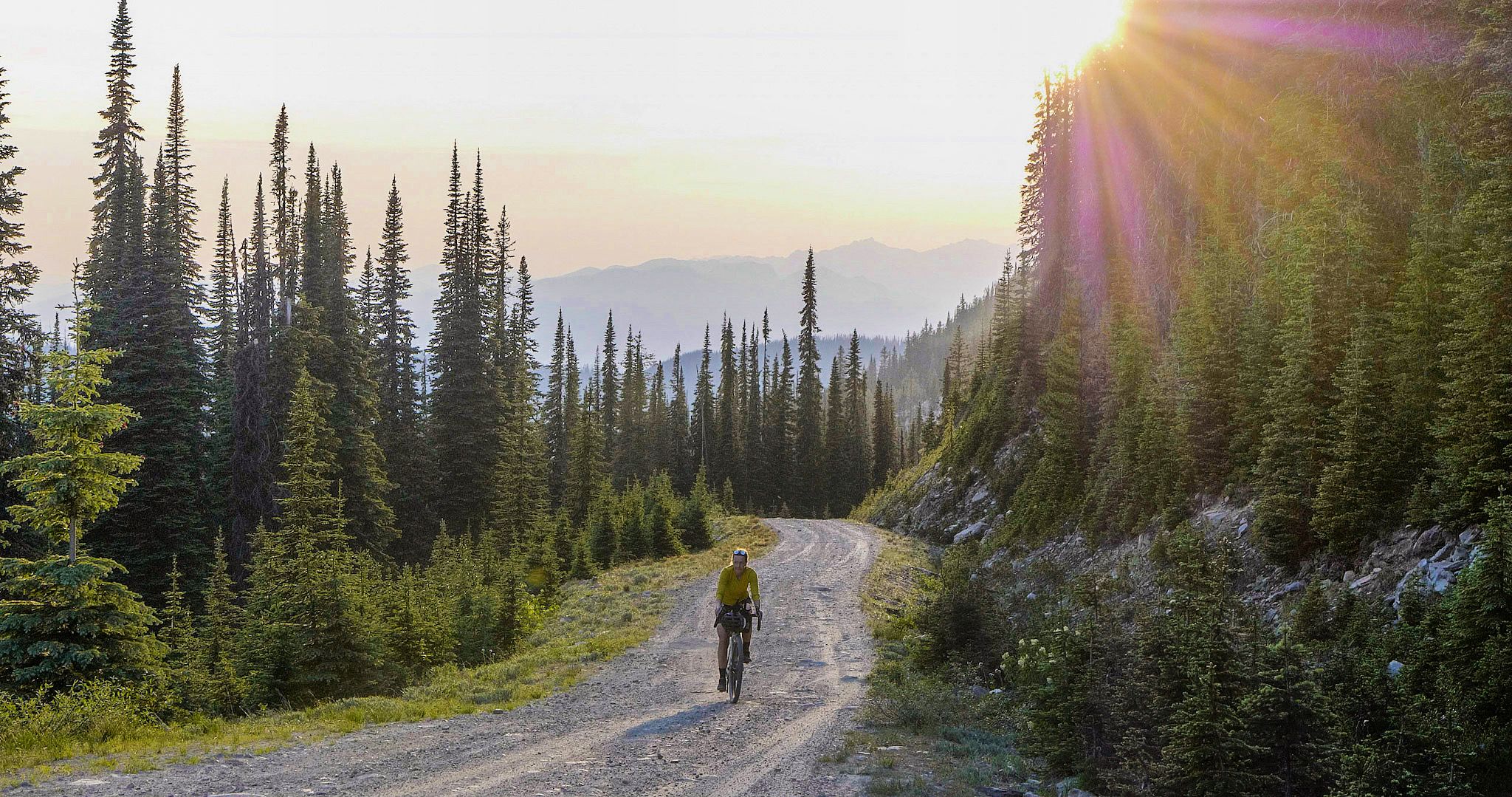
BC Epic 1000
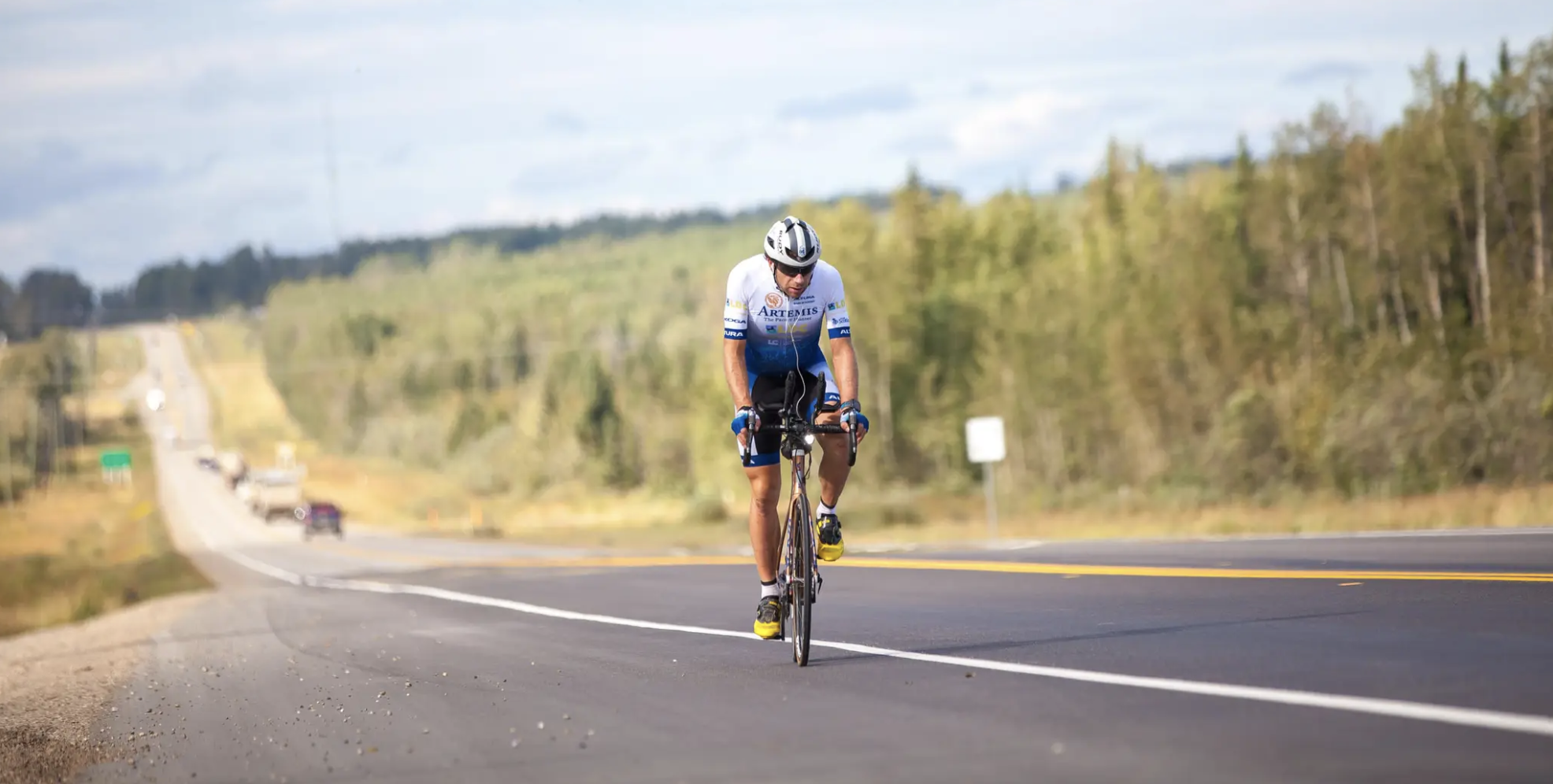
Around the World in 80 Days
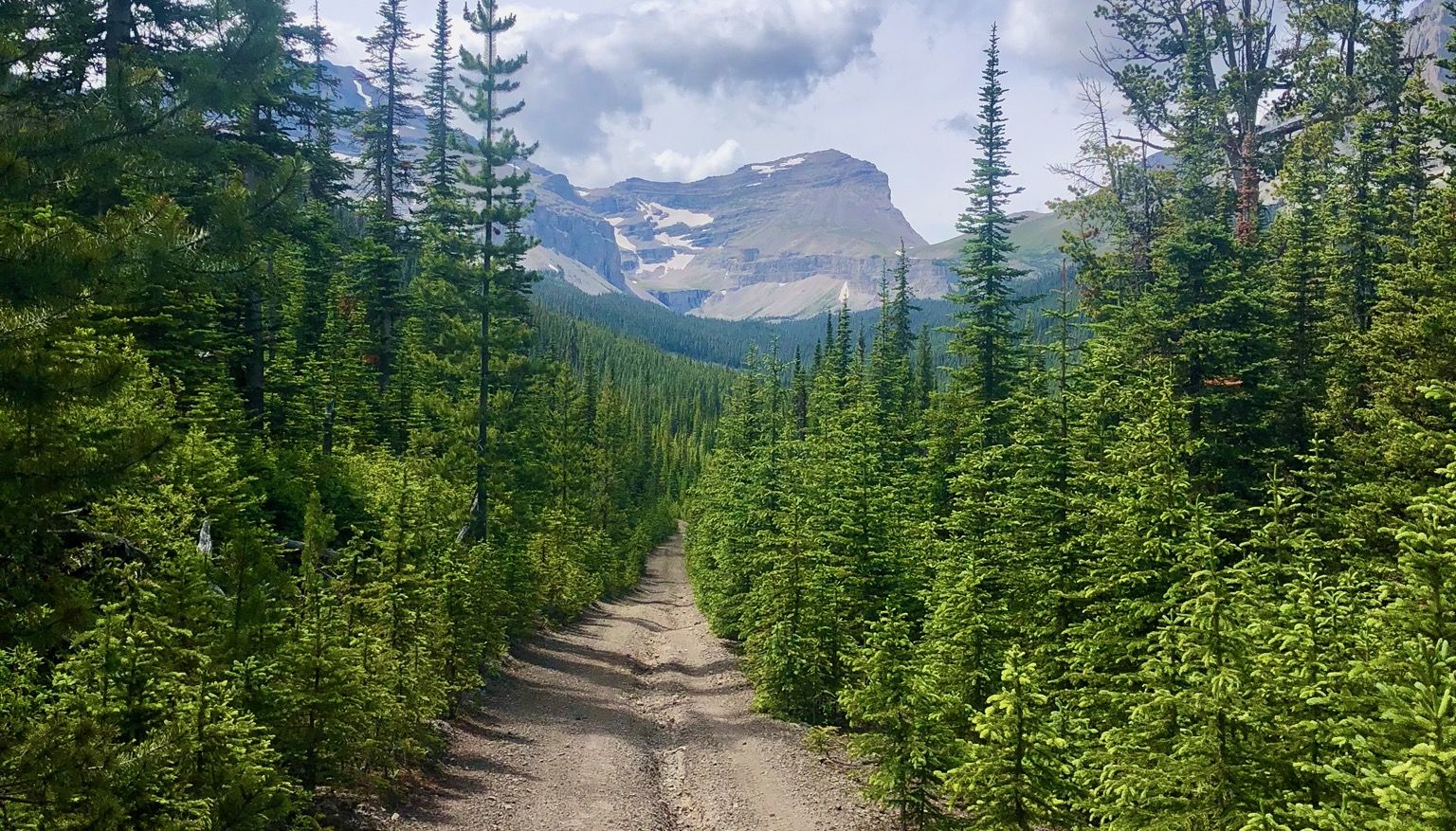
Run the Rockies – mountain range fastpack #5
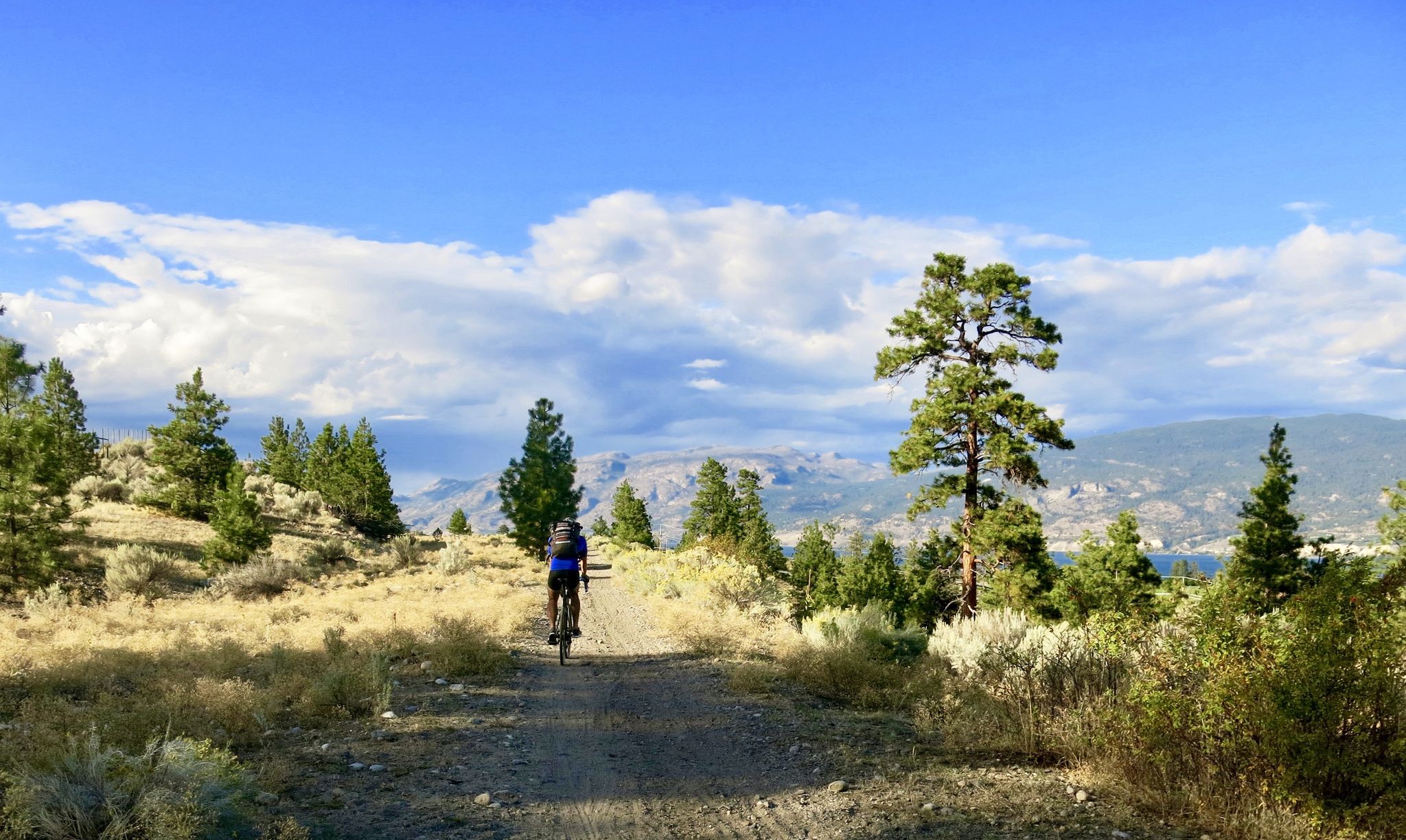
Vancouver roundtrip — Bikepacking British Columbia
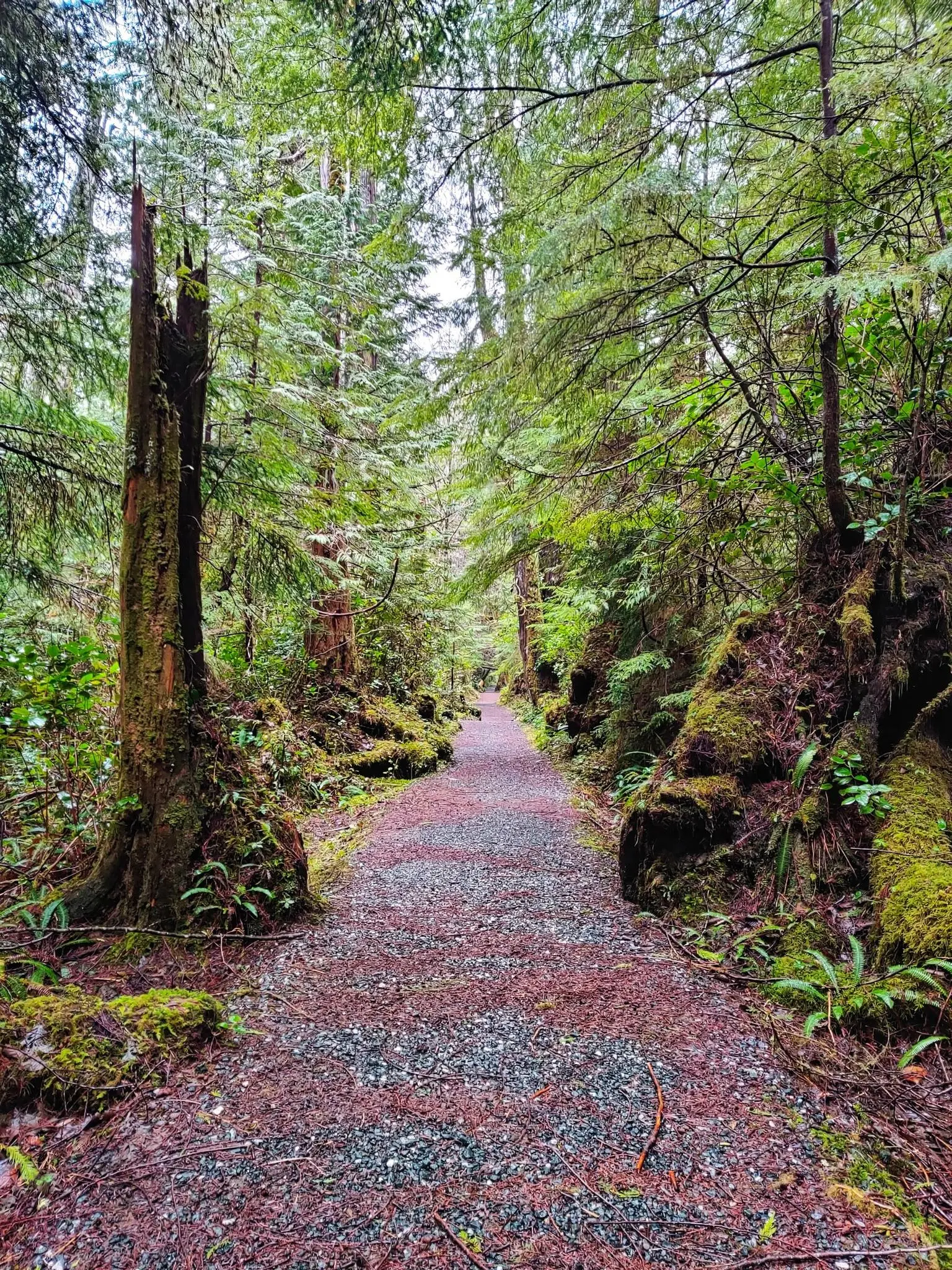
North Coast Trail — Vancouver Island's Wildest Adventure
Other adventures in British Columbia


Tips from the Community

This short but steep trail takes you to some small caves and excellent viewpoints. It is narrow and can be slippery so footwear with good traction is a must and hiking poles are a good idea too. You'll definitely feel the burn in your legs and lungs, but the viewpoints are great places to rest and take in the sights over the Fraser River Valley.
0
0

Sea Lion Rocks Trail is a moderately challenging trek that will take you through fairly dense temperate rainforest to the rugged Juan de Fuca shoreline. The forest paths are rooty, with muddy sections and steep rope-assisted descents that add a sense of adventure before the trail emerges from the trees onto the rocky coastline, with caves carved by the ocean and incredible sandstone cliffs. Time your visit for low tide to safely explore the caves and keep an eye out for marine wildlife while you’re here.
0
0

The Little Huson Caves are part of the Quatsino Formation, a limestone-rich layer running through northern Vancouver Island — one reason the island has the highest concentration of caves in North America. The standout is Cathedral River Cave, where the creek flows straight through a dramatic, soaring rock entrance.
1
0
The sea caves at Owen Point have been carved out of the sandstone cliffs by centuries of crashing waves, creating huge circular openings in the rock face that you can walk through when the tide is below 1.8 metres. Inside, the smooth, rounded walls glow with vivid shades of green, yellow, and red from the algae and mineral deposits left by the sea, and through the opening, you can look out to a beautiful view of the Pacific Ocean. Check your tide tables carefully before planning your approach, as the caves are inaccessible at high tide and the boulder field leading to them is a slow, slippery trek under any conditions.
0
0
Hole in the Wall is a natural sandstone arch at Tsusiat Point, carved over time by relentless waves, with a giant opening you can walk through as long as the tide is below 2.1 metres. If the tide is too high, you can take the short bypass trail. You can also walk across the expansive point to its tip, where the ocean surrounds you on three sides, making it one of the most memorable spots on the entire trail and worth taking the time to capture a few unforgettable photos while you're here.
0
0

Chipmunk Caves are a series of limestone caves accessible by ladders and by climbing to the cave mouth, then traversing through and out another entrance. Bring along a headlamp and sturdy shoes if you choose to explore the caves with caution. Scientists have studied hundreds of bacterial types in this cave, and some strains of bacteria were sampled by scientists for the first time in history. It is an interesting site and can become busy with hikers and explorers during good weather.
0
0

A small cave along the Nanaimo River where clear water flows straight out of the rocks, feeding the river below. In summer, a few metres upstream, locals use the opposite bank as a cliff-jumping spot when the water levels are high enough.
0
0

Frequently Asked Questions
What are some of the most popular caves to visit in British Columbia?
British Columbia offers a variety of popular cave experiences. Horne Lake Caves on Vancouver Island is one of the most popular and accessible systems, offering both self-guided and guided tours. Other notable options include Little Huson Caves, known for its river flowing through the cave, and Chipmunk Caves near Chilliwack, which are limestone caves accessible by ladders.
Are there family-friendly caves in British Columbia?
Yes, several caves in British Columbia are suitable for families. Horne Lake Caves Provincial Park is an excellent choice, offering a range of guided tours from one-hour explorations to more adventurous options, as well as a Cave & Karst Education Centre. The Chipmunk Caves can also be a fun exploration for families, though they require sturdy shoes and a headlamp.
What kind of geological features can I expect to see in British Columbia's caves?
British Columbia's caves showcase diverse geological features. At Horne Lake Caves, you can find unique formations like stalactites, stalagmites, and underground streams. Cody Caves are known for intricate maze-like passages and striking calcite formations, soda straws, and crystal formations. The Alice Lake Driving Loop also features a unique karst landscape, including Canada's only cenote, the Devil's Bath.
What is the best time of year to visit caves in British Columbia?
Many caves in British Columbia are accessible year-round, but conditions can vary. Summer and fall generally offer the most comfortable weather for accessing cave sites and exploring. Some caves, like Corral Cave in Monkman Provincial Park, feature unique seasonal elements such as large icicles in spring and early summer. Always check specific cave operating hours and conditions before planning your visit.
Do I need a permit or special gear to explore caves in British Columbia?
For some caves, like those in provincial parks, guided tours are available and often include necessary gear like helmets and lights. For self-guided exploration, especially in caves like Chipmunk Caves or Horne Lake Caves (self-guided sections), it's highly recommended to bring your own headlamp, sturdy shoes, and appropriate clothing. Some more challenging or remote caves may require specific caving permits or advanced equipment, so always research the specific cave you plan to visit.
Are there any caves near Vancouver that are easy to access?
While many of British Columbia's most extensive cave systems are on Vancouver Island, the Chipmunk Caves are located east of Chilliwack, making them a relatively accessible option for those near Vancouver. They offer a fun exploration with tunnels, though some tight squeezes are involved. The Othello Tunnels near Hope, while not natural caves, offer an interesting experience of walking through rock formations in a beautiful setting.
What kind of caving experiences are available for beginners?
Beginners can find excellent caving experiences in British Columbia. Horne Lake Caves Provincial Park offers introductory guided tours, such as the one-hour 'Riverbend Cave Explorer' tour, which is perfect for those new to caving. The Upana Caves also provide accessible options for self-guided exploration, making them popular for casual cavers.
What other outdoor activities can I do near the caves in British Columbia?
British Columbia's diverse landscape offers many outdoor activities near its caves. You can find numerous hiking opportunities, including dog-friendly trails. Cycling is also popular, with options for traffic-free bike rides and touring bicycle routes. Many cave systems are located within provincial parks, which often feature additional trails and natural attractions.
Are there any unique or less-known cave systems worth exploring?
Beyond the well-known sites, British Columbia has several unique cave systems. The Upana Caves near Gold River offer a network of 15 known entrances and are popular for self-guided exploration. Fang Cave in Evanoff Provincial Park is the ninth-longest cave in Canada, suitable for experienced cavers. The Nisg̱a'a Memorial Lava Bed Park offers lava tube caves, providing an otherworldly experience with guided tours that also interpret Indigenous culture.
Can I explore caves on my own, or are guided tours required?
It depends on the specific cave system. Some caves, like certain sections of Horne Lake Caves and the Upana Caves, allow for self-guided exploration. However, many of the more extensive or challenging systems, such as Cody Caves or the advanced tours at Horne Lake, require or strongly recommend guided tours for safety and to protect the delicate cave environment. Always check the regulations for the specific cave you plan to visit.
What is the Thistle Mine and how is it related to caves?
The Thistle Mine is an old copper mine that, while not a natural cave, offers a challenging exploration experience similar to caving. It's a historical site with a steep grade to access, often reached via old logging roads. It provides a glimpse into the region's mining history and the hard work involved.
Most popular routes in British Columbia
Most popular attractions in British Columbia

Get inspired with the komoot mobile app


Didn’t find what you were looking for?
Discover more caves in British Columbia region by region:
Explore more
Extend your search for the best caves by checking out these guides of the top ones in British Columbia:
