Top 2 Castles around Eiselfing
Best castles around Eiselfing offer a glimpse into the region's rich history. While Eiselfing itself is known for natural features like the Eiselfinger See, the nearby town of Wasserburg am Inn features Burg Wasserburg, a significant historical site. The area provides a blend of historical architecture and natural landscapes, making it a notable destination for exploring medieval heritage.
Best castles around Eiselfing
- The most popular castles is Kling Castle Ruins, a castle that features the foundation walls of a former nursing and hunting lodge. It served as a seat for one of Old Bavaria's largest administrative districts and later as a ducal hunting lodge.
- Another must-see spot is Schloss Amerang, a picturesque castle. Visitors can expect to see a magnificent building located high above the village of Amerang.
- Visitors also love Medieval Refuge Castle, a historical site. This location is known for its historical significance as a refuge and for its unique clay bird art.
- Eiselfing is known for castle ruins, preserved castles, and historical sites. The area offers a variety of castles to see and explore, from well-preserved structures to ancient foundations.
- The castles around Eiselfing are appreciated by the komoot community, with over 50 photos and 50 upvotes shared by visitors.
Last updated: June 15, 2026
Ducal Palace Wasserburg
Highlight • Castle
Translated by Google •
Tip by

Kling Castle Ruins
Highlight • Castle
Translated by Google •
Tip by

Sign up now to discover places like this
Get recommendations on the best single tracks, peaks, & plenty of other exciting outdoor places.
Sign up for free
Schloss Amerang
Highlight • Castle
Translated by Google •
Tip by

Medieval Refuge Castle
Highlight • Castle
Translated by Google •
Tip by

Königswart Castle Ruins on the Inn
Highlight • Castle
According to legend, during the time of the emperor's absence (1056-1059), a robber baron robbed ships here. The emperor's widow, Agnes, promised as much land as he could ride around in one day to anyone who could put an end to the roguery. "Kuno Maier" then set out from Altdorf near Haag, defeated the band of robbers, and rode around the territory of the County of Haag on a white horse, which he subsequently acquired.
In 1202, Königswart, like Hohenburg, was owned by the Counts of Megling (Stampfl), 7 km downstream. In 1226, Königswart passed to the Bishopric of Regensburg and came under Haag administration in 1304. However, the old castle was only used for military purposes. By 1550, Königswart was a ruin.
Today, only the foundations of the once proud complex remain.
The castle was 125 meters long and 65 meters wide. To the north, at the mouth of the stream, there was an approximately 125-meter-long defensive structure consisting of earthworks and ditches.
Access to the castle was from the south via a wide, deep moat, in front of which was a raised area measuring 125x125 meters.
A Romanesque capital belonging to the castle was walled into a small chapel in the 19th century. This capital is the oldest secular work in the County of Hague.
(Source: R. Münch)
Translated by Google •
Tip by

Start today with a free account
Your next adventure awaits.
Login or Signup
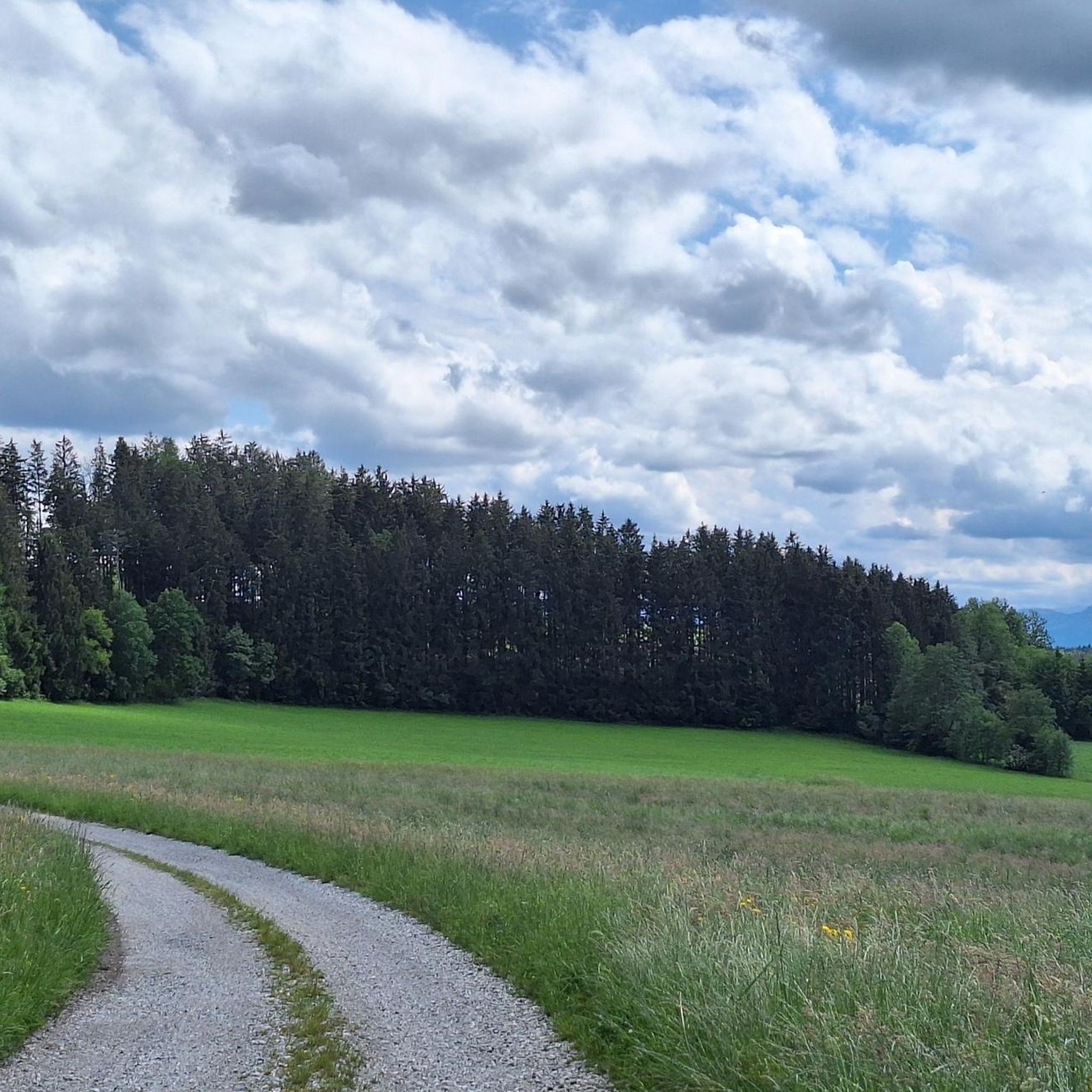
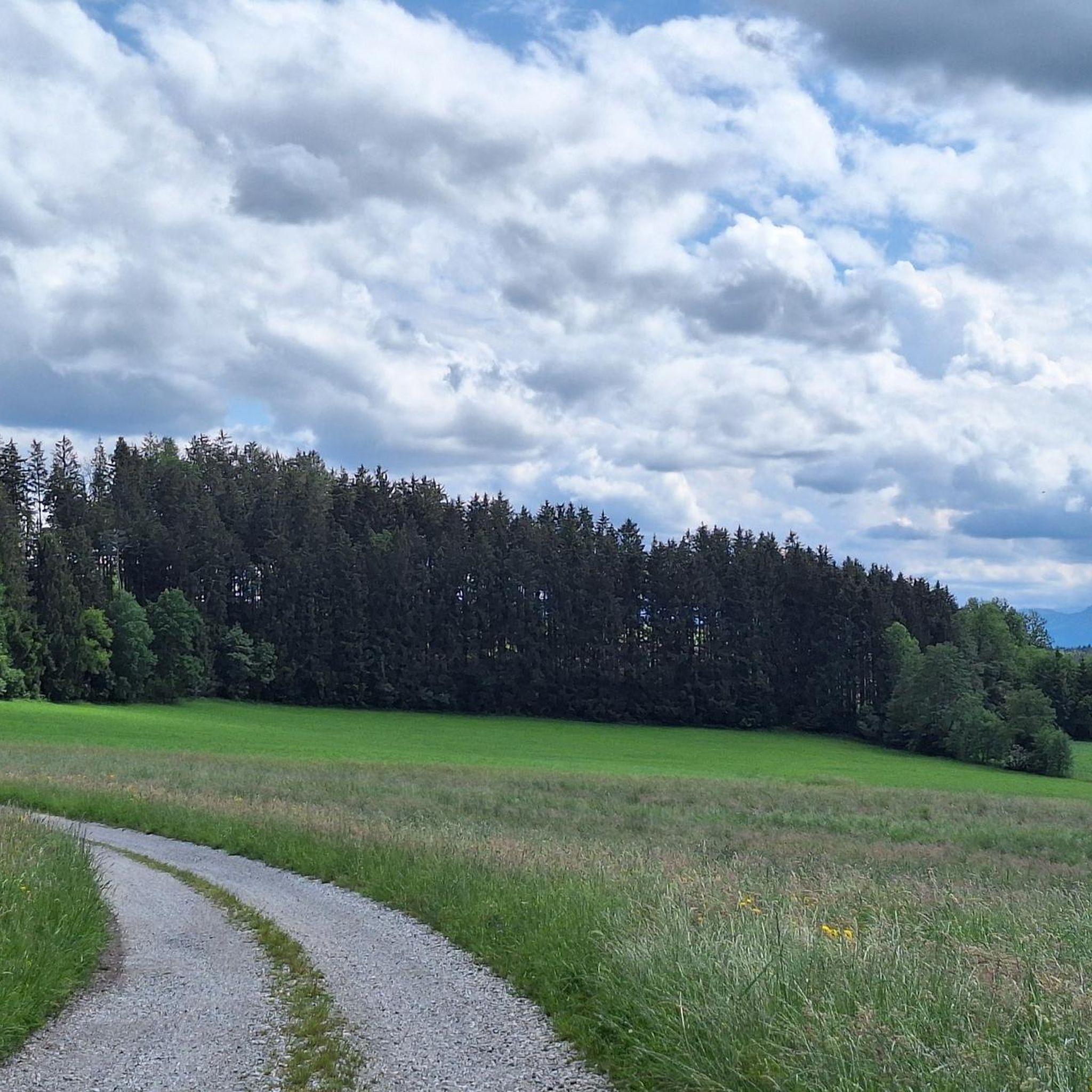
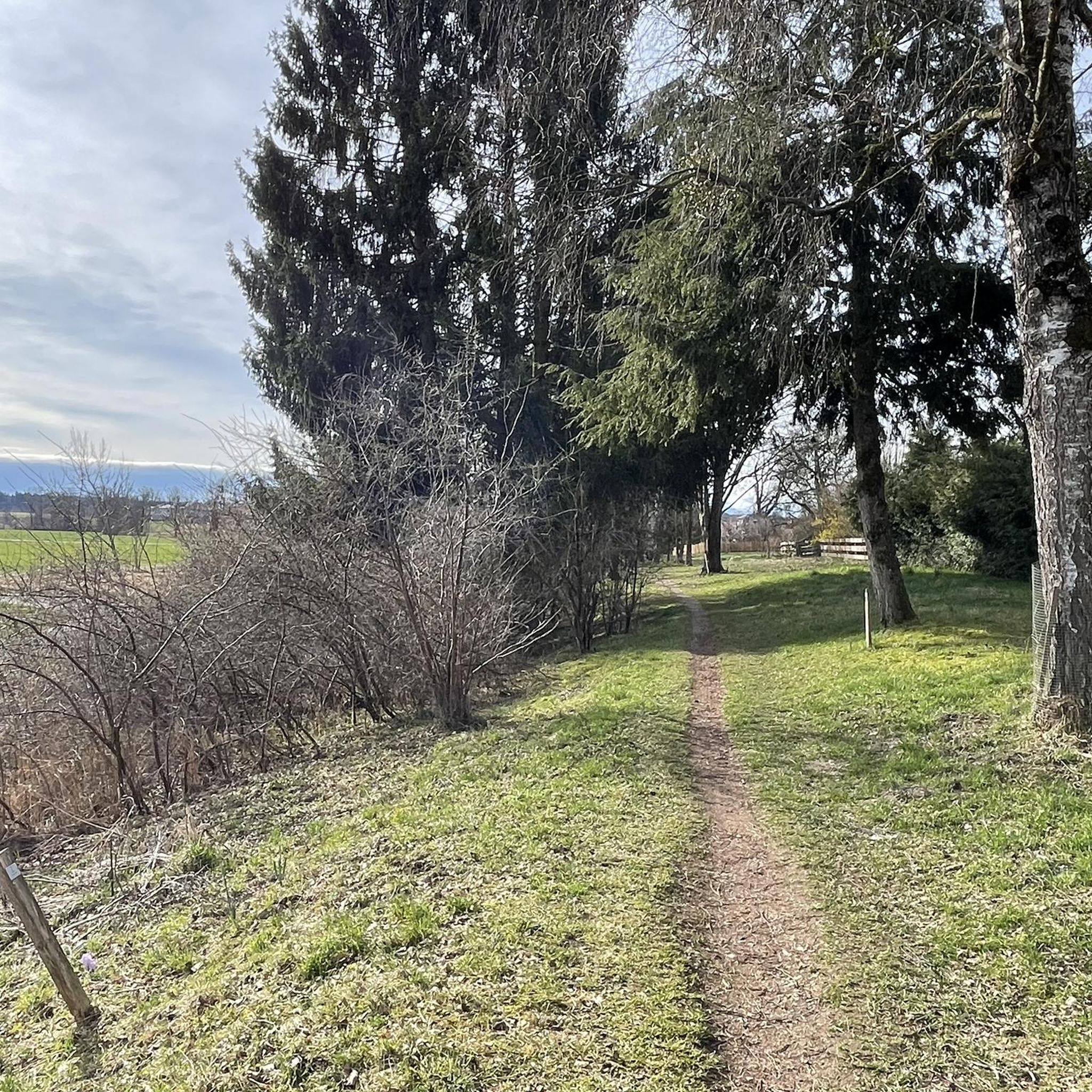
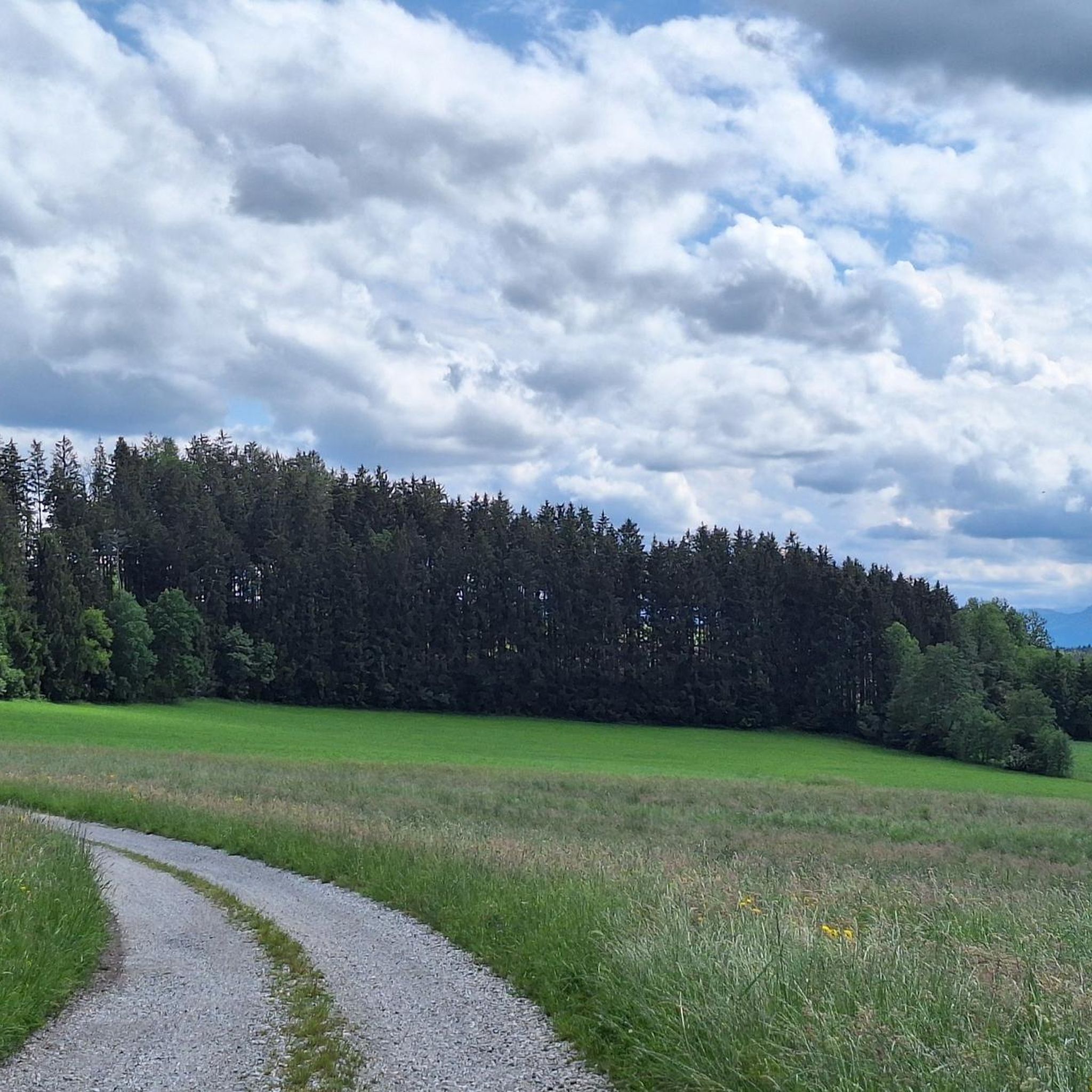

Tips from the Community

The present-day castle ruins and former Kling Castle were the seat of one of the largest administrative districts in Old Bavaria from 1248 onwards. From 1545 to 1803, the castle was also used as a hunting lodge by the Bavarian dukes. Between 1804 and 1834, the castle was finally demolished, and new buildings were erected on the former castle grounds in the following years. Today, only the remains of the south-facing retaining wall, which were uncovered in the 1970s, can be seen of the once impressive castle. There, a bench for resting and an information panel about the castle's history can be found.
1
0

Feel free to watch it on YouTube: https://youtu.be/c7p7c55X8j4?si=pqCFigH8IptJE3xQ
0
0

Königswart Castle stood where the Nasenbach flows into the Inn River. It was a subsidiary castle of the Hohenburg lordship. Based on its name and location, Königswart was probably a royal toll castle. According to legend, during the time of the emperor's absence (1056-1059), a robber baron robbed ships here. The emperor's widow, Agnes, promised as much land as he could ride around in one day to anyone who could put an end to the roguery. "Kuno Maier" then set out from Altdorf near Haag, defeated the band of robbers, and rode around the territory of the County of Haag on a white horse, which he subsequently acquired. In 1202, Königswart, like Hohenburg, was owned by the Counts of Megling (Stampfl), 7 km downstream. In 1226, Königswart passed to the Bishopric of Regensburg and came under Haag administration in 1304. However, the old castle was only used for military purposes. By 1550, Königswart was a ruin. Today, only the foundations of the once proud complex remain. The castle was 125 meters long and 65 meters wide. To the north, at the mouth of the stream, there was an approximately 125-meter-long defensive structure consisting of earthworks and ditches. Access to the castle was from the south via a wide, deep moat, in front of which was a raised area measuring 125x125 meters. A Romanesque capital belonging to the castle was walled into a small chapel in the 19th century. This capital is the oldest secular work in the County of Hague. (Source: R. Münch)
0
0

Amerang's little gem, unfortunately not or only rarely open to the public.
0
0


...a place worth seeing with a view of the southern Alpine foothills - the property above the remains of the wall is private, entry prohibited...
0
0

Frequently Asked Questions
What are the most historically significant castles near Eiselfing?
While Eiselfing itself doesn't have castles, the nearby town of Wasserburg am Inn is home to Burg Wasserburg (also known as Schloss Wasserburg). Dating back to the 12th century, it was owned by the Wittelsbacher family and rebuilt in the 16th century. Its strategic location on a peninsula of the Inn River made it an important fortified settlement. You can also explore the ruins of Kling Castle Ruins, once a significant regional court and hunting lodge for the Bavarian dukes.
Are there any castles near Eiselfing that offer scenic views?
Yes, the unique peninsula location of Burg Wasserburg in Wasserburg am Inn offers picturesque views of the Inn River and the town's historic architecture. Additionally, visitors to the Kling Castle Ruins can enjoy great panoramas of the Alps, especially towards sunset.
Can I visit Schloss Amerang, and what makes it noteworthy?
While Schloss Amerang is a magnificent and picturesque building high above the village of Amerang, it is generally not open for public visits. However, it is still worth a short stop to admire its exterior.
What kind of historical insights can I gain from visiting castles in this region?
The castles in this region offer a deep dive into medieval history. Burg Wasserburg provides a journey through time with its 12th-century origins and its integration into Wasserburg am Inn's well-preserved medieval old town. The Kling Castle Ruins, though only foundations remain, were once the seat of one of the largest administrative districts in Old Bavaria and a hunting lodge for Bavarian dukes. The Königswart Castle Ruins on the Inn, once a royal toll castle, also tell tales of medieval strategic importance and local legends.
Are there family-friendly activities or attractions near the castles?
Visiting Burg Wasserburg in Wasserburg am Inn can be a family-friendly experience, as it's part of a vibrant medieval old town with narrow streets and colorful buildings to explore. The town also offers cultural sites like the Museum Wasserburg and the Wasserburg Sculpture Trail. For outdoor activities, you can find various family-friendly hikes around Eiselfing, which can be combined with a castle visit.
What outdoor activities can I combine with a castle visit around Eiselfing?
The region around Eiselfing offers various outdoor activities that can complement a castle visit. You can explore road cycling routes, including loops that pass through Wasserburg am Inn. There are also family-friendly hiking trails and traffic-free bike rides that allow you to enjoy the natural surroundings near these historical sites.
What is the best way to experience the medieval atmosphere of Wasserburg am Inn?
To fully experience the medieval atmosphere, visit Burg Wasserburg and then explore the surrounding old town of Wasserburg am Inn. Its well-preserved medieval core features narrow streets, colorful buildings, the town hall, churches, and the iconic Brucktor with its 1568 wall painting. This combination offers a comprehensive historical and cultural immersion.
Are there any castle ruins near Eiselfing that I can explore?
Yes, you can explore the Kling Castle Ruins, where only the foundation walls remain of what was once a significant nursing and hunting lodge. Another site is the Königswart Castle Ruins on the Inn, where only the foundations of the former royal toll castle are visible today, offering a glimpse into its past strategic importance.
What unique features does Burg Wasserburg have?
Burg Wasserburg is unique for its location as a spur castle, surrounded by water on three-quarters of its perimeter due to a bend in the Inn River. Despite its name, which translates to 'water castle,' it's more accurately a strategically positioned land-based fortification. Today, parts of the castle serve as a surveying office and a retirement home, blending historical architecture with modern utility.
What do visitors enjoy most about the castles and historical sites in the Eiselfing area?
Visitors appreciate the historical immersion offered by sites like Burg Wasserburg and its medieval old town. The scenic views, especially from the Kling Castle Ruins with panoramas of the Alps, are also highly valued. The picturesque nature of places like Schloss Amerang, even if only viewed from the outside, adds to the charm of the region.
Are there any hidden or less-known castle sites around Eiselfing?
Beyond the more prominent sites, you can discover the Medieval Refuge Castle, which requires a bit of imagination to envision its past based on remaining elements. The Königswart Castle Ruins on the Inn are also a less-known site, with only foundations remaining, offering a quiet spot to reflect on ancient history and local legends.
Most popular routes around Eiselfing
Most popular attractions around Eiselfing

Get inspired with the komoot mobile app


Explore more
Looking for the best castles somewhere else? Discover other guides around Eiselfing:
