Top 20 Lakes around Ipsach
Lakes around Ipsach are primarily defined by Lake Biel, a significant body of water situated at the foot of the Jura Mountains in Switzerland. This region lies on the linguistic boundary between German and French-speaking areas, offering a blend of cultural influences. The northern shore features terraced vineyards and wine-making villages, while the southern shore maintains natural wetlands. The area is characterized by its diverse natural landscape and historical significance, including St. Peter's Island.
Best lakes around Ipsach
- The most…
Last updated: August 10, 2026
Hagneck Canal Mouth
Highlight • River
Translated by Google •
Tip by

Twann/Douanne
Highlight • Settlement
Translated by Google •
Tip by
Sign up now to discover places like this
Get recommendations on the best single tracks, peaks, & plenty of other exciting outdoor places.
Sign up for free
Vineyards of Twann
Highlight • Viewpoint
Translated by Google •
Tip by
Lake Biel Vineyards Trail
Highlight (Segment) • Trail
Translated by Google •
Tip by
St. Peter's Island
Highlight • Lake
Translated by Google •
Tip by

Sign up for free to discover even more lakes around Ipsach.
Sign up for free
Already have an account?
Start today with a free account
Your next adventure awaits.
Login or Signup
Tips from the Community


For those using public transport, pay close attention to the train timetable. There is one train per hour between Twann and Biel, and no other means of transport. In winter, there are no boats making this journey.
0
0

The golden vineyards of Twann immerse you in a landscape of vibrant hues, especially during the autumn months when the vine leaves turn yellow. As you walk along the panoramic trails, the gentle slopes offer breathtaking views of Lake Biel, surrounded in the distance by the picturesque Jura Mountains.
0
0

Douanne, or Twann in German, is a charming wine-growing village nestled among the vineyards on the shores of Lake Biel. Take the time to explore the cobbled streets, sample fresh lake fish, and soak up the village's Mediterranean atmosphere.
1
0

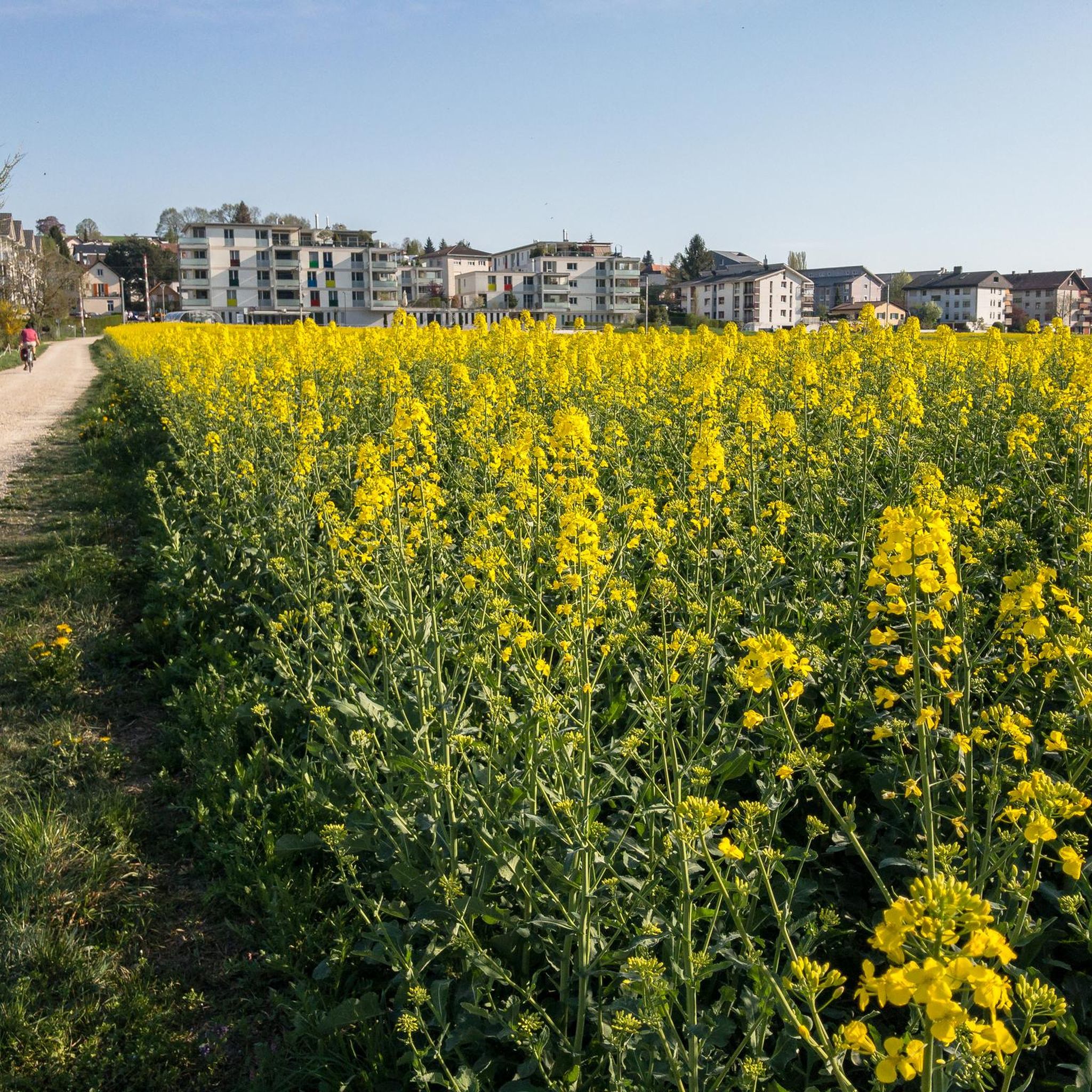
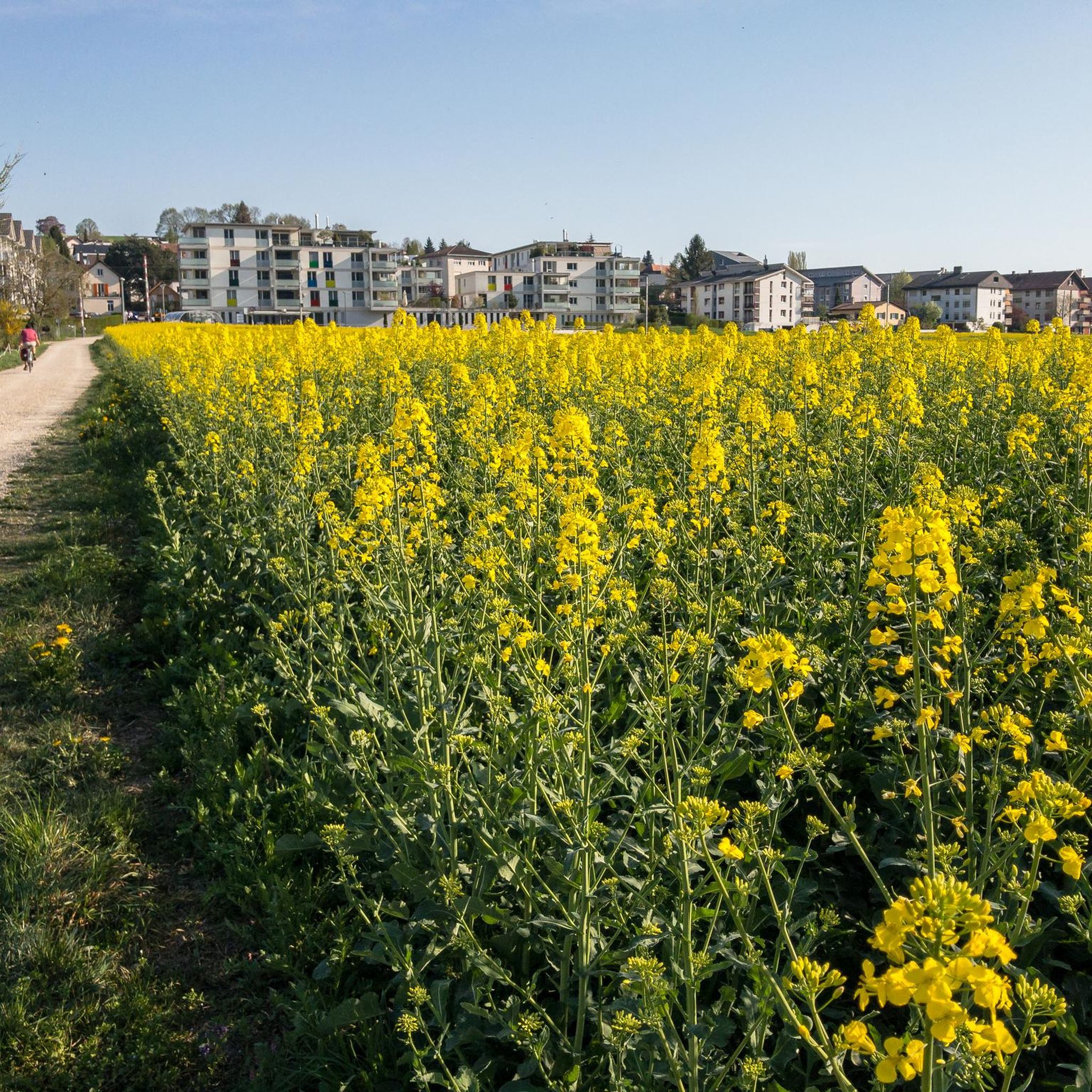
Cycling around and along here, very interesting and an impressive building
0
0

The wine-growing village of Twann stretches along the lake from the Twannbach (border with Ligerz) through Klein-Twann, the village center of Twann with the church, the Moos, the hamlet of Wingreis to the Fluhbach (border with Tüscherz). Towards Jura, the village stretches over the farming hamlet of Gaicht to the Twannberg. The St. Peter's Island also belongs to Twann. Excavations have shown the remains of a Neolithic lakeside settlement in the 4th/3rd millennium BC. The village name can be traced back to the Celtic period around 400-500 BC. The church dates from the early Middle Ages (9th century). In the 12th to 13th centuries, the name Tuana was first mentioned in a document confirming the transfer of an estate to Baron Berchtold von Twann. With Cuno von Twann, the Baronial family of Twann died out. This was followed by the Twing rule (noble rule) in the 15th to 18th centuries. Source https://bielersee-tourismus.ch/twann/
0
0

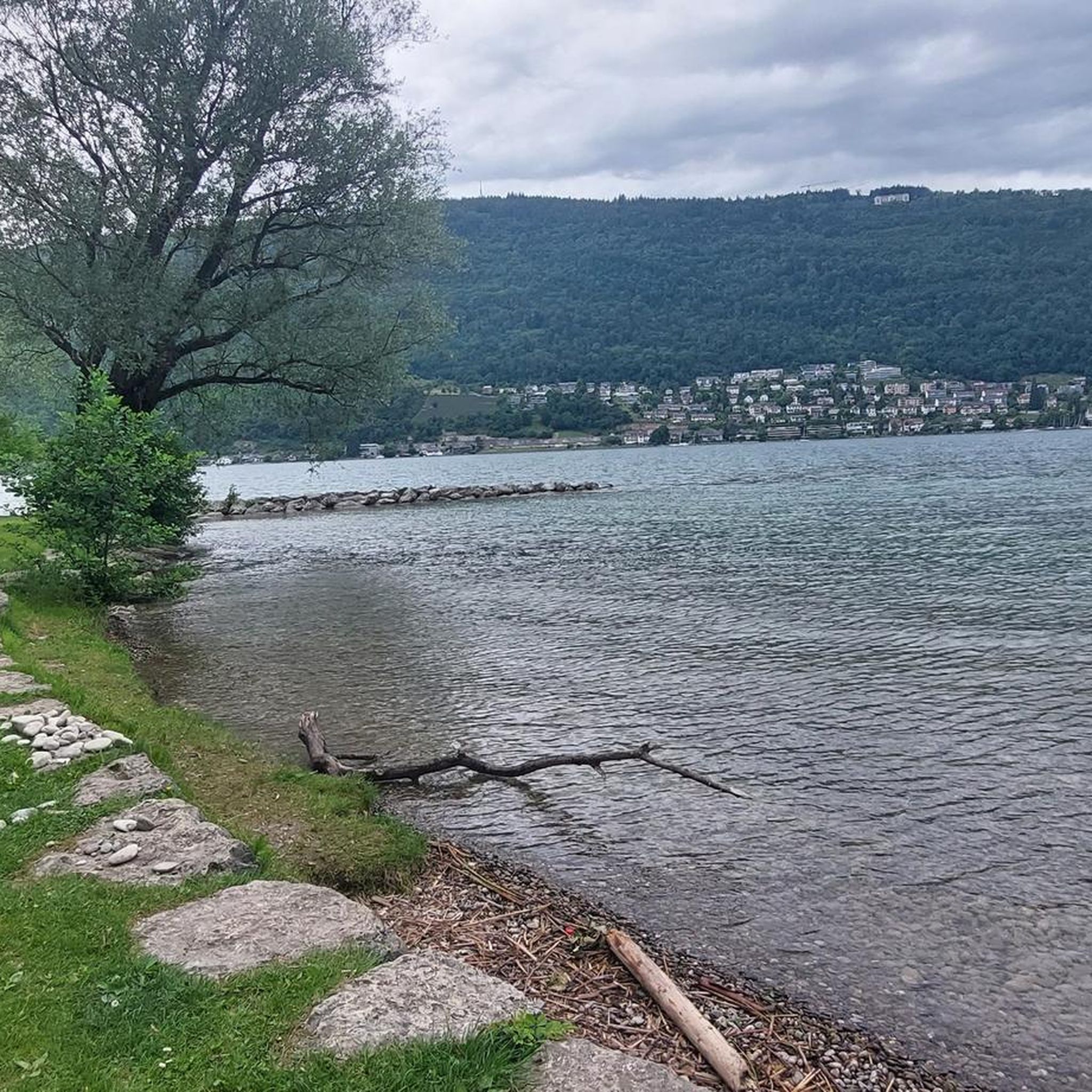
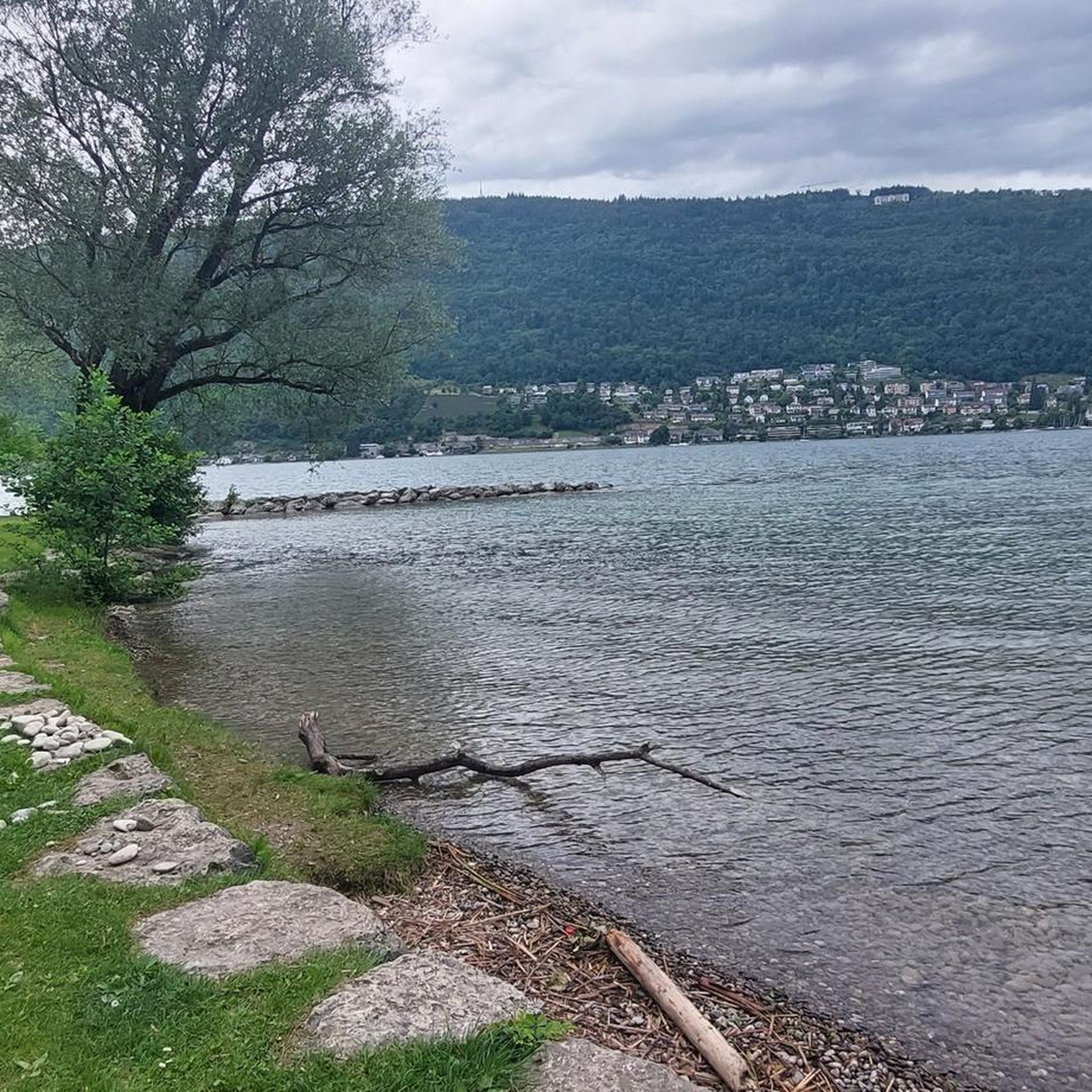
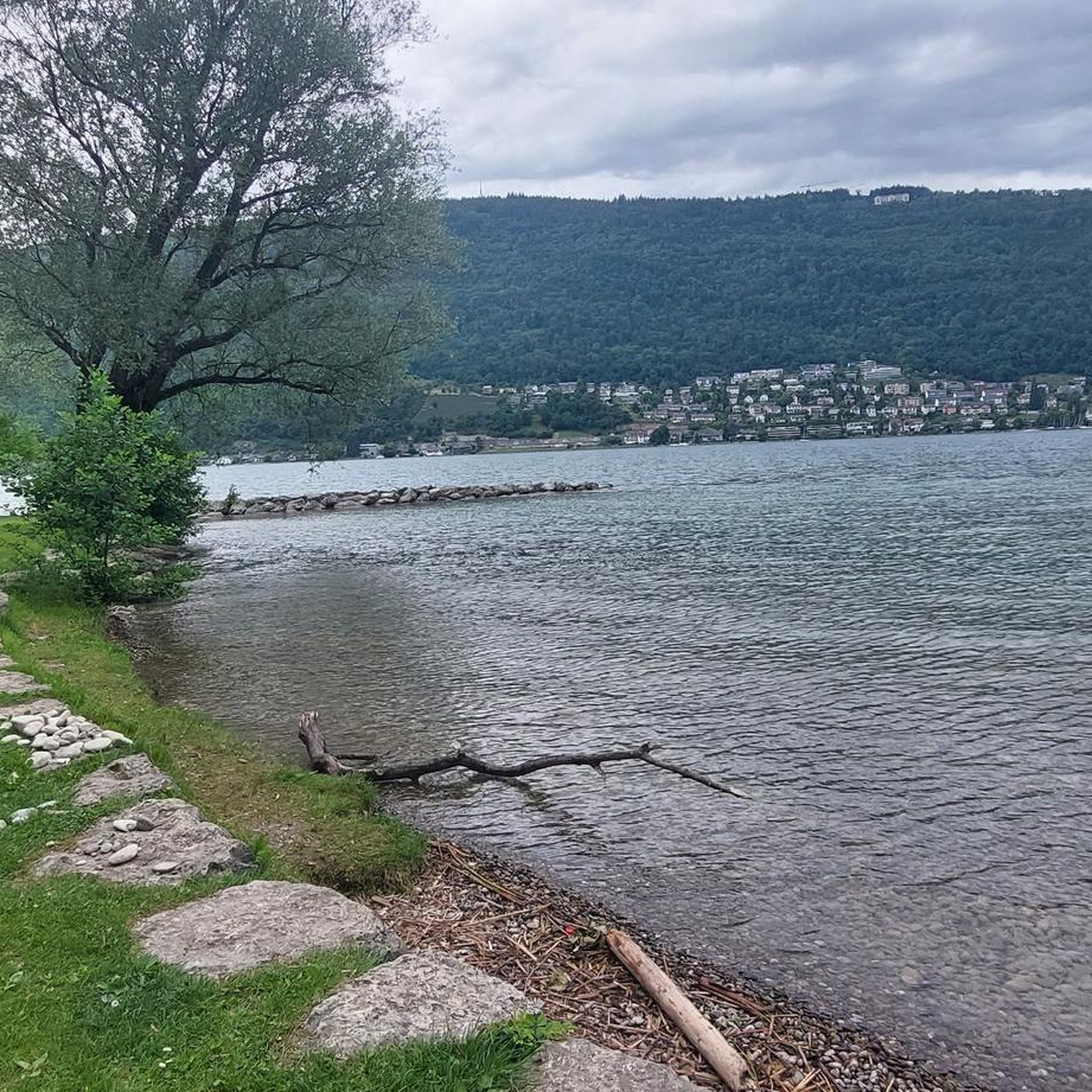
Confluence Hagneck Canal in Lake Biel - beautiful renatured landscape
0
0

Very pretty nature reserve, you can see the osprey there
0
0
Frequently Asked Questions
What is the main lake around Ipsach and what are its key features?
Ipsach is directly situated on the shores of Lake Biel (Bielersee/Lac de Bienne), which is the primary and most significant lake in the area. It's known for its diverse landscape, with terraced vineyards on the northern shore and natural wetlands on the southern shore. The lake is approximately 15 km long, up to 4.1 km wide, and reaches a maximum depth of 74 meters.
What kind of outdoor activities can I do around Lake Biel near Ipsach?
The region offers a variety of outdoor activities. You can enjoy water sports like stand-up paddling, windsurfing, kayaking, and boating. For land-based activities, there are numerous hiking, cycling, and mountain biking trails. For example, you can find hiking routes like the easy 'Le Cruchon - Beach Restaurant – Swimming Bays at Ipsach loop' or explore cycling paths such as the 'View of Lake Biel and the Jura – Nidau Canal loop'. Mountain bikers can also find trails like the 'Lake Biel – Hagneck Canal Mouth loop'.
Are there any family-friendly spots or activities around Lake Biel?
Yes, Lake Biel offers several family-friendly options. Sutz-Lattrigen Lakeside Beach is a public bathing area with a sunbathing lawn, pebble beach, raft, and facilities like a beach volleyball field and barbecue grills. Hagneck Canal Mouth is also considered family-friendly, offering impressive views and a pleasant natural setting. St. Peter's Island, accessible by boat or a heathland path, is a car-free natural paradise with barbecue areas, suitable for family excursions.
What is St. Peter's Island and how can I visit it?
St. Peter's Island is a prominent feature of Lake Biel, known for its tranquility and natural beauty. Historically, it was an island where Jean-Jacques Rousseau resided. Due to 19th-century water level corrections, it became a peninsula connected to the northern shore, but it retains its insular character. You can reach it by boat, on foot, or by bike via a heathland path. It features a nature reserve, hidden bays, and a former monastery now serving as a guesthouse and restaurant.
Can I go swimming in Lake Biel near Ipsach?
Yes, Lake Biel is popular for swimming during the summer months. There are public swimming spots with pebble beaches and sunbathing lawns, including those directly in Ipsach. Sutz-Lattrigen Lakeside Beach is one such spot, offering a raft in the lake and amenities like changing facilities and a fireplace.
Are there any notable viewpoints around Lake Biel?
Absolutely. The region boasts several viewpoints, especially along the northern shore. The Lake Biel Vineyards Trail offers continuous scenic views of the lake and St. Peter's Island. From this trail, you can capture unique perspectives, particularly near Twann and Ligerz, where the picturesque villages and the famous church provide excellent photo opportunities.
What is the Lake Biel Vineyards Trail?
The Lake Biel Vineyards Trail is a scenic route along the northern shore of Lake Biel, extending from Biel to La Neuveville. It provides comprehensive insights into the region's viticulture, which has been practiced here since the 12th century. The trail winds through charming wine-making villages like Twann/Douanne and Ligerz, offering stunning views of the lake and St. Peter's Island.
What is the best time to visit Lake Biel for outdoor activities?
The summer months are ideal for water sports and enjoying the beaches. For hiking and cycling, spring and autumn offer pleasant temperatures and beautiful scenery, especially along the vineyards when they are green or changing colors. Winter can also be suitable for walks, though conditions may vary.
Are there cultural or historical sites to explore near the lakes?
Yes, the region has a rich history. The historic winegrowing village of Twann/Douanne, with its winding lanes, old houses, and viticulture dating back to the 12th century, is a notable cultural site. The area also has traces of Neolithic lake-dwelling settlements, and the old town of Biel/Bienne offers further cultural experiences.
What kind of wildlife can be spotted around Lake Biel?
The southern shore's wetlands and St. Peter's Island are important for biodiversity. These areas serve as habitats and critical breeding grounds for numerous bird species, making them excellent spots for wildlife observation, particularly for birdwatching enthusiasts.
Are there options for boat cruises on Lake Biel?
Yes, boat cruises are a popular way to experience Lake Biel. Services travel along the northern shore, past wine-making villages, and to St. Peter's Island. The fleet includes the 'MobiCat,' the world's largest solar-powered catamaran, which offers special trips like brunch cruises. Other themed tours, such as culinary or musical journeys, are also available.
Where can I find food and drink options around Lake Biel?
Restaurants around Lake Biel often serve fresh fish from the lake and local wines. The wine-making villages like Twann and Ligerz offer opportunities for wine tasting. On St. Peter's Island, the former monastery now serves as a guesthouse with a restaurant. Additionally, places like Sutz-Lattrigen Lakeside Beach have bistros or nearby eateries.
Most popular attractions around Ipsach

Get inspired with the komoot mobile app


Explore more
Still not found your perfect lake around Ipsach? Check out the guides of these regions to see even more beautiful places.
