Top 4 Caves around Irsch
Best caves around Irsch are found in a region characterized by its natural landscapes and historical significance. While Irsch itself is a municipality in the Trier-Saarburg district, the broader area, including the nearby Volcanic Eifel, offers diverse geological formations. This region features a mix of natural karst caves and man-made grottoes, reflecting both ancient geological processes and human activity. Visitors can explore sites that served as shelters, religious sanctuaries, and industrial quarries, providing insight into the area's rich past.
Best…
Last updated: June 15, 2026
Lourdes Grotto, Greimerath
Highlight • Religious Site
The grotto, built by Matthias Staudt and Matthias Diederich, (1906) after your return from a Lourdes pilgrimage, they recreated the pilgrimage church in Lourdes, which you clearly succeeded …
Translated by Google •
Tip by

Hinkelsgret Shelter
Highlight • Gorge
Translated by Google •
Tip by

Sign up now to discover places like this
Get recommendations on the best single tracks, peaks, & plenty of other exciting outdoor places.
Sign up for free
Mary of the Brechfelsen
Highlight • Religious Site
Translated by Google •
Tip by

Rock chamber (former dwelling)
Highlight • Cave
Translated by Google •
Tip by

Bridge at the Cave Entrance
Highlight • Bridge
Translated by Google •
Tip by

Start today with a free account
Your next adventure awaits.
Login or Signup
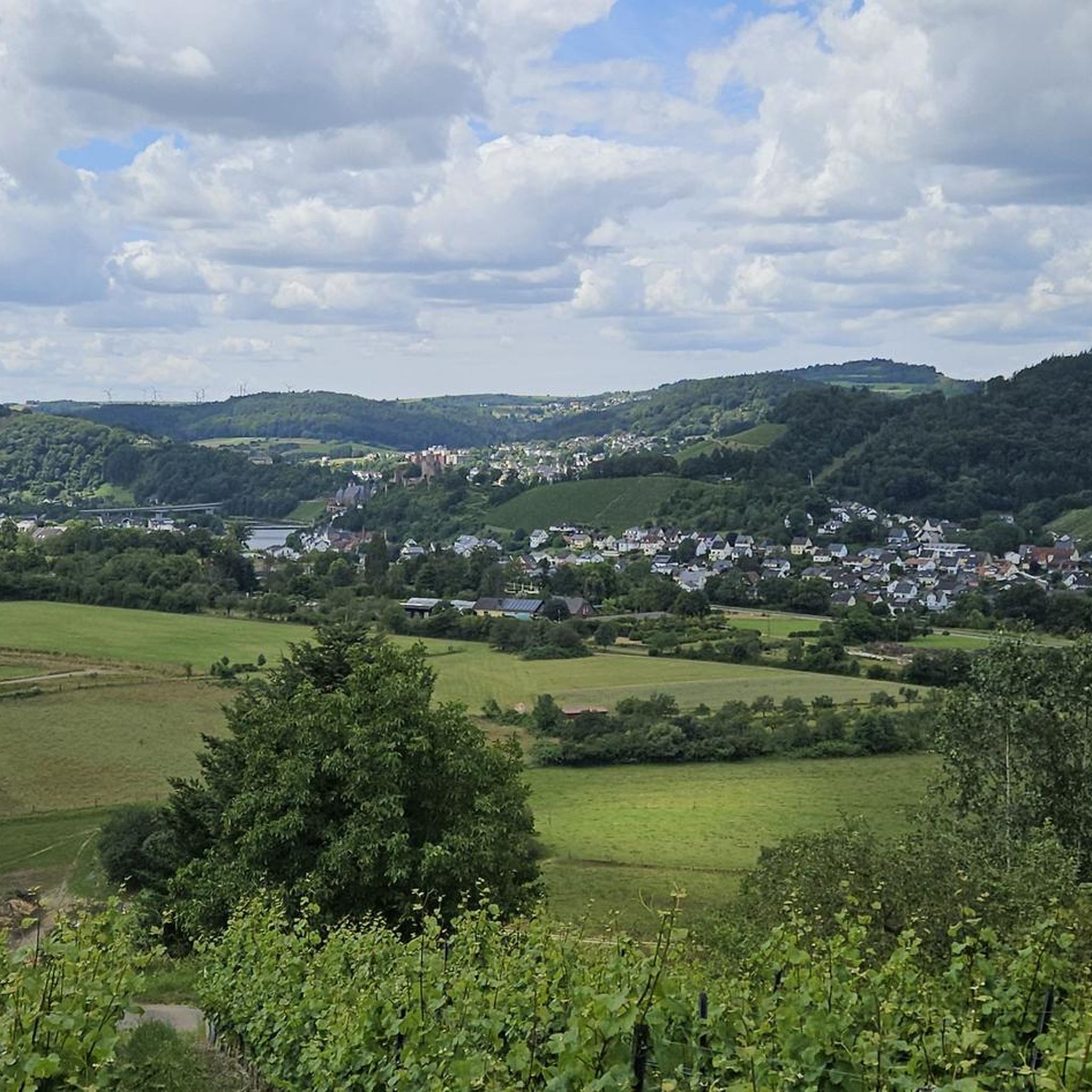
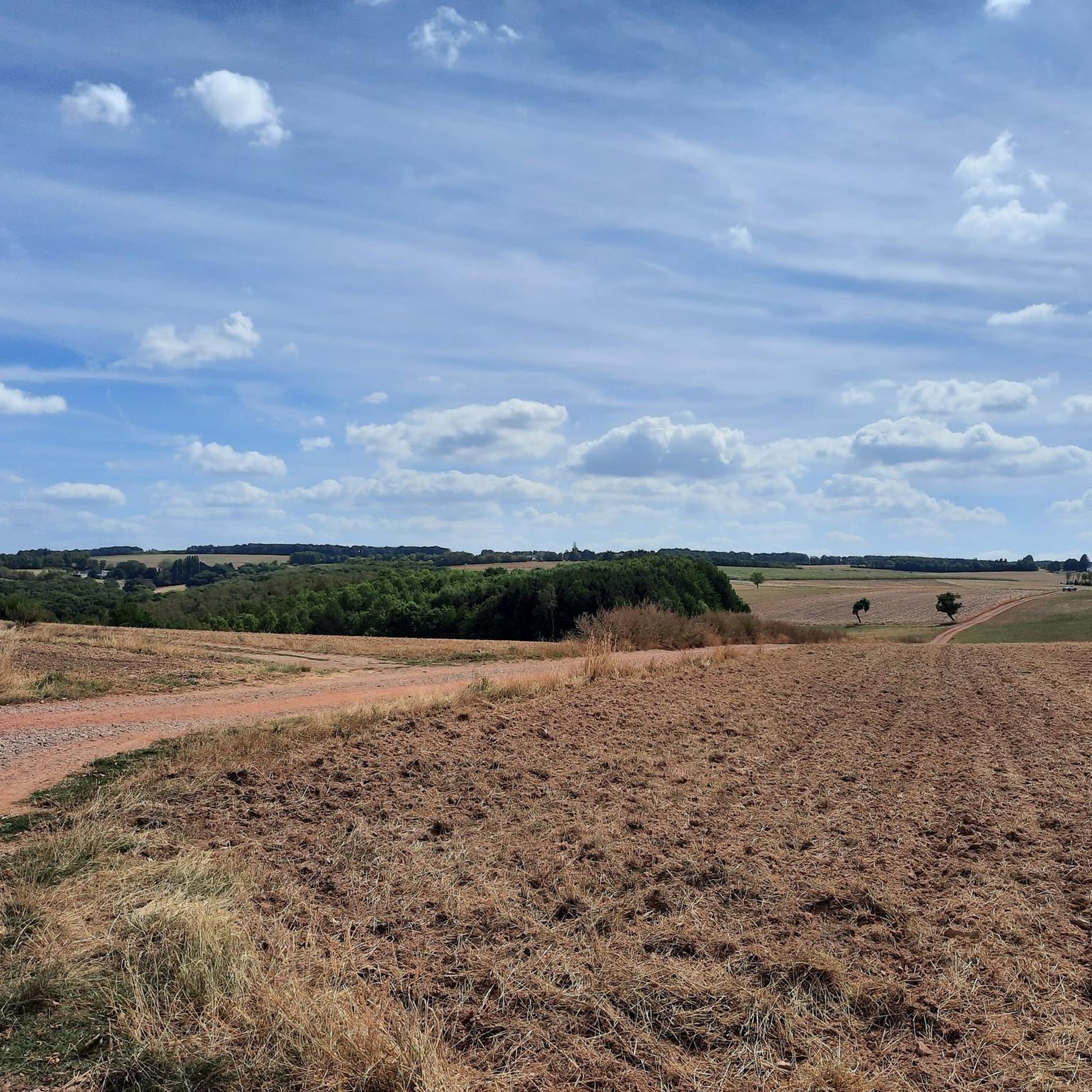

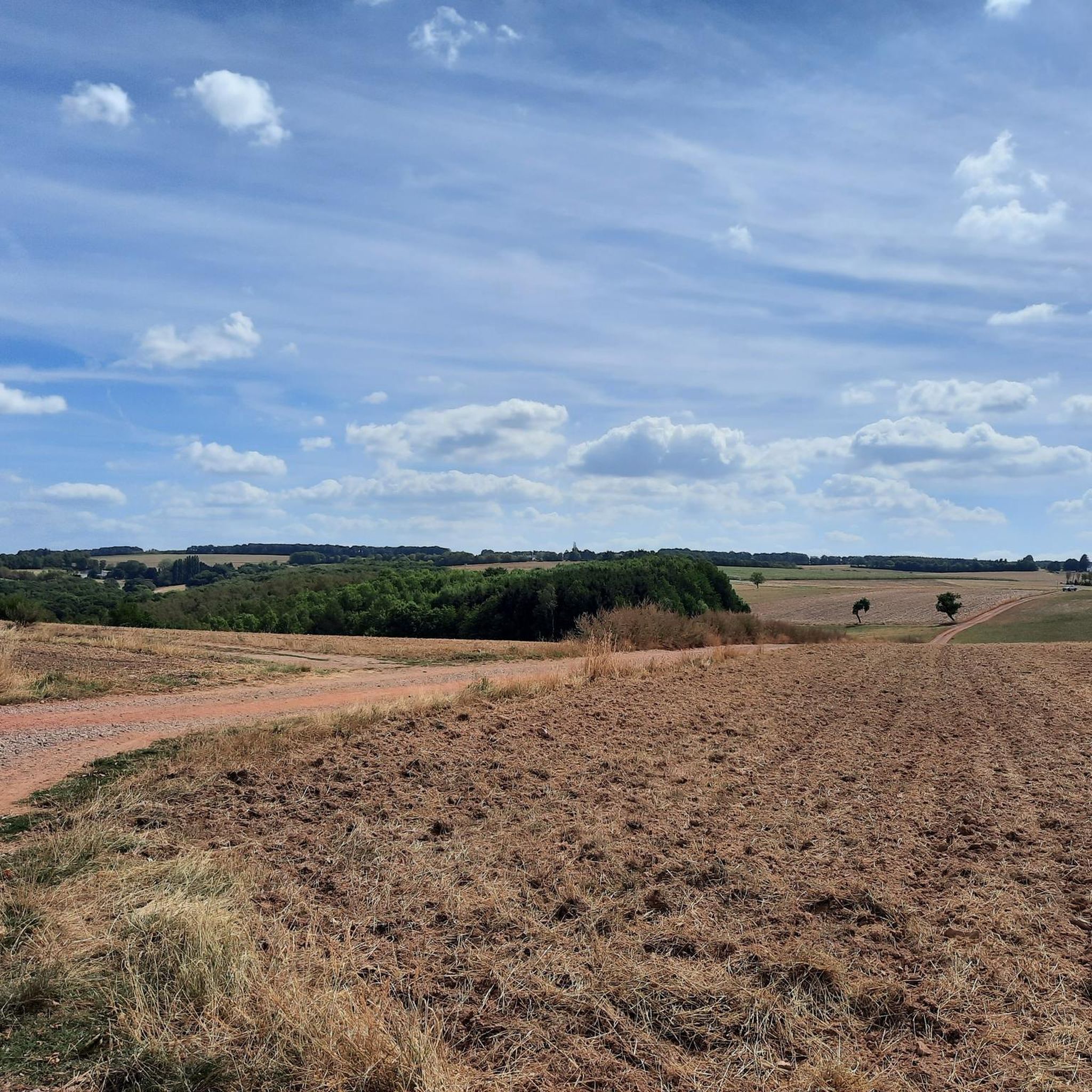
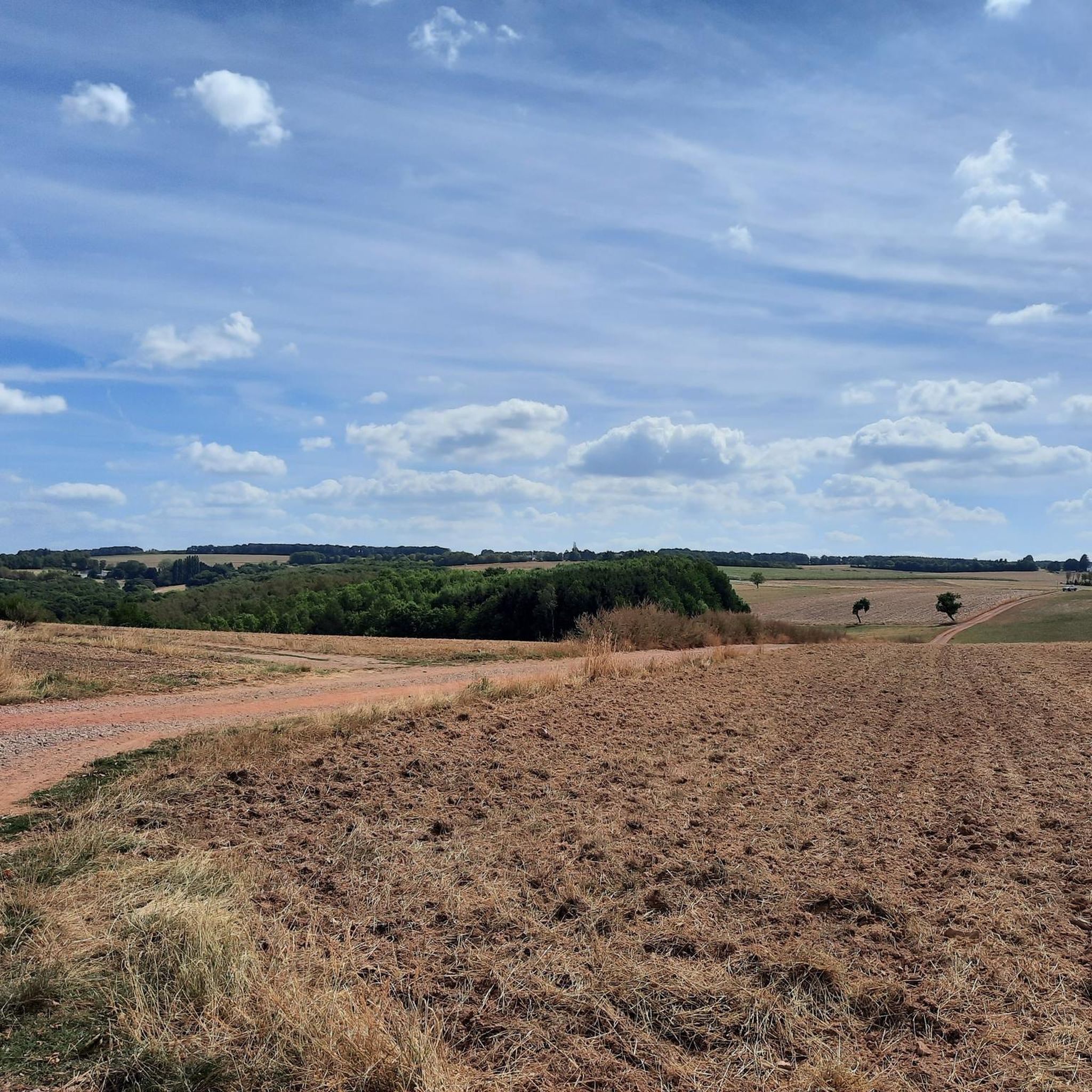
Tips from the Community

The panoramic trail is varied and highly recommended! Here the rocks with their ore deposits, very interesting
1
0

Nice little waterfall. I wouldn't have expected that.
2
0

The Marian pilgrimage site of Lourdes is located in the French Pyrenees and is visited by a large number of people every year, including many sick people who are hoping for a cure. The devotional image of Our Lady has become widespread - not only in France - everywhere, as here in Greimerath, believers have built Lourdes grottos. The ecclesiastical commemoration day "Our Lady in Lourdes" is on February 11th, this is the anniversary of the apparition of Mary (1858), when Our Lady appeared to 14-year-old Bernadette Soubirous in a rock grotto not far from Lourdes. Bernadette later became a nun and died at the age of only 35. On December 8th (the feast of the Immaculate Conception of Mary) in 1933, she was canonized by Pope Pius XI. The day of remembrance of the Lourdes Madonna is also World Day of the Sick.
3
0

Lourdes grotto The grotto, built by Matthias Staudt and Matthias Diederich, (1906) after your return from a Lourdes pilgrimage, they recreated the pilgrimage church in Lourdes, which you clearly succeeded in doing. A plaque in front of the Lourdes grotto gives the year 1912 as the construction date. Http://www.greimerath-hochwald.de/tourismus/sehenswuerdheiten
5
0

Unfortunately, this part can be overlooked. Well worth looking out for
4
0
You have to read the story on this. Respect and recognition
0
0
Hinkelsgret Place of refuge for the Mannebachers and Kümmerner during the Thirty Years' War (1618-1648). The name "Hinkel" comes from the term "Henkel", a handle for a vessel that was used to transport household items and food into the ravine/Gret in case of danger from the approaching Swedish troops. The area around Mannebach only became involved in the war late - around 1630. Source: Text information board of the Mannebach local community
2
0
A very nice place to linger and for a short prayer
1
0
Frequently Asked Questions
What types of caves can I explore around Irsch?
The region around Irsch offers a diverse range of caves, including natural karst formations, man-made grottoes, and historical refuge sites. You can find natural rock shelters like the Rock chamber (former dwelling), religious sites such as the Lourdes Grotto, Greimerath, and historical shelters like the Hinkelsgret Shelter. Further afield in the Volcanic Eifel, you can explore unique ice caves and ancient millstone quarries.
Are there any ice caves near Irsch?
Yes, the nearby Gerolstein region, about an hour's drive from Irsch, features the Birresborner Eishöhlen (Ice Caves) and the Mühlsteinhöhlen (Millstone Caves) at Rother Kopf. These caves are known for trapping cold air, often maintaining ice formations well into the warmer months, offering a unique natural phenomenon.
Which caves around Irsch have historical significance?
Several caves in the area boast rich history. The Hinkelsgret Shelter served as a sanctuary during the Thirty Years' War. The Buchenlochhöhle in Gerolstein was a shelter for Stone Age inhabitants and later for residents during WWII. The Mühlsteinhöhlen at Rother Kopf highlight centuries of millstone quarrying, dating back to the 13th century. The Lourdes Grotto, Greimerath, is a recreation of the famous pilgrimage site.
What unique geological features can I see in the caves near Irsch?
The caves offer diverse geological insights. The Rock chamber (former dwelling) showcases impressive rock formations. The Buchenlochhöhle is carved from rock composed of stromatopores, ancient marine animals. The Mühlsteinhöhlen at Rother Kopf feature angular lava scoria and porous rock, ideal for millstone production, reflecting the volcanic geology of the Eifel.
What should I wear when visiting caves near Irsch?
For most caves, sturdy shoes are recommended. For the Birresborner Eishöhlen, Mühlsteinhöhlen, and Buchenlochhöhle, warm clothes and a flashlight or headlamp are essential due to consistently low temperatures and dark interiors. A helmet is also recommended for the Birresborner Eishöhlen.
Are there family-friendly caves in the Irsch area?
Yes, the Lourdes Grotto, Greimerath, and the Cave in Saar-Hunsrück Nature Park are suitable for families. The Buchenlochhöhle in Gerolstein is also accessible, though it involves a narrow, steep wooden ladder, which might be challenging for very young children.
When is the best time to visit the ice caves near Irsch?
The Birresborner Eishöhlen are freely accessible from April to October. They are closed from October to March for bat protection. Visiting in late spring or early summer can be ideal to experience the ice formations before they fully melt, while still enjoying pleasant outdoor temperatures.
What outdoor activities can I do near these caves?
The region around Irsch and the nearby Volcanic Eifel offers numerous outdoor activities. You can find excellent hiking trails, including scenic routes like the Gerolsteiner Felsenpfad and sections of the Eifelsteig that lead to caves like the Buchenlochhöhle. There are also running trails and gravel biking routes available in the wider area.
How can I reach the caves in the Gerolstein region from Irsch?
To reach the caves in the Gerolstein region, such as the Birresborner Eishöhlen, Buchenlochhöhle, or Mühlsteinhöhlen, you would typically drive. The journey from Irsch to the Gerolstein area takes approximately one hour by car.
Are there any permits required to visit the caves?
The Birresborner Eishöhlen, Buchenlochhöhle, and Mühlsteinhöhlen are generally freely accessible during their open seasons, with no specific permits required for entry. However, it's always advisable to check local regulations or visitor information for any updates before your visit, especially for specific times of the year or guided tours.
What do visitors enjoy most about the caves around Irsch?
Visitors appreciate the blend of natural beauty and historical depth. The impressive rock formations, the unique experience of ice caves, and the historical significance as shelters or industrial sites are frequently highlighted. Many also enjoy the cool respite these caves offer on warmer days and the adventurous feel of exploring them with a flashlight.
Most popular attractions around Irsch

Get inspired with the komoot mobile app


Explore more
Extend your search for the best caves by checking out these guides of the top ones around Irsch:
