Top 6 Caves around Selb
Best caves around Selb are primarily located in the surrounding Fichtel Mountains and Upper Franconia, a region known for its varied geological formations. This area features a landscape shaped by ancient mining activities and natural rock erosion. Visitors can explore various underground formations, from historical adits to natural rock cellars. The region offers a blend of natural beauty and historical significance.
Best caves around Selb
- The most popular caves is St. Georg Adit and Silver Spring, a historical cave…
Last updated: May 1, 2026
St. Georg Adit and Silver Spring
Highlight • Cave
Translated by Google •
Tip by

Rock cellars at Kellerhügel Großwendern
Highlight • Cave
Translated by Google •
Tip by

Sign up now to discover places like this
Get recommendations on the best single tracks, peaks, & plenty of other exciting outdoor places.
Sign up for free
Old Cellar
Highlight • Cave
Translated by Google •
Tip by

Historical Water Tunnel Krasna
Highlight • Historical Site
Translated by Google •
Tip by

Start today with a free account
Your next adventure awaits.
Login or Signup
Popular around Selb
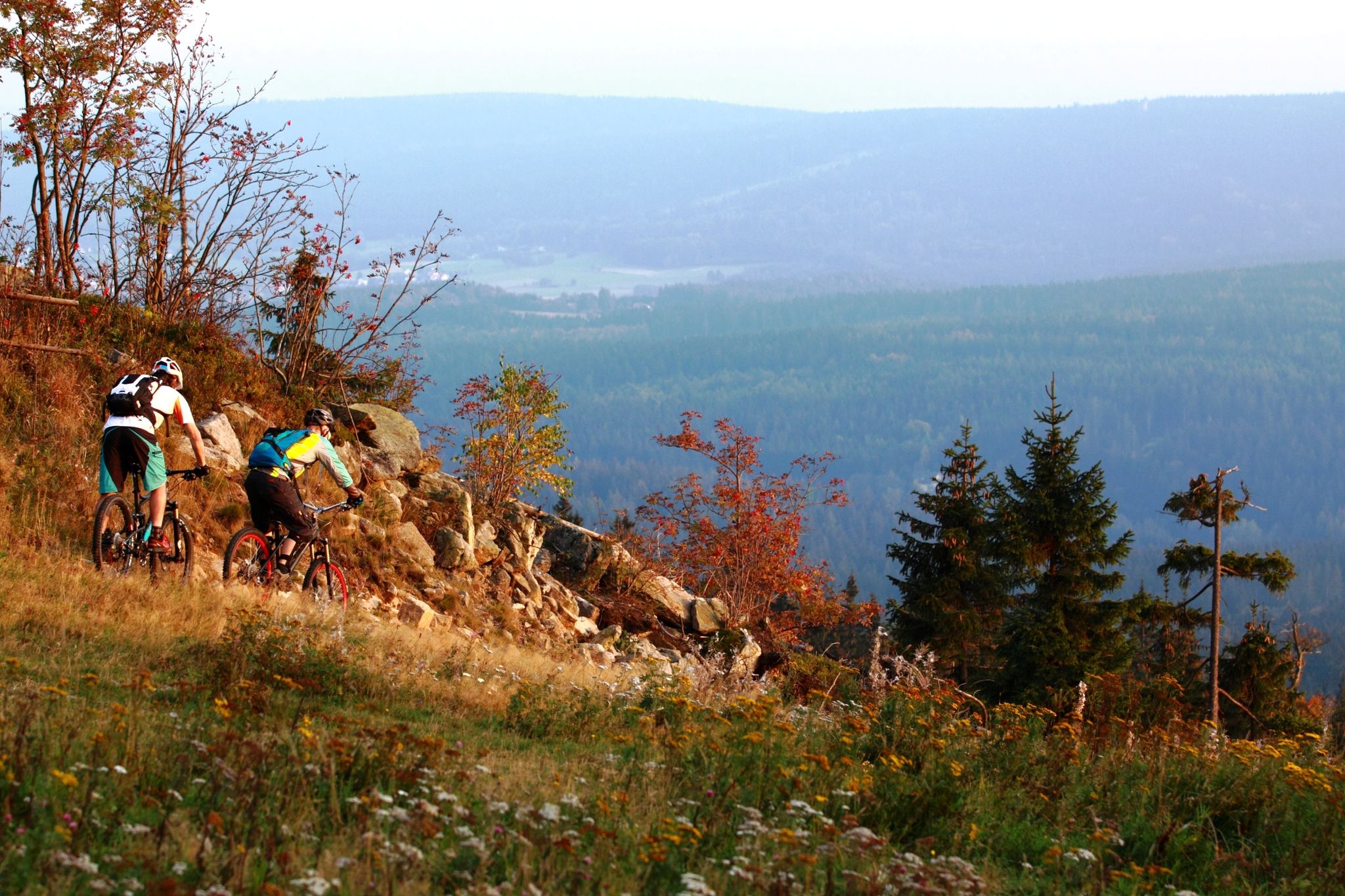
Water, rocks & trails — Mountain biking in the Fichtel mountains
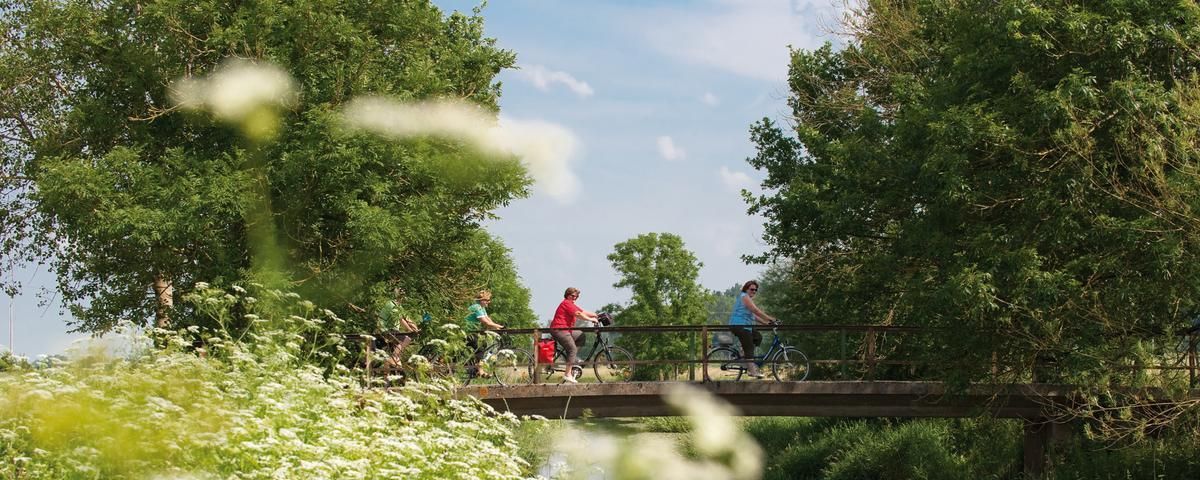
The most beautiful long-distance cycle paths in Franconia
Discover the diverse Fichtel Mountains in Germany – 10 day hikes
Hiking around Selb
Cycling around Selb
MTB Trails around Selb
Road Cycling Routes around Selb
Running Trails around Selb
Gravel biking around Selb
Other adventures around Selb


Tips from the Community

Old rock cellar on the footpath and cycle path between Bad Elster and Grün.
0
0

The underground passage has a total length of 185 meters. The tunnel was last used as a vegetable cellar.
4
0

A few years ago you could still go into the tunnels😏I've already been there. But nowadays everything is just safety first🤬
1
0
The area in front of the tunnel is secured with a chain and has a warning about suddenly escaping mine water. You shouldn't stay there for long and walk past quickly. The water comes from the tunnel system behind this tunnel and probably represents a danger. Nevertheless, it is interesting to take a quick look at this ensemble and take a look at the information boards.
1
0

Nice hike along the border from Bad Elster to Grün where there is a super delicious inn with great food and generous portions
1
1


On the initiative of the Fichtelgebirgsverein Arzberg and the working group "Altes Bergwerk" became a remnant of the more than 700-year Arzberg mining history in 2008, the 1722 Transport and drainage tunnels that were created and filled more than 50 years ago, the so-called tunnel mouth at the Silberquelle in G`steinigt, were uncovered. In 1944 an air raid shelter was to be set up here. The tunnel could be freely walked about 50 to 100 meters, then it was closed by a grid. Unfortunately, the tunnel has been closed for some time for safety reasons. There is probably an acute danger of a “mine water explosion”. The water that flows out of the Sankt Georg tunnel is collected as a silver source in front of the tunnel.
6
0
The Cellar Hill and a Cellar Hollow contain several 19th-century rock cellars. The earth and rock cellars are important ecological structural elements of nature conservation, but also symbols of local building tradition and stonemasonry. In addition, as artificially created caves, they bear witness to the geological conditions in the rocky landscape of the Fichtelgebirge. Rock cellars were of great importance for storing food, such as potatoes. They are mostly abandoned, partly dilapidated monuments of the agricultural landscape. Barely used cellars are well-known habitats for animals (winter quarters of bats) and small biotopes in near-natural surroundings.
5
0
Frequently Asked Questions
What types of caves can I explore around Selb?
The region around Selb, particularly the Fichtel Mountains and Upper Franconia, offers a diverse range of underground experiences. You can find historical mining tunnels and adits, natural rock cellars, and unique granite formations. Further afield, there are impressive dripstone caves with stalactites and stalagmites.
Are there any historical caves or tunnels near Selb?
Yes, the area is rich in historical underground sites. You can visit the St. Georg Adit and Silver Spring, a 1722 transport and drainage tunnel for the Arzberg mines. Another historical site is the Historical Water Tunnel Krasna, an underground passage that was once used as a vegetable cellar. The Old Cellar and the Rock cellars at Kellerhügel Großwendern also offer glimpses into local history and traditional food storage.
What are some of the most impressive natural caves in the wider region?
While not directly in Selb, the wider Upper Franconia region boasts spectacular natural caves. The Teufelshöhle (Devil's Cave) in Pottenstein is one of Bavaria's largest dripstone caves, known for its massive stalactites and stalagmites. Sophienhöhle (Sophie's Cave) near Rabenstein Castle is another beautiful show cave, featuring diverse formations and a well-preserved cave bear skeleton.
Are there family-friendly caves to visit near Selb?
Many caves in the region are suitable for families. The St. Georg Adit and Silver Spring is considered family-friendly. Show caves like Teufelshöhle and Sophienhöhle offer guided tours that are engaging for all ages, often including light shows and educational exhibits. The Oswald Cave is also an accessible option for families who enjoy hiking.
What geological features can I expect to see in the caves around Selb?
Near Selb, you'll primarily encounter formations related to granite weathering and historical mining. The Nußhardt Stube, for example, is a 'wollsack cave' formed by massive granite boulders. In the broader region, dripstone caves like Teufelshöhle and Sophienhöhle showcase stunning stalactites, stalagmites, and other sinter formations, some hundreds of thousands of years old. The Riesenburg Collapse Cave offers a unique view of a collapsed karst cave with natural bridges and towering rock formations.
Can I explore caves that are not commercialized or require guided tours?
Yes, for a more independent experience, the Oswald Cave near Muggendorf is a spacious 'through-cave' that can be traversed without artificial light, though a torch is recommended for darker sections. The Nußhardt Stube and Girgel Cave in the Fichtel Mountains also offer natural rock formations to explore as part of hiking routes.
What is the best time of year to visit caves in the Selb region?
Caves generally maintain a constant cool temperature year-round, making them a good destination in any season. Show caves like Teufelshöhle are particularly popular in summer for a cool escape. Some natural caves, like Oswald Cave, can feature impressive ice formations in winter due to strong cave winds.
Are there hiking opportunities near the caves around Selb?
Absolutely. Many caves are integrated into hiking networks. The St. Georg Adit and Silver Spring is located on a hiking trail through the G'steinigt nature reserve. The Oswald Cave is part of a popular hiking trail network. The Riesenburg Collapse Cave also offers hiking opportunities with panoramic views. For more hiking options, explore easy hikes around Selb.
What other outdoor activities can I do near the caves in the Selb region?
Beyond exploring caves and hiking, the Selb region offers various outdoor activities. You can find numerous routes for road cycling and gravel biking. Many of these routes pass through scenic landscapes and near other natural attractions.
What should I bring when visiting caves in the Selb area?
Even in summer, caves maintain a cool temperature (around 8°C in Teufelshöhle), so bringing a jacket or warm layers is advisable. Comfortable walking shoes with good grip are essential. For unlit natural caves like Oswald Cave, a torch or headlamp is highly recommended. Some historical sites, like the St. Georg Adit, may have grids closing off deeper sections for safety.
Are there any caves near Selb that are known for wildlife, such as bats?
Yes, some of the historical rock cellars in the region serve as important habitats for animals. The Rock cellars at Kellerhügel Großwendern are known as winter quarters for bats, highlighting their ecological significance.
How accessible are the caves around Selb?
Accessibility varies by cave. Show caves like Teufelshöhle and Sophienhöhle are typically well-developed with paths and lighting for visitors. Natural caves like Oswald Cave are easily accessible and part of hiking trails. Historical sites such as the Old Cellar are located on footpaths and cycle paths, making them easy to reach.
Most popular routes around Selb
Most popular attractions around Selb

Get inspired with the komoot mobile app


Explore more
Extend your search for the best caves by checking out these guides of the top ones around Selb:
