Top 4 Caves around Roßtal
Best caves around Roßtal are primarily found in the surrounding natural landscapes and historical sites, rather than within the town itself. Roßtal is known for its historical landmarks and natural features like hiking and cycling paths along the Bibert river. While the immediate vicinity offers limited natural caves, the broader region provides interesting subterranean features. The area features a mix of natural rock formations and historical man-made cellars.
Best caves around Roßtal
- The most popular caves is Klingengraben Gorge near…
Last updated: October 15, 2026
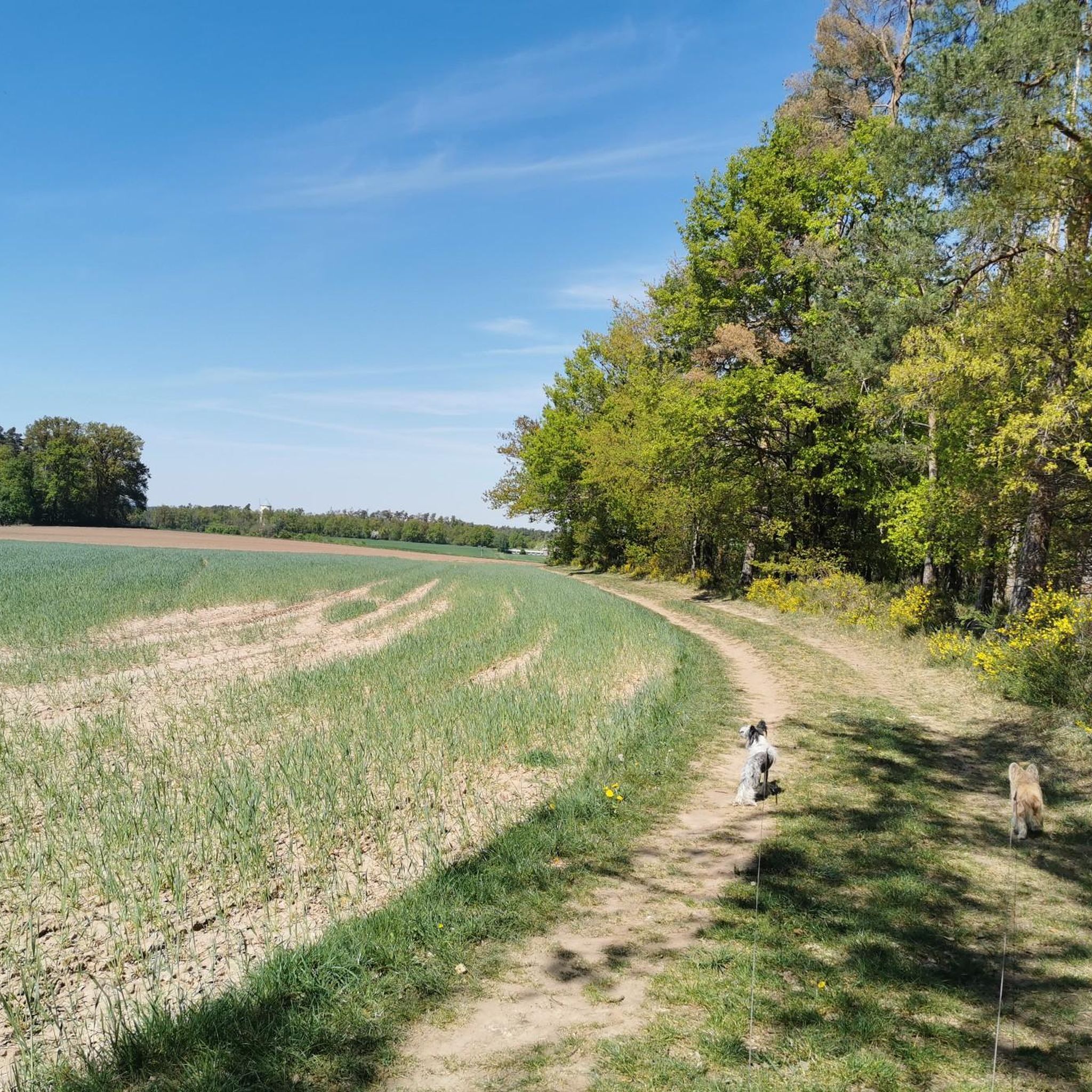
Old Field Smithy
Highlight • Historical Site
Translated by Google •
Tip by

Wallenstein's Shelter Cave
Highlight • Cave
Translated by Google •
Tip by

Sign up now to discover places like this
Get recommendations on the best single tracks, peaks, & plenty of other exciting outdoor places.
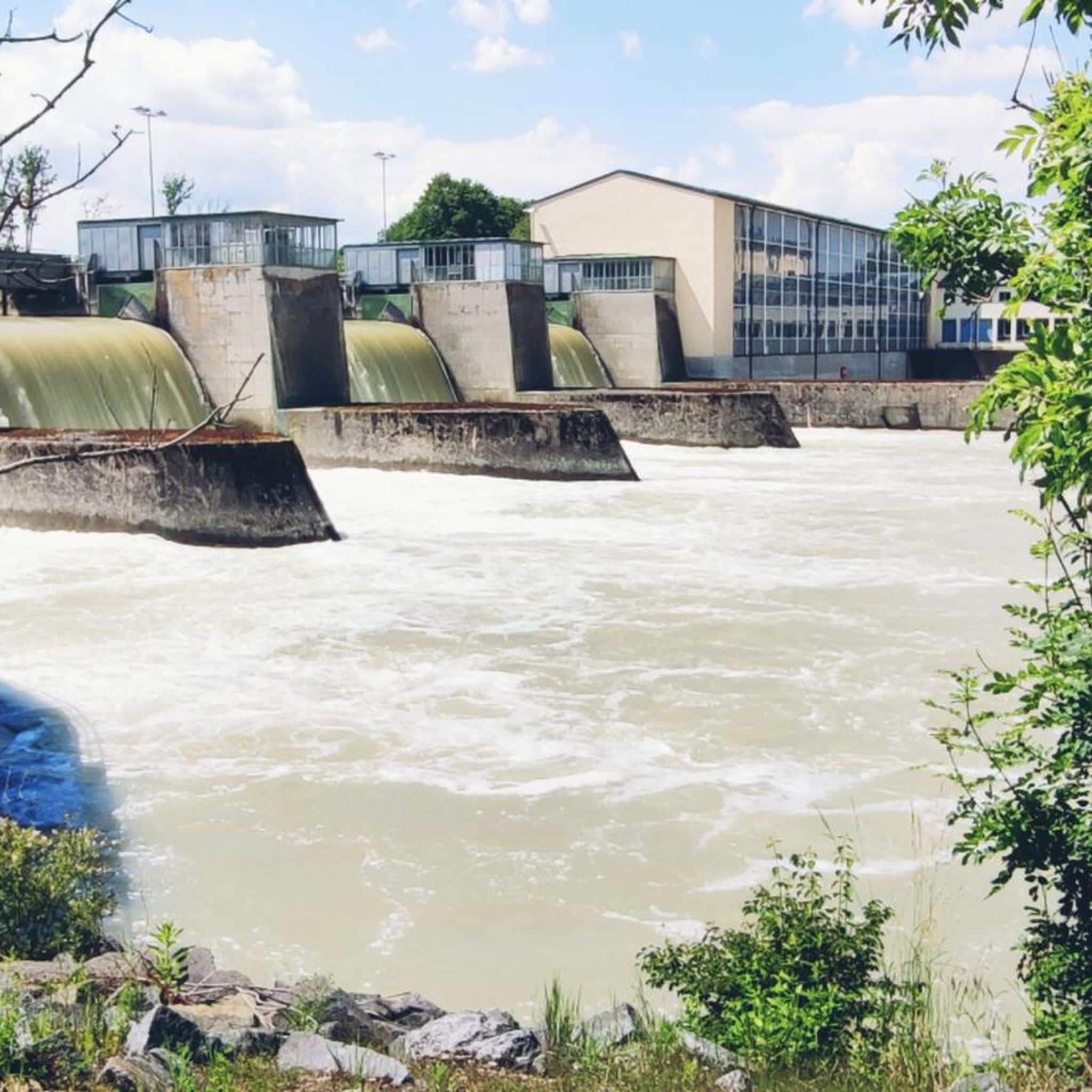
Sommerkeller Barthelmesaurach
Highlight • Historical Site
Translated by Google •
Tip by

Old sandstone cellar
Highlight • Cave
Translated by Google •
Tip by
Start today with a free account
Your next adventure awaits.

Tips from the Community

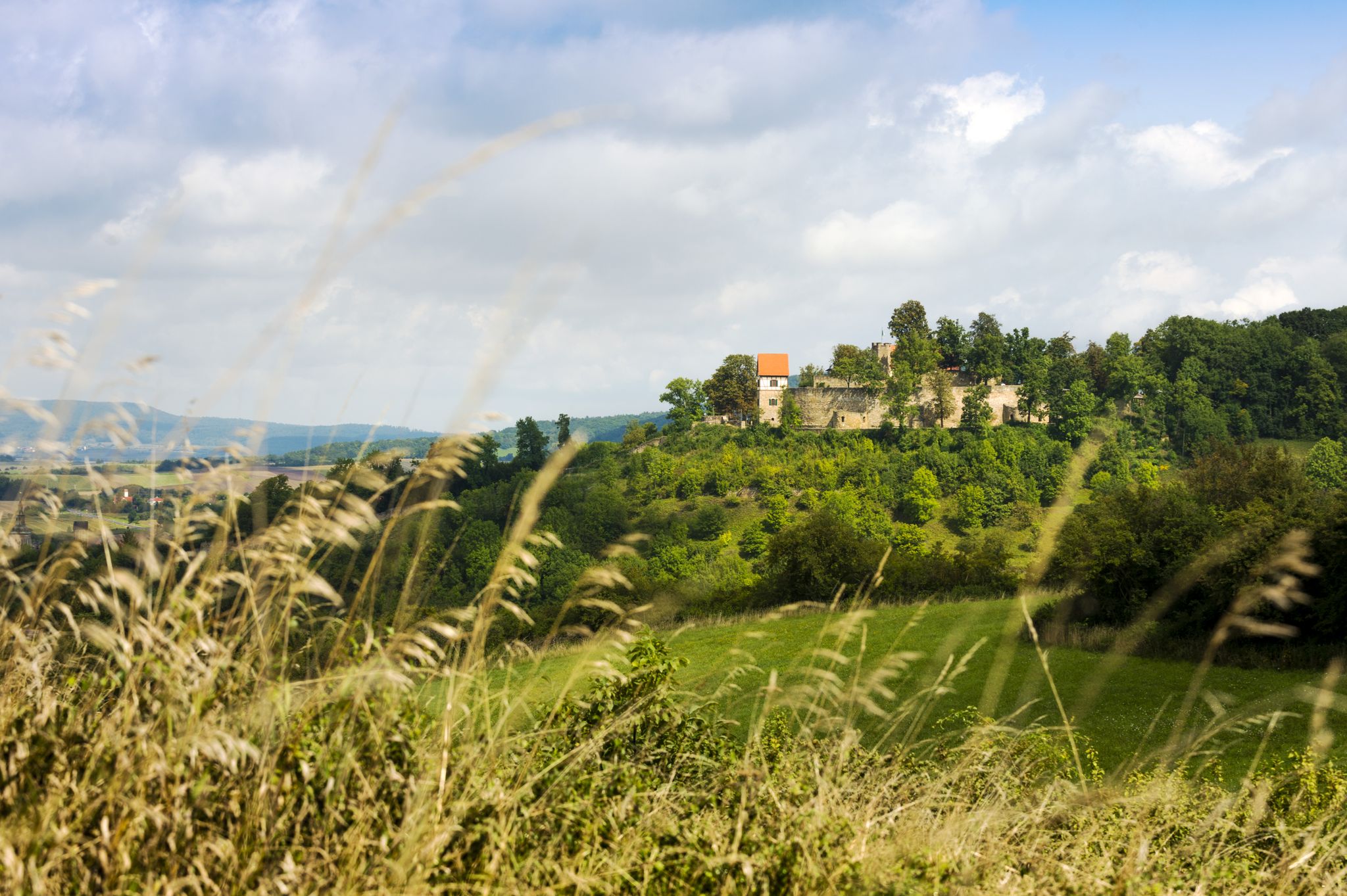
The summer cellar (building permit issued in 1862) served for the year-round storage of beer, which was an important foodstuff for travelers on the Nuremberg-Ulm trade route. Therefore, B. had two inns and a horse-changing station. Today, guided tours of the restored rock-cut cellars are offered.
0
0

Beer storage and bowling alley It was built in 1862 as a beer storage cellar by the innkeeper and brewer Leo Wolshofer with a habitable front building. Konrad Gundel bought it in 1883 and built a bowling alley to the east of the cellar in 1885. It was used until 1930. At that time, its function as a cold storage cellar with natural ice also ended. Towards the end of the Second World War, the cellar was a shelter for the population. From 1954 onwards, it gradually fell into disrepair. In 2001, the municipality of Kammerstein bought the ruins, including the cellar and the property.
1
0

Protection from something…⁉️
0
1

Small shelter in the sandstone rock.
1
0

Former forge of the quarries for sandstone mining - in the Stadtwald quarries, the Burgsandstein was mined as an important building material until the Middle Ages.
1
0

You have to search a bit to find the holes, you shouldn't try to climb in either.
3
0
You should definitely take a closer look
7
1

When it is wet, the access is often under water
4
0
Frequently Asked Questions
Are there natural caves to explore near Roßtal?
While Roßtal itself is not known for natural caves, the broader region of Franconian Switzerland, located in Bavaria near Nuremberg, is famous for its karst landscapes and numerous natural caves. This area boasts approximately 275 caves, many featuring impressive geological formations like stalactites and stalagmites. Notable examples include the Devil's Cave (Teufelshöhle) near Pottenstein, the Osterhöhle (Easter Cave) in Trondorf-Neukirchen, and the Sophienhöhle cave near Rabenstein.
What kind of caves can I find directly around Roßtal?
Around Roßtal, you'll primarily find historical and man-made cave-like structures, often repurposed cellars or shelters. For example, the Old Field Smithy is described as a dark, oppressive vault, while the Sommerkeller Barthelmesaurach was historically used for cool beer storage and as a WWII shelter. There's also the Old sandstone cellar, an exciting discovery driven into the sandstone.
Are there family-friendly caves near Roßtal?
Yes, the Wallenstein's Shelter Cave is categorized as family-friendly and offers an interesting historical site to explore. Additionally, the Sommerkeller Barthelmesaurach is also suitable for families and offers guided tours by phone appointment, providing insight into its history as a beer cellar and bat winter quarters.
What historical insights can I gain from visiting caves in the area?
Many cave-like structures around Roßtal have rich histories. The Sommerkeller Barthelmesaurach, for instance, was built in 1862 for beer storage, later housed a bowling alley, and served as a shelter during WWII. The Wallenstein's Shelter Cave is another historical site worth exploring. Further afield, the Devil's Cave (Teufelshöhle) in Franconian Switzerland even features the skeleton of a cave bear, offering a glimpse into prehistoric times.
What should I bring when exploring these caves?
For many of the local cave-like structures, such as the Old Field Smithy or Wallenstein's Shelter Cave, visitors recommend bringing a flashlight to properly see inside. Some areas, like the Old Field Smithy, can also be wet, so appropriate footwear is advisable. For natural caves in Franconian Switzerland, guided tours often provide necessary equipment or instructions.
Are there any caves that are particularly impressive for their natural formations?
For truly impressive natural formations, you'll need to venture into Franconian Switzerland. The Devil's Cave (Teufelshöhle) near Pottenstein is renowned as one of Germany's most beautiful stalactite caves, featuring large chambers and remarkable stalagmites and stalactites. The Sophienhöhle cave near Rabenstein also boasts fantastic stalactites in various colors, including the notable 'Elephant's Ear' and 'Millionaire' formations.
What outdoor activities can I combine with a visit to caves near Roßtal?
The area around Roßtal offers various outdoor activities. You can find numerous cycling routes, such as those in the Traffic-free bike rides around Roßtal guide, or explore MTB Trails around Roßtal. There are also several Running Trails around Roßtal, including loops like the Wooden Sculptures Near Roßtal. Many of these routes pass by or are close to the local historical cave sites.
What is the best time to visit caves in the wider region?
Generally, the best time to visit show caves in Germany is from spring to autumn. Many caves, especially natural ones, are closed from October to March for bat conservation. It's always advisable to check the specific opening times of any cave you plan to visit before your trip.
Can I find a gorge with cave features near Roßtal?
Yes, the Klingengraben Gorge near Gerasmühle is a beautiful natural trench valley that features a small, wild ravine with a cave and two small waterfalls when the stream carries water. The narrow hiking trail requires sure-footedness, especially when wet.
Are there any unique caving experiences in the region?
For a unique experience, consider the Osterhöhle (Easter Cave) in Trondorf-Neukirchen, located in the Franconian Jura. It is one of the last show caves in Germany without electric light, with tours conducted using handheld lamps, offering a more authentic and atmospheric exploration of its large chambers and speleothems.
Most popular attractions around Roßtal

Get inspired with the komoot mobile app


Explore more
Extend your search for the best caves by checking out these guides of the top ones around Roßtal:
