Top 6 Castles around Weibern
Best castles around Weibern are found in the Brohltal, a region within Germany's Ahrweiler district. This area is known for its historical landmarks and impressive landscapes. While Weibern itself is a municipality, the surrounding region offers several notable castles. These sites provide insights into medieval history and the cultural heritage of the Eifel region.
Best castles around Weibern
- The most popular castles is Tollet Castle, a castle that houses the municipal office, event rooms, and rental apartments. The short…
Last updated: June 28, 2026
Wolfsegg Castle
Highlight • Castle
Translated by Google •
Tip by

Aistersheim Water Castle
Highlight • Castle
Translated by Google •
Tip by
Sign up now to discover places like this
Get recommendations on the best single tracks, peaks, & plenty of other exciting outdoor places.
Sign up for free
Würting Castle
Highlight • Castle
Translated by Google •
Tip by
Tollet Castle
Highlight • Castle
Translated by Google •
Tip by

Schloss Aigen
Highlight • Castle
Translated by Google •
Tip by

Sign up for free to discover even more castles around Weibern.
Sign up for free
Already have an account?
Start today with a free account
Your next adventure awaits.
Login or Signup
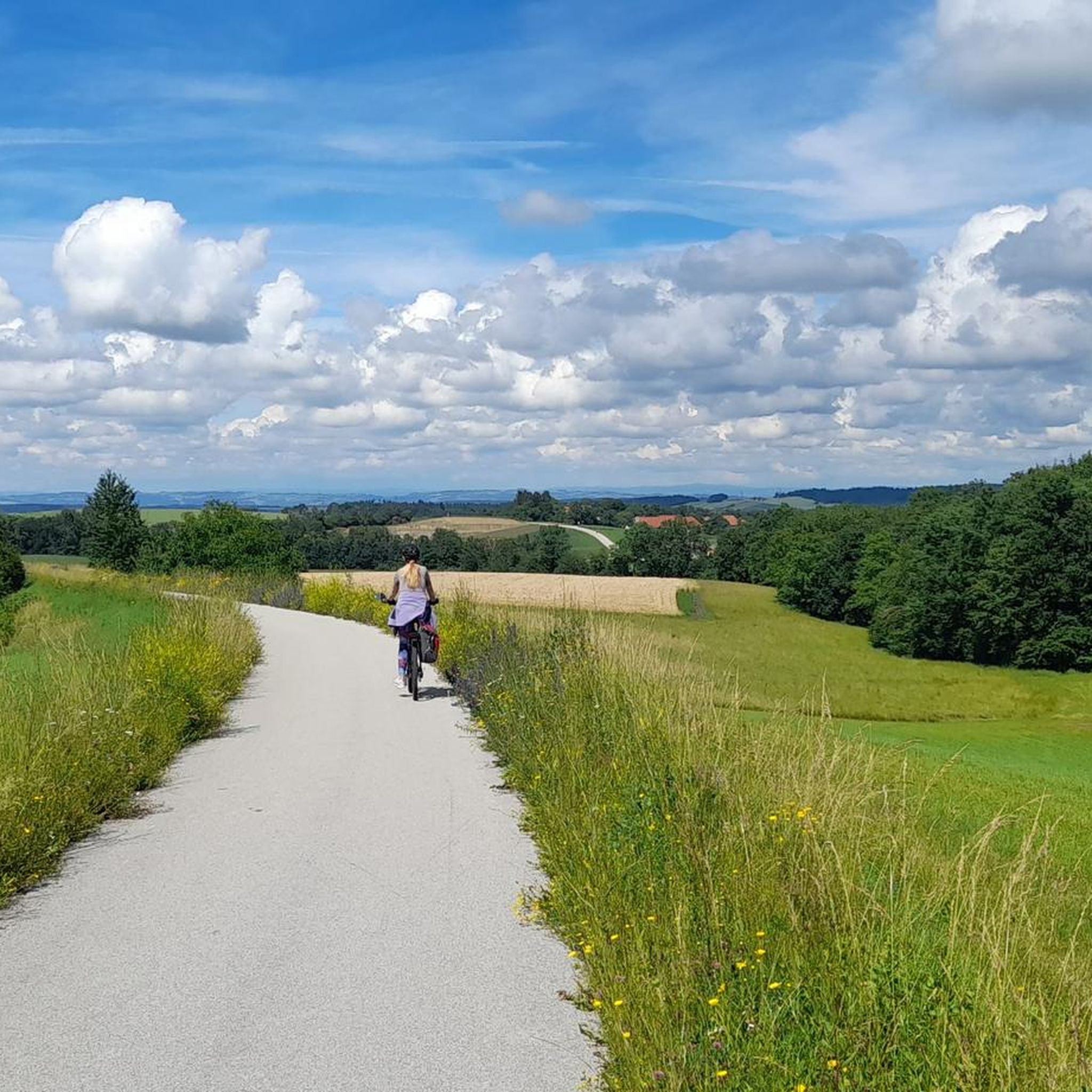
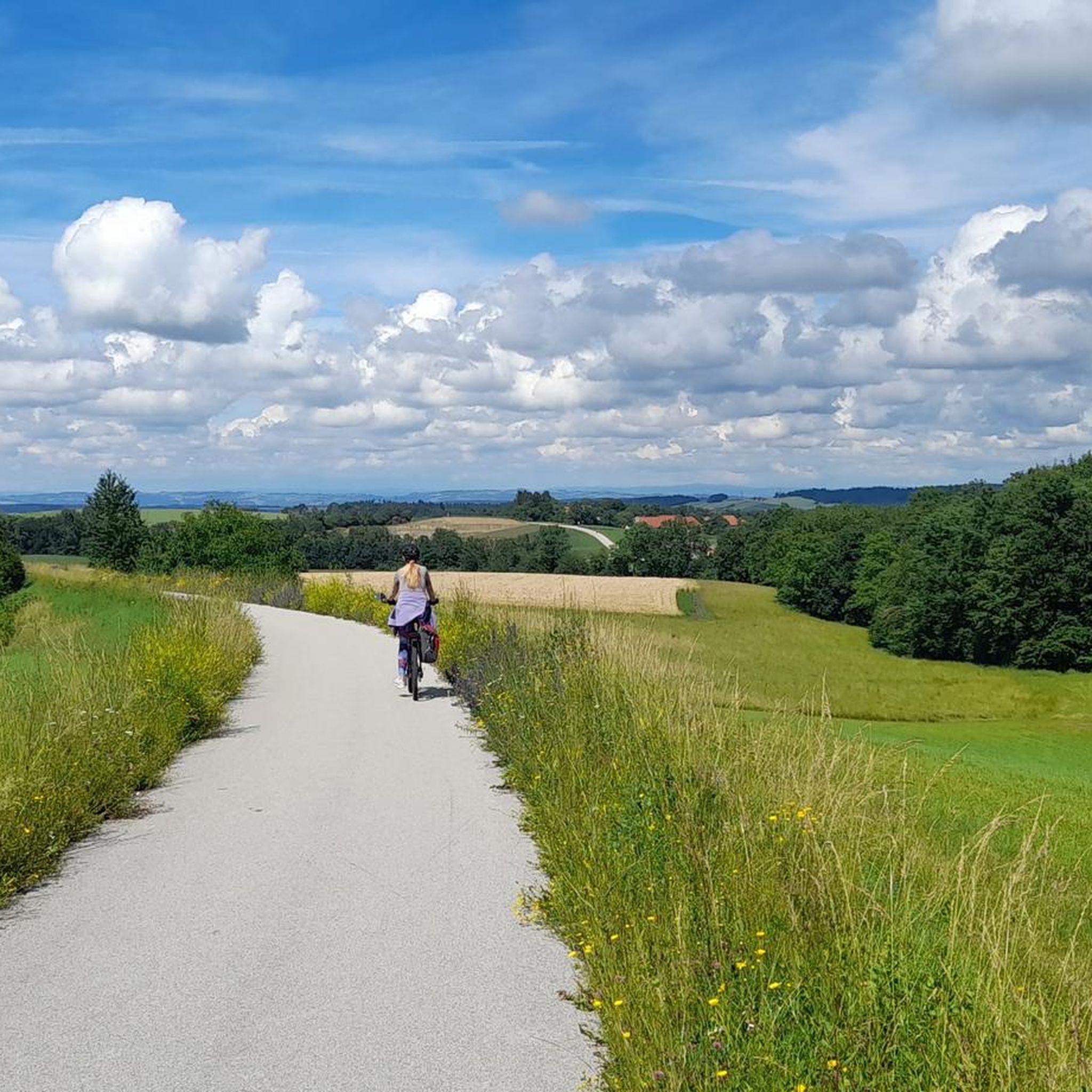
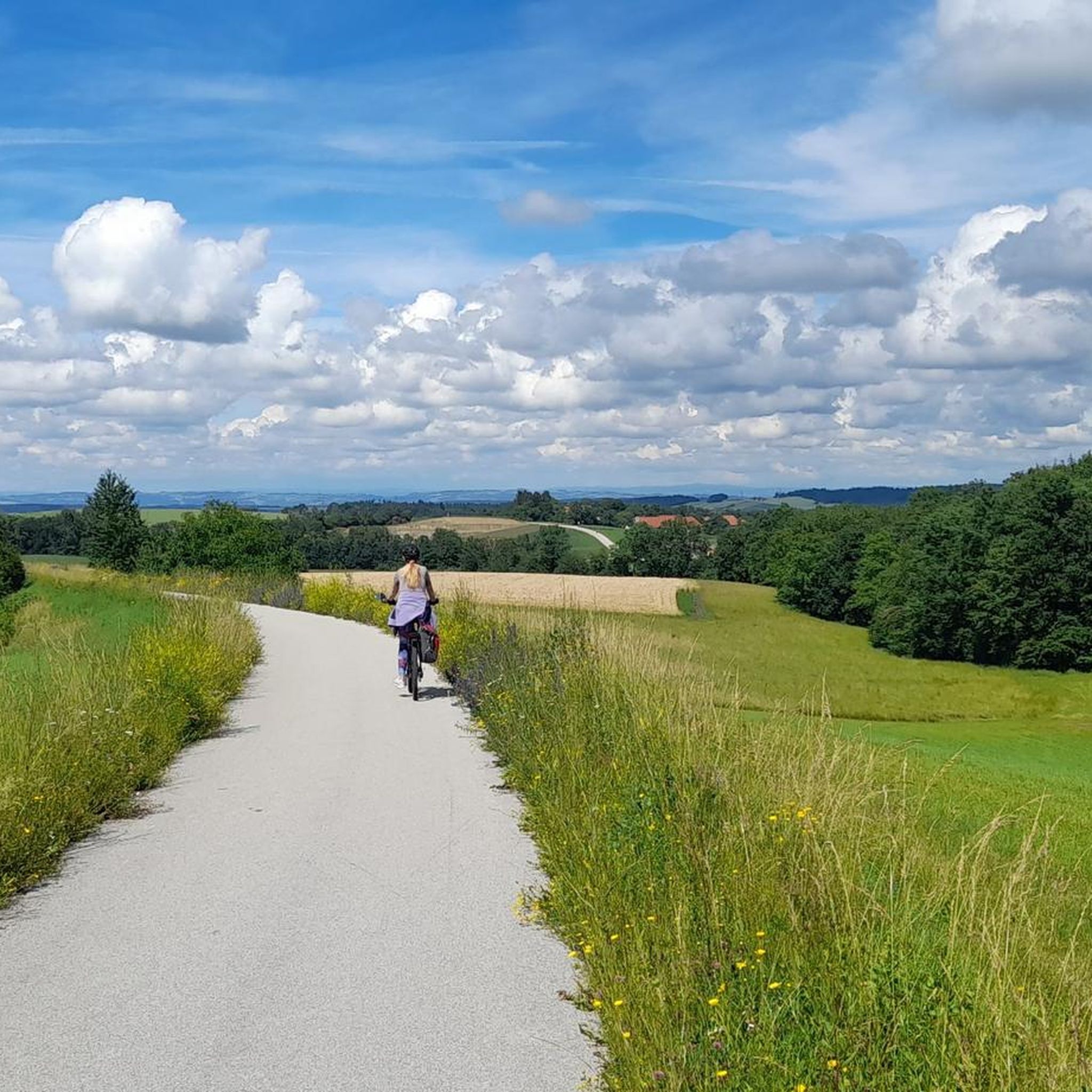
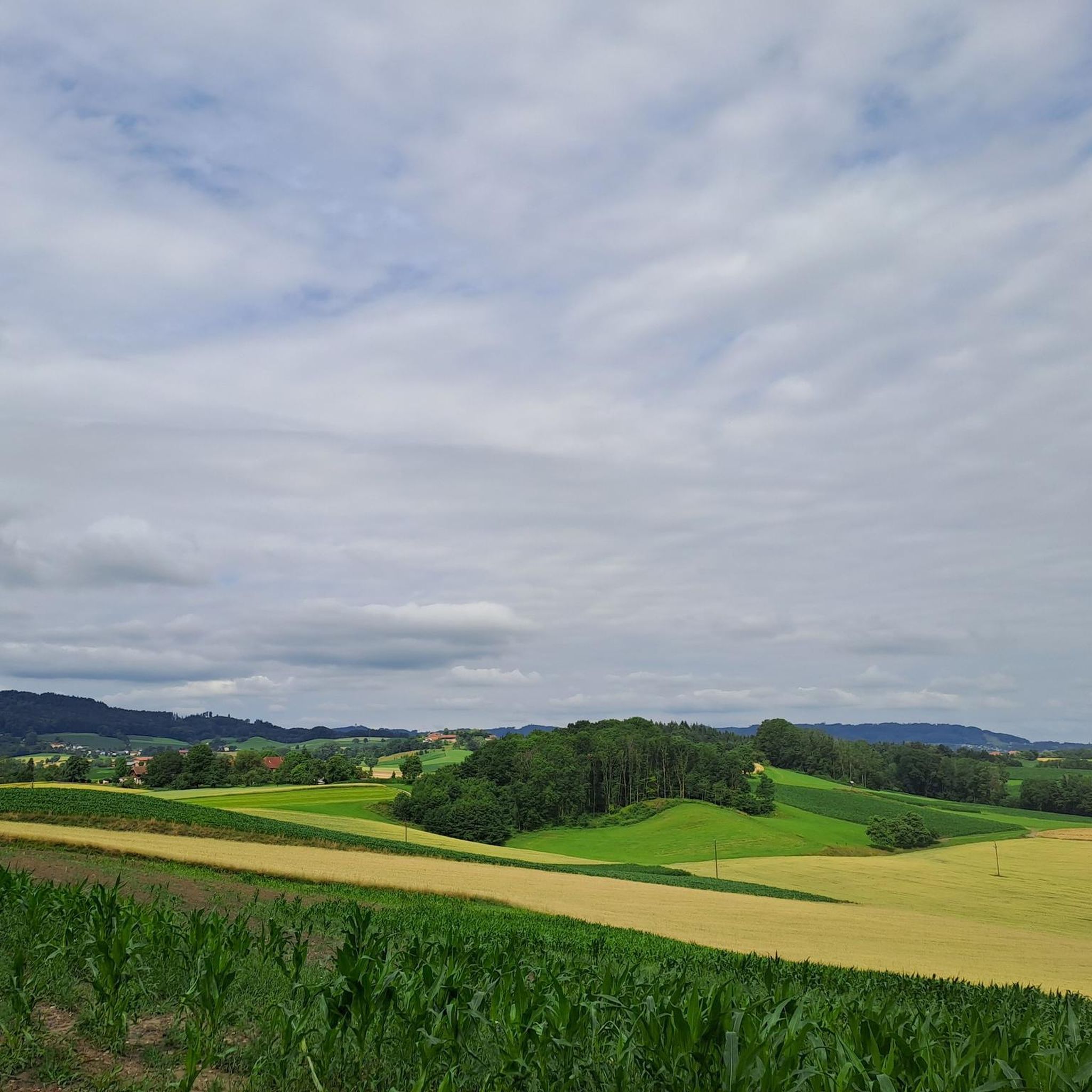
Tips from the Community

A castle worth seeing with a view over the Trattnach valley
0
0


Great facility with town hall inside - beautiful courtyard!
0
0

The castle stands within an area enclosed by a stone wall. On the access side, a double-leaf wrought-iron gate replaces a former gatehouse. The castle is two-story, hook-shaped. It has a broken mansard roof with four corner turrets resting on consoles, each with a broken roof and a bulbous dome crowned by a finial. The ground-floor windows have wrought-iron sashes. In the castle courtyard is a triangular coat of arms of the Querrer family bearing the year 1593. The castle has been rebuilt frequently; its current appearance dates from the end of the 20th century. The former castle chapel no longer stands. The Schausberger family has been fundamentally renovating the castle since the 1970s. Today, the castle is enlivened by cultural events.
0
0

The Aistersheim moated castle is one of the most beautiful in Upper Austria. The entire castle stands on a myriad of wooden pilots and is completely surrounded by water. Two massive wooden bridges lead to the two large entrance gates. Although it was actually a defensive structure that has been besieged several times throughout history, the builders managed to create one of the finest examples of late Renaissance architecture. A visit or an inspection of this beautiful building is worthwhile!
1
0
The outer form of today's castle building goes back to Truchsess Jakob (1546-1589) and his wife Johanna (1548-1613). In the years that followed, they had it rebuilt from scratch in place of the one that had been destroyed by a chimney fire in 1578 and, as Zimmer's chronicle says, "a bewildered building made of wood and frame work". In the powerful, regular four-wing complex with the protruding corner towers, contemporary demands for living comfort and representation could finally be realized. The functional rooms were on the ground floor, the guest apartments were on the first floor and above them the living quarters of the count's couple. The highlight of a series of representative rooms is the main hall on the second floor of the west wing, the knight's hall, at the end of the main staircase rising from the portal hall. In front of this are the banquet hall and the picture room in the north wing. The building did not last long. On December 28, 1646, the troops of the Swedish Field Marshal Wrangel set it on fire during one of their campaigns through the Uplands. Although parts of the castle were preserved, the top floor in particular - and thus the main floor - went up in flames. The beginning of the reconstruction work was delayed until 1651 due to the hardship of the post-war period. The decisive phase in the furnishing of the representative rooms fell between 1691 and 1700. The leadership in the redesign of the representative rooms, both in terms of the stucco and the equipment As for sculptures, it was in the hands of the sculptor and plasterer Balthasar Krimmer (1653-1702) from Wangen. Drastic structural changes took place in the first half of the 18th century, when the guest apartments on the first floor were redesigned in Rococo style. In the late 19th century, a series of dining rooms were designed in keeping with the taste of the time. At that time, the palace chapel also received its neo-Gothic appearance. With the completion of the Gothic room, the adjoining rooms and the corridor at the end of the 19th century, the conversion work at Wolfegg Castle was complete.
3
0
The castle is only open to guests twice a year for major international concert series. Guided tours are also offered here. The royal family lives in the palace.
3
0
The moated castle of Würting was first mentioned in documents as early as 814 as a Romanesque farm, and is therefore the first documented reference to the community of Offenhausen. The owners of the moated castle have always been the determining force for the market town of Offenhausen. After an eventful history, the area went to Jörg Perkheimer in 1455, who had today's moated castle built from 1462. It is also thanks to the people of Perkheim that Offenhausen received market rights in 1534. After a few changes of ownership in the 17th and 19th centuries, the castle was in a pitiable condition when it was sold again in 1921. The new owner Heinrich Gutman therefore had the castle completely renovated and refurbished. During the Nazi era, Würting was an SA school, and the valuable facility disappeared at that time. After the end of World War II, refugees were billeted until 1952, when the Gutman family returned the property. However, the decay was already far advanced, and so the castle changed hands several times until 1975, when it was finally bought by the paleontologist Dr. Schaffer was bought. It now houses his collection. Unfortunately, Dr. Schaffer did not manage to stop the decay, and so the castle, which is not open to the public, is still left to decay today.
3
0
Frequently Asked Questions
What are some of the most historically significant castles near Weibern?
Near Weibern, Burg Olbrück stands out as one of the oldest and largest castles in the Eifel region, dating back to around 1100 AD. Its history includes multiple destructions and reconstructions. Another notable site is Würting Castle, a moated castle first mentioned in documents as early as 814 AD, with a rich and eventful past.
Are there any family-friendly castles to visit near Weibern?
Yes, Burg Olbrück is particularly family-friendly, featuring modern audiovisual and multimedia installations that bring medieval life to children. It also has a children's adventure playground designed as an old knight's castle and offers a child-friendly castle rally. Tollet Castle is also categorized as family-friendly.
What kind of views can I expect from the castles in the Weibern area?
From Burg Olbrück, you can climb its 34-meter-high main tower, which serves as an observation platform. It offers breathtaking panoramic views of the Brohltal and the southern Eifel. On clear days, you might even spot the spires of Cologne Cathedral in the distance.
What is the best time of year to visit the castles around Weibern?
The period from April to October is ideal for visiting, especially if you wish to experience guided tours at places like Burg Olbrück, which are offered on the first Sunday of every month during this time. The weather is generally more favorable for exploring the castle grounds and enjoying outdoor activities.
Can I explore the castles on foot with easy walks?
Yes, there are easy walks that allow you to explore the areas around the castles. For instance, the short climb to Tollet Castle is considered worthwhile and accessible. You can also find easy hiking routes in the region, such as the 'Schachenreith Loop' or 'Taverne Castle Gröming – Malvent Snack Station loop', which are part of the Easy hikes around Weibern guide.
Are there any castles near Weibern that host cultural events or tours?
Wolfsegg Castle hosts major international concert series twice a year and offers guided tours. Schloss Aigen is also known for being enlivened by cultural events. Burg Olbrück provides guided tours from April to October and holds special events like Halloween celebrations.
What kind of outdoor activities can I do near the castles around Weibern?
The region offers various outdoor activities. You can enjoy hiking on trails like the 'Schachenreith Loop' or 'Dirisam Loop' from the Easy hikes around Weibern guide. For runners, there are several Running Trails around Weibern. Cyclists can explore routes such as the 'Trattnachtal Cycle Path' or 'Lake Redlham' from the Cycling around Weibern guide.
Is there a moated castle near Weibern that is particularly beautiful?
Aistersheim Water Castle is considered one of the most beautiful moated castles in Upper Austria. It is completely surrounded by water and stands on numerous wooden pilots, showcasing fine late Renaissance architecture.
Are there any castles near Weibern that are not open to the public?
Yes, Würting Castle, despite its rich history and housing a paleontologist's collection, is unfortunately not open to the public and is currently left to decay.
Where can I find refreshments or a kiosk when visiting the castles?
At Burg Olbrück, there is a kiosk on-site where you can purchase refreshments. For other castles, it's advisable to check local amenities in nearby towns or villages.
What makes the castles around Weibern unique?
The castles around Weibern offer a diverse range of experiences. You'll find structures with modern uses, like Tollet Castle housing municipal offices, alongside historically rich sites like Burg Olbrück with its interactive exhibits. The region features everything from well-preserved towers offering panoramic views to beautiful moated castles like Aistersheim Water Castle.
What do visitors particularly enjoy about the castles near Weibern?
Visitors appreciate the blend of historical insights and stunning scenic views, especially from the observation platform of Burg Olbrück. The interactive multimedia presentations that bring medieval life to the forefront are also highly valued. The komoot community has shared over 14 photos and given more than 20 upvotes for the castles in the area, highlighting their appeal.
Most popular attractions around Weibern

Get inspired with the komoot mobile app


Explore more
Looking for the best castles somewhere else? Discover other guides around Weibern:
