Top 6 Castles around Raasdorf
Best castles around Raasdorf offer historical insights and architectural beauty in the vicinity of this small municipality. The region, particularly within the larger district of Groß-Enzersdorf, features historical structures worth exploring. These sites provide a glimpse into centuries of Austrian history and diverse architectural styles. The area is suitable for those interested in historical landmarks and cultural heritage.
Best castles around Raasdorf
- The most popular castles is Schloss Hirschstetten, a historical site that retains its entrance portal and castle…
Last updated: June 28, 2026
Sachsengang Castle
Highlight • Castle
Translated by Google •
Tip by

Süßenbrunn Castle
Highlight • Castle
Translated by Google •
Tip by
Sign up now to discover places like this
Get recommendations on the best single tracks, peaks, & plenty of other exciting outdoor places.
Sign up for free
Essling Castle
Highlight • Castle
Translated by Google •
Tip by
Obersiebenbrunn Castle / St. Antonius Monastery
Highlight • Castle
Translated by Google •
Tip by

Schloss Hirschstetten
Highlight • Castle
Translated by Google •
Tip by

Sign up for free to discover even more castles around Raasdorf.
Sign up for free
Already have an account?
Start today with a free account
Your next adventure awaits.
Login or Signup

Tips from the Community

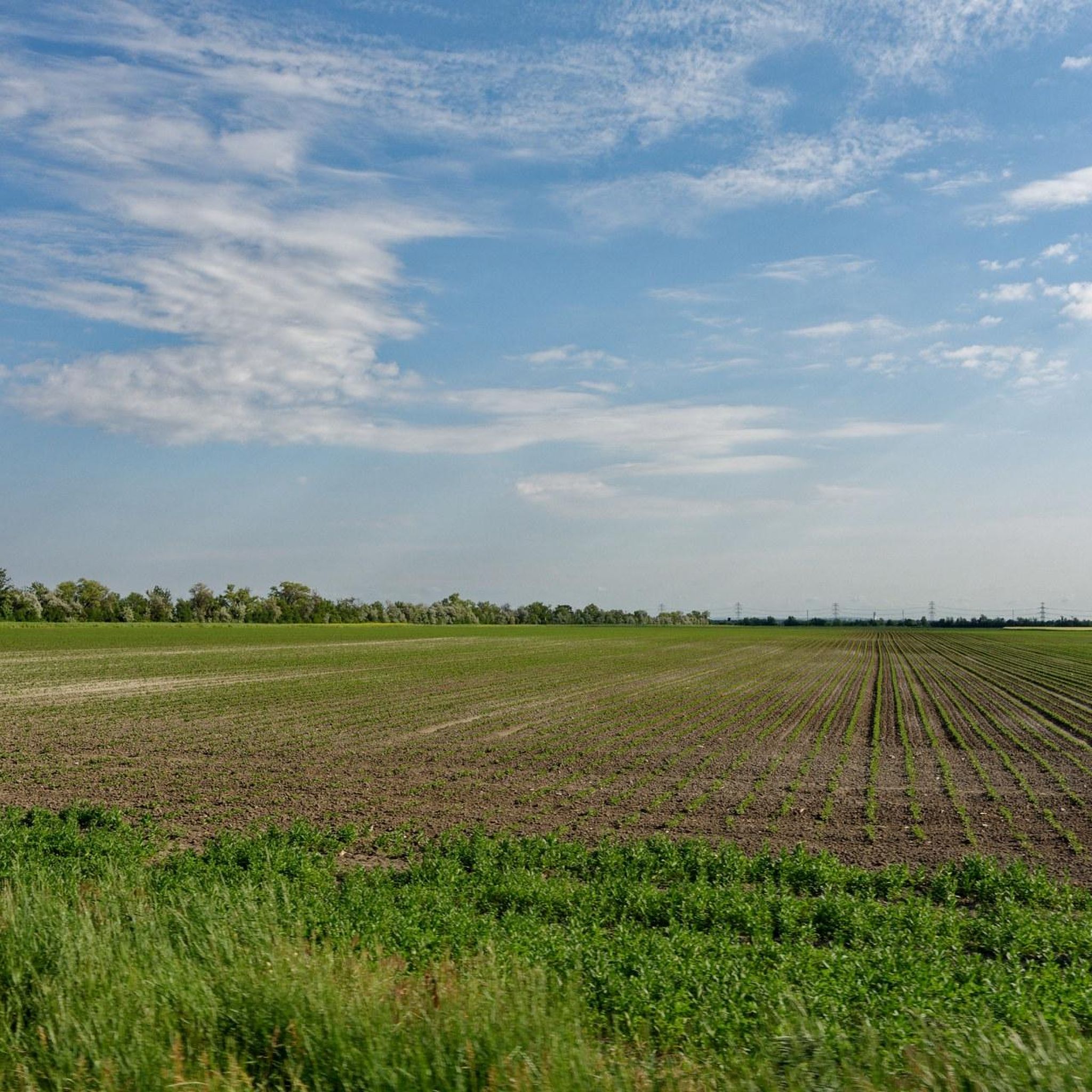
Around 1120, Adalbert von Sachsengang was documented as the first representative of the family named after the castle. When Emperor Ferdinand III put Sachsengang up for sale in 1655, it was already in very poor condition. Johann Konrad von Richthausen became the new lord of the castle. He primarily engaged in alchemical experiments in Sachsengang. As early as 1659, he sold the castle to Dr. Jakob von Thavonat, a South Tyrolean, who had it expanded into a palace. His descendants still live in and manage the castle today.
0
0

The Sachsengang fortress, probably one of the oldest and perhaps the oldest, fortification around Vienna, was one of the most important in the medieval chain of castles that stretched from Eßling to Stopfenreuth. In 1659, the South Tyrolean Baron Dr. Jakob von Thavonat bought the Sachsengang castle and converted it into a palace. His descendants still live in and manage the castle today. More on the history: http://www.burgenkunde.at/niederoesterreich/sachsengang/sachsengang.htm
1
0
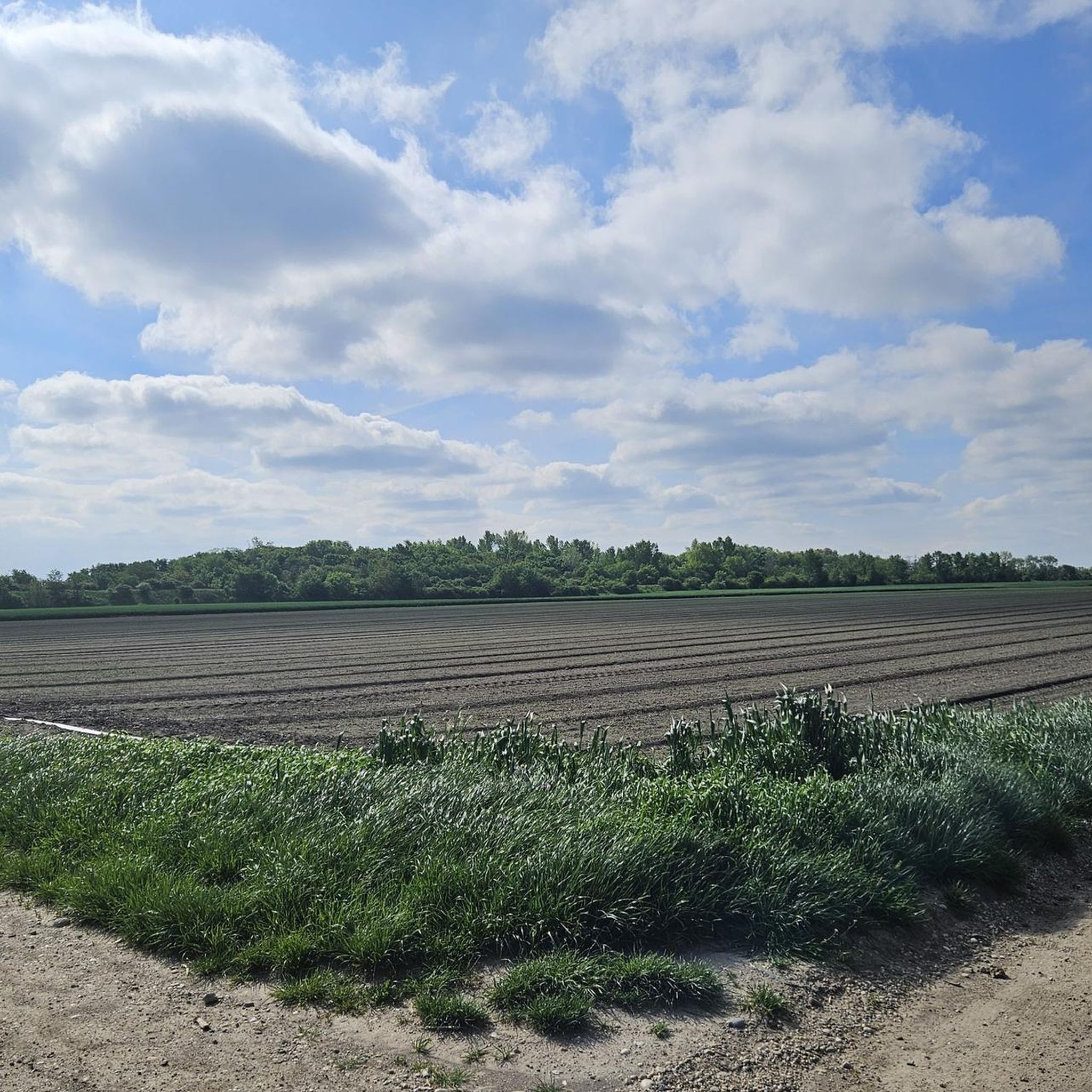
According to documents, the castle was taken over by Dietrich von Pillichsdorf in 1320 as a permanent house together with the Prun(n) estate. After wars with the Turks, the fortress house fell into desolation around 1529. In the last quarter of the 16th century, the town was repopulated by Urban Sueß (Siess) and a castle was built, whereby the place name Sueßen Brunn (Siessenprunn) was newly composed of the family name and the old domain name. Around 1600 the castle was owned by the Barons of Landau, from 1622 by the Losensteins, from 1660 by the Auersperg, from 1667 by the Grundmanns, from 1802 by the Barons of Walterskirchen, from 1813 by Count Kokorzowa, from 1816 owned by Baron von Bartenstein, in the 19th century owned by the Dubsky von Trebomyslice, around 1900 owned by the Bösch family and since 1926 owned by the Theresian Academy. In 2008 the castle was acquired by the Ludwig Reiter shoe manufacturer, which renovated the building and moved there in March 2011.
0
0
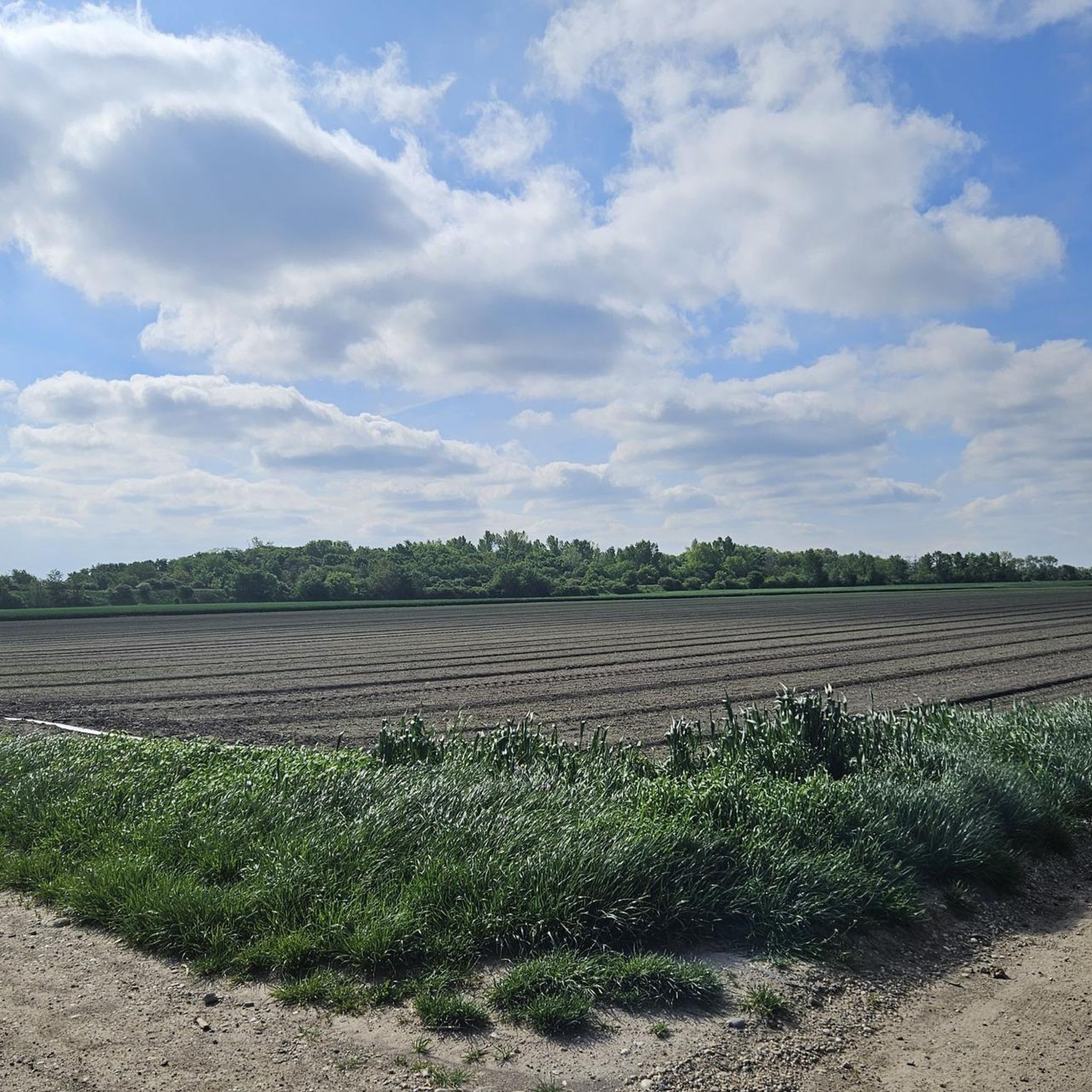
According to a document from 1287, the area was a fiefdom of the Lords of Eslarn. The property went to Baron von Teufel in 1579. In an engraving by Georg Matthäus Vischer from 1672, the castle is shown as a new building. The property passed to the Kinsky family in 1722, after which it was renovated and expanded. Then in 1760 the castle belonged to Franz Stephan of Lorraine and went to the Habsburg family fund in 1797. The castle was badly damaged during the Battle of Aspern in 1809 and was then restored. The castle was adapted and restored between 1988 and 1991.
1
0

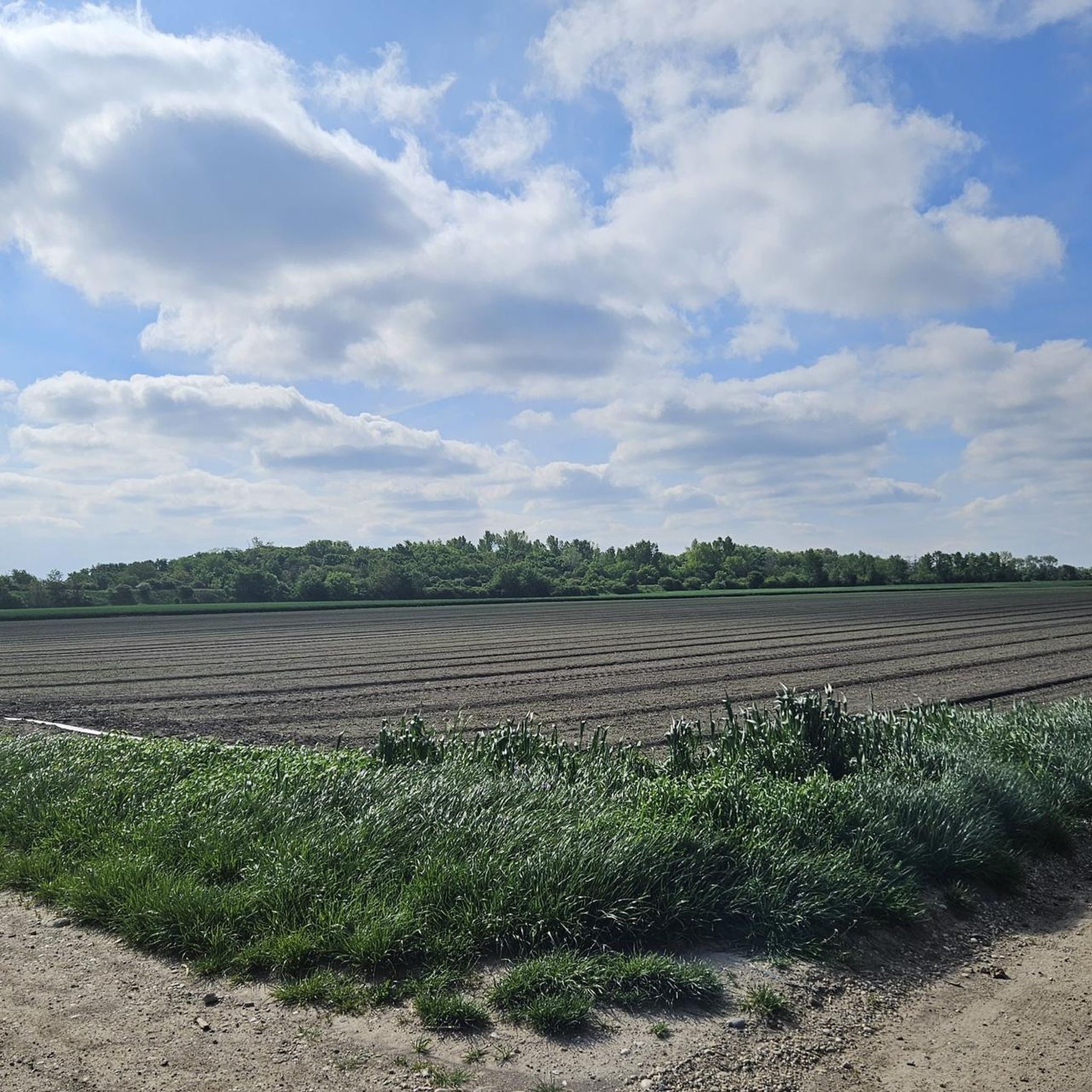
Hirschstetten Castle was destroyed in a bomb attack on March 12, 1945. The entrance portal, the castle chapel and a few outbuildings were spared.
0
0

On the northern bank of the Danube, Sachsengang is the oldest inhabited fortification.
0
0

You can see from the monastery that it was once a castle. Unfortunately you couldn't get in.
0
0
Obersiebenbrunn Palace is a baroque palace with gardens, which was acquired by the Coptic Church in 2001. Since then, the Coptic Monastery of St. Anthony and the Coptic Museum have been located there. This provides information about the Egyptian-Christian religious community.
0
0
Frequently Asked Questions
What types of historical castles can I explore near Raasdorf?
The region around Raasdorf offers a diverse range of historical castles, from medieval fortifications to baroque palaces. You can explore sites like Sachsengang Castle, which has medieval origins and a 17th-century main building, or Obersiebenbrunn Castle / St. Antonius Monastery, a baroque palace now housing a Coptic monastery and museum. Each offers a unique glimpse into different periods of Austrian history.
Are there any castles near Raasdorf that host cultural events?
Yes, Rothmühle Castle in Rannersdorf, near Raasdorf, is a vibrant cultural hub. It hosts various cultural and musical events, including the Nestroy Games in Schwechat. Its historic Mozart and Nestroy halls provide a unique setting for performances. You can find more information about events and the castle itself on lower-austria.info.
Which castles near Raasdorf are suitable for families?
Schloss Hirschstetten is categorized as family-friendly. While largely destroyed in 1945, its preserved entrance portal and castle chapel offer an interesting historical visit. Additionally, the gardens of Obersiebenbrunn Castle / St. Antonius Monastery can be a pleasant area for families to explore.
What is the best time of year to visit the castles around Raasdorf?
The best time to visit the castles around Raasdorf is generally during the spring and autumn months. The weather is usually mild and pleasant for exploring outdoor areas and castle grounds. Summer can also be enjoyable, though it might be warmer. Some castles, like Rothmühle, host events year-round, so checking their schedules for specific cultural experiences is recommended.
Are there any castles near Raasdorf with public transport access?
While specific public transport routes directly to every castle can vary, many are accessible via regional bus services or are a short taxi ride from train stations in larger nearby towns. For example, Sachsengang Castle is located in Groß-Enzersdorf, which has public transport connections. It's advisable to check local transport schedules for the most up-to-date information when planning your visit to individual castles.
What are the parking options for castles near Raasdorf?
Parking availability varies by castle. For instance, Sachsengang Castle offers parking directly at its entrance. For other castles like Rothmühle, there are often designated parking areas nearby, especially for visitors attending events. It's always a good idea to check the specific castle's website or visitor information for detailed parking instructions before your trip.
Can I find any hidden gem castles or lesser-known historical sites near Raasdorf?
Beyond the more prominent sites, Süßenbrunn Castle offers a fascinating history, having been rebuilt after wars and changing ownership many times. It was acquired by a shoe manufacturer in 2008 and renovated. While not always open for public tours, its unique story and architectural presence make it a notable historical site in the vicinity.
What outdoor activities can I combine with a visit to the castles near Raasdorf?
The area around Raasdorf offers various outdoor activities. You can find easy hikes, such as the 'Seestadt Aspern – Himmelteich Natural Monument loop,' or explore MTB trails like the 'Staudigl Riverside House – Hubertusdamm loop.' There are also gravel biking routes, including the 'Lobau National Park House – Josefsteg Bridge in Nationalpark Donau-Auen loop.' For more details, you can explore the easy hikes around Raasdorf, MTB trails around Raasdorf, and gravel biking around Raasdorf guides.
Are there any castles near Raasdorf that were significant in medieval times?
Sachsengang Castle is particularly significant for its medieval origins. It is believed to be one of the oldest fortifications around Vienna and played a crucial role in the medieval chain of castles that stretched from Eßling to Stopfenreuth. Its foundations preserve a medieval core, offering a direct link to that period.
Can I find cafes or pubs near the castles around Raasdorf?
While specific cafes or pubs directly adjacent to every castle might be limited, the castles are generally located within or near towns like Groß-Enzersdorf or Schwechat (where Rothmühle Castle is located). These towns offer various dining options, including cafes and pubs, where you can refresh yourself after your castle visit. It's a good idea to check local listings for options in the immediate vicinity of the castle you plan to visit.
What is the history of Essling Castle near Raasdorf?
Essling Castle has a rich history dating back to at least 1287. It passed through various noble families, including the Kinsky family and later the Habsburg family fund. The castle was significantly damaged during the Battle of Aspern in 1809 but was subsequently restored. It underwent further adaptation and restoration between 1988 and 1991, preserving its historical integrity.
Most popular attractions around Raasdorf

Get inspired with the komoot mobile app


Explore more
Looking for the best castles somewhere else? Discover other guides around Raasdorf:
