Top 9 Castles around Neukirchen bei Lambach
Castles around Neukirchen bei Lambach are situated in Upper Austria, a region rich in history and notable historical structures. The area features several castles, some of which are privately owned or offer limited access, providing insights into the area's past. Many of these structures are set amidst natural landscapes, including locations near the Traun River. This region offers a blend of historical exploration and scenic surroundings.
Best castles around Neukirchen bei Lambach
- The most popular castles is Wolfsegg Castle,…
Last updated: June 28, 2026
Wolfsegg Castle
Highlight • Castle
Translated by Google •
Tip by

Irnharting Castle
Highlight • Castle
Two damsels were riding out in 1329 and got lost in the woods west of Gunskirchen. They asked God for help and promised to build a small …
Translated by Google •
Tip by
Sign up now to discover places like this
Get recommendations on the best single tracks, peaks, & plenty of other exciting outdoor places.
Sign up for free
Aistersheim Water Castle
Highlight • Castle
Translated by Google •
Tip by
Würting Castle
Highlight • Castle
Translated by Google •
Tip by
Bernau Castle (Pernau Moated Castle)
Highlight • Castle
The rectangular moated castle of Bernau dates from the middle of the 16th century and it …
Translated by Google •
Tip by
Sign up for free to discover even more castles around Neukirchen bei Lambach.
Sign up for free
Already have an account?
Start today with a free account
Your next adventure awaits.
Login or Signup
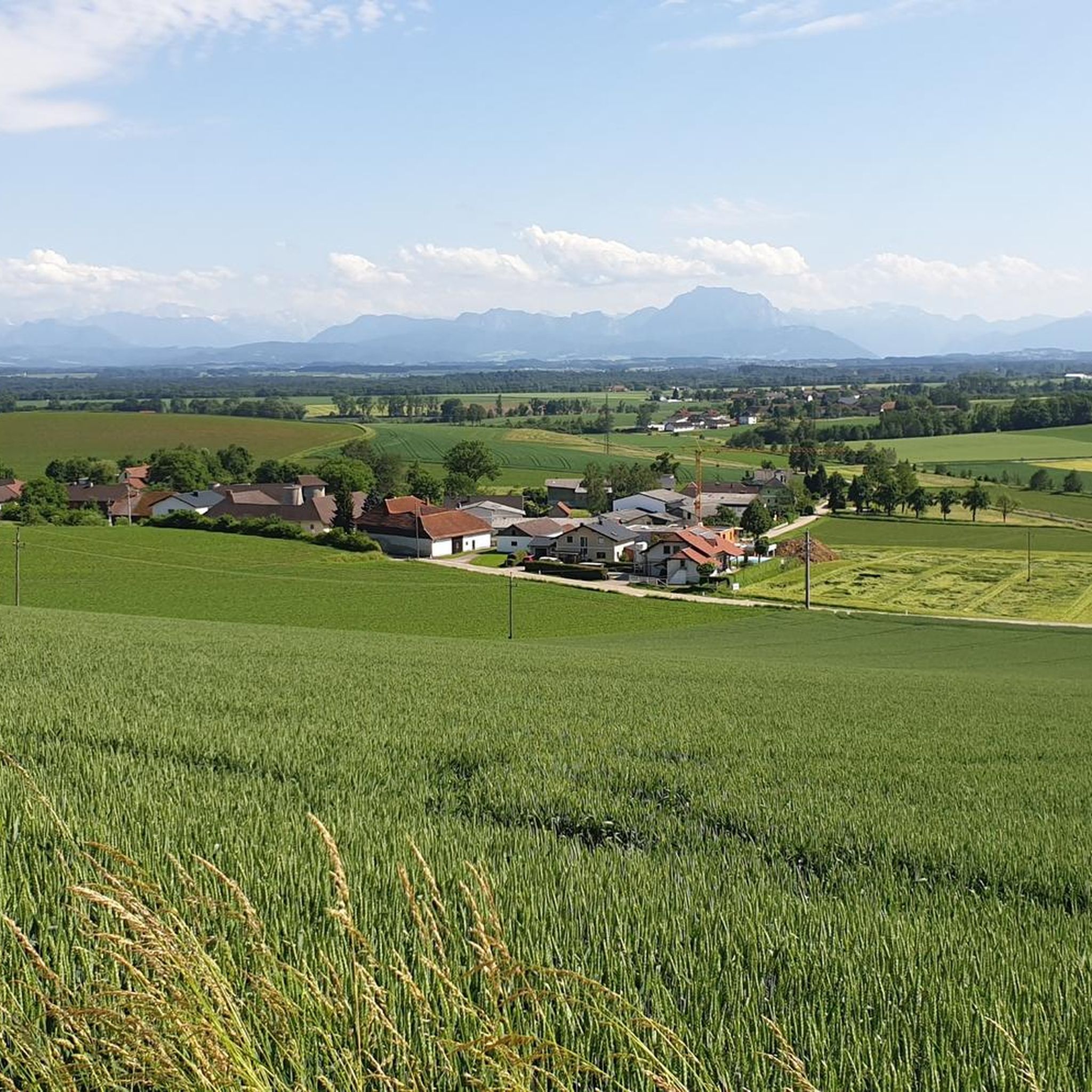
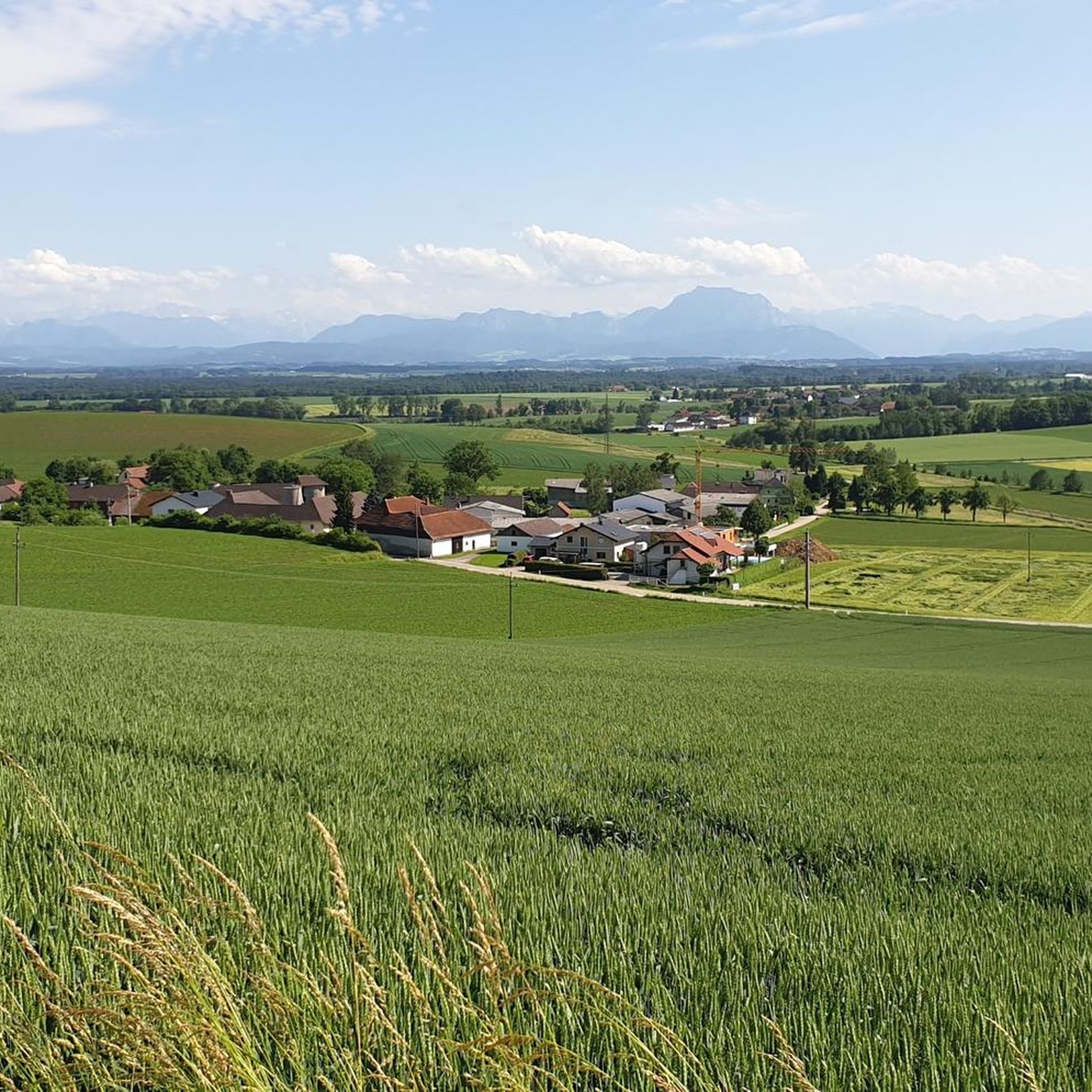
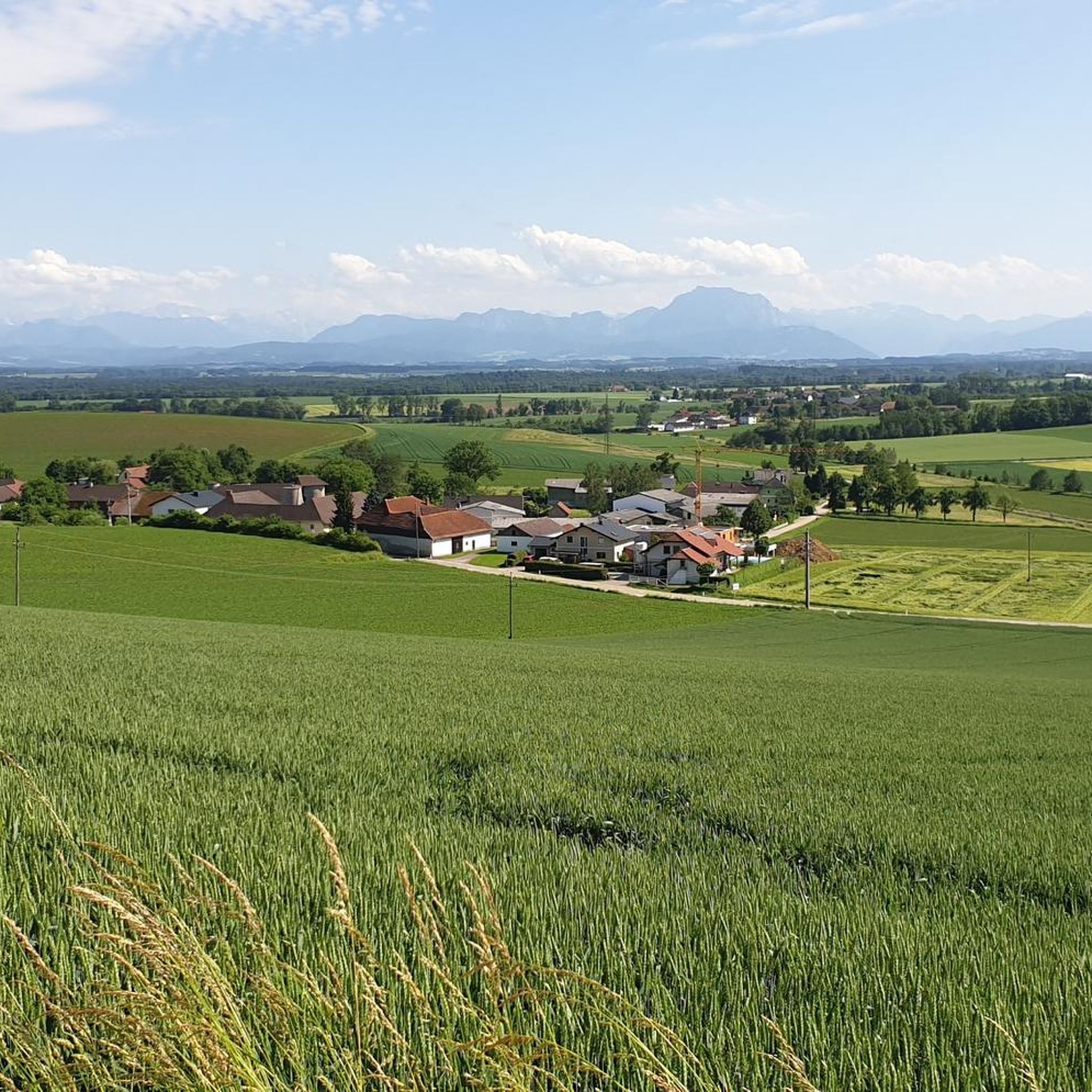
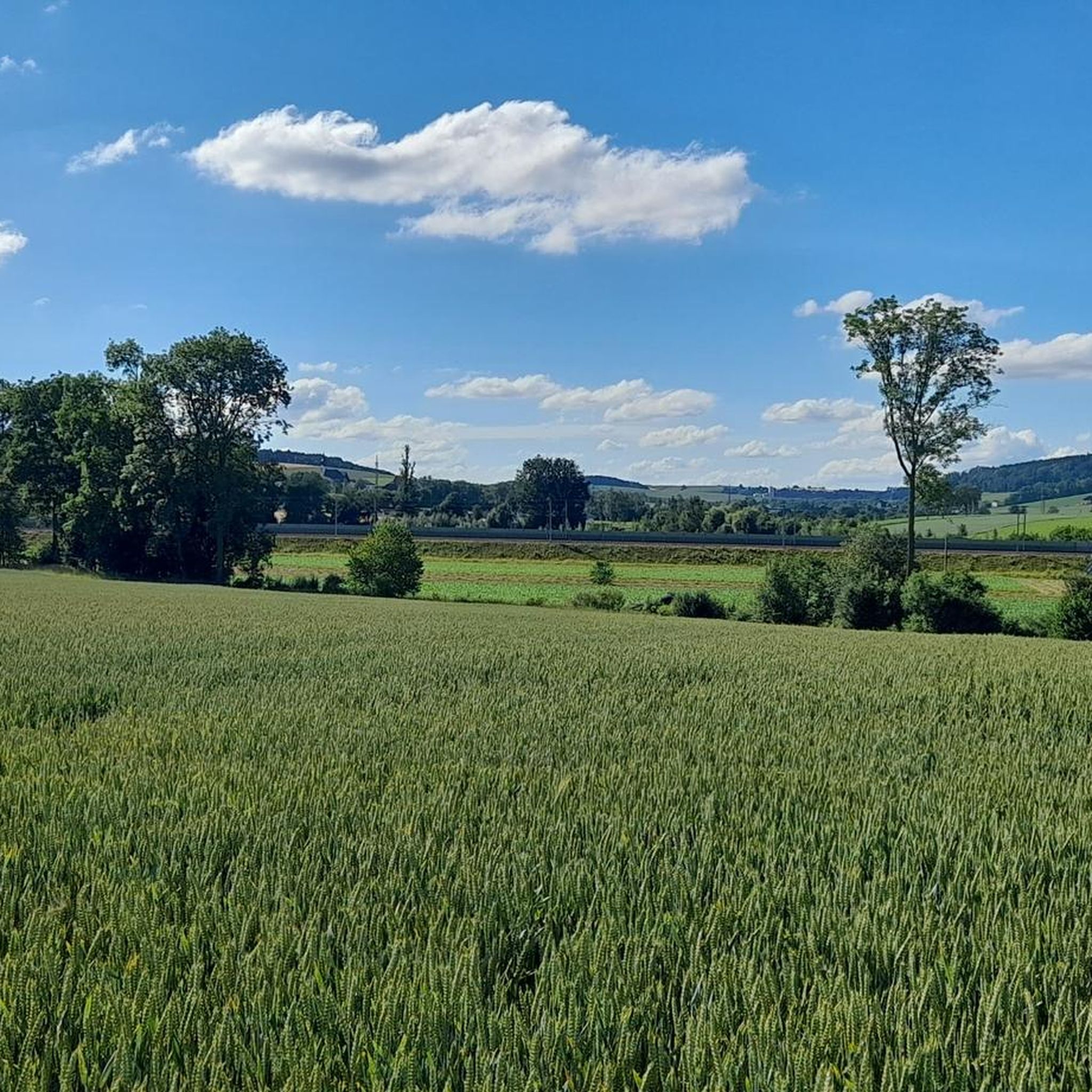
Tips from the Community

Legend of Irnharting Two damsels were riding out in 1329 and got lost in the woods west of Gunskirchen. They asked God for help and promised to build a small church. But soon they were found and saved. In gratitude, her father had a small church built and a magnificent castle next to it.
6
0
The Aistersheim moated castle is one of the most beautiful in Upper Austria. The entire castle stands on a myriad of wooden pilots and is completely surrounded by water. Two massive wooden bridges lead to the two large entrance gates. Although it was actually a defensive structure that has been besieged several times throughout history, the builders managed to create one of the finest examples of late Renaissance architecture. A visit or an inspection of this beautiful building is worthwhile!
1
0
Irnharting Castle is two kilometers west of Gunskirchen. The castle consisting of two parts was built in a large square pond on two islands in it. The front chateau with the tower was connected to the rear building by a bridge. The buildings on the front island were grouped around a courtyard that was open on one side, namely the one that faced the other island with its castle building. Located on the former front island, the complex is a three-wing structure. The tower, the base of which has been converted into a gate hall, stands almost in the middle of the front wing and is still the only entrance to the palace today, since the pond in the form of a wide, water-bearing ditch has been preserved here. A brick bridge spans the moat in front of the gate tower. The second castle complex, formerly also a horseshoe-shaped complex, was closed and covered by modifications and is now the actual inhabited castle. The drained pond floor is significantly lower than the level of the former islands and the adjacent corridors, but the grassy ground is continuous wet and even swampy in places.
5
0
The outer form of today's castle building goes back to Truchsess Jakob (1546-1589) and his wife Johanna (1548-1613). In the years that followed, they had it rebuilt from scratch in place of the one that had been destroyed by a chimney fire in 1578 and, as Zimmer's chronicle says, "a bewildered building made of wood and frame work". In the powerful, regular four-wing complex with the protruding corner towers, contemporary demands for living comfort and representation could finally be realized. The functional rooms were on the ground floor, the guest apartments were on the first floor and above them the living quarters of the count's couple. The highlight of a series of representative rooms is the main hall on the second floor of the west wing, the knight's hall, at the end of the main staircase rising from the portal hall. In front of this are the banquet hall and the picture room in the north wing. The building did not last long. On December 28, 1646, the troops of the Swedish Field Marshal Wrangel set it on fire during one of their campaigns through the Uplands. Although parts of the castle were preserved, the top floor in particular - and thus the main floor - went up in flames. The beginning of the reconstruction work was delayed until 1651 due to the hardship of the post-war period. The decisive phase in the furnishing of the representative rooms fell between 1691 and 1700. The leadership in the redesign of the representative rooms, both in terms of the stucco and the equipment As for sculptures, it was in the hands of the sculptor and plasterer Balthasar Krimmer (1653-1702) from Wangen. Drastic structural changes took place in the first half of the 18th century, when the guest apartments on the first floor were redesigned in Rococo style. In the late 19th century, a series of dining rooms were designed in keeping with the taste of the time. At that time, the palace chapel also received its neo-Gothic appearance. With the completion of the Gothic room, the adjoining rooms and the corridor at the end of the 19th century, the conversion work at Wolfegg Castle was complete.
3
0
The castle is only open to guests twice a year for major international concert series. Guided tours are also offered here. The royal family lives in the palace.
3
0
The moated castle of Würting was first mentioned in documents as early as 814 as a Romanesque farm, and is therefore the first documented reference to the community of Offenhausen. The owners of the moated castle have always been the determining force for the market town of Offenhausen. After an eventful history, the area went to Jörg Perkheimer in 1455, who had today's moated castle built from 1462. It is also thanks to the people of Perkheim that Offenhausen received market rights in 1534. After a few changes of ownership in the 17th and 19th centuries, the castle was in a pitiable condition when it was sold again in 1921. The new owner Heinrich Gutman therefore had the castle completely renovated and refurbished. During the Nazi era, Würting was an SA school, and the valuable facility disappeared at that time. After the end of World War II, refugees were billeted until 1952, when the Gutman family returned the property. However, the decay was already far advanced, and so the castle changed hands several times until 1975, when it was finally bought by the paleontologist Dr. Schaffer was bought. It now houses his collection. Unfortunately, Dr. Schaffer did not manage to stop the decay, and so the castle, which is not open to the public, is still left to decay today.
3
0
Irnharting Castle is two kilometers west of Gunskirchen.
3
0
An avenue of mountain ash leads to the beautifully restored moated castle of Bernau. The rectangular moated castle of Bernau dates from the middle of the 16th century and it was not until 1732 that it received its baroque façade. The three-storey building was built on a high base and has four round corner towers. The castle can be reached via a brick bridge. Upon entering, the groined and barrel-vaulted ceilings on the ground floor are immediately noticeable. The farm building belonging to Schloss Bernau is opposite. It is adorned by a mighty clock gate tower with an open staircase. Since the moated castle is privately owned, it can only be viewed from the outside. . https://www.urlaubstipps.at/oesterreich-poi/detail/401153/wasserschloss-bernau.html
1
0
Frequently Asked Questions
What types of castles can I explore around Neukirchen bei Lambach?
The region around Neukirchen bei Lambach offers a variety of historical structures, including well-preserved Renaissance moated castles, traditional manor houses, and even some ruins. You'll find examples like the stunning Aistersheim Water Castle, known for its Renaissance architecture and active moat, and Wolfsegg Castle, a historic manor house with traditional features.
Are there any castles that are particularly unique or historically significant?
Yes, Aistersheim Water Castle is often considered one of Upper Austria's most beautiful, standing on wooden pile foundations and completely encircled by a functioning moat. It features a significant two-story knight's hall with Italian-style frescoes. Another unique site is Irnharting Castle, which consists of two parts built on two islands within a large square pond, accessible only via a gate tower.
Can I visit the interiors of these castles, or are they mostly viewable from the outside?
Access varies by castle. Aistersheim Water Castle offers visits by appointment only. Wolfsegg Castle is generally open for major international concert series twice a year, with guided tours also available. Many others, like Bernau Castle and Irnharting Castle, are privately owned and primarily viewable from the outside.
Are there any castles near Neukirchen bei Lambach that are family-friendly?
While specific family-friendly activities are not detailed for all castles, the historical and architectural aspects of places like Aistersheim Water Castle can be engaging for families interested in history and medieval structures. Its picturesque setting and moat can spark imagination. For outdoor activities, consider combining a castle visit with a nearby hiking or biking route.
What outdoor activities can I do near the castles?
The region offers various outdoor activities. You can find numerous hiking trails, such as the 'Roman Way – Ager Riverside Trail loop from Lambach', or explore gravel biking routes like 'Pond on the Ager – Römerweg along the Ager River loop from Lambach Markt'. For more challenging rides, there are MTB trails, including the 'Schloss Würting Single Trail' near Würting Castle. You can find detailed routes in the Hiking around Neukirchen bei Lambach, Gravel biking around Neukirchen bei Lambach, and MTB Trails around Neukirchen bei Lambach guides.
Are there hiking trails that incorporate castle views or lead to castles?
Yes, some routes offer views of the castles or pass nearby. For instance, the 'Schloss Würting Single Trail' is an easy MTB route that passes near Würting Castle. Additionally, the area around Au Castle (Schloss Au an der Traun), though privately owned, has a hiking trail leading down to the Traun River, offering scenic views. Explore routes in the Hiking around Neukirchen bei Lambach guide for more options.
What is the best time of year to visit the castles and surrounding area?
The spring, summer, and autumn months generally offer the most pleasant weather for exploring the castles and enjoying outdoor activities like hiking and biking. During these seasons, the natural landscapes are vibrant, and access to castle grounds (where permitted) is typically easier. Winter visits might offer a unique, serene atmosphere, but some outdoor routes could be less accessible.
Are there any castles that are currently in ruins or not open to the public?
Yes, Würting Castle, a moated castle first mentioned in 814, is unfortunately not open to the public and is currently in a state of decay. While it holds significant historical value, its interior is not accessible to visitors.
What are some of the historical features I can expect to see at these castles?
Many castles showcase rich history. For example, Aistersheim Water Castle boasts Renaissance architecture from 16th-century renovations, including a knight's hall with Italian frescoes and a 17th-century chapel. Wolfsegg Castle has undergone drastic structural changes and renovations over centuries, reflecting different architectural styles and periods.
Are there any castles that are particularly picturesque for photography?
Aistersheim Water Castle is highly regarded as one of Upper Austria's most beautiful, with its stunning Renaissance architecture and a functioning moat, making it exceptionally picturesque. Wolfsegg Castle, with its traditional architecture, red roofs, and spacious inner courtyard, also offers great photographic opportunities.
What is the history behind Irnharting Castle?
According to legend, Irnharting Castle has a fascinating origin story. In 1329, two damsels lost in the woods west of Gunskirchen promised to build a church if saved. After their rescue, their father had a small church and a magnificent castle built next to it. The castle itself is unique, built on two islands within a large square pond.
Are there any castles that are still inhabited or have limited public access due to private ownership?
Yes, several castles in the region are privately owned and inhabited, leading to limited public access. Wolfsegg Castle is home to a royal family, and while it hosts concerts, it's not always open for general visits. Irnharting Castle and Bernau Castle are also privately owned and can primarily be viewed from the outside.
Most popular routes around Neukirchen bei Lambach
Most popular attractions around Neukirchen bei Lambach

Get inspired with the komoot mobile app


Explore more
Looking for the best castles somewhere else? Discover other guides around Neukirchen bei Lambach:
