Top 6 Castles around Santa Maria Val Müstair
Best castles around Santa Maria Val Müstair offer a glimpse into the region's rich history and cultural heritage, situated within the scenic Val Müstair. This area is known for its preserved historical sites, including the UNESCO World Heritage Benedictine Convent of Saint John, which features ancient Carolingian art and architecture. The landscape is characterized by its alpine setting, providing a backdrop for exploring historical fortifications and cultural landmarks.
Best castles around Santa Maria Val Müstair
- The most popular castles is…
Last updated: July 11, 2026
Burg Rotund Ruins
Highlight • Castle
Translated by Google •
Tip by

Lichtenberg Castle ruins
Highlight • Castle
The view from the castle to the Vinschgau is also magnificent.
Translated by Google •
Tip by

Sign up now to discover places like this
Get recommendations on the best single tracks, peaks, & plenty of other exciting outdoor places.
Sign up for free
Ruins of Castello di San Pietro
Highlight • Castle
Translated by Google •
Tip by

360-Degree Panorama Trail: Lichtenberg Castle to Glurns
Highlight (Segment) • Trail
Translated by Google •
Tip by

Reichenberg Castle Ruins
Highlight • Castle
Showing Translation
Tip by

Start today with a free account
Your next adventure awaits.
Login or Signup
Popular around Santa Maria Val Müstair
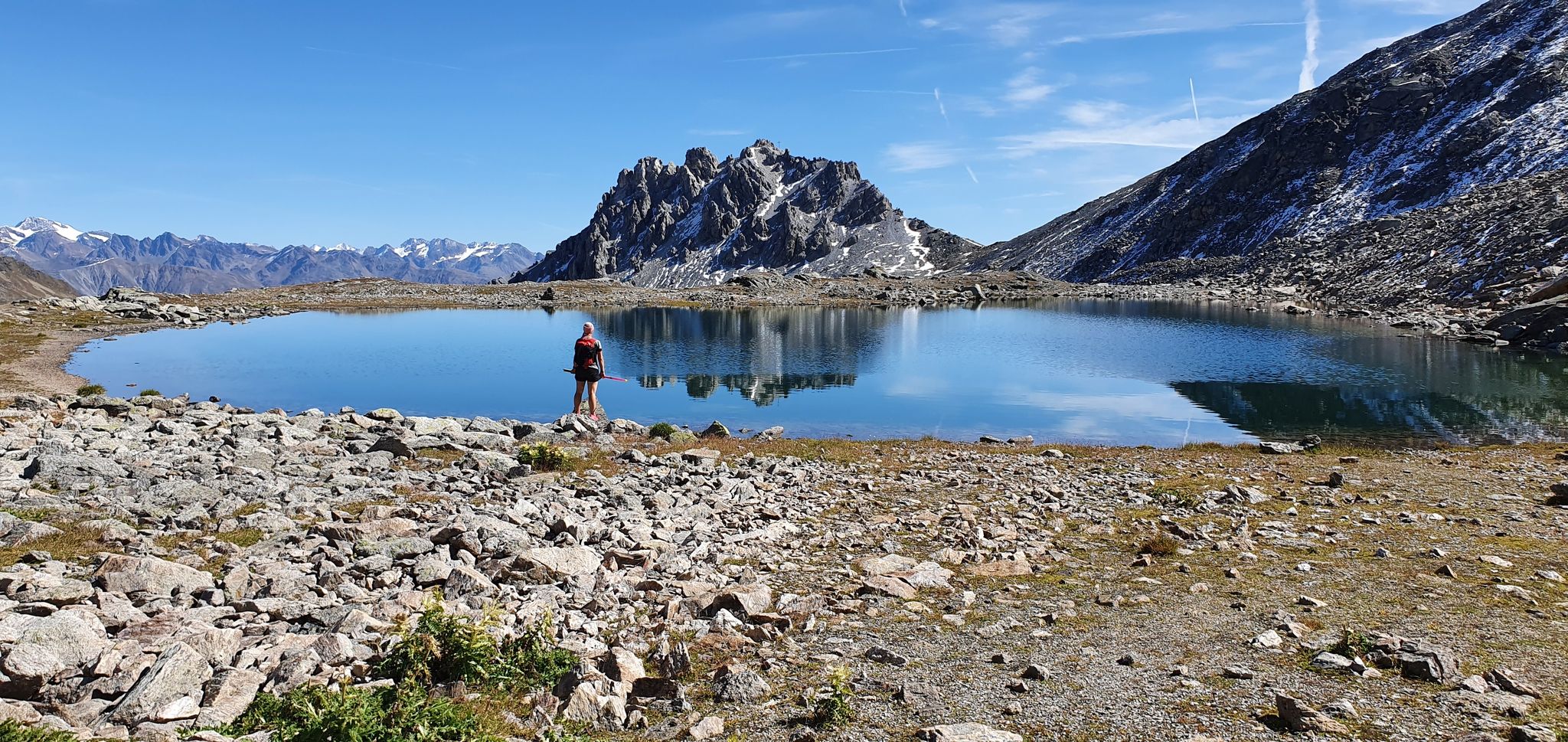
Swiss National Park Panorama Trail – Spectacular and serene
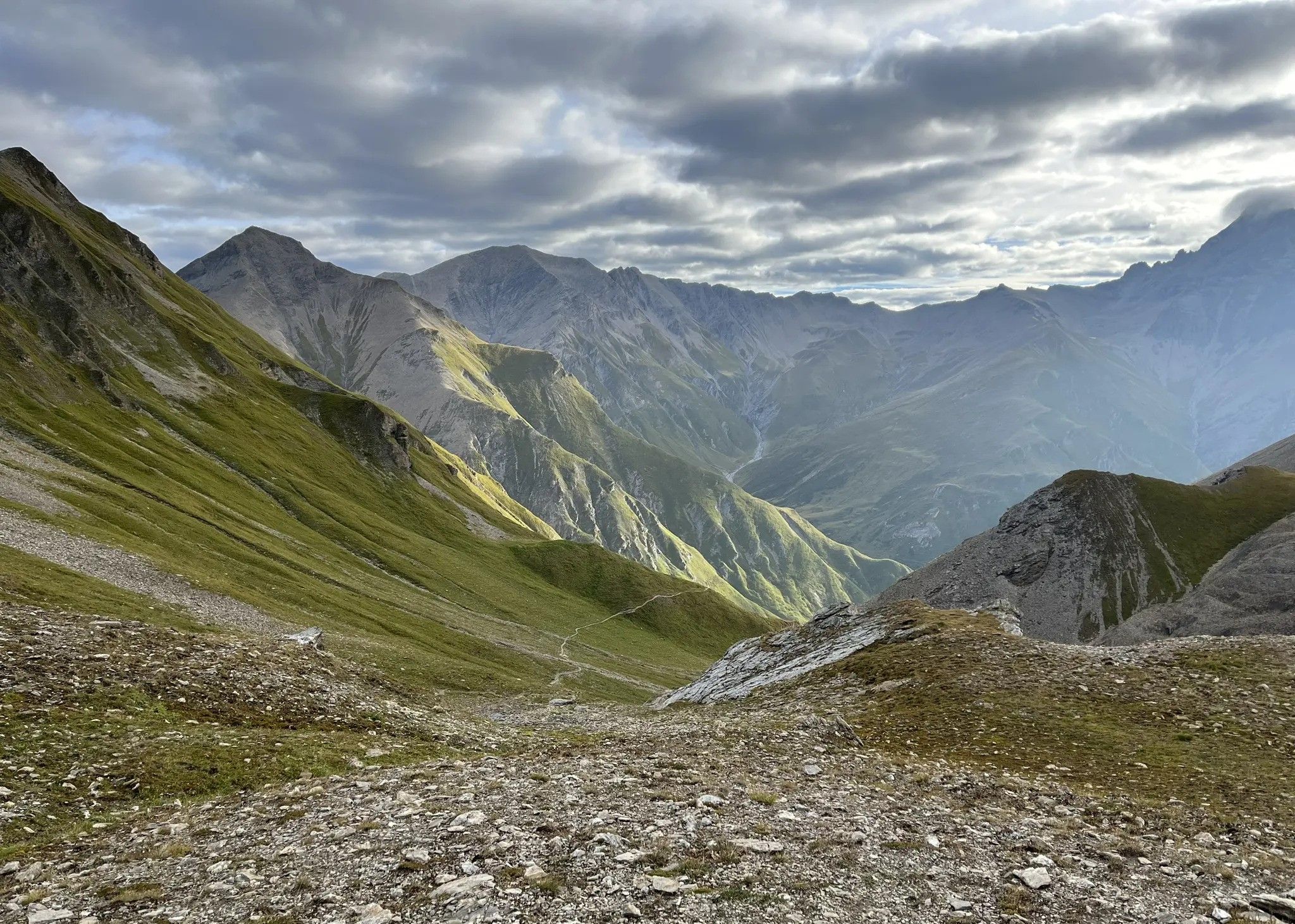
A border-crossing MTB adventure in the Alps – Trans-Altarezia Bike
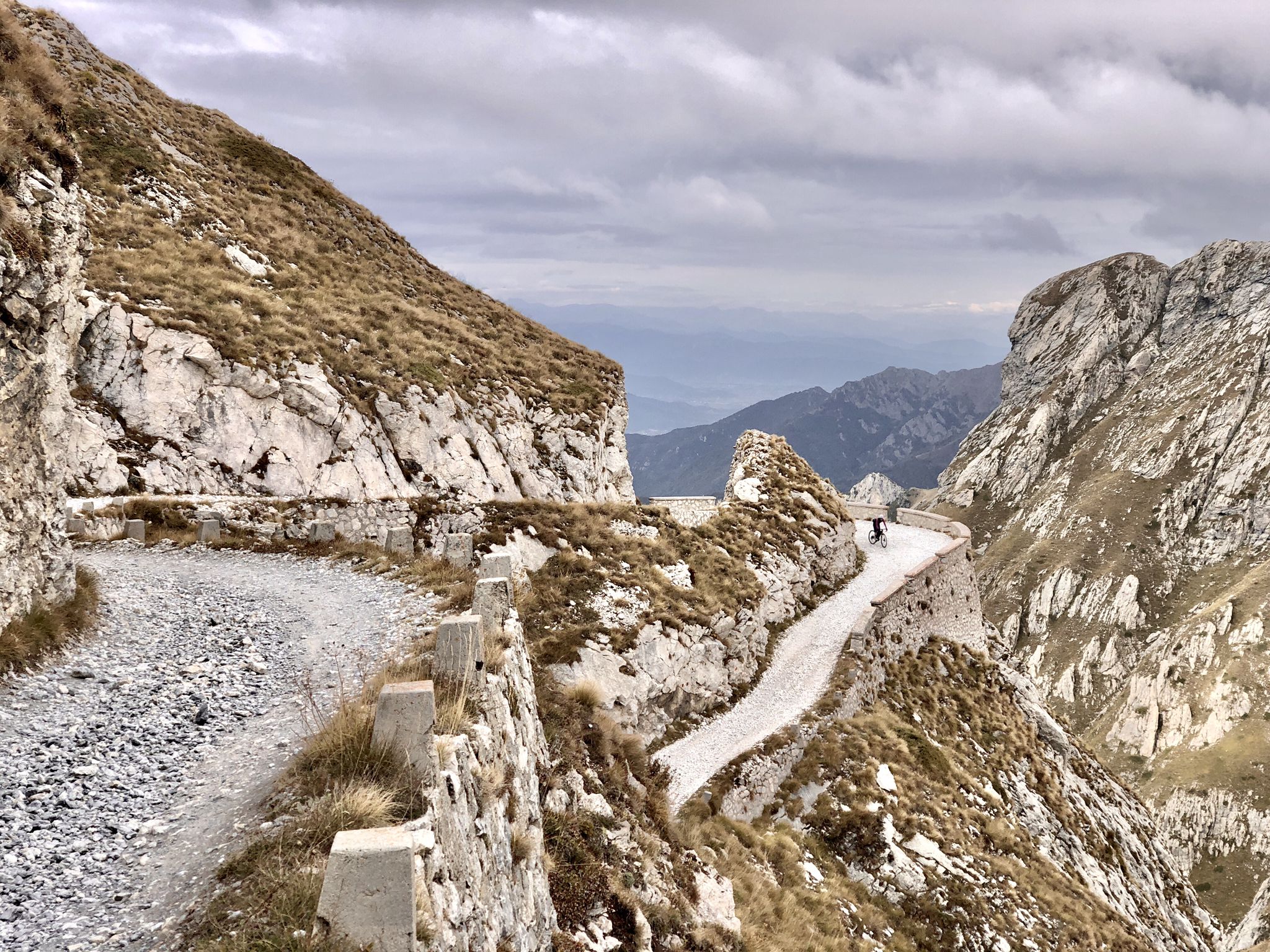
Rough and tough – spectacular gravel loops in the Alps
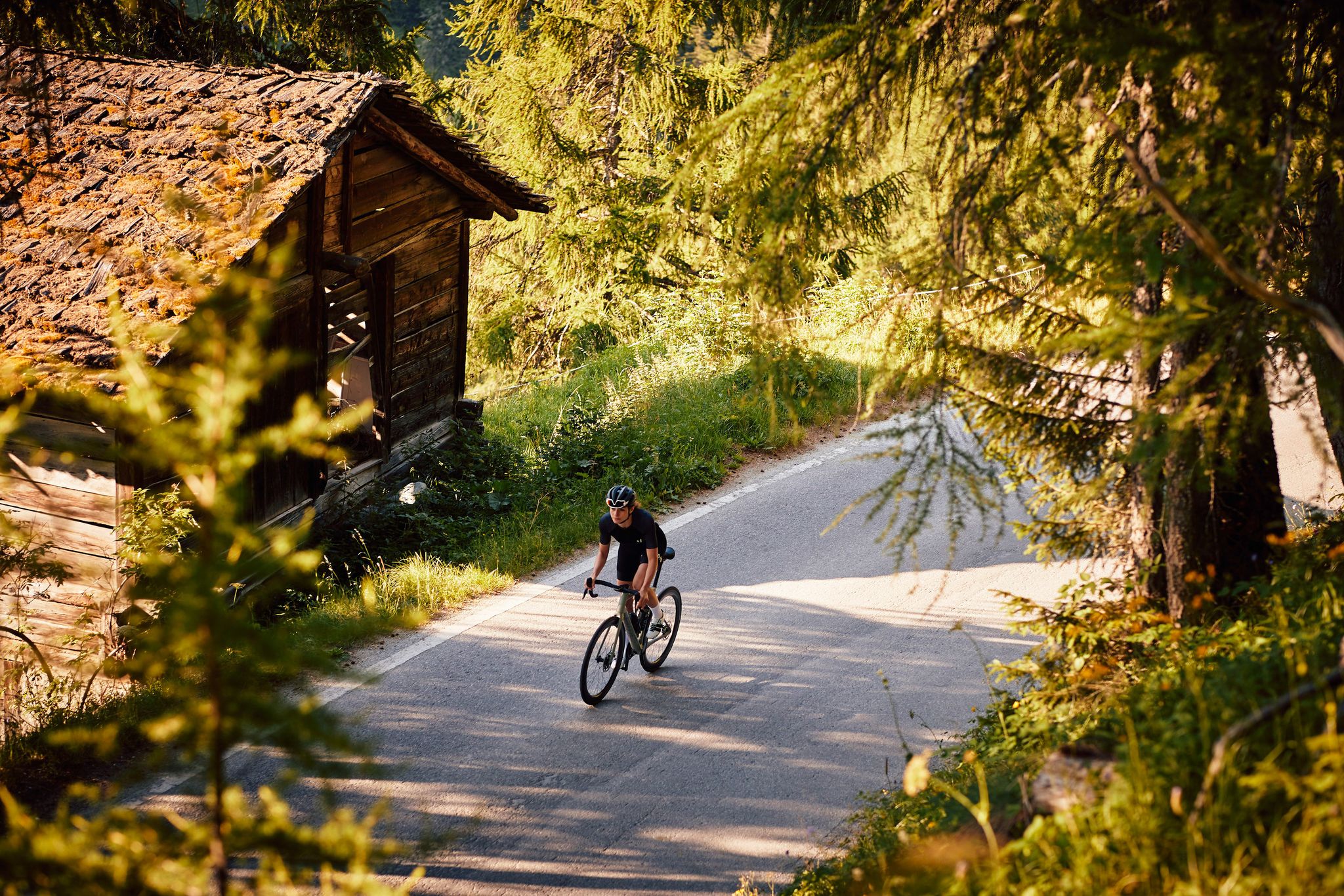
100% women – gravel for female adventurers
Tour Italy: A Giro d'Italia with luggage in four weeks
Hiking around Santa Maria Val Müstair
Road Cycling Routes around Santa Maria Val Müstair
MTB Trails around Santa Maria Val Müstair
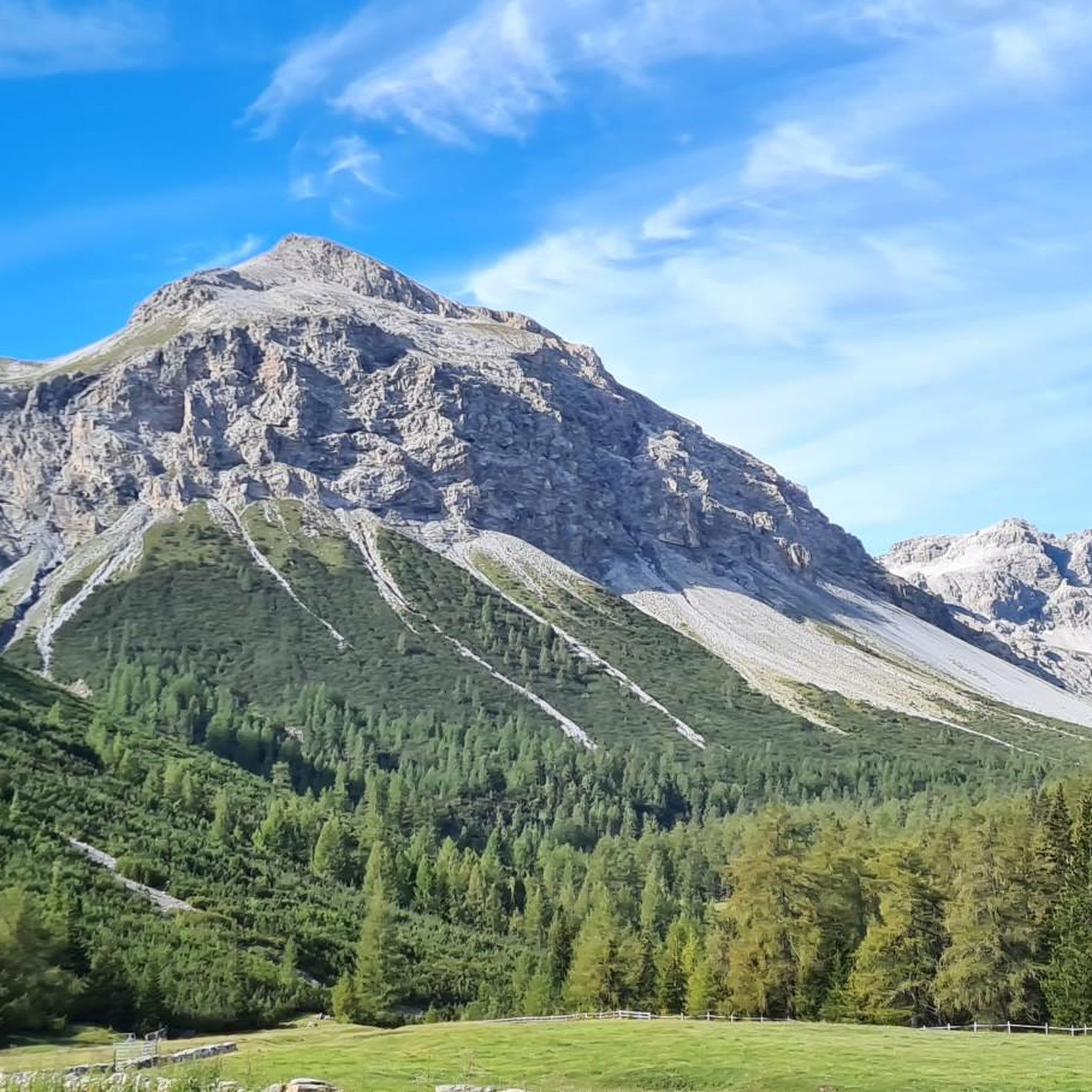
Cycling around Santa Maria Val Müstair
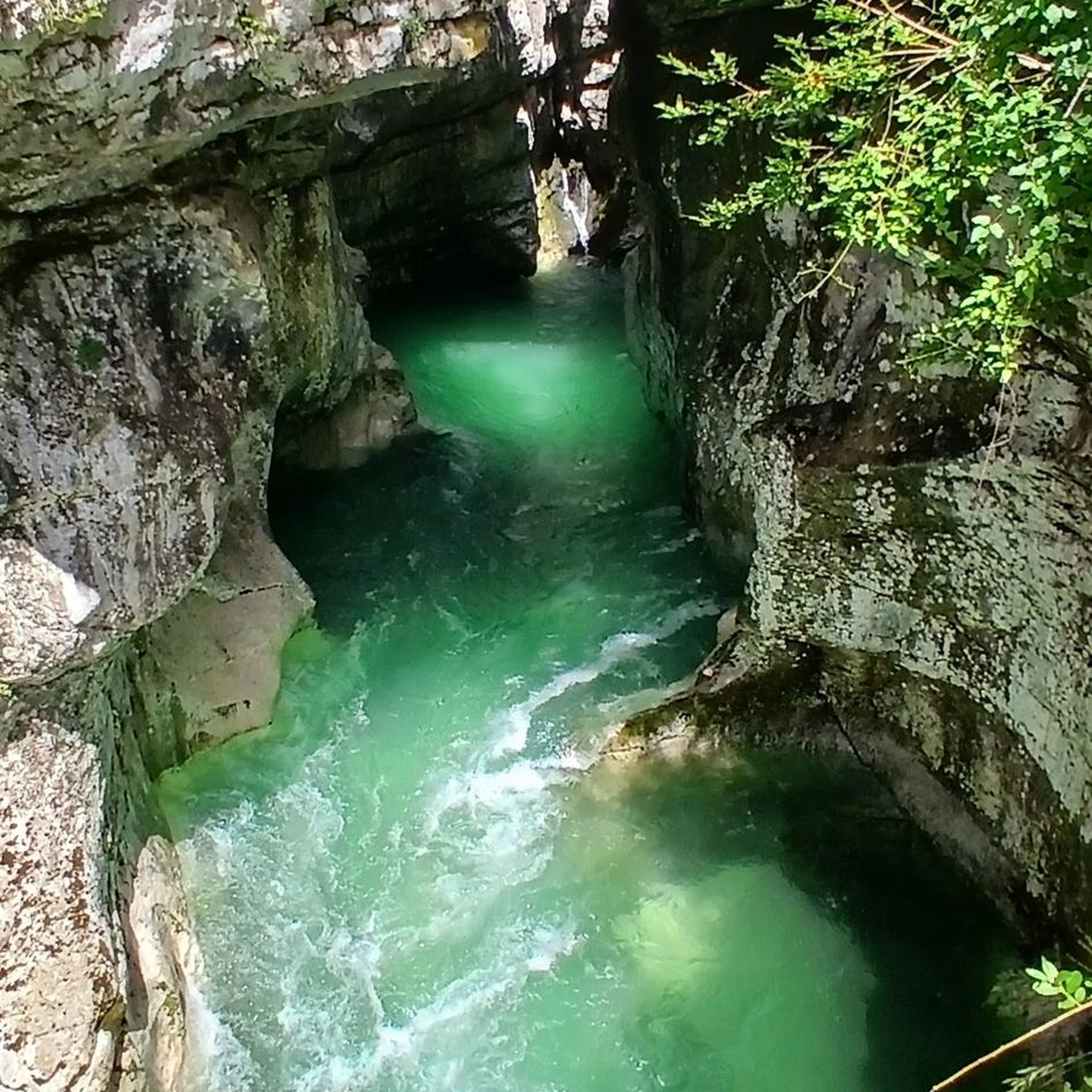
Gravel biking around Santa Maria Val Müstair
Other adventures around Santa Maria Val Müstair


Tips from the Community

The Rotund castle ruin at approx. 1,500m is one of the highest-lying castles in Tyrol. The original structure comprises the core castle with the keep at the highest point and remains of the palace, the formerly all-around surrounding curtain wall and in the southwest the large round bastion. Today, large parts of the castle have collapsed. The Rotunder family is already mentioned in the mid-12th century. However, the building fabric preserved today cannot be linked to this early mention. The oldest building parts date from the late 13th or early 14th century: the curtain wall, the keep and the palace were built in rapid succession. During this time, archival mentions of the castle also become more frequent. A chapel is documented with a consecration date in the year 1315. The Romanesque castle is initially administered by vassals of the Diocese of Chur, who over time become owners. In the early 15th century, a dispute arises between the then owner Heinrich von Schlandersberg and the Tyrolean territorial lord. After an attack and partial destruction, the castle is reinforced by the construction of a curtain wall and an initially smaller rondel. The effects of the Battle of Calven in 1499 do not seem to have affected Rotund. However, Emperor Maximilian recognizes its strategic importance, has it equipped with firearms and the large round bastion built. According to historical data, renovations were still carried out in the 2nd half of the 16th century. Since 1600, the castle seems to have been scarcely inhabited.
1
0

The Reichenberg ruin is a popular destination for hikers and history enthusiasts visiting the Vinschgau, and is strategically located to enjoy the view over the Münstertal.
1
0

This section of the 360-degree panoramic trail is easy to walk, with many shady sections—very pleasant in warm weather—but also beautiful panoramic views, especially toward Churburg Castle. It can be combined in several different ways to create a circular trail.
0
0

At Burg Rotund you will be greeted by the ruins of this medieval fortress, which played a key role in the history of the region. From the top you will enjoy stunning views of the surrounding valley, with spectacular mountain peaks in the distance.
1
0

This area always features remains of historical interest
1
0

It is assumed that the Castle of S. Pietro was mentioned in a peace treaty with Como in 1201. The certain date is that of its conquest in 1376 by order of Galeazzo Visconti, who extended his control over the entire Valtellina area. The structure of the Castle of S. Pietro was composed of two towers: a round one, completely collapsed and a rectangular one, the remains of which can still be admired. A little further down stood the Church of Saints Peter, Paul and Andrew, of which today we can admire the ruins that give it the name of Gesa Rota or Broken Church.
6
0

After a small climb you reach the castle ruins. It's fun to explore the ruins and guess where the kitchen or, for example, the living rooms were.
2
0

Highly recommended to scramble up to the ruins. Magnificent views of the Upper Vinschgau. When I was there, no entry and nobody was there except us. We had the ruins to ourselves.
2
0
Frequently Asked Questions
What kind of historical sites can I expect to find around Santa Maria Val Müstair?
While traditional castles are not prominently featured in Santa Maria Val Müstair itself, the region is rich in historical sites. The most significant is the Benedictine Convent of Saint John at Müstair, a UNESCO World Heritage Site known for its Carolingian art and architecture. You can also explore various castle ruins nearby, such as the Ruins of Rotund Castle, Lichtenberg Castle ruins, and the Ruins of Castello di San Pietro.
What is the most historically significant site to visit near Santa Maria Val Müstair?
The most historically significant site is undoubtedly the Benedictine Convent of Saint John at Müstair. This UNESCO World Heritage Site dates back to the 8th century and is renowned for its exceptionally preserved Carolingian frescoes and architecture. It offers a unique glimpse into early medieval monastic life and art.
Are there actual castle ruins to explore near Santa Maria Val Müstair?
Yes, you can explore several impressive castle ruins. These include the Ruins of Rotund Castle, which offers wonderful views over Campo Tures and Switzerland, and the Lichtenberg Castle ruins, once one of the largest castles in the region with magnificent views of the Upper Vinschgau. Additionally, the Ruins of Castello di San Pietro feature remnants of two towers and a rich history dating back to 1201.
What historical insights can I gain from visiting these sites?
Visiting these sites offers a deep dive into the region's past. The Benedictine Convent of Saint John provides insights into Carolingian art, architecture, and monastic life. The castle ruins, such as Lichtenberg Castle ruins and Ruins of Castello di San Pietro, reveal the strategic importance of the area through medieval fortifications and their historical conflicts.
How long does it typically take to visit the historical sites around Santa Maria Val Müstair?
The time required varies by site. For the Benedictine Convent of Saint John, you should allocate at least 2-3 hours to explore the church, museum, and grounds thoroughly. Visiting castle ruins like Ruins of Rotund Castle or Lichtenberg Castle ruins might take 1-2 hours each, often involving a short hike to reach them.
Are there public transport options to reach these historical sites?
Yes, public transport is available in the Val Müstair region. The Benedictine Convent of Saint John is located in Müstair, which is accessible by bus from Santa Maria Val Müstair. For other castle ruins, you may need to combine public transport with walking or a short drive, as some are located in more remote areas.
Is parking available at the historical sites?
Parking is generally available near the main historical sites. For the Benedictine Convent of Saint John in Müstair, there are designated parking areas. For castle ruins like Ruins of Rotund Castle or Lichtenberg Castle ruins, you'll typically find parking at the base of the ascent, requiring a short walk to the ruins themselves.
Are there cafes or restaurants near the historical sites around Santa Maria Val Müstair?
Yes, you'll find cafes and restaurants in the villages near the historical sites. Müstair, where the Benedictine Convent is located, offers several dining options. Similarly, towns close to the castle ruins will have places to eat and drink. The convent itself also has a guesthouse and offers products from the monastery and the Val Müstair region.
Are the historical sites around Santa Maria Val Müstair family-friendly?
Many sites are family-friendly. The Benedictine Convent of Saint John offers an engaging historical experience for all ages, with its museum and ancient architecture. Exploring castle ruins like Lichtenberg Castle ruins can be an adventure for children, allowing them to imagine medieval life. However, some paths to ruins might be steep or uneven, so consider the age and mobility of younger family members.
Can I bring my dog to the historical sites or nearby trails?
While dogs are generally welcome on outdoor trails in the Val Müstair region, specific rules may apply to the interior of historical buildings or protected sites like the Benedictine Convent of Saint John. It's best to check individual site regulations. For outdoor ruins and associated trails, dogs are usually permitted on a leash.
Are there hiking opportunities near these historical sites?
Absolutely! The Val Müstair region offers numerous hiking opportunities. For example, the 360-Degree Panorama Trail: Lichtenberg Castle to Glurns is an easy-to-walk section with panoramic views. You can find many other trails, including running and cycling routes, around Santa Maria Val Müstair. Explore options like the 'Santa Maria Val Müstair – Müstair loop' for running or the 'Val Müstair Cycle Path – Vinschgau Cycle Route loop' for cycling on our Running Trails and Cycling guides.
What is the best time of year to visit the historical sites around Santa Maria Val Müstair?
The best time to visit is typically from late spring to early autumn (May to October) when the weather is mild and trails are clear. This period allows for comfortable exploration of both indoor sites and outdoor ruins, often combined with hiking. Winter visits are possible, but some outdoor areas or access roads might be affected by snow, offering a different, quieter experience.
What do visitors enjoy most about exploring these historical sites?
Visitors frequently praise the unique blend of history and natural beauty. They enjoy the well-preserved Carolingian art at the Benedictine Convent, the panoramic views from castle ruins like Lichtenberg Castle ruins, and the opportunity to explore ancient structures. The sense of discovery when scrambling through ruins and imagining past lives is also a highlight.
Are there any circular routes that include historical sites?
Yes, there are routes that incorporate historical sites. For instance, the 360-Degree Panorama Trail: Lichtenberg Castle to Glurns can be combined in various ways to create circular trails that include castle ruins. Many local hiking and cycling routes also pass by or offer detours to historical points of interest, allowing for combined exploration.
Are any of the historical sites wheelchair accessible?
Accessibility varies by site. The Benedictine Convent of Saint John has made efforts to improve accessibility, but due to its ancient structure, some areas may still present challenges. Castle ruins, by their nature, often involve uneven terrain, stairs, and narrow paths, making them generally less accessible for wheelchairs. It's advisable to check specific accessibility details for each site before your visit.
Most popular routes around Santa Maria Val Müstair
Most popular attractions around Santa Maria Val Müstair

Get inspired with the komoot mobile app


Explore more
Looking for the best castles somewhere else? Discover other guides around Santa Maria Val Müstair:
