Top 4 Caves around Trient
Caves around Trient Switzerland offer a range of subterranean experiences within the picturesque Swiss Alps. The region is characterized by deep gorges and natural formations carved by rivers. Visitors can explore various types of caves, from natural grottoes to historical mining sites. This area provides opportunities for both casual exploration and more challenging adventures.
Best caves around Trient
- The most popular caves is Old Mines of Mont Chemin, a historical site that allows discovery of old iron, silver, fluorite,…
Last updated: June 28, 2026
Cave
Highlight • Cave
At first you will feel inclined to enter but …
Tip by

Farinet Cave
Highlight • Cave
Translated by Google •
Tip by

Sign up now to discover places like this
Get recommendations on the best single tracks, peaks, & plenty of other exciting outdoor places.
Sign up for free
Old Mines of Mont Chemin
Highlight • Historical Site
Translated by Google •
Tip by

Robert Mine (Gold and Arsenic Mines of Salanfe)
Highlight • Historical Site
Tip by

Start today with a free account
Your next adventure awaits.
Login or Signup
Popular around Trient
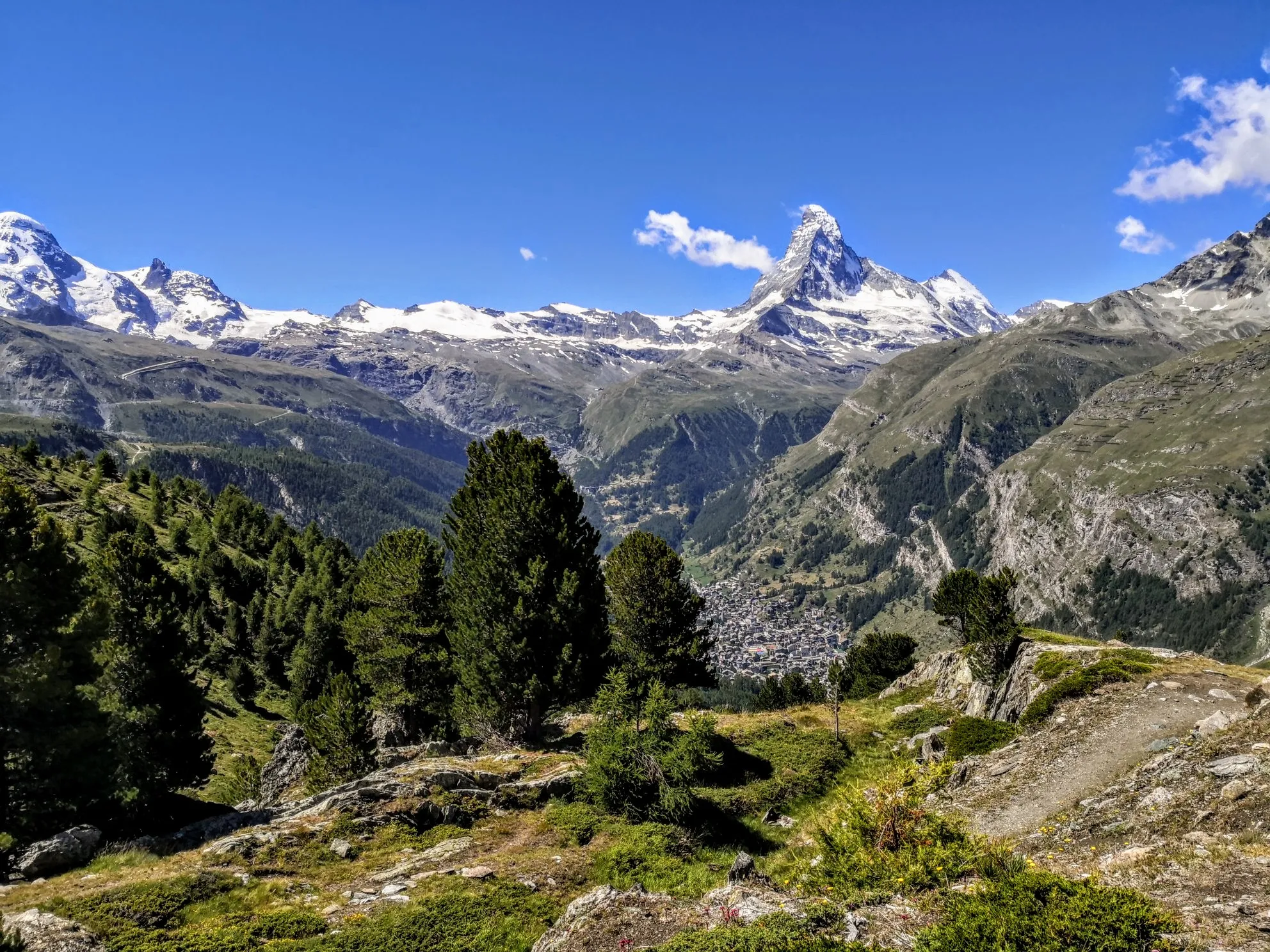
Walker's Haute Route – The ultimate alpine adventure
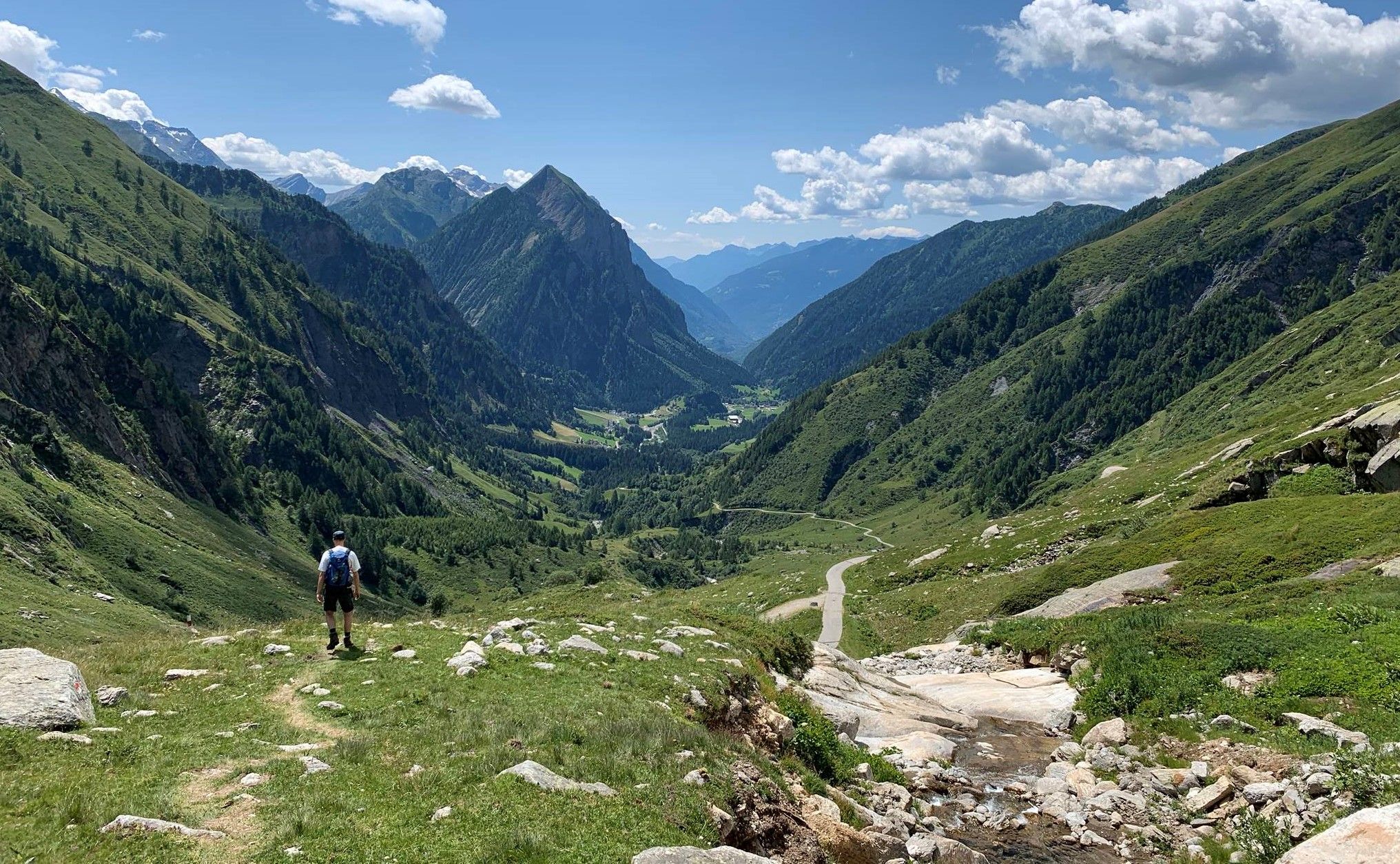
Alpine Passes Trail in Switzerland – 34 stages of pure mountain fun
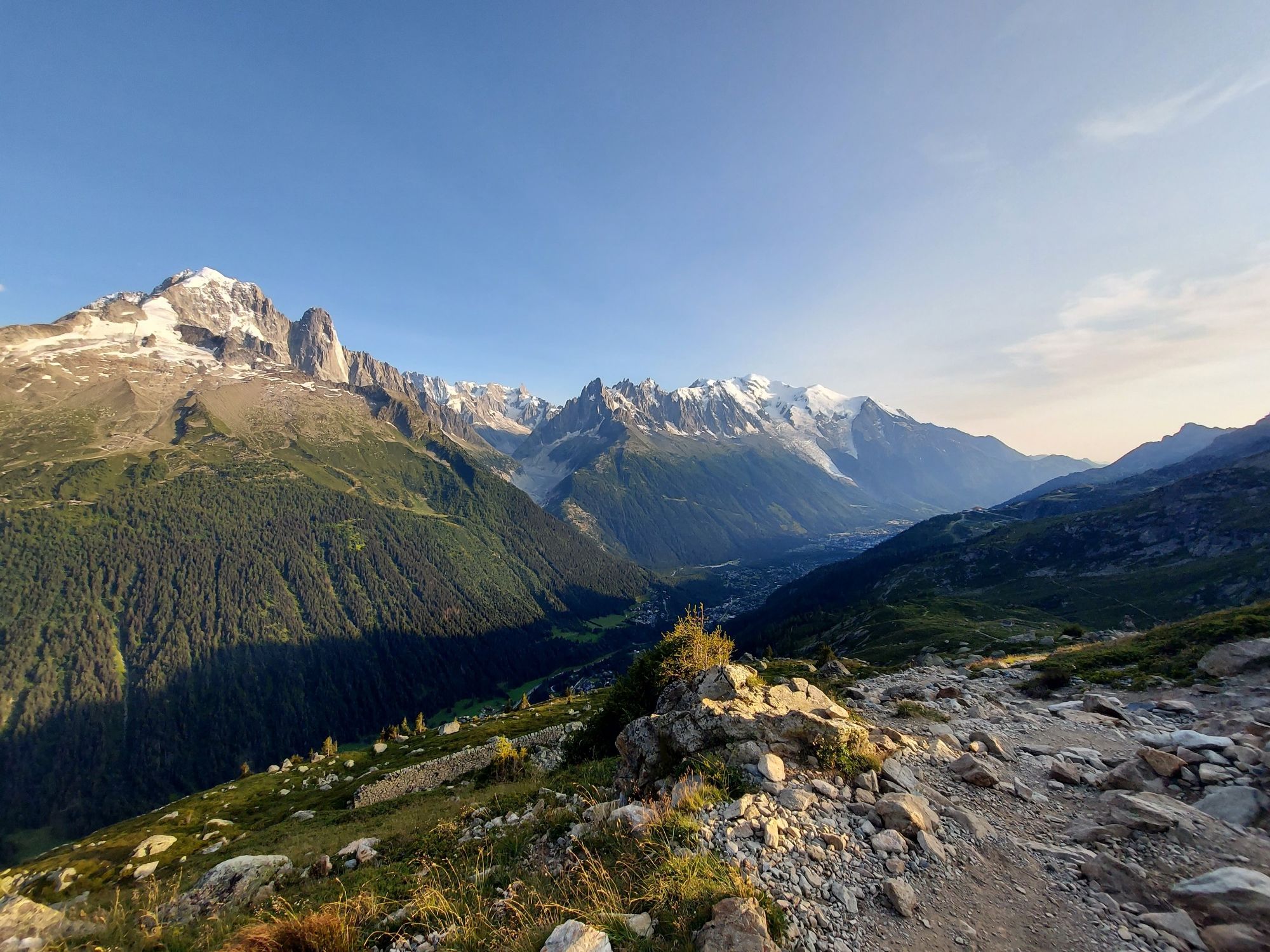
Three days, three countries – running the iconic CCC
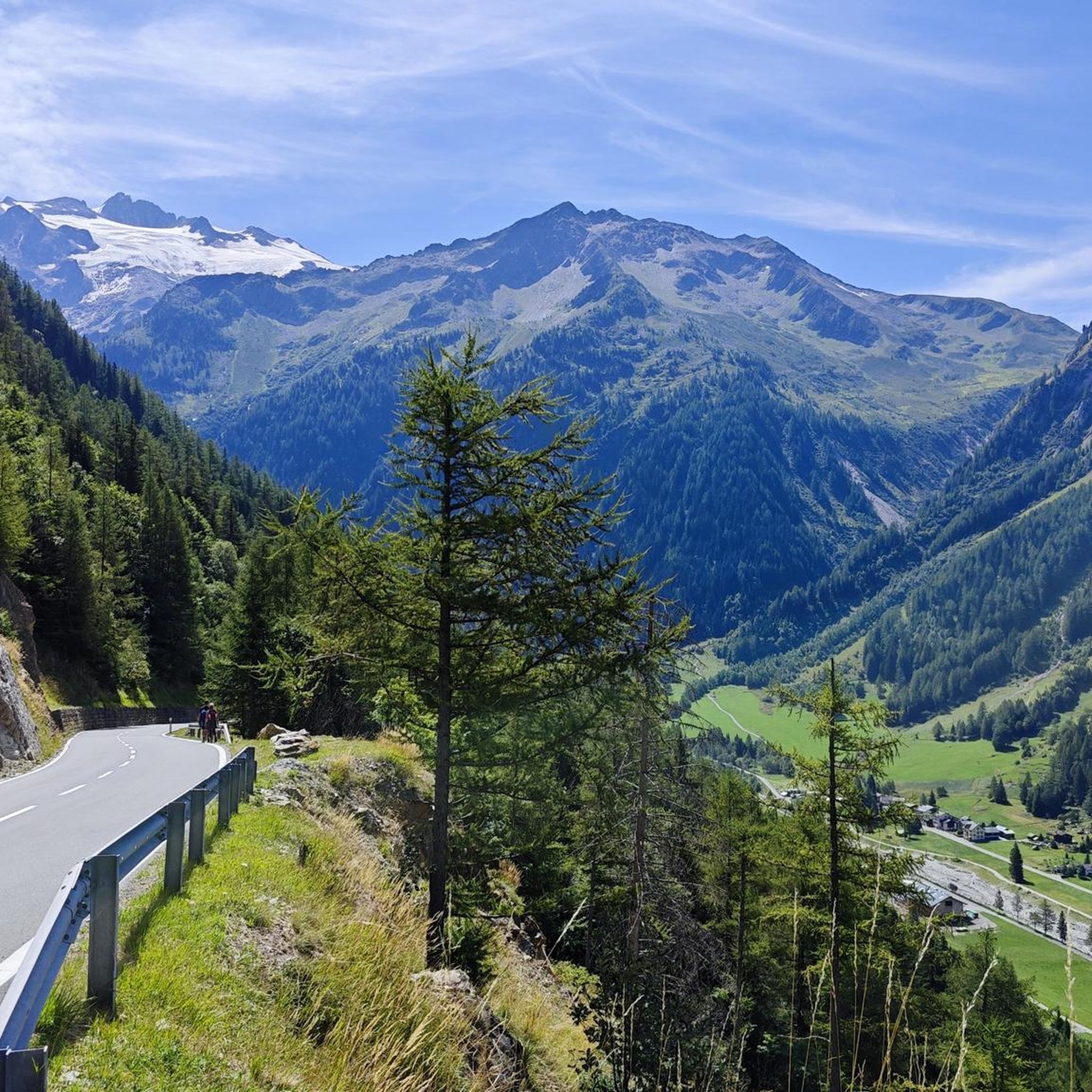
Hiking around Trient
MTB Trails around Trient
Cycling around Trient
Running Trails around Trient
Road Cycling Routes around Trient
Gravel biking around Trient
Mountain Hikes around Trient


Tips from the Community


You can access the Farinet cave by passing behind the waterfall refreshment bar; the route is clear and protected. Then, let yourself be guided by the explanations of the place to discover its history.
0
0

Former gold and arsenic mines of Salanfe - Le chantier Robert. The Robert mine was the most important workyard of the mining complex of Salanfe. It was composed of two "travers-bancs" and a pit of 40m permitting ventilation and the evacuation of the minerals. A treatment station for the materials, a cantine, and a dormitory for 40 workers were located in the lower part. The working conditions were extremely difficult and rudimentary, but the quality of mineral was remarkable. In all, 1,546 tons of mineral, including 709 tonnes of arsenic and 53 kilograms of gold, were extracted between 1904 and 1928. The altitude of mines is 2195, Komoot and other online maps has an error in height.
0
0

The descent to this small illuminated grotto is very interesting.
1
0

A historic place in the valley
1
0

A visit to the cave can be combined with the Cascade de Berard
2
0

If you are feeling adventurous and have a flashlight or headlamp handy, you may feel the urge to enter this cave. At first you will feel inclined to enter but shortly after entering you will feel frightened--an inexplicable feeling of dread may assail you: Nothing more irrational, there is absolutely nothing to fear in this large hole in the rock, only the drops of water from the seepage of the vault falling on your head. You will find that someone else has gone in before you and perhaps thought better of going to the toilet in a moment of desperate need. Others have decided for some reason to light a fire in the past, or leave behind garbage. All in all happy to have explored but happier to have gotten out!
1
0

Walk to discover old iron, silver, fluorite and asbestos mines. Perfect for a family outing to explore geology. Allow 3 hours of walking with children.
2
0
Frequently Asked Questions
What types of caves can I explore around Trient?
The Trient region offers a diverse range of subterranean experiences, including natural grottoes, river-formed caves, and historical mining sites. You can find everything from large rock formations to former industrial workings for iron, silver, gold, and arsenic.
Are there any family-friendly cave experiences in the Trient area?
Yes, the Old Mines of Mont Chemin are particularly suitable for a family outing. This historical site allows for the discovery of old iron, silver, fluorite, and asbestos mines, offering an engaging way to explore geology. The visit typically involves about 3 hours of walking, making it a good duration for families.
What historical caves or mining sites can I visit near Trient?
You can explore several historical sites. The Old Mines of Mont Chemin offer a look into past iron, silver, fluorite, and asbestos mining. Another historical option is the Farinet Cave, a small, illuminated grotto with an interesting descent. Further afield, the Robert Mine (Gold and Arsenic Mines of Salanfe) provides insight into the challenging conditions of gold and arsenic extraction between 1904 and 1928.
Where can I find a natural cave to explore with a flashlight?
There is a large natural Cave in the region that can be explored with a flashlight or headlamp. It's a significant rock formation, though visitors have noted it can evoke a sense of dread due to its natural, raw state, with water dripping from the vault and occasional traces left by previous visitors.
What is the Grotte aux Nymphes and how can I visit it?
The Grotte aux Nymphes (Cave of Nymphs) is a river-formed cave located within the Gorges mystérieuses de Tête-Noire, near Trient. You can visit it via a self-guided footpath through the wild and narrow gorge. The trail is approximately 2.7 km long and takes about 75 minutes, featuring educational text panels. It's generally open from May to October, weather permitting, and admission is free.
Are there any dramatic gorges to visit near Trient?
Yes, the Gorges du Trient, located near Vernayaz, offer a dramatic natural landscape. This impressive, narrow gorge is carved by the Trient River, reaching up to 200 meters deep. A 600-meter trail built along the vertical cliff face allows for a 20-minute walk, with signs explaining the area's history and geology. It's typically open from May to October.
What is the best season to visit the caves and gorges around Trient?
The Grotte aux Nymphes within the Gorges mystérieuses de Tête-Noire and the Gorges du Trient are generally open from May to October, weather permitting. This period offers the most favorable conditions for exploring these natural attractions.
What outdoor activities can I combine with a visit to the caves?
The Trient region is excellent for outdoor activities. You can find numerous hiking trails, such as those detailed in the Hiking around Trient guide, or explore options for gravel biking and mountain hikes. For example, the Farinet Cave can be combined with a visit to the Cascade de Berard.
Are there hiking routes near the caves suitable for different difficulty levels?
Yes, the area offers a range of hiking routes. For instance, the Hiking around Trient guide includes routes like the 'Bisse du Trient – Col de la Forclaz (Valais) loop from Trient' which is rated moderate, alongside more difficult options like 'Col du Balme loop from Trient'.
What do visitors appreciate most about the caves around Trient?
Visitors appreciate the unique blend of natural beauty and historical significance. The opportunity to explore river-formed grottoes, dramatic gorges, and old mining sites provides a diverse and engaging experience. The region's natural formations and the insights into its geological and industrial past are highly valued by the komoot community.
Is the Grotte aux Fées in Saint-Maurice currently accessible?
The Grotte aux Fées (Fairies' Grotto) in Saint-Maurice, while a significant tourist cave in the wider Valais region, is currently closed for major renovation work. It is expected to remain inaccessible until at least 2027.
Most popular routes around Trient
Most popular attractions around Trient

Get inspired with the komoot mobile app


