Top 5 Waterfalls in Natales
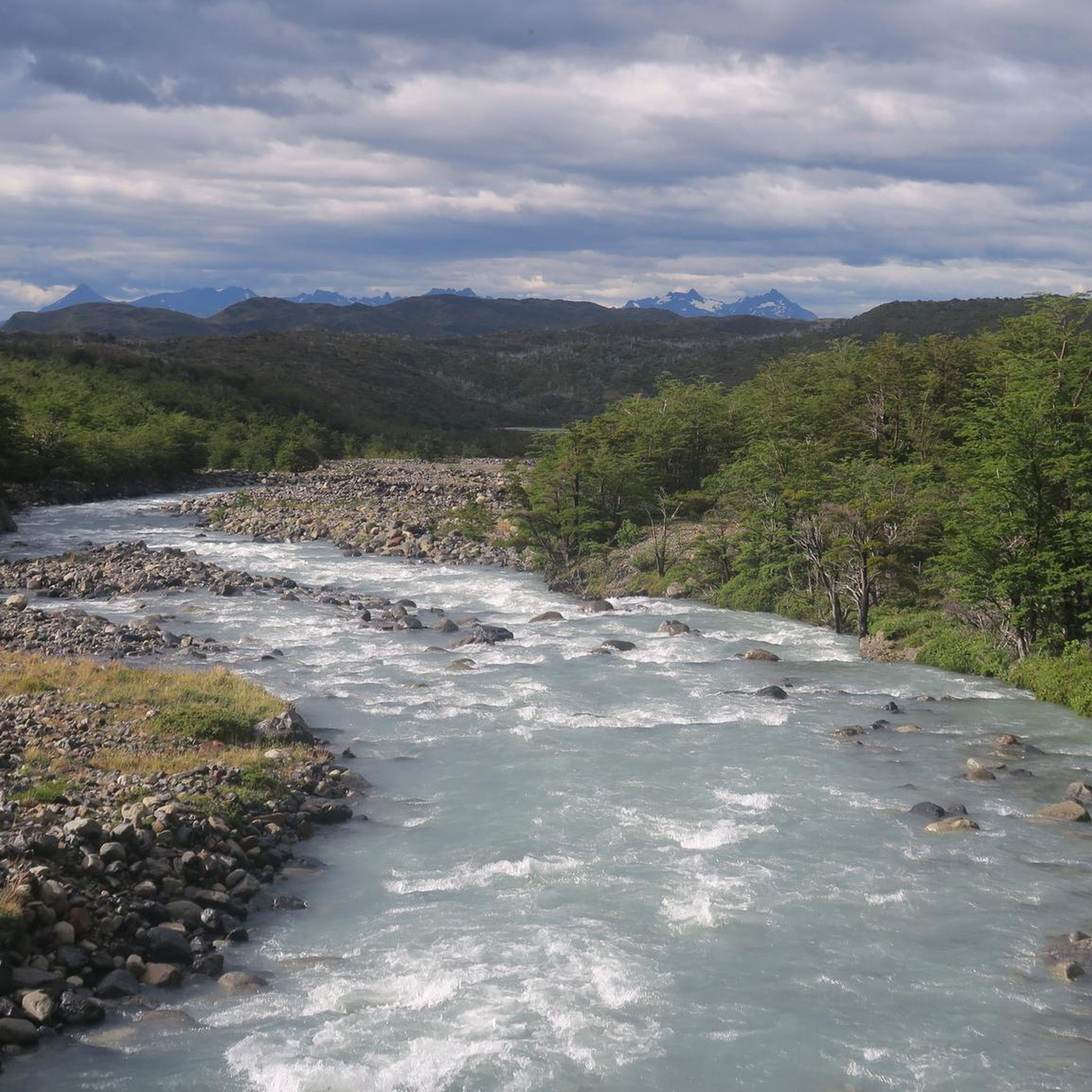
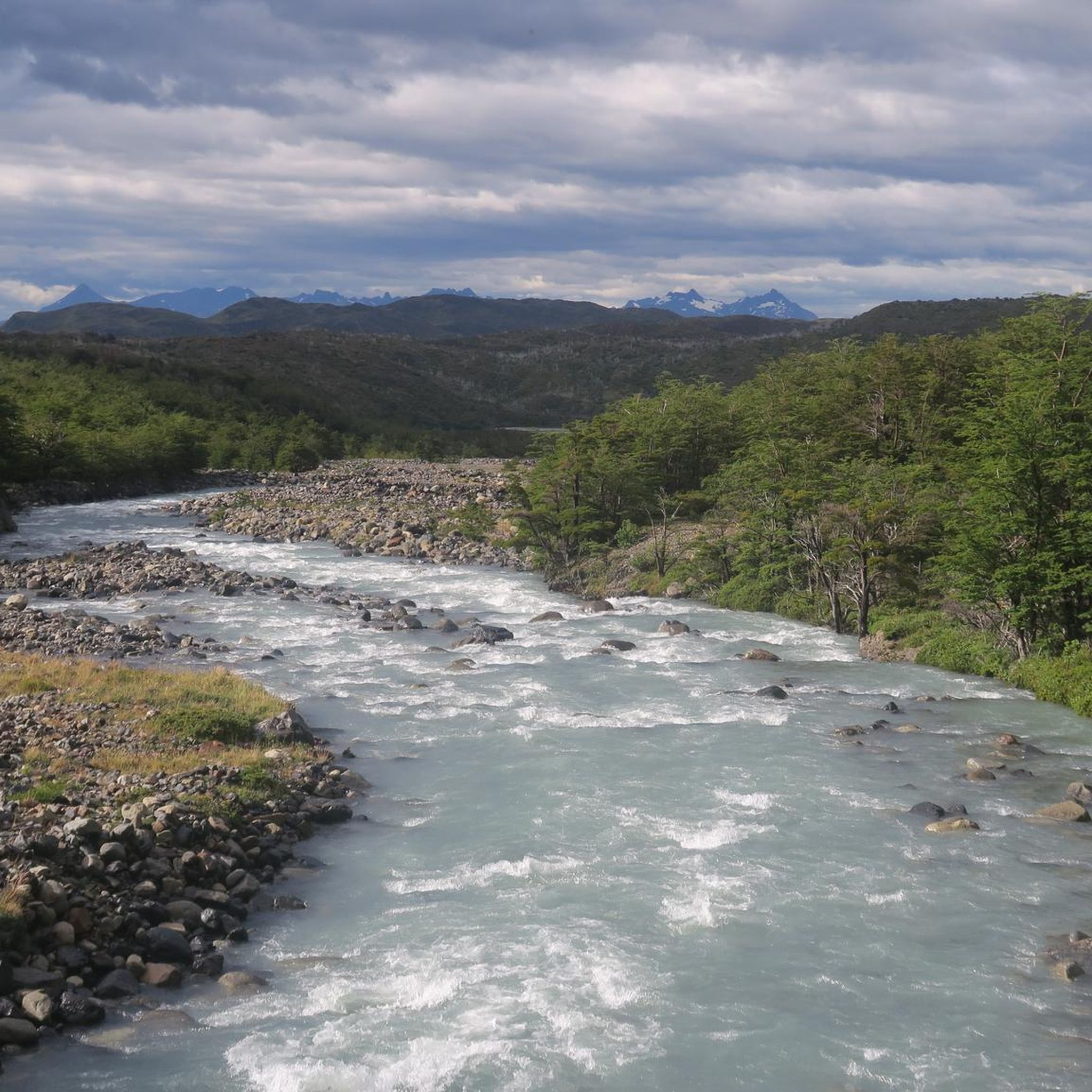
Waterfalls in Natales are a prominent feature of the region's natural landscape, particularly within Torres del Paine National Park. This area is defined by its dramatic mountains, glacial meltwaters, and the powerful Paine River. The waterfalls here are often characterized by their distinctive powder blue color, a result of fine rock sediment from glaciers. Visitors can explore several accessible cascades that showcase the immense force of the Patagonian environment.
Best waterfalls in Natales
- The most popular waterfalls is Salto Grande…
Last updated: July 6, 2026
Salto Grande
Highlight • Waterfall
This trail is closed in strong winds.
Translated by Google •
Tip by

Magellanic Beech Forest
Highlight • Forest
Translated by Google •
Tip by

Sign up now to discover places like this
Get recommendations on the best single tracks, peaks, & plenty of other exciting outdoor places.
Sign up for free
Traveler's Waterfall
Highlight • Waterfall
Translated by Google •
Tip by

Salto Chico Waterfall
Highlight • Waterfall
Translated by Google •
Tip by
Start today with a free account
Your next adventure awaits.
Login or Signup


Tips from the Community

It's also known as Paine Waterfall. It's a crystal-clear waterfall. One of the park's gems.
0
0

Simply beautiful how the water falls down there
0
0

To see these waterfalls, you have to walk around the large hotel on a long wooden walkway. Be careful, the walkway is dilapidated.
3
0
The waterfall isn't particularly high, but the volume of water is impressive. Be sure to continue hiking to Cuernos Lookout. This trail is closed in strong winds.
2
0

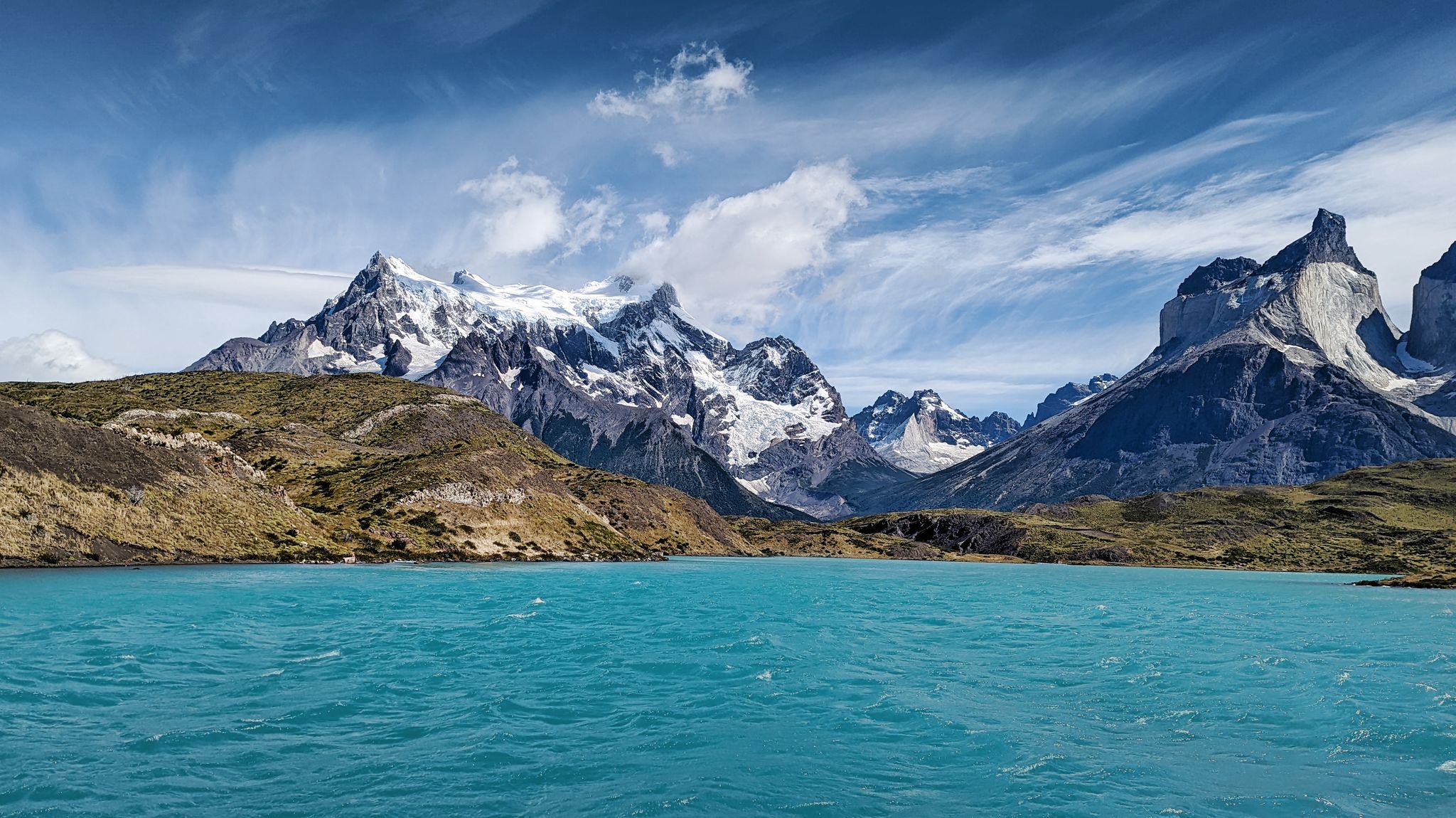
View of the Cuernos del Paine
0
0

The Ascensio Valley is home to this endemic forest of Lenga, Coique and Nirre. These three species are part of the Nothofagus family. Behind this scientific name are actually the equivalents to our beeches in the northern hemisphere. These are in some ways the southern or southern beeches.
0
0

Unfortunately, the weather was pretty gray during our visit, but the massive water masses are still impressive! Do not miss!
1
1

Fantastic landscape even in typical windy rainy weather
1
0
Frequently Asked Questions
Which waterfalls in Natales are most accessible for visitors?
Many waterfalls in Natales, particularly within Torres del Paine National Park, are easily accessible. Salto Grande is a prime example, requiring only a short, well-marked 1.4 km round-trip hike from a car park. Salto Chico Waterfall is also easily reached via a short path from nearby accommodations, offering stunning views without strenuous effort. Cascada Paine is accessible by car, making it a convenient stop on a scenic route.
What is the best time of year to visit the waterfalls in Natales?
The best time to visit the waterfalls in Natales, especially those within Torres del Paine National Park, is generally from October to March. During these months, the weather is milder, and accessibility is at its best, allowing for optimal viewing and exploration of sites like Salto Grande.
Are there family-friendly waterfalls in the Natales region?
Yes, several waterfalls in Natales are suitable for families. Salto Grande is categorized as family-friendly due to its short, easy walk from the parking area. Its impressive volume and the surrounding panoramic views make it an engaging experience for all ages.
What unique natural features can I observe at the waterfalls in Natales?
The waterfalls in Natales are known for their distinctive powder blue color, a result of finely ground rock sediment from glacial meltwaters. This striking hue is particularly noticeable at Salto Grande and Salto Chico Waterfall, where the water contrasts beautifully with the Patagonian landscape and the vibrant turquoise of Lake Pehoé.
What outdoor activities can I do near the waterfalls in Natales?
Beyond waterfall viewing, the Natales region offers a variety of outdoor activities. You can find numerous hiking trails, including challenging routes like the W Trek, as well as cycling and mountain biking opportunities. For more details on routes, explore the Hiking in Natales, Cycling in Natales, and MTB Trails in Natales guides.
Can I see the iconic Torres del Paine mountains from any waterfalls?
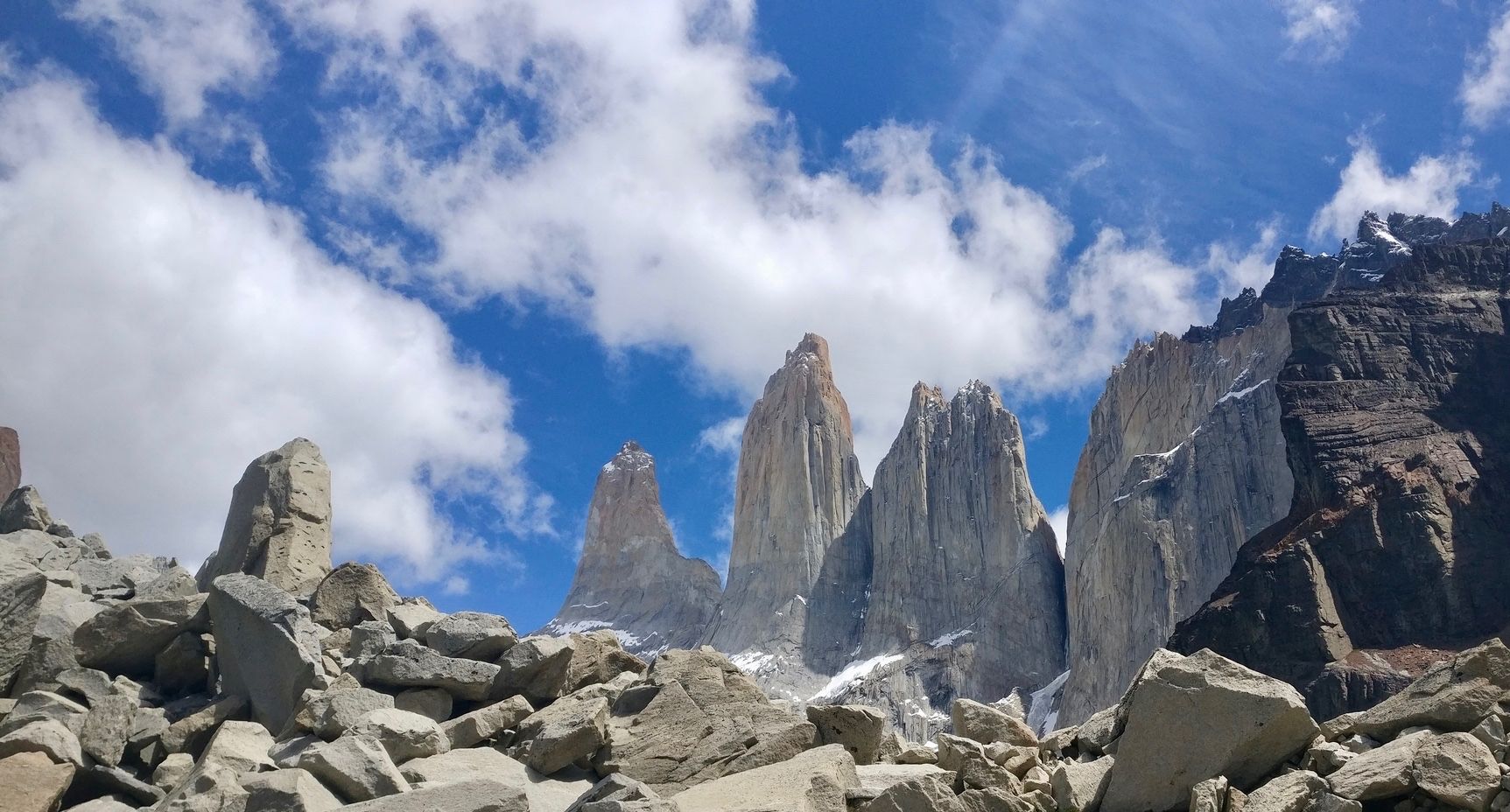
Yes, Cascada Paine, also known as Traveler's Waterfall, offers clear views of the iconic Torres del Paine, the three striking granite towers that give the park its name, especially on a clear day. Its location in the Laguna Amarga sector provides a picturesque backdrop.
What should I know about visiting Salto Grande?
Salto Grande is renowned for its impressive volume and power, connecting Lake Nordenskjöld and Lake Pehoé. While not exceptionally tall, the sheer force of the Paine River is captivating. Visitors often continue hiking to the Cuernos Lookout for panoramic views of the Paine Massif. Be aware that the trail may be closed in strong winds for safety.
What kind of wildlife can be spotted near the waterfalls in Natales?
The areas around the waterfalls in Natales are rich in biodiversity. Visitors often spot guanacos, condors, and various bird species. While less common, pumas can also be found in the broader Torres del Paine National Park. The diverse natural vegetation provides habitats for a range of Patagonian wildlife.
Are there any hidden gem waterfalls in Natales?
While the main waterfalls like Salto Grande and Salto Chico are well-known, exploring the surrounding areas can reveal smaller, less frequented cascades. The Magellanic Beech Forest, for instance, is home to endemic Nothofagus trees and may feature smaller waterfalls within its trails, especially during wetter seasons.
What do visitors enjoy most about the waterfalls in Natales?
Visitors consistently praise the immense power and volume of the waterfalls, the distinctive powder blue color of the glacial meltwaters, and the breathtaking panoramic views of the Paine Massif and surrounding lakes. The ease of access to many of these natural wonders, combined with opportunities for photography and wildlife spotting, makes them highly appreciated.
What are the conditions like for visiting waterfalls in Natales during winter?
Visiting waterfalls in Natales during winter (June to September) can be challenging due to colder temperatures, snow, and ice, which may affect trail conditions and accessibility. Some paths, like the one to Salto Grande, might be closed in strong winds, which are more common in winter. It's advisable to check local conditions and park regulations before planning a winter visit.
What should I wear when hiking to waterfalls in Natales?
Given the variable Patagonian weather, it's best to dress in layers. Waterproof and windproof outer layers are essential, as conditions can change rapidly. Sturdy, waterproof hiking boots with good grip are recommended for navigating potentially wet or uneven paths near the waterfalls. Don't forget sun protection, even on cloudy days.
Most popular attractions in Natales

Get inspired with the komoot mobile app


Explore more
Happy to travel a little further afield? Then browse these guides for the best waterfalls in Natales:
