Top 5 Gorges in Ancash
Canyons in Ancash are prominent geological features within the Peruvian Andes, shaped by ancient rivers and glacial activity. This region is characterized by dramatic mountain landscapes and deep valleys. The terrain includes narrow river gorges and high-mountain glacial quebradas. These natural formations offer diverse environments for exploration.
Best canyons in Ancash
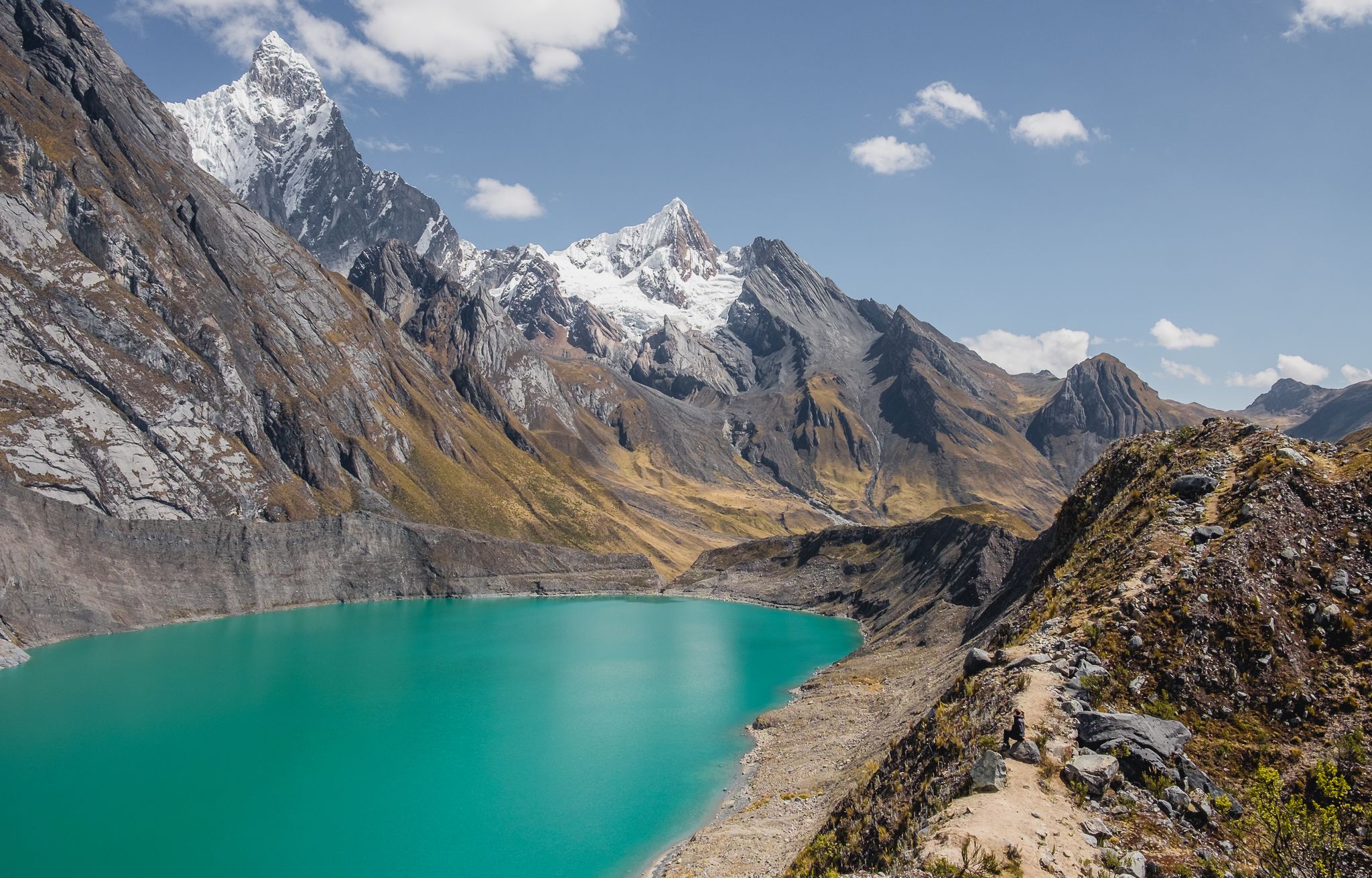
- The most popular canyons is Quebrada Santa Cruz, a gorge where a mountain stream rises from the Nevado Taulliraju glacier and crosses the Cordillera Blanca. This high-mountain river…
Last updated: July 6, 2026
Quebrada Santa Cruz
Highlight • Gorge
Translated by Google •
Tip by

Duck Canyon
Highlight (Segment) • Canyon
Tip by

Sign up now to discover places like this
Get recommendations on the best single tracks, peaks, & plenty of other exciting outdoor places.
Sign up for free
Quebrada Los Cedros
Highlight • Gorge
Translated by Google •
Tip by
Callejón de Huaylas – Santa River Valley
Highlight • River
Translated by Google •
Tip by
Huaripampa Valley
Highlight • Gorge
Translated by Google •
Tip by
Start today with a free account
Your next adventure awaits.
Login or Signup

Other adventures in Ancash

Tips from the Community

the most beautiful and incredible canyon I have ever cycled through
0
0

The Santa Cruz Trek leads through the Quebrada Santa Cruz valley. By crossing the Punta Union pass you reach the narrow Quebrada Huaripampa valley with several mountain lakes below the pass. From Colcabamba the mountain stream is called Rio Yurma. It drains east into the Atlantic.
1
0
The Quebrada Santa Cruz mountain stream rises from the Nevado Taulliraju glacier (5,830 m) and crosses the high mountain range of the Cordillera Blanca from east to west. North of the Punto Union pass, the high mountain river is saturated by the outflow of the glacial lake Laguna Taullicocha. https://de.wikipedia.org/wiki/Quebrada_Santa_Cruz
1
0
The Rio Santa runs 200 km northward between the Cordillera Negra in the west and the Cordillera Blanca in the east and overlooks the fertile Callejón de Huaylas. To the south lies the summit of the Huayhuash Mountains. Huaraz, the largest town in Callejón, lies at an altitude of 3,000 m. In the valley north of Huaraz lie the towns of Carhuaz, Yungay and Caraz. https://en.wikipedia.org/wiki/Santa_River https://en.wikipedia.org/wiki/Huaylas_Street
1
0
The Quebrada Los Cedros is a 21 km long tributary of the Río Santa in the Cordillera Blanca in Peru. The high mountain river has its origins in the Laguna Jancarurish glacier lake at an altitude of around 4,290 m. This is fed by a glacier on the northern flank of the 6,036 m high Quitaraju and on the northwest flank of the 5,947 m high Alpamayo. https://de.wikipedia.org/wiki/Quebrada_Los_Cedros
1
0

30+ tunnels, from a couple of meters to around five longish ones. All tunnels are single lane with little shoulder, unlit and some with potholes. You MUST use headlights and rear flashers.
0
0
Frequently Asked Questions
What are the most notable canyons and gorges in Ancash?
Ancash features several impressive canyons and gorges. The Duck Canyon is famous for its dramatic drive through over 30 tunnels. The Quebrada Santa Cruz is a high-mountain gorge fed by glacial meltwater. The Callejón de Huaylas – Santa River Valley offers a fertile landscape between two mountain ranges. Other significant areas include the Quebrada de Llanganuco with its stunning turquoise lagoons, and the canyon-like sections of the Santa Cruz Trek.
What unique natural features can I expect to see in Ancash's canyons?
You can expect to see a variety of natural wonders. The Quebrada de Llanganuco boasts two beautiful turquoise lagoons, Chinancocha and Orconcocha, surrounded by Polylepis forests and snow-capped peaks. The Quebrada Santa Cruz is characterized by a mountain stream rising from the Nevado Taulliraju glacier and fed by Laguna Taullicocha. Lake Paron, though not a canyon itself, is nestled in a glacial valley with a 1000-meter high granite canyon leading to it, offering views of mountains like Artesonraju.
Are there any challenging routes or trails through the canyons in Ancash?
Yes, several canyons offer challenging experiences. The Duck Canyon is described by visitors as a challenging route with over 30 unlit, single-lane tunnels, making it popular for mountain bikers and adventurers. The Santa Cruz Trek, which includes canyon-like sections, is a multi-day hike that involves crossing the Punta Unión pass at 4,750 meters, offering a rewarding experience for those seeking big-mountain views.
What activities are popular in and around the canyons of Ancash?
Beyond exploring the canyons themselves, Ancash offers diverse outdoor activities. Mountain biking is popular through the Duck Canyon. Trekking is a major draw, especially in areas like Quebrada de Llanganuco and the Santa Cruz Trek. For adrenaline seekers, canyoning (rappelling down waterfalls) is available in the Cordillera Negra, near Huaraz. You can also find various hiking trails and running routes throughout the region.
What is the best time of year to visit the canyons in Ancash?
The best time to visit the canyons in Ancash is generally during the dry season, which typically runs from May to September. During these months, the weather is more stable with clearer skies, making conditions ideal for trekking, driving, and exploring the high-mountain areas and glacial valleys.
Are there any specific safety considerations for exploring the canyons?
Yes, safety is important. When traversing the Duck Canyon, it's crucial to use headlights and rear flashers due to the numerous unlit, single-lane tunnels. For high-altitude areas like Quebrada de Llanganuco and the Santa Cruz Trek, acclimatization is recommended to prevent altitude sickness. Always be prepared for changing mountain weather conditions and carry appropriate gear.
What kind of wildlife can be observed in the canyons of Ancash?
The diverse ecosystems within Ancash's canyons support various wildlife. In Quebrada de Llanganuco, visitors can observe diverse flora and fauna, including wild ducks on the lagoons. The broader Huascarán National Park, which encompasses many of these areas, is home to Andean wildlife, though specific sightings can vary by location and time of year.
What do visitors enjoy most about the canyons in Ancash?
Visitors frequently praise the dramatic scenery and the sense of adventure. The Duck Canyon is often described as 'the most beautiful and incredible canyon' to cycle through. The stunning turquoise lakes, towering snow-capped mountains, and the challenging yet rewarding treks like the Santa Cruz Trek are also highly appreciated for their unparalleled natural beauty and immersive Andean experience.
How can I access the canyons and gorges in Ancash?
Access varies by location. Many areas, including the Quebrada de Llanganuco, are popular day trips from Huaraz, which serves as a central hub for the region. The Duck Canyon is traversed by the N3 highway, making it accessible by vehicle. For treks like the Santa Cruz, trailheads are typically reached via local transport from nearby towns.
Are there opportunities for canyoning or rappelling in Ancash?
Yes, for those seeking more extreme adventures, canyoning (rappelling down waterfalls) is available in the Cordillera Negra. This area is located about half an hour from Huaraz and features waterfalls ranging from 17 to 35 meters in height, offering an exciting experience for adrenaline seekers.
What is the significance of the Santa River in the Ancash region?
The Santa River is a vital geographical feature in Ancash. It runs 200 km northward between the Cordillera Negra and the Cordillera Blanca, forming the fertile Callejón de Huaylas – Santa River Valley. This river not only shaped the landscape, including the Duck Canyon, but also powers a hydroelectric plant and supports the region's agriculture.
Can you tell me more about the Quebrada Los Cedros?
The Quebrada Los Cedros is a 21 km long tributary of the Río Santa, located in the Cordillera Blanca. This high-mountain river originates from the Laguna Jancarurish glacier lake at an altitude of around 4,290 meters, fed by glaciers on the northern flank of Quitaraju and the northwest flank of Alpamayo, making it a significant glacial gorge.
Most popular routes in Ancash
Most popular attractions in Ancash

Get inspired with the komoot mobile app


Explore more
Already discovered everything in this region? See additional gorges in Ancash for your next adventure:
