The 7 Most Amazing Peaks in N.A. (Lake Titicaca)
Best mountain peaks in N.A. (Lake Titicaca) are found in the Andes Mountains, straddling the border between Peru and Bolivia. This high-altitude region, home to the world's highest navigable lake, is characterized by its unique Andean landscapes and rich Indigenous cultures. The area offers a variety of peaks, from accessible viewpoints to challenging glaciated summits, providing diverse experiences for outdoor enthusiasts. These mountains are significant for their natural beauty and historical importance, often featuring ancient ruins and sacred sites.
Best mountain peaks in N.A. (Lake Titicaca)
- The most popular mountain peaks is Cerro Calvario, a viewpoint that offers beautiful views down to Copacabana and Lake Titicaca. The climb is strenuous but provides scenic rewards, especially at sunset.
- Another must-see spot is Pachatata (Father Earth), a historical site and summit. The temple ruins on this peak are used for the island festival on January 20th every year, with local traditions linking a victory for Pachamama to a good harvest.
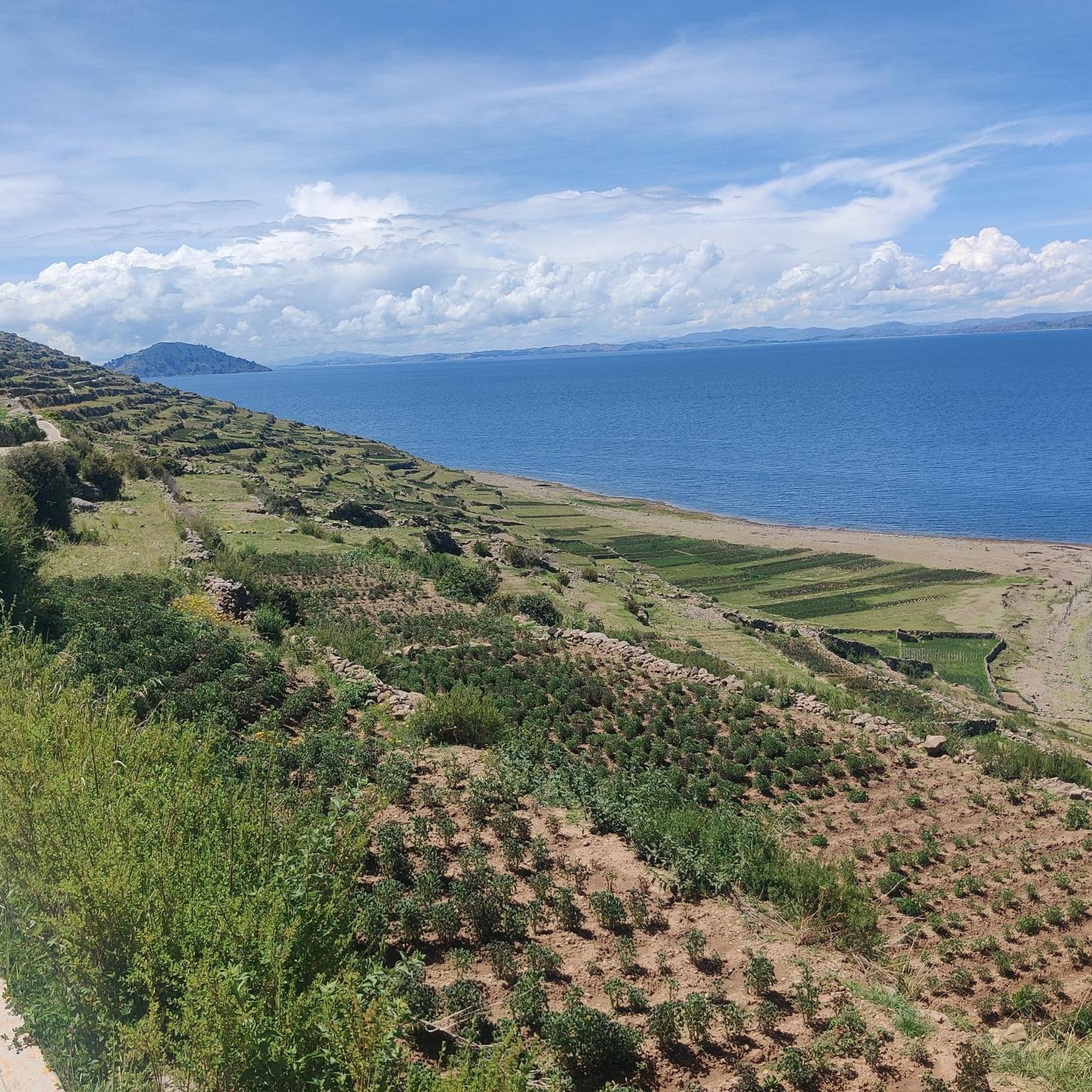
- Visitors also love Cerro Palla Khasa Summit, the highest mountain on Isla del Sol. From its summit, visitors have a view of the island and the distant, glacier-covered mountains on the horizon.
- N.A. (Lake Titicaca) is known for its culturally significant island peaks, challenging glaciated summits, and scenic viewpoints. The region offers a variety of mountain peaks to see and explore, ranging from intermediate hikes to more demanding climbs.
- The mountain peaks in N.A. (Lake Titicaca) are appreciated by the komoot community, with 2 highlights and 21 upvotes.
Last updated: July 6, 2026
Cerro Calvario
Highlight • Viewpoint
Translated by Google •
Tip by

Pachatata (Father Earth)
Highlight • Historical Site
Translated by Google •
Tip by

Sign up now to discover places like this
Get recommendations on the best single tracks, peaks, & plenty of other exciting outdoor places.
Sign up for free
Cerro Palla Khasa Summit
Highlight • Summit
Translated by Google •
Tip by

Pachamama Peak, Amantani Island
Highlight • Summit
Translated by Google •
Tip by
Cerro Tikani
Highlight • Summit
Translated by Google •
Tip by
Sign up for free to discover even more peaks in N.A. (Lake Titicaca).
Sign up for free
Already have an account?
Start today with a free account
Your next adventure awaits.
Login or Signup
Popular around N.A. (Lake Titicaca)
Tips from the Community

Cerro Tikani, at 3,936 meters, is the highest point in the northern part of the island. The climb is somewhat challenging due to the altitude, but the view from up here is impressive.
1
0
The Way of the Cross was built on this hill in the 1950s when the government decided that Copacabana should have more to offer its thousands of pilgrims than just the Basilica of the Virgin Mary.
2
0
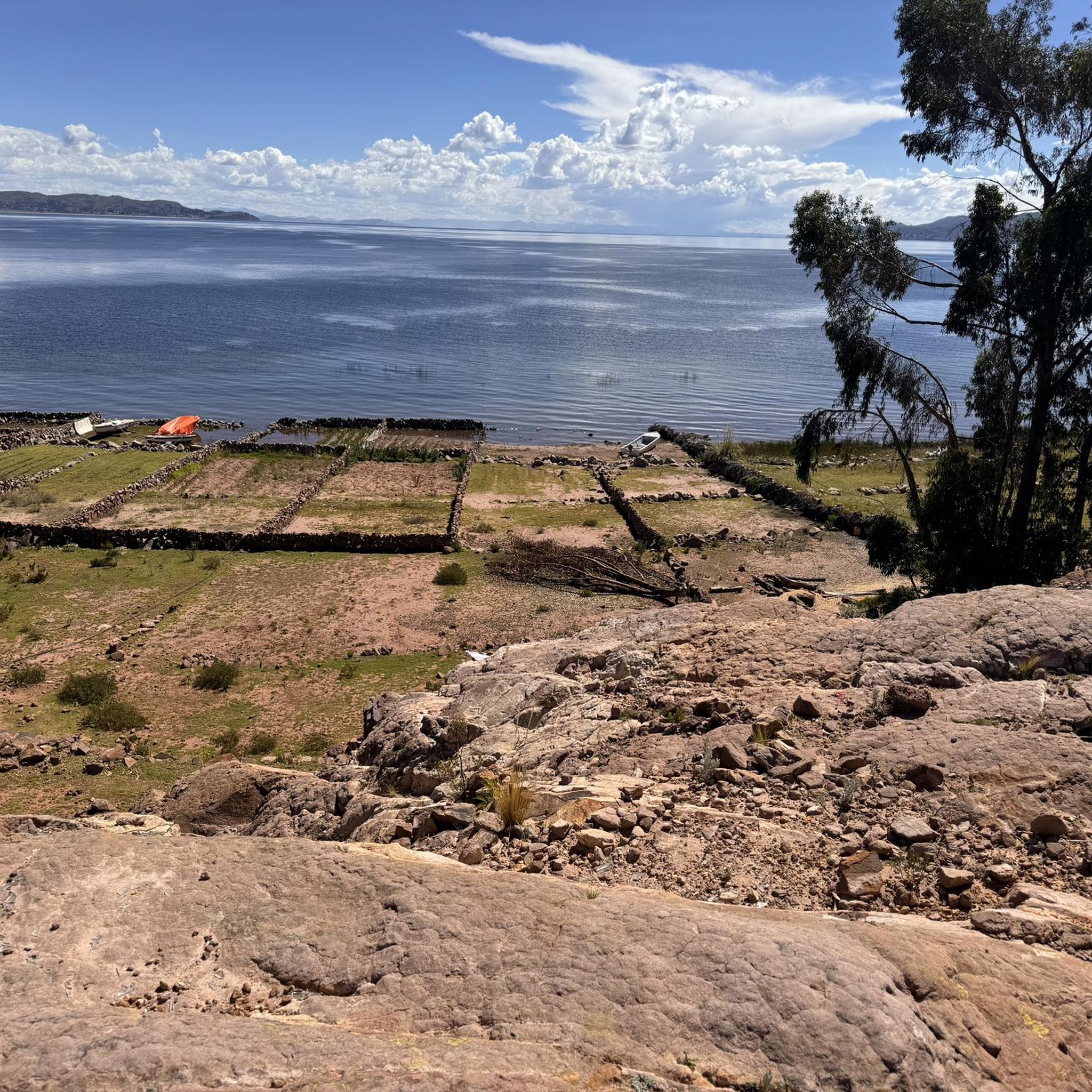
Pachamama or “Mother Earth” is the higher of the two mountains at 4130 m, with “Father Earth” just behind. The climb is long, but not particularly steep, which makes both peaks popular excursion destinations.
6
0
The temple ruins on the peaks are used for the island festival on January 20th every year. There will be a competition on this day. Half of the island's population gathers at one of the two temples, and one runner runs to a point between the two buildings. According to tradition, a victory for Pachamama (which one of the two peaks represents) would bring a good harvest the next year).
3
0

The climb at the height should not be underestimated, it just isn't like that. THE view is also worth it 🤓
2
0

Beautiful views down to Copacabana and Lake Titicaca. The climb is strenuous but well worth it, especially at sunset. Be sure to pack a headlamp or flashlight in the evening/night.
3
0

Cerro Palla Khasa is the highest mountain on Isla del Sol. From its summit you have a wonderful view of the island and also of the mountains covered with glaciers on the horizon.
2
0
Frequently Asked Questions
What are some of the most popular mountain peaks to visit around Lake Titicaca?
For stunning views and cultural significance, consider visiting Cerro Calvario in Copacabana, known for its beautiful sunsets over the lake. On Isla del Sol, Cerro Palla Khasa Summit offers panoramic views of the island and distant glaciers. Amantani Island features Pachamama Peak, which provides a cultural experience with local communities and expansive lake views.
Are there any challenging high-altitude climbs near Lake Titicaca?
Yes, the Cordillera Real, east of Lake Titicaca, offers several challenging glaciated peaks. Huayna Potosí (6,088 m) is often considered one of the most accessible 6,000-meter peaks globally, providing a rewarding glacier climb. For experienced mountaineers, Illampu (6,485 m) presents a significant technical challenge with steep snow slopes and unpredictable weather, while Nevado Ancohuma (6,427 m) offers a strenuous high-altitude experience with stunning views.
What cultural or historical sites can be found on the mountain peaks around Lake Titicaca?
Many peaks in the region hold deep cultural significance. On Amantani Island, Pachatata (Father Earth) features ancient temple ruins used for an annual island festival. Isla del Sol, where Cerro Palla Khasa Summit is located, is a sacred site in Inca mythology, believed to be the birthplace of the sun and the first Incas, with numerous archaeological sites.
What is the best time of year to visit the mountain peaks near Lake Titicaca for hiking and climbing?
The best climbing and hiking season for the high peaks in the Cordillera Real, such as Huayna Potosí, is typically from May to October. This period generally offers more stable weather conditions and clearer skies, which are crucial for high-altitude expeditions. For island peaks and viewpoints, the dry season from May to October is also ideal for pleasant hiking conditions and optimal visibility.
Are there family-friendly hiking options among the peaks near Lake Titicaca?
While many high peaks are challenging, some island peaks offer more accessible experiences. The climb to Pachamama Peak on Amantani Island is long but not particularly steep, making it a popular excursion. Similarly, the ascent to Cerro Calvario in Copacabana, while strenuous, is a well-trodden path offering rewarding views that can be enjoyed by families with older children.
What kind of views can I expect from the mountain peaks in the Lake Titicaca region?
From the island peaks like Cerro Palla Khasa Summit on Isla del Sol, you can expect wonderful views of Lake Titicaca itself, stretching to the distant, glacier-covered mountains of the Cordillera Real. Higher peaks like Huayna Potosí offer expansive vistas encompassing the surrounding mountains, the Altiplano, and even the distant glow of La Paz. Cerro Calvario provides beautiful views down to Copacabana and the vastness of the lake, especially at sunset.
What outdoor activities, besides climbing, can I do near these mountain peaks?
The Lake Titicaca region offers various outdoor activities. You can explore numerous hiking trails, ranging from easy to difficult, such as the 'Cerro Santa Barbara Junction – Playa de las Sirenas loop' or the 'View of Lake Titicaca – Carus Summit Cross loop'. For more options, check out the Hiking in N.A. (Lake Titicaca) guide. There are also running trails, including the 'View of Lake Titicaca loop from Copacabana', detailed in the Running Trails in N.A. (Lake Titicaca) guide.
Are there any less-known peaks that offer impressive views or unique experiences?
Yes, Cerro Tikani, at 3,936 meters, is the highest point in the northern part of an island (likely Isla del Sol or a nearby smaller island). The climb, while challenging due to altitude, offers impressive views and a less crowded experience. Cerro Saballani (4,040 m) in the Peruvian sector also contributes to the stunning natural beauty and diverse terrain, providing opportunities for hiking and enjoying the unique high-altitude environment.
What should I know about accessibility and permits for hiking or climbing in the Lake Titicaca mountain region?
Access to many island peaks, such as those on Amantani or Isla del Sol, typically involves boat travel from towns like Puno or Copacabana. For high-altitude climbs in the Cordillera Real, guides and permits are often required, especially for glaciated peaks like Huayna Potosí or Illampu, due to their technical difficulty and potential hazards. Public transport options are available to major towns like Copacabana, from where local transport or tours can be arranged to trailheads.
What do visitors particularly enjoy about the mountain peaks around Lake Titicaca?
Visitors frequently praise the breathtaking panoramic views, especially at sunset from spots like Cerro Calvario. The cultural immersion, such as homestays on Amantani Island and experiencing ancient traditions near Pachatata, is also highly valued. Many appreciate the unique blend of natural beauty, historical significance, and the challenge of high-altitude trekking, making for a truly memorable outdoor experience.
What are the highest mountain peaks in the vicinity of Lake Titicaca?
The highest peaks are found in the Cordillera Real, east of Lake Titicaca. These include Illampu, standing at 6,485 meters (21,276 ft), and Nevado Ancohuma, reaching 6,427 meters (21,085 ft). Huayna Potosí, at 6,088 meters (19,974 ft), is another prominent glaciated summit in the range.
Most popular routes in N.A. (Lake Titicaca)
Most popular attractions in N.A. (Lake Titicaca)

Get inspired with the komoot mobile app


