Top 4 Caves around Santiago
Best caves around Santiago offers a selection of natural formations to explore. This region features diverse landscapes, from coastal areas to mountainous terrain, providing varied geological features. The caves here range from sea-level grottoes to inland caverns, shaped by millennia of natural processes. These sites offer insights into the region's natural history and provide unique exploration opportunities.
Best caves around Santiago
- The most popular caves is Lapa de Santa Margarida Cave and Chapel, a cave that is a natural…
Last updated: July 3, 2026
Lapa de Santa Margarida Cave and Chapel
Highlight • Cave
Tip by

Marmitas dos Gigantes
Highlight • Natural Monument
Translated by Google •
Tip by

Sign up now to discover places like this
Get recommendations on the best single tracks, peaks, & plenty of other exciting outdoor places.
Sign up for free
Lapa da Santinha
Highlight • Cave
Translated by Google •
Tip by

Cave With Ocean View in Parque Natural da Arrábida
Highlight • Cave
But please be very careful, the path is unpaved.
Translated by Google •
Tip by
Cave Shrine of RUGS
Highlight • Cave
Translated by Google •
Tip by

Start today with a free account
Your next adventure awaits.
Login or Signup
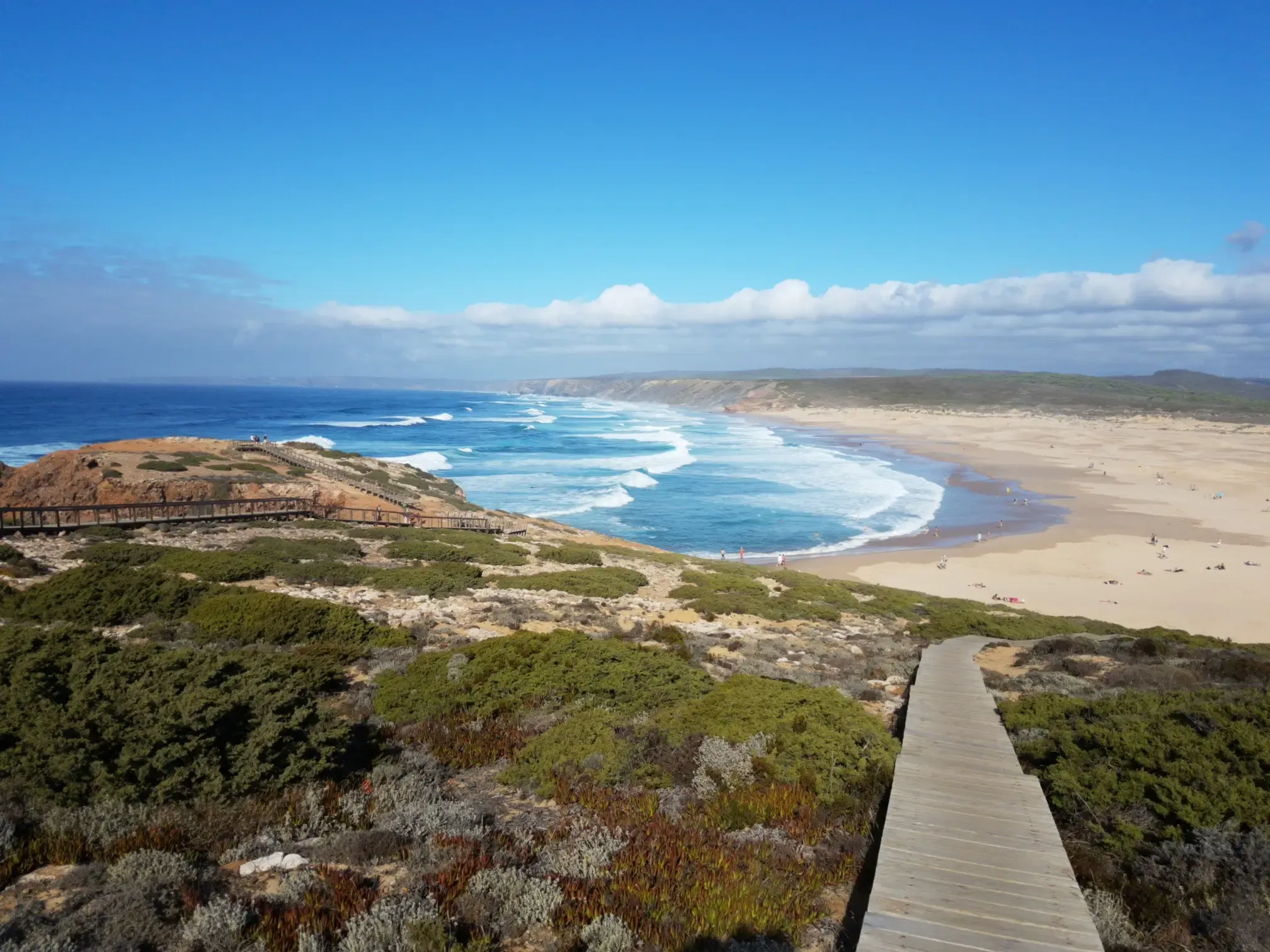
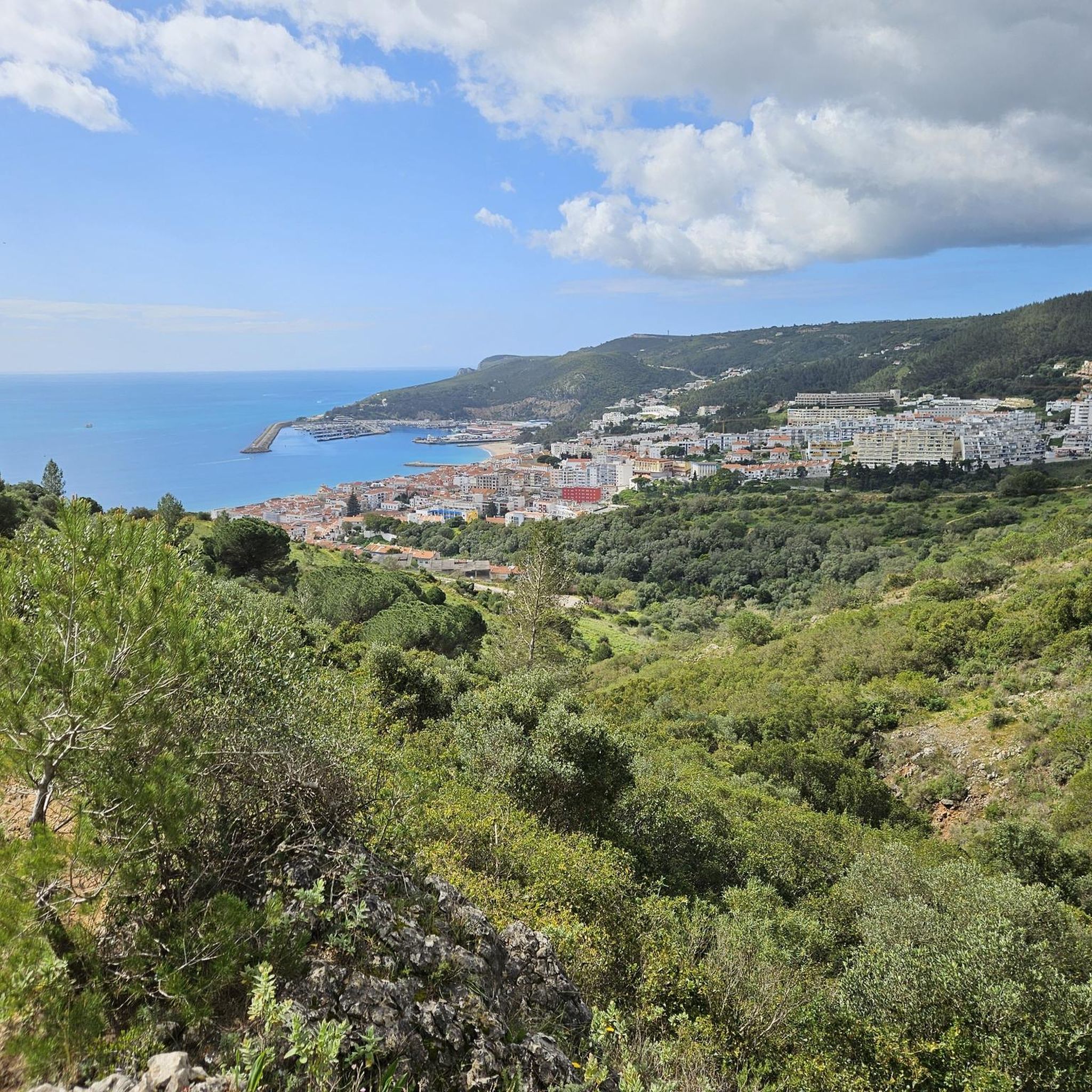
Other adventures around Santiago

Tips from the Community

A 200-meter-long descent down a stone staircase leads to a cave where priests held masses during World War I. This was the information from a local who alerted me to this place. There's an altar in the cave, which I had expected to find there because of this story.
0
0

The chapel was probably built in the 17th or perhaps 18th century, as a place of Christian worship that, most likely, succeeded other previous cults, namely those related to water or even initiation rites linked to the idea of the rebirth of the soul.
4
0
Lapa de Santa Margarida is a natural grout at the base of Arrábida Mountain, where a small altar was erected. The access is done by a narrow path, with over 200 steps, until the sea level. Inside there is a Christian altar with some images and candles. The image of Saint Margaret was initially in this chapel, thus having given her name to this place.
4
0

A very small but interesting cave that's not difficult to reach. But please be very careful, the path is unpaved.
4
0
Absolutely fantastic panorama but be careful very dangerous path near the abyss and the path is unpaved
2
0

The Giants' Potholes are natural sculptures carved by the force of water over millennia. When the current flows strongly, it carries sediments that, in a whirlwind, wear away the limestone rock, opening up grooves and cavities. Over time, these depressions become enormous: the largest reaches an impressive six metres deep and up to twelve metres in diameter. And the final surprise? Underneath the largest of the potholes, there is a mysterious cave, a real sub-basement waiting to be explored.
1
0


Beautiful view of the sea. Inhabits a small altar, which is somehow mysterious.
1
0
Frequently Asked Questions
What kind of natural features can I expect to see at these caves?
The caves featured in this guide offer diverse natural formations. For instance, Marmitas dos Gigantes showcases impressive natural sculptures carved by water, including potholes up to six meters deep and a mysterious sub-basement cave. Other locations like Lapa de Santa Margarida Cave and Chapel and Lapa da Santinha are natural grottos often combined with stunning viewpoints.
Are there any historical or religious sites associated with these caves?
Yes, several caves in this guide have historical and religious significance. Lapa de Santa Margarida Cave and Chapel features a small altar and was likely a place of Christian worship since the 17th or 18th century, possibly succeeding older cults. Similarly, the Cave Shrine of RUGS is known for its altar, where priests reportedly held masses during World War I, accessible via a 200-meter stone staircase.
What is the difficulty level for visiting these caves?
The difficulty varies among the caves. Lapa de Santa Margarida Cave and Chapel involves a challenging, narrow path with over 200 steps down to sea level. Marmitas dos Gigantes and Lapa da Santinha are also rated as challenging, with the latter having an unpaved path near an abyss, requiring careful navigation. The Cave Shrine of RUGS is considered intermediate.
Are there hiking opportunities near these caves?
Yes, the region offers various hiking opportunities. You can explore routes like the 'Sesimbra Castle – Sesimbra Beach loop' or the 'Rua Amélia Frade – View of the Tróia Peninsula loop'. For more options, check out the full guides on Hiking around Santiago, City hikes around Santiago, and Hikes from bus stations around Santiago.
What should I wear or bring when visiting these caves?
Given the challenging nature of some paths, sturdy footwear with good grip is essential. For caves like Lapa da Santinha, where paths are unpaved and near drops, extra caution is advised. If exploring inside caves, a headlamp or flashlight is always recommended. Always check local weather conditions before your visit.
Are there any viewpoints associated with these cave locations?
Yes, several of the caves offer fantastic panoramic views. Lapa de Santa Margarida Cave and Chapel is situated at the base of Arrábida Mountain, providing scenic vistas. Lapa da Santinha is particularly noted for its absolutely fantastic panorama, though visitors should be mindful of the dangerous path near the abyss.
What makes the Marmitas dos Gigantes unique?
Marmitas dos Gigantes, or 'Giants' Potholes,' are unique natural sculptures. They were carved by the powerful force of water over millennia, creating grooves and cavities in the limestone rock. The largest pothole reaches an impressive six meters deep and up to twelve meters in diameter, with a mysterious cave located underneath it.
Is there public transport available to reach these caves?
While specific public transport details for each cave are not provided, there are several hiking guides available for routes accessible from bus stations around the region. You can find more information on these routes in the Hikes from bus stations around Santiago guide.
Are these caves suitable for beginners in caving?
Some of the caves, like Lapa de Santa Margarida Cave and Chapel and Lapa da Santinha, are rated as challenging due to narrow paths, steps, or proximity to drops. The Cave Shrine of RUGS is rated intermediate. Beginners should exercise caution and consider their fitness levels before attempting these, especially the challenging ones.
What is the best time of year to visit these caves?
The guide does not specify a best time of year for these particular caves. However, for outdoor activities in general, spring and autumn often offer milder weather conditions, which can be more pleasant for exploring challenging paths and enjoying viewpoints. Always check local weather forecasts before your visit.
Are there any hidden gems among the caves listed?
While all caves in this guide offer unique experiences, the Cave Shrine of RUGS could be considered a hidden gem due to its historical significance as a wartime sanctuary and its less prominent mention compared to other sites. Its 200-meter descent to an altar within the cave offers a unique blend of natural exploration and historical intrigue.
Most popular attractions around Santiago

Get inspired with the komoot mobile app


Explore more
Extend your search for the best caves by checking out these guides of the top ones around Santiago:
