Top 5 Castles around Vila Real De Santo António
Best castles around Vila Real de Santo António are primarily found in the nearby town of Castro Marim, which is known for its rich history and strategic location. Vila Real de Santo António itself, founded in 1774, features a grid pattern and historical heritage, situated near the Guadiana River which forms the border with Spain. The region offers a landscape characterized by salt pans and river views. These historical sites provide insights into the area's past as a defensive frontier.
…Last updated: October 20, 2026
Castro Marim Castle
Highlight • Castle
Translated by Google •
Tip by

Isla Canela Tower
Highlight • Monument
Translated by Google •
Tip by

Sign up now to discover places like this
Get recommendations on the best single tracks, peaks, & plenty of other exciting outdoor places.
Forte de São Sebastião
Highlight • Castle
Translated by Google •
Tip by

Inquisition Museum
Highlight • Castle
Strappado: In this method, the victim's hands were tied behind their back and they were suspended by their arms, causing extreme pain in the shoulders.
Translated by Google •
Tip by

Start today with a free account
Your next adventure awaits.
Popular around Vila Real De Santo António
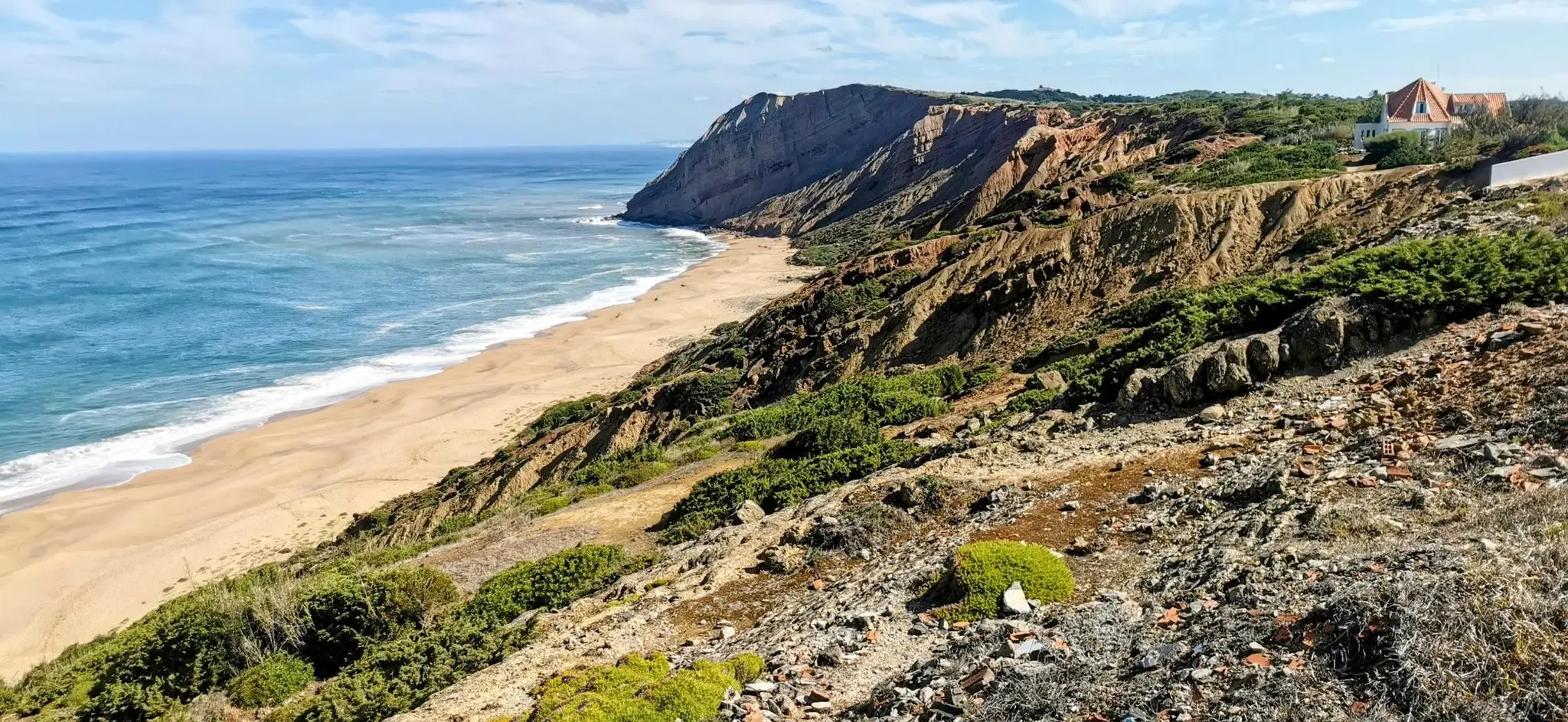
EuroVelo 1 Portugal – Cycle the Atlantic Coast
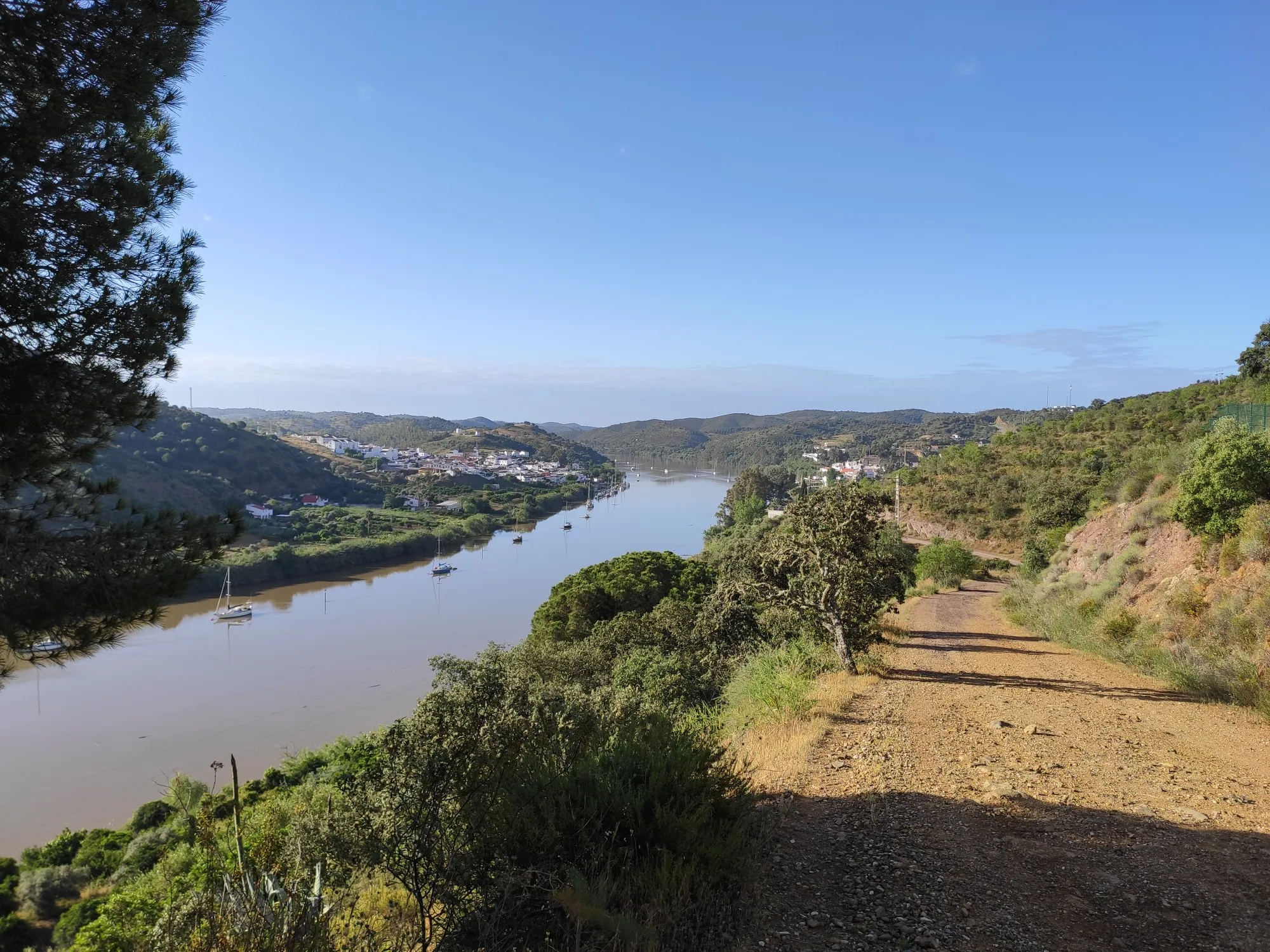
Stories of a river - Great Guadiana Route (GR 15)
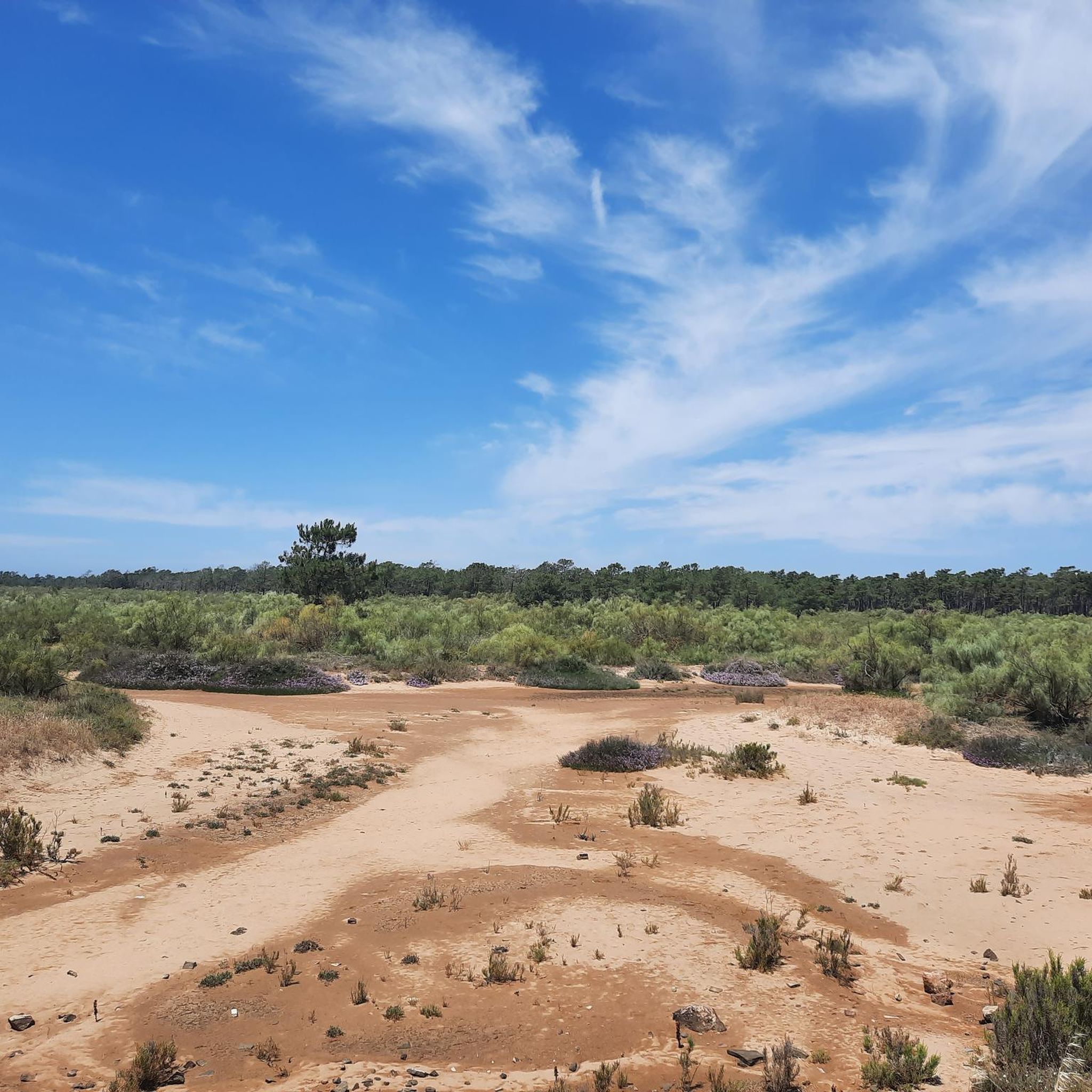
Hiking around Vila Real De Santo António
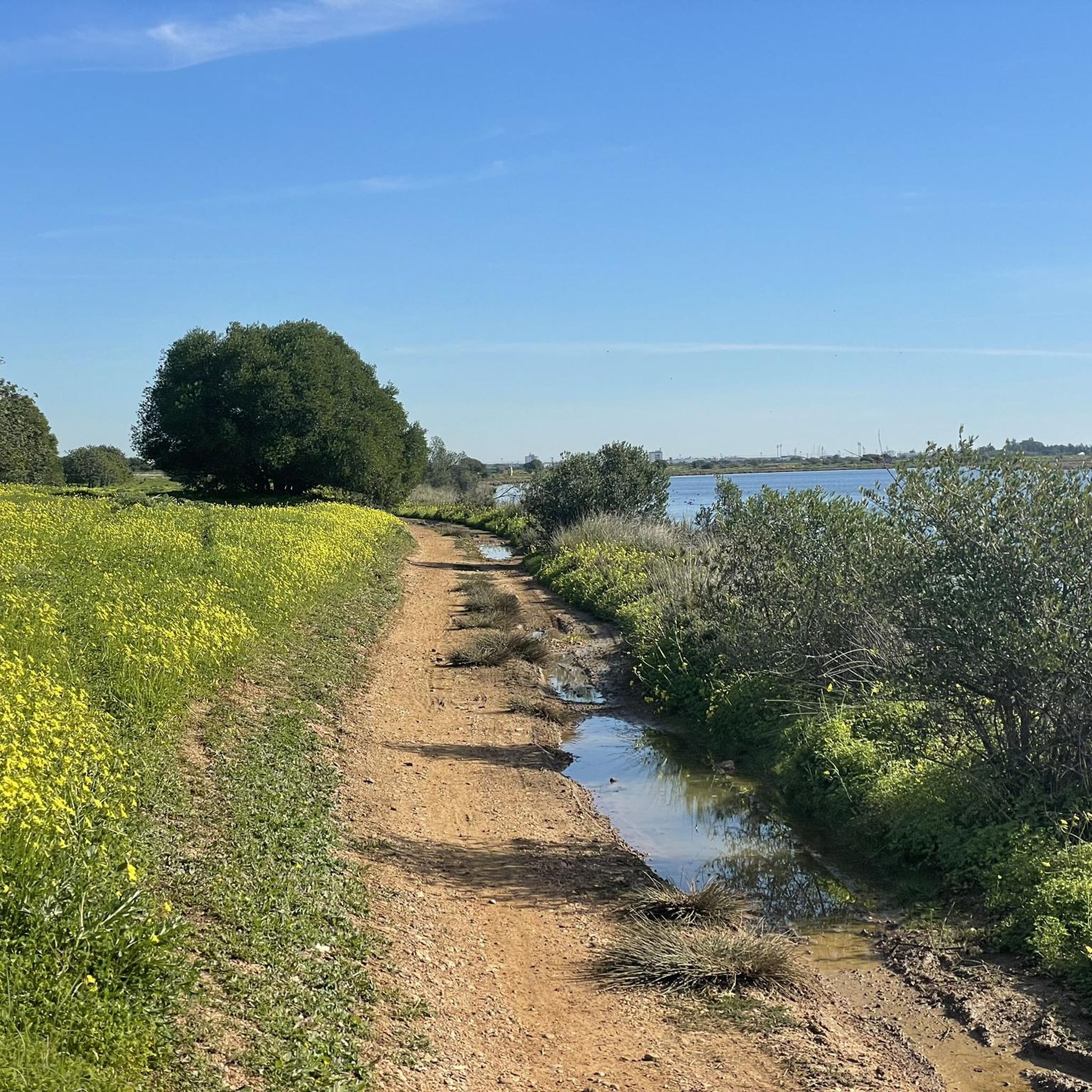
Running Trails around Vila Real De Santo António
Road Cycling Routes around Vila Real De Santo António
Cycling around Vila Real De Santo António
MTB Trails around Vila Real De Santo António

Gravel biking around Vila Real De Santo António
Other adventures around Vila Real De Santo António


Tips from the Community

In the heart of the Algarve, perched on a hill on the right bank of the Guadiana River, Castro Marim Castle holds centuries of history and battles. Although human presence in the region dates back to prehistoric times, it was here that Romans and Muslims found a strategically valuable vantage point, taking advantage of its privileged position. The imposing fortification you can visit today (for a small fee) was built in the 13th century by order of King Dinis, serving as a defensive bastion against invasions and as a watchful sentinel on the border with Spain. At the top, the reward is a breathtaking panoramic view: the town of Castro Marim at your feet, the shimmering salt flats, the bridge connecting Portugal and Spain, and, in the distance, neighboring Ayamonte.
3
0

Castro Marim Castle was strategically built in the 13th century on a hill on the right bank of the Guadiana River. Currently, only the remains of the castle remain, including four towers, a gate, the ruins of the 14th-century Church of São Tiago, the Mayor's Palace, and a few houses.
2
0


Castro Marim Castle was strategically built in the 13th century on a hill on the right bank of the River Guadiana. It bears witness to the region's rich military and cultural history. The semi-circular outer wall enclosed the settlement and the so-called Old Castle, and it was here that the town initially developed. Today there are only remains of the castle with four turrets, a gate, the ruins of the 14th-century Church of São Tiago (Saint James), the Palácio dos Alcaides (Governor’s Palace) and houses.
2
0

Entrance fee €1.10 per adult...you have a fantastic panoramic view from up here. You can see the entire town, the Salinas, the bridge between Portugal and Spain and have a great view of Ayamonte. There are toilets and the ruins are beautiful to look at. Visit on January 12th, 2025
3
0

Castro Marim is a small town in the Algarve, Portugal, rich in history and culture. This town, close to the Spanish border, offers picturesque scenery and numerous historical sites worth visiting.
2
0
The Inquisition used various torture methods to extract confessions. These included: Strappado: In this method, the victim's hands were tied behind their back and they were suspended by their arms, causing extreme pain in the shoulders. Hydrotherapy: The victim was forced to drink large amounts of water, causing a drowning sensation. The rack: In this method, the victim was placed on a bench and their limbs were slowly pulled apart until the joints were dislocated.
2
0
Castro Marim has a long history dating back to prehistoric times. It was an important strategic location during the Roman and Moorish eras. The Castle of Castro Marim, an imposing structure on a hill, is a testament to this rich past. The castle was built in the 13th century by King Dinis and served as a defensive structure against attacks.
2
0
Frequently Asked Questions
What historical castles can I explore near Vila Real de Santo António?
The primary historical sites are located in nearby Castro Marim. You can explore Castro Marim Castle, an impressive 13th-century fortification, and the 17th-century Forte de São Sebastião, which now houses a museum. Additionally, the Isla Canela Tower, a defensive structure built between 1585 and 1608, is also nearby.
Where are the main castles located in relation to Vila Real de Santo António?
While Vila Real de Santo António itself does not have prominent castles, the most notable ones are found in the charming, historically rich town of Castro Marim, which is a short distance away. These include the main castle and another fortress on a nearby hilltop.
What kind of views can I expect from the castles in this area?
From Castro Marim Castle, you'll be rewarded with breathtaking panoramic views of the town, the shimmering salt flats, the bridge connecting Portugal and Spain, and the Guadiana River. Forte de São Sebastião also offers great views of the surrounding countryside.
Are there any family-friendly castles to visit?
Yes, Forte de São Sebastião is considered family-friendly. Castro Marim Castle is also generally suitable for families, offering plenty of space to explore and historical insights.
How much time should I allocate to visit the castles near Vila Real de Santo António?
To thoroughly explore Castro Marim Castle and Forte de São Sebastião, along with enjoying the views and the town of Castro Marim, you should plan for at least half a day, or a full day if you wish to explore at a leisurely pace.
What is the best time of year to visit the castles in the Algarve?
The best time to visit is typically during the shoulder seasons of spring (March, April, May) and autumn (October, November). The weather is pleasant for exploring, avoiding the intense heat of summer and the larger crowds.
What outdoor activities can I do near these castles?
The region offers various outdoor activities. You can find gravel biking routes like the 'Ayamonte Town Center – La Antilla Beach loop' or road cycling routes such as the 'View of the Odeleite Dam – Castro Marim Salt Pans loop'. There are also touring bicycle routes like the 'View of the Ria Formosa lagoon – Castro Marim Castle loop'. For more details, explore the Gravel biking, Road Cycling, and Cycling guides around Vila Real de Santo António.
Are the castles in Castro Marim accessible by public transport from Vila Real de Santo António?
Yes, public transport options are available to get from Vila Real de Santo António to Castro Marim. It's advisable to check local bus schedules for the most current information on routes and timings.
Are there any dog-friendly trails or areas around the castles?
While the interior of historical monuments like castles might have restrictions, the surrounding areas and walking paths in Castro Marim are generally dog-friendly. Always keep your dog on a leash and clean up after them. Specific dog-friendly trails can be found in the wider Vila Real de Santo António area.
What are the parking facilities like at Castro Marim Castle?
Parking is generally available in the vicinity of Castro Marim Castle. There are designated parking areas within walking distance of the historical site, though it can get busy during peak season.
What is the historical significance of Castro Marim Castle?
Castro Marim Castle holds centuries of history, serving as a crucial defensive bastion against invasions and a watchful sentinel on the border with Spain. Its strategic position was recognized by Romans and Muslims, and the current fortification was built in the 13th century by King Dinis.
Are there any events or festivals held at Castro Marim Castle?
Yes, at the end of August, Castro Marim Castle hosts a popular medieval market, complete with knights' games and historical reenactments, offering a vibrant glimpse into the past.
What should I wear when visiting medieval sites in the Algarve?
Comfortable walking shoes are highly recommended, as many castle grounds involve uneven surfaces, cobblestones, and stairs. Light, breathable clothing is suitable for warmer months, while a light jacket might be useful during cooler periods or evenings. Don't forget sun protection like a hat and sunscreen.
Most popular routes around Vila Real De Santo António
Most popular attractions around Vila Real De Santo António

Get inspired with the komoot mobile app


Explore more
Looking for the best castles somewhere else? Discover other guides around Vila Real De Santo António:
