Top 5 Lakes around Loulé (São Clemente)
Best lakes around Loulé (São Clemente) are characterized by natural springs, streams, and protected wetlands rather than large, expansive lakes. The region features ecologically rich environments such as the Fonte da Benémola Protected Local Landscape, centered around the Ribeira da Benémola stream. These areas offer diverse ecosystems supporting various flora and fauna, including numerous bird species. The water bodies provide opportunities for nature observation and exploring the region's natural heritage.
Best lakes around Loulé (São Clemente)
- The most popular lakes…
Last updated: July 3, 2026
Ria Formosa Natural Park
Highlight • Natural Monument
Tip by

Birdwatching 🐦 Ancão Estuary, Natural Park
Highlight • Viewpoint
Tip by

Sign up now to discover places like this
Get recommendations on the best single tracks, peaks, & plenty of other exciting outdoor places.
Sign up for free
Birdwatching Observatory at Lagoa dos Salgados
Highlight • Structure
Translated by Google •
Tip by

Start today with a free account
Your next adventure awaits.
Login or Signup
Popular around Loulé (São Clemente)
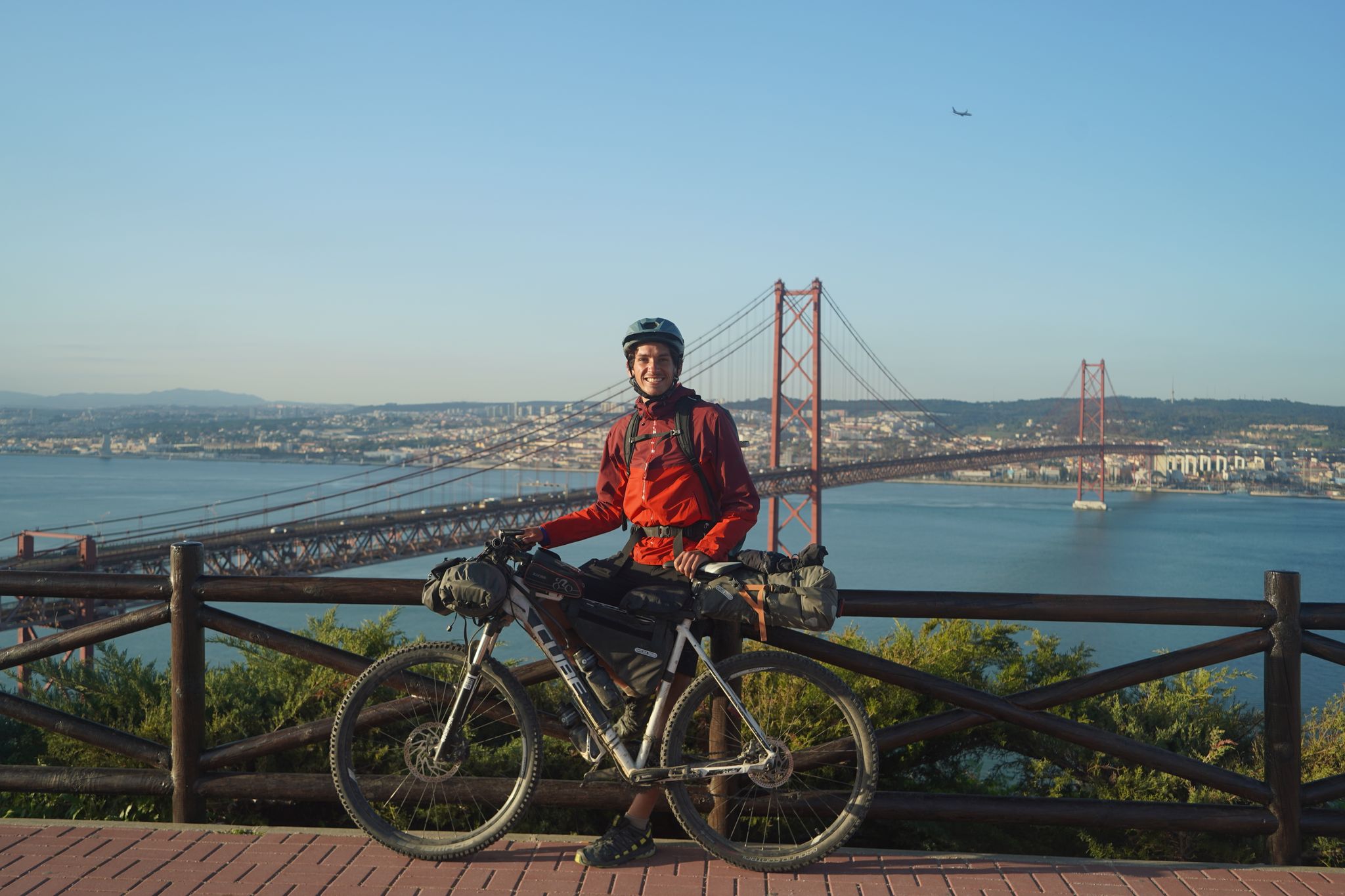
Road to Lisbon – bikepacking the Alps, Pyrenees and Picos de Europa
Road Cycling Routes around Loulé (São Clemente)
Hiking around Loulé (São Clemente)
Cycling around Loulé (São Clemente)
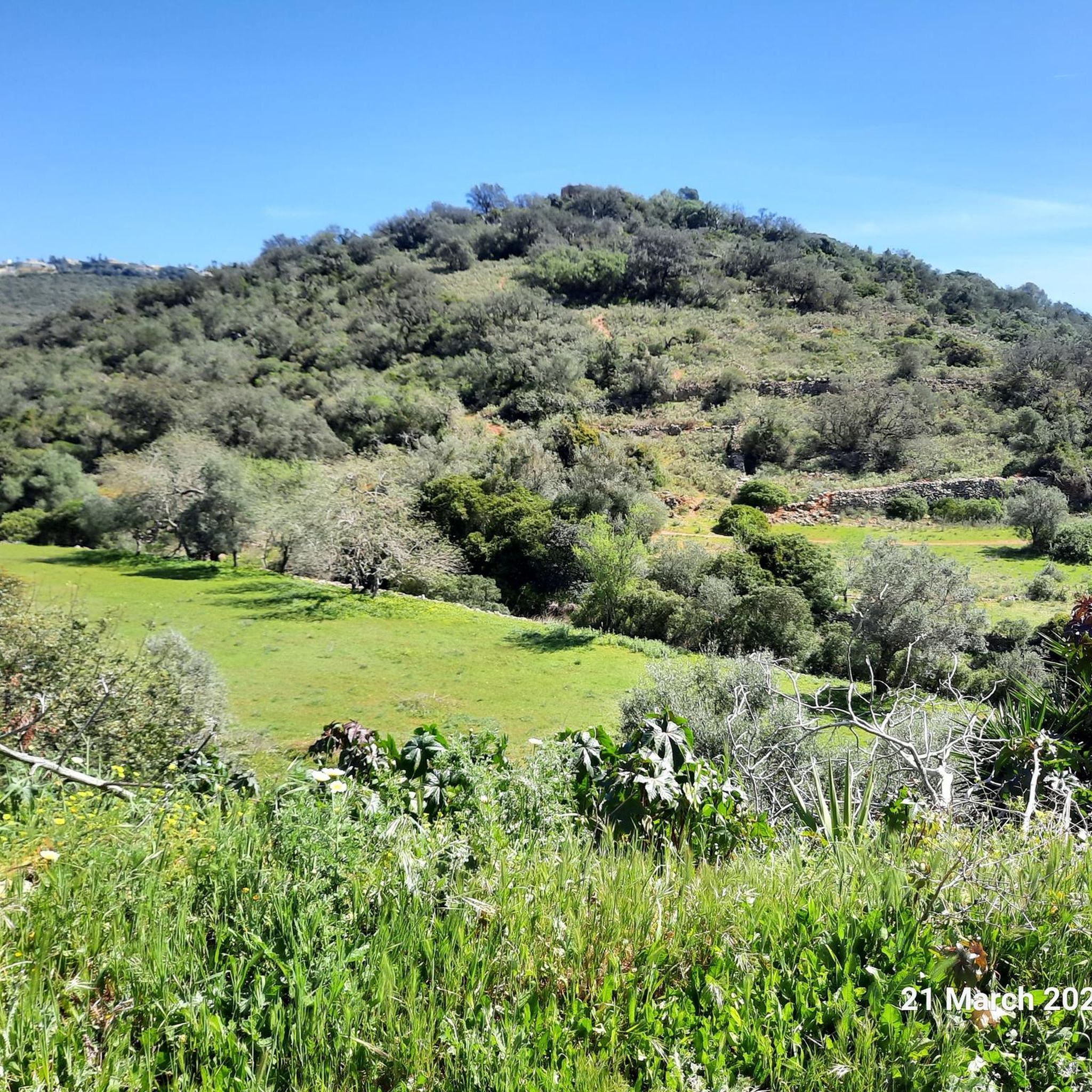
MTB Trails around Loulé (São Clemente)
Gravel biking around Loulé (São Clemente)
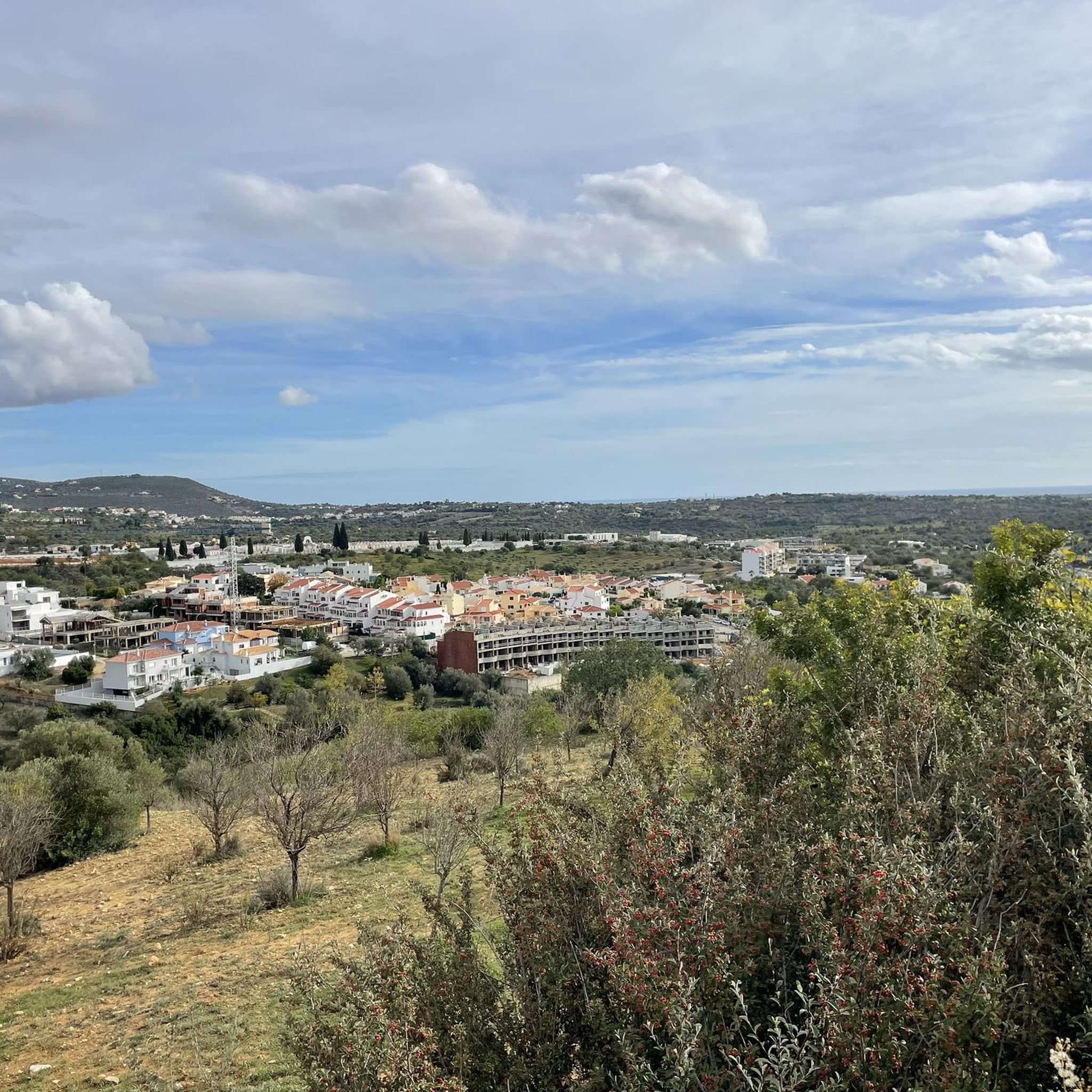
Running Trails around Loulé (São Clemente)
Other adventures around Loulé (São Clemente)

Tips from the Community

For a quiet walk and observing the various birds, spectacular. 👍
0
0

Its diverse ecosystems attract a wide variety of animals, including numerous bird species such as the purple crake, the park's symbol. If you want to admire this bird with its magnificent plumage and learn all about the protected area, start your visit with a visit to the Marim Environmental Education Centre. There you will receive information on the best hiking trails and the shelters where you can hide to observe the different species in their natural environment. The park also organises trips on an old boat originally used to catch tuna. One of the friendliest and most trusting animals you will come across here is the Portuguese Water Dog. This is a long-haired breed of dog that used to help fishermen with their work, diving to the nets and bringing in the fish that got caught in them. In addition to fishing, salt production and the gathering of mollusks and shellfish are traditional activities of the inhabitants of the estuary, who have never lacked ingenuity and craftsmanship. This is how the recipes for delicious gastronomic specialties such as fish soup and rice with razor clams were created, which you can try in the restaurants by the sea. visitportugal.com/de/content/parque-natural-da-ria-formosa
3
0

The Ria Formosa, an internationally important wetland, is a labyrinth of channels, islands, marshes and sandbanks that stretches for 60 km, more precisely between the beaches of Garrão and Manta Rota, on the Algarve coast. Source: https://www.visitportugal.com/de/content/parque-natural-da-ria-formosa
4
0

Great vantage point for bird watching.
2
0

Great path, much of it on wooden footbridges that are in very good shape. Storks, flamingos and other bird species can be observed here
4
0

Very calm National Park near the Faro airport. You can watch wild flamingos there and salt extraction pits. On the other side is the beach and I can only recommend a round tour.
4
0

Great overlook tower for the coastal migratory and local bird life
1
0

Bring some time and enjoy this moment of silence (silêncio)... 😀
0
0
Frequently Asked Questions
What are the most popular natural water features around Loulé (São Clemente)?
The region is known for its natural springs, streams, and extensive wetland estuaries rather than large lakes. Among the most popular are Ria Formosa Natural Park, a labyrinth of channels and marshes, and the Ancão Estuary, which is excellent for birdwatching. The Fonte da Benémola Protected Local Landscape, with its perennial springs and the Menalva Stream, is also highly regarded for its natural beauty.
What kind of wildlife can I expect to see near the water bodies in Loulé (São Clemente)?
The diverse ecosystems support a wide array of flora and fauna. In areas like Ria Formosa Natural Park and the Ancão Estuary, you can observe numerous bird species, including wild flamingos, storks, and purple crakes. The Fonte da Benémola is home to otters, fish, turtles, salamanders, newts, kingfishers, grey herons, and hoopoes.
Are there family-friendly natural areas to visit near Loulé (São Clemente)?
Yes, several natural water features are suitable for families. Ria Formosa Natural Park and the Ancão Estuary are both considered family-friendly, offering opportunities for easy walks and wildlife observation. The Fonte da Benémola Protected Local Landscape also provides peaceful nature walks with natural shade, ideal for families.
What outdoor activities can I do near these natural water features?
The areas around Loulé (São Clemente)'s natural water features are excellent for various outdoor activities. You can enjoy nature walks, hiking, and birdwatching. For more structured activities, there are numerous routes available. For instance, you can explore hiking trails, MTB trails, and running trails in the wider region.
Where can I observe birds near Loulé (São Clemente)?
Loulé (São Clemente) is a prime location for birdwatching. The Ancão Estuary, Natural Park, offers excellent opportunities, often with wooden footbridges for easy access. Another great spot is the Birdwatching Observatory at Lagoa dos Salgados, a man-made structure providing a quiet viewing point. You can also spot flamingos in Ria Formosa Natural Park.
Are there historical sites or cultural aspects related to these water sources?
Yes, the region's water sources have historical significance. The Fonte da Benémola Protected Local Landscape features old watermills, irrigation channels, weirs, and norias, showcasing ancient water use. Fonte do Cadoiço, a natural spring in Loulé, holds historical importance as a vital water source for the local community for centuries and is intertwined with regional folklore.
What makes the natural water features in Loulé (São Clemente) unique?
The uniqueness lies in their character as natural springs, streams, and protected wetlands rather than conventional lakes. Areas like the Fonte da Benémola are renowned for their exceptional biodiversity and perennial water supply, supporting rare plant species and wildlife. The Ria Formosa Natural Park is a unique coastal lagoon system with a labyrinth of channels and islands, making it an internationally important wetland.
What do visitors enjoy most about the natural water features in Loulé (São Clemente)?
Visitors frequently highlight the tranquility and natural beauty. Many appreciate the opportunity to observe diverse bird species, including wild flamingos, in their natural habitat. The peaceful settings, such as the Fonte da Benémola, are valued for relaxing walks and escaping the bustle. The well-maintained paths, often on wooden footbridges, also contribute to an enjoyable experience.
What is the best time to visit the natural water areas around Loulé (São Clemente)?
The natural water features, particularly those with perennial springs like Fonte da Benémola, offer year-round beauty. For birdwatching, early mornings or late afternoons are often best, especially at spots like the Ancão Estuary. Spring and autumn generally offer pleasant temperatures for hiking and exploring, while the natural shade in areas like Fonte da Benémola provides a refreshing escape during warmer months.
Are the natural water features around Loulé (São Clemente) accessible for all visitors?
Accessibility varies by location. Many areas, such as the Ancão Estuary, feature paths with wooden footbridges, which can improve accessibility. Fonte do Cadoiço is easily accessible within the town of Loulé. However, some natural trails might have uneven terrain. It's advisable to check specific trail conditions if accessibility is a concern.
Are there specific hiking trails near these natural water areas?
Yes, there are several trails. The Fonte da Benémola Protected Local Landscape offers signposted trails, including a 4.5 km circular route, perfect for exploring its rich ecosystem. For a broader range of options, you can find various hiking routes around Loulé (São Clemente), some of which pass near these natural water features.
Can I find information about other natural springs in the Algarve region?
Yes, the Algarve region is known for its natural springs. For more information on these unique water sources, you can visit the official tourism website for the region: visitalgarve.pt.
Most popular routes around Loulé (São Clemente)
Most popular attractions around Loulé (São Clemente)

Get inspired with the komoot mobile app


Explore more
Still not found your perfect lake around Loulé (São Clemente)? Check out the guides of these regions to see even more beautiful places.
