Top 7 Castles around Vila Viçosa (São Bartolomeu)
Best castles around Vila Viçosa (São Bartolomeu) offer a journey through Portuguese history in the heart of the Alentejo region. This area is known for its historical significance, particularly its connections to the House of Braganza and its rich architectural heritage. The landscape features notable fortified residences and monumental palaces, often constructed with local marble. Visitors can explore medieval fortresses and grand royal estates that reflect centuries of cultural evolution.
Best castles around Vila Viçosa (São Bartolomeu)
- The most popular…
Last updated: October 20, 2026
Alandroal town centre
Highlight • Settlement
Translated by Google •
Tip by

Vila Viçosa Castle
Highlight (Segment) • Castle
Translated by Google •
Tip by

Sign up now to discover places like this
Get recommendations on the best single tracks, peaks, & plenty of other exciting outdoor places.
Porta de Olivença (West Gate)
Highlight • Historical Site
Translated by Google •
Tip by
Archaeological Museum in the Castle
Highlight • Castle
Translated by Google •
Tip by
View from Castelo de Vila Viçosa
Highlight • Viewpoint
Translated by Google •
Tip by
Sign up for free to discover even more castles around Vila Viçosa (São Bartolomeu).
Already have an account?
Start today with a free account
Your next adventure awaits.

Tips from the Community

The castle stands on a small hill. From there, you have an excellent view of the village, the Praça da República, and the Paço Ducal de Vila Viçosa.
1
0
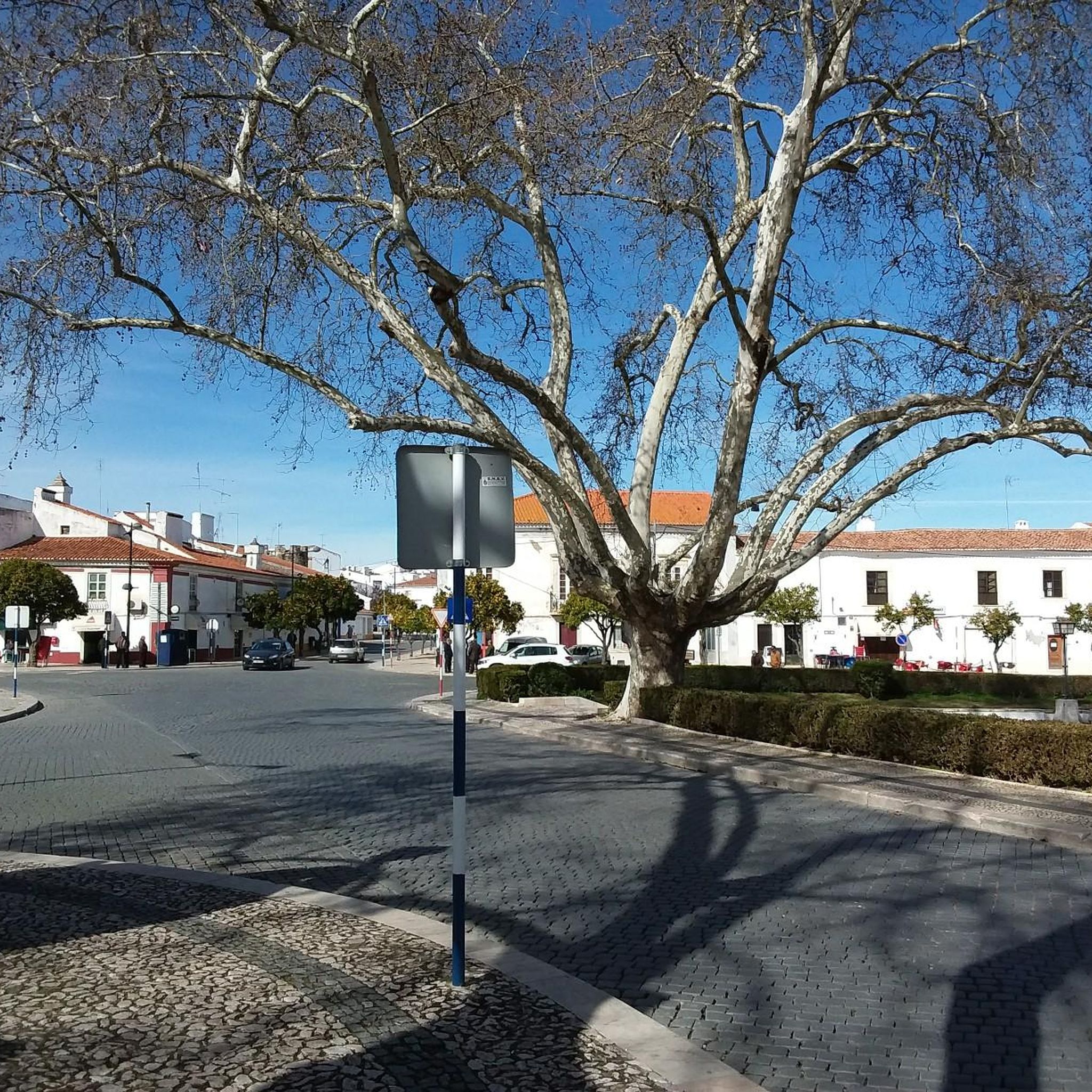
Vila Viçosa is known as the "Marble City" and often referred to as the "Royal City." It is located in the heart of the Alentejo region. This charming town is known for its magnificent palaces, marble production, and rich history. Vila Viçosa is a place to relax and discover the region's cultural treasures. A real highlight of Vila Viçosa is the Paço Ducal, the Ducal Palace. This magnificent 16th-century palace was once the residence of the Dukes of Bragança and is a true highlight of Portuguese Renaissance architecture. The palace is surrounded by extensive gardens and houses an impressive collection of works of art, furniture, and historical artifacts. Visitors can explore the palace's magnificent interiors and opulent furnishings, giving them a glimpse into the lives of Portuguese noble families. The Igreja de Nossa Senhora da Conceição is one of the city's most important churches and a truly impressive building. Also known as the "Marble Sanctuary," the church was built from Vila Viçosa's famous marble. It is particularly noted for its elaborate altarpieces and richly decorated interiors. The church is an important place of pilgrimage and a place for reflection and prayer. Vila Viçosa also has a Carriage Museum, the Museu Nacional dos Coches. The museum houses one of the most important collections of historic carriages and coaches in Portugal. The exhibition features magnificent state carriages, hunting carriages, and ceremonial coaches. This provides a wonderful insight into the history and culture of royal journeys and processions. The old town of Vila Viçosa is characterized by narrow, cobblestone streets and white houses with flower-decorated balconies.
2
0

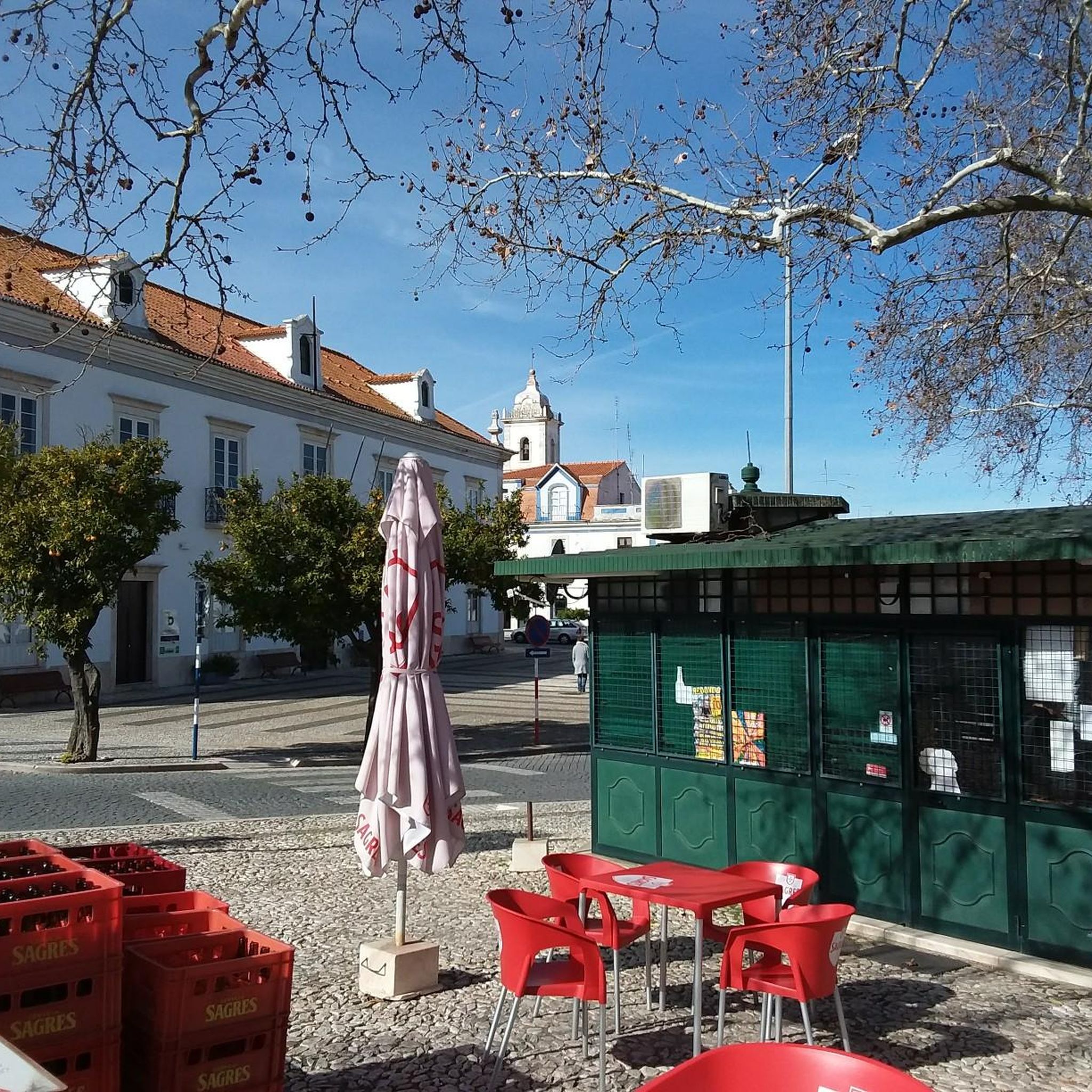
The municipality is known for its significant historical and cultural heritage, which includes the Alandroal Castle (its most emblematic monument), historic churches and Roman remains. Alandroal is also part of the Alentejo of wine, with quality wine production. You can stop for a break and enjoy its tranquility and the authenticity of its traditions.
1
0
The Archaeological Museum in the Castelo presents artifacts dating from 3000 AD to the 18th century. The first floor features hunting trophies and weapons belonging to the Bragança family. The second floor leads to the wall, offering views of the city. Photography is prohibited in the museum.
4
0
Among the original entrances to the fortress, the western gate, known as the Porta de Olivenza, stands out. This monumental, west-facing gate was one of the main entrances to the walled village. Its strategic location was crucial for communication and defense. The Olivenza Gate is a testament to the splendor of the military engineering of the time, robust and difficult to cross, with defensive elements that ensured the security of the entrances and exits, as well as the fortress itself.
5
0
Frequently Asked Questions
What are the main historical castles to visit in Vila Viçosa (São Bartolomeu)?
The region is home to two prominent historical structures: the Vila Viçosa Castle and the Ducal Palace of Vila Viçosa. The Castle of Vila Viçosa is a medieval fortress with origins dating back to the 13th century, featuring well-preserved architecture and significant historical importance. The Ducal Palace, on the other hand, is a monumental royal palace known for its stunning marble facade and opulent interiors, serving as the permanent residence of the Dukes of Braganza for centuries.
Are there museums within the castles of Vila Viçosa?
Yes, the Vila Viçosa Castle houses two distinct museums: the Hunting Museum, displaying a private collection of European and Asian species and African hunting trophies, and the Archaeology Museum, which presents a diverse collection of pieces from the Paleolithic to the Roman era, including Egyptian treasures. You can find the Archaeological Museum in the Castle specifically mentioned as a highlight.
What architectural styles can I expect to see in the castles of Vila Viçosa?
The Vila Viçosa Castle primarily showcases medieval architecture, with its original 13th-14th century fortifications, square plan, and cylindrical towers. It also features 17th-century reinforcements adapted for modern artillery. The Ducal Palace of Vila Viçosa, in contrast, boasts a striking Mannerist style facade, primarily covered in local pink marble, with classical inspiration evident in its three floors corresponding to Doric, Ionic, and Corinthian orders.
What is the significance of the Ducal Palace of Vila Viçosa?
The Ducal Palace of Vila Viçosa was the permanent residence of the Dukes of Braganza for centuries and became a royal palace after the Braganzas ascended to the Portuguese throne in 1640. It is deeply connected to this dynasty, reflecting their power and refinement. The palace's grand architecture, extensive collections of art, furniture, tapestries, and historical artifacts offer a unique glimpse into Portuguese royal history and the lives of a powerful European dynasty.
Are there any other notable historical sites or castles nearby?
Beyond the main structures in Vila Viçosa, the region offers other historical points of interest. For instance, the Alandroal town centre is known for its significant historical and cultural heritage, including the Alandroal Castle, historic churches, and Roman remains. The Porta de Olivença (West Gate) is also a notable original entrance to the Vila Viçosa fortress, showcasing military engineering of its time.
What kind of collections can be found inside the Ducal Palace of Vila Viçosa?
The Ducal Palace of Vila Viçosa is a treasure trove of art and history. Its over 50 rooms open to the public house extensive collections of paintings, sculptures, furniture, Portuguese and Spanish tapestries (16th to 18th centuries), European and Oriental porcelain, and a collection of weapons. A notable collection of 40 cars and carriages is also on display, offering a comprehensive view of royal life and possessions.
What outdoor activities or routes can I find near the castles in Vila Viçosa (São Bartolomeu)?
The area around Vila Viçosa (São Bartolomeu) offers various outdoor activities. For cycling enthusiasts, there are routes like the 'Town of Borba – Estremoz Marble Quarries loop from Vila Viçosa' or the 'Estremoz Castle – Statue of Queen Saint Isabel loop from Vila Viçosa'. Runners can enjoy trails such as the 'Running loop from Vila Viçosa' or the 'Paço Ducal de Vila Viçosa loop from Vila Viçosa'. You can explore more options in the Cycling around Vila Viçosa (São Bartolomeu), Running Trails around Vila Viçosa (São Bartolomeu), and Road Cycling Routes around Vila Viçosa (São Bartolomeu) guides.
Is Vila Viçosa (São Bartolomeu) known for any specific natural resources or products?
Yes, Vila Viçosa is famously known as the 'Marble City' due to its significant production of local pink marble from Estremoz, which is prominently featured in the architecture of the Ducal Palace. The region, including the Alandroal town centre, is also part of the Alentejo wine region, known for its quality wine production.
What is the best time of year to visit the castles in Vila Viçosa?
While specific 'best season' data isn't provided, the Alentejo region generally experiences hot, dry summers and mild winters. Spring (April-May) and Autumn (September-October) are often recommended for outdoor activities and sightseeing due to more moderate temperatures, making it comfortable for exploring the castle grounds and town.
Are the castles in Vila Viçosa family-friendly?
Yes, several highlights related to the castles are categorized as family-friendly. Both the Vila Viçosa Castle and the Alandroal town centre, which includes Alandroal Castle, are noted as suitable for families. The museums within Vila Viçosa Castle, such as the Archaeology Museum with its diverse artifacts and the Hunting Museum, can also be engaging for various age groups.
What can I expect to see at the Sanctuary of Our Lady of the Conception within Vila Viçosa Castle?
Inside the walls of the Vila Viçosa Castle, you'll find the Sanctuary of Our Lady of the Conception. This sanctuary houses the original imagery of the patron saint of Portugal, proclaimed in 1646. Since 1820, the image has been adorned in rich garments belonging to queens and dames of the Royal House, making it a site of significant religious and historical importance.
Most popular routes around Vila Viçosa (São Bartolomeu)
Most popular attractions around Vila Viçosa (São Bartolomeu)

Get inspired with the komoot mobile app


Explore more
Looking for the best castles somewhere else? Discover other guides around Vila Viçosa (São Bartolomeu):
