Top 6 Castles around Fareja
Best castles around Fareja are found in a region rich in history, particularly near Guimarães, a city often referred to as the "Cradle of the Nation" in northern Portugal. This area is characterized by its significant historical sites and offers a glimpse into the country's origins. Visitors can explore medieval fortresses and ducal residences that played pivotal roles in the formation of Portugal. The landscape combines historical architecture with the natural beauty of the surrounding region.
Best castles around Fareja
…Last updated: May 5, 2026
Palace of the Dukes of Braganza
Highlight • Castle
Tip by

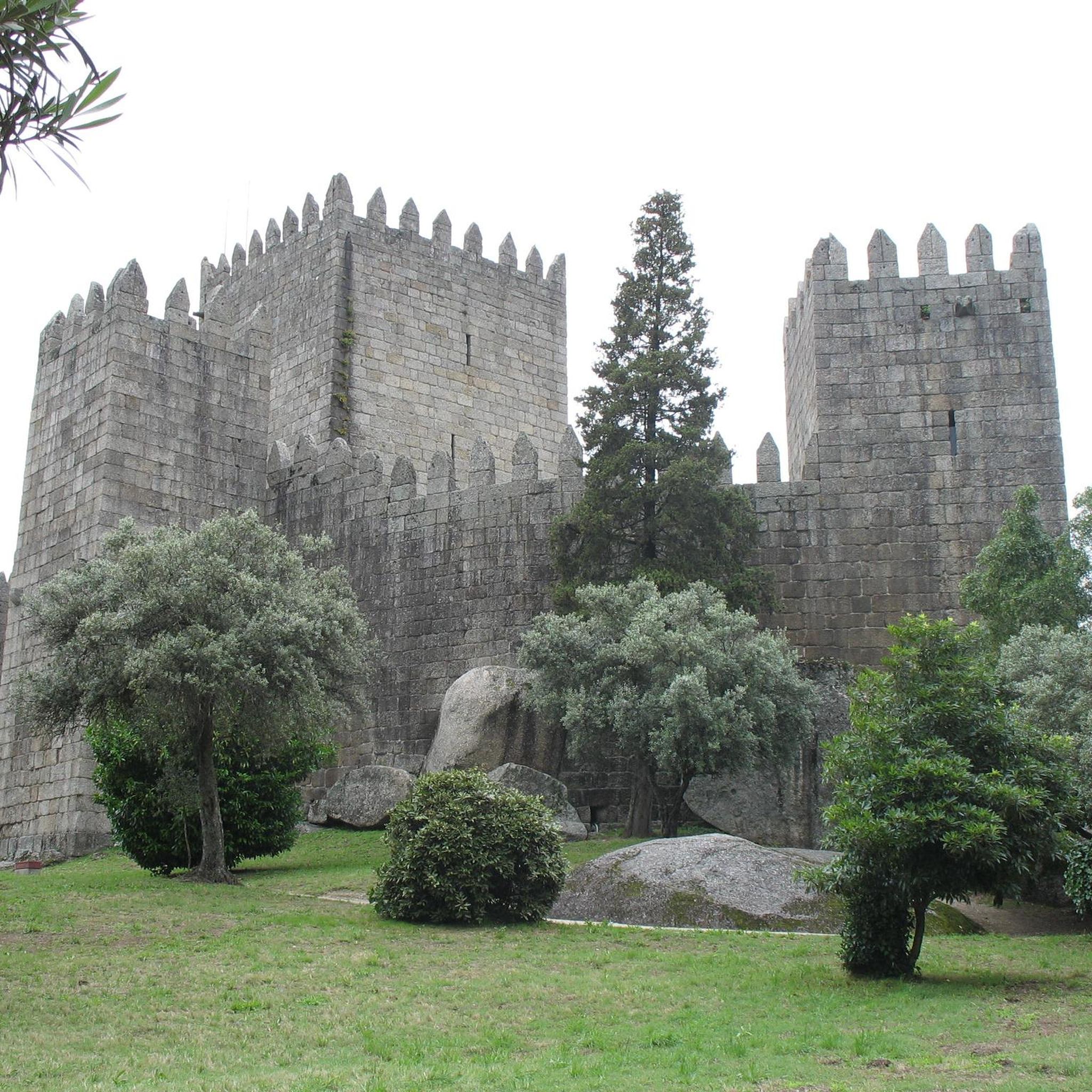
Guimarães Castle Park
Highlight • Castle
Translated by Google •
Tip by

Sign up now to discover places like this
Get recommendations on the best single tracks, peaks, & plenty of other exciting outdoor places.
Sign up for free
Church of São Miguel do Castelo
Highlight • Religious Site
Translated by Google •
Tip by

Vizela Castle
Highlight • Castle
Tip by

Portugal Was Born Here (Guimarães City Walls)
Highlight • Historical Site
Translated by Google •
Tip by
Sign up for free to discover even more castles around Fareja.
Sign up for free
Already have an account?
Start today with a free account
Your next adventure awaits.
Login or Signup



Tips from the Community

A site well worth seeing. It looks more impressive from a distance than up close.
1
0

A detailed plan of the complex with explanations can be found here: https://campanha.cmjornal.pt/portugal-monumental/
1
0
"Aquí nasceu Portugal" - "Here Portugal was born" - is emblazoned in large letters on the old city wall. Afonso Henriques is said to have come from this small town. He courageously broke away from Spain in 1139, proclaiming himself the first king of Portugal and making Guimarães its first capital.
2
0
The Church of São Miguel do Castelo, also known as the Chapel of S'o Miguel Castle, was built in 1239 by the Foundation of Our Lady of the Olive Tree. Legend has it that the first king of Portugal, D. Afonso Henriques, was baptized here. Over the centuries, it gradually fell into ruin, reaching a state of disrepair in the mid-19th century when the Martins Sarmento Society decided to restore it. https://pt.wikipedia.org/wiki/Igreja_de_S%C3%A3o_Miguel_do_Castelo
2
0

The Palace of the Dukes of Braganza was commissioned by Dom Afonso around 1420—the year of his second marriage to Constança de Noronha. Dom Afonso was the illegitimate son of King João I and acquired the titles of 8th Count of Barcelos, 2nd Count of Neiva, and 1st Duke of Braganza! It is considered a unique architectural example on the Iberian Peninsula!
2
0
Guimarães Castle is the most visited medieval castle in Portugal and one of the most beautiful and important castles in the country. It has been recognized as a National Monument since 1881, a UNESCO World Heritage Site since 2001, and one of the 7 Wonders of Portugal since 2007!
1
0

Very beautiful and pleasant historic center/medieval village and very well-preserved castle. Medieval atmosphere/festivities a few days before the June 24th celebration (date of the founding of Portugal)
2
1
This large park (about 10 hectares) was created in the 1950s. It consists of extensive lawns and trees such as plane trees, cypresses and chestnut trees.
1
0
Frequently Asked Questions
What are the main historical castles to visit near Fareja?
The primary historical sites near Fareja are located in Guimarães. These include the Guimarães Castle Park, a 10th-century fortress crucial to Portugal's formation, and the Palace of the Dukes of Braganza, a 15th-century ducal residence showcasing aristocratic life.
What is the historical significance of Guimarães Castle?
Guimarães Castle is a principal medieval castle dating back to the 10th century. It is deeply emblematic of Portuguese identity, famously associated with the birth of Afonso Henriques, who became the first King of Portugal. The castle played a pivotal role in the country's formation, serving as a defense against Moors and Norsemen.
What can I expect to see at the Palace of the Dukes of Braganza?
The Palace of the Dukes of Braganza offers a glimpse into 15th-century Portuguese aristocratic life. Its architecture is influenced by Northern European styles, featuring distinctive large brick chimneys. Inside, you'll find rooms decorated in a medieval style, with collections of tapestries, furniture, ceramics, paintings, and weaponry.
Are there family-friendly castles around Fareja?
Yes, both the Palace of the Dukes of Braganza and Guimarães Castle Park are listed as family-friendly attractions, offering engaging historical experiences for all ages.
Are there any religious historical sites near the castles?
Yes, the Church of São Miguel do Castelo is located just outside Guimarães Castle. This small church is historically significant, as it is believed to house the baptismal font where the first king of Portugal, Afonso Henriques, was baptized.
What outdoor activities can I do near these castles?
The area around Fareja and Guimarães offers various outdoor activities. You can explore numerous cycling routes, including road cycling, touring, and mountain biking. For example, there are challenging MTB trails like the Penha Natural Sanctuary loop or scenic road cycling routes such as the Guimarães Greenway. You can find more details on these routes in the Road Cycling Routes around Fareja, Cycling around Fareja, and MTB Trails around Fareja guides.
What is the best time of year to visit the castles near Fareja?
While specific seasonal opening hours vary, visiting during spring or autumn generally offers pleasant weather for exploring the castles and their surroundings. The region experiences mild winters, so some attractions may still be accessible, but it's always advisable to check specific opening times.
Is there a castle that is currently undergoing restoration or has a unique story?
Yes, Vizela Castle, an imposing Gothic Revival structure, has a unique history. Originally intended as a town hall, it served various purposes before falling into disrepair and suffering fire damage in 2020. There are plans for its restoration, offering a glimpse into ongoing heritage preservation efforts.
What do visitors enjoy most about the castles around Fareja?
Visitors frequently appreciate the well-preserved condition and historical depth of the castles, especially Guimarães Castle Park. The panoramic views from the castle walls are a highlight, as is the immersive experience of 15th-century aristocratic life offered by the Palace of the Dukes of Braganza. The area's connection to the birth of Portugal is a significant draw.
Are there any specific historical markers or monuments related to Portugal's origins near the castles?
Yes, near Guimarães Castle, you can find the historical marker Portugal Was Born Here (Guimarães City Walls). This site features the inscription 'Aqui nasceu Portugal' ('Here Portugal was born') on the old city walls, commemorating Guimarães's role as the 'cradle of the nation' and the birthplace of Afonso Henriques.
How long should I allocate for visiting the castles near Fareja?
To fully appreciate both Guimarães Castle Park and the Palace of the Dukes of Braganza, it is recommended to allocate at least half a day, or even a full day if you wish to explore the surrounding historical center of Guimarães and nearby sites like the Church of São Miguel do Castelo.
Most popular attractions around Fareja

Get inspired with the komoot mobile app


Explore more
Looking for the best castles somewhere else? Discover other guides around Fareja:
