Top 8 Castles around gmina Lubin
Best castles around gmina Lubin offer a journey through centuries of regional history and architecture. The area, historically significant, features a mix of fortified structures and aristocratic residences. While the original Lubin Castle primarily exists as medieval ruins with a notable Gothic chapel, the surrounding region provides a diverse collection of historical sites. These landmarks showcase the evolution of defensive and residential architecture, providing insights into the past.
Best castles around gmina Lubin
- The most popular castles is Piast Castle…
Last updated: July 2, 2026
Piast Castle (Zamek Piastowski), Legnica
Highlight • Castle
Translated by Google •
Tip by

Prochowice Castle
Highlight • Castle
Translated by Google •
Tip by

Sign up now to discover places like this
Get recommendations on the best single tracks, peaks, & plenty of other exciting outdoor places.
Sign up for free
Chojnów Castle
Highlight • Castle
Translated by Google •
Tip by

Chróstnik Palace
Highlight • Castle
Translated by Google •
Tip by
Schloss Jędrzychów
Highlight • Castle
Translated by Google •
Tip by

Sign up for free to discover even more castles around gmina Lubin.
Sign up for free
Already have an account?
Start today with a free account
Your next adventure awaits.
Login or Signup
Tips from the Community


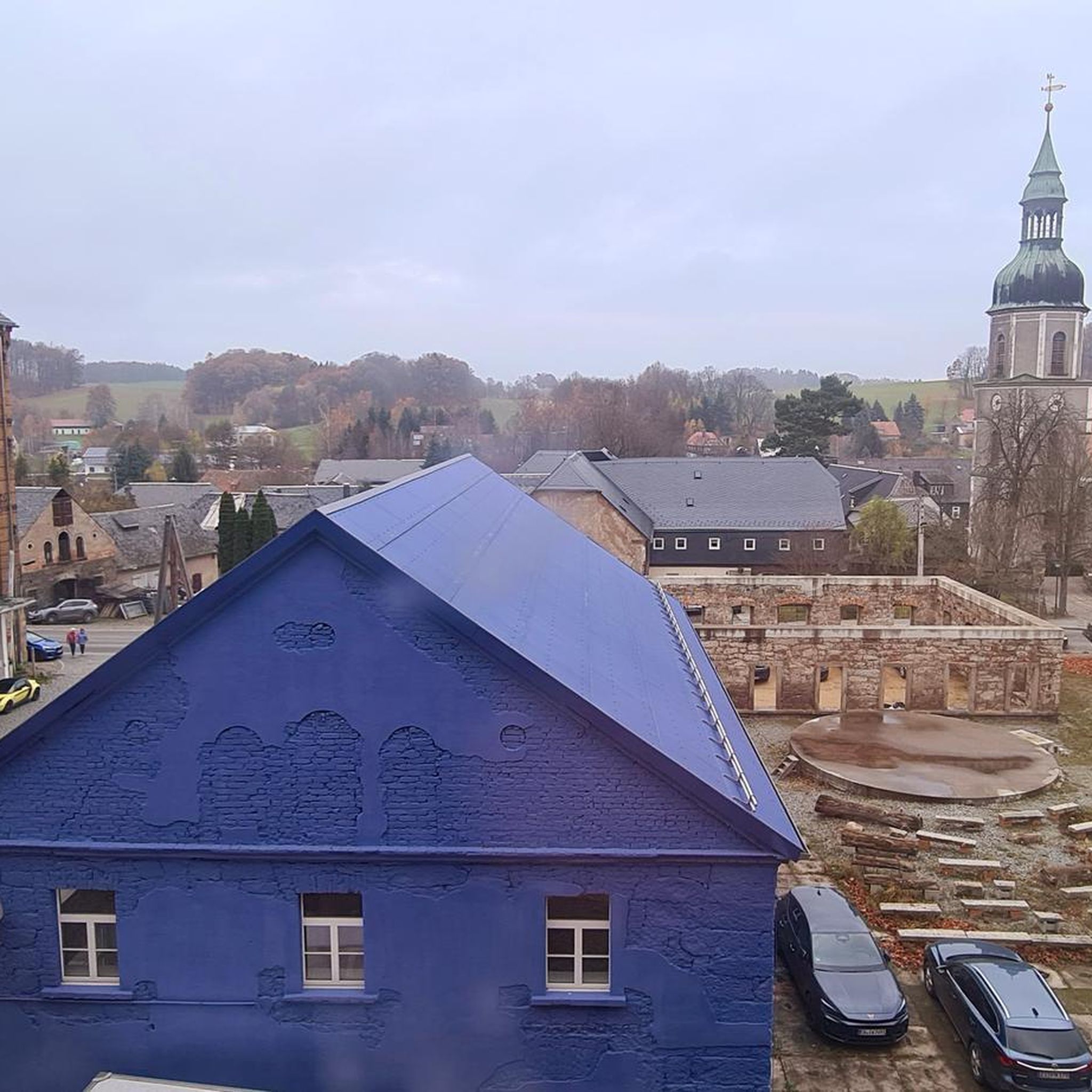
A sprawling castle with a striking, tall tower. The architect responsible for the reconstruction of the former complex and its present form was Count Dietrich von der Recke-Vollmerstein (1903), who also financed a steam locomotive that operated on the Polkowice–Rudna Gwizdanów railway line. The last owner of the castle was Baron von Mueffling, who left with his family shortly before the outbreak of war in January 1945. The castle is surrounded by numerous outbuildings, including a former distillery.
1
0
The castle in Jędrzychów, which at times served as a Protestant church, dates back to a fortress built in 1295 by Henry III, Duke of Głogów. The castle's vaulted chambers and traces of the moat survived into the early 21st century. In 1331, the building passed into the possession of Sigismund Christopher of Rottenberg. In 1361, Henry V decided to sell the castle along with Polkowice and Chobień. After Maciej Corwin captured Głogów in 1488, Jan II Żagański, the last Duke of Głogów-Żagań from the Piast dynasty, found refuge in the castle. The castle was destroyed again in the 17th century during the Thirty Years' War – on September 12, 1642, Austrian troops burned it down, and it was subsequently destroyed by the Swedes. It was not rebuilt. In 1744, the ruins came into the possession of Christian von Busse, who had a Protestant church built there in 1750.
1
0
Jędrzychów Castle – a detached complex dating from the 13th century, situated on a natural rocky hill in Jędrzychów, which at times served as an Evangelical church (1750-1945).
1
0

Ascent to the St. Peter's Tower, Piast Castle in Legnica
0
0

The Piast Castle in Legnica is one of the oldest and most important buildings in Poland, built in the 12th and 13th centuries by Bolesław I the Tall and Henry the Bearded.
0
0

The Piast Castle in Legnica (Zamek Piastowski w Legnicy) is one of the oldest surviving princely castles in Poland and a significant witness to the history of the Silesian Piast dynasty. Here's a comprehensive overview: 🏰 Historical Origin Built: Originally in the 12th century as a fortified castle under Bolesław I the High. Reconstruction into a castle: Transformed into a representative residence of the Piast dynasty in the 13th century under Henry the Bearded and his wife Hedwig of Silesia. Significance: Served for centuries as the seat of the Dukes of Legnica – a center of political power and cultural development. 🛕 Architecture & Features Style: A blend of Romanesque, Gothic, and Renaissance styles, with Baroque additions. Towers: St. Peter's Tower and St. Paul's Tower – named after the patron saints of the neighboring cathedral. Courtyard: With arcades and Renaissance galleries reminiscent of Italian palazzi. Chapel: The palace chapel was founded by Hedwig of Silesia and is a place of religious worship. 📜 Historical Events Battle of Legnica (1241): After the death of Henry II in battle against the Mongols, the palace became a symbol of resistance. Reformation: In the 16th century, the palace became a center of Protestant education and administration. Prussian Period: After the Piast dynasty died out in 1675, the palace became Prussian property and served as an administrative building. 🏛️ Current Use Home to various cultural institutions, including the State Archives, the Copper Museum, and event spaces. Venue for exhibitions, concerts, and historical tours. Parts of the palace are open to the public, others are used for administrative purposes. 📍 Location & Surroundings Centrally located in Legnica's Old Town, close to the Cathedral of St. Peter and Paul, the Neptune Fountain, and the Market Square. Surrounded by historic town houses, the Modrzejewska Theater, and the Old Town Hall.
0
0

The most striking and dominant elements of the castle are its two towers: the Hedwig's Tower to the west and the Peter's Tower to the east (at the Glogau Gate Tower). The Peter's Tower can also be climbed for a beautiful view of the city.
0
0
Frequently Asked Questions
What are the most historically significant castles in the gmina Lubin area?
The region is rich in history. The Piast Castle (Zamek Piastowski), Legnica, stands on the site of an 11th-century wood-earth fortification and was the first brick castle complex in Poland. The original Lubin Castle, though largely ruins today, features a well-preserved Gothic chapel and a carved stone portal, showcasing its medieval significance. Additionally, Prochowice Castle has a history dating back to a stone building from around 1422, later expanded into a palace.
Are there any family-friendly castles to visit around gmina Lubin?
Yes, both the Piast Castle (Zamek Piastowski), Legnica and Chojnów Castle are noted as family-friendly attractions. The Piast Castle offers an observation deck and historical chambers, while Chojnów Castle functions as a museum, providing an engaging experience for all ages.
What outdoor activities can I do near the castles in gmina Lubin?
The area around gmina Lubin offers various outdoor activities. You can find easy hikes, running trails, and gravel biking routes. For example, there are easy loops like the 'Photo Spot Benches in Lubin – Treehouse Adventure Park loop' or 'Forest Lake loop from Krzeczyn Wielki'. For more options, explore the Easy hikes around gmina Lubin, Running Trails around gmina Lubin, and Gravel biking around gmina Lubin guides.
Can I visit the Lubin Castle ruins, and what can I expect to see?
Yes, the Lubin Castle is accessible via Zamkowa Street, southeast of the Market Square. While largely ruins, its main surviving structure is a well-preserved Gothic chapel. Inside, you can admire a carved stone portal featuring 14th-century dukes and saints, offering a tangible connection to the region's medieval past.
Are there other historical palaces in gmina Lubin besides the main castles?
Yes, gmina Lubin is home to several historical palaces that offer insights into aristocratic life and various architectural styles. These include palaces in Raszowa Duża, Krzeczyn Mały, Pieszków, Szklary Górne, Osiek, Liściec, Księginice, and Krzeczyn Wielki. The Chróstnik Palace, for instance, was founded in 1262 and has a rich history tied to the Hussite wars.
What is the best time of year to visit the castles and palaces in gmina Lubin?
While specific opening hours vary, visiting during spring or autumn generally offers pleasant weather for exploring the outdoor ruins and castle grounds. These seasons avoid the peak heat of summer and the colder temperatures of winter, making walks and outdoor activities more enjoyable.
Is public transport available to reach the castles in gmina Lubin?
Information on specific public transport routes to each castle or palace can vary. For sites like Lubin Castle, which is located within the town, local transport or walking from the town center is feasible. For other, more rural palaces, checking local bus schedules or considering private transport is advisable.
Are there any dog-friendly attractions among the castles and palaces?
While specific dog policies for each site can vary, many outdoor castle grounds and ruins, like those at Lubin Castle, are often accessible for leashed dogs. For indoor museum sections or specific palace interiors, it's best to check directly with the site beforehand. Many of the nearby hiking and walking trails are suitable for dogs.
What kind of historical architecture can I expect to see in the gmina Lubin region?
The region showcases a diverse range of architectural styles. You'll find medieval fortifications and Gothic elements, particularly at Lubin Castle, alongside Renaissance transformations as seen at Chojnów Castle. Many palaces, such as the one in Raszowa Duża, exhibit Baroque styles, reflecting centuries of architectural evolution.
How long should I plan for a visit to the castles and palaces in gmina Lubin?
The duration of your visit depends on the number of sites you wish to see. For a single site like Lubin Castle or Piast Castle (Zamek Piastowski), Legnica, allow 1-3 hours to explore thoroughly, especially if guided tours are available. If you plan to visit multiple palaces and combine it with outdoor activities, a full day or even a weekend would be more appropriate.
Where can I find accommodation or dining options near the castles?
Lubin, as the main town, offers various accommodation and dining options. For specific palaces located in smaller villages, amenities might be more limited. It's recommended to check for local guesthouses, restaurants, or cafes in the nearest larger settlements when planning your visit to a particular palace or castle.
What makes the <a href="https://www.komoot.com/highlight/638032" target="_blank" rel="noopener">Piast Castle (Zamek Piastowski), Legnica</a> a must-see?
The Piast Castle (Zamek Piastowski), Legnica is significant as the site of Poland's first brick castle complex. Visitors can explore the tower of St. Peter with an observation deck, the tower of St. Jadwiga which houses the 'Green Chamber' with 16th-century fresco remains, and the ruins of a Romanesque chapel. Guided visits are available by prior appointment.
Most popular routes around gmina Lubin
Most popular attractions around gmina Lubin

Get inspired with the komoot mobile app


Explore more
Looking for the best castles somewhere else? Discover other guides around gmina Lubin:
