Top 4 Castles around Polanica-Zdrój
Best castles around Polanica-Zdrój offer a blend of historical charm and architectural diversity within the Kłodzko Valley. This spa town serves as a base for exploring nearby fortifications and palaces. The region features structures ranging from 19th-century Neo-Gothic castles to Baroque palaces with medieval origins. These sites provide insights into the area's past and often include scenic surroundings.
Best castles around Polanica-Zdrój
- The most popular castles is Leśna Skała Castle, a castle that is a 19th-century Neo-Gothic structure built…
Last updated: July 2, 2026
Gorzanów Palace
Highlight • Castle
Tip by

Ratno Dolne Castle
Highlight • Castle
Translated by Google •
Tip by

Sign up now to discover places like this
Get recommendations on the best single tracks, peaks, & plenty of other exciting outdoor places.
Sign up for free
Leśna Skała Castle
Highlight • Castle
Translated by Google •
Tip by

Homole Castle
Highlight • Castle
Translated by Google •
Tip by

Leśna Castle on Szczytnik
Highlight • Castle
Translated by Google •
Tip by

Sign up for free to discover even more castles around Polanica-Zdrój.
Sign up for free
Already have an account?
Start today with a free account
Your next adventure awaits.
Login or Signup
Popular around Polanica-Zdrój
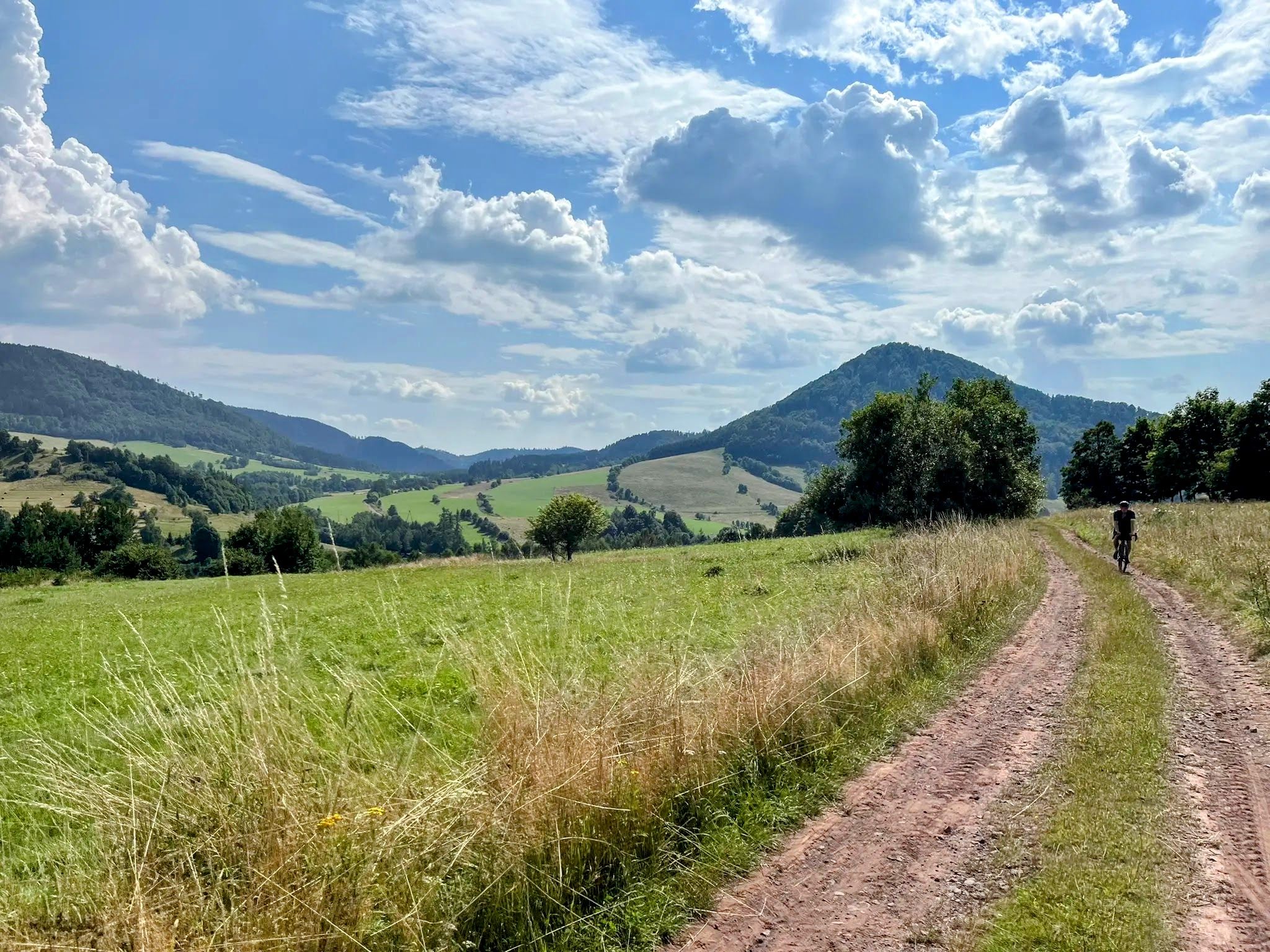
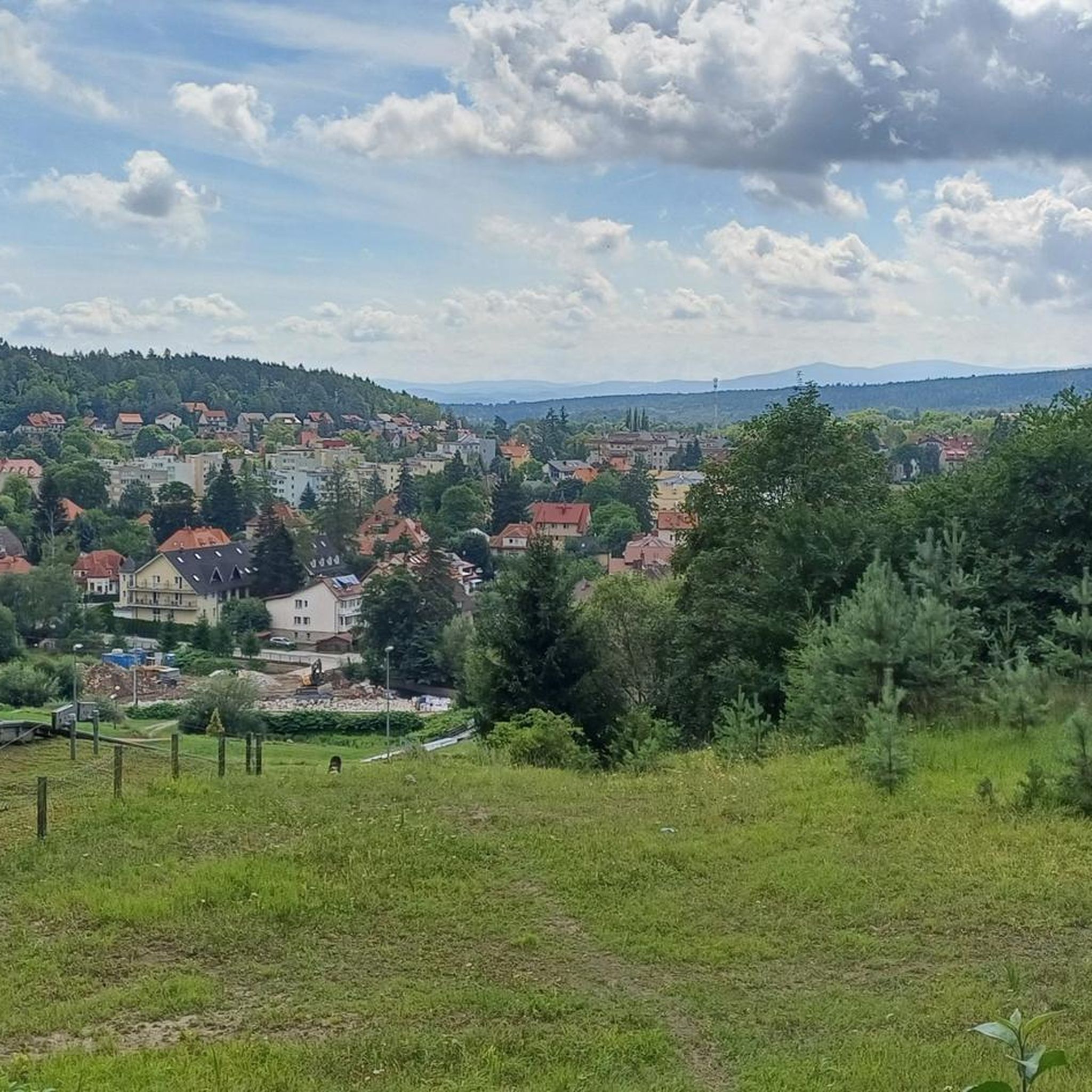
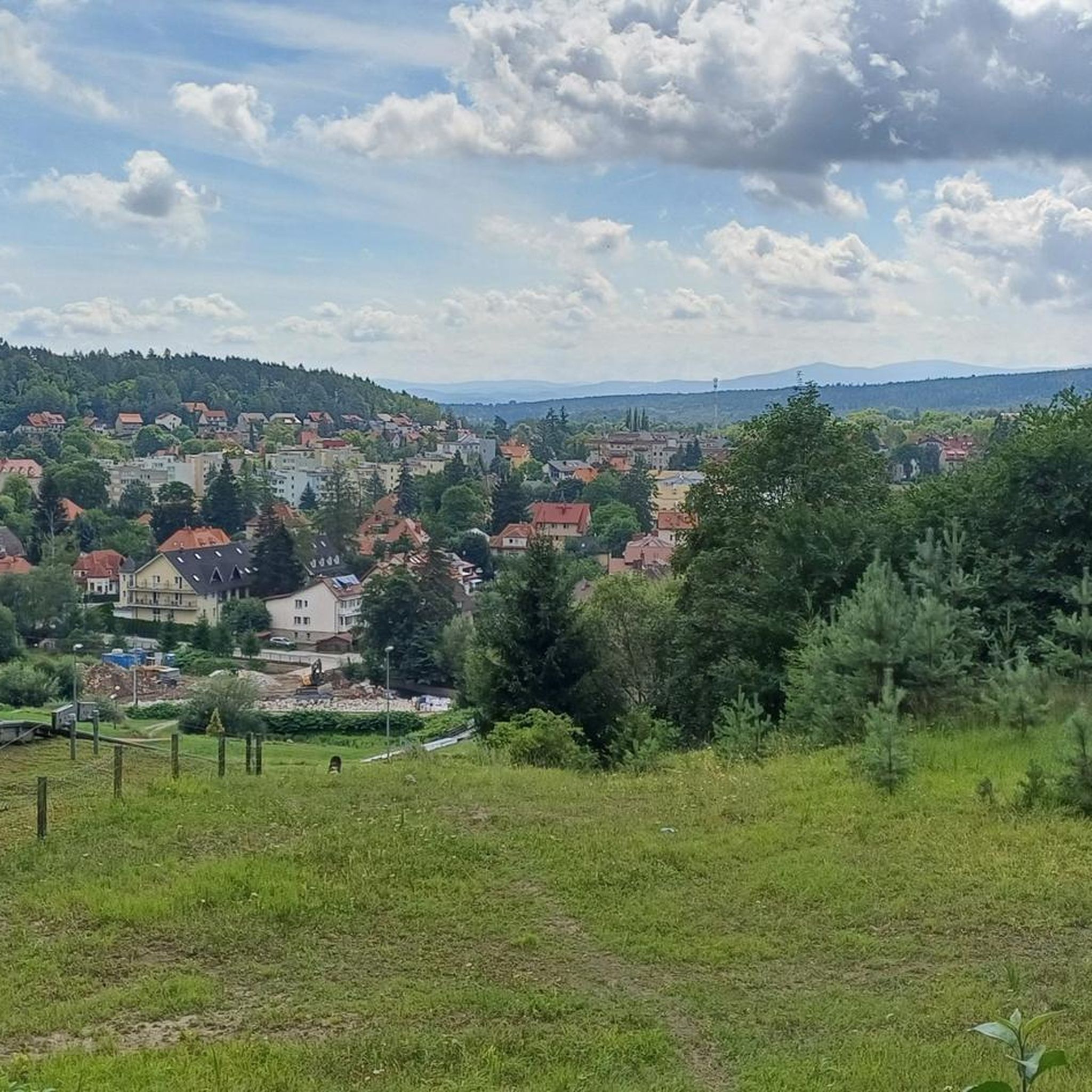
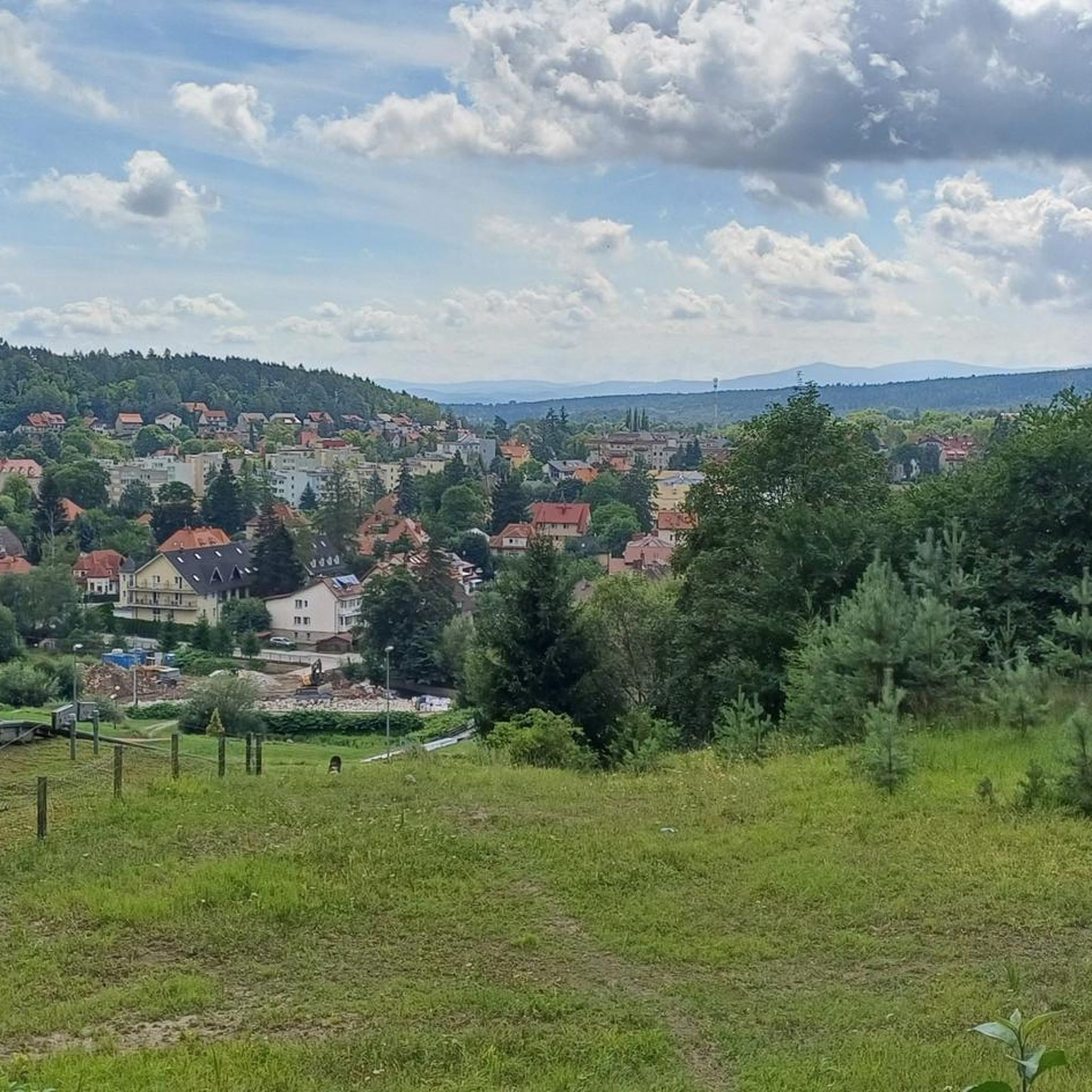


Other adventures around Polanica-Zdrój

Tips from the Community

On Gomola Hill lie the ruins of this 13th-century medieval castle, believed to be a bandit stronghold. A beautiful, well-maintained hiking trail leads here. The site is interesting and the ruins are unusual, so it's worth a visit.
1
0

Perfect family walk beautiful route perfect for children
1
1

Guided tours every two hours, details on the castle website.
2
0

The Hummel Lordship (Czech: Panství Homole, also Homolsko) is a historical region in the western part of the Kłodzko Region, or from 1459, the County of Kłodzko. At the end of the 16th century, the Hummel Lordship was dissolved. https://dewiki.de/Lexikon/Herrschaft_Hummel
0
0

Pierwszy zamek zbudowany w średniowieczu powstał na północ od istniejącej obecnie budowli i zniszczono w czasie wojen husyckich, a ostatecznie rozebrano w 1804 roku[1]. Nowy pałac na obecnym miejscu zaczęto wznosić około 1573 roku, a rozbudowano go do obecnych rozmiarów i nadano charakter barokowy w latach 1653–1657 pod kierunkiem Wawrzyńca Nicelo, a później Andrei Carove. W tym czasie zaczęto rozbudowywać część gospodarczą. Ponowna przebudowa nastąpiła w 1735, według daty na wieży zamkowej. W latach 1900–1906 podczas prac renowacyjnych unowocześniono system wodno-kanalizacyjny w pałacu. Wzbogacono dekorację elewacji pałacu. Do dzisiaj zachowało się wykonane wówczas sgraffito. Wykonano w tynku dekorację szczytów południowego i północnego, a także czterech małych szczytów od strony wschodniej i zachodniej na dachu skrzydła głównego – złożyły się na nią pilastry, wiązki gzymsów, narożne sterczyny. Przez prawie 300 lat rodowa siedziba Herbersteinów. Pierwsza połowa XIX w. była czasem rozkwitu. Pałac od 1880 był dostępny dla publiczności i stał się atrakcją ziemi kłodzkiej. Teatr dworski rozwijał się jako filia teatru w Lądku Zdroju (niem. Bad Landeck). Park był jednym z pierwszych barokowych założeń ogrodowych na Śląsku. Prace nad nim rozpoczęto w połowie XVII w. w stylu baroku włoskiego i austriackiego. Na jednym z obrazów z 1738 uwidoczniono połączenie pałacu z ogrodem przez tzw. sala terrena, czyli salą na parterze, zazwyczaj w głównej osi pałacu, łącząca ogród z przedsionkiem lub schodami. Sala terrena jest typowa dla zamku z XVIII w. Około 1800 ogrody zostały przekształcone w park krajobrazowy. W XIX w. pałac i park po otwarciu dla społeczeństwa stały się okoliczną atrakcją[3]. Zamek został znacjonalizowany w 1945 przez władze polskie, został opuszczony w latach 60. XX w. i popadał w ruinę; w wyniku czego ostatnich latach zawaleniu uległa część dziedzińca południowego. W 2012 jego właścicielem została Fundacja Pałac Gorzanów i przystąpiono do renowacji obiektu. Przykryto zrekonstruowanymi dachami skrzydło wschodnie i zachodnie, rekonstruowane są stropy, przemurowano rozspojone mury. Od 2012 nowy właściciel prowadzi prace rekonstrukcyjne. 21 września 2013 uruchomiono zegar na wieży zamkowej. https://pl.wikipedia.org/wiki/Zamek_w_Gorzanowie Strona fundacji opiekującej się pałacem: http://palacgorzanow.pl/
2
0

An interesting place, although the castle itself does not have the old atmosphere - it has passed through the hands of many owners.
2
0

Niederrathen Castle was first mentioned in 1347. The three-storey residential tower with loopholes dates from the end of the 15th or beginning of the 16th century. The four-wing building with arbors in the inner courtyard was built in 1563 by the Reichenbach family. It was burned down by the Swedes in 1645 during the Thirty Years War. Since 1675 it was owned by Daniel Paschasius von Osterberg, who arranged for the palace to be rebuilt and the south wing to be extended. In 1872 it was redesigned in the neo-renaissance style by the then owner Woldemar von Johnston. His son Max von Johnston arranged for the interior to be modernized in 1896. After the Second World War, the buildings were used for other purposes. 1971–1972 parts were converted into a children's home. The castle was later left to decay and largely destroyed by fire in 1998. Source: Wikipedia
0
0
Frequently Asked Questions
What types of historical structures can I explore around Polanica-Zdrój?
The area around Polanica-Zdrój offers a diverse range of historical structures, including 19th-century Neo-Gothic castles like Leśna Skała Castle, Baroque palaces such as Gorzanów Palace, and even medieval castle ruins like Homole Castle. You'll find a blend of architectural styles and historical periods.
Which castles near Polanica-Zdrój are particularly well-preserved or restored?
Leśna Skała Castle in Szczytna is a 19th-century Neo-Gothic structure that retains its original interiors, including a knight's hall and chapel. Additionally, Pałac Kamieniec, located about 6 kilometers from Polanica-Zdrój, has been beautifully restored and operates as a hotel, showcasing elegant chateau-style architecture.
Are there any castle ruins to visit near Polanica-Zdrój?
Yes, you can visit the ruins of Homole Castle, a 13th-century medieval site believed to have been a bandit stronghold. Another notable ruin is Ratno Dolne Castle, which has a history dating back to the 14th century but was largely destroyed by fire in 1998.
What outdoor activities can I do near these castles?
Many castles are situated in scenic areas, offering opportunities for outdoor activities. For instance, a well-maintained hiking trail leads to Homole Castle. The wider region around Polanica-Zdrój is excellent for hiking, with various routes available. You can find more details on trails in the Hiking around Polanica-Zdrój guide or explore Mountain Hikes around Polanica-Zdrój.
Which castles offer scenic views or are located in natural settings?
Leśna Skała Castle, built on Szczytnik mountain, provides panoramic views of the Table Mountains and the surrounding area from a nearby observation deck. Its location on a rocky hill makes it a picturesque destination.
How far are the main castles from Polanica-Zdrój?
Pałac Kamieniec is approximately 6 kilometers (3.7 miles) from the Mineral Water Pump Room in Polanica-Zdrój. Leśna Skała Castle in Szczytna is also easily accessible from Polanica-Zdrój by car, train, or even a hike. The significant Kłodzko Fortress is about 10.3 km away.
Are there family-friendly castles to visit in the area?
Leśna Skała Castle is considered family-friendly, offering guided tours and a beautiful route perfect for children. Its unique architecture and historical significance can be engaging for all ages.
What is the history of Gorzanów Palace?
Gorzanów Palace has a rich history, largely built around 1573 and expanded into its Baroque form between 1653 and 1657. It served as the ancestral seat of the Herberstein family for nearly 300 years and once featured one of the first Baroque garden designs in Silesia. It's currently undergoing reconstruction by a foundation.
Can I find accommodation or dining options at any of the castles?
Yes, Pałac Kamieniec operates as a hotel, offering accommodation with elegant furnishings, a restaurant, and a bar. It provides a relaxing and peaceful ambiance, making it suitable for a meal or an overnight stay.
What makes Leśna Skała Castle unique?
Leśna Skała Castle stands out due to its 19th-century Neo-Gothic architectural style, emulating medieval fortified castles. It features well-preserved original 19th-century interiors, including a knight's hall and the chapel of Our Lady Queen of Peace, offering a unique glimpse into the past.
Is there a major fortress near Polanica-Zdrój?
Yes, the Kłodzko Fortress, a significant defensive structure from the 17th century, is located approximately 10.3 km from Polanica-Zdrój. It offers a deeper dive into military history and fortifications of the region.
What do visitors enjoy most about the castles in this region?
Visitors appreciate the blend of historical charm and architectural diversity. The unique styles, from Neo-Gothic to Baroque, along with the rich histories and often scenic surroundings, are frequently highlighted. Many enjoy the opportunity to explore well-preserved interiors and the panoramic views offered by some locations.
Most popular routes around Polanica-Zdrój
Most popular attractions around Polanica-Zdrój

Get inspired with the komoot mobile app


Explore more
Looking for the best castles somewhere else? Discover other guides around Polanica-Zdrój:
