Top 5 Castles around Gryfino
Best castles around Gryfino encompass a variety of historical defensive architecture. The area is characterized by its medieval defensive walls and the prominent Bańska Gate, providing a tangible connection to its past. Beyond these fortifications, the region also features historical villas and traditional castle structures. These sites offer a glimpse into centuries of regional history and architectural evolution.
Best castles around Gryfino
- The most popular castles is Swobnica Castle, a castle that was erected after 1377 and later rebuilt into a baroque residence. Its tower is open, allowing visitors to access an observation deck.
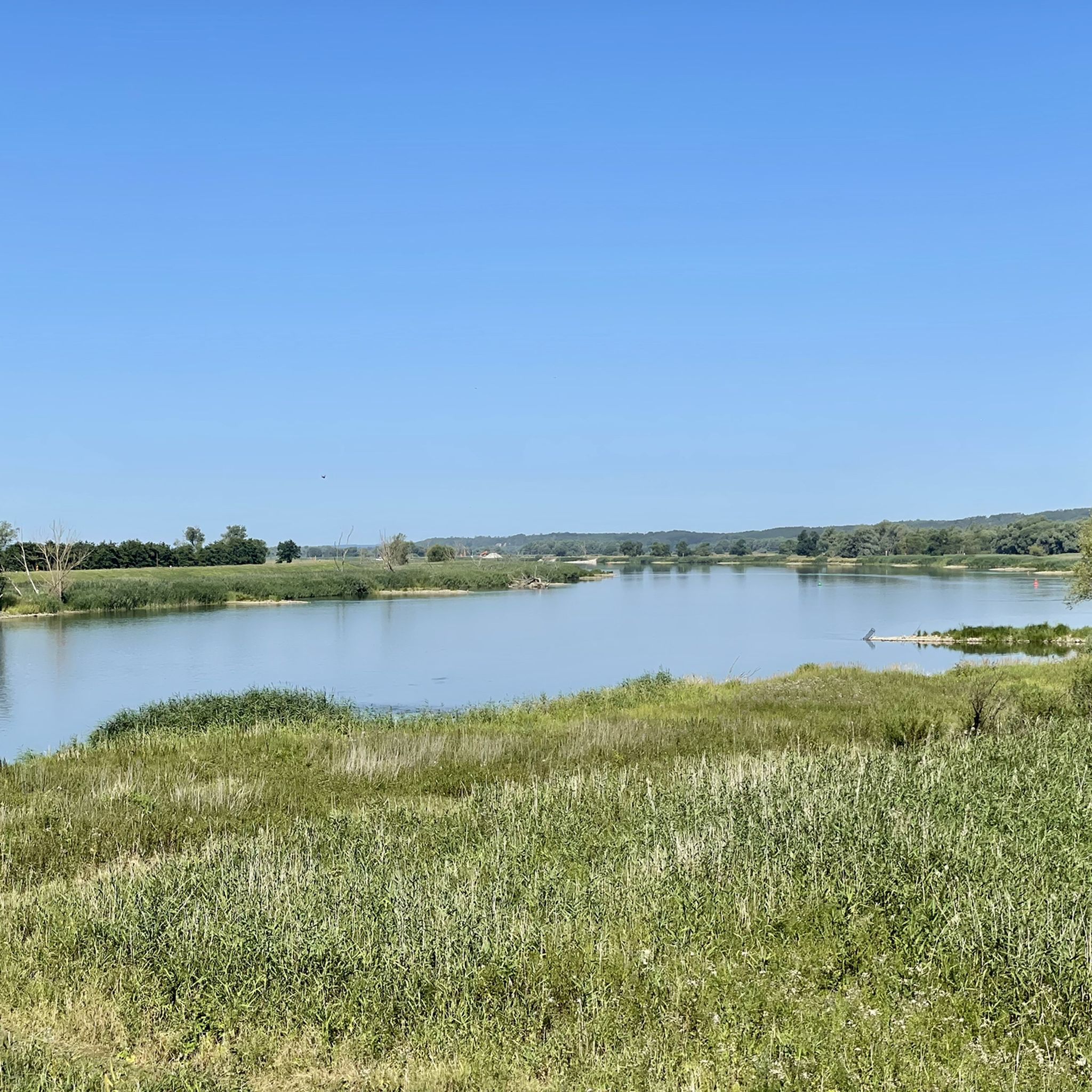
- Another must-see spot is View of the Lake and Stolpe Castle Tower, a viewpoint offering a distant view of Stolpe Castle's tower across a lake. Visitors can enjoy a scenic vista that includes a historical landmark.
- Visitors also love Remains of the Odrzański Castle Defensive Wall, a fragment of a former defensive castle from 1700. These accessible remains provide insight into 18th-century fortifications.
- Gryfino is known for its medieval defensive structures, historical villas, and traditional castles. The area offers a variety of historical sites to see and explore, from ancient walls to renovated residences.
- The castles around Gryfino are appreciated by the komoot community, with 10 upvotes and 27 photos shared by visitors.
Last updated: July 2, 2026
Swobnica Castle
Highlight • Castle
Translated by Google •
Tip by

Remains of the Odrzański Castle Defensive Wall
Highlight • Castle
Translated by Google •
Tip by

Sign up now to discover places like this
Get recommendations on the best single tracks, peaks, & plenty of other exciting outdoor places.
Sign up for free
Medieval City Walls of Chojna
Highlight • Historical Site
Translated by Google •
Tip by

Medieval City Fortifications of Chojna
Highlight (Segment) • Historical Site
Translated by Google •
Tip by

View of the Lake and Stolpe Castle Tower
Highlight • Viewpoint
Translated by Google •
Tip by

Start today with a free account
Your next adventure awaits.
Login or Signup



Tips from the Community

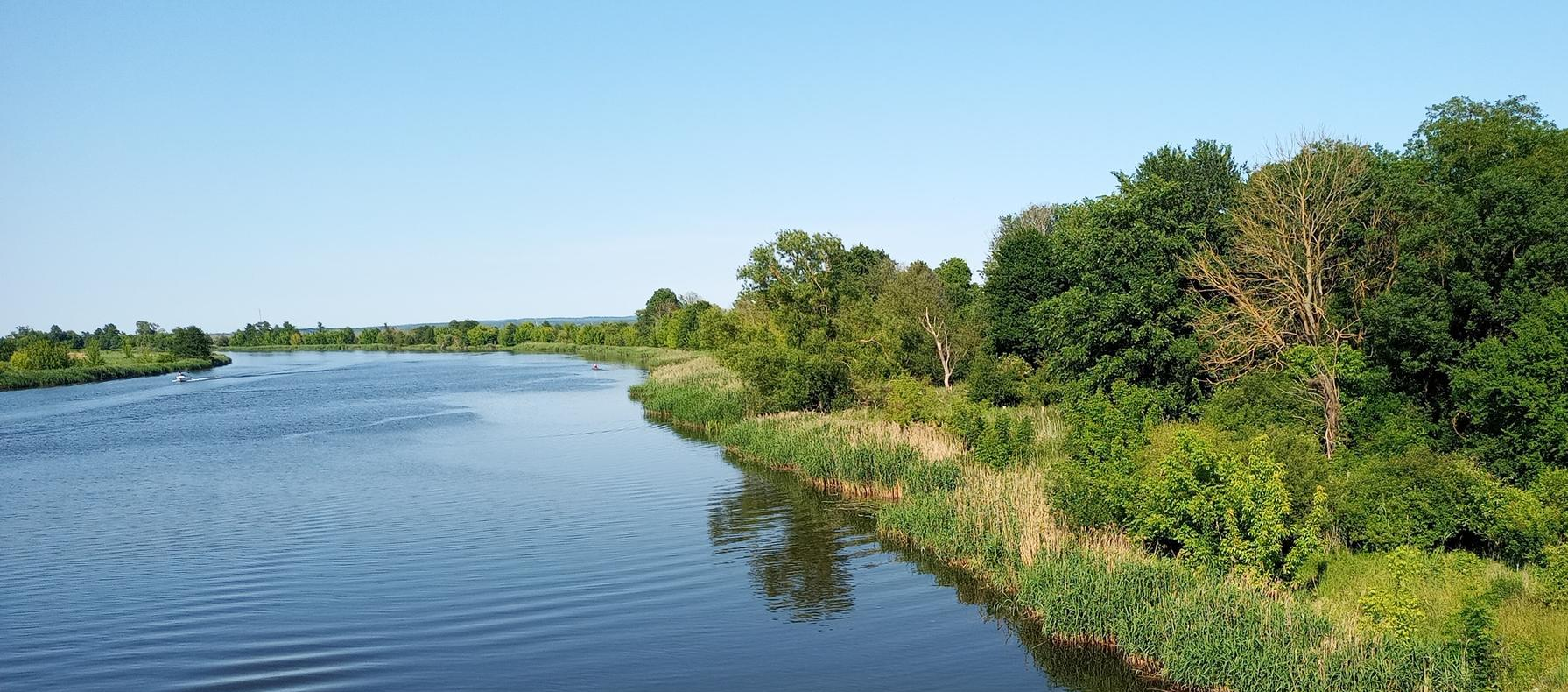
A viewpoint above the edge of the old gravel pit. From here you can see the lake that was created after the gravel pit was flooded, the active gravel pit on the lake shore, and on the horizon the tower of Stolpe Castle.
1
1

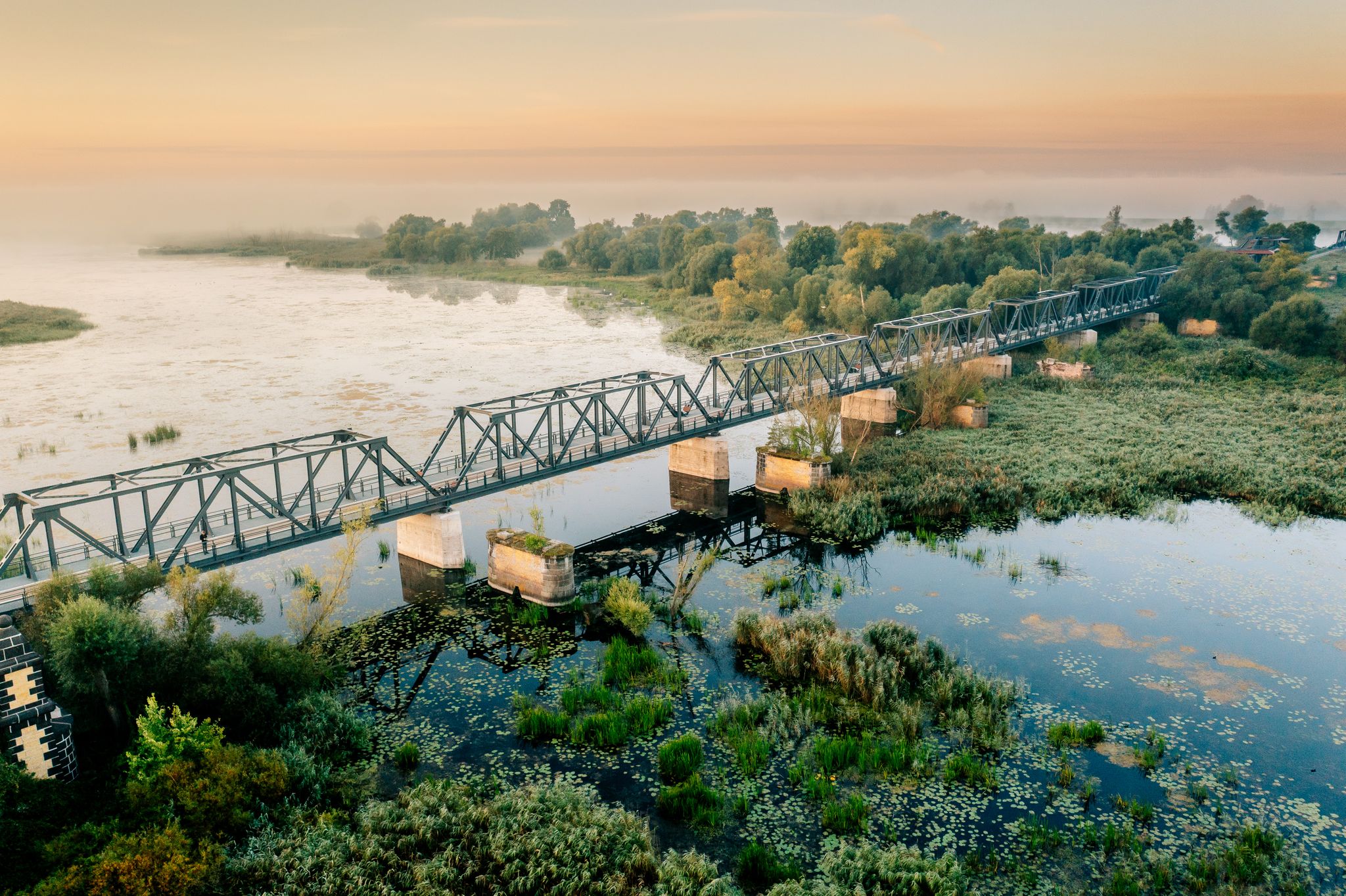
A fragment of the retaining wall of the former defensive castle from 1700
2
1
Since the first half of the 13th century, Swobnica and the surrounding areas belonged to the Templar Order, whose main seat was in the village of Rurka. After the liquidation of the order in 1312, the Templars' property was taken over by the Ionite Order, who, due to a conflict with the inhabitants of Rurka and the local knights, were forced to leave the property in Rurka and move to nearby Swobnica. Drawing on the experience of Rurka, the monks decided to build a more defensive structure. In 1377, the Hospitallers already had a building permit. The castle in Swobnica was built at the end of the 14th century. The brick building was created on a square plan and surrounded by a 15-meter wall, and additionally a 35-meter tower was built at the gate, which strengthened the fortifications of the estate. After the Thirty Years' War, the castle was taken over by the Swedes, and in 1680 the building was bought by the wife of the Elector of Brandenburg. On her orders, the building was rebuilt into a three-winged, Baroque hunting residence. During the modernization of the building, the western section of the defensive wall was demolished, along with the gate, while window openings were created in the remaining parts. Despite the renovation, the new owners preserved the brick facade and the tower – to which stairs were led from the courtyard level (previously, the tower could only be entered from the gun porch, which was located at a height of 16 meters). The castle remained in the hands of the Hohenzollerns until 1945. After the end of World War II, the castle was robbed, and later the building was repeatedly devastated by "treasure hunters", who, among other things, broke through the chimneys in the castle. During the Polish People's Republic, the castle served as the seat of the State Agricultural Farm, which first had its offices here and then created a granary in the castle. In 1993, the building was bought by a private investor from Belgium, who was to renovate it. In 2008, the oldest wing of the building collapsed. In 2011, the Banie commune regained the monument, a year later the eastern wing of the castle and the roof were renovated. In 2013, the renovation of the tower was completed. The castle is surrounded by a 2.5 ha landscape park from the 19th century, with a rich tree stand. The castle has been on the list of monuments since March 1957. Since August 2009, the Swobnica Castle Association has been operating, whose main task is to save the monument.
1
1
The castle was built in 1377 by the Order of St. John. Initially, it was just a brick, quadrangular defensive wall. In one corner there was a tower, and a residential house was attached to the northern wall. In the 15th century, the house was expanded, creating an entire residential wing. The eastern wing was also added. In the 16th century, the southern wing also appeared. The entrance to the castle was located on the west, near the tower. The St. John owned the castle until 1648, and in 1690 it was taken over by the Hohenzollern family from Schwedt. It was then rebuilt into a baroque residence. From the original design, only the tower remained. The Hohenzollerns ruled the castle until 1945. Later, the castle was taken over by the State Agricultural Farm. In the 1990s, when the castle was abandoned, treasure hunters took action, breaking down the walls and devastating everything that could be destroyed. Selling the castle to a private owner turned out to be a mistake, because for years he did nothing, allowing further devastation. In 2008, the north wing collapsed. Eventually, they managed to take over the castle. It is now the property of the commune. There is no money for renovation, but a new roof was put on and stairs were built to the tower.
3
1

The largely preserved medieval city wall of Chojna is now a listed building. Königsberg/Neumark was fortified in the 14th and 15th centuries. These were supplemented by three gates and numerous defensive and watchtowers. Despite considerable war damage in World War II, the city wall in Chojna remained almost completely intact. Two gates have survived to this day. One, the Bernikower Gate, took its name from the village of Berniko. It was built in the 14th and 15th centuries. The second preserved gate is the Schwedter Gate, Brama Swiecka, built in the 15th century and is considered one of the most beautiful Gothic city gates in the country. The city fortifications also included numerous towers, three of which have been preserved: Baszcza Piekarska, Więzienna and Bociania (Baker's, Prison and Stork Tower). The Billerbeck Tower, which was also called the Prison or Powder Tower, is located on the northern city wall.
1
0

The almost completely preserved medieval city wall of Chojna is now a listed building. Königsberg/Neumark received city fortifications in the 14th and 15th centuries. This was supplemented by 3 gates and numerous defensive and watchtowers. Despite significant war damage in World War II, the city wall in Chojna remained almost completely intact. Two goals remained until our time. One, the Bernikower Tor, got its name from the village of Berniko. It was created in the 14th and 15th centuries. The second preserved gate is the Schwedter Tor, Brama Swiecka, built in the 15th century and is considered one of the most beautiful Gothic city gates in the country. The city fortifications included numerous towers, three of which have been preserved: Baszcza Piekarska, Więzienna and Bociania (baker, prison and stork tower). The Billerbeck Tower, which was also called the prison or powder tower, is located on the northern city wall.
5
0
From the first half of the 13th century, Swobnica and the surrounding areas belonged to the Templar order, whose headquarters were in the village of Rurka. After the liquidation of the Order in 1312, the property of the Templars was taken over by the Jonites, who, due to a conflict with the inhabitants of Rurka and the surrounding knights, were forced to leave the taken over property in Rurka and move to nearby Swobnica. Drawing on their experience from Rurka, the monks decided to build a more defensive structure. In 1377, the Hospitallers already had a building permit. The castle in Swobnica was built at the end of the 14th century. The brick building was built on a square plan and surrounded by a 15-meter wall, and an additional 35-meter tower was built at the gate, which strengthened the fortifications of the estate. After the Thirty Years' War, the castle was taken over by the Swedes, and in 1680 the building was bought by the wife of the Elector of Brandenburg. On her orders, the building was rebuilt into a three-wing, baroque hunting residence. During the modernization of the facility, the western section of the defensive wall, along with the gate, was dismantled, and window openings were created in the remaining parts. Despite the renovation, the new owners kept the brick facade and the tower - which was reached by stairs from the courtyard level (previously, entry to the tower was only possible from the shooting porch, which was at a height of 16 meters). The castle remained in the hands of the Hohenzollerns until 1945. After the end of World War II, the castle was robbed, and later the building was repeatedly devastated by "treasure hunters" who, among others, they broke the chimneys in the castle. During the Polish People's Republic, the castle served as the headquarters of the State Agricultural Farm, which first had its offices here, and then created a granary in the castle. In 1993, the facility was bought by a private investor from Belgium, who was to renovate it. In 2008, the oldest wing of the facility collapsed. In 2011, the Banie commune regained the monument, and a year later the eastern wing of the castle and the roof were renovated. In 2013, the renovation of the tower was completed. The castle is surrounded by 2.5 ha of a 19th century landscape park with rich trees. The castle has been on the list of monuments since March 1957. The Swobnica Castle Association has been operating since August 2009, whose main task is to save the monument.
1
1
The first mention of the castle in Widuchowa (Fiddichow) dates back to 1159. In 1700, the then owners of the town - the Wulffs, built a new defensive castle, but it was destroyed already in 1730. Fragments of the lower parts of the castle, which serve as retaining walls, have survived to this day. The northern fragment is on private property, and the western one strengthens the Oder escarpment and is accessible to everyone. A transport company operates in the former courtyard.
3
2
Frequently Asked Questions
What kind of historical fortifications can I explore in Gryfino?
Gryfino offers a rich history of defensive architecture. You can explore significant fragments of its medieval defensive walls, which were initially constructed in the late 13th and early 14th centuries. The most impressive section is near the Bańska Gate, the only one of Gryfino's three original city gates that still stands. These sites provide a tangible connection to the town's medieval past and its urban defense strategies.
Is there a specific historical building in Gryfino that isn't a traditional castle but is worth visiting?
Yes, the "Pałacyk pod Lwami" (Palace under the Lions) is a significant historical building in Gryfino. This late 19th-century villa, named for the sculpted lions at its entrance, was originally built for an industrialist. It now serves as the Gryfino Cultural Center and is a vibrant part of contemporary Gryfino, often hosting events. Its unique location, with the municipal defensive walls forming its southern boundary, offers a fascinating juxtaposition of historical periods.
What is the history behind Swobnica Castle?
Swobnica Castle was erected after 1377 by the Order of St. John. Initially a defensive wall with a tower and residential house, it underwent expansions in the 15th and 16th centuries. After the Thirty Years' War, it was acquired by the Brandenburg elector's wife and rebuilt into a three-wing Baroque residence in the mid-17th century. From 1872, it became a royal residence. Today, its tower is often open during the summer season, allowing visitors to access an observation deck and see its thick, defensive walls.
Can I see remnants of older castles in the area?
Yes, you can visit the Remains of the Odrzański Castle Defensive Wall. This is a fragment of a former defensive castle from 1700, located in Widuchowa. While the original castle was destroyed in 1730, these accessible fragments serve as retaining walls and offer insight into 18th-century fortifications.
Are there good viewpoints to see castles or historical sites from a distance?
Absolutely. One notable spot is the View of the Lake and Stolpe Castle Tower. This viewpoint offers a scenic vista across a lake, where you can see the tower of Stolpe Castle in the distance. It's a great way to appreciate the historical landmarks within the natural landscape.
What outdoor activities are available near the historical sites in Gryfino?
The area around Gryfino's historical sites is excellent for outdoor activities. You can find various routes for running, hiking, and gravel biking. For instance, there are easy hikes like 'Anna's Path' or 'Cedynia Heath: Cedynia Landscape Park'. Cyclists can explore routes like the 'Mescherin–Gryfino Cycle Path'. You can find more details on these activities in the Easy hikes around Gryfino, Running Trails around Gryfino, and Gravel biking around Gryfino guides.
Are there hiking trails around the castles and historical sites?
Yes, there are several hiking trails available. For easy walks, consider routes like 'Cedynia Heath: Cedynia Landscape Park' or 'Anna's Path'. These trails allow you to explore the natural surroundings while being close to historical areas. For more options, refer to the Easy hikes around Gryfino guide.
What is the best time of year to visit the castles and historical sites around Gryfino?
The summer season is generally recommended for visiting the castles and historical sites, especially for places like Swobnica Castle where the tower is open for observation. Warmer months offer pleasant weather for exploring the outdoor defensive walls and enjoying the scenic viewpoints.
Are the historical sites around Gryfino suitable for families?
Many of the historical sites and surrounding areas are suitable for families. For example, the View of the Lake and Stolpe Castle Tower is categorized as family-friendly, offering a pleasant scenic spot. Exploring the medieval defensive walls and the Bańska Gate can also be an engaging historical experience for children.
Is there information on accessibility for visitors with mobility challenges?
While specific wheelchair accessibility details for all sites are not extensively documented, some areas might be more challenging due to the historical nature of the fortifications. For instance, accessing the observation deck at Swobnica Castle involves steep wooden stairs. It's advisable to check specific site conditions or contact local tourist information for detailed accessibility information before your visit.
Where can I find accommodation near the castles and historical sites in Gryfino?
Gryfino, as a town, offers various accommodation options including hotels and guesthouses. For specific recommendations or to find places closest to the historical sites, it's best to check local booking platforms or tourist information resources for Gryfino.
Are there any cafes or places to eat near these historical locations?
Yes, within Gryfino town center, which is home to the medieval defensive walls and the Bańska Gate, you will find cafes and restaurants. For sites further afield like Swobnica Castle, it's recommended to plan your visit with provisions or check for local eateries in nearby villages.
Most popular routes around Gryfino
Most popular attractions around Gryfino

Get inspired with the komoot mobile app


Didn’t find what you were looking for?
Explore Gryfino’s best castles region by region:
Explore more
Looking for the best castles somewhere else? Discover other guides around Gryfino:
