Top 5 Castles around Wschowa
Best castles around Wschowa include historic palaces and remnants of defensive structures. Wschowa, a town with a rich past, features 14th-century defensive wall remnants. The surrounding region offers several historical buildings that provide insight into its architectural heritage. These sites are often set within picturesque landscapes, such as parks or along lakes.
Best castles around Wschowa
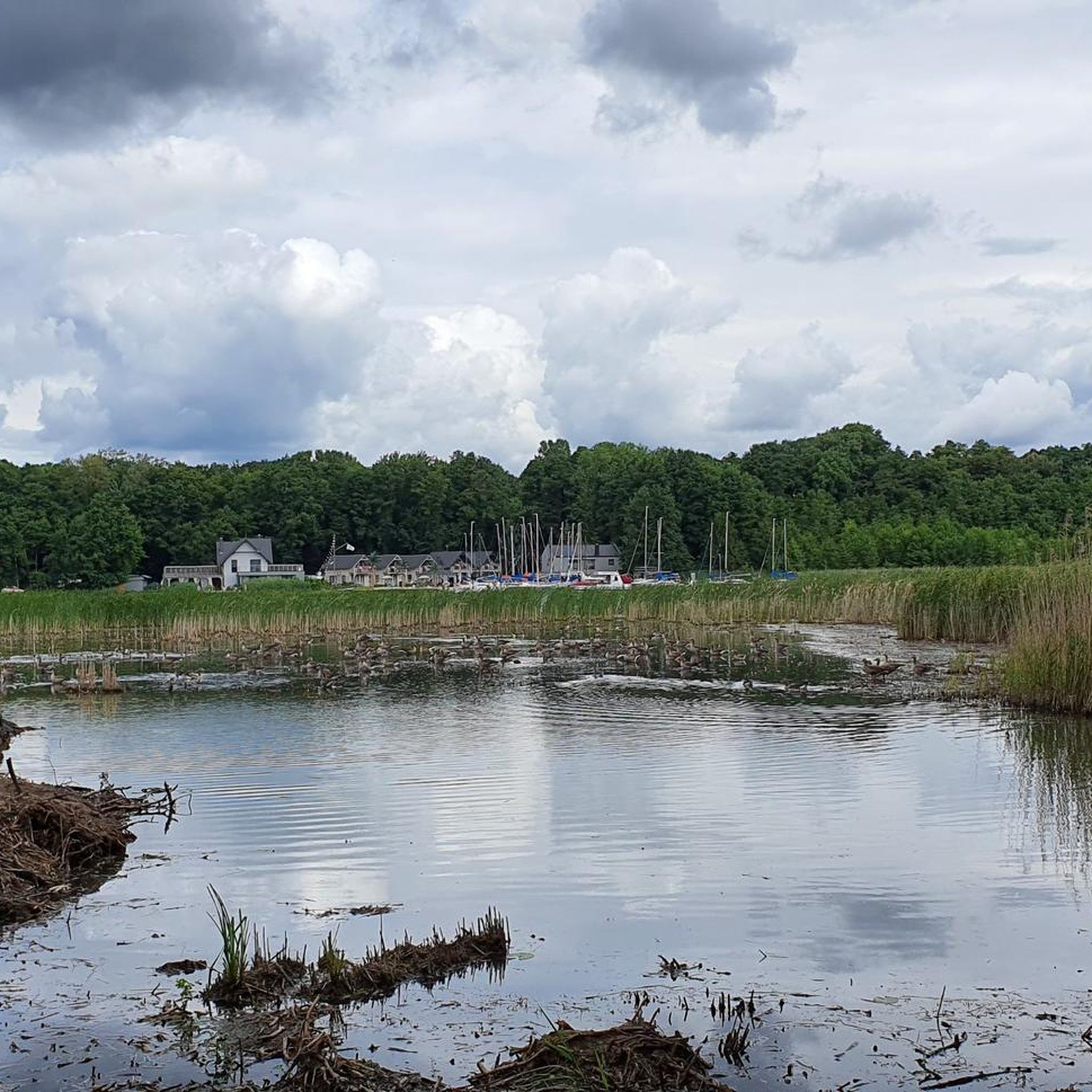
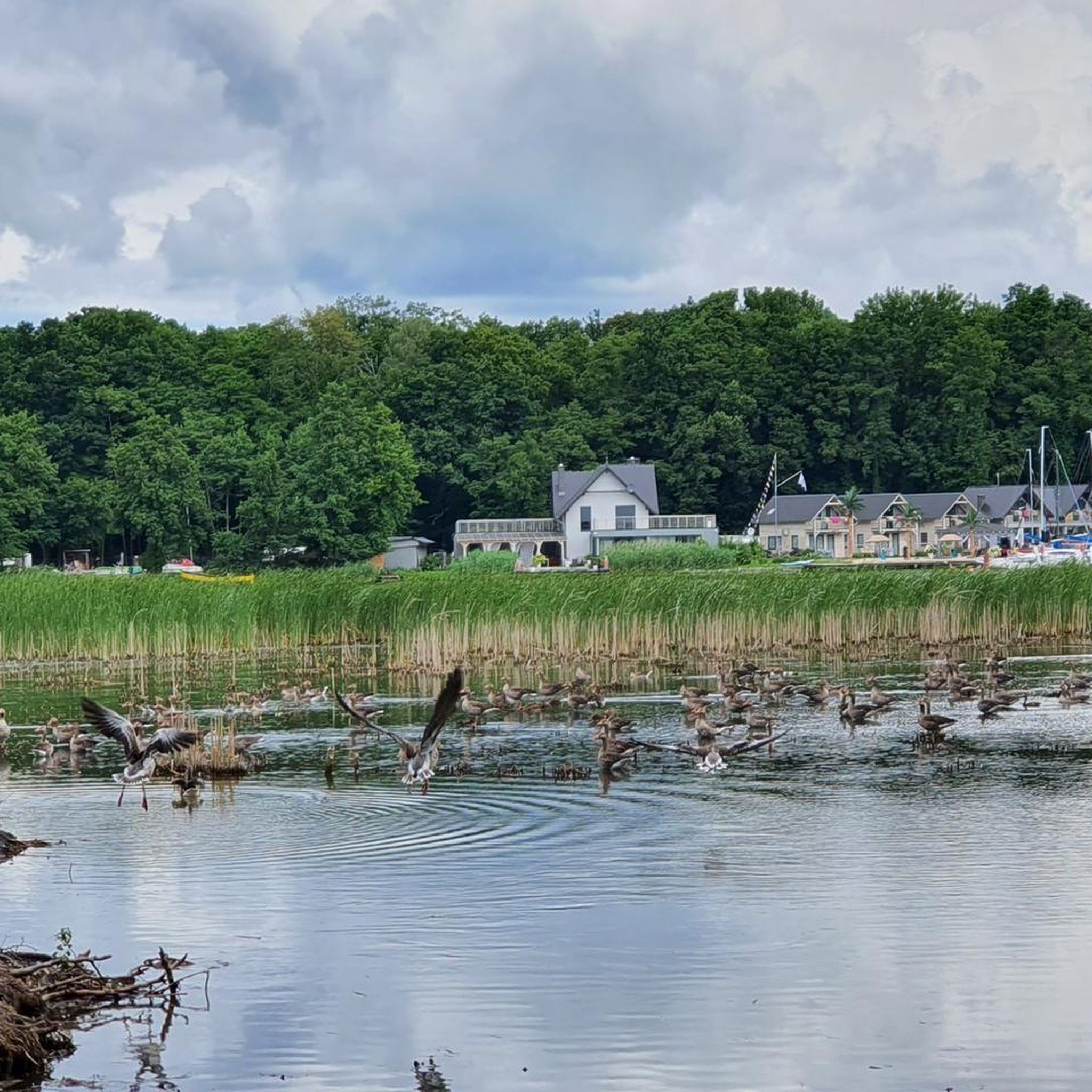
- The most popular castles is Palace in Sława, a castle that was rebuilt in Baroque style in the 18th century. It is situated…
Last updated: July 2, 2026
Palace in Sława
Highlight • Castle
More information: de.wikipedia.org/wiki/Schloss_Schlawa
Translated by Google •
Tip by

Royal Castle in Wschowa
Highlight • Castle
Translated by Google •
Tip by

Sign up now to discover places like this
Get recommendations on the best single tracks, peaks, & plenty of other exciting outdoor places.
Sign up for free
Czerwony Róg Palace
Highlight • Castle
It was built in its present shape in the 17th century, but its oldest part is 800 years old. From 1995, Baroness Sigrun von Schlichting tried to restore its …
Translated by Google •
Tip by

Ruins of Geibel Castle (Heinrichslust)
Highlight • Castle
Translated by Google •
Tip by

Krążkowo Palace
Highlight • Castle
Translated by Google •
Tip by

Start today with a free account
Your next adventure awaits.
Login or Signup

Tips from the Community

The castle is a bit of a misleading term, but the building is very nice and there is a cool restaurant in the courtyard.
0
0

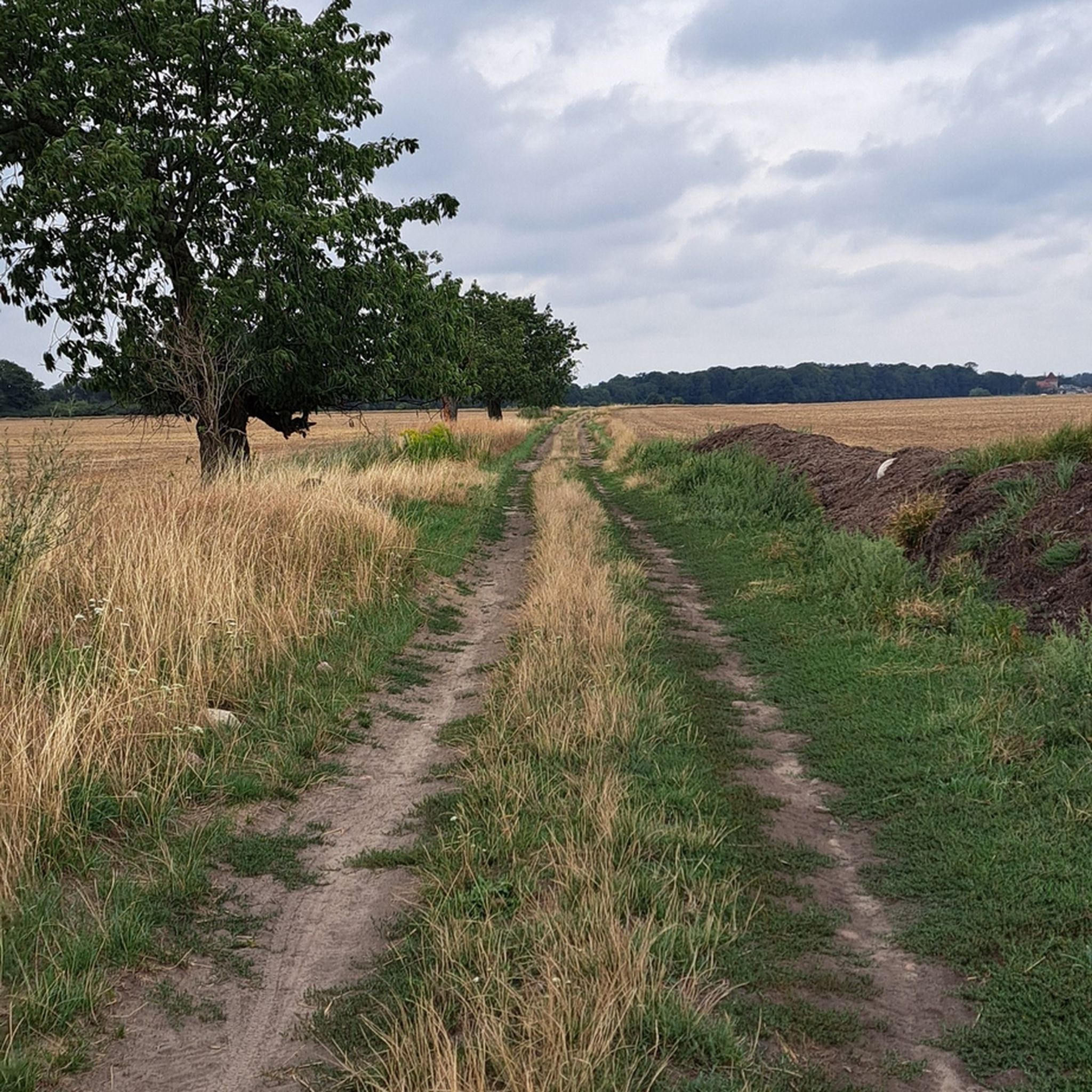
Ruins in the forest, remnants of walls and old fallen trees. Silence and the sounds of the forest.
0
0

On the site of the palace, there already existed a defensive Renaissance castle from the turn of the 16th/17th century, likely built by Stanisław Wilkowski. In 1776, Samuel Mielęcki rebuilt it into a Baroque palace – a brick, two-story, rectangular-shaped structure with cylindrical towers at the front. Currently, it is privately owned and falls into increasing disrepair.
2
0
In the place of the present palace there was already a castle of the Dukes of Głogów, mentioned since 1468, passed on to the von Rechenberg family. At the end of the 16th century, Hans von Rechenberg rebuilt it in the Renaissance style. In the mid-17th century, the estate passed into the hands of the Barwitz family (von Fernemont). After a great fire in 1721, the former castle was rebuilt in the years 1732–1735 as a two-storey Baroque residence, preserving part of the older structure. The palace served as the residence and archive of the Reich Main Security Office, as well as Heinrich Himmler; a unique collection of books on Freemasonry and witch trials was gathered here. After the war, it was transformed into, among other things, a Children's Home (1957–2006); previously it housed the tax office, ZHP, OSP and a playhouse.
2
0

The palace was built in the late 19th century in the neo-Baroque style, with a richly decorated facade covered with a hipped roof.
0
0

The palace is fenced, inaccessible. You can only see what you can see from the street. Behind the palace there is a wild palace park.
1
0

In this palace, the Reich Security Main Office created a residence for the head of the SS and Minister of the Interior, Heinrich Himmler. Inspired by Arthurian legends, he dreamed of the SS becoming an order of the "new religion" which he considered Nazism.
0
0
Baroque palace built in the 1730s on the foundations of the old Rechenberg castle. The castle was first mentioned in 1468. During World War II, the Germans gathered a unique collection of Masonic books in the palace, which is currently located in the University Library in Poznań. In the years 1957-2006, the palace functioned as an Orphanage. Today, it is abandoned and fenced. No sightseeing.
0
0
Frequently Asked Questions
What types of historic buildings can I expect to find around Wschowa?
While Wschowa itself doesn't feature traditional medieval castles open to the public, the region is home to several historic palaces and remnants of defensive structures. These include 18th-century Baroque residences, 19th-century pleasure palaces, and the remains of older fortifications, offering a glimpse into the area's rich architectural past.
Which castles or palaces are accessible for visitors?
The Royal Castle in Wschowa operates as a hotel and restaurant, allowing visitors to experience a historic setting. The Palace in Sława is situated within a landscape park along a lake, though the palace itself is privately owned and currently unused. The Ruins of Geibel Castle (Heinrichslust) are accessible as remnants within a forest, offering a quiet, natural experience. Other palaces like Czerwony Róg Palace and Krążkowo Palace are privately owned and generally not accessible to the public.
Are there any family-friendly historic sites near Wschowa?
The Royal Castle in Wschowa, functioning as a hotel with a restaurant, is categorized as family-friendly, offering a comfortable and historic environment. For outdoor activities, there are easy hiking routes around the region, such as the 'Bridge by the palace in Slava – Palace in Sława loop' or the 'Memorial Stone – Graduation Tower loop' from gmina Sława, which can be suitable for families.
What natural features can I explore near these castles?
Many of the historic sites are set within picturesque natural surroundings. The Palace in Sława is located within a landscape park along a lake, providing scenic views. The Ruins of Geibel Castle (Heinrichslust) are nestled within a forest, offering a tranquil natural setting. The region also features the remnants of Wschowa's 14th-century defensive walls, which can be explored around the old town.
Can I go hiking or cycling near the castles around Wschowa?
Yes, the area around Wschowa offers various outdoor activities. You can find easy hiking trails, such as those around Sława, and numerous cycling and mountain biking routes. For example, the 'Lake Sławskie – Wild Beach – Lake Sławskie loop' is an easy cycling route, and there are moderate MTB trails like 'Stara Winna Góra – View of the Forest Road loop'. You can find more details on these routes in the Cycling around Wschowa, Easy hikes around Wschowa, and MTB Trails around Wschowa guides.
What is the best time of year to visit the castles and palaces in the Wschowa region?
The best time to visit is generally during the spring, summer, and early autumn months (April to October) when the weather is milder and the natural landscapes surrounding the palaces and ruins are at their most vibrant. This also allows for comfortable exploration of the outdoor areas and nearby trails.
Are there any accommodations or dining options directly at these historic sites?
Yes, the Royal Castle in Wschowa functions as a hotel and features an elegant restaurant with a fireplace, providing both accommodation and dining in a historic atmosphere. The Palace at Osowa Sien, while not a public hotel, is available for private rental, offering spacious suites and common areas.
What historical significance do the defensive walls of Wschowa hold?
The remnants of Wschowa's defensive walls date back to the 14th century. These walls were a crucial part of the town's medieval defensive system. While the original castle was largely replaced, these wall remnants still stand around the old town, offering a tangible connection to Wschowa's long history as a fortified settlement. You can learn more about them at medievalheritage.eu.
What is unique about the Palace at Osowa Sien?
The Palace at Osowa Sien is a distinctive 19th-century hunting or pleasure palace, not a traditional defensive castle. It features an eclectic blend of Neo-Renaissance and Gothic styles, a chalk-white facade, and the tallest tower in the area. While privately owned, it's available for private rental, offering a unique opportunity to experience living in a historic estate with a park, elegant interiors, and wellness facilities.
What do visitors appreciate most about the castles and palaces around Wschowa?
Visitors often appreciate the historical atmosphere and the unique character of these sites. The Royal Castle in Wschowa is praised for its historic ambiance and central yet quiet location. The Ruins of Geibel Castle (Heinrichslust) are valued for their quiet, forested setting. The overall appeal lies in discovering these less-known historical gems and their integration into the natural landscape.
Are there any hidden gems among the historic sites in the Wschowa region?
The Ruins of Geibel Castle (Heinrichslust) could be considered a hidden gem. Tucked away in the forest, these remnants of walls offer a quiet and reflective experience, away from more crowded attractions. The privately rented Palace at Osowa Sien also offers a unique, exclusive experience for those seeking a less conventional historical visit.
Most popular routes around Wschowa
Most popular attractions around Wschowa

Get inspired with the komoot mobile app


Didn’t find what you were looking for?
Explore Wschowa’s best castles region by region:
Explore more
Looking for the best castles somewhere else? Discover other guides around Wschowa:
