Top 5 Caves around Walnut Creek
Best caves around Walnut Creek are found within a region characterized by diverse geological features and extensive natural landscapes. Located in California's East Bay, the area is adjacent to Mount Diablo State Park and various regional wilderness areas. This setting provides opportunities for exploring unique subterranean formations and historical sites. The landscape includes rolling hills, oak woodlands, and significant rock outcrops, shaped by millions of years of natural processes.
Best caves around Walnut Creek
- The most popular caves is Sandstone…
Last updated: June 27, 2026
Sandstone caves in Castle Rock formations
Highlight • Cave
Slightly acidic rainwater seeps into the sandstone during winter rains and dissolves some of the calcite. Warm and dry days cause …
Tip by

Devil's Hole Trail
Highlight (Segment) • Trail
Tip by

Sign up now to discover places like this
Get recommendations on the best single tracks, peaks, & plenty of other exciting outdoor places.
Sign up for free
Black Diamond Shaft
Highlight • Historical Site
Tip by
Wind Caves
Highlight • Cave
Tip by

Jim's Place
Highlight • Cave
Tip by
Start today with a free account
Your next adventure awaits.
Login or Signup

Tips from the Community

The Wind Caves are part of an area called Rock City in the Mount Diablo State Park. The Wind Caves are unique sandstone caves and tunnels that were formed by wind erosion over time. The caves vary in size, providing opportunities for hikers to wander through and appreciate the sculpted rock.
0
0

This once 150-foot-deep air shaft was put in place to ventilate a coal mine to keep it free from dangerous gasses. There is a short tunnel to access the interior and get a closer look. On the excavation sides, there is still evidence of marks left by the picks from miners.
0
0
The origin of this unusual little underground dwelling is unknown. You can see a round stovepipe hole, a square skylight, and a shelf opening from the interior.
0
0
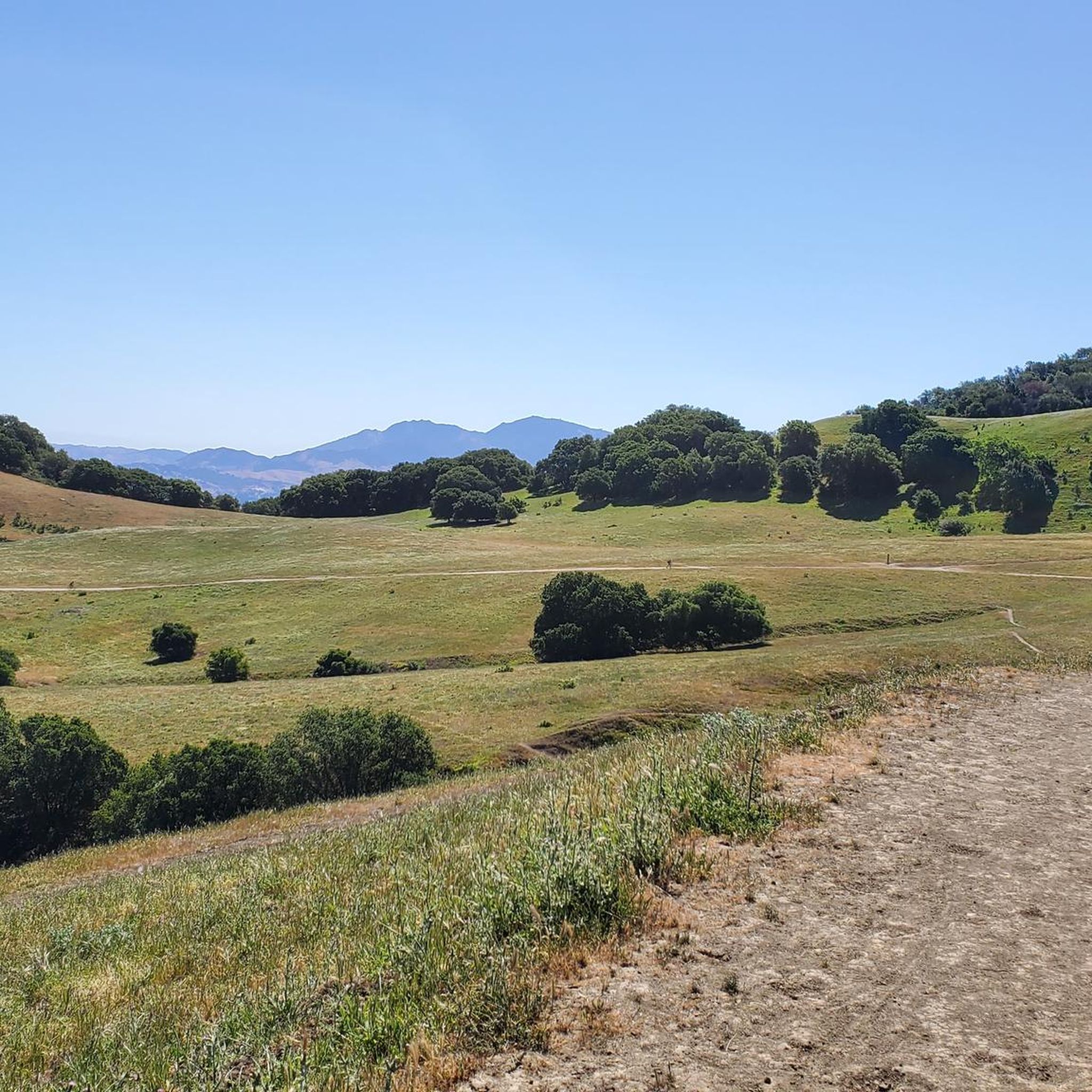
This well-maintained trail offers fantastic views of the San Francisco Bay, Mount Diablo, the Livermore Valley and the Sacramento River Delta. In the spring, many wildflowers bloom on the green hillsides, with lupine and golden poppies blooming as late as October. Any time of year is beautiful here, encouraging you to take a break from the steep climb and take a few gorgeous photos.
1
0
This once 150 feet deep air shaft was put in place to ventilate a coal mine to keep it free from dangerous gasses. There is a short tunnel to access the interior and get a closer look. On the excavation sides, there is still evidence of marks left by the picks from miners.
0
0
This unusual little underground dwelling's origin is unknown. From the interior, you can see a round stovepipe hole, a square skylight and a shelf opening.
0
0

Devil's Hole trail leads along the southern edge of the Las Trampas Regional Wilderness, which offers 5,342 acres of wilderness and an expanded trail system. It passes by Devil's hole, a cave formed by a folded rock formation where the softer stratas have eroded to form a tunnel-shaped cave with openings on both sides of a 100 m long crawlspace. http://www.ebparks.org/parks/las_trampas For more hiking details see http://bahiker.com/eastbayhikes/lastrampas.html or the other sections of this loop here: https://www.komoot.com/tour/7109119
1
1
Water, wind, and calcite erosion in per-volcanic sandstone formation. Slightly acidic rainwater seeps into the sandstone during winter rains and dissolves some of the calcite. Warm and dry days cause the moisture to pull the dissolved calcium back out of the rock, causing holes and caves to form. Watch for peregrine falcons and other birds of prey nesting high up in the Castle Rock caves. The upper trails are closed Feb-July to avoid disturbing the nesting birds.
1
0
Frequently Asked Questions
What kind of geological formations can I expect to see in the caves around Walnut Creek?
The caves in this region showcase diverse geological processes. You can find Sandstone caves in Castle Rock formations, shaped by water, wind, and calcite erosion. The Wind Caves in Mount Diablo State Park are unique sandstone formations, primarily carved by millions of years of rainwater and carbon dioxide dissolving the sandstone. Rocky Ridge in the Las Trampas Regional Wilderness also features numerous aeolian caves, formed by wind.
Are there any historically significant caves in the Walnut Creek area?
Yes, Joel's Rockspring Cave within Walnut Creek is a small, historically significant site featuring two bedrock mortars, indicating its use by Native Americans. Additionally, Black Diamond Shaft is a historical coal mine air shaft, where you can still see pick marks from miners.
Are the caves around Walnut Creek suitable for families with children?
Many caves in the area are family-friendly. The Wind Caves in Mount Diablo State Park are particularly popular with families, offering a natural playground with crawlable tunnels and opportunities for exploration. Joel's Rockspring Cave is also easily accessible via a short hike and has been a long-standing local spot where children gather.
What is the best time of year to visit the caves near Walnut Creek?
Spring and fall generally offer pleasant weather for exploring. However, be aware that the upper trails near Sandstone caves in Castle Rock formations are closed from February to July to avoid disturbing nesting birds of prey. The Devil's Hole Trail is beautiful any time of year, with wildflowers blooming in spring.
Are there any easy-to-explore caves near Walnut Creek?
Joel's Rockspring Cave is easily accessible via a half-mile hike, making it suitable for a short outing. The Wind Caves in Mount Diablo State Park offer interactive exploration that is generally suitable for various ages and activity levels, with many 'crawlable' sections.
What outdoor activities can I do near these caves?
The region offers a variety of outdoor activities. You can find numerous hiking trails, such as those in Las Trampas Regional Wilderness near Rocky Ridge, or explore easy hikes around Walnut Creek. For cycling enthusiasts, there are road cycling routes and gravel biking options, including challenging rides up Mount Diablo. You can find more details on these activities in the easy hikes around Walnut Creek guide, road cycling routes guide, and gravel biking guide.
Where are the Wind Caves located and what makes them unique?
The Wind Caves are located in Rock City within Mount Diablo State Park. They are unique sandstone caves and tunnels, primarily formed by millions of years of rainwater mixed with carbon dioxide dissolving the sandstone's binding agents, rather than just wind. This process has created intricate shapes and formations that are fun to explore.
Are there any caves that involve crawling or more adventurous exploration?
Yes, the Devil's Hole Trail passes by a cave formed by a folded rock formation, where softer strata have eroded to create a tunnel-shaped cave with openings on both sides of a 100-meter-long crawlspace. The Wind Caves also offer many 'crawlable' sections for interactive exploration.
What should I wear when exploring caves in the Walnut Creek area?
For most cave explorations in this region, comfortable hiking attire is recommended. Wear sturdy shoes with good grip, as surfaces can be uneven. Layers are advisable as temperatures inside caves can be cooler than outside, and trails leading to them may involve elevation changes. A headlamp or flashlight is also useful for darker sections.
Are there any unique or hidden gem caves in the Walnut Creek area?
Beyond the well-known spots, Jim's Place is an unusual underground dwelling with an unknown origin, featuring a stovepipe hole, skylight, and shelf opening. Joel's Rockspring Cave, while small, is a local hidden gem with historical significance due to its Native American bedrock mortars.
Can I bring my dog to the caves around Walnut Creek?
Dog policies vary by location. Mount Diablo State Park, home to the Wind Caves, generally allows dogs on paved roads and in developed areas, but often not on unpaved trails or in wilderness areas. It's best to check the specific park or wilderness area regulations before visiting. For Mount Diablo State Park, you can check their official website for current rules: parks.ca.gov.
Are there any guided cave tours available near Walnut Creek?
The caves mentioned in the Walnut Creek area, such as the Wind Caves, Sandstone caves in Castle Rock formations, and Joel's Rockspring Cave, are generally self-guided exploration sites rather than locations offering formal guided tours. Visitors typically explore them independently.
Most popular routes around Walnut Creek
Most popular attractions around Walnut Creek

Get inspired with the komoot mobile app


